
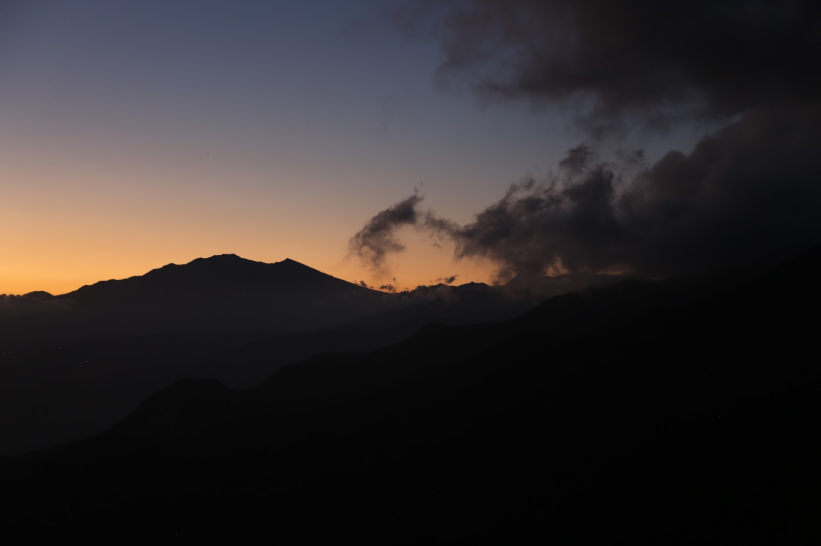
Changuinola: Panama's Tropical Frontier City of Bananas, Rivers, Rainforest, Indigenous Culture, and Caribbean Adventure

When most travelers think about Panama, their minds usually jump immediately to the gleaming skyline of Panama City, the famous Panama Canal, the mountain town of Boquete, or the turquoise waters surrounding Bocas del Toro. Yet tucked away in the far northwestern corner of the country lies one of Panama's most fascinating and least understood cities. It is a place where enormous banana plantations stretch toward the horizon, where mighty rivers descend from jungle-covered mountains, where indigenous cultures remain deeply connected to the land, and where the atmosphere feels distinctly Caribbean despite being unmistakably Panamanian. That place is Changuinola.

For many travelers, Changuinola is merely a name glimpsed through a bus window on the way to somewhere else. People heading toward Bocas del Toro pass through without stopping. Others see it marked on a map and know little more than its location. Yet those who take the time to understand Changuinola discover that it occupies a unique position within Panama's story. It is a city shaped by bananas, rivers, rainforests, Caribbean influences, indigenous traditions, and one of the wettest climates in the entire country. It is both a gateway and a destination, a working city rather than a tourist town, and a place that reveals an entirely different side of Panama than many visitors ever experience.

The first thing that strikes many newcomers is the landscape itself. Changuinola sits within an incredibly fertile lowland region where rivers descending from the mountains meet broad tropical plains before eventually reaching the Caribbean Sea. Everything seems green. Not just green in the ordinary sense, but intensely, almost overwhelmingly green. Rainfall is abundant throughout much of the year, and the result is a landscape bursting with vegetation. Fields, forests, wetlands, and plantations blend together beneath a climate that encourages growth at an astonishing pace. Trees seem larger, grass grows faster, and tropical plants flourish in every available space. Visitors arriving from drier regions of Panama often feel as though they have entered an entirely different country.

Perhaps no industry has shaped Changuinola more than bananas. For generations, bananas have been at the heart of the region's economy and identity. Vast plantations surround the city, creating one of the most distinctive agricultural landscapes in Panama. Driving through the area, travelers often find themselves passing endless rows of banana plants stretching toward the horizon. These plantations are not merely local farms but part of a global agricultural story that has connected the Caribbean Basin to international markets for more than a century. The history of bananas in Changuinola is intertwined with the development of transportation networks, labor movements, migration patterns, and economic growth. Entire communities grew alongside the industry, and even today bananas remain one of the defining features of the region.

The scale of these plantations can be difficult to comprehend until you see them firsthand. Acres upon acres of banana plants create a sea of green extending across the lowlands. Workers move through the fields carrying out tasks that keep the industry functioning. Specialized infrastructure supports harvesting and transportation. Overhead cable systems, often unfamiliar to visitors, transport bunches of bananas through sections of the plantations. It is a fascinating glimpse into an agricultural world that many people know only through the fruit they see in supermarkets thousands of kilometers away.

Water is another force that defines Changuinola. The region is home to several major rivers, none more important than the Changuinola River. Fed by rainfall falling on distant mountains and protected forests, these rivers shape both the landscape and the lives of local communities. They provide water, support ecosystems, influence agriculture, and create important wildlife habitats. During periods of heavy rain, they remind everyone of nature's power. The combination of mountains, rivers, and tropical rainfall creates one of the most dynamic environments in Panama.

The city's relationship with rain is legendary. Changuinola is often considered one of the wettest places in the country. Rain is not merely an occasional weather event here. It is a defining characteristic of life. Visitors quickly learn that rain can arrive suddenly and with remarkable intensity. Yet locals adapt with ease. Daily routines continue. Businesses operate. People simply carry on. Over time, the rain becomes part of the rhythm of the place. It nourishes the forests, fills the rivers, sustains agriculture, and contributes to the lush beauty that defines the region.

Beyond its agricultural importance, Changuinola serves as an important gateway to some of Panama's most extraordinary natural environments. To the south and east rise the mountains and forests that form part of the vast protected areas connecting Panama and Costa Rica. These landscapes contain remarkable biodiversity and some of the most important conservation areas in Central America. Wildlife thrives in these forests. Rivers cut through valleys. Clouds drift across mountain slopes. The ecological richness of the region is immense, and Changuinola sits at the edge of this natural abundance.

One cannot discuss Changuinola without acknowledging its deep connections to indigenous cultures, particularly the Ngäbe and the Naso. These communities have maintained strong cultural traditions despite the many changes that have occurred around them. Their histories are woven into the story of the region. Languages, customs, agricultural practices, traditional knowledge, and cultural identity continue to shape life in the broader area. Travelers interested in understanding Panama beyond its tourist attractions often find this cultural dimension particularly rewarding.

The nearby Naso territories are especially fascinating because they represent one of the most unique indigenous cultures in Central America. The Naso have maintained traditions and governance systems that differ from those of neighboring groups, creating a cultural landscape that is both distinctive and historically significant. Their connection to the forests and rivers of the region reflects centuries of adaptation and coexistence with the natural environment.

Although Changuinola itself is often viewed as a commercial and transportation center, it also serves as a gateway to some remarkable adventures. Many travelers pass through on their way to Bocas del Toro, yet few realize how much lies nearby. Rivers offer opportunities for exploration. Forested areas provide wildlife viewing possibilities. Indigenous communities offer cultural insights. Rural roads lead into landscapes that remain largely unknown to mainstream tourism. For adventurous travelers willing to explore beyond the usual itineraries, the region contains countless discoveries.

The city's Caribbean influence is another element that sets it apart. Panama is often thought of as a bridge between continents, oceans, and cultures, and Changuinola reflects this role beautifully. Caribbean traditions, foods, music, and influences blend with indigenous heritage and broader Panamanian culture. The result is a place with a unique identity that feels different from both Panama City and the mountain towns of western Panama. Visitors often notice this difference immediately in the atmosphere, cuisine, accents, and daily life.

Food in Changuinola reflects the region's diversity and abundance. Tropical fruits are everywhere. Bananas and plantains appear in countless forms. Coconut flavors are common. Fresh fish and seafood arrive from nearby Caribbean waters. Traditional Panamanian dishes coexist alongside Caribbean influences and indigenous culinary traditions. For travelers willing to explore local eateries and markets, the region offers a delicious introduction to a side of Panama that many visitors never fully experience.

One of the most overlooked aspects of Changuinola is its strategic location. While many travelers focus on Bocas del Toro's islands, Changuinola serves as a critical transportation hub connecting inland Panama, the Caribbean coast, and nearby regions. Roads radiate outward toward mountain communities, agricultural areas, and transportation routes. The city functions as a center of commerce, logistics, and daily life for a large surrounding area. Unlike destinations designed primarily for tourists, Changuinola feels authentic because it exists first and foremost for the people who live and work there.

Wildlife enthusiasts will find much to appreciate in the region. The surrounding forests support an extraordinary variety of species. Birds, reptiles, amphibians, mammals, and insects thrive within the area's diverse ecosystems. Rainfall, warm temperatures, and extensive natural habitats create ideal conditions for biodiversity. While wildlife viewing may not be as organized as in some tourism focused destinations, the potential for encounters remains impressive.

Perhaps what makes Changuinola most fascinating is that it represents a version of Panama many travelers never see. It lacks the polished tourism infrastructure of more famous destinations. It does not market itself aggressively to international visitors. It is not trying to be a tropical resort or a backpacker hotspot. Instead, it remains a working city shaped by agriculture, rivers, culture, and geography. That authenticity gives it a character that is increasingly rare in a world where many destinations begin to resemble one another.

For those willing to look beyond the obvious attractions, Changuinola offers a richer understanding of Panama. It reveals the importance of agriculture, the influence of Caribbean culture, the significance of indigenous communities, and the power of tropical landscapes. It shows how rivers, rainfall, and fertile soil can shape an entire region. It demonstrates that some of the country's most interesting stories exist far from its most famous landmarks.

Standing in Changuinola after a tropical rain shower, watching clouds drift above distant mountains while the surrounding landscape glows with impossible shades of green, it becomes clear that this city occupies a special place within Panama. It is a gateway to adventure, a center of culture, a hub of agriculture, and a reminder that some of the most fascinating destinations are often those that travelers initially overlook. While many visitors rush through on their way to somewhere else, Changuinola quietly rewards those who take the time to discover it. In doing so, it reveals a side of Panama that is lush, authentic, complex, and unforgettable.

Cerro Fábrega: Panama's Forgotten Giant and the Country's Second Highest Peak

When people talk about mountains in Panama, one name almost always dominates the conversation: Volcán Barú. It is the mountain that appears in guidebooks, travel blogs, hiking forums, and social media posts. It is famous for its summit views, its volcanic origins, and the rare possibility of seeing both the Pacific Ocean and the Caribbean Sea from the same location on a clear day. Yet hidden deep within one of the wildest and least explored regions of the country stands another giant that receives only a fraction of the attention. Rising to approximately 3,335 meters above sea level, Cerro Fábrega is Panama's second highest peak, a remote and mysterious mountain that few Panamanians have seen and even fewer have climbed.

Unlike Volcán Barú, which can be reached by road and attracts thousands of visitors each year, Cerro Fábrega remains a true wilderness mountain. It lies deep within the vast protected landscapes of western Panama near the border with Costa Rica, surrounded by dense cloud forest, rugged terrain, and ecosystems that remain among the least disturbed in Central America. For many nature lovers, that remoteness is exactly what makes the mountain so fascinating. It represents something increasingly rare in the modern world: a major peak that still feels genuinely wild.

The first thing that surprises many people is how little they know about Cerro Fábrega despite its impressive height. At more than 3,300 meters, it would be a celebrated landmark in many countries. It towers above most of Panama's mountain ranges and stands far above the elevations where tropical rainforest thrives. Yet because it sits within an isolated section of La Amistad International Park, the mountain remains largely hidden from public view. Unlike famous peaks that appear constantly in tourism campaigns, Cerro Fábrega is known primarily among serious hikers, biologists, conservationists, and those with a deep interest in Panama's geography.

Its location is part of what makes it so remarkable. The mountain rises within the Talamanca Range, a vast mountain system that stretches across parts of western Panama and Costa Rica. This region contains some of the most important ecosystems in Central America. Massive forests cover the slopes. Rivers originate in the highlands and flow toward both oceans. Rare wildlife continues to inhabit the landscape. Many areas remain difficult to access, helping preserve habitats that have disappeared elsewhere. Standing somewhere within these mountains, surrounded by endless ridges fading into the distance beneath shifting clouds, it becomes easy to understand why this region is considered one of the ecological treasures of the continent.

The journey from lowland Panama to the upper slopes of Cerro Fábrega is like traveling through multiple worlds stacked on top of one another. At lower elevations, tropical forests dominate the landscape. Temperatures remain warm and humidity hangs in the air. As elevation increases, the environment gradually transforms. Trees become draped in moss. Ferns grow larger and more abundant. Clouds begin moving through the forest itself rather than remaining overhead. Higher still, the landscape enters the realm of cloud forest, one of the most enchanting ecosystems on Earth. Here every branch seems coated in mosses, orchids, bromeliads, and epiphytes. The air feels cooler. Visibility changes constantly as clouds drift through the trees. The entire forest takes on an almost magical appearance.

Cloud forests are among the most biodiverse habitats in Panama, and Cerro Fábrega sits within some of the finest examples remaining in the country. These forests function as giant natural water collectors. Moisture from passing clouds condenses on vegetation and contributes to streams, rivers, and watersheds below. In many ways, cloud forests act like living reservoirs, helping sustain ecosystems far beyond the mountains themselves. Without these high elevation forests, countless species and communities downstream would be affected.

Wildlife in the region is equally impressive. The forests surrounding Cerro Fábrega provide habitat for many of Central America's most iconic species. Colorful birds move through the canopy. Amphibians inhabit moist forest floors. Mammals ranging from small rodents to larger predators roam the landscape. Birdwatchers consider these mountains particularly special because they support species associated with high elevation habitats that occur nowhere else. The chance of encountering rare wildlife is one reason scientists continue to study the region so closely.

Among the most famous inhabitants of Panama's highlands is the magnificent Resplendent Quetzal. Few birds inspire as much admiration. With its brilliant colors and flowing tail feathers, the quetzal has become almost mythical throughout Central America. The cloud forests surrounding Cerro Fábrega provide suitable habitat for these spectacular birds, and the possibility of seeing one adds another layer of fascination to the region. For birdwatchers, a glimpse of a quetzal often becomes a highlight remembered for decades.

One of the most interesting aspects of Cerro Fábrega is how different it feels from Volcán Barú despite both being among Panama's highest peaks. Barú is dramatic and accessible. It offers sweeping views and attracts hikers from around the world. Cerro Fábrega, by contrast, feels secretive. It hides within vast protected forests. Reaching it requires serious effort, planning, and often specialized knowledge. There are no crowds at the summit. There are no souvenir stands. There are no lines of vehicles climbing a mountain road. Instead there is wilderness, silence, and the sense of venturing into a landscape that remains largely unchanged.

Weather plays a major role in shaping the mountain's character. Conditions can shift rapidly. Bright sunshine may suddenly give way to fog. Clear views can disappear behind clouds within minutes. Rainfall supports the lush vegetation that covers the slopes, while cooler temperatures create conditions unlike those found in much of tropical Panama. Visitors often find themselves experiencing multiple seasons in a single day. This constant interaction between mountains and weather helps create the rich ecological diversity for which the region is known.

The cultural significance of the surrounding highlands should not be overlooked. Indigenous communities have lived within parts of these mountain regions for generations, developing deep knowledge of local landscapes, plants, wildlife, and environmental conditions. Their connection to the land forms an important part of the broader story of Panama's mountainous interior. Long before modern conservation areas were established, people understood the value of these forests and watersheds.

From a conservation perspective, Cerro Fábrega represents something incredibly important. Around the world, wilderness areas continue to shrink as development expands. Roads reach deeper into forests. Human activity transforms landscapes. Yet portions of the Talamanca Range remain among the largest and most intact mountain ecosystems in Central America. Protecting these areas helps preserve biodiversity, maintain water resources, and safeguard ecological processes that benefit entire regions. Mountains such as Cerro Fábrega are not merely scenic landmarks. They are vital components of living systems that support countless species.

There is also something inspiring about the mountain's relative obscurity. In an age when nearly every destination seems heavily photographed and endlessly discussed online, Cerro Fábrega remains surprisingly mysterious. Many Panamanians have never seen it. Many travelers have never heard of it. Yet it quietly rises above the landscape, the country's second highest summit, wrapped in clouds and surrounded by ancient forests. Its lack of fame has, in many ways, become one of its greatest strengths.

Standing somewhere in western Panama and looking toward the distant highlands, it is easy to focus attention on Volcán Barú because of its prominence and reputation. Yet beyond the better known mountain lies another giant. Cerro Fábrega may not receive the same recognition, but it embodies something equally valuable. It represents wilderness, remoteness, biodiversity, and the enduring power of nature. It is a mountain of cloud forests and hidden valleys, of rare wildlife and pristine watersheds, of mystery and exploration.

For those who love geography, wildlife, conservation, and the untamed landscapes that still survive in parts of the world, Cerro Fábrega is one of Panama's greatest natural treasures. It may never become as famous as Volcán Barú, and perhaps that is for the best. Some places are special precisely because they remain a little hidden. Rising high above the forests of western Panama, Cerro Fábrega stands as a reminder that even in a world of maps, satellites, and constant connectivity, there are still mountains that feel wild, remote, and wonderfully unknown.

Geckos of Panama: The Tiny Dragons That Rule the Tropical Night

Most travelers come to Panama dreaming of seeing sloths, monkeys, toucans, dolphins, whales, sea turtles, or perhaps a jaguar if luck is truly on their side. They spend hours scanning treetops, searching riverbanks, and peering into the rainforest canopy. Yet one of the most successful, fascinating, and frequently encountered animals in the entire country is often overlooked completely. It is not large. It is not dangerous. It rarely appears on postcards. In fact, it may already be sitting on the wall beside your hotel room, watching insects under a porch light while you read this. The humble gecko is one of Panama's most successful wildlife stories, a tiny reptile that has quietly conquered cities, villages, rainforests, beaches, islands, mountains, farms, and even some of the most remote corners of the country. While they may not receive the same attention as larger animals, geckos are among the most remarkable creatures travelers will encounter during their time in Panama.

The first thing many visitors notice about geckos is that they seem to appear everywhere. They emerge after sunset on the walls of homes in Panama City. They cling to ceilings in beach hostels. They dart across cabins in the highlands of Chiriquí. They patrol lights outside restaurants. They hide among leaves in tropical gardens. They inhabit mangrove forests, dry forests, cloud forests, islands, farms, and even some surprisingly urban environments. Unlike many wildlife species that retreat as human development expands, geckos have often thrived alongside people. They have become masters of adaptation, taking advantage of buildings, artificial lights, and human settlements while continuing to occupy their natural habitats as well.

For many travelers, their first close encounter with a gecko occurs at night. The tropical evening arrives quickly in Panama. One moment the sun is setting and the next darkness seems to blanket the landscape. Lights switch on, insects begin gathering around them, and suddenly small shadows appear on nearby walls. These are often geckos beginning their nightly hunt. What follows is an impressive display of patience, speed, and precision. The gecko waits motionless, watching an unsuspecting moth or mosquito. Then, in a blur of movement, it lunges forward and captures its prey. The entire process may take less than a second. It is easy to forget that these tiny reptiles are predators, but they are highly effective hunters and play an important role in controlling insect populations.

One reason geckos are so successful is their extraordinary climbing ability. Few animals move with the effortless confidence displayed by a gecko. They can run straight up walls, cling to smooth glass, hang upside down from ceilings, and navigate surfaces that seem impossible for other creatures. For centuries, scientists wondered how they accomplished these feats. The answer turned out to be even more remarkable than anyone expected. Gecko feet are covered with millions of microscopic structures that create incredibly strong molecular attractions with surfaces. The result is a natural adhesive system so effective that engineers and scientists have spent decades trying to replicate it. Every gecko climbing across a window in Panama is demonstrating a biological technology so advanced that it continues to inspire modern research.

The diversity of geckos found in Panama surprises many people. Most travelers imagine all geckos as essentially the same animal, but Panama hosts a variety of species with different appearances, behaviors, and habitats. Some are small and pale, perfectly adapted for life around human settlements. Others inhabit forests and display beautiful patterns that help them blend into bark, leaves, or rocky surfaces. Certain species are active primarily at night, while others occasionally emerge during daylight hours. Some remain hidden in rainforest environments that few people ever explore. Together they form an important part of Panama's astonishing biodiversity.

Perhaps the most familiar species for visitors is the house gecko. These small reptiles have become so closely associated with tropical living that many people begin to think of them as unofficial roommates. Stay in a beach cabin, jungle lodge, hostel, or rural guesthouse and there is a good chance a gecko will eventually appear. Far from being unwelcome guests, they are often appreciated by both locals and travelers because of their appetite for insects. Mosquitoes, moths, flies, and other bugs all find themselves on the menu. In many ways, geckos provide a natural pest control service that benefits everyone sharing their space.

One of the most fascinating things about geckos is their eyes. Unlike many animals that rely heavily on daylight vision, geckos are perfectly equipped for life after dark. Their large eyes allow them to gather available light with incredible efficiency. Some gecko species possess vision so sensitive that they can navigate and hunt under conditions that would seem almost completely dark to humans. Looking closely at a gecko's face reveals eyes that appear almost oversized for its body, giving it an alert and intelligent appearance. Those eyes are one reason geckos seem so expressive compared to many other reptiles.

The sounds geckos make often surprise first time visitors to Panama. Many people assume reptiles are silent, but geckos are among the most vocal reptiles in the world. Depending on the species, they may chirp, click, squeak, bark, or produce a variety of other noises. Tropical evenings sometimes include a soundtrack of mysterious sounds that visitors struggle to identify until they discover the source is a tiny gecko communicating nearby. These vocalizations serve various purposes, including territorial displays, communication between individuals, and courtship behavior. Once you learn to recognize gecko calls, you begin noticing them almost everywhere.

Geckos are also masters of survival. One of their most famous abilities is tail loss. If threatened by a predator, a gecko can detach its tail as a distraction. The severed tail continues wriggling vigorously, drawing the predator's attention while the gecko escapes. Although losing a tail is costly, it is often preferable to becoming dinner. Over time, the tail regenerates. It may not look exactly like the original, but the gecko survives to continue its life. This remarkable adaptation has helped countless geckos evade birds, snakes, mammals, and other predators.

In Panama's forests, geckos occupy ecological niches that many people never notice. Some live among leaf litter on the forest floor. Others spend their lives on tree trunks where their coloration makes them nearly invisible. Some inhabit rocky outcrops. Others remain hidden among vegetation. These animals form part of a complex web of interactions involving insects, spiders, birds, snakes, mammals, and countless other species. Though small, geckos play important roles in maintaining ecological balance.

The relationship between geckos and tropical architecture is particularly interesting. Human structures often create ideal habitat. Walls provide surfaces for climbing. Roofs offer shelter. Artificial lighting attracts insects, creating concentrated feeding opportunities. Warm temperatures allow geckos to remain active throughout much of the year. As a result, buildings across Panama frequently support thriving gecko populations. Travelers often find themselves observing behaviors that would be difficult to witness in a dense rainforest simply because geckos become so visible around human settlements.

Children are often captivated by geckos, and for good reason. There is something undeniably charming about these tiny reptiles. Their oversized eyes, careful movements, climbing abilities, and apparent curiosity make them endlessly entertaining to watch. Many travelers who initially pay little attention to geckos find themselves becoming fascinated after observing one for a few minutes. Suddenly what seemed like a simple lizard reveals itself as a highly specialized predator equipped with extraordinary adaptations.

Geckos also demonstrate how wildlife can exist alongside people in positive ways. Much conservation discussion focuses on conflicts between humans and animals, yet geckos represent a different story. They benefit from many aspects of human environments while simultaneously providing valuable services by reducing insect numbers. This relationship has allowed them to become one of the most familiar forms of wildlife throughout tropical regions.

At night in Panama, when larger animals retreat into darkness and the sounds of the tropics fill the air, geckos begin their shift. They emerge onto walls, tree trunks, railings, windows, and ceilings. They hunt beneath lights. They communicate through chirps and clicks. They patrol territories only a few feet across yet defend them with determination. Most people barely notice them. Yet these tiny reptiles are among the most successful animals in the country.

The next time you find yourself sitting on a balcony overlooking the rainforest, relaxing in a beach hostel, enjoying dinner in a tropical town, or reading beneath a light after sunset, take a moment to look around. Chances are a gecko is nearby. It may be waiting patiently beside a light fixture, creeping silently across a wall, or peering from behind a beam. That small reptile represents millions of years of evolution, extraordinary biological engineering, remarkable adaptability, and one of nature's greatest success stories. Panama's forests may be famous for monkeys, macaws, and sloths, but after dark, the true rulers of the walls belong to the geckos, the tiny dragons of the tropical night.

The Caiman of Panama: Ancient Survivors of Rivers, Mangroves, Swamps, and Rainforests

If there is one animal that perfectly captures the feeling of wild Panama, it may not be a sloth hanging lazily from a tree, a toucan perched in the rainforest canopy, or even a monkey swinging through the jungle. It may be the caiman. Silent, watchful, and seemingly unchanged since prehistoric times, caimans are among the most fascinating creatures found in Panama. They inhabit rivers, wetlands, swamps, mangroves, lakes, and forest waterways across much of the country, often remaining completely unnoticed until a pair of eyes suddenly appears above the water's surface. To encounter a caiman in the wild is to come face to face with an animal that represents one of the oldest and most successful designs in the history of life on Earth. These remarkable reptiles have survived for millions of years, weathering dramatic climate shifts, geological upheavals, and the rise and fall of countless species. Today they continue to thrive in Panama, occupying habitats that stretch from remote jungle rivers to mangrove forests along both the Caribbean and Pacific coasts.

At first glance, many visitors mistake a caiman for a small crocodile, and this confusion is understandable. Both belong to the same broader group of reptiles known as crocodilians, and both share a body plan that has proven remarkably effective over evolutionary time. Long muscular tails provide powerful propulsion through water. Tough armored skin offers protection. Eyes and nostrils sit high on the head, allowing the animal to remain mostly submerged while still observing its surroundings. Sharp teeth line powerful jaws capable of seizing prey with astonishing speed. Yet caimans are their own distinct group of reptiles and possess characteristics that separate them from crocodiles. In Panama, the species most commonly encountered is the spectacled caiman, named for the bony ridge that forms a shape resembling spectacles between the eyes. These animals are generally smaller than the larger crocodiles that inhabit some Panamanian waterways, but they are no less fascinating.

One reason caimans are so successful is their incredible adaptability. While many wildlife species require highly specific environmental conditions, caimans seem capable of making use of an astonishing variety of habitats. They can be found in slow moving rivers winding through dense rainforest. They inhabit marshes rich with aquatic vegetation. They thrive in mangrove forests where fresh and salt water mingle. They occupy ponds, lakes, floodplains, and seasonal wetlands. During the rainy season, when Panama's rivers swell and flood surrounding landscapes, caimans often disperse into newly available habitats. During the dry season, they concentrate around permanent water sources. This flexibility has allowed them to colonize a remarkable range of environments throughout the country.

One of the most surprising things about caimans is how common they can be without people ever noticing them. Visitors may spend days near suitable habitat without realizing that these reptiles are nearby. Caimans are masters of concealment. During the day they often rest motionless along muddy banks or remain partially submerged among aquatic vegetation. Their coloration blends perfectly with the surrounding environment. Their patience is extraordinary. A caiman can remain almost completely still for extended periods, conserving energy while waiting for opportunities to feed. Many people unknowingly pass within a short distance of a caiman and never realize it.

Nighttime, however, reveals a different story. One of the most exciting wildlife experiences available in Panama is a nocturnal boat tour through wetlands or mangrove channels. As darkness settles over the landscape and flashlights sweep across the water, tiny red or orange reflections suddenly appear. Those glowing points are often the eyes of caimans. A river that seemed empty during daylight can suddenly reveal dozens of animals scattered along its banks and channels. The sight is both thrilling and slightly eerie. Everywhere the light shines, another pair of eyes reflects back from the darkness. It is a vivid reminder that these waterways are far more alive than they appear.

The feeding behavior of caimans contributes significantly to their ecological importance. They are opportunistic predators capable of consuming a wide variety of prey. Fish form a substantial portion of their diet, particularly for younger individuals. Frogs, insects, crustaceans, snails, and aquatic invertebrates are also commonly eaten. As caimans grow larger, they expand their menu to include birds, reptiles, and small mammals. Their role as predators helps maintain balance within aquatic ecosystems. By controlling populations of various prey species, they contribute to the overall health and stability of wetland environments. Far from being simple hunters, caimans are important participants in complex ecological networks.

Despite their fearsome appearance, spectacled caimans are generally not considered a significant threat to humans. Unlike some larger crocodilian species found elsewhere in the world, spectacled caimans are relatively small and usually avoid human contact whenever possible. Most individuals encountered in Panama quickly retreat into the water when approached. Problems are rare and generally occur only when people attempt to feed, handle, or harass the animals. Wildlife guides throughout Panama emphasize a simple principle: respect the animal's space and observe from a safe distance. Following this approach allows visitors to enjoy remarkable encounters while minimizing stress on the animals.

The reproductive behavior of caimans is another fascinating aspect of their biology. During the breeding season, females construct nests using vegetation, mud, and other materials gathered from the surrounding environment. These nests serve as natural incubators. As plant material decomposes, it generates heat that helps maintain suitable temperatures for developing eggs. A female may lay dozens of eggs within a carefully constructed nest and then remain nearby to guard them. This level of parental investment surprises many people. Reptiles are often imagined as indifferent parents, but female caimans can be highly protective. After the eggs hatch, mothers frequently assist the young in reaching water and may remain with them for extended periods. Tiny hatchlings begin life facing enormous challenges. Fish, birds, snakes, mammals, and even larger caimans may prey upon them. Only a small percentage survive to adulthood, making each mature caiman the product of years of successful survival.

The history of caimans stretches back into a deep prehistoric past. While modern caimans themselves are not dinosaurs, they belong to a lineage that has ancient roots extending back tens of millions of years. Their distant relatives shared the world with dinosaurs, and the crocodilian body plan has remained remarkably stable because it works so well. Looking at a caiman floating silently in a Panamanian river, it is easy to imagine similar scenes playing out long before humans existed. Few animals provide such a direct connection to Earth's distant past.

Panama offers numerous opportunities for observing caimans in their natural environment. Wetlands around the Panama Canal frequently support healthy populations. River systems throughout the country provide habitat. Mangrove forests along both coasts are especially productive environments. In some locations, visitors may observe caimans from bridges, riverbanks, or boats. Wildlife tours often include dedicated caiman spotting excursions because the animals are among the most sought after reptile sightings in the country. Areas near Soberanía National Park, sections of the canal watershed, and numerous wetland systems across Panama provide excellent opportunities for encounters.

Caimans also play a significant role in the cultural imagination of tropical America. Stories about them appear in local folklore throughout the region. Fishermen know them well. Rural communities have shared landscapes with them for generations. They are respected as powerful components of the natural world. Unlike many large predators that have disappeared from heavily populated regions, caimans continue to persist in much of Panama, serving as visible reminders of the country's rich natural heritage.

Perhaps the most remarkable thing about caimans is their resilience. They have survived immense changes over geological time. They endured natural climate fluctuations, shifting landscapes, and countless ecological transformations. Today they continue to navigate the challenges of the modern world. Protected wetlands, national parks, mangrove forests, and conservation efforts help ensure that future generations will still be able to experience these ancient reptiles in the wild. Every caiman resting quietly beside a river represents millions of years of evolutionary success.

For travelers exploring Panama, seeing a caiman is often one of those memorable moments that remains vivid long after the trip ends. There is something captivating about watching a reptile emerge silently from dark water, observing a pair of eyes glowing in the beam of a flashlight, or spotting a motionless shape resting along a muddy bank. These encounters remind us that Panama is still a country where wilderness remains strong. Beneath the surface of rivers, hidden among mangroves, and tucked away within remote wetlands lives a creature whose ancestors watched the world change for millions of years. The caiman remains there today, patient and enduring, a living symbol of Panama's wild heart.

Isla Coiba: The Last Wild Kingdom of the Pacific — An Epic Journey Through Panama's Greatest Natural Treasure

There are beautiful islands, and then there are places that feel almost mythical. Places that seem to belong to another era of the Earth. Places where nature still dominates the landscape, where wildlife remains abundant, where forests stretch uninterrupted to the horizon, and where beaches can remain empty for hours despite being among the most beautiful in the world. Coiba Island is one of those places. Hidden off Panama's Pacific coast, surrounded by a vast marine reserve and protected by its remoteness, Coiba is often described as the Galápagos of Central America. While comparisons can be useful, Coiba ultimately stands on its own. It is not a substitute for somewhere else. It is a destination unlike any other in Panama and unlike almost anywhere else in the Americas. For travelers who make the journey, the island offers a glimpse into a version of the tropical Pacific that has largely vanished elsewhere. This is a world of giant forests, deserted beaches, coral reefs, whales, sharks, sea turtles, monkeys, crocodiles, rare birds, and landscapes so untouched that it sometimes feels as though human civilization never arrived. In a world where it often seems like every corner of the planet has been mapped, developed, reviewed, photographed, and transformed into a tourist attraction, Coiba remains something far rarer: a genuine wilderness.

The first thing that surprises many visitors is the sheer scale of the island itself. Most people hear the word island and imagine something relatively small, perhaps a place that can be explored in an afternoon. Coiba is something entirely different. At more than 500 square kilometers, it is the largest island in Central America and one of the largest islands in the entire eastern Pacific. Standing on a boat approaching the island for the first time, it feels less like arriving at an island and more like approaching an unexplored country. Mountains rise from the sea. Dense tropical rainforest blankets the slopes. Rivers disappear into valleys hidden beneath layers of green vegetation. The shoreline twists and turns through bays, coves, mangroves, rocky points, and long stretches of beach. Unlike many tropical destinations where hotels, resorts, roads, and developments dominate the coast, Coiba remains astonishingly natural. The forests reach almost all the way to the water. The beaches often show no signs of development whatsoever. Looking across the landscape, it is easy to imagine how much of tropical America must have appeared hundreds of years ago before roads, cities, agriculture, and tourism transformed so much of the region.

One of the most fascinating aspects of Coiba is that its extraordinary preservation happened almost by accident. Throughout the twentieth century, the island was home to one of Panama's most infamous penal colonies. Established in 1919, the prison operated for decades and gained a reputation for isolation that made escape extraordinarily difficult. The surrounding ocean acted as a natural barrier. Dense jungle covered much of the island. Crocodiles inhabited coastal areas and mangroves. Strong currents and the distance to the mainland discouraged even the most determined escape attempts. While the prison itself represents a darker chapter in Panama's history, it unintentionally protected one of the most important ecosystems in the eastern Pacific. Because the island was largely closed to settlement and development, enormous areas of forest remained untouched. Large scale agriculture never arrived. Urban expansion never occurred. Tourism infrastructure never appeared. Roads remained minimal. While many tropical islands around the world experienced deforestation, habitat loss, and extensive development during the twentieth century, Coiba remained largely frozen in time. By the time the prison finally closed, conservationists recognized that something incredibly rare had survived. An island ecosystem of immense ecological value had escaped many of the pressures that transformed other parts of the tropics.

Today, Coiba forms the heart of Coiba National Park, one of the most important protected areas in the Americas and a recognized UNESCO World Heritage Site. The protected area extends far beyond the island itself. It includes dozens of smaller islands and an enormous marine reserve that protects thousands of square kilometers of ocean. This combination of terrestrial and marine protection has created a sanctuary for wildlife on a scale that few people realize exists in Central America. Scientists continue to study the region because it contains ecosystems that remain remarkably intact. The island functions almost like a living laboratory where researchers can observe ecological processes that have disappeared elsewhere. For travelers, however, the scientific significance often becomes apparent in a simpler way. Wildlife is everywhere. Nature feels abundant. The forests feel alive.

Walking through Coiba's rainforest is an experience that remains etched into the memory of many visitors. The forest is not merely a collection of trees. It is an entire world operating simultaneously at countless levels. High above the canopy, birds call from hidden perches. Monkeys move through the branches. Insects hum and buzz in a constant tropical soundtrack. Vines twist between towering trees. Sunlight filters through layers of leaves and creates shifting patterns on the forest floor. Every few minutes there is something new to notice. A colorful butterfly drifts through a clearing. A lizard disappears into undergrowth. Strange flowers emerge from seemingly impossible places. The sense of life is overwhelming. Unlike some forests that feel quiet and subdued, Coiba's rainforest often feels busy, active, and vibrant.

The island's wildlife is one of its greatest treasures. Because Coiba became isolated from mainland Panama thousands of years ago, several species evolved independently. This isolation led to the development of endemic wildlife found nowhere else on Earth. For birdwatchers, the island is particularly exciting. Species such as the Coiba spinetail evolved in isolation and exist nowhere beyond these forests. Scarlet macaws fly overhead, adding flashes of red, blue, and yellow against the green canopy. Parrots and parakeets move noisily through the trees. Frigatebirds patrol the coastline. Pelicans skim low across the water. Ospreys search for fish. Herons stalk through mangroves. Birdwatchers can spend days exploring the island and still discover new species. Even travelers with little prior interest in birding often find themselves looking skyward repeatedly because the sheer abundance of birdlife is impossible to ignore.

Monkeys are another unforgettable part of the Coiba experience. White faced capuchins often move through the forest in energetic groups, constantly exploring and searching for food. Spider monkeys swing gracefully through the canopy with astonishing agility. Howler monkeys announce their presence long before they are seen. Their deep calls can echo across the landscape and create one of the most memorable sounds in the tropical Americas. Hearing a troop of howlers roaring somewhere deep in the forest while standing on a deserted trail is one of those moments that reminds visitors just how wild Coiba truly remains.

Then there are the reptiles. Large iguanas bask in sunny locations near the shore. Lizards dart across paths. Sea turtles visit certain beaches. American crocodiles continue to inhabit coastal areas and mangrove systems. Unlike many destinations where large wildlife has been pushed into increasingly small pockets of habitat, Coiba still provides the space and protection necessary for these animals to thrive. The island feels less like a zoo and more like an ecosystem functioning as nature intended.

Yet for all its remarkable forests and wildlife, many visitors remember Coiba's beaches above all else. In an era when many tropical beaches are lined with hotels, beach clubs, restaurants, and rows of umbrellas, Coiba's beaches feel almost shocking. Imagine stepping onto a broad stretch of golden sand and seeing no buildings whatsoever. No bars. No resorts. No vendors. No music. No jet skis. No crowds. Just sand, forest, ocean, and sky. Some beaches are so empty that visitors may spend hours without seeing another person. The silence becomes part of the experience. The only sounds are waves, seabirds, wind, and the distant calls of wildlife. This sense of isolation is increasingly rare in the modern world and represents one of Coiba's greatest luxuries. Not luxury in the traditional sense of spas and cocktails, but luxury in the form of solitude and space.

The marine environment surrounding Coiba is equally extraordinary. Beneath the surface lies one of the richest ecosystems in the eastern Pacific. Divers travel from around the world specifically to explore these waters. Massive schools of fish move across reefs. Sea turtles glide effortlessly through the blue. Rays appear like underwater aircraft drifting through the currents. Eels hide among rocky crevices. Coral formations provide habitat for countless species. What truly excites many divers, however, is the possibility of encountering sharks. The waters around Coiba support impressive populations of marine predators, including whitetip reef sharks, blacktip sharks, silky sharks, and schools of hammerheads. During certain seasons, even whale sharks may appear. Encounters with these animals are often described as life changing experiences by divers fortunate enough to witness them.

Whale watching adds another dimension to Coiba's natural spectacle. During migration seasons, humpback whales travel through these waters. Seeing a humpback breach against a backdrop of jungle covered mountains is one of the most dramatic wildlife experiences available anywhere in Panama. The sheer size of these animals is difficult to comprehend until one suddenly emerges from the ocean. Dolphins are also common and frequently accompany boats traveling between the mainland and the islands. Many visitors begin their wildlife encounters before they even reach Coiba.

Part of what makes Coiba so magical is the journey itself. Most visitors travel from Santa Catalina, a laid back Pacific coastal town that serves as the primary gateway to the national park. Boats depart across open ocean toward the island, and the trip often feels like the beginning of an expedition rather than a typical tourist excursion. As the mainland fades into the distance and the silhouette of Coiba grows larger on the horizon, anticipation builds. The island seems to emerge from the sea like a lost world. By the time visitors arrive, they already feel removed from everyday life.

What ultimately makes Coiba so special is not any single attraction. It is the combination of everything. It is the knowledge that vast forests remain intact. It is the sight of scarlet macaws flying over empty beaches. It is hearing howler monkeys in the distance while standing beneath towering rainforest trees. It is snorkeling over coral reefs filled with life. It is watching dolphins race alongside a boat. It is the possibility of seeing whales, sharks, sea turtles, and rare birds during the same journey. It is the realization that there are still places on Earth where nature remains firmly in control.

In an increasingly crowded and developed world, Isla Coiba stands as a reminder of what wilderness looks like. It is one of the last great strongholds of tropical nature in the eastern Pacific. It is a sanctuary for wildlife, a refuge for endangered ecosystems, a dream destination for divers, birdwatchers, photographers, and adventurers, and one of the greatest natural treasures not only in Panama but in the entire Americas. For those willing to make the journey, Coiba offers something increasingly difficult to find in the modern age: the feeling of discovering a truly wild place. And once experienced, it is a feeling that is never forgotten.

The Ultimate Panama Travel App Guide: The Massive Digital Survival Kit Every Traveler Should Have Before Landing in Panama

There was a time when traveling through Panama required a certain level of optimism, patience, and acceptance that you were probably going to get lost at some point. Travelers carried guidebooks thick enough to fill half a backpack, folded paper maps that never seemed to fold back properly, handwritten directions from hostel owners, and notes from other travelers scribbled onto scraps of paper. If you wanted to find a hidden waterfall, you asked somebody who knew somebody whose cousin had been there once. If you wanted to know when a bus was leaving, you often went directly to the station because schedules could be more of a suggestion than a guarantee. If you wanted to find accommodation, you physically walked around town asking questions. Today, nearly all of those challenges can be solved from a device that fits in your pocket. Modern travel in Panama has been transformed by technology, and travelers who arrive with the right apps quickly discover that exploring this remarkable country is easier than ever before. From navigating the skyscrapers of Panama City to finding cloud forest trails in the highlands of Chiriquí, from booking hostels in Bocas del Toro to identifying wildlife deep in the jungle, the right collection of apps can save money, save time, reduce stress, and unlock experiences that many visitors would otherwise never discover. While no app can replace curiosity, common sense, or the willingness to talk with locals, the digital tools available today have become almost as important as your passport.

The foundation of nearly every modern trip to Panama begins with Google Maps. It is difficult to imagine traveling through the country without it. Whether you are looking for a hostel in Panama City, a hidden café in Boquete, a supermarket in David, a bus station in Santiago, or a remote beach somewhere along the Pacific coast, Google Maps is often the first place travelers turn. What makes it so powerful is not simply navigation. It has become an entire travel ecosystem. It helps you discover restaurants, read reviews, find accommodations, locate pharmacies, identify supermarkets, estimate travel times, save destinations, create custom lists, and even navigate public transportation in many parts of Panama City. The ability to download maps for offline use becomes particularly valuable when traveling into remote mountain regions, national parks, or less developed coastal areas. Experienced travelers often download entire provinces before beginning a trip, ensuring that navigation continues smoothly even when mobile service becomes unreliable.

While Google Maps dominates globally, Panama has a second navigation giant that many locals trust even more: Waze. To understand why Waze is so beloved, you need only spend a few days driving in Panama City. Traffic patterns can sometimes seem almost mystical. A route that appears simple on a map can suddenly become clogged because of construction, an accident, rush hour congestion, a sporting event, a demonstration, or reasons that nobody can quite explain. Waze thrives in this environment because it relies heavily on real time reports from thousands of users. It continuously analyzes traffic conditions and often identifies alternative routes before problems become obvious. For travelers renting a car, whether for a city visit or a cross country adventure, Waze can save hours of frustration. Many Panamanians rarely drive anywhere without checking it first.

For backpackers and independent travelers, Maps.me remains one of the most valuable backup tools available. Long before affordable international data plans became common, Maps.me developed a loyal following because of its excellent offline functionality. Download a region once and continue navigating without an internet connection. This remains particularly useful in mountain regions, remote villages, hiking trails, and national parks where connectivity may be limited. Many experienced travelers continue to use both Google Maps and Maps.me simultaneously because having two navigation systems available creates an extra layer of confidence when exploring unfamiliar areas.

Panama's incredible natural beauty means that hiking apps deserve a place on every traveler's phone. AllTrails has become one of the most important tools for outdoor enthusiasts. Panama is filled with extraordinary hiking opportunities. There are cloud forests dripping with moss, volcanic peaks rising above the landscape, hidden waterfalls tucked into jungle valleys, wildlife rich national parks, and scenic mountain ridges offering breathtaking views. AllTrails helps travelers discover these places while providing route information, elevation profiles, user reviews, trail conditions, and navigation assistance. Many visitors discover some of their favorite adventures through this app. A trail that might otherwise remain unknown suddenly becomes accessible with detailed information available at your fingertips.

Nature lovers should also install iNaturalist, which transforms every walk into an interactive wildlife expedition. Panama is one of the most biodiverse countries on Earth, containing astonishing numbers of birds, insects, mammals, reptiles, amphibians, flowers, and trees. With iNaturalist, travelers can photograph unfamiliar species and receive assistance identifying them. Suddenly a casual hike becomes an exciting scavenger hunt. That strange flower beside the trail, the colorful bird perched in a tree, or the unusual insect resting on a leaf can all become part of an ongoing learning experience. Many travelers find themselves becoming increasingly fascinated by the incredible biodiversity surrounding them.

Accommodation remains one of the most important parts of any trip, and Booking.com and Hostelworld continue to dominate this category. Booking.com offers access to hotels, guesthouses, apartments, vacation rentals, and many hostels throughout the country. Its vast collection of reviews and flexible booking options make it indispensable for travelers whose plans evolve along the way. Hostelworld, meanwhile, remains a favorite among backpackers because it focuses specifically on hostel culture. Travelers can learn whether a hostel is social, quiet, party oriented, family friendly, equipped with a kitchen, or known for particular activities. These details often matter far more than room size or decorative features because they directly influence the experience you will have.

Communication throughout Panama revolves heavily around WhatsApp. Calling it useful almost feels like an understatement. It functions as a central pillar of daily life. Hotels use it. Hostels use it. Tour operators use it. Transportation providers use it. Restaurants use it. Friends use it. Families use it. Businesses frequently respond faster through WhatsApp than through email, and many prefer it entirely. Travelers quickly discover that having WhatsApp installed is not merely convenient but practically essential.

Language barriers become much easier to overcome with Google Translate. While English is spoken in many tourist areas, Spanish remains the dominant language throughout Panama. Google Translate can help decipher menus, signs, transportation information, and conversations. Its camera translation feature is especially useful, allowing travelers to point their phones at text and instantly receive translations. Even those actively learning Spanish often rely on it occasionally when confronted with unfamiliar vocabulary.

Transportation apps have revolutionized travel within Panama's urban areas. Uber remains extremely popular, especially in Panama City, where many visitors appreciate transparent pricing and the convenience of requesting rides through an app. Alongside Uber, InDrive has become increasingly popular because it allows passengers to propose fares that drivers can accept or reject. This creates a more flexible marketplace that can sometimes result in lower prices. Savvy travelers often compare both apps before booking a ride. Having both installed creates flexibility and frequently saves money over the course of a trip.

Food delivery has become an integral part of life in urban Panama, and PedidosYa dominates this space. Every traveler eventually experiences a situation where it becomes incredibly useful. Perhaps you have arrived after a long journey, perhaps a tropical rainstorm is pounding the streets outside, or perhaps you simply want to relax after a day of exploring. PedidosYa allows food, groceries, pharmacy products, and other essentials to be delivered directly to your location. What begins as a convenience often becomes a regular habit during longer stays.

Many travelers are surprised to discover how useful social apps can be during a trip. Tinder and Bumble are often thought of purely as dating platforms, but in international destinations such as Panama City and Bocas del Toro they frequently function as social networking tools. Travelers use them to meet locals, find activity partners, discover restaurants, practice languages, join group outings, and build friendships. In a country that attracts backpackers, digital nomads, entrepreneurs, sailors, surfers, retirees, and adventurers from around the world, these platforms often become gateways to fascinating social experiences.

Beyond the obvious apps, there are several additional tools that deserve consideration. Windy is invaluable for anyone interested in outdoor activities because Panama's weather can vary dramatically between regions. Conditions on the Caribbean side may be completely different from those on the Pacific side. Windy provides detailed forecasts, rainfall predictions, wind information, cloud cover, and other data that can make a significant difference when planning hikes, beach days, boat trips, or photography excursions. Rome2Rio remains one of the best transportation planning tools available, helping travelers understand how to move between destinations and revealing transportation options that might not otherwise be obvious.

For travelers who enjoy photography, apps such as PhotoPills can help plan sunrise, sunset, and night photography sessions. Panama's dramatic landscapes, tropical beaches, volcanic peaks, and urban skylines provide endless opportunities for photographers. For currency tracking and budgeting, XE remains useful even though Panama uses the U.S. dollar, especially for travelers arriving from Europe, Canada, or elsewhere. TripIt can help organize reservations, transportation details, and itineraries into a single location, making complex trips easier to manage. Spotify and other offline music services deserve mention as well because long bus journeys through Panama become far more enjoyable with a carefully prepared soundtrack. Weather apps, airline apps, banking apps, cloud storage apps, and emergency contact apps all provide additional layers of convenience and security.

Perhaps the most overlooked app category is note taking. Apps such as Google Keep or similar note services become surprisingly valuable during long trips. Travelers constantly collect recommendations, directions, restaurant suggestions, transportation advice, and ideas for future destinations. Having a simple place to record these discoveries often proves invaluable.

The reality is that today's smartphone has become the single most powerful piece of travel equipment you can carry. A generation ago, travelers packed guidebooks, phrasebooks, maps, flashlights, notebooks, transportation schedules, hotel directories, restaurant guides, and contact lists. Today, all of those functions and many more can exist within a single device. The right collection of apps helps travelers navigate Panama's cities, explore its mountains, discover its beaches, identify its wildlife, communicate with locals, meet new friends, find transportation, monitor weather, manage finances, and uncover adventures they might otherwise miss. They cannot replace curiosity, flexibility, common sense, or the willingness to embrace the unexpected. Those remain the true foundations of great travel. But when combined with a spirit of exploration, these digital tools allow visitors to spend less time solving logistical challenges and more time enjoying everything that makes Panama extraordinary: cloud forests filled with birdsong, volcanoes rising above the horizon, islands scattered across turquoise seas, vibrant cities, welcoming communities, unforgettable wildlife, and the countless adventures waiting around the next corner.

Bumble vs Tinder in Panama: A Completely Unscientific, Slightly Ridiculous, and Surprisingly Accurate Guide to Dating Apps in the Crossroads of the Americas

If aliens landed in Panama and wanted to understand modern human courtship, they would probably assume that the entire process involved staring at a glowing rectangle while sitting in traffic on the Corredor Sur, waiting for a match to reply to a message sent three days ago. Dating apps have become a huge part of life all over the world, and Panama is no exception. Yet Panama is also one of the most unique countries in the world to use them because almost nobody seems to stay in the same place for very long. On any given day in Panama City you might match with a lawyer from Panama, a backpacker from Germany, a digital nomad from Canada, a yoga instructor from Argentina, a sailor from France, a coffee farmer from Chiriquí, a retiree from Florida, and someone who claims to be "temporarily living in Panama" but appears to have been temporarily living in Panama since 2017. This constant movement of people creates a dating app ecosystem that is part romance, part sociology experiment, and part wildlife documentary. Somewhere in this beautiful chaos stand the two giants of modern dating: Bumble and Tinder. Both are popular. Both work. Both can lead to great dates, awkward dates, lifelong friendships, travel companions, and occasionally conversations that disappear faster than a cold beer at a beach hostel. But they are not the same creature.

The first thing you need to understand is that Panama City and the rest of Panama sometimes feel like entirely different planets when it comes to dating apps. In Panama City, both Bumble and Tinder are buzzing with activity. The city is full of professionals, travelers, expats, entrepreneurs, students, tourists, and people who seem to have three different passports and no fixed address. Open Tinder in Panama City and your thumb may get tired before you run out of profiles. Open Bumble and you'll discover a slightly different crowd, often featuring more photos taken at coffee shops, rooftop restaurants, and places where people apparently spend their free time discussing startup ideas and sustainable investment opportunities. Once you leave the capital and head toward places like Boquete, Bocas del Toro, Santa Catalina, or Volcán, things become more interesting. Suddenly the dating pool shrinks. The same faces start reappearing. You begin to wonder whether everyone in town is on the app or whether the app has simply decided these seven people are your destiny.

Tinder is, without question, the heavyweight champion of sheer numbers in Panama. Tinder is the giant crocodile floating in the river. Tinder is the old yellow school bus of dating apps. Tinder is the guy who arrives at the party first and somehow knows everyone. If your goal is simply to maximize the number of people you see, Tinder wins almost immediately. This is particularly true in Panama City where it sometimes feels as if half the international population has an account. Travelers love Tinder because they already have it installed before arriving. Backpackers crossing Central America have it. Digital nomads have it. People on vacation have it. People waiting for flights have it. There are probably people swiping right now while reading this article. Tinder's greatest strength is that it is absolutely packed with humans. The downside is that not all those humans necessarily know what they want. One profile might say they are looking for true love. The next says they are looking for adventure. The next says they are looking for friends. The next contains only a photo of someone holding a fish. Tinder can feel like speed dating conducted during a tropical storm.

Bumble, on the other hand, often feels like Tinder's slightly more organized cousin. Bumble is the person who actually reads the instructions before assembling furniture. Bumble users tend to write longer profiles. They often include hobbies, interests, and complete sentences. Revolutionary concepts in the modern dating world. Conversations can feel a bit more intentional. Not always. This is still the internet, after all. But there is often a noticeable difference. Many people in Panama describe Bumble as feeling calmer, more professional, and less chaotic. If Tinder feels like a busy bus terminal where everyone is heading somewhere different, Bumble sometimes feels more like an airport lounge where people at least know which flight they're trying to catch. Again, not always. You will still encounter strange profiles. This is the internet's natural habitat. But Bumble tends to attract a slightly different crowd.

Nowhere is this more obvious than in Panama City. Tinder in Panama City is like standing at a major international crossroads. Every swipe introduces a new country. You start seeing profiles from people who arrived yesterday, people leaving tomorrow, people on business trips, people sailing through the canal, people backpacking through Latin America, and people who seem to have built entire lifestyles around never being in the same place twice. Bumble often contains more long term residents, professionals, remote workers, entrepreneurs, and expats who have actually purchased furniture and therefore may be staying awhile. This distinction is not absolute, but it appears often enough to notice.

Then there is Bocas del Toro, which deserves its own category entirely because normal rules cease to function there. Bocas is essentially a tropical island where everyone's plans are temporary until suddenly they are not. Someone arrives intending to stay three days and six months later they're selling smoothies and giving directions to hidden beaches. Tinder in Bocas is fascinating because it reflects this reality perfectly. Half the people are arriving. Half are leaving. Some are extending. Some are recovering from extending. Some are deciding whether they should extend again. You may match with someone only to discover they are catching a boat tomorrow. Or you may discover they have been saying they are catching a boat tomorrow for the last four months. Bumble exists in Bocas as well, but Tinder generally thrives on the constant flow of travelers moving through the islands.

Boquete creates a completely different atmosphere. The town attracts hikers, coffee lovers, retirees, expats, nature enthusiasts, and people who believe owning multiple fleece jackets is a personality trait. Dating apps work there, but many relationships and friendships still begin in the old fashioned way: through hiking groups, coffee shops, community events, language exchanges, farmers markets, and mutual friends. In Boquete, meeting someone on a trail is still considered perfectly normal. In fact, it may be easier than trying to determine whether the profile you matched with actually lives there or is simply visiting for the weekend.

One of the funniest realities of dating apps in Panama is the incredible diversity of profile photos. In some countries you see endless photos taken in gyms. In Panama, you will see beaches, boats, waterfalls, mountain summits, jungle hikes, rooftop bars, coffee farms, islands, surfboards, snorkeling masks, hammocks, sunsets, and enough tropical scenery to fill an entire tourism campaign. Looking through profiles sometimes feels less like dating and more like browsing travel brochures. You may not find your soulmate, but you will definitely learn where people like to take photographs.

Another unique aspect of Panama is how often dating apps blur into travel apps. In many countries, people use Tinder and Bumble primarily for dating. In Panama, especially among travelers, the apps frequently become tools for finding hiking partners, language exchange partners, beach companions, adventure buddies, and people to split transportation costs. Entire friendships begin because two travelers discover they are heading to the same destination. Some people find romance. Others find someone willing to split the cost of a taxi. Both can be valuable outcomes depending on your budget.

So which app actually works better?

The answer nobody wants to hear is that both work surprisingly well, just in different ways. Tinder wins the battle for volume. More people. More matches. More travelers. More activity. More randomness. More chaos. More stories. Bumble wins the battle for structure. Slightly more detailed profiles. Slightly more focused conversations. Slightly more people who seem to know what city they'll be living in next month.

If Tinder is a lively hostel bar at midnight where travelers from fifteen countries are swapping stories and making plans that may or may not happen, Bumble is the coffee shop the next morning where everyone has become slightly more organized and remembers their own names again.

The truth is that many people in Panama simply use both. Why choose between two fishing nets when you can throw both into the water? The overlap is significant but far from complete. Some people swear by Tinder. Others swear by Bumble. Most eventually conclude that success depends less on the app itself and more on whether you can hold a conversation, have realistic expectations, and understand that in a country as international and constantly changing as Panama, the person you're talking to may be planning to stay forever, leaving tomorrow, or both simultaneously.

In the end, Panama might actually be one of the most entertaining places in the world to use dating apps because the country itself is built around movement. Oceans meet here. Cultures meet here. Travelers meet here. Locals meet travelers. Backpackers meet entrepreneurs. Sailors meet surfers. Coffee farmers meet digital nomads. Some people find relationships. Some find friendships. Some find adventure partners. Some simply collect stories that become funnier every year they tell them. And somewhere in the middle of all that swiping, matching, messaging, and occasionally getting ghosted by someone who apparently moved to Costa Rica overnight, you start to realize that the real attraction isn't Tinder or Bumble at all.

It's Panama. And Panama has always been a place where people unexpectedly cross paths.

Sitio Barriles: Panama’s Forgotten Ancient Civilization and One of the Most Fascinating Places in the Country

When most travelers think about Panama, their minds immediately jump to the famous canal, the skyscrapers of Panama City, the beaches of Bocas del Toro, the coffee farms of Boquete, or perhaps the remote islands of the Caribbean. Very few people arrive in Panama expecting to encounter evidence of an ancient civilization that flourished in the highlands long before the arrival of Europeans. Yet hidden among the fertile volcanic landscapes near the town of Volcán is one of the most important archaeological sites in all of Central America. It is a place that remains surprisingly overlooked despite its historical significance. It is a place where giant carved stones, mysterious statues, ancient burial grounds, and clues about a long vanished society continue to intrigue archaeologists and visitors alike. That place is Sitio Barriles.

For travelers who make the effort to visit, Sitio Barriles offers something increasingly rare in modern tourism. It provides genuine mystery. Unlike destinations where every question has already been answered and every story neatly documented, Sitio Barriles still leaves room for imagination. Archaeologists have learned a great deal about the people who once lived here, yet many questions remain unresolved. Who exactly were these people? How extensive was their culture? What role did they play in the wider network of ancient societies stretching across Central America and northern South America? Why did they create the remarkable stone sculptures that continue to fascinate researchers today? Walking through the site, it is impossible not to feel a sense of wonder. You are standing in a place where people lived, traded, farmed, buried their dead, and built communities centuries before Columbus ever crossed the Atlantic. In many ways, Sitio Barriles represents a forgotten chapter of Panama's story, one that deserves far more attention than it receives.

The location itself plays a major role in understanding why an ancient civilization developed here. The site sits in the shadow of the mighty Volcán Barú, Panama's tallest mountain. This region is blessed with rich volcanic soils, abundant rainfall, moderate temperatures, and a landscape capable of supporting agriculture on a large scale. Even today, the area around Volcán is one of the most productive agricultural regions in the country. Fields stretch across the valleys. Dairy farms dot the countryside. Fruit and vegetable farms thrive in the fertile earth. Looking across the landscape, it quickly becomes obvious why ancient people chose to settle here. The environment provided everything necessary for a flourishing society. Food could be grown in abundance. Rivers supplied water. Forests provided materials for construction and tools. Trade routes connected the highlands to other regions. The same qualities that make the area attractive today made it attractive thousands of years ago.

The story of Sitio Barriles began attracting international attention in the twentieth century when archaeological discoveries revealed evidence of a sophisticated pre-Columbian culture. Excavations uncovered pottery, tools, burial sites, and perhaps most intriguingly, large stone sculptures unlike anything else found in Panama. These discoveries suggested that the region had once been home to an organized and culturally complex society. Archaeologists eventually concluded that people had been living in the area for well over a thousand years before European contact. The civilization associated with Sitio Barriles appears to have been active roughly between 300 and 600 AD, although human occupation in the region extends both earlier and later. This means that while much of Europe was still emerging from the decline of the Roman Empire, communities were already thriving in the highlands of what is now western Panama.

What truly sets Sitio Barriles apart from other archaeological locations in Panama are the stone sculptures. These remarkable works continue to spark discussion and debate among researchers. Some depict human figures. Others appear to show interactions between people and animals. Several carvings seem to portray individuals carrying or supporting other figures. The exact meanings remain uncertain, which only adds to the site's allure. Standing in front of these sculptures, visitors often find themselves studying every detail, searching for clues left behind by artists who lived many centuries ago. The stones possess a quiet power. They are not enormous monuments like those found at some famous archaeological sites elsewhere in the Americas, yet their mystery makes them deeply compelling. They serve as a direct connection to people whose beliefs, traditions, and stories have largely disappeared from the historical record.

Among the most famous artifacts discovered at Sitio Barriles are statues that appear to depict a human figure carrying another person on their shoulders. These sculptures have generated numerous theories over the years. Some researchers suggest they may represent leaders, shamans, or important social figures. Others believe they could have ceremonial or religious significance. Because no written records survive from the culture that created them, interpretations remain speculative. This uncertainty is part of what makes the site so fascinating. Visitors are not simply reading a finished story. They are encountering an ancient puzzle whose pieces are still being assembled.

The archaeological discoveries at Sitio Barriles also reveal important information about trade and cultural interaction in ancient Central America. Evidence suggests that the people who lived here were not isolated. Instead, they participated in wider networks connecting different communities across the region. Artifacts indicate exchanges of goods, ideas, and cultural influences between various groups. This challenges the outdated assumption that ancient societies in Panama existed on the margins of history. In reality, the isthmus served as a bridge between continents and cultures. Long before modern highways and shipping routes, people were moving through these landscapes, carrying products, technologies, and traditions between distant regions. Sitio Barriles helps illuminate this forgotten world of interconnected societies.

One of the most enjoyable aspects of visiting Sitio Barriles is the setting itself. Unlike some archaeological sites that have become heavily commercialized, the atmosphere here remains remarkably peaceful. The surrounding countryside is beautiful. Rolling green hills stretch toward the horizon. The slopes of Volcán Barú dominate the skyline. Cool mountain air drifts across the landscape. Birds move through the trees. The pace of life feels slow and relaxed. Visiting the site often feels less like touring a major tourist attraction and more like discovering a hidden secret known primarily to those willing to venture beyond Panama's most famous destinations. Many visitors are surprised by how tranquil the experience feels. There are no massive crowds. No long lines. No overwhelming commercialization. Instead, there is space to think, reflect, and appreciate the significance of what you are seeing.

The small museum associated with the site provides valuable context for understanding the discoveries made here. Displays help explain the archaeological work, showcase artifacts recovered from excavations, and offer insights into the lives of the people who once inhabited the region. Pottery fragments, tools, ceremonial objects, and reconstructed interpretations of daily life help transform abstract history into something tangible. Visitors gain a deeper appreciation for the sophistication of the society that existed here and the challenges archaeologists face when attempting to reconstruct the past from limited evidence.

For travelers already exploring the highlands of Chiriquí, Sitio Barriles fits naturally into a broader adventure. The region around Volcán offers a remarkable combination of natural beauty, agricultural landscapes, hiking opportunities, birdwatching, and cultural attractions. Many visitors come to the area to explore the slopes of Volcán Barú, visit farms, or enjoy the cooler climate. Adding Sitio Barriles introduces an entirely different dimension to the experience. Suddenly the landscape is no longer just beautiful. It becomes historical. Every valley and hillside begins to feel connected to stories stretching back centuries. The mountains cease to be merely scenic backdrops and become part of a landscape that supported generations of people long before modern Panama existed.

Perhaps the most striking thing about Sitio Barriles is how effectively it changes a visitor's perspective on Panama itself. Many travelers arrive with an image of Panama dominated by engineering achievements, tropical beaches, and modern development. Sitio Barriles reminds us that the country's history extends far deeper than the canal era or even the colonial period. It reveals a Panama that existed long before Europeans arrived, a Panama populated by complex societies with their own traditions, artistic expressions, trade networks, and cultural identities. It demonstrates that the story of the isthmus is not merely a story of transit and connection between oceans. It is also a story of people who called this land home for countless generations.

The mystery surrounding Sitio Barriles remains one of its greatest strengths. In an age when information is available instantly and many destinations arrive with every detail neatly explained, there is something refreshing about a place that still leaves room for questions. Visitors often leave not with complete answers but with curiosity. They find themselves wondering about the individuals who carved the stones, built communities in the shadow of Volcán Barú, cultivated the fertile soil, and participated in networks that connected ancient societies across the region. The site encourages imagination in a way few historical attractions can.

For those willing to venture beyond Panama's most famous destinations, Sitio Barriles offers one of the country's most rewarding experiences. It combines archaeology, history, mystery, culture, and stunning scenery in a single location. It provides a glimpse into a forgotten civilization while simultaneously showcasing the beauty of the Chiriquí Highlands. It is educational without being overwhelming, fascinating without being crowded, and significant without losing its sense of discovery.

In a country famous for connecting oceans, Sitio Barriles connects something equally important. It connects modern visitors with a distant past that still echoes through the mountains of western Panama. Standing among the ancient stones, looking toward the slopes of Volcán Barú, it becomes clear that Panama's story is far older, far richer, and far more fascinating than many travelers ever imagine. Sitio Barriles is not simply an archaeological site. It is a doorway into one of the most intriguing and least understood chapters of Central American history.

The Giant Supermarkets of Panama: Where Locals Shop, Where Travelers Save Money, and Which Stores Have the Best Reputation for Value

One of the first things many travelers notice after arriving in Panama is just how impressive the supermarket scene is. Visitors often expect small grocery stores, corner markets, and limited selection, especially if they have been traveling through other parts of Central America. Instead, they discover enormous supermarkets packed with local products, imported foods, fresh produce, bakeries, pharmacies, household goods, electronics, clothing, and just about everything else imaginable. For backpackers, expats, long term travelers, and even Panamanians themselves, supermarkets play a surprisingly important role in everyday life. They are where travelers stock up for road trips, where backpackers buy supplies for hostel kitchens, where families do their weekly shopping, and where budget conscious visitors can dramatically reduce the cost of a trip. Understanding the major supermarket chains is one of the easiest ways to save money in Panama because not all supermarkets are created equal. Some focus on imported goods and premium products. Others focus on low prices and value. Knowing the difference can make a huge impact on your budget.

The First Surprise: Panama Has Massive Supermarkets

Many visitors are genuinely surprised by the size of Panama's grocery stores. In Panama City especially, some supermarkets feel more like giant North American hypermarkets than traditional grocery stores. Entire aisles are devoted to imported foods. Bakery sections produce fresh bread throughout the day. Produce departments carry fruits and vegetables from across the country. Many locations have pharmacies, prepared foods, liquor departments, bakeries, and household goods all under one roof. Some stores are so large that you can buy groceries, a toaster, school supplies, clothing, and a bicycle during the same shopping trip. This is one reason Panama is often considered one of the easiest countries in Central America for long term travelers. Finding supplies is rarely difficult.

The Budget Champion: Xtra

When Panamanians talk about saving money on groceries, one name comes up repeatedly: Xtra. Many shoppers consider Xtra the most aggressively budget focused of the major supermarket chains. The stores are built around affordability and practical everyday shopping. You generally won't find the same extensive imported food selection that exists at higher end supermarkets, but what you will find is lower prices on many staples, household goods, produce, meats, and everyday necessities. Numerous guides and local discussions consistently describe Xtra as one of the cheapest major chains in the country. For travelers trying to stretch a budget, stock a hostel kitchen, or buy groceries for a longer stay, Xtra often becomes a favorite stop.

What makes Xtra particularly interesting is that it serves a huge cross section of Panamanian society. You will find students, families, retirees, workers, and long term travelers all shopping side by side. The chain has expanded significantly over the years because it successfully targets people who want the best possible value without sacrificing access to basic necessities. In many discussions among local shoppers, Xtra is frequently mentioned as having one of the strongest price to value ratios among Panama's major supermarket brands.

The People's Supermarket: Super 99

If there is a supermarket chain that many travelers encounter first, it is probably Super 99. The stores are everywhere. Whether you are in Panama City, David, Santiago, or many other parts of the country, there is a good chance you will see a Super 99 nearby. It occupies a middle ground between the discount focus of Xtra and the premium focus of stores like Riba Smith. Many shoppers view Super 99 as offering one of the best balances between affordability, convenience, and selection. Prices are generally lower than El Rey and Riba Smith while still maintaining a broad inventory of products. This combination has made it one of the most popular supermarket chains in the country.

For travelers, Super 99 is often the sweet spot. The stores are easy to find, carry a large variety of products, and usually have enough imported foods to satisfy visitors without charging premium supermarket prices. If someone asks where to shop in Panama without spending too much money while still having plenty of options, Super 99 is frequently the first recommendation. Many local shoppers consider it the Walmart equivalent of Panama because of its combination of scale, accessibility, and value.

A well known example is Super 99 | Condado del Rey, one of the many locations serving Panama City shoppers.

The Giant Everything Store: El Machetazo

Then there is El Machetazo, which almost deserves its own category.

Imagine a supermarket mixed with a department store, hardware store, clothing shop, electronics retailer, toy store, and household goods warehouse. That is essentially what El Machetazo has become. Many visitors walk into one for the first time expecting a grocery store and emerge amazed by the sheer variety of products available. You can buy food, clothing, kitchen supplies, electronics, school supplies, appliances, and home goods all in one place. Several sources compare it to a giant budget hypermarket.

What really gives El Machetazo its loyal following is value. The chain has long been associated with affordable prices and practical shopping. Many Panamanians visit not only for groceries but for almost everything else they need as well. For travelers furnishing an apartment, buying camping supplies, replacing clothing, or stocking up on groceries, it can be an incredibly useful stop. Some locations even operate twenty four hours a day, making them especially convenient for travelers arriving late or leaving early.

Some notable locations include:

El Machetazo | Costa Sur

El Machetazo | Calidonia

El Machetazo | El Dorado

El Machetazo | Nuevo Tocumen

The Middle Ground: El Rey

El Rey occupies a slightly different position in Panama's supermarket ecosystem. The stores are generally clean, organized, and known for quality produce, bakeries, and a good range of products. Many shoppers appreciate the shopping experience itself because stores tend to be well maintained and easy to navigate. However, El Rey is often perceived as somewhat more expensive than Xtra and Super 99. It is not usually considered outrageously expensive, but budget travelers often notice that a grocery basket may cost a bit more compared with the discount chains.

Where El Rey shines is consistency. Travelers looking for specialty foods, dietary products, reliable produce, and a pleasant shopping experience often become fans. It occupies a comfortable middle to upper tier position in the market and is especially popular among expats and middle class Panamanians.

The Imported Goods King: Riba Smith

If Xtra wins the affordability contest, Riba Smith wins the imported goods contest.

Riba Smith has become legendary among expats, international residents, and travelers looking for products that can be difficult to find elsewhere in Panama. American foods, European products, specialty cheeses, vegan products, imported snacks, quality bakery items, and hard to find ingredients often appear here first. Walking through a Riba Smith can feel surprisingly similar to shopping in a North American supermarket.

The tradeoff, of course, is price.

Most shoppers agree that Riba Smith tends to be one of the more expensive supermarket chains in Panama. Many people use it strategically. They buy specialty items there while purchasing everyday staples elsewhere. For travelers craving familiar foods from home, however, Riba Smith can feel like a treasure chest.

The Bulk Buying Option: PriceSmart

For long term visitors, families, and residents, PriceSmart occupies a unique niche. Similar to Costco or Sam's Club, it operates on a membership model and specializes in bulk purchases. Buying large quantities of food, household goods, and essentials can result in substantial savings for those staying in Panama for extended periods. However, it generally makes less sense for short term backpackers unless they are splitting purchases with others.

The Verdict: Which Supermarkets Have the Best Reputation for Affordability?

If you ask ten locals, you may get ten slightly different answers, but a general pattern consistently emerges.

Most affordable overall: Xtra and El Machetazo. These chains have built strong reputations for keeping costs low and focusing on value.

Best balance of price and selection: Super 99. Many shoppers see it as the sweet spot between affordability and variety.

Good quality but somewhat higher prices: El Rey.

Best imported products but highest prices: Riba Smith.

Final Thoughts

One of the great joys of traveling through Panama is discovering that grocery shopping can be an adventure in itself. Whether you are a backpacker stocking a hostel kitchen, a family renting an apartment for a month, a digital nomad living in Panama City, or simply someone curious about local life, the country's supermarkets offer a fascinating window into Panama. You will find tropical fruits you've never seen before, locally produced coffee, fresh bread, imported foods from around the world, and enough variety to keep even the most experienced traveler happy.

For pure budget shopping, Xtra and El Machetazo generally lead the conversation. For the best balance of affordability and convenience, Super 99 remains a favorite. For premium products and imported foods, El Rey and Riba Smith have their loyal followers. The good news is that Panama offers enough choice that every traveler can find a supermarket that matches both their budget and their appetite.

The Ultimate Budget Traveler's Guide to Panama: How to Travel Longer, See More, and Spend Less

Panama has a strange reputation among travelers. Ask ten people whether Panama is expensive and you will likely get ten different answers. Some will tell you it is one of the more expensive countries in Central America. Others will tell you they spent weeks exploring the country on a surprisingly small budget. The truth is that both are correct. Panama can be incredibly expensive if you stay in upscale hotels, eat every meal in tourist restaurants, rely on private transportation, and fill every day with organized tours. At the same time, it can be one of the best value travel destinations in the Americas if you understand how to travel smart. The difference often comes down to a handful of habits that experienced backpackers and long term travelers use every day. The beauty of Panama is that many of its greatest attractions are not luxury experiences at all. They are mountains, beaches, forests, wildlife, waterfalls, hiking trails, viewpoints, and unforgettable landscapes that cost little or nothing to enjoy. The traveler who learns how to take advantage of these opportunities can stretch a budget far beyond what seems possible while still experiencing everything that makes Panama special.

One of the biggest budget killers in Panama is transportation, but it is also one of the easiest areas to control. Panama has an excellent long distance bus network connecting destinations throughout the country. Many visitors arrive and immediately start researching private shuttles because they appear convenient and are heavily marketed online. Yet public buses often travel the same routes for a fraction of the cost. A traveler who uses buses between Panama City, David, Boquete, Santa Catalina, El Valle, and other major destinations can save hundreds of dollars over the course of a trip. The savings become even more dramatic for travelers spending several weeks or months in the country. Public transportation also provides a much more authentic view of Panama. You see the countryside, pass through small communities, observe daily life, and gain a much deeper appreciation for the country than you would from the window of a private shuttle.

Another habit that separates budget travelers from everyone else is learning to slow down. Many people arrive in Panama determined to visit every famous destination as quickly as possible. They move every day, rush between attractions, and spend large amounts of money simply because they are constantly in transit. Every travel day creates expenses. Every destination change creates opportunities for taxis, snacks, transfer costs, and last minute purchases. Travelers who stay longer in each destination often discover that they spend less money while having a much better experience. They have time to find affordable restaurants, discover free activities, make friends, and settle into a rhythm. The irony is that slowing down often allows you to see more rather than less.

Choosing accommodations carefully can have a massive impact on your budget, and one of the most important features to look for is a kitchen. Hostels with kitchens are among the greatest money saving tools available to travelers. While many people focus entirely on the nightly room rate, experienced backpackers know that a hostel kitchen can save far more money than a slightly cheaper bed. Being able to prepare your own breakfast, make sandwiches for the day, cook simple dinners, store leftovers, and share meals with other travelers can dramatically reduce daily expenses. Over a few days the savings are noticeable. Over a few weeks they become substantial. Over a few months they can be enormous. Hostels with kitchens also tend to have a more social atmosphere because people naturally gather around food, exchange travel advice, and share information about affordable activities and destinations.

Supermarkets are another secret weapon. Budget travelers do not view supermarkets as places to buy emergency snacks. They view them as tools for extending a trip. A few dollars spent on oats, bread, fruit, peanut butter, rice, pasta, vegetables, eggs, coffee, and beans can provide multiple meals and dramatically lower daily food costs. Many experienced travelers also carry emergency food in their backpack. A can of garbanzo beans, black beans, lentils, oatmeal packets, nuts, or dried fruit can save both money and frustration during long travel days. Hunger often leads people into overpriced tourist restaurants. Having backup food gives you flexibility and helps you avoid spending money simply because you are desperate for a meal.

When eating out, one of the oldest travel rules remains one of the best: eat where local people eat. Restaurants filled with tourists often charge tourist prices. Restaurants filled with local workers and families frequently offer larger portions, more authentic food, and much better value. Some of the best meals in Panama are served in simple local eateries that never appear on travel blogs. Following local crowds is often the easiest way to find affordable and satisfying food.

Perhaps the greatest budget travel advantage Panama offers is the incredible number of natural attractions that can be enjoyed for little or no cost. Many travelers arrive expecting to spend money every day on tours and activities. In reality, some of the country's most memorable experiences are completely free. Walking along a deserted beach at sunset costs nothing. Watching waves crash against the Pacific coast costs nothing. Exploring public parks costs little or nothing. Hiking trails, scenic viewpoints, wildlife watching, river swimming, and simply spending time outdoors often provide better memories than expensive excursions. Panama rewards travelers who appreciate nature.

This is where many budget travelers discover one of the most important strategies of all: seek out destinations where the attractions are built into the location itself. Instead of staying somewhere that requires paying for transportation and tours every day, choose places where nature is already at your doorstep. A perfect example is Lost and Found Hostel. Many travelers originally stop there simply to break up the journey between Panama City and Bocas del Toro, but they quickly realize that the property itself provides extraordinary value. Surrounded by cloud forest, wildlife, hiking trails, mountain scenery, and nature, it offers days of entertainment without requiring travelers to spend money constantly. Guests can hike trails, explore the surrounding forest, enjoy viewpoints, watch birds and wildlife, participate in hostel activities, relax in hammocks overlooking the mountains, and spend entire days immersed in nature. Instead of paying for expensive transportation to reach attractions, the attractions are already there. For budget travelers, this is exactly the kind of destination that provides exceptional value because every day offers opportunities for adventure without requiring a constant stream of spending.

The same principle applies throughout Panama. Some of the best travel experiences involve utilizing natural spaces, public areas, and destinations that do not charge significant fees. Public beaches, coastal walks, forest trails, rivers, waterfalls, viewpoints, and community parks can provide hours of entertainment while costing little or nothing. Travelers who build their itineraries around these experiences often discover that they are not sacrificing anything. In many cases, they are having a richer and more authentic experience than travelers spending heavily on commercial activities every day.

Bocas del Toro deserves special mention because it can either be one of the most affordable destinations in Panama or one of the most expensive. The difference comes down to lifestyle choices. Travelers who eat every meal at beachfront restaurants, take private boat transportation frequently, and spend heavily on nightlife can quickly see costs add up. On the other hand, travelers who stay in hostels with kitchens, cook some meals, walk when possible, and balance paid activities with free beach days often discover that Bocas can be surprisingly manageable on a budget. The islands themselves provide endless opportunities for relaxation, swimming, beach exploration, and enjoying the Caribbean atmosphere without constantly spending money.

Even Panama City, often viewed as the country's most expensive destination, offers plenty of opportunities for budget conscious travelers. The metro system provides affordable transportation across much of the city. Walking through historic neighborhoods, exploring waterfront areas, visiting public spaces, and simply enjoying the urban energy can fill entire days without major expenses. Budget travelers quickly learn that enjoying a city does not necessarily require spending large amounts of money.

Ultimately, the real secret to budget travel in Panama is understanding that spending less does not mean experiencing less. In many cases, the opposite is true. Travelers who use public transportation see more of the country. Travelers who stay longer in destinations develop deeper connections. Travelers who cook occasionally can afford longer adventures. Travelers who choose hostels with kitchens save money while meeting other travelers. Travelers who seek out natural attractions often discover experiences that feel more meaningful than expensive tours. Travelers who utilize free parks, beaches, hiking trails, viewpoints, and destinations such as Lost and Found Hostel gain access to some of the country's greatest treasures without constantly opening their wallets.

Panama is one of those rare places where a modest budget can still deliver an extraordinary adventure. With a little planning, a willingness to travel like locals do, and an appreciation for the country's incredible natural beauty, it is possible to spend weeks or even months exploring mountains, beaches, islands, forests, cities, and wildlife while keeping costs surprisingly low. The travelers who get the most from Panama are rarely the ones spending the most money. They are the ones who understand that every dollar saved can become another day on the road, another destination explored, another trail hiked, another beach discovered, and another unforgettable chapter in the adventure.

Why Breaking Up the Journey From Panama City to Bocas del Toro at Lost and Found Hostel Creates One of the Greatest Adventures in Panama

For many travelers, the route from Panama City to Bocas del Toro seems straightforward. You arrive in Panama's vibrant capital, spend a few days exploring the famous canal, wandering through the colonial streets of Casco Viejo, enjoying rooftop bars overlooking the skyline, and experiencing one of the most modern and dynamic cities in Latin America. Then, naturally, your attention turns toward the Caribbean. You have seen the photographs of Bocas del Toro with its turquoise water, palm fringed islands, colorful wooden buildings, and laid back atmosphere. The temptation is to simply get on a bus, power through the journey, and arrive at the beach as quickly as possible. Yet doing so means missing one of the most spectacular parts of Panama entirely. Between the skyscrapers of Panama City and the Caribbean islands of Bocas lies an entirely different world of cloud forests, mountain valleys, wildlife, cool temperatures, hiking trails, waterfalls, and incredible scenery. It is a side of Panama that many travelers rush past without ever realizing what they are missing. By breaking the journey at Lost and Found Hostel, you transform what could be a long transportation day into a three part adventure that showcases the very best of the country. Instead of simply moving from city to beach, you experience the urban energy of Panama City, the wild mountain landscapes of Chiriquí, and the tropical Caribbean atmosphere of Bocas del Toro. The result is not just a better journey. It is a far richer and more complete Panama experience.

One of the biggest mistakes travelers make is underestimating the distance between Panama City and Bocas del Toro. Looking at a map, Panama appears narrow and compact, leading many visitors to assume that crossing the country will be quick and easy. The reality is very different. Traveling overland requires crossing hundreds of kilometers of countryside, passing through multiple provinces, reaching David in western Panama, climbing into the mountains, descending toward the Caribbean coast, and finally taking a boat to the islands. It can absolutely be done in one day, but doing so often turns the experience into a marathon of bus stations, transfer schedules, and racing against the clock. Many travelers arrive exhausted, feeling as though they have spent an entire day merely enduring transportation. By stopping at Lost and Found Hostel, you completely change the nature of the trip. The journey itself becomes part of the adventure rather than something standing in the way of it.

The most successful trips begin with an early departure from Panama City, and this is perhaps the single most important piece of advice for anyone considering this route. Travelers should strongly consider taking a bus from Albrook before 9:00 in the morning. While buses leave throughout the day, catching an early departure gives you a comfortable buffer and removes all stress from the journey. The reason for this is simple. Once you reach David, you must connect with one of the buses heading toward Bocas del Toro and Lost and Found Hostel. These buses operate frequently, generally departing every thirty minutes throughout the day, making the connection remarkably easy. However, they do not run all night. The final departures are generally around 6:30 PM to 7:00 PM. If you arrive in David after that time, your options become much more limited. By leaving Panama City before 9:00 AM, you give yourself ample time to reach David comfortably, enjoy a meal if you wish, stretch your legs, and make your connection without any anxiety. Experienced travelers know that the secret to enjoyable transportation days is not rushing. It is creating enough time that nothing feels rushed at all.

The journey west from Panama City is an experience that deserves to be appreciated rather than endured. As the bus leaves the capital behind, the massive skyline slowly shrinks in the distance. Towering office buildings and apartment towers give way to rolling hills, agricultural land, ranches, and small communities. The further west you travel, the more you begin to appreciate just how diverse Panama really is. Most tourists only see a few famous destinations, but traveling overland reveals an entirely different perspective. You pass through landscapes that support the country's agricultural economy. You see cattle ranches stretching toward the horizon, roadside fruit stands selling pineapples and watermelons, rivers winding through valleys, and mountain ranges gradually emerging in the distance. Province by province, the scenery changes. The urban energy of Panama City is replaced by a slower rhythm of life. For many travelers, this becomes one of the most unexpectedly enjoyable parts of the entire route because it provides a genuine glimpse into everyday Panama.

Eventually, after crossing much of the country, you arrive in the city of David. David is often overlooked because travelers tend to focus on destinations such as Boquete, Bocas del Toro, or Costa Rica, yet it plays an enormously important role in western Panama. Nearly everyone heading toward these destinations passes through David at some point. It is the transportation crossroads of the region and the place where your cross country journey transforms into a mountain adventure. Fortunately, reaching Lost and Found from David is incredibly simple. This is where many first time visitors are surprised. Because Lost and Found sits high in the cloud forest and feels wonderfully remote once you arrive, people often imagine that reaching it will involve complicated logistics. In reality, it is one of the easiest hostels in Panama to access by public transportation.

Once at the David terminal, simply board one of the buses heading toward Bocas del Toro, Changuinola, or Almirante. These buses generally depart approximately every thirty minutes throughout the day, creating a steady flow of transportation through the mountains. The frequency of service means you rarely have to wait long for the next departure. The only thing that matters is arriving before the final evening bus, which is why leaving Panama City early is so important. When boarding, there is no need to explain where the hostel is located, pull up a map, or worry about missing your stop. Simply tell the driver, "Lost and Found Hostel." That is all you need to say. The stop has become famous among backpackers and travelers over the years. Drivers know exactly where it is, and they are accustomed to dropping off travelers there every day. What sounds like a hidden cloud forest retreat is actually surprisingly connected to Panama's transportation network.

The ride from David toward Lost and Found Hostel is often described as one of the most beautiful bus journeys in Panama. As you leave the lowlands behind, the road begins climbing steadily into the mountains. The air grows cooler. The vegetation becomes denser. Mountain ridges stretch into the distance while valleys open below. Clouds drift through the forests and mist hangs across the slopes. The transformation is remarkable because it feels as though you are entering an entirely different country. Travelers who have spent days in the tropical heat of Panama City are often delighted by the cooler temperatures and fresh mountain air. Every turn reveals another dramatic vista. Deep valleys disappear beneath the road while towering forests blanket the surrounding mountains. It is the kind of scenery that keeps travelers glued to the window for the entire journey.

Then comes one of the most memorable arrivals in Central America. The bus pulls over on the side of the highway. You step out with your backpack. There is no town, no cluster of hotels, no busy commercial district, and no obvious signs of civilization beyond the road itself. Instead, there is a trail disappearing into the cloud forest. For a brief moment, many first time visitors wonder whether they have arrived at the correct place. Then they begin walking. The trail winds uphill through the forest, and with every step the sounds of the highway fade further into the distance. Birds replace traffic noise. Cool mountain air replaces the heat of the lowlands. Massive trees rise overhead while the forest seems to envelop you from every direction. By the time the hostel finally appears above the trees, most travelers already know they have found somewhere special.

What makes Lost and Found such a perfect stop between Panama City and Bocas is the extraordinary contrast it provides. Panama City is all energy, movement, architecture, and urban excitement. Bocas del Toro is all beaches, boats, island hopping, and Caribbean relaxation. Lost and Found sits beautifully between those worlds. It is a place where travelers spend their days hiking through cloud forests, spotting wildlife, relaxing in hammocks, meeting people from around the world, and enjoying mountain views that stretch for miles. After the intensity of the city, the calm atmosphere feels rejuvenating. Before the excitement of Bocas, it provides a peaceful reset. Rather than racing directly from one destination to the next, you allow yourself time to experience an entirely different side of Panama.

When it eventually comes time to continue to Bocas del Toro, the process is just as easy as arriving. Simply walk back down to the highway and catch one of the regular buses continuing toward Almirante and Bocas. Again, these buses pass approximately every thirty minutes throughout the day, making onward travel straightforward and convenient. As you continue north, the mountains gradually give way to lower elevations. The air becomes warmer. The Caribbean influence becomes increasingly noticeable. Before long, you arrive in Almirante where water taxis wait to carry passengers across the bay to the islands. The final boat ride feels especially rewarding because of everything you have experienced to reach that point. You have not simply traveled from Panama City to Bocas. You have crossed the country, climbed into the cloud forest, explored one of Panama's most unique hostels, and experienced landscapes that many visitors never see.

That is ultimately why stopping at Lost and Found Hostel works so well. It transforms a simple transportation route into a complete journey through three entirely different worlds. First comes the modern skyline and historic charm of Panama City. Then comes the cloud forest wilderness of Lost and Found. Finally comes the Caribbean paradise of Bocas del Toro. Each destination feels more impressive because of the contrast with the one before it. The city feels more exciting after the tranquility of the mountains. The mountains feel more magical after the pace of the city. The islands feel more rewarding because you have crossed an entire country to reach them. Instead of treating the journey as something to get through, you turn it into one of the most memorable parts of your adventure. For many travelers, what begins as a practical overnight stop becomes the highlight of their time in Panama and the story they continue telling long after the trip is over.

From El Valle to Lost and Found Hostel: One of Panama’s Most Rewarding Travel Days

There are some travel days that simply get you from one destination to another, and then there are travel days that become part of the adventure itself. The route from El Valle de Antón to Lost and Found Hostel is one of those rare journeys where the travel day is almost as memorable as the destination. It takes you from the cool volcanic crater of El Valle, through the agricultural heartland of Panama, across multiple provinces, and finally into the misty cloud forests of Chiriquí where one of the country's most unique hostels awaits.

What makes this route particularly satisfying is how dramatically the scenery changes throughout the day. You begin among flower gardens, waterfalls, and mountain streets in El Valle and finish high above the cloud forest surrounded by hummingbirds, hiking trails, and incredible mountain views. The journey itself becomes a tour through the many different landscapes that make Panama such a fascinating country to explore.

Lost and Found Hostel sits directly along the main route connecting western Panama with the rest of the country. Although many first-time visitors imagine it must be difficult to reach because of its name and remote setting, the reality is quite the opposite. The hostel is strategically located on Highway 10 between David and Bocas del Toro, making it one of the easiest wilderness hostels in Central America to access by public transportation.

Leave El Valle Early

If there is one piece of advice that can make this entire journey smoother, it is this: leave El Valle early in the morning.

While the transportation connections are straightforward, you are crossing a significant portion of Panama and connections can vary depending on traffic, waiting times, and how long you spend changing buses. Giving yourself plenty of time removes all stress from the day and allows you to enjoy the journey rather than watching the clock.

The most important reason to leave early is that the final buses traveling from David toward Lost and Found Hostel do not run all night. Travelers should aim to reach David comfortably before evening so they can make their final connection into the mountains.

Many experienced travelers prefer leaving El Valle shortly after sunrise. Not only does this provide a comfortable buffer, but it also means arriving at Lost and Found while there is still daylight, allowing you to enjoy the famous hike into the hostel and appreciate the scenery surrounding the property.

There is nothing worse than spending a travel day worrying about connections. An early departure from El Valle turns the entire route into a relaxed and enjoyable experience.

Understanding the Route

The route itself is remarkably simple.

El Vall to the Pan-American Highway to David to Lost and Found Hostel

Most of the day is spent traveling west along the Pan-American Highway before connecting through David for the final mountain section of the trip.

Depending on connections, the journey generally takes between seven and nine hours. That sounds long on paper, but the route is comfortable, affordable, and far easier than many backpacking routes elsewhere in Central America.

Descending from El Valle

Every traveler leaving El Valle must first descend from the volcanic crater back to the Pan-American Highway. The winding road out of town provides one final opportunity to admire the mountains surrounding the valley.

As the bus winds through the hills, the cooler mountain air gradually gives way to the warmer lowlands below. Before long, you join the Pan-American Highway and begin the long journey westward across Panama.

This is where many travelers gain a new appreciation for the size and diversity of the country. Panama may look small on a map, but traveling across it reveals an incredible variety of landscapes and environments.

Crossing the Country

The ride west takes you through the provinces of Coclé, Veraguas, and Chiriquí. Along the way you pass cattle ranches, agricultural fields, rolling hills, rivers, and countless small towns.

Many visitors arrive in Panama expecting only tropical beaches and skyscrapers. A day on the Pan-American Highway quickly reveals another side of the country. Vast ranches stretch across the landscape. Mountains appear in the distance. Farmers work fields that have supported local communities for generations.

The scenery changes continuously, making the hours pass surprisingly quickly.

This part of the journey also provides a fascinating glimpse into everyday life in Panama. Unlike tourist destinations where visitors often remain in a bubble, traveling by bus offers a genuine look at the country beyond the guidebooks.

Arriving in David

Eventually you reach David, the transportation capital of western Panama.

Nearly every traveler heading toward Boquete, Bocas del Toro, Costa Rica, Volcán, Cerro Punta, or Lost and Found passes through David at some point.

For many people, David is simply a transfer point, but it is one of the most important transportation hubs in the entire country. Once you arrive here, you are only one final bus ride away from the cloud forest.

The Easy Final Connection

One of the best things about traveling to Lost and Found Hostel is that the final connection is incredibly simple.

From the David bus terminal, buses heading toward Changuinola and Bocas del Toro depart frequently throughout the day. In most cases they leave approximately every thirty minutes, making it easy to find a connection without a long wait.

The important thing to remember is that the last bus that can conveniently get you to Lost and Found Hostel leaves around 6:30 PM. Because of this, travelers coming from El Valle should avoid late departures and aim to reach David with plenty of time to spare.

Perhaps the easiest part of the entire journey is communicating where you want to go.

You do not need to explain directions.

You do not need to show a map.

You do not need to worry about finding an unfamiliar stop.

Simply tell the driver:

"Lost and Found Hostel."

That is usually all it takes.

Lost and Found has become one of the most famous backpacker stops in Panama. Drivers on the David to Bocas route know it well, and they are accustomed to dropping travelers there every day. The stop has been used by backpackers from around the world for years, making it a recognized landmark along the highway.

For first-time visitors this often comes as a pleasant surprise. A hostel hidden in the cloud forest sounds like it should be difficult to find, yet the transportation system around it works remarkably well.

The Scenic Climb Into the Mountains

The section between David and Lost and Found is often considered one of the most beautiful bus rides in Panama.

The road begins climbing steadily into the mountains. Temperatures cool noticeably. The vegetation becomes greener and denser. Mountain ridges stretch across the horizon and clouds drift through the valleys below.

This is where Panama begins to reveal one of its most spectacular environments.

The tropical lowlands disappear behind you.

Cloud forests emerge ahead.

Rivers carve deep valleys through the mountains.

Mist hangs in the trees.

Every turn seems to reveal another incredible view.

Many travelers spend the entire ride staring out the window.

The Famous Drop-Off

Then comes one of the most memorable arrivals in Panama.

The bus stops beside the highway.

There is no town.

No village.

No cluster of hotels.

Just a sign and a trail disappearing into the forest.

For first-time visitors it can feel slightly surreal.

You step off the bus, collect your backpack, and watch the vehicle continue toward Bocas del Toro.

The forest becomes quiet.

The adventure begins.

A marked trail leads uphill through the cloud forest for approximately fifteen to twenty minutes. As you climb, the sounds of the highway fade away and are replaced by birds, insects, and the sounds of the surrounding jungle.

Then the hostel appears.

For many travelers, that first view of Lost and Found becomes one of their favorite memories from Panama.

Why Lost and Found Is the Perfect Stop

One reason this route works so well is that Lost and Found naturally breaks up longer journeys across Panama.

Many travelers try to rush from Panama City or El Valle all the way to Boquete or Bocas del Toro in a single push. While possible, those travel days can be exhausting.

Lost and Found transforms that transit day into part of the adventure.

Instead of spending every waking hour on buses, you spend a few days hiking through cloud forests, spotting wildlife, meeting fellow travelers, and experiencing one of the most unique accommodations in the country.

The location could hardly be more convenient. It sits directly along the route connecting Panama City, Santa Catalina, El Valle, Boquete, David, and Bocas del Toro, making it an ideal stop no matter which direction you are traveling.

The journey from El Valle to Lost and Found Hostel is one of those classic Panama backpacking routes that perfectly showcases the country’s incredible diversity. You begin in the volcanic mountains of central Panama, cross vast stretches of countryside, pass through the transportation hub of David, and finish high above the cloud forest in one of the most memorable hostels in Central America.

The key to success is simple: leave El Valle early, aim to reach David well before the final 6:30 PM departure, and when you board your final bus, simply tell the driver, "Lost and Found Hostel." Chances are they already know exactly where you're going.

By sunset you can be sitting in a hammock above the clouds, looking out across the mountains of western Panama and realizing that what seemed like a long travel day was actually one of the highlights of the journey itself.

From the Waves of Santa Catalina to the Clouds of the Mountains: The Ultimate Guide to Reaching Lost and Found Hostel

Panama is one of those rare countries where a traveler can wake up beside the Pacific Ocean, spend the afternoon crossing cattle country and mountain valleys, and fall asleep surrounded by cloud forest on the very same day. Few travel routes demonstrate this better than the journey from Santa Catalina to Lost and Found Hostel.

At first glance, these two destinations seem to have very little in common. Santa Catalina is all about the ocean. It is a place where surfers chase waves, divers head out toward the legendary waters surrounding Coiba National Park, fishermen launch boats before sunrise, and travelers spend long afternoons watching the Pacific stretch endlessly toward the horizon. Life moves at a slower pace here. Dusty roads lead to beaches. Flip-flops are the preferred footwear. The rhythm of the tides often dictates the rhythm of the day.

Lost and Found Hostel, meanwhile, sits high in the mountains of western Panama, surrounded by cloud forest, hiking trails, mist-covered valleys, and cool mountain air. Instead of ocean views, there are mountain panoramas. Instead of fishing boats, there are forest trails. Instead of sunsets over the Pacific, there are mornings where clouds drift silently through the valleys below.

The remarkable thing is that these two completely different worlds are connected by a surprisingly straightforward travel route. More importantly, they complement each other perfectly. For many travelers, moving from Santa Catalina to Lost and Found creates one of the most rewarding transitions in all of Panama because it showcases just how diverse the country truly is.

Leaving Behind the Pacific Coast

Santa Catalina has a way of convincing people to stay longer than planned.

Many travelers arrive intending to spend two nights before moving on. Then they discover the diving. Or the surfing. Or the beaches. Or the simple pleasure of doing absolutely nothing while watching pelicans skim across the water.

Days begin blending together.

Morning coffee turns into a beach walk.

The beach walk becomes a swim.

The swim becomes lunch with fellow travelers.

The afternoon disappears watching surfers carve across waves while the sun slowly sinks toward the Pacific.

Eventually, however, most travelers begin looking toward the next adventure.

Some head toward Panama City.

Some continue to the Azuero Peninsula.

Others make their way west toward Boquete and Bocas del Toro.

Increasingly, experienced backpackers are discovering that Lost and Found Hostel is the perfect next destination after Santa Catalina.

The contrast is extraordinary.

After days surrounded by ocean, beaches, and tropical heat, the cool mountain climate feels refreshing. After staring at endless horizons across the Pacific, the dramatic valleys and cloud forests feel like an entirely different country.

The change of scenery is one of the reasons the route has become so popular.

Why Lost and Found Fits Perfectly Into a Panama Itinerary

One of the challenges of traveling through Panama is deciding how to connect the country's many remarkable destinations.

The nation may appear small on a map, but it contains an astonishing variety of environments. Tropical islands, mountain towns, cloud forests, surfing villages, rainforests, coffee farms, coral reefs, and wildlife reserves all exist within relatively short distances of one another.

Lost and Found occupies a particularly strategic position within this network.

Located above Highway 10 in the Fortuna region, it sits along one of the major routes connecting western Panama's attractions. Travelers moving between Santa Catalina, Boquete, and Bocas frequently discover that Lost and Found provides the ideal transition point.

Instead of rushing directly from the Pacific coast to the Caribbean side of the country, visitors can pause in the mountains and experience another entirely different ecosystem.

The result feels less like transportation and more like a series of connected adventures.

The Public Bus Adventure

For independent travelers and backpackers, public transportation offers an affordable and surprisingly enjoyable way to reach Lost and Found from Santa Catalina.

The journey typically begins with the local bus from Santa Catalina to Soná.

This first segment already provides an interesting glimpse into rural Panama. The road passes cattle ranches, farms, small villages, and rolling countryside that many visitors never see. It is a side of the country that exists far beyond the beaches and tourist centers.

From Soná, travelers continue to Santiago, one of Panama's most important transportation hubs.

Santiago acts as a crossroads connecting western Panama with the rest of the country. Nearly every major route eventually passes through here, making it an important stop for travelers heading toward the mountains.

From Santiago, buses continue west toward David.

As the miles pass, the scenery begins changing dramatically.

The dry Pacific landscapes gradually become greener.

Mountains appear on the horizon.

The road begins climbing toward higher elevations.

The air becomes cooler.

After reaching David, travelers board a bus heading toward Changuinola or Almirante via Highway 10.

This final segment is often considered one of the most scenic bus rides in Panama.

The road winds through mountain valleys, crosses rivers, skirts forests, and climbs into the spectacular Fortuna region.

Simply tell the driver that you are going to Lost and Found Hostel.

The hostel has become so well known among travelers that drivers on this route are accustomed to dropping guests at the entrance.

From the roadside sign, a marked trail leads uphill through the forest for approximately fifteen minutes.

By the time you arrive at the hostel, the Pacific Ocean feels very far away.

Breaking Up the Journey the Smart Way

Many travelers initially look at a map and wonder whether traveling from Santa Catalina to Lost and Found is too ambitious.

The reality is that Lost and Found often makes the overall journey through Panama easier rather than harder.

Instead of rushing through western Panama, travelers create natural stages.

Santa Catalina becomes the Pacific chapter of the adventure.

Lost and Found becomes the mountain chapter.

Bocas del Toro or Boquete becomes the next chapter.

Each destination feels distinct.

Each provides a completely different experience.

And none feels rushed.

One of the most common comments from travelers who stop at Lost and Found is that they are grateful they didn't attempt to race directly between destinations.

Travel days become experiences rather than obligations.

The journey itself becomes memorable.

Arriving at Lost and Found

The arrival experience deserves its own section because it is unlike arriving at almost any other hostel in Panama.

You do not pull into a crowded parking lot.

You do not step into a busy downtown district.

You do not arrive surrounded by traffic.

Instead, you are dropped beside a sign on a mountain highway.

A trail disappears into the forest.

As you begin walking, civilization seems to fade away with each step.

The sounds of vehicles disappear.

Birds replace engines.

Towering trees surround the path.

The air feels cooler.

The forest becomes thicker.

Then suddenly the hostel appears among the mountains.

Many guests immediately understand why people talk about the place with such enthusiasm.

The views are spectacular.

The setting feels remote without actually being difficult to access.

The atmosphere encourages people to slow down and appreciate where they are.

After a long journey from the Pacific coast, it feels like arriving at a hidden world.

What Makes the Stop Worthwhile

Some travelers initially view Lost and Found as a convenient stopover.

Most quickly discover it is much more than that.

The hostel sits within a cloud forest ecosystem that is dramatically different from the environments found in either Santa Catalina or Bocas.

The hiking opportunities are extensive.

Wildlife sightings are common.

The mountain scenery is extraordinary.

Sunrises often reveal valleys filled with clouds below the hostel.

Evenings bring cool temperatures that many travelers find refreshing after weeks in tropical heat.

The social atmosphere is another major attraction.

Because so many backpackers are traveling similar routes through Panama, Lost and Found naturally becomes a gathering point.

People heading toward Bocas meet travelers returning from the islands.

Visitors coming from Costa Rica exchange stories with those arriving from Panama City.

Advice, recommendations, and friendships flow as freely as the coffee.

It is the kind of place where conversations that begin over dinner often continue late into the evening.

Continuing Onward

One of the greatest advantages of Lost and Found's location is how easy it is to continue your journey afterward.

Travelers heading toward Boquete can catch a bus or shuttle in that direction.

Those heading toward Bocas can continue to Almirante and take a water taxi to the islands.

Others continue deeper into western Panama or even onward toward Costa Rica.

Because the hostel sits directly beside one of western Panama's major transportation routes, leaving is almost as easy as arriving.

This convenience allows travelers to enjoy a remote cloud forest experience without sacrificing flexibility.

Experiencing Three Different Panamas

Perhaps the most compelling reason to travel from Santa Catalina to Lost and Found is the extraordinary contrast between the destinations.

In Santa Catalina, your days revolve around the ocean.

At Lost and Found, your days revolve around the mountains.

If you continue onward to Bocas, your days revolve around Caribbean islands.

Within a relatively short period of time, you can experience three environments that feel entirely unrelated to one another.

Pacific surf town.

Cloud forest mountain retreat.

Caribbean island paradise.

Very few countries make this kind of diversity so accessible.

It is one of Panama's greatest strengths and one of the reasons travelers who spend time exploring beyond the obvious destinations often leave with such strong memories.

More Than Transportation

The journey from Santa Catalina to Lost and Found is not merely a way to get from one place to another.

It is a gradual transition through some of Panama's most beautiful landscapes.

It is a chance to move from ocean to mountain, from waves to forests, from surfboards to hiking trails.

Most importantly, it transforms what could have been a long travel day into another unforgettable chapter of the adventure.

Santa Catalina may be where you learned to slow down and appreciate the Pacific.

Lost and Found may be where you discover the magic of Panama's cloud forests.

And when you eventually continue onward toward Boquete, Bocas, or beyond, you'll understand something that many travelers eventually learn: the destinations themselves are incredible, but some of the most memorable experiences in Panama happen in the spaces between them.

Lost and Found is one of those places. A place hidden in the mountains, perfectly positioned between adventures, waiting to remind travelers that the journey can be every bit as rewarding as the destination.

The Perfect Way to Travel from Boquete to Bocas: Why Lost and Found Hostel Is the Ultimate Stop Along the Way

One of the most popular travel routes in Panama connects two destinations that could not feel more different. On one end is the mountain town of Boquete, famous for coffee farms, cool temperatures, hiking trails, flower gardens, and views of the mountains that seem to stretch forever. On the other end is Bocas del Toro, a Caribbean paradise of tropical islands, white sand beaches, boat taxis, coral reefs, reggae bars, and a carefree atmosphere that encourages travelers to stay far longer than they originally planned. Every year thousands of visitors make the trip between these two destinations, often viewing it as a simple transportation day. They leave Boquete after breakfast and arrive in Bocas sometime in the afternoon, having spent much of the day watching scenery pass through a bus or shuttle window. While there is certainly nothing wrong with doing the route this way, many experienced travelers eventually realize that they are speeding past one of the most fascinating regions in Panama. Hidden high in the mountains between these two famous destinations is a place that allows travelers to slow down, explore, and experience an entirely different side of the country.

That place is Lost and Found Hostel.

Located in the cloud forests of the Fortuna region directly along the route between Boquete and Bocas, Lost and Found occupies one of the most strategic locations in Panama's backpacking network. What makes it special is not only its spectacular mountain setting but also the fact that reaching it requires virtually no detour. Whether traveling by public bus or tourist shuttle, you are already passing right by the entrance. Instead of enduring a long transportation day, travelers can divide the journey into two easy segments while adding an unforgettable cloud forest experience to their itinerary. What begins as a practical transportation decision often becomes one of the most memorable parts of an entire trip through Panama.

Leaving Boquete and Entering the Mountains

Boquete sits in a valley surrounded by green mountains and coffee plantations. Many travelers arrive intending to spend two or three nights and end up staying much longer. The climate is refreshing after the tropical heat found elsewhere in Panama. Mornings are cool, afternoons are pleasant, and evenings often invite visitors to relax with a hot coffee while looking out toward the surrounding peaks. The town itself is comfortable, easy to navigate, and full of outdoor activities. Coffee tours, waterfalls, hiking trails, river canyons, birdwatching opportunities, and mountain viewpoints give visitors plenty to fill their days.

Eventually, however, most travelers begin looking east toward the Caribbean coast. The promise of island life, warm turquoise water, snorkeling adventures, and tropical beaches starts pulling them toward Bocas del Toro. It is at this point that many people discover that the journey itself can become a destination. Rather than viewing transportation as time lost between attractions, they realize they have the opportunity to explore one more completely different environment before reaching the islands. In a country as geographically diverse as Panama, this can dramatically improve the overall travel experience.

The road connecting Boquete and Bocas is one of the most scenic highways in the nation. It climbs through mountain valleys, passes forests and rivers, skirts the edges of reservoirs, and cuts through landscapes that many visitors never expected to find in Central America. The route alone is worth experiencing. Stopping at Lost and Found allows travelers to immerse themselves in that environment instead of simply driving through it.

Why Lost and Found Breaks Up the Journey Perfectly

There is something psychologically satisfying about dividing a long travel day into two shorter adventures. Instead of spending six or seven hours focused on reaching a destination, you spend only a few hours traveling before arriving somewhere new and exciting. Lost and Found is uniquely positioned for exactly this purpose.

The hostel sits high above Highway 10 in the Fortuna cloud forest, approximately midway between Boquete and Bocas. For travelers coming from Boquete, it arrives just when the scenery becomes truly dramatic. Massive mountain ridges surround the highway. Valleys plunge thousands of feet below. Clouds drift across the landscape in constantly changing formations. The air becomes cooler and fresher. Every curve in the road seems to reveal another incredible viewpoint.

Stopping here transforms what could have been a simple transfer day into a multi-day adventure. Instead of arriving tired and restless after hours of transportation, travelers arrive with enough energy to hike trails, explore the forest, meet other backpackers, and enjoy the unique atmosphere that has made the hostel famous throughout Panama's backpacking community.

Many guests originally plan a single night simply to break up the journey. Then they discover the hiking trails. They hear about waterfalls hidden in the forest. They meet travelers who have extended their own stays. Before long, one night becomes two or three, and the rushed transportation schedule they originally imagined disappears entirely.

Taking the Public Bus from Boquete

One of the best aspects of this route is how easy it is to travel independently. Travelers can take a local bus from Boquete to David, a short and inexpensive journey. David serves as the transportation hub for western Panama, and from there numerous buses travel toward Changuinola and the Caribbean side of the country.

Once aboard, the adventure truly begins. The bus gradually leaves the lowlands behind and starts climbing into the mountains. Travelers often find themselves pressed against the windows as the scenery becomes increasingly spectacular. Dense forests cover the hillsides. Rivers cut through deep valleys. Small communities appear unexpectedly among the mountains before disappearing again around the next bend. During the rainy season, waterfalls cascade down steep slopes beside the highway, creating scenes that seem lifted directly from a travel documentary.

Simply tell the driver that you are going to Lost and Found. Drivers on this route know the hostel well because travelers have been making this journey for years. When you reach the entrance, you'll step off beside the famous sign and begin the short hike up through the forest.

The walk itself deserves mention because it immediately establishes the tone of the experience. Rather than arriving in a parking lot or busy reception area, guests enter through the cloud forest itself. Within minutes the sounds of traffic fade away. Birds call from the trees overhead. The air feels cooler. The forest seems to surround you from every direction. By the time you arrive at the hostel, it feels as though you have left civilization far behind, even though the main highway remains only a short walk away.

The Convenience of Shuttle Services

For travelers who prefer simplicity, numerous shuttle companies operate between Boquete and Bocas. These services have become increasingly popular because they eliminate transfers and provide a more direct travel experience. What many visitors do not initially realize is that Lost and Found's location makes it an easy stop for many of these operators.

Rather than continuing all the way to Bocas, travelers can simply request a drop-off at the hostel entrance. The shuttle is already passing by. There is no major detour, no complicated side trip, and no expensive private transportation required. The driver stops, unloads your luggage, and within minutes you are hiking into the cloud forest.

This convenience is one of the reasons Lost and Found has become such a legendary stop among backpackers. It offers all the rewards of a remote mountain retreat without the transportation challenges that often accompany remote destinations. Guests enjoy the feeling of being deep in nature while remaining directly connected to one of Panama's most important travel corridors.

A Completely Different Side of Panama

One of the most remarkable aspects of stopping at Lost and Found is how dramatically it contrasts with both Boquete and Bocas. Travelers often assume that because Boquete is already mountainous, the experience will be similar. In reality, the atmosphere is completely different.

Boquete is a town. It has restaurants, shops, cafés, and a developed tourism infrastructure. Lost and Found feels much more like an immersion in nature. The cloud forest surrounds everything. Hiking trails begin right outside your accommodation. Wildlife encounters become part of everyday life. Mist moves through the trees in the early mornings. Sunsets often paint the surrounding mountains in spectacular colors before darkness settles across the valleys below.

Then comes Bocas, which could hardly be more different. After days spent in the mountains, travelers continue toward the Caribbean coast where the air becomes warm and humid once again. Palm trees replace cloud forests. Boats replace hiking trails. Beaches replace mountain viewpoints. The contrast is so dramatic that it feels as though you've traveled between entirely different countries rather than different regions of Panama.

This progression is what makes the route so satisfying. Instead of jumping directly from one environment to another, Lost and Found acts as a bridge connecting them.

Continuing Onward to Bocas

When it is finally time to leave, continuing to Bocas is remarkably simple. Travelers walk back down to the highway and catch a bus heading toward Almirante. The route descends from the mountains through changing landscapes that become increasingly tropical with every mile. Dense rainforest gives way to banana plantations. Rivers widen. The climate grows warmer and more humid.

Eventually, travelers arrive in Almirante, the mainland gateway to Bocas del Toro. From there, water taxis shuttle passengers across the bay to Bocas Town throughout the day. The transition is almost surreal. Only a few hours earlier you may have been drinking coffee while looking out across cloud-covered mountain ridges. Now you are boarding a boat bound for tropical islands surrounded by turquoise Caribbean waters.

Travelers using shuttle services can often continue just as easily. Many companies provide pickup directly at the Lost and Found entrance and continue onward to Bocas, creating a seamless travel experience from mountain hostel to island paradise.

Three Extraordinary Destinations in One Journey

Perhaps the greatest reason to stop at Lost and Found is that it allows travelers to experience three completely distinct versions of Panama in a single route.

Boquete offers cool mountain-town charm, coffee culture, and comfortable highland living.

Lost and Found offers cloud forests, hiking trails, wildlife, social backpacker culture, and the feeling of escaping into nature.

Bocas del Toro offers beaches, boats, coral reefs, nightlife, and Caribbean island energy.

Each destination complements the others perfectly. Together they create one of the finest travel routes in Central America.

Many travelers initially think of Lost and Found as a place to break up the journey between Boquete and Bocas. By the time they leave, they often realize something surprising. The hostel did not simply break up the journey.

It became one of the reasons the journey was worth taking in the first place.

From Bocas to the Jungle: How to Get to Lost and Found Hostel from Bocas del Toro

For many travelers, the journey between Bocas del Toro and Boquete is simply transportation. They hop on a shuttle, stare out the window for a few hours, and move on. But hidden high in the mountains between the Caribbean coast and the Pacific highlands sits one of Panama's most memorable backpacker destinations: Lost and Found Hostel.

Perched above Highway 10 in the Fortuna region, Lost and Found is perfectly positioned between Bocas and Boquete, making it one of the easiest and most rewarding places to break up the journey. Whether you're traveling independently by public bus, taking a shuttle from Bocas Town, or coming from Chiriquí Grande, getting there is surprisingly straightforward. Thousands of travelers pass directly by the entrance every year, yet those who stop often discover that what was supposed to be a simple overnight stay becomes one of the highlights of their trip through Panama.

Starting in Bocas Town

Your adventure begins in Bocas Town on Isla Colón. Before you can reach the mountains, you'll first need to return to the mainland.

Water taxis run regularly throughout the day between Bocas Town and Almirante. The crossing takes roughly twenty to thirty minutes and offers a final glimpse of the turquoise Caribbean waters before you begin climbing into Panama's interior highlands.

Once you arrive in Almirante, you have two primary options: public transportation or a tourist shuttle.

Option 1: The Public Bus Adventure from Almirante

For backpackers and independent travelers, the public bus system is one of the easiest and most affordable ways to reach Lost and Found.

At the Almirante terminal, board a bus heading toward David. Tell the driver you are going to Lost and Found Hostel. Drivers on this route know the hostel well and are accustomed to dropping travelers at the entrance.

The journey itself is spectacular. Leaving Almirante, the road begins winding upward through lush rainforest. Banana plantations disappear behind you as the mountains rise higher and higher. Waterfalls appear beside the highway after heavy rains. Clouds drift through the valleys. Every turn reveals another view that makes you reach for your camera.

After approximately three hours, the bus will stop beside the Lost and Found sign on Highway 10. From there, a well-marked trail climbs through the forest. About fifteen minutes later, you'll arrive at the hostel itself, surrounded by cloud forest, mountain views, and the sounds of nature.

The walk up the trail is often the moment travelers realize they are heading somewhere special. The highway noise quickly disappears. The forest closes in around you. Birds call from the trees. The air becomes cooler and fresher. By the time you arrive at reception, the outside world already feels far away.

Option 2: Through Chiriquí Grande

Some travelers find themselves arriving through Chiriquí Grande rather than Almirante. This route is equally convenient.

Simply catch a David-bound bus and ask the driver to drop you at Lost and Found. Since Chiriquí Grande is closer to the hostel, the journey is somewhat shorter than starting from Almirante.

Many visitors don't realize that Chiriquí Grande sits directly on the route connecting the Caribbean coast with the Chiriquí highlands, making it another excellent gateway to Lost and Found.

Option 3: Shuttle Companies Between Bocas and Boquete

Many travelers choose one of the shuttle companies operating between Bocas del Toro and Boquete.

These services typically handle the entire journey, including the boat crossing from Bocas Town and the onward van transportation through the mountains. They are especially popular among travelers carrying larger backpacks or those who prefer a simpler, more direct experience.

One of the great advantages of Lost and Found's location is that many shuttle companies will stop there along the way. Simply inform the company when booking that you would like to be dropped off at Lost and Found Hostel.

Instead of continuing all the way to Boquete, the driver will stop at the hostel entrance, unload your luggage, and you can begin the short forest hike up to the property.

What makes this so convenient is that you are not taking a detour. Lost and Found sits directly on the route. The shuttle is already passing by.

What Makes the Stop Worthwhile

The route between Bocas and Boquete is beautiful, but many travelers rush through it in a single day. Stopping at Lost and Found transforms a transportation day into an adventure.

Instead of spending all day in transit, you can spend a few days hiking cloud forest trails, searching for wildlife, swimming in waterfalls, meeting travelers from around the world, and enjoying spectacular mountain views.

It creates a natural progression through Panama.

You begin on the Caribbean islands of Bocas del Toro, continue into the cloud forests of the Fortuna mountains, and then move onward to the coffee-growing highlands of Boquete or beyond.

The result feels less like transportation and more like a journey through three completely different worlds.

Continuing Your Journey After Lost and Found

One of the biggest misconceptions about Lost and Found is that because it feels remote, it must be difficult to leave.

The reality is exactly the opposite.

Because the hostel sits directly beside Highway 10, continuing your journey is remarkably easy.

Travelers heading to Boquete can simply hike down to the highway and catch a public bus heading toward David. From there, it's an easy connection to Boquete. Many shuttle companies traveling between Bocas and Boquete can also pick guests up directly from the hostel entrance, making the journey even simpler.

Those heading farther south toward Santa Catalina can also continue by public transportation or shuttle. Most travelers take a bus toward David and then continue through Santiago before heading to Santa Catalina. Shuttle services often provide a more direct option for those looking to save time.

This flexibility is one of the reasons Lost and Found works so well as a stopover. You can arrive from Bocas by bus or shuttle, stay for several nights, and then continue almost anywhere in western Panama without backtracking.

Whether your next destination is Boquete's coffee farms, the surf breaks of Santa Catalina, the diving adventures around Coiba, or another corner of Panama entirely, Lost and Found sits conveniently along the route.

A Perfect Panama Itinerary

Many experienced backpackers consider this one of the best travel sequences in Panama.

Start with several days in Bocas del Toro exploring beaches, coral reefs, island culture, and Caribbean nightlife.

Then head into the mountains and spend a few days at Lost and Found Hostel, where hiking trails, cloud forests, waterfalls, wildlife, and unforgettable social experiences replace boats and beaches.

Finally continue onward to Boquete for coffee tours, mountain scenery, restaurants, and outdoor adventures, or head south toward Santa Catalina for surfing, diving, and access to the incredible waters of Coiba National Park.

Rather than rushing from destination to destination, you experience the extraordinary diversity that makes Panama such a fascinating country.

The Simple Summary

Getting to Lost and Found from Bocas is surprisingly easy.

Take a water taxi from Bocas Town to Almirante.

From Almirante or Chiriquí Grande, catch a public bus toward David and ask to be dropped at Lost and Found, or take one of the shuttle services operating between Bocas and Boquete and request a stop at the hostel.

After your stay, simply continue your journey the same way. Public buses and shuttle companies make it easy to reach Boquete, David, Santa Catalina, Santiago, and destinations throughout Panama.

Lost and Found may feel like a hidden world deep in the mountains, but it is actually one of the most strategically located hostels in the country. It allows travelers to step out of the transportation stream for a few unforgettable days and then effortlessly continue toward whatever adventure comes next.

That is perhaps its greatest secret. Lost and Found is not at the end of the road. It is right in the middle of one of Panama's most spectacular travel routes. For countless travelers, that makes it the perfect place to stop, explore, recharge, and discover that sometimes the most memorable destination is the one you never originally planned to visit.

The Ultimate Mega Guide to the Panama Metro in 2026: Credit Cards, Google Maps, Airport Connections, Hidden Tips, and Everything Every Traveler Should Know

For decades, visitors arriving in Panama City often heard the same warnings. Prepare for traffic. Leave early. Expect delays. Give yourself extra time. Like many rapidly growing cities around the world, Panama City developed faster than its roads could comfortably handle. As skyscrapers rose higher, neighborhoods expanded farther, and the economy grew stronger, the number of vehicles on the streets exploded. Yet something remarkable happened. Rather than simply accepting traffic as an unavoidable fact of life, Panama built one of the most modern public transportation systems in Latin America. Today, the Panama Metro has become one of the city's greatest success stories and one of the most useful tools available to travelers exploring the country. For first time visitors, the metro often comes as a complete surprise. People expect tropical beaches, the Panama Canal, and a dramatic skyline. They do not expect to find a clean, modern, air conditioned metro system that feels more like something they would encounter in Europe or East Asia than in Central America.

One of the biggest reasons the system has become so popular with tourists is its incredible simplicity. Unlike the vast underground networks found in cities such as London, Paris, New York, Tokyo, or Madrid, Panama City's metro remains compact enough that visitors can understand it very quickly. There are not dozens of confusing lines crossing the city in every direction. There are not hundreds of stations to memorize. Instead, the network is organized in a way that feels approachable even to travelers who have never used public transportation abroad before. Within a day or two, many visitors find themselves navigating confidently across the city without needing assistance. What initially seems intimidating often becomes one of the easiest parts of a trip to Panama.

Perhaps the most important development for travelers in recent years has been the widespread adoption of contactless payments. This change has transformed the visitor experience. Traditionally, tourists arriving in a new city often had to learn an unfamiliar transit card system, locate ticket machines, purchase special cards, and understand complicated fare structures before taking their first ride. Panama has dramatically simplified this process. Travelers can now use compatible Visa and Mastercard credit or debit cards directly at metro turnstiles. The process is straightforward. Simply approach the designated turnstile, tap the card against the reader, wait for confirmation, and continue into the station. At the end of the journey, tap the same card again when exiting. The system automatically calculates the fare. There is no need to purchase a dedicated metro card if you prefer using a contactless bank card. This system works with domestic and international Visa and Mastercard cards equipped with contactless technology and also supports certain digital wallets connected to those cards.

For international travelers, this is a major advantage. Imagine landing in Panama after a long flight from Canada, Europe, South America, or the United States. Instead of searching for ticket machines or figuring out local transportation rules while jet lagged, you can potentially use the same card already sitting in your wallet. It feels familiar, intuitive, and remarkably convenient. In many ways, Panama has positioned itself alongside major world cities that have embraced modern payment technology for public transportation. The result is a system that feels welcoming rather than intimidating.

Another reason travelers love the Panama Metro is its integration with Google Maps. In the past, exploring a foreign city often required carrying paper maps, memorizing station names, or learning complicated route diagrams. Today, many visitors simply open Google Maps and type in their destination. The application can display metro stations, route options, transfers, and walking directions to and from stations. For tourists unfamiliar with Panama City, this feature alone removes a tremendous amount of stress. Instead of wondering which train to take, visitors can often receive turn by turn guidance directly on their phones. Many longtime travelers consider Google Maps one of the most useful transportation tools available in Panama City because it makes public transportation far easier to understand. The metro network appears directly on maps, helping visitors visualize how different neighborhoods connect to one another.

One of the most common surprises for first time visitors is just how modern the stations feel. Many travelers arrive expecting something basic and functional. Instead, they discover bright stations, modern architecture, air conditioning, escalators, elevators, electronic information displays, security personnel, and clearly marked platforms. The overall experience feels polished and professional. Cleanliness is another frequently mentioned feature. Visitors who have traveled extensively throughout Latin America often comment on how well maintained the stations and trains appear. While no transportation system is perfect, the Panama Metro consistently leaves a positive impression on newcomers.

The trains themselves are comfortable and efficient. Air conditioning provides relief from Panama City's tropical heat and humidity. During much of the year, stepping from a hot city street into a cool metro station feels like entering a different world. Trains arrive frequently throughout the day, reducing waiting times and making spontaneous travel easier. Instead of planning around complicated schedules, passengers can simply arrive at the station and expect a train within a reasonable amount of time.

One of the greatest benefits of the metro is the way it allows visitors to bypass traffic entirely. Anyone who has spent time in Panama City knows that traffic congestion can sometimes be significant, particularly during rush hour. A trip that might take fifteen minutes in light traffic can sometimes require much longer by road. The metro avoids these delays completely. Trains continue moving regardless of what is happening on the streets above. For travelers with limited time, this reliability can be invaluable.

The airport connection has become another major reason travelers appreciate the metro. The opening of the airport branch connected Tocumen International Airport to the broader metro network, creating one of the most affordable transportation options available for visitors. Travelers arriving at the airport can access the metro station located near the terminal area and connect with the city using Line 2 and, if necessary, transfer to Line 1 at San Miguelito. The total cost remains remarkably inexpensive compared with taxi fares. Many travelers are astonished to discover that they can travel from the airport to major areas of the city for less than a dollar.

The airport route does require one important piece of knowledge. Finding the station can sometimes be more challenging than using the metro itself. Travelers frequently report that the station is located along the connection between terminal areas and may require a short walk. Once located, however, the journey itself is straightforward. Modern trains, air conditioning, and affordable fares make it one of the best transportation bargains in the country.

For tourists, the metro opens access to many of the city's most important areas. Visitors staying near the banking district can easily move between neighborhoods. Those exploring shopping centers can reach major commercial zones efficiently. Travelers heading toward transportation hubs such as Albrook find the metro particularly useful. Albrook serves as an important connection point not only for local transportation but also for long distance buses traveling throughout Panama. Many backpackers heading toward destinations such as Boquete, David, Santa Catalina, Pedasí, or Bocas del Toro begin their journeys there.

The affordability of the metro deserves special attention. Around the world, transportation costs can significantly affect a travel budget. Taxis, rideshares, and private transfers quickly add up. The metro offers an alternative that remains extremely economical. Travelers who use the system regularly during a visit can save substantial amounts of money while often reaching destinations faster than they would by road.

Safety is another factor that encourages visitors to embrace the system. While every major city requires common sense and awareness, many travelers report feeling comfortable using the metro. Stations are active, monitored, and heavily used by residents throughout the day. The presence of staff, security measures, and large numbers of passengers contributes to an environment that many tourists find reassuring.

There are also a few practical tips that can make the experience smoother. During peak commuting hours, trains can become crowded as residents travel to and from work. Visitors with large suitcases may prefer traveling outside the busiest periods whenever possible. If using a contactless credit card, remember to use the same card when entering and exiting the system. If you tap one card when entering and a different card when exiting, the system may not properly calculate your fare. Travelers using digital wallets should similarly ensure consistency throughout the trip.

Perhaps the most remarkable thing about the Panama Metro is what it says about the country itself. Panama is often associated with the canal, international banking, shipping, beaches, and tropical forests. Yet the metro reveals another side of the nation. It showcases a country investing in modern infrastructure, embracing technology, and improving quality of life for residents and visitors alike. The ability to step onto a modern train, pay with a contactless credit card, navigate with Google Maps, and travel across a major capital city efficiently and affordably demonstrates just how far Panama has progressed in recent decades.

For many travelers, the metro begins as a practical transportation tool and ends up becoming one of their favorite parts of visiting Panama City. It saves money. It saves time. It reduces stress. It provides a glimpse into daily life in the capital. It connects neighborhoods, attractions, shopping areas, transportation hubs, and even the airport. Most importantly, it gives visitors the freedom to explore the city confidently.

If you are planning a trip to Panama City in 2026, do not make the mistake of overlooking the metro. Download Google Maps, bring a contactless Visa or Mastercard, learn the basic layout of Lines 1 and 2, and give the system a try. You may discover that one of the most modern, efficient, and surprisingly enjoyable experiences in Panama is not found on a beach, atop a mountain, or beside the canal. It is found beneath the streets of Panama City, where sleek trains glide through the capital carrying millions of passengers and helping visitors discover just how easy urban travel in Panama has become.

Kingdom Above the Clouds: The Untamed Wildlife of Panama's Cloud Forests and Why They Are Among the Most Extraordinary Places on Earth

There are few places left in the modern world where a traveler can genuinely feel as though they have stepped into a forgotten realm. Most of the planet has been mapped, photographed, documented, and transformed. Roads reach almost everywhere. Satellites peer into the most remote corners. Information flows instantly across continents. Yet there are still landscapes capable of inspiring the same sense of wonder that explorers must have felt centuries ago. Panama's cloud forests are among those rare places. They are not merely forests. They are living worlds suspended between earth and sky, ancient ecosystems where clouds drift through towering trees, where orchids bloom in the mist, where hidden waterfalls tumble through deep valleys, and where an astonishing abundance of wildlife thrives largely unseen. They are places where every trail seems to lead toward mystery, where every sound emerging from the fog hints at unseen life, and where the natural world still feels vast, unpredictable, and endlessly fascinating.

To understand the cloud forests of Panama, it is important to understand just how unusual they are. These ecosystems occupy a very narrow environmental zone found only in certain mountain ranges around the world. They form where warm moisture laden air rises from the lowlands and cools as it climbs into higher elevations. Instead of passing through as ordinary weather, the clouds become trapped within the forest itself. Trees spend much of their existence immersed in fog. Mosses absorb water directly from the air. Orchids flourish on branches suspended high above the ground. Ferns cover every available surface. The result is an ecosystem that appears almost impossibly green. Visitors often describe their first impression as overwhelming because there is simply so much life everywhere they look. In a desert, life is concentrated around water. In a cloud forest, life seems concentrated around absolutely everything.

What makes Panama especially significant is that the country occupies one of the most important geographic positions on Earth. Millions of years ago, the rise of the Isthmus of Panama changed the course of natural history. Before the isthmus existed, North America and South America were separated by ocean. When the land bridge emerged, it connected two continents that had evolved independently for millions of years. Animals began moving between continents. Plants expanded their ranges. Predators encountered unfamiliar prey. Ecosystems transformed. Scientists often describe this event as one of the most important biological exchanges in Earth's history. The effects are still visible today throughout Panama, particularly within its cloud forests, where species with northern origins coexist alongside species whose ancestors evolved deep within South America. The result is a concentration of biodiversity that is almost impossible to comprehend until one sees it firsthand.

Panama may be a relatively small country on a map, but it contains an astonishing variety of habitats. Tropical rainforests, mangrove forests, coral reefs, mountain valleys, dry forests, rivers, wetlands, cloud forests, and coastlines along two oceans all fit within its borders. This diversity of environments allows an incredible variety of wildlife to flourish. Scientists continue discovering species that are new to science. Researchers travel from around the world to study ecological relationships that remain poorly understood. Conservationists regard Panama as one of the most important biodiversity strongholds in the Americas. Yet among all of these habitats, cloud forests stand apart. They are often described as the crown jewels of Panama's natural heritage because they combine exceptional biodiversity with breathtaking scenery and a sense of wilderness that has become increasingly rare.

Among the greatest examples of this wilderness is the magnificent Fortuna Forest Reserve. Stretching across vast mountainous landscapes in western Panama, Fortuna represents one of the largest and most ecologically important cloud forest systems in Central America. It is a place where mist covered ridges extend toward the horizon, where rivers carve deep valleys through ancient forests, and where wildlife still moves freely through enormous protected habitats. Fortuna does not possess the international fame of some national parks, and perhaps that is part of its appeal. Travelers often arrive with modest expectations and leave astonished by what they discover. The reserve feels wild. It feels authentic. It feels like one of those increasingly rare places where nature still dominates the landscape.

The scale of life within Fortuna is difficult to describe. Every tree seems alive. Every branch supports communities of mosses, orchids, bromeliads, lichens, fungi, insects, and microorganisms. Massive tropical oaks rise through the fog like pillars supporting a green cathedral. Tree ferns create scenes that appear unchanged since prehistoric times. Thick carpets of moss cover trunks and branches. Water drips continuously from leaves. Tiny streams emerge from seemingly nowhere and eventually become rivers. Looking closely at a single square meter of forest can reveal dozens of species interacting in ways that scientists are still trying to understand. Looking across an entire valley reveals one of the richest ecosystems in the hemisphere.

One of the most remarkable characteristics of Panama's cloud forests is the sheer density of plant life. In many forests, trees dominate the landscape and other plants occupy the spaces between them. In a cloud forest, every available surface becomes habitat. Trees support gardens in their branches. Mosses cover rocks. Orchids cling to trunks. Bromeliads collect water in leaf structures that become homes for insects, frogs, and countless microscopic organisms. Vines twist through the canopy. Ferns emerge from cracks in bark. The forest grows outward, upward, downward, and in every direction simultaneously. It is not simply a collection of plants. It is a three dimensional living city extending from the soil to the highest branches.

For birdwatchers, these forests represent one of the greatest destinations on Earth. More bird species occur in Panama than in the United States and Canada combined. The cloud forests contain many of the most spectacular. At sunrise the forest comes alive with movement and sound. Calls echo through hidden valleys. Flocks move through fruiting trees. Trogons perch quietly in the understory. Toucanets glide between branches. Bellbirds produce strange calls that seem to belong in a science fiction film. Tanagers flash brilliant colors through openings in the canopy. Every morning feels like witnessing one of nature's greatest performances.

Yet no bird captures the imagination quite like the Resplendent Quetzal. The quetzal is not merely a bird. It is a symbol of wilderness, beauty, and mystery throughout Central America. Ancient civilizations regarded it as sacred. Legends were built around it. Even today, birdwatchers travel across oceans hoping to glimpse one. When a male quetzal appears in the mist, the experience often feels dreamlike. Emerald feathers shimmer with impossible brilliance. Long tail plumes drift through the air behind it. Its colors shift with the light, changing from green to blue to gold. Against a backdrop of moss covered branches and drifting clouds, the quetzal appears less like a bird and more like a creature from mythology.

The hummingbirds are equally captivating, though for entirely different reasons. Tiny yet powerful, they seem to challenge the laws of physics. Some weigh less than a coin. Yet they hover effortlessly in place. They fly backward. They accelerate with astonishing speed. They can visit hundreds of flowers in a single day. Around flowering plants, the air sparkles with flashes of emerald, ruby, sapphire, violet, and gold as hummingbirds move through the forest. Watching them feed in the cloud forest is mesmerizing. Visitors often find themselves standing motionless for long periods simply observing these remarkable creatures.

Beyond the birds lies a world of mammals that adds mystery to every hike. Jaguars continue to roam portions of Panama's mountain wilderness. These powerful predators represent the ultimate symbol of a healthy ecosystem. Pumas patrol remote ridges. Ocelots move silently through dense vegetation. Margays hunt in the trees. Most travelers never see these elusive cats, but knowing they exist changes the way people experience the forest. Every trail feels wilder. Every remote valley feels more significant. These predators remind visitors that the cloud forest remains a functioning ecosystem rather than a scenic backdrop.

Other mammals are easier to encounter. White nosed coatis forage through leaf litter searching for food. Agoutis dash across trails. Armadillos dig through the soil. Kinkajous emerge after sunset. Bats fill the night skies. Tapirs occasionally move through remote sections of the forest. Each species contributes to the extraordinary complexity of the ecosystem.

The monkeys are among the most charismatic residents of the cloud forest. Mantled howler monkeys produce some of the loudest vocalizations of any land animal. Their calls roll across valleys and through forests with astonishing power. White faced capuchins explore the canopy with endless curiosity. Spider monkeys travel gracefully through the highest branches. Seeing monkeys emerge from the mist and move through ancient trees is one of those experiences that remains vivid long after a journey ends.

Closer to the ground, another universe of life unfolds. Amphibians thrive in the cool moist conditions of cloud forests. Tiny glass frogs cling to leaves above streams. Rain frogs call from hidden corners of the forest after storms. Salamanders inhabit damp logs and moss covered rocks. Many species occur nowhere else on Earth. Scientists study these animals because they provide important insights into environmental change and ecosystem health.

The reptiles are equally fascinating. Eyelash vipers rest among leaves, blending so perfectly into their surroundings that they often remain invisible. Tree dwelling snakes coil among branches. Lizards bask whenever sunlight penetrates the canopy. Discovering one of these creatures often feels like uncovering a hidden treasure.

The insects deserve entire books of their own. Butterflies drift through openings in the forest like floating flowers. Metallic beetles shimmer in brilliant colors. Dragonflies patrol streams. Leaf cutter ants create highways across the forest floor. Giant moths emerge after sunset. Countless pollinators move between flowers. Scientists believe that many insect species in Panama's cloud forests remain undiscovered. Every fallen branch, every patch of moss, and every handful of leaf litter contains a world of life invisible to most visitors.

One of the most fascinating ways to experience this ecosystem is at Lost and Found Hostel, located within the cloud forest environment between Boquete and Bocas del Toro. Unlike accommodations that simply offer access to nature, this location places travelers directly within the ecosystem itself. The forest surrounds the property in every direction. Trails lead immediately into cloud forest habitats. Guests often wake to bird calls echoing through the mist. Hummingbirds visit nearby flowers. Monkeys move through the canopy. Butterflies drift through clearings. The experience feels immersive because wildlife observation begins the moment one steps outside.

What makes cloud forests truly unforgettable is not simply the wildlife that visitors see. It is the wildlife they sense around them at all times. A rustle in the leaves. A distant call from somewhere deep in the fog. A flash of color disappearing into the canopy. A movement in the shadows. Every moment carries the possibility of discovery. Every trail creates anticipation. The forest encourages people to slow down, observe carefully, and appreciate details they might otherwise overlook.

In an increasingly developed world, places like Panama's cloud forests become more valuable every year. They are reservoirs of biodiversity. They protect water resources. They provide habitat for countless species. They support scientific research. They inspire conservation. Most importantly, they remind us that nature is still capable of producing wonders beyond imagination.

The cloud forests of Panama are not simply beautiful places. They are among the most biologically rich ecosystems on Earth. They shelter quetzals, hummingbirds, jaguars, tapirs, orchids, frogs, butterflies, towering trees, hidden waterfalls, and thousands upon thousands of species interacting within one of nature's greatest masterpieces. They are cathedrals built from mist and moss. They are living museums of evolution. They are strongholds of wilderness in a rapidly changing world.

For travelers fortunate enough to explore them, these forests offer far more than wildlife sightings. They offer perspective. They offer wonder. They offer the chance to experience a world where clouds move through the trees, where life exists in astonishing abundance, and where every step deeper into the mist reveals another layer of beauty waiting to be discovered. Few places on Earth can match that experience. Few places on Earth can inspire such awe. And few places demonstrate more clearly why Panama has become one of the most extraordinary destinations for nature lovers anywhere in the world.

Panama in 2026: The Country Everyone Suddenly Wants to Visit

There are moments in travel when a destination seems to reach a tipping point. For years, it sits quietly in the background while travelers flock elsewhere. Then, almost overnight, people begin to realize what has been hiding in plain sight. Guidebooks start dedicating more pages to it. Travel influencers begin posting photos from places nobody has heard of. Backpackers start extending their stays. Digital nomads begin signing apartment leases instead of hotel reservations. Adventure travelers, retirees, surfers, food lovers, wildlife enthusiasts, and luxury travelers all somehow arrive at the same conclusion at the same time: this place is special. In 2026, that place is Panama. What makes Panama so fascinating is that it refuses to fit neatly into any category. It is not simply a beach destination, although it has hundreds of spectacular beaches. It is not merely a jungle destination, despite possessing some of the richest biodiversity on Earth. It is not just a city destination, even though Panama City boasts one of the most impressive skylines in the Americas. It is not only a backpacker destination, a luxury destination, a retirement destination, or an adventure destination. Somehow, Panama manages to be all of those things simultaneously. At a time when travelers increasingly seek destinations that offer variety, authenticity, affordability, and safety, Panama has emerged as one of the most complete travel experiences anywhere in the world.

The first thing that surprises many visitors is the sheer diversity packed into such a relatively small country. Looking at a map, Panama appears narrow and compact. Many first-time visitors assume they will quickly run out of places to explore. Then they arrive and discover that Panama feels far larger than it appears. Within a single week, a traveler can stand among gleaming skyscrapers, wander through centuries-old colonial streets, snorkel over Caribbean coral reefs, hike through cloud forests, visit indigenous communities, explore remote islands, watch whales breach offshore, surf Pacific waves, drink world-class coffee in mountain villages, and encounter wildlife that many people only ever see in documentaries. Few countries on Earth offer such an astonishing variety of experiences within such short travel distances. In many places around the world, reaching dramatically different landscapes requires long flights or exhausting road trips. In Panama, these transitions often occur within a few hours. One day can genuinely feel like a journey between different worlds.

One of Panama's greatest strengths is that it offers something increasingly rare in modern travel: genuine discovery. While destinations like Costa Rica, Thailand, or parts of Europe have become heavily traveled and in some cases overcrowded, Panama still retains a sense of exploration. Visitors frequently encounter places that feel authentic rather than manufactured for tourism. They discover beaches where there are more palm trees than people. They find villages where local life continues largely unchanged by mass tourism. They stumble across waterfalls that are not surrounded by ticket booths and parking lots. Even some of Panama's most famous destinations retain a sense of adventure. Travelers often leave with the feeling that they have found a secret, even though the secret is slowly spreading around the world. This balance between accessibility and authenticity is becoming increasingly valuable in an age when many famous destinations feel overwhelmed by visitor numbers.

The country's incredible biodiversity is another reason Panama continues climbing travel wish lists. Despite occupying a tiny fraction of the Earth's surface, Panama is one of the most biologically rich countries on the planet. Scientists estimate that more bird species can be found in Panama than in the United States and Canada combined. Monkeys swing through forests only minutes from major roads. Sloths cling to trees in areas accessible from cities. Brightly colored toucans, hummingbirds, and parrots fill the skies. The country's forests contain jaguars, ocelots, tapirs, anteaters, poison dart frogs, and countless other species. For nature lovers, Panama feels like an enormous outdoor wildlife documentary. Unlike some destinations where wildlife sightings require days of searching, Panama often delivers remarkable encounters with astonishing ease. Travelers are frequently amazed by how much nature exists so close to civilization. It is entirely possible to leave a luxury hotel in Panama City in the morning and be hiking through rainforest inhabited by monkeys before lunchtime.

The contrast between Panama's wilderness and its modern capital is one of the country's most fascinating characteristics. Many visitors arrive expecting a modest tropical city and instead find themselves staring at a skyline that rivals major urban centers around the world. Panama City is unlike any other capital in Central America. Glass skyscrapers rise along the Pacific coastline. International banks occupy gleaming towers. Sophisticated restaurants serve cuisine from every corner of the globe. Shopping centers, rooftop bars, luxury hotels, and modern transportation infrastructure create an atmosphere that often surprises first-time visitors. Yet unlike many modern cities, Panama City has not lost its historical character. The beautifully restored district of Casco Viejo offers cobblestone streets, colonial architecture, churches, plazas, rooftop terraces, and a vibrant atmosphere that feels worlds apart from the surrounding skyline. Few cities combine old and new so effectively. Visitors can spend the morning exploring a UNESCO World Heritage district and the afternoon enjoying views that resemble Miami, Singapore, or Dubai.

Then there is the feature that quite literally changed the world: the Panama Canal. Many travelers arrive assuming the canal will be a brief stop on their itinerary, perhaps an interesting engineering project worth viewing for an hour. What they often discover is one of humanity's most remarkable achievements. Watching enormous ships move between oceans through a system of locks remains an astonishing experience even in the twenty-first century. The canal is not simply a tourist attraction. It is the reason Panama became one of the most globally connected countries in Latin America. It shaped the nation's economy, infrastructure, culture, and identity. It turned Panama into a crossroads of the world where people, goods, and ideas from every continent converge. The international character of Panama can be felt everywhere, from its cuisine and architecture to its business culture and population.

Another reason Panama is attracting so much attention in 2026 is affordability. In a world where travel costs continue rising, Panama remains remarkably accessible. While it is not the absolute cheapest country in Latin America, it offers tremendous value relative to the quality of experience available. Backpackers can travel comfortably on modest budgets. Mid-range travelers often find accommodations and activities that would cost far more in North America or Europe. Even luxury travelers frequently discover that their money goes significantly further than expected. A visitor can enjoy spectacular scenery, excellent food, modern conveniences, and unforgettable adventures without feeling financially overwhelmed. This balance between affordability and quality is becoming increasingly important as travelers seek destinations that offer meaningful experiences without requiring extravagant budgets.

Safety is another major factor driving Panama's popularity. For many travelers, especially first-time visitors to Latin America, safety concerns play a significant role in destination selection. Panama consistently ranks among the safest countries in Central America and is widely regarded as one of the easiest countries in the region for independent travelers. The country's strong economy, developed infrastructure, modern healthcare system, and mature tourism industry contribute to a sense of stability that visitors immediately notice. This does not mean travelers should abandon common sense, but it does mean that many people feel comfortable exploring Panama with confidence. Families, solo travelers, retirees, digital nomads, and backpackers alike often report feeling more relaxed in Panama than they expected. In a world where safety increasingly influences travel decisions, Panama's reputation provides a significant advantage.

Perhaps nowhere is Panama's diversity more obvious than in its coastlines. Most countries are fortunate to possess one spectacular coastline. Panama has two completely different oceans. On the Caribbean side, visitors find turquoise water, coral reefs, tropical islands, and a relaxed atmosphere that often feels disconnected from the modern world. The famous San Blas Islands appear almost impossibly beautiful, with white sand beaches, swaying palms, and crystal-clear water. The archipelago remains largely controlled by the indigenous Guna people, adding a cultural dimension rarely found in traditional beach destinations. On the Pacific side, the atmosphere changes dramatically. Here travelers discover rugged coastlines, surf towns, whale watching opportunities, fishing destinations, and remote beaches stretching for miles. The fact that one country can offer two completely different ocean experiences is extraordinary. Many travelers spend weeks moving between them, feeling as though they are visiting separate countries.

Panama's mountains add yet another layer of diversity. High above the tropical lowlands, destinations such as Boquete provide cooler temperatures, stunning scenery, coffee plantations, hiking trails, waterfalls, and cloud forests. These regions attract everyone from adventure travelers to retirees seeking comfortable climates. The contrast between mountain life and coastal life is dramatic. A traveler can wake up surrounded by mist-covered peaks, spend the afternoon driving through lush valleys, and watch the sunset from a tropical beach. This extraordinary variety of climates and landscapes is one reason visitors often extend their stays. Every region feels different. Every destination offers something unique.

The rise of remote work has also benefited Panama enormously. Digital nomads increasingly seek destinations that combine reliable internet, affordability, safety, good weather, and interesting lifestyles. Panama checks every box. The country offers modern infrastructure, strong connectivity, excellent air links, and a growing community of international residents. Unlike some destinations that attract only one type of traveler, Panama brings together entrepreneurs, backpackers, retirees, surfers, nature enthusiasts, and professionals working remotely. This creates an interesting social environment where people from different backgrounds share experiences and recommendations. Many visitors arrive planning to stay a week and end up remaining for months.

Perhaps the most remarkable thing about Panama is that it rarely dominates travel headlines the way some other destinations do. It does not possess the global brand recognition of Costa Rica, the historical fame of Mexico, or the beach reputation of the Caribbean. Yet this relative lack of fame may actually be one of its greatest strengths. Travelers arrive with modest expectations and leave astonished by what they discover. They find a country that combines natural beauty, cultural richness, modern infrastructure, affordability, safety, biodiversity, adventure, and convenience in a way that few destinations can match. They realize that Panama is not merely one great destination but dozens of great destinations compressed into a single country.

That is why Panama has become one of the hottest destinations on the travel radar for 2026. It offers the adventure people dream about, the safety they seek, the affordability they appreciate, the diversity they crave, and the authenticity that has become increasingly difficult to find. Whether someone is searching for islands, mountains, wildlife, culture, coffee, surfing, history, city life, backpacking, luxury travel, retirement opportunities, or simply a place that still feels exciting and undiscovered, Panama somehow manages to deliver. In an era when many destinations feel overexposed and overcrowded, Panama stands out as one of the last places where travelers can still feel the thrill of genuine exploration while enjoying the comforts of a modern, welcoming, and remarkably diverse nation. It is not just having a moment. It is becoming one of the most compelling travel destinations in the world.

Panama vs. Every Other Country in Central America: The Ultimate Traveler Safety Guide for 2026

When travelers begin dreaming about Central America, they are usually drawn by images of smoking volcanoes, jungle-covered mountains, tropical islands, ancient ruins, colorful colonial cities, world-class surf breaks, and wildlife-filled rainforests. Yet before they ever book a flight, reserve a hostel, or map out a backpacking route, almost all of them ask the same question: “How safe is it?” For decades, Central America has suffered from an image problem. International news coverage has often focused on gangs, drug trafficking, political instability, migration crises, and natural disasters, while paying far less attention to the millions of tourists who successfully travel throughout the region every year without experiencing any serious problems. The result is that many first-time visitors arrive expecting a region that feels dangerous and unpredictable, only to discover a place that is often far safer, more organized, and more welcoming than they imagined. The reality in 2026 is that Central America cannot be painted with a single brush. It is not uniformly safe, nor is it uniformly dangerous. Instead, it is a diverse collection of countries with dramatically different levels of infrastructure, development, crime, tourism maturity, and political stability. Some destinations require very little caution beyond ordinary common sense, while others reward travelers who do more research and remain more aware of their surroundings. Among all these countries, Panama consistently stands out as one of the safest, easiest, and most comfortable destinations in the region, not because it is perfect or crime-free, but because it combines so many strengths that contribute to a feeling of security. To truly understand why Panama performs so well, it is necessary to compare it directly with every other country in Central America and examine not just crime statistics, but the entire traveler experience from arrival to departure.

One of the biggest mistakes people make when comparing safety between countries is focusing entirely on homicide rates or crime rankings. While these statistics are useful, they often fail to tell the full story of what a traveler will actually experience on the ground. Safety is influenced by dozens of factors that extend far beyond crime. Road quality matters. Healthcare quality matters. Emergency response capability matters. The reliability of transportation matters. The availability of internet access matters. Political stability matters. The presence of a strong tourism industry matters. The ability to access money, communicate with authorities, obtain medical treatment, or quickly change travel plans can make a tremendous difference during a trip. A country may have a relatively low homicide rate but poor infrastructure and weak services, while another may have slightly higher crime rates but provide a much easier and more predictable environment for visitors. This broader perspective helps explain why Panama performs so strongly. It consistently scores well across almost every category that matters to travelers. Its economy is among the strongest in Latin America, its infrastructure is among the best in Central America, its healthcare system is highly regarded, its transportation networks are modern, and its tourism industry is mature enough to support everyone from backpackers and digital nomads to luxury travelers and retirees. These advantages create a level of predictability and convenience that many visitors immediately notice upon arrival.

Panama's unique position within Central America begins with the enormous influence of the Panama Canal. One of the most important shipping routes in the world, the canal has shaped the country's development for generations and helped create an economy that is far more diversified and globally connected than many people realize. The wealth generated by international trade has contributed to infrastructure projects, public services, business investment, and economic opportunities that are visible throughout the country. Travelers arriving in Panama City are often shocked by what they see. Instead of a modest tropical capital, they encounter a skyline filled with gleaming skyscrapers, luxury hotels, modern shopping centers, international banks, and one of the most impressive urban landscapes in Latin America. The city possesses a metro system, extensive telecommunications infrastructure, excellent healthcare facilities, and transportation options that rival those of much larger countries. Yet what makes Panama truly remarkable is that this modern urban environment exists alongside extraordinary natural landscapes. Within a matter of hours, travelers can leave the skyscrapers behind and find themselves in cloud forests, coffee-growing highlands, indigenous territories, remote islands, coral reefs, or wildlife-rich jungles. This combination of modernity and adventure creates an environment where travelers can pursue exciting experiences while still benefiting from strong infrastructure and services. The result is a country that often feels safer and easier to navigate than many people expect.

Panama City itself deserves special attention because it is one of the greatest reasons Panama ranks so highly among travelers. Large cities are often where visitors feel most vulnerable. They arrive tired from flights, carrying luggage, navigating unfamiliar transportation systems, and trying to orient themselves in a completely new environment. In many parts of the world, the first few hours after arrival are among the most stressful moments of a trip. Panama City reduces much of this anxiety through a combination of modern infrastructure and extensive tourism services. The airport is one of the busiest and best connected in Latin America. Ride-sharing services and taxis are readily available. Hotels exist in every price range. English is widely spoken in tourism-related businesses. High-speed internet is easy to find. Medical facilities are excellent. Banking services are abundant. While travelers should still exercise normal urban precautions and avoid certain neighborhoods, many visitors report feeling surprisingly comfortable exploring Panama City, especially compared to capitals elsewhere in Central America. This sense of comfort is not merely psychological. It reflects a city that has spent decades positioning itself as an international business and transportation hub and has developed the infrastructure necessary to support that role.

For many years, Costa Rica occupied a nearly unchallenged position as the safest country in Central America. The country's reputation was built on a remarkable historical trajectory. After abolishing its military in 1948, Costa Rica invested heavily in education, healthcare, conservation, and social development. Over time, it became known as the peaceful exception in a region often associated with political turmoil. Tourism flourished, national parks expanded, and the country developed a global reputation as a paradise for ecotourism. Even today, Costa Rica remains one of the safest destinations in Latin America and consistently ranks highly in international measures of peace and stability. However, the difference between Costa Rica and Panama has become increasingly small. Costa Rica has faced growing challenges related to drug trafficking routes and organized crime, although tourists remain overwhelmingly safe in major destinations. At the same time, Panama has continued improving infrastructure and strengthening its economy. As a result, many experienced travelers now view the two countries as roughly equal in practical travel safety. Costa Rica may retain a slight edge in some international rankings, but Panama often compensates through superior urban infrastructure, lower tourist density in many regions, and a broader range of modern conveniences. For most visitors, choosing between Costa Rica and Panama is no longer a question of safety but rather a question of travel style and personal preference.

Perhaps the most fascinating development in Central American safety during the past decade has been the transformation of El Salvador. For years, El Salvador carried one of the worst reputations in the Western Hemisphere. Gang violence dominated international headlines, and many travelers avoided the country altogether. Backpacking routes frequently skipped El Salvador in favor of neighboring destinations. Yet the country has undergone one of the most dramatic security transformations in modern history. Crime rates have fallen dramatically, gang influence has been reduced, and tourism has expanded at a remarkable pace. Surf destinations such as El Tunco have become internationally recognized, and visitors increasingly return home describing a country that feels dramatically different from its old reputation. The gap between perception and reality in El Salvador is now enormous. Many people who have never visited still imagine the country as it existed fifteen years ago, while those who travel there often discover a destination that feels welcoming, vibrant, and surprisingly secure. While debates continue regarding the broader political implications of the policies that drove these changes, there is little doubt that El Salvador's position in regional safety discussions has improved dramatically.

Guatemala presents an entirely different situation. If natural beauty were the only factor determining travel popularity, Guatemala might be the most visited country in Central America. The country offers an extraordinary combination of volcanic landscapes, colonial architecture, indigenous cultures, ancient Maya ruins, colorful markets, and breathtaking scenery. Destinations such as Lake Atitlán and Antigua Guatemala regularly appear on lists of the most beautiful places in the Americas. Millions of travelers visit Guatemala every year and enjoy unforgettable experiences. Yet Guatemala remains more complex from a safety perspective than either Panama or Costa Rica. Tourist destinations often feel very safe and are well accustomed to international visitors, but safety conditions can vary significantly between regions. Transportation choices require greater attention. Local advice becomes more important. Travelers benefit from researching routes and neighborhoods more carefully. This does not make Guatemala dangerous, but it does make it less predictable. Panama's advantage is consistency. A traveler can move through much of Panama with relatively similar expectations regarding safety and infrastructure, while Guatemala often requires a more nuanced understanding of local conditions.

Belize occupies a unique position within Central America because it differs culturally and historically from many of its neighbors. English is the official language, Caribbean influences are strong, and much of the tourism industry revolves around marine attractions rather than volcanoes or mountains. The country's famous barrier reef attracts divers and snorkelers from around the world, while destinations such as Ambergris Caye and Caye Caulker have become iconic tropical destinations. Many travelers describe Belize as relaxed, friendly, and easy to navigate. Yet national crime statistics sometimes create an impression that surprises visitors who spend most of their time in tourism zones. The reality is that crime is often concentrated in specific urban areas and does not necessarily reflect conditions in the destinations most travelers visit. Belize's tourism regions frequently feel much safer than national statistics might suggest. Nevertheless, Panama's larger economy, stronger infrastructure, and broader range of tourism options generally provide a greater overall sense of security and convenience.

Nicaragua remains one of the most misunderstood countries in Central America. International headlines often focus on politics, leading many people to assume the country is unsafe or unstable. Yet travelers who actually visit frequently describe a very different experience. Colonial cities, volcanoes, lakes, islands, beaches, and affordable prices have made Nicaragua a favorite among backpackers and independent travelers. Many visitors report feeling surprisingly comfortable and secure during their travels. The country's challenge is that international perceptions are shaped more by political developments than by ordinary traveler experiences. As a result, Nicaragua often feels safer on the ground than many people expect. Still, Panama generally offers greater political predictability, stronger infrastructure, and a more developed tourism ecosystem, all of which contribute to a higher overall ranking in regional safety comparisons.

Honduras remains the most challenging country in Central America from a traveler safety perspective, although even this statement requires nuance. The country contains some extraordinary destinations, including the famous Bay Islands and the world-class diving opportunities of Roatán. Many visitors spend time in these tourism-focused regions and encounter few problems. However, Honduras continues to face broader security challenges that require travelers to exercise greater caution. Route planning becomes more important. Transportation choices matter more. Local advice should be followed carefully. This does not mean travelers should avoid Honduras, but it does mean the margin for error is often smaller than in Panama, Costa Rica, or El Salvador. The country's natural beauty and tourism potential remain enormous, but from a purely safety-focused perspective, it generally ranks below the rest of the region.

Ultimately, what makes Panama stand out is not that it dominates every category individually but that it performs exceptionally well across nearly all of them simultaneously. It combines strong infrastructure, political stability, economic development, modern healthcare, reliable transportation, excellent connectivity, a mature tourism industry, and relatively low levels of crime affecting tourists. It offers the convenience of a modern international hub while preserving the sense of adventure that draws people to Central America in the first place. A traveler can explore the historic streets of Casco Viejo in the morning, watch enormous ships transit the Panama Canal in the afternoon, hike through cloud forests near Boquete the next day, and relax on remote Caribbean islands a few days later, all while benefiting from one of the strongest support systems in the region. For first-time visitors to Central America, Panama may be the easiest country in which to gain confidence. For experienced travelers, it often becomes a favorite because it offers the perfect balance between comfort and adventure. While Costa Rica continues to compete closely for the title of the region's safest destination, Panama's combination of accessibility, infrastructure, diversity, and overall traveler experience makes it one of the most compelling destinations not only in Central America but anywhere in the Americas. Safety is only part of the story, but it is the foundation that allows travelers to fully enjoy everything else Panama has to offer.

The Canal That Changed the World Again: The Epic Story of the Panama Canal Expansion

There are few construction projects in human history that have altered global trade as dramatically as the Panama Canal. When the canal first opened in 1914, it instantly transformed shipping, allowing vessels to avoid the dangerous and time-consuming voyage around South America's windswept southern tip. It shortened journeys, reduced costs, and connected oceans in a way that seemed almost magical. Yet more than a century later, the world had changed. Ships had become far larger, global trade had exploded, and the canal that once seemed impossibly ambitious was approaching its limits. The solution would become one of the largest engineering projects of the 21st century: the expansion of the Panama Canal.

A Canal Built for Another Era

When the original canal was designed in the late 19th and early 20th centuries, nobody could have imagined the enormous container ships that would eventually dominate international commerce. The original lock chambers were engineering marvels, but they were built for vessels of a much smaller age. Over the decades, shipbuilders continually pushed the limits of size and capacity. By the beginning of the 21st century, many modern cargo ships were simply too large to fit through the canal's original locks.

These vessels became known as "Post-Panamax" ships because they exceeded the maximum dimensions that could pass through the original canal. Shipping companies faced a difficult choice. They could either use smaller vessels to transit Panama or send larger ships on far longer routes around South America or through other global shipping corridors. As international trade continued to grow, the need for a larger canal became increasingly obvious.

For Panama, the stakes were enormous. The canal is not merely a waterway cutting through the country; it is the beating heart of the nation's economy and identity. Allowing the canal to become outdated was not an option. The country needed to think bigger than ever before.

The Biggest Decision in Modern Panamanian History

The expansion was not simply announced by politicians behind closed doors. In 2006, Panama held a national referendum to allow citizens to decide whether the project should proceed. The proposal received overwhelming support, reflecting the belief that the canal's future would shape the nation's future.

For many Panamanians, this was more than a construction project. It represented confidence in the country's ability to manage and improve one of the world's most important trade routes. Since gaining control of the canal from the United States in 1999, Panama had demonstrated effective management through the Panama Canal Authority. The expansion would be an opportunity to prove that Panama could successfully execute one of the largest infrastructure projects on Earth.

Construction officially began in 2007.

Building a New Canal Beside the Old One

One of the most fascinating aspects of the expansion is that engineers essentially built a second set of giant locks while the original canal continued operating. Imagine renovating a busy highway while millions of vehicles continue using it every year. The challenge was immense.

Rather than replacing the original locks, engineers constructed entirely new lock complexes on both the Atlantic and Pacific sides of the canal. These new locks would be dramatically larger than the originals and capable of accommodating a new generation of vessels known as Neopanamax ships.

The scale of construction was astonishing. Millions of cubic meters of earth and rock were excavated. Massive amounts of concrete were poured. Giant rolling lock gates, among the largest ever constructed, were manufactured and transported across oceans before being installed.

Workers battled tropical rains, intense heat, logistical challenges, and the constant pressure of building one of the world's most visible engineering projects. Thousands of people from many nations contributed to the effort.

Engineering on a Colossal Scale

The new lock chambers dwarf their predecessors. They are wider, longer, and deeper, allowing ships carrying vastly more cargo to transit the canal.

One particularly innovative feature is the use of water-saving basins. Every time a ship passes through a lock, enormous amounts of freshwater are required. Water has always been one of the canal's most valuable resources because the canal depends on freshwater from lakes and rainfall rather than seawater pumping systems.

The expansion introduced recycling basins that capture and reuse a significant portion of the water used during lock operations. This innovation allows larger ships to pass while reducing the environmental and operational impact of water consumption.

The lock gates themselves are engineering masterpieces. Unlike the original miter gates that swing open like enormous doors, the new gates slide into chambers on the side. Each gate weighs thousands of tons and moves with remarkable precision.

The Day the World Was Watching

After years of construction, delays, technical challenges, and budget debates, the expanded canal officially opened on June 26, 2016.

The first vessel to transit the new locks was the COSCO Shipping Panama. Around the world, shipping executives, economists, engineers, and government leaders watched as the vessel passed through the new locks.

The opening marked the beginning of a new chapter not only for Panama but for global commerce. Suddenly, ships carrying far more containers could travel directly between Asia, North America, Europe, and Latin America using the canal.

The event symbolized something larger than engineering success. It demonstrated that even one of the most famous infrastructure projects in history could reinvent itself for a new century.

How the Expansion Changed Global Trade

The impact of the expansion spread far beyond Panama's borders.

Ports throughout the Americas began preparing for larger vessels. Many harbors deepened shipping channels, expanded terminals, and installed larger cranes. Entire logistics networks adapted to the arrival of Neopanamax ships.

Products purchased in stores thousands of kilometers from Panama were suddenly affected by decisions made inside the canal. Electronics manufactured in Asia, grain exported from North America, automobiles shipped across continents, and countless consumer goods all became part of a new transportation equation.

Shipping companies could move more cargo with fewer voyages. This improved efficiency and created new opportunities for international trade routes. Some East Coast ports in the United States experienced significant growth because larger vessels could now reach them directly through Panama.

What happens in a narrow strip of land connecting two oceans can influence prices, supply chains, and economic development around the globe.

The Economic Impact on Panama

For Panama itself, the expansion generated enormous benefits.

The canal already contributed substantially to the national economy through toll revenues, employment, and related industries. With larger ships paying higher tolls and increased traffic possibilities, canal revenues grew significantly.

The project also reinforced Panama's position as one of the world's leading logistics hubs. The country became even more attractive for shipping companies, distribution centers, financial services, and international businesses.

Today, areas surrounding the canal support a complex ecosystem of ports, warehouses, transportation companies, and service providers. The expansion strengthened Panama's reputation as a nation where global trade converges.

Visitors often arrive expecting a small tropical country and leave amazed that one of the most important transportation systems on Earth operates here every single day.

Challenges That Continue Today

The story of the canal expansion does not end with its opening.

The canal's future continues to depend heavily on water availability. Climate variability and drought conditions have occasionally forced authorities to adjust ship transits and draft restrictions. These challenges remind the world that even the most advanced engineering projects remain connected to natural systems.

As global trade evolves, Panama continues exploring new ways to improve efficiency and capacity. Discussions about water management, sustainability, and future infrastructure projects remain active topics.

The canal has never been a static achievement. From its original construction to its modern expansion, it has constantly adapted to changing circumstances.

Why the Expansion Matters Beyond Shipping

Many people think of the Panama Canal as simply a shortcut for ships. In reality, it represents something much larger.

It is a symbol of human ambition. It demonstrates how geography can be reshaped to connect distant parts of the world. It shows how a relatively small nation can operate infrastructure that influences the global economy. Most importantly, it illustrates that even historic achievements must evolve to remain relevant.

The expansion was not merely about building larger locks. It was about ensuring that one of humanity's greatest engineering accomplishments would continue serving future generations.

Standing beside the canal today, watching a massive container ship slowly rise or descend within the giant lock chambers, it is impossible not to feel a sense of wonder. Thousands of containers, goods from dozens of countries, and products destined for millions of people move through a passage carved across the Isthmus of Panama. The original builders accomplished something extraordinary. The expansion ensured that their achievement would remain vital in an era they could never have imagined.

The Panama Canal changed the world when it opened in 1914. More than a century later, its expansion changed the world once again.