
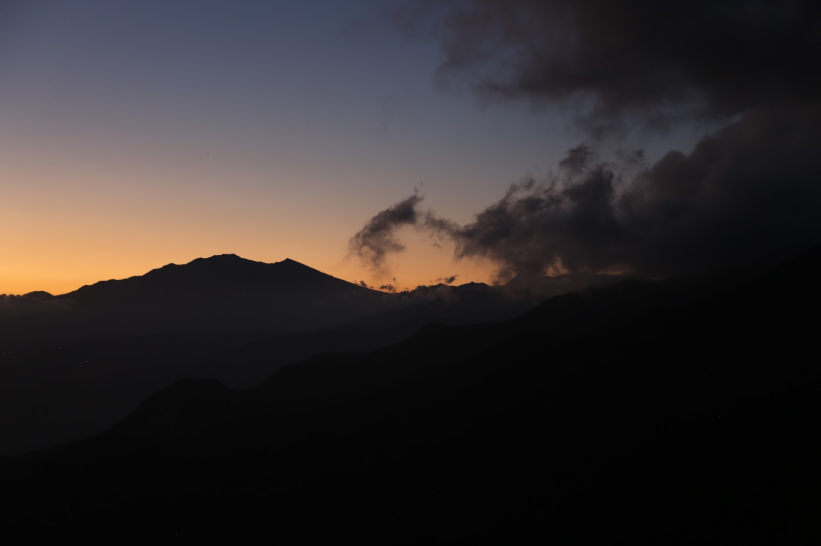
Cloud Forest Lizards of Panama: Hidden Dragons in the Mist

When most people think about wildlife in Panama's cloud forests, their minds immediately jump to resplendent quetzals, colorful frogs, orchids dripping from moss-covered branches, or perhaps the elusive jaguar prowling through the mountains. Yet one of the most fascinating groups of animals inhabiting these misty forests often goes unnoticed. The cloud forest lizards of Panama are among the most remarkable reptiles in Central America, having evolved to survive in cool, wet environments that seem almost unsuitable for creatures typically associated with sunshine and tropical heat.

The cloud forests of western Panama, particularly around Volcán Barú and La Amistad International Park, are unlike the lowland rainforests that many visitors imagine. At elevations ranging from roughly 1,200 to over 3,000 meters, temperatures can drop dramatically, clouds frequently envelop the forest canopy, and annual rainfall can exceed several meters. These conditions create a mysterious world of moss-covered trees, giant ferns, bromeliads, and countless hidden creatures. Scientists have documented hundreds of amphibian and reptile species within the La Amistad region, making it one of the most biologically important mountain systems in Central America.

One of the most frequently encountered cloud forest lizards is the Cloud Forest Anole, known scientifically as Anolis tropidolepis. This small reptile is perfectly adapted to life among wet branches and dense vegetation. Unlike many lowland lizards that spend their days basking in intense tropical sunshine, cloud forest anoles often remain active under cool, overcast conditions. Their coloration typically consists of subtle browns, greens, and grays that blend seamlessly with moss-covered bark and lichen-encrusted branches. To an untrained eye, they can appear almost invisible until they suddenly dart away. Researchers and naturalists working in the highlands of Chiriquí frequently encounter these lizards perched on shrubs and tree trunks along forest trails.

Perhaps the most fascinating aspect of cloud forest lizards is their ability to cope with cold temperatures. Reptiles are ectotherms, meaning they depend on environmental conditions to regulate body temperature. In the cloud forests surrounding Volcán Barú, nighttime temperatures can become surprisingly chilly, especially at higher elevations. Instead of basking on exposed rocks as desert lizards do, many cloud forest species take advantage of brief periods of sunlight filtering through the fog. They often position themselves strategically on branches where they can absorb warmth while remaining hidden from predators. This delicate balancing act allows them to maintain activity despite living near the upper temperature limits for tropical reptiles.

Among the more unusual species found in Panama's mountain forests are several endemic anoles that occur nowhere else on Earth. The mountains of western Panama form part of the great Talamanca Range, a biological island of cool habitats separated from similar environments by vast stretches of warmer lowlands. Over millions of years, this isolation has encouraged evolution to produce unique species adapted specifically to cloud forest conditions. Some possess enlarged toe pads for gripping slippery vegetation, while others exhibit body shapes and colors that allow them to disappear among epiphytes and mosses.

Nighttime in the cloud forest reveals an entirely different side of lizard life. During daylight hours, many species remain hidden among vegetation. Once darkness falls, however, observant hikers equipped with flashlights may discover sleeping anoles perched on leaves. These lizards often choose exposed sleeping sites because approaching predators can be detected through vibrations in the leaf. A sleeping anole illuminated by a flashlight appears almost jewel-like, its scales reflecting tiny droplets of moisture from the ever-present mist.

The forests around Boquete and Cerro Punta are particularly famous among herpetologists because they support an extraordinary concentration of reptile diversity. Species such as Anolis vociferans and Anolis fungosus have been recorded in the cloud forests of Volcán Barú. These lizards occupy different ecological niches, reducing competition and allowing multiple species to coexist within the same forest. One may prefer thick understory vegetation, another may spend most of its life on tree trunks, while yet another specializes in the forest canopy.

A casual visitor walking through a cloud forest may wonder why lizards seem less abundant than in Panama's lowlands. The answer lies partly in the nature of the environment itself. The cool temperatures slow reptilian metabolism, resulting in lower activity levels. Additionally, dense vegetation and abundant camouflage make cloud forest lizards exceptionally difficult to spot. A trail that appears devoid of reptiles may actually contain dozens of individuals hidden within a few meters of the observer.

Predators exert constant pressure on these reptiles. Birds, snakes, mammals, and even larger lizards prey upon them. Consequently, cloud forest species have evolved remarkable defensive strategies. Some flatten themselves against tree trunks to eliminate shadows that might reveal their presence. Others rely on rapid bursts of speed through dense vegetation. Many species possess cryptic coloration so effective that even experienced wildlife guides occasionally overlook them.

The ecological role of cloud forest lizards is far greater than their size would suggest. They consume enormous numbers of insects, spiders, and other small invertebrates. In doing so, they help regulate populations of countless arthropods throughout the forest. At the same time, they serve as prey for larger animals, linking lower and higher levels of the food web. Remove the lizards, and the entire ecosystem would feel the effects.

The cloud forests of Panama continue to surprise scientists. New reptiles, amphibians, and other vertebrates are still being discovered in the mountains of western Panama and the Talamanca region. The rugged terrain, difficult access, and incredible habitat complexity mean that many areas remain poorly studied even today. Discoveries of previously unknown species in nearby highland ecosystems remind us that these forests still contain biological secrets waiting to be revealed.

For visitors staying in the Chiriquí Highlands, especially near the forests connecting Boquete, Cerro Punta, and La Amistad, patience is the key to finding these remarkable reptiles. Move slowly, scan moss-covered trunks, inspect low branches, and look carefully along the edges of trails. The reward may be the sight of a tiny cloud forest dragon perfectly adapted to life among the mist and moss.

In many ways, Panama's cloud forest lizards symbolize the magic of the highlands themselves. They are subtle rather than spectacular, hidden rather than obvious, and easily overlooked by those rushing through the forest. Yet for those who take the time to observe closely, these small reptiles reveal an extraordinary story of evolution, adaptation, and survival in one of the most beautiful ecosystems in the Americas. High above the tropical lowlands, where clouds drift through ancient trees and every branch is draped in emerald moss, these miniature dragons continue their quiet existence, largely unseen but absolutely essential to the living fabric of Panama's mountain forests.

The Ultimate Master Guide to Eating Vegan in Panama: How to Thrive, Travel Anywhere, and Never Go Hungry

For many travelers, expats, backpackers, and even Panamanians themselves, the idea of eating vegan in Panama can seem intimidating at first. This is, after all, a country where roadside fondas proudly serve fried chicken, stewed beef, pork, fish, and seafood. Traditional meals often revolve around animal protein, and many classic dishes include ingredients such as cheese, eggs, butter, or meat stock. A newcomer might spend their first few days looking at restaurant menus and conclude that Panama is one of the most difficult countries in the Americas for vegans. Yet that conclusion would be completely wrong. The reality is that Panama can be an exceptionally rewarding place to follow a vegan lifestyle once you understand how the country works. Beneath the surface lies a nation blessed with fertile volcanic soils, year round growing seasons, tropical abundance, mountain agriculture, and some of the most diverse produce markets in the Western Hemisphere. While Panama may never market itself as a vegan destination in the way that certain cities in North America or Europe do, it possesses something arguably more valuable: an incredible natural abundance of plant based foods that have been growing here long before veganism became a global trend.

One of the most important things to understand is that being vegan in Panama is not about hunting endlessly for specialty products. It is not about finding imitation meats, vegan cheeses, or imported health food brands. Those products certainly exist, particularly in larger cities, but the real secret to thriving as a vegan in Panama is embracing the foods that naturally flourish here. This is a tropical country where fruit grows in astonishing abundance. In some regions, mango trees literally drop more fruit than local residents can consume. Avocados can grow to enormous sizes. Pineapples are sweeter than many visitors have ever tasted. Bananas, plantains, papayas, coconuts, watermelon, passion fruit, dragon fruit, guava, starfruit, and dozens of lesser known tropical fruits are available throughout the year. A walk through a local produce market can feel like stepping into a botanical encyclopedia. Many visitors quickly discover that they are eating more fresh fruits and vegetables in Panama than they ever did back home.

Breakfast is often the easiest meal of the day for vegans in Panama. Tropical fruit is everywhere, and a simple breakfast of papaya, pineapple, bananas, watermelon, and mango can be incredibly satisfying. Many hostels, guesthouses, and hotels serve fresh fruit as part of their breakfast offerings. Smoothies are also widely available throughout the country, although it is important to confirm that they are made without milk if strict veganism is a priority. In tourist areas, smoothie bars have become increasingly common, offering combinations of tropical fruits that would be difficult or expensive to find elsewhere. A large fruit smoothie made with fresh local ingredients can provide enough energy to fuel a morning of hiking, wildlife watching, surfing, or exploring.

The backbone of vegan survival in Panama is the humble but powerful combination of rice and beans. Throughout the country, rice and beans are consumed daily by millions of people. While preparation methods vary, they remain one of the most accessible and affordable sources of nutrition available. Combined with vegetables, plantains, avocado, and fresh produce, they form the foundation of countless meals. In many situations, especially in rural areas, a vegan traveler may find it easier to build a meal from side dishes rather than ordering a specific menu item. A plate containing rice, beans, fried plantains, avocado, salad, and vegetables can be filling, nutritious, and surprisingly delicious. It may not have a trendy name or appear on social media, but it works.

Plantains deserve their own chapter in any serious guide to vegan travel in Panama. These versatile relatives of bananas are among the country's most important staple foods and are available nearly everywhere. Green plantains are often transformed into patacones, the famous twice fried discs that accompany countless meals. Ripe plantains become sweet and caramelized when cooked, providing a completely different flavor profile. Boiled plantains appear in soups and traditional dishes. Baked plantains offer yet another variation. For vegans traveling through remote regions, plantains often become a reliable source of calories when other options are limited. Many experienced travelers joke that if all else fails, there will always be plantains somewhere nearby.

The produce markets of Panama are among the greatest treasures for vegan travelers. Whether visiting the sprawling markets of Panama City, the agricultural communities of Chiriquí, or small rural towns scattered throughout the country, visitors are often amazed by the freshness and affordability of local produce. Farmers arrive with vegetables harvested only hours earlier. Depending on the season, stalls may overflow with tomatoes, cucumbers, peppers, squash, yuca, ñame, otoe, lettuce, cabbage, carrots, onions, herbs, leafy greens, and tropical fruits of every imaginable shape and color. Shopping in these markets is not merely a way to save money. It is also one of the best ways to experience authentic Panamanian culture.

The highlands of Chiriquí may be the closest thing Panama has to a vegan paradise. Regions surrounding Boquete and Cerro Punta produce much of the country's vegetables and cooler climate crops. Here, the landscape changes dramatically from the tropical lowlands. Rolling hills, mountain valleys, and volcanic soils support agriculture on an impressive scale. Strawberries, lettuce, broccoli, carrots, kale, cabbage, onions, herbs, and numerous other vegetables thrive in the cool mountain air. Visitors often find that produce quality in the highlands rivals or exceeds what they are accustomed to in North America or Europe. The abundance of fresh ingredients makes self catering particularly rewarding.

One especially noteworthy destination for vegan travelers is the area surrounding the famous Lost and Found Hostel. Located in the cloud forests between David and Bocas del Toro, Lost and Found has become legendary among backpackers, hikers, birdwatchers, and nature lovers. What many visitors do not realize before arriving is that the hostel has developed a strong reputation for serving excellent, affordable food, including vegan options. This can be a tremendous relief for travelers who have spent days navigating limited choices elsewhere. Surrounded by pristine cloud forest and incredible biodiversity, guests can enjoy hearty vegan meals without paying the premium prices often associated with specialty plant based dining. For backpackers traveling on a budget, finding a place where delicious vegan food is readily available can feel like discovering an oasis in the wilderness. The combination of mountain scenery, hiking trails, wildlife, and reliable vegan meals has made Lost and Found a favorite stop for many plant based travelers crossing Panama.

Another pleasant surprise for many vegans is the availability of food from Panama's large Chinese and Lebanese communities. Chinese restaurants are found throughout the country, from major cities to surprisingly small towns, and they often provide some of the easiest vegan meals available. Vegetable fried rice, stir fried vegetables, tofu dishes, mushroom based dishes, vegetable noodles, steamed vegetables, and mixed vegetable plates can frequently be ordered with little or no modification. Because Chinese cuisine traditionally incorporates a wide variety of vegetables and soy products, it often becomes a dependable option when local restaurants offer few obvious vegan choices.

Lebanese restaurants are another hidden gem for vegan travelers. Panama has a significant Lebanese influence, particularly in urban areas, and many Lebanese dishes are naturally vegan or easily adapted. Hummus, baba ghanoush, tabbouleh, falafel, lentil dishes, stuffed grape leaves, salads, roasted vegetables, and pita bread can provide a refreshing break from rice and beans. In fact, many experienced vegan travelers in Panama quickly learn that Lebanese restaurants can feel like a safe haven when searching for flavorful, filling, and protein rich plant based meals. The combination of chickpeas, lentils, vegetables, herbs, and olive oil creates meals that are both satisfying and highly nutritious.

Panama City has undergone a remarkable transformation over the past decade when it comes to vegan food. What was once a challenging city for vegans has evolved into a place where plant based dining is increasingly mainstream. Vegan burgers, grain bowls, smoothie bowls, tofu dishes, vegan desserts, specialty coffee drinks with plant based milk, and internationally inspired vegan cuisine can now be found throughout the capital. Large supermarkets stock almond milk, oat milk, soy milk, tofu, nutritional yeast, vegan yogurts, and imported specialty products. While prices for imported items can sometimes be high, their availability reflects the growing demand for plant based lifestyles throughout Panama.

Travelers heading toward destinations such as Santa Catalina, Santa Fe, Pedasí, Bocas del Toro, El Valle de Antón, or the Caribbean coast should consider carrying a small emergency food supply. This does not mean filling a backpack with weeks worth of provisions. Instead, practical items such as nuts, dried fruit, peanut butter, oats, granola, crackers, energy bars, and shelf stable plant milk can make an enormous difference. These foods provide nutritional insurance during long travel days, unexpected delays, or visits to remote communities where restaurant options may be limited.

The Caribbean side of Panama presents unique opportunities for vegans. Coconut plays a major role in many Afro Caribbean culinary traditions. Coconut rice, coconut based sauces, tropical fruits, root vegetables, and beans are common ingredients throughout the region. While not every dish is vegan, the underlying ingredients often lend themselves naturally to plant based eating. The tropical climate also supports year round fruit production, ensuring a constant supply of fresh produce.

One of the greatest strengths of vegan travel in Panama is affordability. While imported vegan specialty products can be expensive, basic plant foods are often remarkably affordable. Rice, beans, bananas, plantains, seasonal fruits, vegetables, and locally grown produce can cost far less than equivalent foods in many developed countries. Travelers willing to shop at local markets and cook occasionally can maintain a healthy vegan diet without spending large amounts of money.

Learning a few key Spanish phrases can dramatically improve the experience. Asking whether a dish contains meat, chicken, fish, eggs, milk, cheese, butter, or animal broth becomes easier with practice. Most Panamanians are friendly and accommodating when dietary preferences are explained politely. In many smaller restaurants, staff may even suggest custom combinations of side dishes that are not listed on the menu.

What surprises many visitors most is how naturally veganism can fit into life in Panama once the initial learning curve is overcome. The country possesses an extraordinary agricultural richness. Fruits grow year round. Vegetables flourish in fertile soils. Markets overflow with fresh produce. Avocados are plentiful. Plantains are everywhere. Beans and rice remain affordable staples. Even remote destinations increasingly recognize the growing demand for plant based meals.

Ultimately, Panama rewards vegans who approach the country with flexibility, curiosity, and a willingness to embrace local ingredients. It may not be the easiest destination in the world if your goal is to replicate the exact vegan products available in major North American cities. But if your goal is to eat fresh, nutritious, flavorful food while exploring one of the most beautiful and biodiverse countries in the Americas, Panama may exceed your expectations. From the produce markets of Chiriquí to the tropical fruit stands of the lowlands, from the growing vegan scene in Panama City to the affordable vegan meals available at Lost and Found Hostel high in the cloud forest, opportunities exist everywhere for those who know where to look.

The truth is that many vegans arrive in Panama expecting survival mode and leave having discovered something far better. They discover a country where food grows abundantly, where fresh fruit becomes a daily luxury rather than an occasional treat, where vegetables arrive directly from nearby farms, and where even remote mountain hostels can serve satisfying vegan meals after a day spent hiking through misty cloud forests. They discover that Chinese restaurants and Lebanese restaurants often provide dependable plant based options almost everywhere they travel. Most importantly, they discover that Panama's greatest vegan asset is not a trendy restaurant scene or expensive imported products. It is the extraordinary natural abundance of the country itself. In a nation blessed with fertile soils, tropical sunshine, mountain farms, and year round harvests, vegan eating becomes less about limitation and more about taking advantage of one of the richest food landscapes in the Americas.

Panama's Hidden Treasures: The Most Underrated Places to Visit in the Republic of Panama

When people think of Panama, their minds usually jump immediately to the famous canal, the skyscrapers of Panama City, the surf town of Bocas del Toro, or perhaps the cool mountain air of Boquete. While these destinations deserve their popularity, they represent only a small fraction of what this remarkably diverse country has to offer. Panama is filled with places that rarely appear in international guidebooks, destinations where visitors can still experience authentic local culture, breathtaking scenery, abundant wildlife, and a sense of discovery that has become increasingly rare in modern travel. For those willing to venture beyond the well worn tourist trail, Panama reveals itself as one of the most rewarding countries in the Americas.

Perhaps one of the most underrated destinations in the country is Santa Fe. Hidden deep within the mountains of Veraguas Province, Santa Fe feels like a forgotten paradise. The journey itself is part of the adventure, winding through green hills, forests, rivers, and cattle country before arriving in a valley surrounded by towering mountains. Unlike some of Panama's better known mountain destinations, Santa Fe remains remarkably uncrowded. Visitors can spend entire days hiking through cloud forests, swimming beneath waterfalls, exploring natural pools, and observing birds without encountering another tourist. The surrounding forests contain an extraordinary diversity of wildlife, including toucans, motmots, hummingbirds, monkeys, and countless butterfly species. The town itself retains a peaceful rural atmosphere where life moves at a slower pace and visitors quickly find themselves settling into the rhythm of the mountains.

Another hidden gem is the spectacular region surrounding Lost and Found Hostel in the highlands of Chiriquí. While many travelers race between Boquete and Bocas del Toro, few realize what they are passing through. This area lies within one of the most biologically rich regions in Central America. Dense cloud forests drape the mountainsides, creating an environment where orchids cling to moss covered trees, hummingbirds dart through the mist, and rare amphibians hide among the foliage. Scientists continue to discover species in these mountains, highlighting how much remains unknown about the region's biodiversity. Hiking trails lead through pristine forests where every bend reveals new plants, insects, birds, and breathtaking views. At night, the forest transforms into a completely different world filled with frogs, insects, nocturnal mammals, and mysterious sounds echoing through the darkness.

The peninsula surrounding Pedasí is another destination that deserves far more attention than it receives. While some travelers know Pedasí as a surfing and fishing destination, relatively few appreciate the incredible variety of experiences available throughout the region. The surrounding countryside consists of rolling hills, ranches, forests, and quiet beaches that stretch for miles. Offshore lies Isla Iguana, a wildlife refuge with white sand beaches, coral reefs, nesting seabirds, and crystal clear water. During whale season, humpback whales can often be spotted offshore. The atmosphere throughout the region remains relaxed and authentically Panamanian, making it easy to understand why so many visitors arrive for a few days and end up staying much longer.

Few destinations showcase Panama's natural beauty better than El Valle de Antón. Although it has become increasingly popular among domestic tourists, it remains surprisingly overlooked internationally. What makes El Valle unique is that it sits inside the crater of an ancient volcano. The surrounding mountains create a stunning landscape filled with waterfalls, forests, hot springs, rivers, and hiking trails. The cooler climate offers a refreshing escape from Panama's tropical heat, while the local market provides a glimpse into traditional Panamanian life. Visitors can climb peaks for panoramic views, explore cloud forest reserves, observe hundreds of bird species, or simply enjoy the pleasant atmosphere of the valley itself.

On the Caribbean side of the country, the islands of Isla Grande remain one of Panama's best kept secrets. Despite being only a few hours from Panama City, Isla Grande feels worlds away from urban life. Palm trees sway above quiet beaches while colorful Caribbean houses line narrow streets. The island combines Afro Caribbean culture, tropical scenery, excellent snorkeling, and a laid back atmosphere that recalls the Caribbean of decades past. Unlike many Caribbean destinations that have been transformed by large scale tourism, Isla Grande still feels genuine and refreshingly unspoiled.

For wildlife enthusiasts, few places can compete with Coiba National Park. Often referred to as the Galápagos of Central America, Coiba remains overshadowed by more famous marine destinations despite possessing extraordinary biodiversity. The island was once a penal colony, which unintentionally protected much of its natural environment from development. Today, visitors can encounter whale sharks, dolphins, sea turtles, sharks, rays, humpback whales, and vast schools of tropical fish. On land, forests shelter numerous endemic species found nowhere else on Earth. The sense of isolation and wilderness remains one of Coiba's greatest attractions.

Equally overlooked is the remote district of Mariato. Located on the Azuero Peninsula's western edge, Mariato feels like a place that tourism forgot. Long beaches stretch toward the horizon with barely another person in sight. Traditional ranching culture remains strong throughout the region, and spectacular sunsets illuminate the Pacific Ocean each evening. For travelers seeking solitude, authenticity, and natural beauty, Mariato offers an increasingly rare experience.

In eastern Panama, the vast wilderness of Darién Province remains one of the least explored regions in the Western Hemisphere. This is not a destination for casual tourists, but for adventurous travelers interested in wildlife, indigenous cultures, and untouched rainforest, few places are more fascinating. Dense jungle stretches for hundreds of kilometers, supporting jaguars, harpy eagles, tapirs, monkeys, crocodiles, and thousands of plant species. The sheer scale of the wilderness is difficult to comprehend until experienced firsthand.

Another often forgotten destination is Cerro Punta. Nestled high in the mountains near the border with Costa Rica, Cerro Punta is Panama's agricultural heartland. The cooler climate supports the cultivation of strawberries, vegetables, flowers, and fruits that would struggle elsewhere in the country. Beyond farming, the region contains spectacular landscapes, hiking opportunities, cloud forests, and access to some of the country's highest elevations. Morning fog drifts across fields while mountains rise dramatically in every direction, creating scenery unlike anywhere else in Panama.

The islands of Golfo de Chiriquí may represent one of the country's greatest hidden treasures. Scattered across warm Pacific waters are dozens of tropical islands featuring white sand beaches, coral reefs, mangroves, and abundant marine life. Many visitors never realize these islands exist despite their beauty rivaling far more famous destinations throughout the Caribbean and Pacific. Snorkeling, kayaking, fishing, whale watching, and island hopping opportunities abound, often with remarkably few crowds.

Even the province of Herrera Province is frequently overlooked by travelers rushing between destinations. Yet towns such as Chitré offer a glimpse into everyday Panamanian life rarely experienced by foreign visitors. Traditional festivals, local cuisine, colonial influences, and agricultural landscapes combine to create an authentic cultural experience that many travelers seek but seldom find.

What makes these underrated destinations so special is not simply their beauty. It is the opportunity to experience Panama beyond the postcards and tourist brochures. In these places, travelers discover cloud forests dripping with orchids, remote beaches untouched by development, mountain valleys filled with birdsong, islands surrounded by coral reefs, and communities where traditions remain deeply rooted. They encounter a version of Panama that feels genuine, surprising, and wonderfully diverse.

The greatest irony is that many of Panama's most unforgettable experiences occur far from its most famous attractions. While tourists crowd the canal observation decks and popular beach towns, some of the country's most extraordinary landscapes remain quietly waiting for those curious enough to seek them out. From Santa Fe's mountains to Coiba's marine wilderness, from the hidden beaches of Mariato to the misty forests around Lost and Found, Panama continues to reward travelers who venture beyond the obvious. In a world where many destinations have become crowded and overexposed, these hidden corners of Panama remain places where genuine discovery is still possible.

The Hidden Kingdom Above the Forest: A Massive Exploration of Panama's Arboreal Mammals

When people imagine the wildlife of Panama, they often picture what they can easily see from a trail. They imagine a monkey crossing overhead, a sloth hanging from a branch, or perhaps a toucan perched on a distant tree. What many fail to realize is that these brief glimpses represent only a tiny fraction of the activity taking place above their heads. In reality, much of Panama's mammal diversity exists in a world that most visitors rarely enter or even think about. High above the forest floor lies the canopy, an immense three-dimensional ecosystem that stretches across millions of acres of rainforest, cloud forest, mangrove forest, and tropical woodland. Scientists sometimes describe the canopy as the "last biological frontier" because so much of it remains difficult to study. Entire communities of mammals spend their lives moving through this aerial wilderness, feeding, sleeping, raising young, escaping predators, and carrying out ecological roles that are essential to the health of the forest. Panama, sitting at the crossroads of North and South America, possesses one of the richest collections of arboreal mammals anywhere in the Neotropics. The country's forests are home to monkeys, sloths, squirrels, kinkajous, opossums, porcupines, tree rats, climbing mice, and numerous other species that have evolved extraordinary adaptations for life among the branches. To truly understand Panama's wildlife, you must stop looking at the ground and start looking up.

The canopy itself is an astonishing environment. In some parts of Panama's rainforests, trees rise more than 40 meters into the air, creating a multilayered world that is completely different from the dark forest floor below. Sunlight pours onto the upper leaves while lower levels remain shaded and humid. Vines connect one tree to another like natural bridges. Bromeliads collect rainwater in leafy reservoirs, creating miniature ponds that support insects, frogs, and countless other organisms. Orchids cling to branches, moss carpets entire trunks, and epiphytes transform giant trees into vertical ecosystems. For arboreal mammals, this environment provides food, shelter, transportation routes, and protection. Many species spend so much time in the canopy that they rarely touch the ground. Descending can actually be dangerous because predators, unfamiliar terrain, and human disturbances are often encountered below. As a result, countless mammals have become specialists in navigating this elevated landscape, evolving features that seem almost unbelievable when examined closely.

No discussion of Panama's arboreal mammals can begin anywhere other than with the sloths, perhaps the most famous tree-dwelling mammals in the country. Panama hosts both the brown-throated three-toed sloth and Hoffmann's two-toed sloth, and these animals have become symbols of tropical wildlife throughout the world. Yet their popularity often obscures how extraordinary they really are. Every aspect of a sloth's anatomy is designed for hanging. Their long claws function like climbing hooks. Their muscles are arranged differently from those of most mammals, allowing them to remain suspended for long periods without exhausting themselves. Their metabolism is incredibly slow, among the slowest of any mammal on Earth, enabling them to survive on a diet consisting largely of leaves. Their fur even grows in a unique direction, helping rainwater drain away while they hang upside down. Tiny algae often colonize the fur, creating a greenish coloration that blends perfectly with the surrounding vegetation. Moths, beetles, and other small creatures may also live within a sloth's fur, creating a miniature ecosystem carried by the animal itself. A sloth may appear lazy, but in reality it represents millions of years of specialized evolution perfectly tailored to life in the trees. Visitors throughout Panama frequently see sloths near roads, in national parks, and even in urban green spaces, yet few appreciate just how remarkable these animals truly are.

The monkeys of Panama are equally fascinating and showcase an incredible variety of arboreal lifestyles. The mantled howler monkey is perhaps the most famous. Many travelers hear howler monkeys long before they ever see them. Their calls can travel several kilometers through dense rainforest and are among the loudest sounds produced by any land mammal. Early in the morning, entire valleys can echo with their deep roars. These vocalizations help groups maintain territories without constantly engaging in physical confrontations. High in the canopy, howlers move deliberately from tree to tree, feeding primarily on leaves, fruits, and flowers. Their prehensile tails provide extra stability while navigating branches, effectively functioning as a fifth limb.

The white-faced capuchin represents a completely different lifestyle. Intelligent, curious, and endlessly energetic, capuchins are among the most adaptable mammals in Panama. They investigate everything. Fruits, insects, bird eggs, crabs, small vertebrates, and countless other food items may become part of their diet. Watching a troop of capuchins move through the forest is like observing a group of highly skilled explorers. They examine bark, inspect leaves, pry open fruits, and constantly communicate with one another. Their intelligence has allowed them to thrive in habitats ranging from remote rainforests to areas surprisingly close to human settlements.

Then there is the Geoffroy's spider monkey, one of the most spectacular arboreal mammals in Central America. Spider monkeys possess incredibly long limbs and highly developed prehensile tails capable of supporting their entire body weight. They can swing beneath branches, leap across enormous gaps, and travel through the canopy with breathtaking agility. In healthy forests, spider monkeys may spend nearly their entire lives above the ground. Their role as seed dispersers is critically important because they consume large quantities of fruit and transport seeds across wide areas. Many rainforest trees owe part of their distribution to generations of spider monkeys carrying seeds throughout the forest.

Panama is also home to the Panamanian night monkey, the only truly nocturnal monkey in Central America. While most primates become inactive after sunset, night monkeys emerge under the cover of darkness. Their large eyes help them navigate moonlit branches as they search for fruits, leaves, flowers, and insects. Because they are active when most people are asleep, relatively few visitors ever see them despite their presence in several regions of the country.

Among the most underrated arboreal mammals in Panama is the kinkajou. If sloths are the symbols of slow living and monkeys are the acrobats of the canopy, kinkajous are the mysterious ghosts of the nighttime forest. Closely related to raccoons but looking somewhat like a cross between a monkey and a small bear, kinkajous spend much of their lives high in the trees. Their large eyes gather every available bit of light. Their long prehensile tails provide balance and support. Their agile limbs allow them to move through branches with remarkable dexterity. Kinkajous have a particular fondness for fruit and nectar, often visiting flowering trees during the night. In doing so, they inadvertently transfer pollen between flowers, making them important pollinators. Many visitors spend weeks exploring Panama's forests without ever seeing one, yet these animals are often quietly moving above them after dark.

Another fascinating resident of Panama's canopy is the northern tamandua, a species of anteater that spends much of its life in trees. Although people often associate anteaters with the ground, tamanduas are exceptional climbers. Their powerful claws allow them to scale trunks and branches while searching for ants and termites. They can be surprisingly agile despite their unusual appearance. A tamandua may spend hours investigating tree cavities, breaking into insect nests, and extracting prey with its long sticky tongue. Their presence highlights how many different evolutionary paths have led mammals into the canopy.

Tree squirrels are another important group that often goes unnoticed. Several squirrel species inhabit Panama's forests, racing through branches with incredible speed. Their agility is astonishing. They leap across gaps, balance on thin branches, and move through vegetation that would seem impossible for larger animals to navigate. These squirrels play crucial ecological roles by dispersing seeds and influencing forest regeneration. Every forgotten seed cache has the potential to become a future tree.

Perhaps even more surprising are the arboreal porcupines. Many people are unaware that Panama contains tree-dwelling porcupines, yet these remarkable rodents spend much of their lives in the canopy. Unlike the large terrestrial porcupines familiar to many North Americans, these species are adapted for climbing. They possess strong grasping feet and often move slowly through branches while feeding on leaves, fruits, and bark. Their quills provide protection against predators, allowing them to occupy a niche that relatively few mammals can exploit successfully.

After sunset, Panama's canopy transforms completely. Opossums emerge from hidden nests and begin searching for food. Several species inhabit the country, ranging from relatively common forms to rarer and more specialized varieties. Many possess prehensile tails that assist with climbing and balance. Their diets are remarkably varied, including fruits, insects, eggs, small vertebrates, and carrion. Opossums serve as both predators and seed dispersers, contributing to multiple aspects of forest ecology.

Even smaller creatures inhabit this aerial realm. Tree rats, climbing mice, and other arboreal rodents spend their lives navigating branches that seem impossibly narrow. Because they are often nocturnal and difficult to observe, many remain poorly studied. Yet they represent an enormous portion of canopy biodiversity. Every night these animals forage, reproduce, avoid predators, and interact with countless other species in ways scientists are only beginning to understand.

Some of the best places in Panama to encounter arboreal mammals include the forests surrounding Soberanía National Park, where visitors can observe monkeys, sloths, squirrels, and kinkajous in relatively accessible habitats. The legendary Pipeline Road is famous among birdwatchers, but its mammal diversity is equally impressive. The cloud forests around Lost and Found Hostel offer opportunities to encounter numerous canopy species amid spectacular mountain scenery. The forests surrounding La Amistad International Park contain some of the most pristine arboreal mammal habitat in Central America. In the eastern reaches of the country, the vast wilderness of Darién National Park shelters species that remain difficult to study and in some cases poorly understood.

One of the most remarkable facts about arboreal mammals is that they help build and maintain the forests they depend upon. Monkeys disperse seeds across enormous distances. Kinkajous pollinate flowers. Squirrels bury seeds that later germinate. Fruit-eating mammals transport plant species into new areas. Without these animals, many forests would look dramatically different. The relationship between trees and arboreal mammals is not one-sided. Trees provide food and shelter, while mammals help forests reproduce and expand. It is a partnership that has evolved over millions of years.

The future of Panama's arboreal mammals depends heavily on forest conservation. A monkey may be able to travel for kilometers through uninterrupted canopy, but even a relatively small clearing can become a significant barrier. Roads, agriculture, and development fragment forests, isolating populations that once moved freely. For species such as spider monkeys, continuous canopy connections are often essential. Conservation efforts increasingly focus not only on protecting forests but also on preserving the corridors that allow canopy animals to travel between them.

Ultimately, the arboreal mammals of Panama represent one of the country's greatest natural treasures. They inhabit a hidden kingdom suspended above the forest floor, a world of leaves, flowers, vines, sunlight, mist, and endless shades of green. From the slow-moving sloth to the lightning-fast squirrel, from the powerful howl of a monkey at dawn to the silent movements of a kinkajou at midnight, these animals reveal the extraordinary complexity of tropical ecosystems. Most visitors to Panama never fully appreciate the richness of this aerial world. Yet for those who take the time to look upward, the canopy reveals itself as one of the most fascinating mammal habitats on Earth, a living city in the treetops where evolution has produced some of nature's most remarkable creations.

Bajareque in Panama: The Ancient Building Tradition That Shaped a Nation

Long before concrete towers rose above the skyline of Panama City, before highways crossed mountain ranges, and before air conditioners hummed in every corner of the country, Panamanians and the indigenous peoples who lived here relied on a construction technique that was astonishingly simple, remarkably effective, and perfectly adapted to the tropical environment. That technique was bajareque. To many modern Panamanians, the word may evoke images of humble rural houses tucked away in the countryside, but bajareque is far more than a building material. It is a living connection to thousands of years of history, a reflection of how people adapted to nature, and a reminder that some of the oldest technologies are often among the most sustainable ever created. Bajareque, also known in many parts of Latin America as bahareque, consists of an interwoven framework of sticks, reeds, bamboo, or branches that is covered with mud or clay to create walls. Similar techniques existed around the world, but in the Americas this style became deeply rooted among indigenous communities and later spread throughout colonial society. It was one of the most common forms of housing construction across rural Panama and much of tropical America for centuries.

The brilliance of bajareque becomes clear when you consider the environment of Panama. This is a country of intense tropical rains, powerful sunshine, high humidity, and in many regions, difficult terrain where transporting industrial materials was historically impossible. Indigenous communities did not have access to concrete, steel, or manufactured bricks, yet they needed homes that could withstand heavy rain while remaining cool and comfortable. The answer was to build using the resources found immediately around them. Flexible branches were woven together to form a sturdy framework. Mud mixed with organic fibers was pressed into the gaps. Palm leaves or thatched roofs completed the structure. The result was a house that could breathe naturally, stay surprisingly cool during the hottest afternoons, and be repaired using materials gathered from the surrounding forest. It represented a deep understanding of the tropical landscape and an intimate relationship between people and nature.

Throughout Panama's history, bajareque was not merely a construction technique for the poor. In many regions it was simply the normal way to build. Villages throughout the countryside contained houses made of earth, wood, cane, and palm. Travelers crossing the isthmus centuries ago would have encountered countless settlements where bajareque homes lined dirt roads and riverbanks. The technique was especially valuable because it required community participation rather than specialized equipment. Families often built homes together, with neighbors helping to gather materials, weave walls, prepare mud mixtures, and raise roofs. Construction became a social activity that reinforced community bonds. In many ways, the creation of a bajareque house was not just an engineering project but a cultural event that brought people together.

One of the most fascinating aspects of bajareque is how sophisticated it actually is despite appearing simple. Modern observers often assume that a house made from mud and sticks must be primitive or fragile. The reality is much more nuanced. The woven framework inside the walls provides flexibility that can help absorb movement and stress. The earthen walls create natural insulation, keeping interiors cooler during the day and reducing temperature fluctuations. The materials are biodegradable, renewable, and environmentally friendly. Modern researchers studying traditional earth construction techniques have increasingly recognized that systems such as bajareque possess important advantages in sustainable architecture. In an era when architects search for greener building methods, some are rediscovering principles that rural communities have understood for generations.

In Panama, bajareque became particularly associated with rural life. Across provinces such as Chiriquí, Veraguas, Coclé, Los Santos, Herrera, and parts of Darién, traditional homes often incorporated elements of this construction style. Although the exact design varied from region to region, the basic principle remained the same. Local materials dictated local variations. In areas rich with bamboo-like plants, builders used those materials extensively. In forested regions, wooden poles formed the structural skeleton. Along coastal areas, different plant fibers and roofing materials were incorporated. Every house reflected its local environment, making bajareque architecture incredibly diverse despite its common foundation.

The connection between bajareque and indigenous culture is especially important. Before European arrival, indigenous peoples across the isthmus had already developed sophisticated knowledge of natural building techniques. Their homes were designed to respond to local climates and available resources. Many features of traditional indigenous architecture influenced later rural construction throughout Panama. The famous bohío, a traditional indigenous dwelling found across parts of the Caribbean and Central America, often incorporated construction principles closely related to bajareque. These structures demonstrated generations of accumulated knowledge about ventilation, rainfall management, and material durability.

Perhaps the greatest strength of bajareque is its relationship with climate. Modern tropical buildings frequently depend on mechanical cooling systems. Air conditioning consumes enormous amounts of energy, yet many traditional bajareque houses remained comfortable long before electricity arrived. Thick earthen walls absorbed heat slowly. Natural ventilation allowed breezes to pass through living spaces. High roofs encouraged hot air to rise and escape. Deep roof overhangs protected walls from direct sunlight and heavy rain. The entire structure worked with nature rather than fighting against it. This climate-responsive design is one reason why some modern architects continue to study traditional construction methods when searching for sustainable solutions suitable for tropical regions.

Despite its many advantages, bajareque gradually lost prestige during the twentieth century. As roads improved and industrial materials became more accessible, concrete block construction came to symbolize progress and modernity. Families who could afford concrete houses often viewed them as a sign of economic success. Bajareque structures increasingly became associated with poverty and underdevelopment, even though many possessed remarkable environmental qualities. Throughout Latin America, countless traditional buildings were demolished and replaced with concrete alternatives. The cultural knowledge required to build high-quality bajareque structures began to fade as younger generations learned different construction techniques.

Yet history has a way of coming full circle. In recent decades, architects, historians, and sustainability experts have developed renewed interest in earth-based construction systems. Researchers have documented the durability, flexibility, and environmental benefits of bajareque. Many now argue that traditional building knowledge should not be discarded simply because it is old. Instead, they see opportunities to combine ancient techniques with modern engineering. Improved foundations, better moisture protection, and enhanced structural design can allow traditional earth construction to meet contemporary standards while preserving its environmental advantages. Studies of bajareque have highlighted its potential role in sustainable architecture and heritage preservation.

There is also a deeply emotional dimension to bajareque in Panama. For many families, these houses are tied to memories of grandparents, childhoods spent in the countryside, and a slower rhythm of life. Older Panamanians often remember homes where the smell of earth mixed with the scent of wood smoke from nearby kitchens. Rain drumming against zinc roofs while cool breezes moved through open windows remains a vivid memory for many people raised in rural communities. Bajareque is not merely a building system; it is part of the cultural landscape of Panama. It represents a way of living that emphasized adaptation, practicality, and closeness to nature.

Interestingly, the word "bajareque" has another uniquely Panamanian meaning. In Panama, the term can also refer to a light drizzle or misty rain, especially in cooler highland areas such as Boquete and Cerro Punta. Visitors to the cloud forests of western Panama may hear locals describe a fine, persistent mist as a bajareque. Linguists note that this weather-related usage appears to be particularly associated with Panama, adding another fascinating layer to the word's cultural significance.

Today, authentic bajareque houses are becoming less common in many parts of Panama, yet they remain an important part of the nation's architectural heritage. Some survive in rural communities, standing as reminders of generations who built homes using little more than knowledge, labor, and materials gathered from the surrounding landscape. Others have disappeared, leaving only photographs and memories. Yet the principles behind bajareque continue to inspire conversations about sustainability, climate adaptation, and cultural preservation. At a time when the world faces environmental challenges and rising construction costs, the wisdom embedded in these traditional structures feels more relevant than ever.

Ultimately, bajareque tells the story of human ingenuity. It is the story of people who understood their environment so thoroughly that they could transform mud, wood, reeds, and sunlight into durable homes. It is the story of indigenous knowledge passed through generations, adapted by rural communities, and woven into the cultural fabric of Panama. It is a reminder that technological sophistication is not always measured by steel and concrete. Sometimes it is measured by how elegantly a simple house responds to the rain, the wind, the heat, and the landscape around it. In the quiet walls of a traditional bajareque home lies a remarkable lesson from Panama's past: that true sustainability often begins with understanding the land beneath our feet.

A World Above the Clouds: The Extraordinary Flora and Fauna of Panama's Misty Mountain Forests

There are few places in the natural world that feel as magical, mysterious, and alive as a cloud forest. Unlike the steamy lowland rainforests that many people associate with the tropics, cloud forests exist in a realm between earth and sky. Here, mountains rise high enough to intercept moisture-laden air, creating a landscape where clouds drift through the trees, mist hangs over ridges for days at a time, and every branch seems coated in moss, orchids, ferns, and strange forms of life. In Panama, these enchanted forests rank among the most biologically rich ecosystems in the Americas. They are places where hummingbirds flash through the fog like living jewels, where rare salamanders hide beneath moss-covered logs, where orchids bloom in impossible shapes and colors, and where elusive mammals move silently through forests that often resemble scenes from a fantasy novel more than real life.

The first thing most visitors notice when entering a Panamanian cloud forest is how different it feels from the tropical lowlands. The air becomes cooler and fresher. Moisture seems to float everywhere. Giant trees disappear into curtains of mist. Moss drapes over branches like green velvet. Every surface appears alive. Rocks are covered in plants. Fallen logs support entire miniature forests. Tree trunks host orchids, bromeliads, lichens, and ferns growing directly from their bark. The cloud forest is not merely a collection of trees. It is a three-dimensional ecosystem in which life occupies every available space from the soil to the canopy.

Panama's cloud forests are found primarily in mountainous regions such as the Volcán Barú area, the forests surrounding Boquete, the mountains around Santa Fe, the uplands near El Valle de Antón, and the biologically rich highlands surrounding Lost and Found Hostel. Together these regions form islands of cool, moisture-rich habitat that support species found nowhere else on Earth.

The Forest That Drinks the Clouds

One of the most fascinating aspects of cloud forests is that they receive water not only from rain but directly from the clouds themselves. As moisture-laden air moves up mountain slopes, it cools and condenses into fog and low clouds. Trees intercept this moisture, capturing water droplets on leaves, mosses, and branches. Some of this water drips to the forest floor, effectively creating rainfall from the clouds.

This constant moisture creates one of the most productive environments on Earth. Plants rarely dry out. Streams remain supplied with water. Humidity stays consistently high. The result is an ecosystem where life flourishes in astonishing abundance. Scientists sometimes describe cloud forests as giant natural sponges because of their ability to collect, store, and gradually release water. Entire river systems depend on these forests for their flow.

Walking through a cloud forest after sunrise can feel surreal. Sunbeams pierce the mist. Water droplets sparkle on leaves. Every breath carries the scent of damp earth, moss, and vegetation. The atmosphere feels ancient, almost unchanged from a prehistoric world.

The Kingdom of Moss

Perhaps no plant group better symbolizes cloud forests than mosses. To many visitors, moss may seem insignificant at first glance. Yet in Panama's mountain forests, moss becomes one of the dominant forces shaping the ecosystem.

Entire trees can be covered in thick carpets of green. Branches become padded with soft layers several inches deep. Rocks, logs, roots, and even signs disappear beneath velvety growth. Some forests look as though every surface has been wrapped in living fabric.

These mosses perform crucial ecological functions. They capture water from clouds, help regulate humidity, provide habitat for insects and amphibians, and create miniature ecosystems within their tangled structures. Tiny creatures spend their entire lives among the moss, hidden from larger animals.

In some cloud forests, the sheer volume of moss is astonishing. Trees can carry hundreds of pounds of epiphytic growth, transforming them into living islands supporting entire communities of organisms.

Orchids: The Jewels of the Mountains

Panama is world-famous for its orchids, and cloud forests are among the best places to encounter them. Thousands of orchid species occur throughout the country, many thriving in cool mountain environments where abundant moisture allows them to flourish.

What makes orchids so captivating is their diversity. Some produce flowers no larger than a fingernail. Others create spectacular blooms large enough to attract attention from a distance. Colors range from pure white to brilliant purple, yellow, orange, pink, and red. Shapes can be equally extraordinary. Certain orchids resemble insects. Others mimic birds, spiders, or strange alien creatures.

Many orchids grow as epiphytes, meaning they live on trees without harming them. Branches become crowded with orchids competing for light and moisture. During flowering seasons, entire sections of forest can burst into color.

Among Panama's most famous orchids is the Holy Ghost Orchid, the national flower. Although rare in the wild, it represents the incredible botanical richness that makes Panama famous among plant enthusiasts.

Bromeliads: Rainwater Reservoirs in the Trees

Sharing the canopy with orchids are bromeliads, some of the most fascinating plants in tropical forests. Their leaves often form natural cups that collect rainwater and cloud moisture. These miniature pools become ecosystems in their own right.

A single bromeliad may contain insects, spiders, mosquito larvae, frogs, salamanders, and microscopic organisms. For many animals, these water-filled structures provide essential habitat high above the ground.

In some cloud forests, bromeliads are so abundant that nearly every tree supports dozens of them. Their bright flowers attract hummingbirds and insects, contributing further to the ecological complexity of the forest.

Ferns From Another Age

Few plants create a stronger prehistoric atmosphere than ferns. Cloud forests support an astonishing variety of them, from tiny species growing on rocks to giant tree ferns that can reach impressive heights.

Walking through areas dominated by tree ferns can feel like stepping back into the age of dinosaurs. Their massive fronds arch overhead, filtering sunlight and creating an almost primeval landscape. Fossil evidence suggests that ancient relatives of modern ferns were already thriving long before flowering plants became dominant.

In Panama's cloud forests, ferns occupy nearly every imaginable habitat. They grow along streams, on cliffs, beside trails, and even directly on tree trunks.

The Hummingbird Capital of the Tropics

If orchids are the jewels of the plant world, hummingbirds are the jewels of the animal kingdom. Panama's cloud forests support an extraordinary variety of these tiny aerial acrobats.

Some species flash brilliant greens, blues, and purples when sunlight strikes their feathers. Others display long tails, curved bills, or iridescent throat patches that seem almost unreal. Their wings beat so rapidly that they produce an audible hum, giving the birds their name.

Hummingbirds play a critical role in pollination. As they move between flowers collecting nectar, they transfer pollen and help countless plant species reproduce. Many cloud forest plants have evolved specifically to attract particular hummingbird species.

Watching hummingbirds in a mountain cloud forest can be mesmerizing. Several species may gather around flowering shrubs simultaneously, darting through the mist like living gemstones.

The Magnificent Resplendent Quetzal

Few birds inspire as much excitement among birdwatchers as the Resplendent Quetzal. Often considered one of the most beautiful birds in the world, the quetzal inhabits cloud forests from southern Mexico to Panama.

Males possess shimmering green plumage and long flowing tail feathers that seem almost too spectacular to be real. Their colors shift dramatically depending on the angle of light, creating an iridescent effect that has fascinated humans for centuries.

The quetzal holds immense cultural significance throughout Central America and was revered by ancient civilizations. Encountering one in the wild remains a dream for many bird enthusiasts.

Frogs Hidden in the Mist

Cloud forests are amphibian paradise. Constant moisture allows frogs and salamanders to thrive in habitats that would be impossible in drier environments.

Some species are brilliantly colored. Others rely on camouflage so effective that they become nearly invisible against moss and leaves. Tiny glass frogs possess translucent skin that allows internal organs to be partially visible. Tree frogs cling to vegetation above streams, while terrestrial species hide beneath logs and leaf litter.

The diversity is astonishing. A single mountain valley may support dozens of amphibian species, many found nowhere else.

Snakes, Lizards, and Secret Reptiles

The cool, moist conditions of cloud forests also support a fascinating array of reptiles. Arboreal snakes move through vegetation searching for frogs and small mammals. Lizards bask briefly when sunlight penetrates the mist. Secretive species spend much of their lives hidden beneath logs, stones, and dense vegetation.

Scientists continue discovering new reptile species in Panama's mountains. The complexity and isolation of cloud forest habitats create opportunities for unique forms of life to evolve.

Mammals of the Mountain Forest

Although often difficult to observe, cloud forests support an impressive collection of mammals. Monkeys move through the canopy. Coatis forage on the forest floor. Agoutis search for fallen fruit. Sloths cling to branches. Bats emerge after dark.

Larger mammals include pumas and, in some regions, even jaguars. Most remain elusive, but their presence contributes to the sense of wildness that defines these ecosystems.

At night, cloud forests come alive with activity. Nocturnal animals emerge from hiding places while the forest fills with unfamiliar sounds.

A Living Museum of Evolution

What makes Panama's cloud forests truly extraordinary is their role as evolutionary laboratories. Isolation, altitude, climate, and geography have produced unique species adapted specifically to these environments. Many occur nowhere else on Earth.

Scientists continue to discover new insects, amphibians, reptiles, and plants in Panama's mountain regions. Even today, entirely new species occasionally emerge from forests that have not been thoroughly studied.

This ongoing discovery highlights how much remains unknown about these ecosystems. Despite decades of research, cloud forests continue to reveal surprises.

Why Cloud Forests Feel Magical

Perhaps the most remarkable thing about cloud forests is the emotional response they inspire. There is something about walking through drifting mist, hearing distant bird calls, and seeing ancient trees covered in orchids and moss that feels profoundly different from ordinary landscapes.

The air is cooler. The sounds are softer. Visibility changes from moment to moment as clouds move through the forest. Every turn in the trail reveals something unexpected. A rare flower. A hummingbird. A tree covered in epiphytes. A stream emerging from the fog.

These forests feel alive in a way that is difficult to describe. They are not simply collections of species. They are entire worlds suspended between mountain and sky.

In Panama, cloud forests represent some of the country's greatest natural treasures. They capture water from the clouds, shelter extraordinary biodiversity, and provide refuge for species found nowhere else. They are places where evolution continues to unfold, where discoveries still await, and where visitors can experience one of the most enchanting ecosystems on Earth. Standing beneath their moss-covered branches while clouds drift silently through the trees, it becomes easy to understand why so many people consider Panama's cloud forests among the most magical places in the Americas.

Panama's Dry Side: Discovering the Sunniest, Least Humid, and Most Unexpectedly Arid Regions of the Isthmus

When most people think of Panama, they picture steaming rainforests, tropical downpours, misty cloud forests, and jungle landscapes dripping with moisture. It is an understandable image. After all, Panama is one of the wettest countries in Central America and contains some of the most biodiverse rainforests on Earth. Many visitors arrive expecting humidity everywhere and endless green vegetation from coast to coast. Yet there is another side of Panama that often surprises travelers. Hidden among the country's famous jungles are regions where rainfall is far lower, skies are often sunny for months at a time, and the humidity can feel dramatically more comfortable than what most people associate with the tropics.

This drier side of Panama exists because of geography, mountains, wind patterns, and the unique shape of the country itself. While some regions receive well over 5,000 millimeters of rain annually, others may receive only a fraction of that amount. The difference can be astonishing. In some places, rivers overflow during much of the year and vegetation grows with explosive intensity. In others, hillsides turn golden during the dry season, trees shed their leaves, and landscapes begin to resemble parts of Mexico or even the Mediterranean more than the stereotypical tropical rainforest. For travelers seeking sunshine, lower humidity, and a break from the constant moisture of the Caribbean side, these regions offer a fascinating glimpse into a very different Panama.

The Azuero Peninsula: Panama's Dry Heartland

If there is one region that consistently earns a reputation as Panama's driest major area, it is the Azuero Peninsula. Stretching into the Pacific Ocean and encompassing much of the provinces of Herrera and Los Santos, Azuero feels noticeably different from the rain-soaked forests that dominate many other parts of the country. This region sits within what climatologists often describe as Panama's "dry arc," an area that receives significantly less rainfall than the Caribbean coast and much of western Panama.

During the dry season, which generally runs from December through April, the transformation can be remarkable. Hillsides that were green during the rainy months gradually become golden and brown. Many trees shed their leaves to conserve water. Dust rises from rural roads. The intense tropical sun dominates the landscape for weeks at a time. Travelers arriving from wetter regions often notice the difference immediately. The air feels lighter. Clothing dries faster. Mornings often begin with clear blue skies that remain largely uninterrupted throughout the day.

The towns of Pedasí, Las Tablas, and Chitré have become popular among both Panamanians and expatriates partly because of this climate. While temperatures can certainly be hot, many people find the lower humidity and reduced rainfall more comfortable than conditions elsewhere in the country. It is one of the reasons retirees and long-term residents are increasingly drawn to the area.

Why the Pacific Side Is Often Drier

One of the most fascinating aspects of Panama's climate is the dramatic difference between the Caribbean and Pacific sides of the country. The reason lies largely in the mountains. Moist trade winds blow in from the Caribbean Sea carrying enormous amounts of water vapor. As these air masses rise over Panama's mountains, the air cools and releases much of its moisture as rain. This process creates lush forests on the Caribbean slopes and in many mountainous regions.

By the time the air descends toward portions of the Pacific side, much of that moisture has already fallen as rain. The result is a kind of rain shadow effect that leaves some Pacific regions considerably drier. Although Panama is too narrow and complex for a textbook rain shadow in every location, the overall pattern is unmistakable. Many Pacific areas receive less rainfall and experience more pronounced dry seasons than their Caribbean counterparts.

This helps explain why visitors can travel only a few hours from a rainforest receiving frequent showers to a region where sunny weather dominates for much of the year.

Pedasí: The Sunshine Capital

Among weather-conscious travelers, Pedasí often receives special attention. Located near the southeastern tip of the Azuero Peninsula, this coastal town enjoys a reputation for sunshine, ocean breezes, and relatively comfortable humidity compared with many tropical destinations.

One of the reasons Pedasí feels different is the constant movement of air. The surrounding Pacific waters and open geography allow breezes to flow through the region, helping moderate the tropical heat. While humidity still exists, this airflow often prevents the heavy, stagnant feeling common in many rainforest environments.

The surrounding countryside also reflects the drier climate. Instead of endless jungle, visitors encounter rolling hills, cattle ranches, farmland, and coastal landscapes that can appear surprisingly arid during the peak dry season. The combination of beaches, sunshine, and lower rainfall has helped make Pedasí one of Panama's most attractive destinations for people seeking a warmer and drier lifestyle.

Chitré: One of Panama's Most Comfortable Cities

The city of Chitré is frequently mentioned when discussing comfortable climates in Panama. While temperatures remain tropical, the city benefits from relatively lower rainfall compared with many other regions.

Residents often point out that daily life becomes easier when there is less moisture in the air. Laundry dries quickly. Mold is less aggressive. Outdoor activities can be planned with greater confidence. Roads remain more accessible during the wet season. These practical advantages may sound mundane, but they significantly influence quality of life.

Unlike some tourist hotspots, Chitré offers a glimpse into everyday Panamanian life while also showcasing the climatic characteristics that make the Azuero region unique.

The Pacific Dry Forests

One of the most overlooked natural wonders in Panama is the tropical dry forest ecosystem found in parts of the Pacific region. Many travelers assume all tropical forests are dense, wet jungles. In reality, tropical dry forests are among the rarest and most endangered ecosystems in the world.

These forests have evolved to survive months with little rainfall. Trees often drop their leaves during the dry season, creating landscapes that look dramatically different from rainforests. Sunlight reaches the forest floor. Visibility increases. Animals adapt to seasonal changes in water availability.

The contrast between Panama's rainforests and dry forests is remarkable. In wetter regions, vegetation remains lush year-round. In dry forests, the environment visibly changes with the seasons. For nature enthusiasts, this offers a fascinating perspective on the country's ecological diversity.

Panama City During the Dry Season

Many visitors are surprised to discover how pleasant Panama City can feel during the height of the dry season. While humidity remains present because of the city's coastal location, the months between December and April often bring long stretches of sunshine and significantly reduced rainfall.

The skyline appears especially dramatic against clear blue skies. Outdoor dining becomes more enjoyable. Parks and waterfront areas attract larger crowds. The dry season is also when many Panamanians consider the weather at its best.

Although Panama City is certainly not the driest location in the country, it provides a good example of how dramatically conditions can change depending on the time of year.

The Surprising Dryness of Certain Pacific Beaches

Many of Panama's Pacific beach communities benefit from the country's dry arc. Areas near Playa Venao, Santa Catalina, and portions of the Azuero coast often experience long periods of sunny weather during the dry season.

This predictability has made them popular among surfers, beach lovers, and travelers looking to maximize their chances of good weather. During the wet season, rain certainly occurs, but these areas generally remain drier than many destinations on the Caribbean side.

The beaches themselves often reflect these climatic differences. Vegetation may appear less dense, and the surrounding landscapes can take on a golden hue during the driest months.

The Wettest Parts of Panama for Comparison

To truly appreciate Panama's dry regions, it helps to compare them with the country's wettest areas. Regions such as Bocas del Toro and much of the Caribbean slope receive extraordinary amounts of rainfall. In some locations, rain can occur during any month of the year. Humidity remains consistently high. Forests stay intensely green and lush.

Travelers moving from Bocas del Toro to the Azuero Peninsula often feel as though they have entered a completely different country. The vegetation changes. The architecture adapts. Agricultural practices differ. Even the pace of daily life can seem influenced by the weather.

This dramatic contrast is one of the reasons Panama is so fascinating from a climatic perspective.

The Truth About Humidity in Panama

Even in Panama's driest regions, it is important to remember that this is still a tropical country. No location will feel as dry as Arizona, Nevada, or parts of northern Mexico. Humidity exists everywhere to some degree because of the country's proximity to warm oceans and its tropical latitude.

However, there is a significant difference between relative dryness and rainforest-level moisture. In places such as Pedasí, Chitré, and other parts of the Azuero Peninsula, many people notice that the air feels noticeably more comfortable than in wetter regions. This difference can be especially important for those planning long stays or considering relocation.

A Different Side of Panama

The image of Panama as a land of endless rainforest is only part of the story. Beyond the cloud forests, jungle rivers, and Caribbean islands lies a sun-soaked region where golden hills roll toward the Pacific Ocean, dry forests change with the seasons, and clear skies dominate for months at a time. The Azuero Peninsula and other portions of the Pacific side reveal a version of Panama that many visitors never expect to find.

It is a reminder that Panama's greatest strength may be its diversity. Within a single country, travelers can experience misty mountains, tropical rainforests, coral reefs, mangrove swamps, remote islands, and surprisingly dry landscapes. Few places in the world offer such variety within such a compact area. For those who love sunshine, lower humidity, and wide-open Pacific vistas, Panama's dry side may be one of the country's best-kept secrets.

Pedasí: The Quiet Magic of Panama's Most Charming Coastal Town

There are destinations that impress immediately with towering skylines, famous landmarks, or dramatic natural wonders. Then there are places that work more slowly. Places that reveal themselves over time, gradually winning people over until they suddenly realize they have fallen completely in love with them. Pedasí belongs firmly in the second category. At first glance, it may seem like a simple small town on the southeastern edge of Panama's Azuero Peninsula. There are no giant resorts dominating the coastline, no massive cruise ship terminals, and no sprawling urban developments. Yet for thousands of visitors, retirees, surfers, anglers, nature enthusiasts, and Panamanians themselves, Pedasí has become one of the most beloved places in the country. It is a town that combines natural beauty, traditional culture, relaxed living, and authentic Panamanian character in a way that is becoming increasingly rare in the modern world.

Part of Pedasí's appeal comes from what it is not. It is not crowded. It is not overly commercialized. It is not trying to compete with larger tourist destinations by building enormous attractions. Instead, Pedasí succeeds by remaining itself. The town still feels like a real community rather than a tourism machine. Local residents go about their daily lives. Fishermen head out before sunrise. Families gather in the evenings. Neighbors greet each other on the streets. Visitors are not separated from local life but become part of the rhythm of the town. In an era when many destinations have become heavily developed and increasingly disconnected from their original character, Pedasí remains refreshingly authentic.

A Town at the Edge of the Pacific

One of the first things visitors notice about Pedasí is its location. Situated near the tip of the Azuero Peninsula, the town enjoys access to some of the most beautiful stretches of coastline in Panama. The surrounding landscape feels open and expansive. Rolling countryside gradually gives way to beaches, rocky points, and views of the Pacific Ocean. Unlike the dense rainforests that dominate other parts of the country, the scenery here reflects the unique climate of Panama's dry arc. During the dry season, hills can take on golden tones while brilliant blue skies stretch from horizon to horizon. The result is a landscape that feels completely different from places like Bocas del Toro or the cloud forests of Chiriquí.

The ocean is never far away in Pedasí. It influences everything from the local economy to the pace of daily life. Cool breezes often drift inland, providing relief from the tropical heat. Sunsets become nightly events. The changing moods of the Pacific create a constantly shifting backdrop that locals and visitors alike never seem to tire of. There is something deeply calming about living near the sea, and Pedasí captures that feeling perfectly.

The Beaches That Never Feel Overcrowded

One of the greatest luxuries in today's world is space. In many famous beach destinations, finding a stretch of sand to yourself can feel nearly impossible. Pedasí offers something increasingly valuable: room to breathe. The beaches surrounding the town often feel wonderfully uncrowded, even during busy travel periods.

Playa Arenal sits just outside town and provides a peaceful setting where visitors can walk along the shore, watch fishing boats return with their catch, or simply enjoy the sound of waves breaking against the coast. Further afield, beaches vary from broad sandy stretches to more rugged sections where rocky outcrops meet the sea. Each has its own character, and part of the fun is exploring them.

Nearby Playa Venao has become internationally known for surfing, attracting wave riders from around the world. Yet even with its growing popularity, the area retains much of the laid-back atmosphere that defines the region. The contrast between energetic surf culture and the quiet charm of Pedasí itself creates an appealing balance.

What many visitors appreciate most is the feeling that the coastline remains largely natural. Instead of endless rows of high-rise buildings, there are stretches where nature still dominates the view. Palm trees sway in the breeze. Pelicans glide over the water. The horizon remains open and uninterrupted.

The Gateway to Isla Iguana

Perhaps no natural attraction is more closely associated with Pedasí than Isla Iguana Wildlife Refuge. Located a short boat ride offshore, this protected island is one of the region's greatest treasures. For many visitors, a trip to Isla Iguana becomes the highlight of their stay.

The island is famous for its white-sand beaches, clear water, coral reefs, and abundant wildlife. Snorkelers often encounter colorful fish moving through reef systems. Sea turtles are occasionally spotted in surrounding waters. During migration season, humpback whales pass through the area, creating unforgettable encounters. Frigatebirds and pelicans circle overhead while hermit crabs scurry across the sand.

The island's name comes from the large number of iguanas that inhabit it, but its appeal extends far beyond reptiles. Isla Iguana represents a rare example of a relatively pristine coastal ecosystem where visitors can experience the natural beauty of the Pacific without the heavy development found in many beach destinations around the world.

A Climate That Draws People In

Weather may not sound exciting, but it plays a major role in Pedasí's appeal. The town sits within one of Panama's driest regions, and many people find the climate particularly attractive. The dry season often brings long stretches of sunshine, low rainfall, and comfortable ocean breezes.

Unlike the Caribbean side of Panama, where rain can arrive at almost any time of year, Pedasí experiences a more defined dry season. The result is a lifestyle built around outdoor living. People spend time on patios, walk through town, enjoy beach outings, and gather outdoors during the evenings.

The lower humidity compared with many rainforest regions also contributes to the town's reputation as a comfortable place to live. Visitors often arrive expecting tropical conditions and leave surprised by how pleasant the climate feels.

A Place Where Time Moves Differently

One of Pedasí's greatest strengths is something that cannot easily be measured or photographed. It is the pace of life. The town moves differently from major cities. Days feel longer. Conversations seem less rushed. There is an atmosphere of patience and simplicity that many people find deeply refreshing.

This does not mean there is nothing to do. Quite the opposite. Fishing, surfing, diving, snorkeling, wildlife watching, beachcombing, cycling, and exploring nearby communities provide endless opportunities for activity. Yet there is less pressure to constantly be doing something. In Pedasí, sitting beneath a tree and watching the afternoon unfold can feel just as rewarding as any organized excursion.

Many visitors discover that after a few days they begin adjusting to this rhythm. They stop checking the clock as often. They spend more time outdoors. They become more aware of sunsets, weather patterns, and the sounds of nature. It is a subtle transformation, but one that helps explain why so many people return again and again.

The Fishing Heritage

Long before tourism arrived, the ocean sustained local communities. Fishing remains an important part of life in Pedasí, and this heritage contributes significantly to the town's character. Early mornings often bring scenes of fishermen preparing boats or returning from the water with fresh catches.

The surrounding waters are famous among sport fishermen. Offshore areas attract anglers seeking species such as tuna, roosterfish, dorado, wahoo, and marlin. The combination of productive waters and beautiful scenery has made the region a respected destination within the fishing community.

Even for those who never step aboard a boat, the maritime culture adds authenticity to the town. The sea is not merely scenery here. It remains an active part of daily life.

Traditional Panama Still Lives Here

One reason Pedasí feels different from some tourism destinations is its strong connection to local culture. The Azuero Peninsula is often considered the heartland of traditional Panamanian culture. Folklore, music, festivals, crafts, and customs remain important parts of community identity.

Throughout the year, celebrations bring residents together and showcase traditions that have been passed down through generations. Traditional dress, music, dancing, and local cuisine remain visible aspects of daily life rather than performances created solely for tourists.

Visitors seeking a deeper understanding of Panama often find the region particularly rewarding because it offers a chance to experience the country's cultural roots in a genuine setting.

The Sunsets Alone Are Worth the Trip

As beautiful as the beaches, wildlife, and culture may be, many visitors develop a special affection for something much simpler: the sunsets. Thanks to its Pacific location, Pedasí regularly experiences spectacular evening skies. Clouds ignite in shades of orange, gold, pink, and crimson. The ocean reflects changing colors as daylight gradually fades.

Over time, watching the sunset becomes a ritual. Locals and visitors gather along beaches, viewpoints, and waterfront areas to witness the daily show. No two sunsets are exactly alike. Some are subtle and peaceful. Others seem to set the entire sky on fire.

The fact that such beauty becomes part of everyday life is one of the reasons people become attached to Pedasí.

Why People Fall in Love With Pedasí

The secret of Pedasí is that no single attraction explains its appeal. It is not just the beaches. It is not just Isla Iguana. It is not just the weather, fishing, culture, or sunsets. The charm emerges from the way all of these elements come together.

Pedasí offers something that many travelers spend years searching for: authenticity. It feels real. It feels welcoming. It feels connected to both nature and tradition. It provides access to stunning coastal scenery while maintaining the warmth of a small-town community. It offers adventure when you want it and tranquility when you need it.

In a world where many destinations are becoming increasingly crowded, commercialized, and fast-paced, Pedasí remains a place where life unfolds at a gentler rhythm. It is the kind of town that quietly captures people's hearts. Visitors often arrive expecting a pleasant beach destination. Many leave wondering if they have just discovered one of the most special places in all of Panama. That is the magic of Pedasí. It never needs to shout to impress you. It simply lets its charm do the work.

Panthers of Panama: The Deadliest Cats of the Rainforest and the Secret Predators That Rule the Jungle

There is something deeply exciting about walking through a rainforest and knowing that somewhere nearby lives a predator you will probably never see. The forest seems different when you realize that hidden among the vines, towering trees, tangled roots, waterfalls, rivers, and mountain ridges are animals that have spent millions of years perfecting the art of hunting. Every sound suddenly feels more mysterious. Every shadow seems to hide a secret. Every muddy footprint becomes a clue. Panama's rainforests are among the most biodiverse places on Earth, but beneath all the attention given to monkeys, sloths, toucans, macaws, frogs, and butterflies lies another story. It is the story of the predators. It is the story of the wild cats.

Panama is one of the very few countries in the Americas where an entire community of feline hunters still survives. Deep in the forests roam jaguars, pumas, ocelots, margays, jaguarundis, and oncillas. Some are powerful enough to kill a caiman. Others are so small that they can disappear through vegetation without disturbing a single leaf. Together they form one of the most remarkable predator networks on the planet. Most travelers who visit Panama will never see one of these cats in the wild. In fact, many people who spend their lives in rural areas never encounter them directly. Yet that does not mean they are absent. Quite the opposite. They are there. Watching. Moving. Hunting. Living hidden lives in forests that still retain much of their ancient character. The realization that these cats continue to thrive in Panama is one of the most thrilling facts about the country.

For thousands of years these predators have ruled the rainforest. They were stalking prey long before the first roads crossed the mountains. They hunted along rivers before the first ships passed through the canal. They moved through the Darién before any borders existed. They are among the oldest symbols of wilderness in the Americas, and even today they remain among the most difficult animals on Earth to observe.

A Country Built for Predators

To understand why Panama supports so many cats, it helps to understand the landscape itself. Panama may appear small on a map, but it contains an extraordinary range of habitats packed into a narrow strip of land. Within only a few hours of travel, the environment can change dramatically. Dense Caribbean rainforests give way to cool cloud forests. Mangrove swamps transition into mountain valleys. Coastal wetlands blend into jungle-covered hills. This diversity creates opportunities for wildlife on a scale that surprises many visitors.

The country's position between North and South America is equally important. Millions of years ago, when the Isthmus of Panama rose from the sea, it connected two continents that had previously been separated. Animals from both directions began moving across this natural bridge. Some species from the north pushed southward. Others from the south expanded northward. The result was one of the most important biological exchanges in Earth's history. Predators arrived. Prey arrived. Competition intensified. Evolution accelerated. Entire ecosystems were reshaped.

The descendants of those ancient travelers still live in Panama today. Jaguars patrol remote forests. Pumas roam mountain ridges. Ocelots hunt beneath the canopy. Margays move through treetops. Jaguarundis slip through dense vegetation. Oncillas stalk tiny prey in hidden corners of the forest. Together they represent millions of years of survival and adaptation.

What makes this especially fascinating is that these cats often occupy the same general regions while avoiding direct competition. Each species has developed its own hunting style, preferred prey, favored habitat, and daily schedule. Nature has divided the rainforest into countless niches, allowing multiple predators to coexist.

The Jaguar: The Ultimate Jungle Predator

No wild cat inspires more respect in Panama than the Jaguar. Everything about this animal commands attention. It is the largest cat in the Americas, the most powerful predator in Panama, and one of the strongest hunters anywhere in the world relative to its size.

A full-grown male jaguar can weigh more than many people expect. Its body is thick with muscle. Its paws are enormous. Its shoulders are broad and powerful. Looking at a jaguar, one immediately gets the impression that this is an animal built not for speed but for strength. Every aspect of its anatomy reflects power. It does not need to chase prey across great distances because it excels at ambush. It waits. It stalks. It studies. Then, when the moment arrives, it strikes with explosive force.

Scientists have long been fascinated by the jaguar's bite. Among cats, few can match its crushing power. Jaguars have been documented biting through turtle shells, puncturing skulls, and overpowering prey that would challenge many larger predators. Their jaws are so formidable that they have become legendary throughout the Americas.

Unlike many cats, jaguars are also remarkably comfortable around water. In fact, some seem to enjoy it. They swim rivers with ease. They patrol riverbanks. They hunt aquatic prey. They move through flooded forests that would slow other predators. There are documented cases of jaguars capturing fish, turtles, and caimans. Few large cats on Earth are as versatile.

The rainforest provides ideal cover for these predators. Their famous coat pattern is more than beautiful. It is a masterpiece of camouflage. The rosettes break up the outline of the body and blend perfectly with patches of sunlight filtering through the canopy. A jaguar standing motionless in the shadows can be almost impossible to detect.

This is one reason sightings are so rare. People often imagine that an animal as large as a jaguar should be easy to find. In reality, it is the opposite. Jaguars are among the most elusive large predators on Earth.

The Ghosts of Darién

The greatest stronghold for jaguars in Panama remains the immense wilderness of Darién National Park. This region represents one of the last truly wild frontiers in the Americas. Vast forests stretch for incredible distances. Rivers cut through dense jungle. Mountains rise above endless green canopies.

Standing in Darién, it is possible to look across miles of forest and realize that somewhere within that sea of green live jaguars, pumas, harpy eagles, tapirs, monkeys, and countless other species.

Researchers who work in the region often describe a feeling of humility. The forest feels endless. The wildlife remains largely hidden. Even after months in the field, scientists may encounter only indirect evidence of jaguars such as tracks, scat, scratches on trees, or photographs captured by camera traps.

Yet those clues reveal an extraordinary reality. Jaguars continue to survive in landscapes that still function much as they did centuries ago. They remain the undisputed rulers of Panama's greatest wilderness.

The Puma: The Silent Athlete

Living alongside the jaguar is another remarkable predator: the Puma.

At first glance, pumas appear less dramatic than jaguars. They lack spots. Their coloration is relatively simple. Their build is more slender. Yet this simplicity hides one of the most successful predators in the Western Hemisphere.

The puma possesses one of the largest ranges of any land mammal in the Americas. It survives in snowy mountains, deserts, tropical forests, grasslands, and cloud forests. Few predators have demonstrated such flexibility.

In Panama, pumas often occupy mountainous regions and rugged terrain where their agility becomes a major advantage. Their bodies are perfectly designed for climbing, jumping, and navigating difficult landscapes. A puma can leap astonishing distances, scramble up steep slopes, and move through rough terrain with ease.

Unlike jaguars, which often rely on overwhelming power, pumas emphasize stealth and speed. They are patient hunters capable of approaching prey with extraordinary precision. Their tan coats blend beautifully with dry vegetation, rocky landscapes, and forest shadows.

One reason pumas are so successful is that they adapt quickly. While some predators depend on specific prey species, pumas are capable of adjusting to changing conditions. This flexibility has allowed them to survive in environments where many other large predators have disappeared.

The Cloud Forest Hunters

The highlands of western Panama create a completely different world from the lowland jungles. Around Boquete and the slopes of Volcán Barú, cool temperatures, frequent mist, and dense vegetation create ideal conditions for wildlife.

The forests surrounding Lost and Found Hostel sit within a biologically rich landscape where mountain and lowland ecosystems overlap. These forests support extraordinary biodiversity. Birds fill the canopy. Frogs call from streams. Mammals move through the undergrowth. Hidden among them are predators that most visitors never realize are present.

At night, these forests become especially mysterious. Fog drifts through the trees. Strange sounds echo from unseen creatures. Every rustle suggests movement. Somewhere beyond the range of human vision, predators begin their nightly patrols.

This sense of mystery is one of the reasons Panama's forests feel so wild. You may not see the cats, but knowing they are there changes the entire experience.

The Ocelot: The Rainforest's Masterpiece

The Ocelot is often considered the most beautiful cat in the Americas.

Its coat resembles living artwork. Complex arrangements of spots, stripes, and rosettes cover its body in patterns so intricate that no two individuals appear exactly alike.

Yet beauty is only part of the story.

Ocelots are highly efficient predators. They hunt rodents, reptiles, birds, amphibians, and small mammals. Their large eyes provide excellent night vision. Their hearing is exceptionally sensitive. Their movements are quiet and precise.

Camera trap studies throughout Panama frequently reveal ocelots moving through forests, often far more commonly than people expect. In some regions they are among the most abundant feline predators. Their apparent rarity comes not from low numbers but from their extraordinary ability to remain unseen.

And that is perhaps the most fascinating truth about Panama's wild cats.

The rainforest is not empty.

It is alive with predators.

Every riverbank, every mountain valley, every patch of cloud forest, every remote jungle trail may be part of a hidden territory patrolled by one of these magnificent animals. They remain the guardians of the wilderness, the invisible rulers of the rainforest, and living reminders that in Panama, true wildness still survives.

Panama's Greatest Natural Highlights: The Most Spectacular Places to Experience the Wild Beauty of the Isthmus

Panama is often introduced to the world through its famous canal, gleaming skyline, and strategic position between two oceans, but the country's greatest treasure is neither concrete nor steel. It is nature. Stretching between Central and South America, Panama sits at one of the most biologically important crossroads on Earth. Mountains, cloud forests, rainforests, coral reefs, mangrove swamps, volcanic highlands, remote islands, and wildlife-rich coastlines are packed into a country small enough to cross in a day. The result is an astonishing concentration of natural wonders. Visitors are often surprised by how quickly the landscape changes. One morning you can be standing among cool mountain forests wrapped in mist, and by afternoon you can be snorkeling over coral reefs or watching monkeys swing through jungle trees. For travelers who love nature, Panama is one of the most rewarding destinations in the Americas, offering experiences that remain far less crowded than many famous destinations in Costa Rica, Mexico, or Colombia.

The Chiriquí Highlands and the Lost World Above the Clouds

The highlands of western Panama are arguably the country's most dramatic natural region. Rising thousands of feet above sea level, these mountains create a completely different world from the tropical beaches and lowland rainforests that many visitors expect. The air becomes cooler, the forests become greener, and clouds drift through the trees like slow rivers of mist. Around the town of Boquete, visitors can hike through forests filled with orchids, hummingbirds, waterfalls, and moss-covered trees that look as though they belong in a fantasy novel. Towering above everything is Volcán Barú, the highest mountain in Panama. On exceptionally clear mornings, hikers who reach the summit before sunrise can witness one of the rarest views on Earth: both the Pacific Ocean and the Caribbean Sea visible from the same location. The slopes of Barú support unique ecosystems that exist nowhere else in the country, and many species found here are more commonly associated with the cooler mountains of Central America than with tropical Panama.

One of the most remarkable areas in these highlands is the region surrounding Lost and Found Hostel. Located between Boquete and Bocas del Toro, this area sits amid forests that form part of an important biological corridor connecting mountain ecosystems with lower tropical forests. The trails around the property wind through dense vegetation where visitors regularly encounter monkeys, colorful birds, frogs, and an astonishing variety of insects. The surrounding forests are so biologically rich that scientists continue to document species in the region, and nearby mountain habitats have produced discoveries of reptiles and amphibians that were previously unknown to science. At night, the forest transforms into an entirely different world as frogs call from hidden streams, insects emerge from every direction, and nocturnal animals begin their daily routines.

Coiba: Panama's Wildest Island Paradise

Far off Panama's Pacific coast lies one of the greatest natural treasures in the entire tropical eastern Pacific: Coiba National Park. Often compared to the Galápagos, Coiba remained isolated from the mainland for thousands of years, allowing wildlife and ecosystems to develop with minimal human disturbance. For much of the twentieth century, the island housed a penal colony, which inadvertently protected it from development. Today visitors encounter a place that feels wonderfully untouched. Vast rainforests descend directly to pristine beaches. Crystal waters teem with marine life. Coral reefs support turtles, rays, sharks, and huge schools of fish. During migration seasons, humpback whales pass through nearby waters, while whale sharks occasionally appear in the surrounding seas. The island's isolation has allowed many species to evolve separately from mainland populations, making it one of the most important conservation areas in Central America.

The experience of arriving at Coiba is unforgettable. Dense jungle covers steep hills right down to the shoreline, creating a landscape that resembles scenes from nature documentaries. Snorkeling often reveals sea turtles gliding through clear water, while offshore reefs support some of the richest marine biodiversity in the region. Above the waterline, scarlet macaws, monkeys, and countless bird species inhabit the forest canopy. Unlike many tropical islands elsewhere in the world, Coiba still feels genuinely wild, and that sense of wilderness is becoming increasingly rare in modern travel.

Bocas del Toro and the Caribbean Dream

For many travelers, the most beautiful coastal scenery in Panama can be found in the archipelago of Bocas del Toro. Here the Caribbean unfolds as a maze of islands, mangroves, coral reefs, beaches, and jungle-covered hills. Unlike the dry Pacific coast, Bocas receives abundant rainfall that keeps vegetation lush and intensely green throughout the year. Dolphins frequently swim through protected bays. Sloths cling to branches above coastal roads. Brightly colored poison dart frogs inhabit rainforest trails on Isla Bastimentos, while coral reefs support a wide variety of tropical fish.

One of the most striking aspects of Bocas is the incredible diversity packed into a relatively small area. Visitors can spend the morning exploring coral reefs, the afternoon walking through rainforest, and the evening watching the sunset from a beach lined with coconut palms. Areas such as Red Frog Beach, Dolphin Bay, Starfish Beach, and the remote coastlines of Bastimentos offer entirely different experiences despite being only a short boat ride apart. The combination of marine and terrestrial ecosystems makes Bocas one of the most complete nature destinations in Panama.

El Valle de Antón: A Town Inside a Volcano

One of Panama's most unique natural settings is El Valle de Antón, a mountain town built within the crater of an ancient volcano. Very few places in the world offer the chance to stay inside a volcanic caldera while surrounded by cloud forest, waterfalls, and mountain scenery. The fertile volcanic soils support rich vegetation and abundant wildlife, while the cooler climate provides relief from the tropical heat of the lowlands.

Around El Valle, trails lead to waterfalls hidden in the forest, panoramic viewpoints overlooking the crater walls, and habitats supporting a remarkable variety of birds and amphibians. The region is particularly famous among birdwatchers because species from both lowland and highland environments can often be found within a relatively small area. The surrounding forests create an atmosphere that feels far removed from Panama City despite being only a few hours away.

Darién: The Last Great Wilderness

The most legendary wilderness in Panama is undoubtedly Darién National Park. This immense region of rainforest near the Colombian border represents one of the largest remaining stretches of intact tropical forest in the Americas. Vast rivers cut through dense jungle. Mountains rise from endless green canopies. Wildlife flourishes in areas where human presence remains extremely limited.

Darién supports jaguars, harpy eagles, tapirs, monkeys, crocodiles, and hundreds of bird species. The sheer scale of the landscape is difficult to comprehend. In many places the forest extends uninterrupted for dozens of miles. Scientists continue to study the region because new discoveries remain possible in such remote habitats. While travel here requires careful planning and is far more challenging than visiting other destinations in Panama, those who experience Darién often describe it as one of the last places in the Americas where true wilderness still dominates the landscape.

Santa Fe: Panama's Hidden Mountain Treasure

Among nature lovers, Santa Fe is increasingly recognized as one of Panama's most beautiful yet underrated destinations. Surrounded by mountains and forests, Santa Fe offers a quieter alternative to the more famous highland regions. Crystal-clear rivers flow through valleys lined with dense vegetation. Waterfalls plunge into natural pools. Trails wind through forests where birds, butterflies, and mammals thrive.

The beauty of Santa Fe lies partly in its authenticity. Tourism remains relatively small-scale, allowing visitors to experience a side of Panama that feels untouched by large developments. The surrounding mountains create endless opportunities for exploration, and many travelers leave wondering why the region is not better known internationally.

The Pearl Islands and the Pacific Coast

Off the Pacific coast lies the beautiful archipelago known as the Pearl Islands. These islands combine white-sand beaches, tropical forests, and rich marine ecosystems. During whale migration season, humpback whales can often be observed in surrounding waters, creating one of the most memorable wildlife spectacles in Panama.

The Pacific coast itself offers incredible scenery, from the surfing beaches near Santa Catalina to the wildlife-rich mangroves and estuaries that support birds, crocodiles, and marine life. The coastline demonstrates how varied Panama's environments truly are, with landscapes changing dramatically from one region to another.

Why Panama May Be the Most Underrated Nature Destination in the Americas

What makes Panama extraordinary is not simply the quality of any single natural attraction. It is the sheer concentration of ecosystems packed into such a small country. Few places on Earth allow travelers to experience cloud forests, active volcanic landscapes, tropical islands, coral reefs, whale migrations, mangrove forests, remote jungles, and two completely different oceans within a single journey. Whether standing atop Volcán Barú at sunrise, snorkeling among the reefs of Coiba, wandering the forests around Lost and Found, exploring the islands of Bocas del Toro, or venturing into the wilderness of Darién, visitors quickly realize that Panama's greatest attraction is the natural world itself. It is a country where nature still feels dominant, where wildlife remains abundant, and where some of the most beautiful landscapes in the Americas can still be experienced without overwhelming crowds. For anyone seeking authentic adventure and unforgettable scenery, Panama remains one of the world's great hidden treasures.

The Best Places to See Wildlife in Panama: A Journey Through One of the Most Biodiverse Countries on Earth

Panama is one of those rare countries that seems almost impossibly rich in wildlife for its size. Looking at a map, it appears to be a relatively small bridge connecting North and South America, but biologically it is one of the most important places on the planet. Millions of years ago, the formation of the Isthmus of Panama connected two continents that had been separated for ages. Animals from North America moved south, animals from South America moved north, and the result was an explosion of biodiversity that continues to amaze scientists today. Within a country that can be crossed in a single day, you can find Caribbean coral reefs, Pacific islands, mangrove forests, lowland rainforests, cloud forests, high mountain peaks, tropical rivers, wetlands, and remote jungle wilderness. More than 1,000 bird species have been recorded in Panama, along with hundreds of mammals, reptiles, amphibians, and countless insects. For travelers who love nature, Panama is not merely a destination. It is an outdoor wildlife museum on a national scale.

Coiba National Park: Panama's Galápagos

If there is one place that most deserves the title of Panama's ultimate wildlife destination, it is Coiba National Park. Often called the Galápagos of Central America, Coiba is a place where nature still dominates nearly every aspect of the landscape. For much of the twentieth century, the island served as a penal colony. While that history may sound grim, it produced an unexpected benefit. Development was extremely limited, large-scale agriculture never arrived, and vast stretches of rainforest remained untouched. As a result, Coiba became a sanctuary for wildlife.

Walking through the forests of Coiba feels like stepping back in time. Howler monkeys roar through the trees. White-faced capuchins leap through the canopy. Agoutis dart through the undergrowth. Crocodiles patrol river mouths and mangroves. Rare birds call from deep within the forest. Offshore, the wildlife experience becomes even more extraordinary. Whale sharks occasionally pass through the surrounding waters. Dolphins are common. Sea turtles glide through coral reefs. Reef sharks cruise beneath divers. During migration season, humpback whales arrive in impressive numbers. Many visitors come expecting beautiful beaches and leave talking about the wildlife they encountered both above and below the water.

What makes Coiba particularly special is the feeling of remoteness. Unlike many famous parks around the world, there are no crowds, no large resorts, and no urban development. The island still feels genuinely wild.

The Cloud Forest Kingdom of Fortuna and La Amistad

While Coiba may be the overall champion, many wildlife enthusiasts would argue that the cloud forests surrounding Fortuna Forest Reserve and La Amistad International Park offer the most magical wildlife experiences in the entire country.

Cloud forests are unlike any other ecosystem. Moisture drifts through the trees in the form of mist rather than rain. Moss covers branches. Orchids cling to trunks. Ferns emerge from every available surface. The forest often seems alive with movement and sound. Every corner contains something fascinating.

The Fortuna region is especially remarkable because it sits at an elevation where species from lower rainforests mix with species from higher mountain habitats. This overlap creates an astonishing concentration of biodiversity. Hummingbirds flash through the air like living jewels. Emerald toucanets move through the canopy. Colorful tanagers appear around fruiting trees. Tree frogs emerge after rain. Butterflies drift through forest clearings.

The area around Lost and Found Hostel has become particularly famous among backpackers because visitors can experience this biodiversity directly from the hiking trails surrounding the property. It is not uncommon to see hummingbirds feeding nearby, hear howler monkeys in the distance, encounter unusual insects, or discover frogs and reptiles hiding among the vegetation. The surrounding mountains form part of one of the largest protected wilderness regions in Central America.

One of the most exciting aspects of the Fortuna region is that scientific discoveries are still being made. Researchers continue to study the forests and occasionally document species that are rarely seen or poorly understood. In a world where many natural environments have been heavily altered, it is remarkable that places still exist where nature can surprise even professional biologists.

Darién National Park: The Last Great Wilderness

No discussion of wildlife in Panama would be complete without mentioning Darién National Park. This immense wilderness represents one of the largest and most intact tropical forests in the Americas. It is a place that still feels mysterious, a place where large mammals roam through forests that stretch for miles without interruption.

The wildlife list here reads like something from a nature documentary. Jaguars prowl through remote valleys. Pumas hunt in dense forest. Baird's tapirs move quietly through muddy trails. Giant anteaters search for food beneath fallen logs. Harpy eagles, among the most powerful birds of prey in the world, soar above the canopy. Hundreds of bird species inhabit the region.

Ironically, wildlife can sometimes be harder to spot here than in more accessible areas. The forest is enormous, and animals have plenty of places to hide. But that is also what makes Darién so special. You are entering a genuine wilderness rather than a carefully managed tourist attraction. The possibility of encountering truly wild animals creates a sense of excitement that few places can match.

Soberanía National Park: Wildlife Near the Capital

One of the greatest surprises for visitors is how much wildlife exists near Panama City. Less than an hour from skyscrapers and highways lies Soberanía National Park, one of the easiest places in the country to see tropical wildlife.

The famous Pipeline Road is considered one of the world's premier birdwatching destinations. Bird enthusiasts travel from across the globe hoping to see toucans, trogons, antbirds, motmots, parrots, and dozens of other species. On a typical walk, visitors may also encounter sloths hanging lazily from branches, troops of monkeys moving through the canopy, and colorful butterflies crossing the trail.

What makes Soberanía extraordinary is accessibility. You do not need a multi-day expedition or a complicated travel itinerary. You can leave Panama City in the morning and spend the day immersed in rainforest wildlife.

Isla Bastimentos: Caribbean Wildlife Paradise

Isla Bastimentos National Marine Park combines rainforest, beaches, mangroves, and coral reefs into one unforgettable destination. The island feels wild in a way that surprises many visitors. Dense jungle extends almost to the shoreline. Sloths cling to branches above walking trails. White-faced capuchin monkeys move through the forest. Poison dart frogs hide among the leaf litter. Dolphins frequently appear offshore.

The marine life is equally impressive. Sea turtles nest on some beaches. Coral reefs support a dazzling variety of fish. Snorkelers often spend hours exploring underwater ecosystems that seem as vibrant as the rainforest itself.

Because Bocas del Toro attracts many visitors, people sometimes underestimate how much wildlife exists there. Yet a traveler who spends time exploring beyond the main tourist areas can discover an astonishing diversity of species.

Why Panama Is So Special

The true magic of Panama is not that it has one great wildlife destination. The magic is that extraordinary wildlife exists almost everywhere. You can watch humpback whales off the Pacific coast, search for sloths near Panama City, hike among hummingbirds in the cloud forests of Fortuna, encounter sea turtles in Bocas del Toro, and explore one of the last great wilderness areas of the Americas in Darién, all within a single country.

Few nations offer such variety in such a compact space. Panama is a place where nature still feels abundant, where forests remain alive with sound, where new discoveries are still being made, and where even an ordinary walk down a forest trail can produce encounters that remain in memory for years. For wildlife lovers, it is not merely one of the best destinations in Central America. It is one of the finest wildlife destinations anywhere on Earth.

Where Should You Stay in Bocas del Toro? A Massive Guide to Isla Colón, Isla Bastimentos, Isla Solarte, and Isla Carenero

One of the biggest decisions travelers face when planning a trip to the beautiful archipelago of Bocas del Toro is not which beaches to visit, which islands to explore, or which boat tours to book. The biggest decision often comes before any of that. It is deciding where to stay. Many visitors arrive assuming that Bocas Town on Isla Colón is the obvious choice because it is the transportation hub and the place that appears on maps, booking websites, and travel blogs. Others dream of escaping civilization entirely and waking up to jungle sounds on Isla Bastimentos or Isla Solarte. Then there are travelers who discover Isla Carenero and wonder if it might offer the perfect compromise between convenience and tranquility. The truth is that there is no universally correct answer. Each island delivers a completely different experience, and choosing the right one can dramatically shape how you experience Bocas del Toro.

The first thing to understand is that Bocas del Toro is not a single destination but a collection of islands, waterways, beaches, mangrove forests, and small communities spread across a remarkably beautiful corner of the Caribbean. Distances that look tiny on a map can feel surprisingly significant when every movement depends on water taxis. Some travelers love the energy and convenience of being in the center of everything. Others quickly discover that they would rather hear tree frogs than music from waterfront bars. Understanding the personality of each island is the key to avoiding disappointment and ensuring that your accommodation matches the type of trip you actually want.

Staying on Isla Colón and Bocas Town

For most visitors, Isla Colón is the default choice because it contains Bocas Town, the main hub of the archipelago. This is where flights arrive, where ferries connect from the mainland, where most restaurants and shops are concentrated, and where countless water taxis operate throughout the day. Staying here is by far the easiest and most convenient option.

The biggest advantage of Isla Colón is simple practicality. If you want dozens of restaurant choices, supermarkets, pharmacies, tour operators, cafes, bars, banks, and transportation options within walking distance, nowhere else in Bocas comes close. You can wake up, grab breakfast, walk to a dive shop, hop on a boat to another island, return in the afternoon, enjoy dinner on the waterfront, and finish the evening with live music without ever worrying about transportation logistics. Everything is right there. For travelers staying only a few days, this convenience can be incredibly valuable because it maximizes sightseeing time and minimizes planning.

Another major advantage is flexibility. Weather changes quickly in the Caribbean. Tours can be canceled. Plans can shift. When staying in Bocas Town, alternatives are always available. If one restaurant is full, there are many others. If one tour company is unavailable, several more are nearby. If you decide at the last minute to visit Red Frog Beach, Starfish Beach, or one of the outer islands, transportation is usually easy to arrange.

Bocas Town also has the widest range of accommodations. Backpackers can find dormitories and budget guesthouses. Midrange travelers have countless boutique hotels to choose from. Luxury travelers can stay in stylish waterfront properties. There is truly something for nearly every budget.

The downside becomes obvious almost immediately. Bocas Town is busy. Compared with much of Panama, it can feel surprisingly lively. Boats move constantly through the harbor. Music drifts from bars. Streets remain active into the evening. Restaurants stay open late. For some visitors, this energy is exactly what they came for. For others, especially those dreaming of a tropical escape surrounded by nature, it can feel less peaceful than expected.

Many travelers arrive imagining turquoise water, jungle sounds, and isolated Caribbean tranquility. While Bocas Town certainly has Caribbean charm, it is also a functioning town with traffic, construction, nightlife, and crowds. During peak season, cruise ship visits, holidays, and busy weekends can significantly increase activity levels. If your ideal vacation involves complete relaxation and immersion in nature, Bocas Town may not fully satisfy that vision.

Staying on Isla Bastimentos

If Isla Colón represents convenience and activity, Isla Bastimentos represents adventure and atmosphere. The island feels dramatically different despite being only a short boat ride away. Dense jungle covers much of the landscape. Small communities are scattered along the coast. Wildlife is more visible. The pace is slower. The feeling is distinctly more remote.

Many travelers fall in love with Bastimentos because it delivers the tropical island fantasy they imagined before arriving in Bocas del Toro. Instead of waking up to boat engines and town activity, you may wake up to birds, rain falling on jungle leaves, and waves gently moving beneath an overwater bungalow. The natural beauty can be extraordinary.

One of the biggest attractions of Bastimentos is access to some of the region's most famous beaches. Red Frog Beach draws visitors from throughout the archipelago and beyond. The island also contains numerous quieter stretches of coastline, hidden coves, and jungle trails. Nature feels closer here. It is common to spot sloths, tropical birds, colorful frogs, and other wildlife.

The atmosphere is also noticeably more relaxed. Many accommodations focus on creating a tranquil experience. Instead of nightlife and crowds, the emphasis is often on hammocks, ocean views, jungle surroundings, and slow Caribbean living.

However, this tranquility comes with tradeoffs. Transportation becomes a much larger consideration. Want to have dinner in Bocas Town? You need a water taxi. Need groceries? Water taxi. Want to visit another island? Water taxi. Miss the last boat? You may find yourself paying more for a private ride or adjusting your plans. Costs can quietly add up over several days.

Weather can also affect the experience more than many travelers anticipate. Heavy rain, rough water, or strong winds may make transportation less comfortable. While it is rarely a major problem, staying on Bastimentos requires accepting that life revolves around boats.

Another consideration is dining and shopping. Although there are excellent restaurants on Bastimentos, the selection is naturally smaller than in Bocas Town. Travelers who enjoy variety may find themselves commuting back and forth more frequently than expected.

For people seeking nature, relaxation, and a stronger sense of escape, Bastimentos is often magical. For travelers who prioritize convenience and flexibility, it can occasionally feel isolating.

Staying on Isla Solarte

Isla Solarte occupies an interesting position between civilization and wilderness. It is close to Bocas Town geographically, yet it often feels worlds away. Large portions of the island remain undeveloped, covered by jungle and mangroves. Accommodations are generally smaller, more intimate, and heavily focused on nature.

Many visitors who stay on Solarte are specifically looking to disconnect. This is not an island where people come for nightlife or restaurant hopping. It is an island where travelers come to sit on a dock at sunset, watch fish moving through clear water, read a book in a hammock, kayak through mangroves, and enjoy the feeling of being surrounded by nature.

The proximity to Bocas Town is one of Solarte's greatest strengths. Boat rides are relatively short, meaning guests can still access town when needed without spending as much time commuting as they might from some areas of Bastimentos. This creates an appealing balance. You can enjoy peace and quiet while remaining close enough to civilization to avoid feeling completely cut off.

The natural environment is one of Solarte's defining characteristics. Jungle extends down to the shoreline in many locations. Wildlife encounters are common. The atmosphere feels authentic and uncommercialized. For many travelers, this is exactly what makes the island special.

Yet Solarte is not ideal for everyone. Accommodations can be more isolated. Restaurant choices are limited. Transportation remains dependent on boats. Travelers who enjoy walking to cafes, browsing shops, and having numerous dining options nearby may find the island too quiet after several days.

The island also appeals most strongly to a particular type of traveler. People seeking nightlife, social hostels, and constant activity are often happier elsewhere. Solarte tends to attract couples, nature lovers, writers, photographers, birdwatchers, and travelers who genuinely enjoy slowing down.

Isla Carenero: The Often Overlooked Middle Ground

For many visitors, Isla Carenero may actually provide the most balanced experience in the entire archipelago. It rarely receives the same attention as Isla Colón or Bastimentos, yet it offers a fascinating combination of advantages from both worlds.

Carenero sits immediately beside Bocas Town. In fact, the boat ride is so short that it often takes only a few minutes. This means you can enjoy easy access to restaurants, shops, nightlife, tours, and services while avoiding much of the noise and activity found in the center of town.

The atmosphere on Carenero feels distinctly more relaxed. There are beautiful waterfront accommodations, beach areas, laid back restaurants, and excellent sunset views. Many travelers appreciate being able to spend their days in a quieter environment while still having the option of reaching Bocas Town almost instantly whenever they choose.

Carenero also offers some excellent opportunities for surfing, swimming, snorkeling, and simply enjoying the Caribbean environment. Because the island is relatively small, it is easy to explore. Many areas feel pleasantly secluded despite their proximity to town.

The compromise, of course, is that Carenero does not fully deliver the wilderness experience of Bastimentos or Solarte. While quieter than Bocas Town, it is not truly remote. While more peaceful than Isla Colón, it still feels connected to the main tourism infrastructure. Some travelers may find it neither exciting enough nor isolated enough depending on what they are seeking.

Yet for many people, especially first time visitors to Bocas del Toro, that balance is precisely what makes Carenero so attractive.

Which Island Is Right for You?

If convenience, nightlife, restaurants, transportation, and flexibility matter most, stay on Isla Colón in Bocas Town. You will have everything at your fingertips and can easily explore the rest of the archipelago.

If your dream involves jungle, wildlife, beautiful beaches, and a stronger feeling of escape, Isla Bastimentos may be your perfect match. Just be prepared for a more boat dependent lifestyle.

If you want tranquility, nature, and a genuinely off the grid atmosphere while remaining relatively close to town, Isla Solarte offers one of the most peaceful experiences in the region.

If you want a little bit of everything and prefer not to choose between convenience and relaxation, Isla Carenero may be the smartest compromise. It provides quick access to town while maintaining a slower and more tropical atmosphere.

Ultimately, the best island depends less on the island itself and more on the type of traveler you are. Some people arrive in Bocas Town and immediately wish they had booked a secluded overwater bungalow on Solarte. Others spend two nights on a remote island and realize they miss being able to walk to restaurants and cafes. Many travelers discover that Carenero offers exactly the balance they were searching for all along. The beauty of Bocas del Toro is that none of these choices are wrong. Each island reveals a different side of one of the Caribbean's most captivating destinations, and whichever option you choose, you will still be surrounded by warm turquoise water, lush tropical scenery, and the unique island culture that has made Bocas del Toro one of Panama's most beloved destinations.

Basketball in Panama: The Fast Growing Sport That Captured a Nation

When most people think about sports in Panama, their minds immediately turn toward baseball. For generations, baseball has occupied a special place in the country's sporting identity, producing talented players who have gone on to compete at the highest professional levels. Yet beneath the shadow of baseball, another sport has steadily grown into one of Panama's greatest athletic passions. Basketball has become deeply woven into the fabric of Panamanian society, attracting players and fans from crowded urban neighborhoods, coastal towns, mountain communities, and schools throughout the country. Today, basketball is far more than just a game in Panama. It is a source of community pride, a pathway for young athletes seeking opportunity, and an increasingly important part of the nation's sporting culture.

One reason basketball has flourished in Panama is its accessibility. Unlike some sports that require large fields, expensive equipment, or extensive facilities, basketball can be played almost anywhere. Across Panama, public courts are found in neighborhoods, schools, parks, and community centers. In many communities, the local basketball court serves as a gathering place where children, teenagers, and adults come together long after school or work has ended. As the tropical heat begins to ease in the late afternoon, courts come alive with activity. Players organize pickup games, spectators gather along the sidelines, and the sound of bouncing basketballs echoes through the neighborhood. For many young Panamanians, these courts become classrooms where they learn teamwork, discipline, competition, and friendship.

The popularity of basketball is particularly evident in urban areas such as Panama City and Colón. In these cities, basketball has developed a strong following over many decades. Neighborhood rivalries can be intense, with local tournaments drawing passionate crowds and generating excitement that extends far beyond the players themselves. Families, friends, and entire communities often rally behind local teams, transforming what might appear to be a simple game into an important social event. The atmosphere surrounding these competitions frequently reflects the energy and enthusiasm that make basketball such an appealing sport throughout the Americas.

One of the fascinating aspects of Panamanian basketball is the influence of geography and culture. Panama occupies a unique position connecting North and South America while maintaining close historical and cultural ties to the Caribbean. These influences have helped shape the country's basketball style. Many Panamanian players are known for their athleticism, speed, aggressive defense, and creative playmaking. The game is often played with tremendous intensity and emotion, characteristics that resonate strongly with local fans. Spectators appreciate players who demonstrate heart, determination, and resilience, qualities that are highly valued both on and off the court.

The growth of organized basketball in Panama has been supported by schools and youth programs that recognize the sport's ability to engage young people. Throughout the country, school tournaments introduce children to competitive basketball from an early age. These competitions often become major events within local communities. Students proudly represent their schools while parents, teachers, and classmates fill the stands to cheer them on. For many young athletes, school basketball serves as the first step toward larger opportunities. Talented players may eventually advance to regional competitions, national leagues, or even international tournaments.

Basketball also offers a powerful avenue for social mobility. Throughout the world, the sport has provided opportunities for individuals from modest backgrounds to pursue education, travel, and professional careers. Panama is no exception. Young players often view basketball as more than recreation. It can become a vehicle for scholarships, personal development, and international exposure. Coaches, mentors, and community leaders frequently emphasize that success in basketball requires commitment not only to athletic performance but also to education, discipline, and personal responsibility.

The national team has played a significant role in elevating the profile of basketball within Panama. International competitions provide opportunities for Panamanian athletes to represent their country on a larger stage, inspiring younger generations to pursue the sport. Every appearance in regional tournaments generates excitement among fans and reinforces the idea that Panama can compete successfully against larger nations. National team players often become role models whose achievements demonstrate what is possible through hard work and dedication.

Professional and semi-professional basketball leagues have further contributed to the sport's popularity. Local leagues create opportunities for talented athletes to continue competing at a high level while providing entertainment for fans. Games often feature impressive athletic performances, passionate crowds, and strong community support. These leagues help strengthen the overall basketball ecosystem by creating pathways for player development and maintaining public interest in the sport throughout the year.

What makes basketball particularly special in Panama is the way it brings people together. It is common to see individuals from different generations sharing a court or discussing games with equal enthusiasm. Older players pass down knowledge and experience to younger athletes, while children dream of one day achieving similar success. Basketball courts frequently serve as social hubs where friendships are formed and community bonds are strengthened. In many neighborhoods, the court is every bit as important as the local park or community center.

The tropical climate also contributes to the unique character of basketball in Panama. Evening games played under floodlights often create memorable scenes. As temperatures cool and crowds gather, courts become centers of activity and excitement. Music may play nearby, food vendors might serve local snacks, and spectators cheer enthusiastically from every available space. These environments create an atmosphere that feels distinctly Panamanian while reflecting the universal appeal of the game.

The influence of international basketball has also been significant. The popularity of the NBA has introduced generations of Panamanian fans to some of the world's greatest players and teams. Young athletes frequently emulate the moves, styles, and techniques of their favorite stars. Televised games, online highlights, and social media have connected Panamanian basketball enthusiasts with the global basketball community, helping to fuel the sport's continued growth.

Women's basketball has likewise become an increasingly important part of the sporting landscape. Female athletes throughout Panama continue to demonstrate impressive skill, determination, and competitive spirit. As opportunities expand and visibility increases, more young girls are discovering basketball and pursuing their own athletic ambitions. The development of women's basketball strengthens the sport overall by broadening participation and creating additional pathways for talent to emerge.

Another remarkable aspect of basketball in Panama is its ability to thrive across diverse regions of the country. From coastal communities to inland towns, from major cities to smaller villages, basketball has found a place in everyday life. The simplicity of the game helps explain this widespread appeal. A ball, a hoop, and a few players are often all that is needed to create hours of competition and enjoyment. This accessibility ensures that basketball remains one of the most democratic sports available, welcoming participants regardless of background or economic circumstances.

Looking toward the future, basketball appears poised to continue its upward trajectory in Panama. Investments in youth development, improved facilities, coaching education, and competitive opportunities are helping strengthen the sport at every level. As more young athletes become involved and additional resources become available, the potential for further growth remains significant. Many observers believe the country possesses a wealth of untapped basketball talent waiting to be discovered and developed.

Ultimately, basketball in Panama represents much more than points scored or games won. It reflects community spirit, perseverance, opportunity, and passion. It is a sport that unites neighborhoods, inspires young people, and provides countless memorable moments for players and fans alike. While baseball may still occupy a prominent place in the nation's sporting identity, basketball has firmly established itself as one of Panama's great athletic passions. On courts scattered across the country, from bustling city neighborhoods to quiet provincial towns, the game continues to grow, carrying with it the hopes, dreams, and energy of a nation that has fully embraced the beauty and excitement of basketball.

Ancient Dragons of the Tropics: The Fascinating World of Iguanas in Panama

Among the countless animals that capture the imagination of visitors to Panama, few are as instantly recognizable or as surprisingly impressive as the iguana. At first glance, an iguana resting motionless on a tree branch may appear almost prehistoric, as though it belongs to a distant age when giant reptiles ruled the Earth. With their spiny crests, powerful claws, muscular tails, and watchful eyes, iguanas possess a distinctly dinosaur-like appearance that fascinates travelers, photographers, and wildlife enthusiasts alike. Yet despite their exotic appearance, iguanas are a familiar part of life throughout much of Panama. They can be found basking in the sun beside rivers, climbing through coastal forests, lounging in mangrove trees, wandering rural roads, and occasionally even appearing in suburban neighborhoods. To understand iguanas in Panama is to appreciate one of the country's most successful and adaptable reptiles, a creature that has survived countless environmental changes and continues to thrive in one of the most biodiverse nations on Earth.

Panama provides an ideal environment for iguanas because it contains the warm temperatures, abundant vegetation, freshwater sources, and extensive forest habitats that these reptiles require. Stretching between North and South America, the country serves as a biological bridge that supports an extraordinary range of wildlife. From the mangrove-lined Pacific coast to the islands of the Caribbean, from lowland rainforests to river valleys and tropical dry forests, iguanas occupy a remarkable variety of habitats. The most commonly encountered species is the green iguana, a reptile that can grow to impressive sizes. Many people are surprised to learn that large adults can exceed one and a half meters in total length when their tails are included. Although they are often called green iguanas, individuals may display a surprising range of colors depending on age, sex, season, and location. Some appear bright green, while others develop shades of orange, brown, gray, or even bluish tones.

One of the most fascinating aspects of iguanas is their connection to the trees. Unlike many reptiles that spend much of their time on the ground, iguanas are exceptional climbers. Their long fingers end in sharp claws perfectly adapted for gripping bark and branches. It is not unusual to walk through a Panamanian forest and completely miss an enormous iguana perched overhead because its coloration blends so effectively with the surrounding vegetation. These reptiles often spend hours basking in sunlight filtering through the canopy. Since they are cold-blooded animals, sunlight plays a crucial role in regulating their body temperature. Early in the morning, an iguana may remain relatively sluggish as it absorbs warmth from the sun. As its body temperature rises, it becomes increasingly active and capable of moving with surprising speed.

Visitors are often astonished by how agile a large iguana can be. Despite their bulky appearance, they are capable of sprinting across the ground, climbing almost vertically, and launching themselves from considerable heights into water. Many iguanas living near rivers have developed a remarkable escape strategy. When threatened, they simply leap from overhanging branches into the water below and swim away. Their powerful tails act as effective rudders, allowing them to navigate through rivers and streams with ease. An unsuspecting traveler walking quietly along a riverbank may suddenly hear a loud splash as an iguana dives from a tree into the water, often causing a brief moment of alarm before realizing the source of the disturbance.

The diet of Panama's iguanas is another aspect that surprises many people. Given their dragon-like appearance, some assume they are fierce predators. In reality, green iguanas are primarily herbivorous. They feed on leaves, flowers, fruits, and tender shoots from a variety of plants. This diet plays an important ecological role because iguanas help disperse seeds throughout the forest. After consuming fruit, they may travel considerable distances before depositing seeds in new locations. In this way, they contribute to forest regeneration and plant diversity. Their role in the ecosystem extends far beyond simply being another reptile wandering through the jungle.

The reproductive cycle of iguanas reveals another fascinating chapter in their lives. Female iguanas undertake impressive nesting journeys during the breeding season. After mating, they search for suitable locations where they can dig deep burrows to deposit their eggs. A single female may lay dozens of eggs in one nesting event. Once the eggs are buried, however, parental care essentially ends. The young hatchlings must fend for themselves from the moment they emerge. These tiny iguanas face enormous challenges. Birds, snakes, mammals, and other predators all view them as potential prey. Only a small percentage survive to adulthood, making the success of mature iguanas all the more remarkable.

Panama's forests contain numerous predators capable of hunting iguanas. Large birds of prey, including hawks and eagles, may target younger individuals. Snakes can prey upon hatchlings and juveniles. Mammalian predators occasionally capture them as well. Yet iguanas have evolved an impressive range of defenses. Their camouflage allows them to blend into vegetation. Their climbing ability enables rapid escape into treetops. Their tails can deliver powerful defensive strikes when necessary. Perhaps most remarkably, young iguanas possess the ability to shed portions of their tails if grabbed by a predator. The detached tail continues to twitch and wriggle, distracting the attacker while the iguana escapes. Although the tail eventually regrows, it rarely matches the original perfectly.

Throughout Panama, iguanas have long held cultural significance. Indigenous communities and rural populations have interacted with these reptiles for centuries. In some regions, iguanas were historically hunted for food, and their eggs were considered a valuable resource. While conservation awareness has increased and regulations exist to protect wildlife, the historical relationship between humans and iguanas remains an important part of local culture. Older generations often possess extensive knowledge about iguana behavior, nesting habits, and seasonal movements acquired through years of observation.

One of the most enjoyable aspects of encountering iguanas in Panama is that they are often accessible to ordinary travelers. Unlike elusive jaguars or secretive tapirs, iguanas can frequently be observed without venturing deep into remote wilderness. Visitors exploring beaches, rivers, parks, islands, and forest trails have a good chance of spotting them. In some areas, particularly near water, large individuals become so accustomed to human presence that they allow surprisingly close observation. Photographers often delight in capturing images of these ancient-looking reptiles silhouetted against tropical landscapes.

The diverse environments of Panama contribute to the success of iguanas in fascinating ways. Along the Pacific coast, they inhabit mangroves and coastal forests where they can exploit abundant vegetation and nearby water. On the Caribbean side, lush tropical conditions provide year-round resources. Inland river valleys support healthy populations, while lowland rainforests offer extensive habitat. Even areas near human settlements can support iguanas if suitable vegetation remains available. This adaptability has helped them survive environmental changes that might challenge more specialized species.

What makes iguanas particularly remarkable is their deep evolutionary history. The ancestors of modern iguanas belong to a lineage that stretches back millions of years. Long before humans arrived in the Americas, iguana-like reptiles were already thriving in tropical ecosystems. Every time a traveler observes an iguana basking on a branch in Panama, they are witnessing a survivor from an ancient evolutionary story. Its basic body design has proven remarkably successful across vast spans of geological time. The spiny crest running along its back, the muscular tail, the powerful limbs, and the keen senses all represent adaptations refined through countless generations.

For travelers exploring Panama's extraordinary natural landscapes, iguanas often become one of the country's most memorable wildlife encounters. There is something captivating about spotting what appears to be a miniature dragon resting above a jungle river or watching a massive reptile climb effortlessly through tropical foliage. They embody many of the qualities that make Panama such a remarkable destination for nature lovers: biodiversity, adaptability, beauty, and a tangible connection to the ancient natural history of the tropics.

In a nation famous for colorful birds, dazzling butterflies, playful monkeys, and extraordinary marine life, iguanas sometimes receive less attention than they deserve. Yet these magnificent reptiles are among the true icons of Panama's wildlife. They are living reminders of a world far older than our own, creatures that have watched forests grow and rivers change for millions of years. Whether encountered on a remote island, beside a jungle stream, near a coastal mangrove, or simply sunning themselves on a branch above a forest trail, Panama's iguanas remain some of the most fascinating and charismatic reptiles in the Americas, ancient dragons continuing their timeless existence in one of the most beautiful corners of the tropical world.

Do You Really Need to Worry About Mosquitoes in Panama? The Honest Truth About One of the Country's Most Misunderstood Travel Concerns

Few subjects generate more questions from visitors planning a trip to Panama than mosquitoes. Browse travel forums, social media groups, or backpacker discussions, and you will quickly encounter a mixture of warnings, horror stories, exaggerated fears, and conflicting advice. Some travelers describe Panama as if it were a mosquito-infested wilderness where stepping outside guarantees dozens of bites within minutes. Others claim they barely noticed mosquitoes at all during their travels. The reality, as is often the case, lies somewhere in the middle. Panama certainly has mosquitoes. It is a tropical country with abundant rainfall, extensive forests, countless rivers, mangrove swamps, wetlands, coastlines, and warm temperatures throughout the year. These conditions create ideal mosquito habitat. However, the experience most travelers actually have is usually far less dramatic than many expect. Understanding the truth about mosquitoes in Panama requires looking at geography, climate, seasonality, health considerations, and the practical realities of daily life across the country.

The first thing visitors should understand is that Panama is incredibly diverse. Although many people imagine the country as one continuous tropical jungle, the reality is far more varied. The climate and mosquito populations differ significantly depending on where you are. The modern urban districts of Panama City feel completely different from the cloud forests of the highlands, the islands of the Caribbean coast, the mangroves of the Pacific shoreline, or the dense rainforests near the Colombian border. A traveler spending a week in the air-conditioned districts of Panama City will likely have a very different mosquito experience than someone camping beside a jungle river deep within a remote national park.

One of the biggest surprises for many visitors is that Panama's higher elevations often have far fewer mosquitoes than the lowland tropical areas. Destinations such as Boquete, the surrounding highlands, and cloud forest regions enjoy cooler temperatures that naturally limit mosquito activity. Many travelers who arrive expecting constant mosquito battles are amazed by how comfortable evenings can be in the mountains. Cooler air slows mosquito activity, and in some highland areas visitors may go days with little need for insect repellent. This is one reason why the highlands have become so popular among both tourists and expatriates. The climate is not only cooler for people but less favorable for many mosquito species.

The Caribbean coast presents a different picture. Areas such as Bocas del Toro can experience higher mosquito activity, particularly around mangroves, lagoons, and after periods of rainfall. Yet even here, the situation varies dramatically from one location to another. A breezy beach may have remarkably few mosquitoes, while a sheltered area near standing water can be much more active. Wind is one of the mosquito's greatest enemies. Travelers quickly discover that an ocean breeze can dramatically reduce mosquito activity even in tropical environments.

Rainfall plays an enormous role in mosquito populations. Panama's rainy season generally creates more breeding opportunities because mosquitoes require water to reproduce. Female mosquitoes lay their eggs in standing water, and heavy rains create countless temporary breeding sites. However, even this relationship is more complicated than many assume. Extremely heavy rainfall can sometimes wash away mosquito larvae, while periods immediately following rain often create the greatest increases in mosquito numbers. Timing matters. Travelers arriving shortly after prolonged rains may encounter more mosquitoes than those visiting during drier periods.

One reason mosquitoes receive so much attention in Panama is because they are associated with certain diseases. This is where facts become particularly important. Panama has made significant public health improvements over the decades. The country is not experiencing the widespread mosquito-borne disease crises that some travelers mistakenly imagine. Nevertheless, diseases such as dengue fever do occur and deserve awareness. Dengue is transmitted primarily by the Aedes mosquito, which is particularly interesting because it often bites during daylight hours rather than exclusively at dawn and dusk like many other mosquito species. Public health authorities actively monitor and manage outbreaks, and mosquito control efforts are common in urban areas.

Historically, mosquitoes played a surprisingly important role in Panama's history. During the construction of the Panama Canal, mosquito-borne diseases represented one of the greatest obstacles facing workers and engineers. Malaria and yellow fever devastated early construction efforts during the French attempt in the late nineteenth century. It was only after aggressive mosquito control measures were introduced that large-scale construction became viable. Draining standing water, improving sanitation, screening buildings, and reducing mosquito breeding sites helped transform public health conditions. The success of these efforts remains one of the most significant disease control achievements in modern history and directly contributed to the eventual completion of the canal.

Visitors are often surprised to learn that not all mosquitoes are equally interested in humans. Scientists have identified thousands of mosquito species worldwide, but only a relatively small percentage regularly bite people. Factors such as body heat, carbon dioxide production, skin chemistry, movement, clothing color, and even genetics can influence how attractive an individual appears to mosquitoes. This explains why one traveler may emerge from an evening outdoors covered in bites while another standing beside them remains almost untouched. Mosquitoes are surprisingly selective.

The time of day also matters tremendously. Many mosquito species become most active during dawn and dusk when temperatures are cooler and humidity is higher. This means that someone hiking through a rainforest at midday may experience far fewer bites than someone sitting outdoors at sunset. Travelers who understand these activity patterns can often reduce their exposure significantly through simple timing adjustments rather than relying entirely on repellents.

The honest truth is that most visitors to Panama experience mosquitoes as an occasional annoyance rather than a major problem. Backpackers exploring remote jungles, camping in wilderness areas, or spending extended periods near wetlands will naturally encounter more mosquitoes than tourists staying primarily in cities, beach towns, or mountain destinations. Yet even among adventurous travelers, mosquitoes rarely dominate the experience. Panama's extraordinary wildlife, beautiful landscapes, waterfalls, beaches, islands, coffee farms, cloud forests, and cultural attractions tend to leave far stronger impressions than insect bites.

Practical precautions remain sensible. Lightweight long sleeves during peak mosquito activity periods can help. Insect repellent is widely available throughout Panama and is commonly used by both locals and visitors. Accommodations ranging from hostels to hotels frequently provide screened rooms, fans, air conditioning, or mosquito nets where appropriate. These simple measures dramatically reduce the likelihood of problems. Most experienced travelers quickly develop habits that allow them to enjoy the outdoors comfortably.

Interestingly, some of Panama's most beloved destinations naturally reduce mosquito concerns. Mountain areas often benefit from cooler temperatures. Windy beaches frequently discourage mosquito activity. Urban districts undergo regular mosquito control efforts. Even in rainforest environments, mosquito abundance can vary dramatically depending on weather conditions, elevation, season, and local geography. The result is that mosquito experiences differ far more than many travelers expect.

For those visiting places like the highlands around Boquete, mountain regions near the famous Lost and Found Hostel, or cooler cloud forest environments, mosquitoes often rank surprisingly low on the list of concerns. Travelers frequently arrive prepared for relentless insect attacks only to discover that cool evenings and higher elevations create remarkably comfortable conditions. This does not mean mosquitoes disappear entirely, but it does highlight how varied Panama's environments truly are.

Perhaps the most important fact of all is that fear of mosquitoes should not discourage anyone from experiencing Panama. The country's natural beauty is extraordinary. It contains more bird species than the United States and Canada combined. It serves as a biological bridge connecting two continents. It offers beaches on both the Caribbean Sea and Pacific Ocean. It contains rainforests, cloud forests, volcanic highlands, indigenous territories, coral reefs, islands, rivers, and some of the richest biodiversity found anywhere on Earth. Millions of people visit and enjoy these environments every year without mosquito concerns becoming a major issue.

The honest truth is neither alarmist nor dismissive. Yes, mosquitoes exist in Panama. Yes, travelers should take reasonable precautions. Yes, mosquito-borne diseases occur and awareness is important. But for the overwhelming majority of visitors, mosquitoes are simply one small aspect of life in a tropical country rather than a serious obstacle to enjoyment. Most travelers eventually discover that the sounds they remember most from Panama are not mosquitoes buzzing around their ears but howler monkeys calling through distant forests, waves breaking on tropical beaches, rain falling on jungle leaves, and birds singing at dawn. Mosquitoes may be part of the Panamanian experience, but they are rarely the part people remember when they look back on an unforgettable journey through one of the most beautiful countries in the Americas.

The Unwritten Rules of Taking a Taxi in Panama: What Drivers Appreciate, What Annoys Them, and Why Slamming the Door Is a Big Mistake

For many visitors, taxis in Panama are simply a convenient way to move from one place to another. You wave down a car, agree on a fare, climb inside, and arrive at your destination. Yet beneath this seemingly simple transaction exists an entire set of unwritten social rules and expectations that many travelers never fully understand. Panamanian taxi drivers spend long hours navigating traffic, dealing with difficult weather, managing vehicle maintenance, and interacting with hundreds of passengers every week. As a result, they develop strong opinions about passenger behavior. Some actions immediately earn respect and friendliness, while others can irritate drivers before the journey has barely begun. Understanding these customs not only helps visitors avoid awkward situations but can also lead to friendlier interactions and a smoother travel experience.

One of the biggest mistakes passengers make in Panama is slamming the taxi door. To many visitors, particularly those accustomed to heavier vehicles in North America or Europe, closing a car door firmly may seem perfectly normal. However, many Panamanian taxi drivers absolutely dislike it. Their vehicles are their livelihood. Unlike someone driving a personal car for a short commute, a taxi driver may spend ten or twelve hours a day in the same vehicle, six or seven days a week. Every component of that vehicle matters. Door hinges, locks, handles, and seals experience constant wear from hundreds of passengers entering and exiting. A forceful slam can feel to a driver like someone treating their workplace carelessly. Some drivers will visibly wince when a passenger slams the door. Others may immediately ask the passenger to close it more gently next time. It is not necessarily about the sound itself. Rather, it reflects concern for the long term condition of a vehicle that directly determines the driver's income.

The dislike of door slamming is also partly cultural. In Panama, many people are taught from a young age to close vehicle doors gently. A loud slam can be interpreted as careless, disrespectful, or unnecessarily aggressive. Taxi drivers often notice it immediately because they hear the sound repeatedly throughout the day. By the twentieth or thirtieth door slam, patience can begin to wear thin. Travelers who simply close the door gently often make a surprisingly positive first impression without saying a single word.

Another thing Panamanian taxi drivers generally appreciate is greeting them politely when entering the vehicle. A simple "Buenos días," "Buenas tardes," or "Buenas noches" goes a long way. Panama remains a relatively social country where greetings are considered important. Walking into a taxi without acknowledging the driver can come across as cold or rude. Most drivers appreciate basic courtesy and often respond warmly when passengers greet them respectfully. The interaction tends to set a positive tone for the entire ride.

Taxi drivers also appreciate passengers who know where they are going. This may sound obvious, but many drivers have stories about passengers who enter a taxi with only a vague idea of their destination. While major landmarks are often familiar, smaller streets, apartment buildings, and businesses may require additional explanation. Having the destination ready, showing it on a map, or knowing a nearby landmark helps avoid confusion and frustration. This is particularly useful in larger urban areas such as Panama City, where traffic conditions and route choices can already be complicated enough.

One behavior that many drivers dislike is treating them as if they are invisible. Taxi drivers often spend their entire day interacting with strangers. Most are accustomed to passengers talking on phones, listening to music, or simply remaining quiet. Silence itself is not a problem. What some drivers find frustrating is when passengers speak about them as though they are not present. Discussing the driver negatively, making assumptions about them, or behaving dismissively can quickly create tension. A little respect goes a long way, even if the conversation is brief.

Money etiquette is another important area. Drivers generally appreciate passengers who have smaller bills or approximate change available. While drivers often carry change, starting a short trip with a very large denomination can sometimes create difficulties, particularly early in the morning. This is not unique to Panama, but it is a common source of frustration. Having reasonable denominations ready makes transactions smoother for everyone involved.

Panamanian taxi drivers also tend to appreciate passengers who understand local traffic realities. Traffic congestion can be severe in parts of Panama City, especially during rush hour. A driver sitting in a long line of vehicles is usually no happier about the delay than the passenger. Becoming angry at the driver because of traffic conditions beyond their control rarely improves the situation. Experienced travelers quickly learn that patience is one of the most valuable qualities to bring into a taxi.

Cleanliness matters as well. Drivers spend countless hours maintaining their vehicles and generally appreciate passengers who treat them respectfully. Leaving litter behind, spilling drinks, placing muddy shoes on seats, or otherwise creating unnecessary mess can quickly damage the driver's opinion of a passenger. Since the vehicle may immediately receive another fare afterward, keeping it clean directly affects the driver's business.

Many taxi drivers enjoy conversation, but reading the situation is important. Some drivers love discussing local news, sports, weather, politics, or recommendations for visitors. Others may be tired after a long day and prefer a quieter ride. One of the easiest ways to gauge this is simply to begin with a friendly greeting and allow the conversation to develop naturally. Many travelers discover that taxi drivers are among the best sources of local information, often providing insights about neighborhoods, attractions, food, and daily life that never appear in guidebooks.

Something that often surprises visitors is how much drivers appreciate patience and flexibility. Panama's roads can be affected by heavy rain, construction projects, accidents, public events, and sudden traffic changes. Drivers frequently need to adjust routes in response to these conditions. A passenger who remains calm and understanding generally creates a much more pleasant experience than one who becomes frustrated at every delay.

Respect for the vehicle itself extends beyond the doors. Drivers often dislike passengers who lean heavily on fragile interior components, yank seat adjustments aggressively, slam trunks shut, or handle vehicle equipment carelessly. Again, this comes back to the simple reality that the car is not merely transportation. It is a working tool and a source of income. What seems insignificant to a passenger may represent wear and tear that accumulates over thousands of rides.

Visitors should also remember that politeness is highly valued throughout Panamanian culture. Saying thank you, greeting people properly, and treating service workers respectfully are all appreciated. Taxi drivers are no exception. The difference between a pleasant ride and an uncomfortable one is often determined less by money and more by simple courtesy.

Ultimately, the secret to good taxi etiquette in Panama is surprisingly straightforward. Treat the driver as a person, treat the vehicle with care, communicate clearly, be patient, and close the door gently. That final point may seem minor, but ask enough Panamanian taxi drivers about their biggest passenger pet peeves and the answer often appears near the top of the list. The loud slam of a taxi door is more than just a noise. To many drivers, it symbolizes a lack of consideration for the vehicle that supports their family and their livelihood.

For travelers exploring Panama, understanding these unwritten rules can lead to friendlier interactions, smoother journeys, and perhaps even a few interesting conversations along the way. After all, a taxi ride is not merely transportation. It is a small social exchange, and in a country as welcoming as Panama, a little respect and courtesy are usually returned many times over.

Whispers in the Jungle: A Fascinating Journey Through Panama's Superstitions, Legends, and Beliefs

Panama is often celebrated for its canal, tropical beaches, cloud forests, and astonishing biodiversity, but beneath the surface of everyday life lies another world that many visitors never fully discover. It is a world of whispered stories, ancient beliefs, mysterious warnings passed down through generations, and superstitions that continue to influence people even in the modern age. In a country where indigenous traditions, Spanish colonial influences, African heritage, and rural folklore have blended together for centuries, superstition remains woven into the cultural fabric in subtle and fascinating ways. While Panama is a modern nation with gleaming skyscrapers, advanced infrastructure, and a highly connected population, many Panamanians still grow up hearing stories from parents and grandparents about spirits wandering lonely roads, enchanted rivers hidden deep in the jungle, mysterious creatures that emerge after dark, and signs that supposedly predict fortune or misfortune. Whether these stories are believed literally or simply respected as cultural traditions, they continue to shape the imagination of the country and offer a fascinating glimpse into Panama's rich cultural heritage.

One of the most enduring beliefs throughout rural Panama involves the idea that certain places possess an energy or presence that should be respected. Deep forests, remote rivers, waterfalls, caves, and isolated mountain valleys have long been viewed as locations where the boundary between the natural and supernatural worlds feels thinner. In many communities, particularly in areas surrounded by dense jungle, older generations often caution against wandering alone after dark. Such warnings are not always based solely on practical concerns. Stories have circulated for centuries about mysterious figures appearing on lonely trails, strange sounds emerging from the forest at night, or travelers encountering things that cannot easily be explained. Even people who laugh at such tales during daylight hours may admit that a moonlit jungle can feel profoundly mysterious after sunset, especially when every rustle in the undergrowth and every distant animal call seems amplified by the darkness.

Among the most famous legendary figures in Panamanian folklore is La Tulivieja, a ghostly woman whose story has frightened children and fascinated adults for generations. Variations of the tale exist throughout different regions of the country, but the central story usually involves a woman who neglected her child and was cursed to wander forever. According to many versions of the legend, she roams rivers, forests, and rural paths searching endlessly for what she lost. Descriptions differ depending on who tells the story. Some portray her as terrifying, while others describe her as tragic and sorrowful. In many communities, parents historically used the story as a warning to children not to wander away from home or venture near rivers at night. The tale remains deeply embedded in Panamanian culture and is one of the country's most recognizable pieces of folklore.

Another legendary figure frequently mentioned in rural areas is El Padre Sin Cabeza, or the Headless Priest. Stories about headless apparitions exist in various parts of Latin America, but Panama has its own local versions. According to the legend, a priest appears on deserted roads or near old churches during the night, terrifying anyone unfortunate enough to encounter him. These stories often emerged from colonial era settlements where religious influence was strong and oral storytelling served as entertainment long before radio, television, or the internet existed. Even today, older residents in some towns can recount tales passed down through multiple generations about mysterious sightings and unexplained encounters associated with this eerie figure.

Panama's indigenous cultures contribute their own rich collection of spiritual beliefs and traditional understandings of the natural world. Long before European arrival, indigenous groups developed complex systems of knowledge regarding animals, plants, spirits, and the unseen forces believed to influence everyday life. While modern influences have transformed many aspects of these traditions, elements remain alive in various communities. Certain animals may be viewed as possessing symbolic significance. Dreams can sometimes be interpreted as carrying messages or warnings. Natural events may be understood not merely as physical occurrences but as part of a deeper spiritual relationship between humans and their environment. These beliefs reflect a worldview in which nature is not simply a resource but a living presence deserving respect.

Animals occupy a particularly important place within Panamanian superstition. Owls, for example, have often been associated with mystery and omens in various cultures around the world, and parts of Panama are no exception. Hearing an owl near a home has sometimes been interpreted as a sign of impending news or change. Similarly, unusual behavior by certain animals may attract attention from those who retain traditional beliefs. In rural communities where people live close to nature and spend much of their lives observing wildlife, animal behavior has long been regarded as meaningful. Even today, some individuals may quietly wonder whether an unexpected animal encounter carries significance beyond simple coincidence.

The role of dreams in Panamanian folklore is another fascinating aspect of local superstition. Across the country, many people grow up hearing interpretations attached to particular dreams. Dreaming about certain animals, specific events, or even deceased relatives may be believed to predict future developments. Some dream interpretations are positive, suggesting good fortune or opportunity, while others are viewed as warnings. Although younger generations often treat these interpretations with humor, dream symbolism remains a surprisingly common topic of conversation. It is not unusual to hear someone recount a vivid dream and receive multiple interpretations from friends or family members based on traditional beliefs.

Waterfalls, rivers, and lakes hold a special place in many Panamanian legends. Throughout the country's mountainous regions and tropical forests, stories persist about enchanted waters inhabited by spirits or supernatural beings. Some tales describe hidden treasures protected by mysterious forces. Others speak of apparitions appearing near rivers after dark. These stories likely emerged partly because waterways were historically both essential and dangerous. Rivers provided transportation, food, and fresh water, yet they could also flood unexpectedly or conceal hazards. Supernatural explanations often developed around places that inspired both dependence and fear.

The influence of superstition can also appear in everyday habits and customs. Some people avoid discussing certain plans too confidently, fearing that excessive certainty may invite bad luck. Others perform small rituals before important events, whether consciously viewing them as superstition or simply as family traditions. Fishermen, farmers, and others whose livelihoods depend heavily on nature have historically been particularly prone to developing customs intended to attract good fortune or avoid misfortune. These practices often blend practical wisdom with cultural belief in ways that make them difficult to separate.

Perhaps one of the most fascinating aspects of Panamanian superstition is how comfortably it coexists with modern life. A person might use the latest smartphone technology, work in a modern office tower in Panama City, and hold a university degree while still avoiding certain actions considered unlucky or respecting stories learned during childhood. Superstition is rarely an all-or-nothing matter. Instead, it often exists as a cultural undercurrent, shaping attitudes and behaviors in subtle ways. Even individuals who do not literally believe in traditional legends may still hesitate when confronted with a situation tied to an old story. Cultural memory can be remarkably powerful.

Travelers exploring Panama's countryside often discover that some of the most memorable conversations occur when local residents begin sharing legends and folklore. A simple discussion about a nearby river may lead to a story about a spirit said to appear on moonlit nights. A walk through a mountain village may uncover tales of strange lights seen in distant hills. An evening spent on a porch listening to older residents talk can reveal an entire hidden world of beliefs that rarely appears in guidebooks. These stories are not merely entertainment. They represent generations of cultural experience, imagination, and attempts to explain a world that once felt vast, mysterious, and filled with unseen possibilities.

The continued survival of these superstitions speaks to something deeply human. Every culture develops stories to explain uncertainty, teach lessons, preserve traditions, and express fears or hopes. Panama's legends reflect the country's extraordinary landscapes, its diverse cultural influences, and its long history. Dense jungles, misty mountains, isolated islands, powerful rivers, and remote villages provide the perfect setting for folklore to flourish. In many ways, the stories themselves become part of the landscape, adding another layer of richness to places already remarkable for their natural beauty.

For visitors, understanding Panama's superstitions offers a deeper appreciation of the country beyond its famous attractions. The legends reveal how people have related to their environment across centuries. They demonstrate the blending of indigenous, African, and European influences that helped shape modern Panamanian identity. Most importantly, they remind us that even in an age of satellites, smartphones, and instant communication, there remains something captivating about a mysterious story told beneath the stars while the sounds of the tropical night echo from the surrounding forest.

Whether one believes in spirits, omens, enchanted rivers, or wandering ghosts is ultimately beside the point. The true power of Panama's superstitions lies in their ability to connect generations, enrich cultural identity, and transform ordinary landscapes into places filled with imagination and wonder. Somewhere in the darkness of a cloud forest trail, beside a jungle river, or along a lonely rural road, the old stories continue to live on, carried forward by those willing to listen. In a country already blessed with extraordinary natural beauty, these legends add another dimension entirely, reminding us that sometimes the most fascinating treasures are not found in museums or guidebooks, but in the stories people tell when the sun goes down and the mysteries of the night begin to emerge.

A Journey to Paradise: How to Choose the Right San Blas Trip and Avoid Common Mistakes

For many travelers arriving in Panama, few destinations inspire as much excitement and curiosity as the spectacular islands of San Blas, officially known as the Guna Yala. Photographs of tiny palm covered islands surrounded by impossibly clear turquoise water have circulated through travel blogs, social media feeds, and backpacker conversations for years. The images often look too perfect to be real. White sand beaches disappear into crystal clear seas. Traditional wooden boats drift lazily across shallow lagoons. Coconut palms lean over shorelines that seem untouched by modern development. Yet what surprises many visitors is that San Blas often exceeds expectations. The islands possess a raw and authentic beauty that is becoming increasingly rare in the Caribbean. Unlike many tropical destinations dominated by large resorts and commercial tourism, the islands remain under the control of the indigenous Guna people, whose culture, traditions, and stewardship have helped preserve this remarkable region. However, while planning a trip to San Blas may seem straightforward at first glance, many travelers quickly discover that there are countless tour operators, transportation providers, island options, and package styles to choose from. Understanding how to navigate these choices can mean the difference between an unforgettable adventure and a disappointing experience.

One of the first things prospective visitors should understand is that there is no single "best" San Blas tour. What works perfectly for one traveler may be entirely unsuitable for another. Some people dream of spending multiple days hopping between remote islands, sleeping in rustic cabins and waking to the sound of waves beneath coconut trees. Others simply want a day trip from Panama City that allows them to experience the beauty of the archipelago before returning to urban comforts. Some travelers prioritize cultural interaction with the Guna communities, while others focus primarily on snorkeling, swimming, photography, and relaxation. Before comparing operators or prices, it is worth spending time considering what type of experience you actually want. Many complaints about San Blas tours arise not because the tour itself was poor, but because travelers selected a package that did not match their expectations.

The most common place to learn about San Blas trips today is online. Travel forums, backpacking communities, YouTube videos, independent travel blogs, and social media groups provide an enormous amount of information. However, the challenge is separating useful information from marketing. Many websites presenting themselves as objective guides are actually operated by booking agencies. Their recommendations may be influenced by commercial partnerships rather than traveler experience. This does not necessarily mean their information is inaccurate, but it is wise to compare multiple sources before making a decision. Reading detailed reviews from travelers who recently completed the same trip can provide valuable insight into transportation quality, accommodation conditions, food standards, communication, and overall organization.

Backpacker hostels throughout Panama have traditionally been among the best sources of practical San Blas advice. Hostels in Panama City, Boquete, Santa Catalina, Bocas del Toro, and elsewhere often have guests arriving directly from the islands every day. These travelers can provide fresh and unfiltered opinions about specific operators and islands. One of the great advantages of speaking with recent visitors is that they can describe conditions exactly as they are now rather than how they appeared months or years ago. A conversation over breakfast or in a hostel common room may reveal details that never appear on booking websites. Travelers often learn which islands felt overcrowded, which offered excellent snorkeling, which had particularly friendly hosts, and which transportation providers handled logistics smoothly.

One factor that frequently surprises first time visitors is the nature of transportation itself. Reaching San Blas is part of the adventure. Most journeys begin with an early morning departure from Panama City in a four wheel drive vehicle. The road leading into Guna Yala winds dramatically through steep jungle covered hills and can be extremely curvy. Travelers who suffer from motion sickness should prepare accordingly. The road journey is followed by a boat transfer across open water to the islands. Conditions vary significantly depending on weather and sea state. On calm days the boat ride can be exhilarating and beautiful. During rougher weather it can become wet, bumpy, and physically demanding. Understanding these realities beforehand helps establish realistic expectations and prevents unnecessary disappointment.

Price is another area where travelers should exercise caution. While it may be tempting to choose the cheapest option available, the lowest advertised price does not always represent the best value. Some tours include transportation, island fees, meals, boat transfers, snorkeling excursions, and accommodation. Others advertise a low headline price but charge additional fees later. Travelers should carefully examine exactly what is included before comparing operators. A slightly more expensive package may ultimately provide better value if it includes meals, equipment, transportation, and activities that would otherwise incur additional costs. Transparency is often a positive sign. Operators who clearly explain all costs in advance tend to generate greater trust than those presenting confusing or incomplete pricing structures.

Accommodation expectations are particularly important in San Blas. Many islands offer intentionally simple facilities. Part of the region's appeal lies in its remoteness and lack of large scale development. Travelers expecting luxury resort amenities may find themselves disappointed. Electricity can be limited. Internet access may be unavailable or unreliable. Freshwater supplies are often carefully managed. Accommodation may consist of rustic cabins rather than modern hotel rooms. Yet for many visitors, these conditions are part of the charm. Falling asleep beneath a palm roof while listening to waves break gently against the shore creates a sense of connection to the environment that no luxury resort can replicate. Understanding the rustic nature of many accommodations helps visitors appreciate the experience rather than judge it against inappropriate standards.

Another consideration involves island selection. Not all islands offer the same atmosphere. Some receive large numbers of day trippers and can feel busy during peak hours. Others remain relatively quiet and secluded. Certain islands are famous for snorkeling opportunities, while others excel as places to relax and enjoy pristine beaches. Some offer greater opportunities to interact with local Guna communities. Travelers interested in tranquility should specifically seek information about visitor numbers and island size. Tiny islands can feel wonderfully intimate when lightly occupied but crowded if too many guests arrive simultaneously. Asking detailed questions about accommodation capacity and daily visitor numbers can provide useful insight.

Cultural respect is one of the most important aspects of visiting San Blas. The islands are not simply tourist attractions. They are part of an autonomous indigenous territory governed by the Guna people. Visitors are entering communities with their own traditions, customs, and rules. Responsible operators typically explain cultural guidelines before arrival. Travelers should respect photography restrictions where applicable, follow local instructions, and remember that tourism exists alongside everyday community life. Those who approach the experience with curiosity and respect often find cultural interactions among the most rewarding parts of their journey.

Weather also plays a significant role in shaping the San Blas experience. Although the islands are beautiful throughout the year, conditions vary. Sunshine can transform the water into astonishing shades of turquoise, while overcast conditions create a completely different atmosphere. Rain showers are common in tropical environments and often pass quickly. Flexible expectations are important. The most memorable experiences frequently come from embracing whatever conditions nature provides rather than expecting every day to resemble a postcard photograph.

One of the strongest indicators of a quality operator is communication. Reliable companies answer questions clearly, provide detailed itineraries, explain transportation logistics, outline accommodation conditions, and set realistic expectations. Vague descriptions and overly perfect promises should raise caution. No operator can guarantee perfect weather, empty islands, calm seas, or flawless conditions every day. Companies that acknowledge potential challenges while explaining how they manage them often prove more trustworthy than those promising perfection.

Environmental responsibility deserves careful attention as well. The beauty of San Blas depends on the health of its marine ecosystems. Coral reefs, seagrass beds, mangroves, and marine wildlife all contribute to the region's extraordinary appeal. Responsible operators encourage sustainable practices, proper waste disposal, reef protection, and respectful interaction with wildlife. Travelers increasingly recognize that supporting environmentally conscious operators helps preserve the islands for future generations.

Ultimately, choosing the right San Blas trip is less about finding a universally perfect operator and more about finding an experience that aligns with your interests, budget, expectations, and travel style. The travelers who return most enthusiastic about San Blas are often those who arrive with realistic expectations and a spirit of adventure. They understand that the islands offer something increasingly rare in the modern world: a chance to disconnect from constant connectivity, immerse themselves in extraordinary natural beauty, and experience a culture that has maintained a strong connection to its traditions and environment.

San Blas is not simply a destination. It is an experience that begins long before the boat reaches the first island. It starts during the planning process, as travelers learn about the archipelago, compare options, and imagine what awaits beyond the mainland. By researching carefully, asking thoughtful questions, understanding the realities of transportation and accommodation, and selecting operators whose values align with their own, visitors can maximize their chances of experiencing the magic that has made San Blas one of Panama's most beloved and unforgettable destinations. Those shimmering waters, palm fringed islands, and unforgettable Caribbean horizons have captivated travelers for decades, and with the right preparation, they can create memories that will last a lifetime.

The Beautiful Moments You Will Never Forget While Backpacking Panama

There are some countries that are easy to visit, and then there are countries that stay with you long after your backpack has been unpacked and the photographs have faded into old memories. Panama belongs firmly in the second category. It is a country that constantly surprises travelers because it combines so many different worlds within a relatively small area. Towering modern skyscrapers stand beside centuries old colonial streets. Tropical islands lie just offshore from bustling cities. Misty cloud forests rise above coffee farms and indigenous villages. Remote jungle rivers wind through landscapes where monkeys swing through the trees and colorful birds flash through the canopy. For backpackers, Panama offers something increasingly rare in modern travel: a feeling of genuine discovery. The beautiful moments that emerge while traveling through Panama are often not the ones found in guidebooks. They happen during conversations with strangers on buses, while sharing stories with fellow travelers in hostel kitchens, while watching a sunset from a deserted beach, or while standing silently in a mountain forest listening to the sounds of nature all around you.

One of the greatest pleasures of backpacking Panama is the freedom that comes from moving slowly across the country. Unlike destinations where travelers rush from famous attraction to famous attraction, Panama rewards those who take their time. A journey might begin in the vibrant capital, where the historic streets of Panama City offer a fascinating blend of old and new. One moment you are walking beneath glass skyscrapers that rival those of major global cities, and the next you are wandering through cobbled streets lined with colorful colonial buildings. The warm evening air fills with music, laughter, and the aroma of food drifting from restaurants and street vendors. Watching the sun set over the Pacific Ocean while ships wait to enter the canal creates one of those simple yet unforgettable travel moments that remain vivid for years.

Hostels play a special role in shaping the backpacking experience in Panama. More than just affordable accommodation, they often become temporary homes filled with travelers from every corner of the world. A hostel common room might contain someone from Germany planning a trek through the highlands, an Australian surfer heading toward the Pacific coast, a Canadian volunteer working in conservation, and a Panamanian traveler exploring their own country. Friendships form quickly when people share adventures, transportation challenges, meals, and stories. Many travelers arrive intending to stay one or two nights and end up remaining much longer because they become attached to the atmosphere and the people they meet. Some of the most treasured memories from Panama are not tied to specific destinations at all, but to late night conversations on hostel terraces, shared breakfasts before a hike, or spontaneous group adventures that emerge from casual discussions around a table.

The natural beauty encountered while backpacking through Panama often feels astonishingly diverse. Along the Caribbean coast, turquoise waters lap against white sand beaches framed by coconut palms. In places such as the islands of Bocas del Toro, travelers spend their days swimming, snorkeling, kayaking, and exploring hidden beaches. The atmosphere is relaxed and carefree. Boats move between islands carrying locals and visitors alike, while colorful wooden buildings overlook the water. Watching the sunset paint the sky in shades of gold, orange, and pink while sitting on a dock surrounded by calm Caribbean waters is one of those perfect travel moments that seems almost unreal while it is happening.

The Pacific coast offers a completely different experience. Destinations such as Santa Catalina have become legendary among backpackers and surfers. Here, the pace of life slows dramatically. Days revolve around the ocean, whether that means surfing waves, watching whales during migration season, or simply enjoying long walks along beaches that seem to stretch endlessly into the distance. The sunsets on the Pacific side of Panama are often spectacular. As the sun sinks into the ocean, entire beaches can glow with deep reds and oranges while pelicans glide across the horizon. Many travelers find themselves sitting quietly in these moments, appreciating a sense of peace that can be difficult to find elsewhere.

Perhaps the most magical experiences occur in Panama's mountains and cloud forests. The western highlands reveal an entirely different side of the country. Temperatures become cooler, forests become greener, and mountain ridges stretch into the distance beneath drifting clouds. Hiking through these landscapes often feels like entering another world. Tiny orchids cling to branches. Hummingbirds dart between flowers. Streams tumble over rocks polished smooth by centuries of flowing water. Early mornings can bring a mystical atmosphere as fog drifts through the trees and sunlight filters through the canopy in brilliant shafts of gold. Travelers who wake before dawn are often rewarded with some of the most beautiful scenery they have ever witnessed.

Among the mountain destinations beloved by backpackers is the area surrounding the famous Lost and Found Hostel. Located in the highlands between major tourist routes, it has become known as a place where travelers can disconnect from busy schedules and reconnect with nature. Surrounded by cloud forest and mountain scenery, it offers access to hiking trails, wildlife, and spectacular viewpoints. Many backpackers arrive intending only a brief stop but end up extending their stay after discovering the peaceful environment, cool mountain air, and social atmosphere. It represents the kind of place that embodies what backpacking in Panama is all about: slowing down, appreciating nature, and meeting people from around the world.

The wildlife encounters experienced while backpacking Panama frequently become highlights of an entire trip. Panama serves as a biological bridge connecting North and South America, resulting in extraordinary biodiversity. Travelers may wake to the distant calls of howler monkeys echoing through the forest. Sloths can often be spotted hanging lazily in trees. Colorful toucans perch on branches while hummingbirds flash iridescent colors in the sunlight. In national parks and protected areas, lucky visitors may glimpse coatis, agoutis, capuchin monkeys, or even elusive wild cats. Every hike carries an element of anticipation because something unexpected might appear around the next bend in the trail.

The cultural experiences found throughout Panama add another layer of richness to the backpacking journey. Beyond the beaches and forests lies a country with a fascinating history shaped by indigenous traditions, Spanish influence, global trade, and the famous canal. Travelers often discover that Panamanians are warm, welcoming, and eager to share stories about their communities. Small town festivals, local markets, and family owned restaurants provide opportunities to experience everyday life. Whether enjoying fresh tropical fruit from a roadside stand, learning about indigenous crafts, or listening to local music during a community celebration, these encounters create meaningful connections that go far beyond sightseeing.

Food itself becomes part of the adventure. Backpackers often remember simple meals as vividly as famous landmarks. Fresh fish caught that morning, tropical fruits bursting with flavor, locally grown coffee from the highlands, and traditional dishes shared with new friends all contribute to the experience. Meals frequently become social events where travelers exchange recommendations, discuss future destinations, and reflect on the adventures of the day. Some of the happiest moments occur around hostel tables where people from different continents gather together over food and laughter.

Another beautiful aspect of backpacking Panama is the constant sense of possibility. A day might begin with no fixed plan and end with a boat trip to a hidden island, a hike to a waterfall, or an invitation to join new friends exploring a nearby town. Flexibility often leads to the most memorable experiences. The country is large enough to feel adventurous yet compact enough that travelers can move between dramatically different environments without spending endless days in transit.

What many travelers remember most vividly is not any single attraction but the collection of small moments that accumulate throughout the journey. It might be watching clouds roll over a mountain ridge at dawn. It might be spotting a sloth for the first time. It might be sharing stories around a hostel table while rain falls gently outside. It might be swimming beneath a waterfall deep in the forest or standing barefoot on a deserted beach as the sun disappears beyond the horizon. These moments combine to create a travel experience that feels authentic, varied, and deeply rewarding.

Backpacking Panama is ultimately about much more than moving from place to place. It is about embracing uncertainty, discovering natural beauty, experiencing different cultures, and forming connections with people and landscapes. It is a journey through rainforests, islands, mountains, beaches, and cities, but it is also a journey through countless unforgettable moments. Long after the trip ends, travelers often find that what they miss most is not a particular destination but the feeling Panama gave them: the sense that adventure was always waiting just around the corner, and that every day held the possibility of something extraordinary.

Stand up comedy in Panama: whether there are real comedy clubs or mostly special event nights

Stand up comedy in Panama exists, but it does not yet function like a fully developed “comedy club city” in the way you might see in places such as New York, London, Mexico City, or Buenos Aires. Instead, Panama’s comedy scene is best understood as a distributed network of events, where shows appear in bars, theaters, restaurants, and cultural venues on specific nights rather than in dedicated clubs operating every day of the week. This creates a scene that is more flexible, more experimental, and more dependent on organizers and pop up programming than on permanent comedy infrastructure. In practice, if you are in Panama City or even occasionally in larger tourist hubs, you can absolutely find stand up comedy, but it is something you plan for rather than something you stumble into nightly by walking into a dedicated venue. The result is a comedy culture that feels intimate and developing, where audiences often gather for specific events promoted through social media, word of mouth, or nightlife calendars rather than through a fixed entertainment district of comedy clubs.

How stand up comedy actually works in Panama’s nightlife system

To understand why Panama does not have many traditional stand up comedy clubs, it helps to understand how nightlife itself is structured. In Panama City especially, entertainment is heavily centered around mixed use venues rather than single purpose clubs. Bars, restaurants, rooftop lounges, and cultural spaces frequently shift between roles depending on the night. A place that hosts live music on Friday might host a DJ event on Saturday and a comedy show once or twice a month. This means that stand up comedy is treated more like a scheduled cultural event than a permanent nightly offering. The infrastructure exists in the form of stages, sound systems, and flexible seating, but it is activated only when promoters or comedy collectives organize a show.

The core comedy audience is also still developing. While Panama has a growing expat community, a strong tourism sector, and an increasingly urban young population in Panama City, stand up comedy is still a relatively niche form of entertainment compared to music, dancing, or sports viewing. As a result, promoters tend to concentrate audiences into specific nights rather than spreading them across multiple venues. This creates a model where comedy thrives as a shared event experience, often attracting a mix of locals, expats, and tourists who come specifically because the show is happening rather than because the venue is known primarily as a comedy club.

The closest thing Panama has to comedy clubs

Although Panama does not have a large network of dedicated comedy clubs, there are several venues that function as recurring hubs for stand up comedy events. The most notable of these is Teatro Amador in Casco Viejo, which is one of the closest equivalents to a proper comedy theater in the country. It is a historic venue that has been adapted for modern cultural use, hosting concerts, film screenings, and increasingly stand up comedy nights. When comedy is scheduled here, it tends to be more structured than typical bar events, with ticketing, stage lighting, seating arrangements, and a performance atmosphere that resembles traditional comedy theaters in larger international cities. However, even here, comedy is not daily programming but rather part of a rotating cultural calendar.

Alongside theater spaces, certain nightlife venues in Casco Viejo such as El Viejo Santana and similar bar restaurant hybrids occasionally host comedy nights as part of broader entertainment programming. In these environments, stand up comedy is often blended with music, DJ sets, or themed nightlife events, meaning the comedy element is part of a larger social night out rather than the sole focus. This hybrid format is extremely common in Panama and reflects the way entertainment venues diversify their programming to maintain consistent foot traffic. In effect, these places act as informal comedy clubs, but only on the specific nights when comedy is scheduled.

The role of comedy collectives and independent promoters

A defining feature of Panama’s comedy scene is that it is driven more by collectives and independent organizers than by permanent venues. One of the most recognizable examples is Stand Locos, a local comedy group that organizes stand up shows, open mics, and comedy events across different venues in Panama City. These types of groups function as the backbone of the entire scene because they handle everything from booking performers and renting venues to promoting events and building audiences.

This production based model means that stand up comedy in Panama is highly mobile. A show might take place in a rooftop bar one week, a cultural center the next, and a casual nightlife venue the week after. This flexibility allows comedy to reach different audiences and adapt to demand, but it also means there is no fixed location where comedy is guaranteed to happen on a regular nightly schedule. Instead, the scene is built on anticipation, event promotion, and community engagement, with audiences following organizers rather than venues.

Open mics, emerging comedians, and the developing scene

Another important layer of Panama’s comedy ecosystem is the growing open mic and beginner performance scene. While still relatively small, it is increasingly active in Panama City, where bars and creative spaces occasionally host nights dedicated to new comedians testing material. These events are often informal, with performers ranging from complete beginners to more experienced local comedians refining new sets. The atmosphere tends to be supportive but unpredictable, which is typical of emerging comedy markets where audiences are still learning how to engage with stand up as a form of entertainment.

These open mic nights are essential because they serve as the training ground for the entire comedy ecosystem. Most established comedians in Panama today have likely come through these kinds of events, gradually building material, timing, and audience awareness through repeated live performances. In addition to stand up, some venues also host improv nights or mixed performance events, which further contribute to the creative development of the scene. However, because the audience base is still growing, these events remain occasional rather than nightly occurrences.

Why Panama has not developed traditional comedy clubs yet

There are several structural reasons why Panama has not yet developed a dense network of dedicated stand up comedy clubs. One of the most important is market size. Although Panama City is a modern capital with a strong service economy, the overall population base that regularly consumes stand up comedy is still relatively small compared to global comedy hubs. This means that sustaining a nightly comedy club with consistent high attendance would be challenging without heavy reliance on tourism or niche audiences.

Another factor is the nature of Panama’s nightlife economy, which is heavily oriented toward music, social drinking, and mixed entertainment rather than single genre venues. Bars and clubs tend to maximize revenue by hosting DJs, live bands, or multi format events rather than committing exclusively to stand up comedy programming. Additionally, comedy as a cultural form is still growing in mainstream popularity, meaning that audiences often treat it as a special event rather than a routine night out option.

Finally, Panama’s entertainment culture is highly event driven. Success tends to come from promoting individual nights that feel unique and exclusive rather than maintaining permanent programming. This encourages comedy producers to focus on building strong individual events rather than establishing fixed comedy venues that operate every night regardless of demand.

What a comedy night in Panama actually feels like

Attending stand up comedy in Panama is quite different from walking into a dedicated comedy club in a major global city. Instead of a predictable nightly schedule, you are more likely to arrive at a venue that has been temporarily transformed for a specific event. Seating might be rearranged, lighting adjusted, and a small stage or microphone setup installed for the evening. The audience is usually a mix of locals, expats, and tourists who are there specifically for the event, which creates a more intentional and engaged atmosphere.

The shows themselves tend to feel personal and interactive, partly because the venues are often smaller and partly because comedians are still developing their material in a relatively close relationship with the audience. There is less separation between performer and crowd than in large professional comedy chains, which can make shows feel more immediate and unpredictable. In many cases, the night continues after the performance with socializing, music, or general nightlife activities, reinforcing the idea that comedy is part of a broader social experience rather than a standalone entertainment category.

Final perspective: a growing scene rather than a finished industry

Stand up comedy in Panama is best understood as a developing cultural scene rather than a fully established entertainment industry with permanent clubs. There are recurring venues, active promoters, and a growing base of comedians and audiences, but the structure is still fluid and event driven. If you are looking for comedy in Panama, you are not looking for a place that is always comedy focused. You are looking for nights where comedy takes over a space temporarily and turns it into a shared live experience.

In that sense, Panama’s comedy scene has a different kind of appeal. It feels more grassroots, more experimental, and more connected to the city’s nightlife culture as a whole. It is not about walking into a comedy club any night of the week, but about catching the right night when the city decides to become one.