
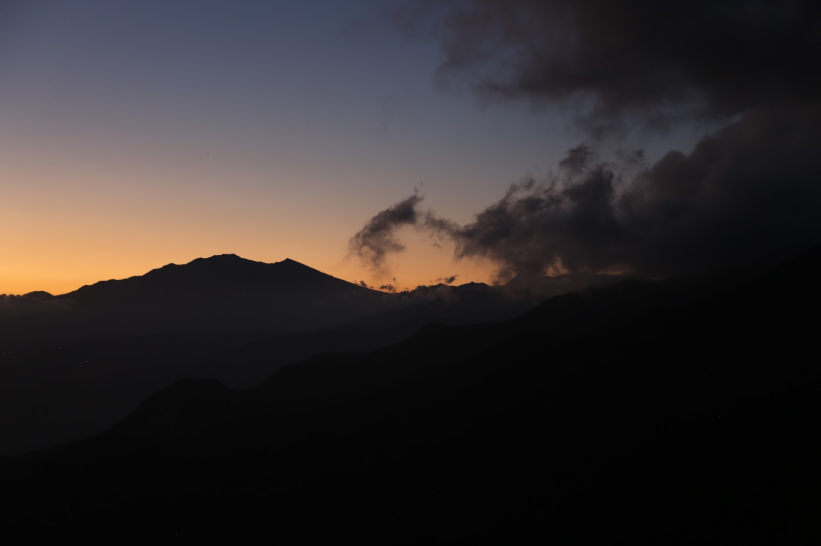
Le grand itinéraire backpacker au Panama : les endroits qui donnent envie de rater son bus

Le Panama est un pays dangereux pour tous ceux qui aiment voyager avec un emploi du temps parfaitement organisé. Vous arrivez avec votre itinéraire, vos réservations d’auberge et une idée assez précise de l’heure à laquelle vous devez prendre le prochain bus. Puis le Panama commence doucement à détruire votre planning. Quelqu’un vous parle d’une cascade. Une plage se révèle beaucoup plus belle que prévu. Au petit-déjeuner, vous rencontrez des voyageurs qui partent ailleurs et vous décidez de les suivre. Vous aviez prévu de rester deux nuits quelque part et, sans vraiment comprendre comment, vous voilà au cinquième jour.

C’est exactement ce qui rend le Panama si agréable à parcourir en sac à dos. Le pays est suffisamment petit pour pouvoir voyager sans passer la moitié de ses vacances dans les transports, mais suffisamment varié pour que le paysage change complètement en quelques heures. Une matinée peut commencer dans une ville moderne, l’après-midi se poursuivre dans la jungle et le lendemain vous pouvez vous retrouver dans les montagnes ou sur une petite île des Caraïbes. Le Panama n’est pas un pays qu’il faut essayer de « terminer » le plus rapidement possible. Il devient beaucoup plus intéressant lorsque vous laissez un peu de place à l’imprévu.

Panama City : commencez par le chaos

Pour la plupart des backpackers, Panama City est le premier véritable contact avec le pays. C’est également un excellent résumé de ce qui rend le Panama si particulier. D’un côté, vous avez des gratte-ciel gigantesques, des centres commerciaux modernes et une circulation intense. De l’autre, vous trouvez des bâtiments coloniaux, des petites rues, de la végétation tropicale et la jungle.

Ne faites pas l’erreur classique de considérer Panama City comme un simple endroit où dormir entre deux vols.

Prenez le temps de découvrir Casco Viejo. Promenez-vous sans programme précis. Tournez dans une rue simplement parce qu’elle vous semble intéressante. Asseyez-vous quelque part et regardez les gens plutôt que de chercher la prochaine attraction. En fin d’après-midi, allez marcher au bord de l’eau lorsque la chaleur commence enfin à quitter la ville.

Évidemment, il faut voir le canal de Panama. Mais ce qui est fascinant ici, c’est qu’après avoir observé les immenses navires traverser le canal, vous pouvez relativement rapidement vous retrouver dans une véritable forêt tropicale.

C’est ce contraste qui rend la capitale si particulière.

San Blas : avant que quelqu’un y construise un immense resort

San Blas, officiellement Guna Yala, est l’endroit où vos photos de voyage commencent presque à sembler truquées.

Des centaines de petites îles sont dispersées dans la mer des Caraïbes. Certaines sont tellement petites que vous pouvez en faire le tour en quelques minutes. Sable blanc, palmiers, eau turquoise et petites embarcations font partie du quotidien.

Mais San Blas n’est pas simplement une destination balnéaire. Le territoire appartient au peuple Guna et cette dimension culturelle fait partie intégrante de l’expérience.

Ne venez pas chercher le luxe.

Venez pour les hébergements simples, le poisson frais, les petites pirogues, la plongée avec masque et tuba et cette sensation assez rare d’avoir momentanément disparu du monde moderne.

San Blas est l’un de ces endroits où l’expression « déconnecter » n’est pas simplement une phrase utilisée dans une publicité pour une retraite de yoga.

Vous réalisez simplement, à un moment donné, que vous n’avez pas regardé votre téléphone depuis plusieurs heures.

El Valle de Antón : le Panama dans un immense cratère

El Valle est un endroit assez étrange sur le plan géographique. La petite ville se trouve à l’intérieur de l’immense cratère d’un ancien volcan et est entourée de montagnes verdoyantes.

Depuis Panama City, le trajet est relativement simple, mais une fois arrivé, la capitale semble soudain très loin. L’air est plus frais, les rues sont plus calmes et le paysage change complètement.

Ce n’est pas un endroit où vous devez absolument passer votre journée à cocher des attractions sur une liste.

Marchez.

Cherchez une cascade.

Montez jusqu’à un point de vue.

Promenez-vous dans la ville.

Et prenez votre temps.

El Valle est une excellente pause après quelques jours passés à Panama City.

Vous arrivez peut-être fatigué par la chaleur et la circulation, et le lendemain matin vous vous retrouvez dans les montagnes en vous demandant pourquoi vous n’êtes pas venu plus tôt.

Santa Catalina : là où la route devient de plus en plus petite

Santa Catalina possède quelque chose qui devient rare dans les destinations touristiques populaires : il faut faire un petit effort pour y arriver.

Le trajet est plus long. Les routes deviennent plus petites. Et progressivement, vous avez moins l’impression de vous diriger vers une destination touristique internationale.

Puis Santa Catalina apparaît.

Un petit village sur la côte Pacifique.

Entouré par l’océan et la nature.

Et vous réalisez soudain que vous n’avez pas besoin de grand-chose.

Surf. Plongée. Natation. Pêche. Restaurants. Couchers de soleil. Rencontres.

La grande raison de venir jusqu’ici reste Coiba.

Si votre budget le permet, une excursion de plongée ou de snorkeling est certainement l’un des meilleurs endroits où dépenser un peu plus d’argent au Panama. Les eaux autour de Coiba offrent une expérience complètement différente du reste du voyage.

Santa Catalina est également un excellent endroit pour découvrir si vous êtes capable de passer trois jours sans véritable programme.

Beaucoup de backpackers découvrent qu’ils en sont parfaitement capables.

Boquete : ici, le Panama allume la climatisation

Puis vous montez dans les montagnes et quelqu’un semble avoir baissé la température.

Boquete est l’un de ces endroits où vous remarquez d’abord l’air plus frais. Après la chaleur des régions côtières, cela ressemble presque à un luxe.

Puis vous commencez à regarder le paysage.

Tout est vert. Les montagnes se succèdent. Les rivières traversent les vallées. Le café pousse sur les pentes et les oiseaux semblent être partout.

Boquete possède suffisamment d’infrastructures touristiques pour rendre le voyage en sac à dos facile, sans pour autant donner l’impression d’être entièrement construit pour les touristes.

Vous pouvez faire une randonnée le matin, boire un excellent café l’après-midi et passer la soirée avec d’autres voyageurs à parler de leurs plans complètement irréalistes pour les trois prochaines semaines.

À un moment donné, quelqu’un vous parlera du Volcán Barú.

Si vous êtes en forme et cherchez un véritable défi, le plus haut sommet du Panama est une superbe aventure. Mais ne confondez pas « populaire auprès des backpackers » avec « facile ».

La montagne se moque complètement du nombre de personnes qui ont déjà publié une photo depuis son sommet.

Fortuna et Lost and Found : ici, le voyage devient vraiment sauvage

Entre Boquete et Bocas del Toro se trouve une région que beaucoup de backpackers traversent sans vraiment s’arrêter.

C’est dommage.

Fortuna est justement l’endroit où vous pouvez décider de transformer une journée de transport en véritable expérience.

C’est ici que se trouve le Lost and Found Hostel, et ce n’est absolument pas une auberge classique où vous descendez du bus, allez directement à la réception, posez votre sac et passez ensuite la soirée devant Netflix.

Vous devez marcher pour y arriver.

L’auberge se trouve dans la Fortuna Forest Reserve et est entourée de son propre réseau de sentiers dans la jungle. La forêt n’est donc pas une excursion que vous devez réserver pour le lendemain.

La jungle est juste devant votre porte.

Cela change complètement l’expérience.

Vous vous réveillez au milieu de la forêt. Vous partez marcher parce que vous n’avez nulle part où aller en particulier. Vous pouvez apercevoir des singes, des oiseaux et d’autres animaux, découvrir des points de vue, explorer les rivières et parcourir la forêt tropicale sans devoir remonter dans un bus touristique après trois heures.

Et puis il y a l’ambiance sociale.

Les backpackers arrivent, font connaissance, partent ensemble sur les sentiers, reviennent couverts de sueur, mangent, boivent, jouent à des jeux et commencent déjà à organiser leur prochaine aventure.

Cette combinaison entre un emplacement isolé dans la jungle et une véritable atmosphère de backpackers est plutôt rare.

Pour les voyageurs entre Boquete et Bocas, Lost and Found est donc beaucoup plus qu'un simple endroit où dormir. Il transforme le trajet entre deux destinations en une véritable étape du voyage.

Et ce sont souvent ces endroits-là que l’on retient le plus longtemps.

Bocas del Toro : ici, votre itinéraire commence à disparaître

Bocas est l’endroit où le Panama commence définitivement à saboter vos plans.

Vous arrivez avec l’idée de rester deux nuits.

Puis quelqu’un vous parle d’une meilleure plage.

Le lendemain, il y a une excursion en bateau.

Le soir, quelqu’un vous invite quelque part.

Vous rencontrez des voyageurs allemands, australiens, canadiens, argentins et une dizaine d’autres nationalités.

Et soudain, vous réservez une nuit supplémentaire.

Bocas Town est l’un des grands centres de backpackers du Panama. C’est animé, social, tropical et parfois merveilleusement chaotique. Les bateaux-taxis circulent constamment entre les îles et il est rarement difficile de trouver un groupe avec lequel partir faire du snorkeling, nager ou explorer.

Pour les voyageurs en solo, c’est particulièrement agréable.

Il est difficile de rester seul très longtemps à Bocas.

Mais ne passez pas tout votre séjour à Bocas Town.

Prenez un bateau.

Partez explorer.

Découvrez les autres îles.

Faites du snorkeling.

Trouvez une plage tranquille.

Bastimentos est particulièrement intéressant si vous voulez découvrir une version plus sauvage de l’archipel.

Bocas est l’endroit où les Caraïbes cessent d’être simplement une belle image et deviennent le décor de votre vie quotidienne.

Volcán et Cerro Punta : le Panama sans le bruit des backpackers

Si Boquete commence à vous sembler trop touristique, continuez vers les montagnes.

Volcán et Cerro Punta offrent une atmosphère différente. Les infrastructures touristiques deviennent moins visibles, l’agriculture prend davantage de place dans le paysage et les montagnes donnent davantage l’impression d’être des endroits où les gens vivent réellement.

C’est une bonne région pour les voyageurs qui, après quelques semaines d’auberges, de bars et d’excursions, commencent à avoir envie de calme.

Vous avez les forêts, les fermes, les montagnes et un climat plus frais.

Personne n’a forcément besoin de vous vendre un programme pour la journée.

Tant mieux.

Faites le vôtre.

Playa Venao : restez jusqu’à oublier quel jour nous sommes

Playa Venao possède exactement les ingrédients qui font régulièrement repousser leur départ aux backpackers.

Une longue plage du Pacifique.

Le surf.

Les couchers de soleil.

Les auberges.

Les restaurants.

D’autres jeunes voyageurs.

Suffisamment de vie nocturne pour rester intéressant sans devoir sortir tous les soirs.

Les journées deviennent délicieusement répétitives.

Surf.

Manger.

Rencontrer quelqu’un.

Nager.

Regarder le coucher du soleil.

Quelqu’un propose quelque chose.

Vous dites oui.

Et soudain, cela fait déjà six jours que vous êtes là.

Venao est parfait pour les voyageurs qui veulent enfin poser leur sac quelque part plutôt que de le refaire tous les deux jours.

Portobelo : quand la plage n’est plus le sujet principal

Portobelo est souvent un endroit que l’on apprécie davantage après avoir déjà passé deux semaines à voir des plages.

Les anciennes fortifications et les ruines espagnoles rappellent l’époque où ce petit port caribéen jouait un rôle majeur dans l’empire espagnol.

L’histoire n’est pas enfermée dans un musée.

Elle est partout autour de vous.

Portobelo permet également de découvrir une autre partie de l’histoire caribéenne du Panama, notamment l’immense influence des communautés afro-caribéennes.

C’est un endroit qui permet de changer de perspective.

Le Panama ne se résume pas aux plages tropicales et à la jungle.

Le pays possède des couches.

Certaines ont plusieurs siècles.

Santa Fe : prenez la route que personne ne vous a recommandée

Santa Fe est destinée aux backpackers qui finissent par se désintéresser des listes du type « les dix meilleurs endroits à visiter ».

C’est plus calme.

Plus rural.

Entouré de montagnes, de rivières, de cascades et de forêts.

Et il faut se débrouiller un peu plus par soi-même.

Ce qui peut être justement très agréable.

Il n’y a pas forcément une soirée organisée dans une auberge chaque soir. Pas forcément un tour-opérateur à chaque coin de rue qui essaie de vous vendre la prochaine excursion.

Vous devez découvrir les choses vous-même.

Demandez à quelqu’un.

Partez marcher.

Mouillez-vous.

Perdez-vous peut-être un peu.

Et trouvez quelque chose.

Pour un voyageur qui veut vraiment avoir l’impression de voyager indépendamment, cela peut être beaucoup plus gratifiant qu’un énième point de vue célèbre.

Soberanía : le raccourci vers la jungle

L’un des meilleurs secrets du Panama est qu’il n’est pas nécessaire de voyager pendant des jours pour découvrir une véritable forêt tropicale.

Le parc national de Soberanía se trouve à proximité de Panama City et permet de découvrir facilement la jungle.

Pour les backpackers qui disposent de peu de temps, c’est idéal.

Le matin, vous êtes encore entre les gratte-ciel.

Un peu plus tard, vous marchez sous d’immenses arbres tropicaux.

Si vous aimez les oiseaux, prenez votre temps.

Les forêts panaméennes deviennent incroyablement vivantes dès que vous arrêtez de les traverser comme un touriste et commencez réellement à chercher les animaux.

Ne transformez pas le Panama en liste de contrôle

La tentation est grande de créer un itinéraire qui semble impressionnant sur le papier.

Panama City.

San Blas.

El Valle.

Santa Catalina.

Boquete.

Lost and Found.

Bocas.

Venao.

Volcán.

Portobelo.

Terminé.

Félicitations.

Vous avez passé vos vacances à faire et défaire votre sac à dos.

La meilleure façon de voyager est de laisser de la place aux accidents.

Ratez un bus.

Restez quelque part parce que vous aimez l’endroit.

Acceptez une invitation.

Prenez une route simplement parce qu’elle semble intéressante.

Parlez à quelqu’un au petit-déjeuner.

Demandez d’où vient cette personne.

Demandez où elle va.

Demandez ce qu’elle aurait aimé faire différemment.

Les meilleures expériences au Panama ne sont pas toujours celles que l’on peut réserver six mois à l’avance.

C’est particulièrement vrai dans des endroits comme Lost and Found, où l’intérêt ne vient pas uniquement du lieu. C’est le mélange de jungle, de sentiers, de nature sauvage et de cette petite communauté qui se forme lorsque plusieurs backpackers se retrouvent soudain au milieu de la forêt.

Alors, où faut-il vraiment aller ?

Pour un premier voyage, Panama City → San Blas → El Valle → Santa Catalina → Boquete → Fortuna/Lost and Found → Bocas del Toro offre un aperçu incroyable du pays.

Vous avez la ville, les Caraïbes, la culture indigène, les montagnes, le Pacifique, la forêt de nuages et la jungle.

Si vous avez davantage de temps, ajoutez Venao, Volcán, Cerro Punta, Portobelo ou Santa Fe.

Mais n’essayez surtout pas de tout voir.

Le meilleur voyage au Panama n’est pas celui qui contient le plus de points sur Google Maps.

C’est celui où, vers le dixième jour, vous réalisez soudain que vous ne savez plus quel jour de la semaine nous sommes.

À ce moment-là, vous êtes probablement en train de découvrir le vrai Panama.

De ultieme backpackroute door Panama: plekken waarvoor je eigenlijk je bus wilt missen

Panama is een gevaarlijk land voor iedereen die graag volgens een strak schema reist. Je komt aan met een keurig reisplan, een lijst met hostels en een idee van welke bus je wanneer moet nemen. En dan begint Panama je planning langzaam uit elkaar te trekken. Iemand vertelt je over een waterval. Een strand blijkt veel mooier dan verwacht. Tijdens het ontbijt ontmoet je een groep reizigers die ergens anders naartoe gaat. Je besluit mee te gaan. Je zou ergens twee nachten blijven en ontdekt opeens dat het dag vijf is.

Precies dat maakt Panama zo leuk voor backpackers. Het land is klein genoeg om redelijk gemakkelijk rond te reizen, maar er zit ongelooflijk veel variatie in. Binnen een paar uur kun je van een moderne stad naar de jungle, van de bergen naar de Pacifische kust of van een stoffige bergweg naar een tropisch eiland reizen. Panama is geen land dat je zo snel mogelijk moet afvinken. Het wordt juist interessanter wanneer je wat ruimte laat voor het onverwachte.

Panama-Stad: begin met de chaos

Voor de meeste backpackers is Panama-Stad het eerste echte contact met het land. Het is ook een behoorlijk goede samenvatting van wat Panama zo vreemd en interessant maakt. Aan de ene kant staan enorme wolkenkrabbers, moderne winkelcentra en druk verkeer. Aan de andere kant vind je oude koloniale gebouwen, kleine straatjes, tropische begroeiing en jungle.

Maak niet de klassieke fout om Panama-Stad alleen als tussenstop tussen twee vluchten te gebruiken.

Loop rustig door Casco Viejo. Niet met een lijstje van twintig dingen die je moet zien, maar gewoon zonder haast. Sla een straatje in omdat het er interessant uitziet. Ga ergens zitten en kijk naar de mensen. Wandel aan het einde van de middag langs de kust wanneer de hitte langzaam uit de stad begint te verdwijnen.

Natuurlijk moet je het Panamakanaal zien. Maar het interessante aan Panama-Stad is juist dat je daarna relatief snel de natuur in kunt. Je kunt 's ochtends tussen de wolkenkrabbers lopen en later diezelfde dag door tropisch regenwoud wandelen.

Dat contrast maakt de hoofdstad bijzonder.

San Blas: voordat iemand er een gigantisch resort bouwt

San Blas, officieel Guna Yala, is de plek waar je vakantiefoto's bijna verdacht mooi beginnen te worden.

Honderden kleine eilanden liggen verspreid over de Caribische Zee. Sommige zijn zo klein dat je er in een paar minuten omheen kunt lopen. Wit zand, palmbomen, helderblauw water en kleine boten zijn hier onderdeel van het dagelijks leven.

Maar San Blas is geen gewoon Caribisch vakantieoord. Het gebied behoort tot de Guna en de cultuur is een belangrijk onderdeel van de ervaring.

Verwacht geen luxe.

Kom juist voor de eenvoudige accommodaties, verse vis, kleine bootjes, snorkelen en het gevoel dat je even helemaal uit de normale wereld bent verdwenen.

San Blas is een van die zeldzame plekken waar "even helemaal offline gaan" niet klinkt als een slogan uit een yogareclame.

Je merkt gewoon opeens dat je al uren niet naar je telefoon hebt gekeken.

El Valle de Antón: Panama in een gigantische kom

El Valle is geografisch een behoorlijk vreemd stukje Panama. Het plaatsje ligt in de enorme krater van een oude vulkaan en wordt bijna volledig omringd door groene bergen.

Vanaf Panama-Stad is het relatief eenvoudig te bereiken, maar eenmaal aangekomen lijkt de hoofdstad ineens ver weg. Het klimaat is aangenamer, de omgeving rustiger en het landschap compleet anders.

Dit is geen plek waar je per se twintig bezienswaardigheden hoeft af te vinken.

Ga wandelen.

Zoek een waterval.

Klim naar een uitzichtpunt.

Loop door het plaatsje.

En doe vooral rustig aan.

El Valle is een uitstekende manier om na een paar dagen Panama-Stad even op adem te komen.

Je arriveert misschien oververhit en een beetje verkeersmoe en zit de volgende ochtend ergens in de bergen te denken: waarom ben ik hier niet eerder naartoe gegaan?

Santa Catalina: waar de weg steeds kleiner wordt

Santa Catalina heeft iets wat op populaire bestemmingen steeds zeldzamer wordt: je moet er moeite voor doen om er te komen.

De reis duurt langer. De wegen worden kleiner. Uiteindelijk verdwijnt het gevoel dat je onderweg bent naar een grote toeristische bestemming.

En dan is daar Santa Catalina.

Een klein dorp aan de Pacifische kust.

Omringd door zee en natuur.

En opeens merk je dat je eigenlijk helemaal niet veel nodig hebt.

Surfen. Duiken. Zwemmen. Vissen. Eten. Zonsondergangen. Nieuwe mensen ontmoeten.

De grote reden om helemaal hierheen te komen is Coiba.

Als je budget het toelaat, is een duik- of snorkeltrip hier een van de beste manieren om wat extra geld uit te geven. De wateren rond Coiba behoren tot de spectaculaire natuurgebieden van Panama en geven je een compleet andere kijk op het land.

Santa Catalina is bovendien een uitstekende plek om te ontdekken of je drie dagen achter elkaar helemaal niets kunt plannen.

Veel backpackers ontdekken dat ze dat uitstekend kunnen.

Boquete: hier zet Panama de airconditioning aan

Dan ga je de bergen in en lijkt het alsof iemand de temperatuur een paar graden lager heeft gezet.

Boquete is een van die plaatsen waar je eerst de koelere lucht opmerkt. Na de warmte van de kust voelt het bijna als een luxe.

Daarna begin je het landschap te zien.

Alles is groen. Bergen liggen achter bergen. Rivieren snijden door valleien. Koffie groeit tegen de hellingen en overal lijkt wel ergens een vogel te zitten die je nog nooit eerder hebt gezien.

Boquete heeft genoeg toeristische voorzieningen om het backpacken gemakkelijk te maken, maar voelt niet alsof het volledig voor toeristen is gebouwd.

Je kunt 's ochtends wandelen, 's middags geweldige koffie drinken en 's avonds met andere reizigers praten over hun volledig onrealistische plannen voor de komende drie weken.

Op een gegeven moment zal iemand je vertellen over de Volcán Barú.

Als je fit bent en een uitdaging zoekt, is de hoogste berg van Panama een geweldig avontuur. Maar verwar "populair onder backpackers" niet met "makkelijk".

De berg trekt zich niets aan van hoeveel mensen al foto's vanaf de top op Instagram hebben gezet.

Fortuna en Lost and Found: hier wordt de reis echt wild

Ergens tussen Boquete en Bocas del Toro ligt een gebied waar veel backpackers simpelweg doorheen reizen.

Dat is jammer.

Fortuna is juist de plek waar je kunt besluiten om van een reisdag een ervaring te maken.

Hier ligt Lost and Found Hostel, en dit is absoluut geen standaard hostel waar je rechtstreeks vanuit de bus naar de receptie loopt, je bed inneemt en vervolgens Netflix gaat kijken.

Je moet naar binnen wandelen.

Het hostel ligt in het Fortuna Forest Reserve en wordt omringd door een eigen netwerk van junglepaden. De jungle is dus geen excursie die je voor de volgende ochtend hoeft te boeken.

De jungle ligt letterlijk voor je deur.

Dat verandert de hele ervaring.

Je wordt wakker in het bos. Je gaat wandelen omdat je nergens anders hoeft te zijn. Je kunt apen en vogels tegenkomen, uitzichtpunten ontdekken, rivieren verkennen en door het regenwoud lopen zonder dat je na drie uur weer in een toeristenbus hoeft te stappen.

En dan is er de sociale kant.

Backpackers komen aan, leren elkaar kennen, verdwijnen samen over de trails, komen bezweet terug, eten, drinken, spelen spelletjes en beginnen vervolgens alweer plannen te maken voor hun volgende avontuur.

Die combinatie van een afgelegen junglelokatie en een echte backpackersfeer kom je niet vaak tegen.

Voor reizigers die tussen Boquete en Bocas onderweg zijn, is Lost and Found daarom meer dan alleen een plek om te slapen. Het maakt van het stuk tussen twee bestemmingen een bestemming op zichzelf.

En juist zulke plekken blijven vaak langer hangen dan de beroemdste toeristische attractie.

Bocas del Toro: hier begint je reisplan uit elkaar te vallen

Bocas is de plek waar Panama je planning definitief begint te saboteren.

Je komt aan met het plan om twee nachten te blijven.

Dan vertelt iemand over een beter strand.

De volgende dag is er een boottocht.

's Avonds nodigt iemand je ergens uit.

Je ontmoet reizigers uit Duitsland, Australië, Canada, Argentinië en allerlei andere landen.

En plotseling boek je nog een nacht.

Bocas Town is een van de grote backpackercentra van Panama. Het is druk, sociaal, tropisch en soms heerlijk chaotisch. Watertaxi's varen voortdurend tussen de eilanden en het is meestal niet moeilijk om mensen te vinden die op zoek zijn naar iemand om mee te gaan snorkelen, zwemmen of op avontuur te gaan.

Voor soloreizigers is het ideaal.

Alleen blijven duurt hier meestal niet lang.

Maar maak niet de fout om alleen in Bocas Town te blijven.

Stap in een boot.

Ga de eilanden ontdekken.

Ga snorkelen.

Zoek een rustig strand.

Bastimentos is vooral interessant als je een ruigere kant van de archipel wilt zien.

Bocas is de plek waar de Caribische Zee ophoudt een mooie achtergrond voor foto's te zijn en onderdeel wordt van je dagelijkse leven.

Volcán en Cerro Punta: Panama zonder backpackerlawaai

Als Boquete je uiteindelijk iets te toeristisch begint te voelen, ga dan verder de bergen in.

Volcán en Cerro Punta voelen anders. De toeristische infrastructuur wordt minder zichtbaar, landbouw wordt steeds belangrijker in het landschap en de bergen voelen weer meer als plekken waar mensen daadwerkelijk wonen.

Dit is een gebied voor reizigers die na een paar weken hostels, bars en tours misschien behoefte hebben aan wat ruimte.

Je krijgt bossen, boerderijen, bergen en koelere temperaturen.

Niemand hoeft hier per se een strak dagprogramma voor je te maken.

Mooi.

Maak er zelf een.

Playa Venao: blijf totdat je niet meer weet welke dag het is

Playa Venao heeft precies de ingrediënten waardoor backpackers regelmatig hun vertrek uitstellen.

Een lang Pacifisch strand.

Surfen.

Zonsondergangen.

Hostels.

Restaurants.

Andere jonge reizigers.

Genoeg nachtleven om interessant te blijven zonder dat je iedere avond hoeft te feesten.

De dagen worden heerlijk voorspelbaar.

Surfen.

Eten.

Iemand ontmoeten.

Zwemmen.

Zonsondergang.

Iemand stelt iets voor.

Je zegt ja.

En ineens ben je er al zes dagen.

Venao is ideaal voor reizigers die ergens wat langer willen blijven in plaats van om de twee dagen hun backpack opnieuw in te pakken.

Portobelo: wanneer het strand even niet het belangrijkste is

Portobelo waardeer je vaak pas echt nadat je al een paar weken stranden hebt gezien.

De oude Spaanse forten en ruïnes herinneren aan de tijd waarin deze kleine Caribische haven een belangrijke rol speelde in het Spaanse rijk.

De geschiedenis zit hier niet alleen in een museum.

Je ziet haar overal om je heen.

Portobelo laat bovendien een andere kant van de Caribische geschiedenis van Panama zien, inclusief de enorme invloed van Afro-Caribische gemeenschappen.

Het is een goede plek om je reis even van richting te veranderen.

Panama bestaat niet alleen uit tropische stranden en jungle.

Het land heeft lagen.

Sommige zijn honderden jaren oud.

Santa Fe: neem de weg die niemand je heeft aangeraden

Santa Fe is voor backpackers die op een bepaald moment stoppen met het bekijken van lijstjes met "de 10 beste plekken".

Het is rustiger.

Landelijker.

Omringd door bergen, rivieren, watervallen en bos.

En je moet iets meer zelf uitzoeken.

Dat kan juist heerlijk zijn.

Niet overal staat een hostel klaar met een feestje. Niet op elke hoek staat een touroperator die je de volgende excursie probeert te verkopen.

Je moet zelf ontdekken waar je naartoe wilt.

Vraag iemand.

Loop ergens heen.

Word nat.

Verdwaal misschien een beetje.

En ontdek iets.

Voor reizigers die echt zelfstandig willen reizen, kan dat veel waardevoller zijn dan weer een beroemde viewpoint bezoeken.

Soberanía: de jungletruc van Panama

Een van de beste dingen aan Panama is dat je niet dagenlang hoeft te reizen om echt regenwoud te zien.

Soberanía National Park ligt vlak bij Panama-Stad en biedt een eenvoudige manier om tropische jungle te ervaren.

Voor backpackers met weinig tijd is dat ideaal.

's Ochtends loop je nog tussen de wolkenkrabbers.

Even later loop je onder enorme tropische bomen.

Ben je geïnteresseerd in vogels, neem dan vooral geduld mee.

De bossen van Panama zijn ongelooflijk levendig zodra je ophoudt er als een toerist doorheen te lopen en daadwerkelijk begint te zoeken naar dieren.

Maak van Panama geen checklist

De verleiding is groot om een route samen te stellen die er op papier indrukwekkend uitziet.

Panama-Stad.

San Blas.

El Valle.

Santa Catalina.

Boquete.

Lost and Found.

Bocas.

Venao.

Volcán.

Portobelo.

Klaar.

Gefeliciteerd.

Je hebt je hele vakantie besteed aan het inpakken en opnieuw uitpakken van je backpack.

De betere manier is ruimte laten voor het onverwachte.

Mis een bus.

Blijf ergens omdat je het leuk vindt.

Ga mee met een uitnodiging.

Neem een weg omdat die er interessant uitziet.

Praat tijdens het ontbijt met iemand.

Vraag waar die persoon vandaan komt.

Vraag waar hij of zij naartoe gaat.

Vraag wat diegene achteraf anders had willen doen.

De beste ervaringen in Panama zijn niet altijd zes maanden van tevoren te boeken.

Dat geldt vooral voor plaatsen zoals Lost and Found, waar niet alleen de locatie bijzonder is. Het is de combinatie van jungle, wandelpaden, wildlife en de kleine gemeenschap die ontstaat wanneer een groep backpackers ineens midden in het bos terechtkomt.

Dus waar moet je écht naartoe?

Voor een eerste reis geeft Panama-Stad → San Blas → El Valle → Santa Catalina → Boquete → Fortuna/Lost and Found → Bocas del Toro je een ongelooflijke doorsnede van Panama.

Je krijgt de stad, de Caraïben, inheemse cultuur, bergen, de Grote Oceaan, nevelwoud en jungle.

Heb je meer tijd, voeg dan Venao, Volcán, Cerro Punta, Portobelo of Santa Fe toe.

Maar probeer niet alles te zien.

De beste Panama-reis is niet de reis met de meeste punten op Google Maps.

Het is de reis waarbij je rond dag tien beseft dat je niet meer weet welke dag van de week het is.

Dan ben je waarschijnlijk goed bezig in Panama.

Die Panama Backpacking Route: Orte, wegen denen du deinen Bus verpassen möchtest

Panama ist ein gefährliches Land für jeden, der gerne nach einem perfekten Zeitplan reist. Du kommst mit einem schönen kleinen Reiseplan an, hast deine Hostels gebucht, weißt ungefähr, wann welcher Bus fährt, und dann beginnt Panama, deine Pläne zu sabotieren. Jemand erzählt dir von einem Wasserfall. Ein Strand ist viel schöner als erwartet. Beim Frühstück lernst du andere Backpacker kennen und plötzlich fährst du irgendwohin, von dem du am Vortag noch nie gehört hast. Du wolltest eigentlich zwei Nächte bleiben und stellst irgendwann fest, dass es bereits der fünfte Tag ist.

Genau das macht Panama so großartig zum Backpacken. Das Land ist klein genug, dass du nicht die Hälfte deiner Reise in Bussen verbringen musst, aber abwechslungsreich genug, dass sich alle paar Stunden die Landschaft und manchmal sogar das gesamte Lebensgefühl verändert.

Panama City: Starte mit dem Chaos

Panama City ist für viele Backpacker der erste Kontakt mit dem Land und gleichzeitig eine ziemlich gute Zusammenfassung dessen, was Panama so ungewöhnlich macht. Auf der einen Seite stehen riesige Glas- und Betontürme, dichter Verkehr und moderne Einkaufszentren. Auf der anderen Seite findest du alte Kolonialgebäude, kleine Straßen, tropische Vegetation und den Dschungel.

Mach nicht den typischen Fehler und behandle Panama City nur als Zwischenstopp zwischen zwei Flügen.

Nimm dir Zeit für Casco Viejo. Lauf ohne großen Plan durch die alten Straßen. Setz dich irgendwo hin und beobachte nicht die Sehenswürdigkeiten, sondern die Menschen. Geh am späten Nachmittag an die Uferpromenade und schau zu, wie die Hitze langsam aus der Stadt verschwindet.

Natürlich solltest du auch den Panamakanal sehen. Aber Panama City wird erst richtig interessant, wenn du anschließend in einen der nahegelegenen Naturparks gehst und plötzlich mitten im tropischen Grün stehst.

Das Verrückte ist: Du musst dafür nicht einmal besonders weit fahren.

Panama City zeigt dir schon am Anfang, dass dieses Land nicht wirklich in eine Schublade passt.

San Blas: Bevor jemand dort ein riesiges Resort baut

San Blas, offiziell Guna Yala, ist der Ort, an dem deine Strandfotos plötzlich anfangen, unrealistisch auszusehen.

Hunderte kleine Inseln liegen in der Karibik. Manche sind so klein, dass du sie in wenigen Minuten umrunden kannst. Weißer Sand, Palmen, türkisfarbenes Wasser und kleine Boote gehören hier zum Alltag.

Aber San Blas ist nicht einfach irgendein tropisches Ferienparadies. Das Gebiet gehört zum Volk der Guna, und genau das macht die Erfahrung anders als einen gewöhnlichen Resorturlaub.

Erwarte keinen Luxus.

Erwarte einfache Unterkünfte, frisches Essen, kleine Boote und eine Umgebung, in der du plötzlich feststellst, dass du seit Stunden nicht mehr auf dein Handy geschaut hast.

San Blas ist einer dieser seltenen Orte, an denen der Begriff „abschalten“ tatsächlich funktioniert und nicht nur auf einer Yoga-Werbung steht.

El Valle de Antón: Panama in einer riesigen Schüssel

El Valle ist geografisch ziemlich eigenartig. Die Stadt liegt in einem gewaltigen Vulkankrater, umgeben von grünen Bergen.

Von Panama City ist es nicht besonders weit, aber die Atmosphäre verändert sich schnell. Die Straßen werden ruhiger, die Luft wird angenehmer und die Hauptstadt scheint plötzlich weit weg zu sein.

Hier geht es weniger darum, zehn Sehenswürdigkeiten abzuhaken. Du kannst wandern, Wasserfälle suchen, Aussichtspunkte erklimmen und einfach durch die Gegend laufen.

El Valle ist deshalb ein perfekter Zwischenstopp nach Panama City.

Du kommst möglicherweise heiß, verschwitzt und etwas genervt vom Verkehr an und sitzt am nächsten Morgen in den Bergen und fragst dich, warum du nicht früher gekommen bist.

Santa Catalina: Wo die Straße immer kleiner wird

Santa Catalina hat etwas, das bei beliebten Reisezielen immer seltener wird: Man muss sich ein bisschen anstrengen, um hinzukommen.

Die Fahrt dauert länger. Die Straßen werden kleiner. Irgendwann verschwindet das Gefühl, dass du dich gerade auf dem Weg zu einem großen Touristenziel befindest.

Dann kommt Santa Catalina.

Ein kleiner Ort am Pazifik, umgeben von Meer und Landschaft.

Und plötzlich merkst du, dass du eigentlich gar nicht viel brauchst.

Surfen. Tauchen. Schwimmen. Angeln. Essen. Sonnenuntergänge. Menschen kennenlernen.

Der große Trumpf ist Coiba.

Wenn dein Budget es erlaubt, würde ich hier ernsthaft darüber nachdenken, Geld für einen Tauch- oder Schnorchelausflug auszugeben. Die Gewässer rund um Coiba gehören zu den großen Naturerlebnissen Panamas.

Santa Catalina ist außerdem ein hervorragender Ort, um herauszufinden, ob du drei Tage lang einfach nichts tun kannst.

Viele Backpacker finden heraus: Ja.

Boquete: Hier macht Panama die Klimaanlage an

Dann geht es in die Berge und plötzlich dreht jemand die Temperatur herunter.

Boquete ist einer dieser Orte, an denen du zuerst die angenehm kühle Luft bemerkst. Nach der Hitze der Küstenregionen fühlt sich das fast luxuriös an.

Danach bemerkst du die Landschaft.

Alles ist grün. Berge liegen hinter Bergen. Flüsse schneiden durch Täler. Kaffee wächst an den Hängen. Und überall scheint irgendwo ein Vogel zu sitzen, den du noch nie zuvor gesehen hast.

Boquete hat genügend touristische Infrastruktur, damit Backpacking einfach funktioniert, aber es fühlt sich trotzdem nicht wie ein riesiger Freizeitpark an.

Du kannst morgens wandern, nachmittags Kaffee trinken und abends mit anderen Reisenden zusammensitzen und über deren völlig unrealistische Reisepläne für die nächsten drei Wochen reden.

Irgendjemand wird dir irgendwann vom Volcán Barú erzählen.

Wenn du fit bist und die Herausforderung suchst, ist der höchste Berg Panamas ein großes Abenteuer. Aber verwechsle „beliebt bei Backpackern“ nicht mit „einfach“.

Der Berg interessiert sich nicht dafür, wie viele Leute bereits Fotos vom Gipfel gepostet haben.

Fortuna und Lost and Found: Hier wird die Reise richtig wild

Zwischen Boquete und Bocas del Toro liegt eine Region, die viele Backpacker einfach durchfahren würden.

Das wäre schade.

Fortuna ist der Moment, an dem du dich entscheiden kannst, die Reise selbst zum Erlebnis zu machen.

Hier befindet sich das Lost and Found Hostel, und es ist nicht das typische Hostel, in dem du vom Bus direkt zur Rezeption läufst, dein Bett beziehst und anschließend Netflix schaust.

Du musst hineinwandern.

Das Hostel liegt im Fortuna Forest Reserve und ist von einem eigenen Netz aus Dschungelwegen umgeben. Der Wald ist also keine Aktivität, die du für morgen buchen musst.

Der Wald liegt direkt vor deiner Tür.

Und das verändert die gesamte Atmosphäre.

Du wachst im Dschungel auf. Du gehst wandern, weil es keinen Grund gibt, irgendwo anders hinzumüssen. Du kannst Affen, Vögel und andere Tiere entdecken, Aussichtspunkte suchen, Flüsse erkunden und den Wald erleben, anstatt ihn nur für drei Stunden im Rahmen einer Tour zu besuchen.

Und dann ist da noch die soziale Seite.

Backpacker kommen an, lernen sich kennen, verschwinden gemeinsam auf den Trails, kommen verschwitzt zurück, essen, trinken, spielen Spiele und beginnen irgendwann, ihre nächsten Abenteuer zu planen.

Diese Kombination aus abgelegener Dschungellage und echter Backpacker-Atmosphäre ist überraschend selten.

Gerade für Reisende zwischen Boquete und Bocas ist Lost and Found deshalb mehr als nur eine Unterkunft. Es macht aus einem Reisetag einen richtigen Aufenthalt.

Und genau solche Orte bleiben häufig länger im Gedächtnis als die berühmteste Sehenswürdigkeit.

Bocas del Toro: Hier beginnt dein Reiseplan auseinanderzufallen

Bocas ist der Ort, an dem Panama anfängt, deine Planung endgültig zu ruinieren.

Du kommst mit dem Plan an, zwei Nächte zu bleiben.

Dann erzählt dir jemand von einem besseren Strand.

Dann gibt es am nächsten Tag eine Bootstour.

Dann lädt dich jemand abends irgendwohin ein.

Dann lernst du Leute aus Deutschland, Australien, Kanada, Argentinien und Ländern kennen, deren Namen du vielleicht nicht einmal richtig aussprechen kannst.

Und plötzlich buchst du eine weitere Nacht.

Bocas Town ist einer der großen Backpacker-Treffpunkte Panamas. Es ist laut, sozial, tropisch und manchmal wunderbar chaotisch. Wasser-Taxis fahren ständig zwischen den Inseln hin und her und irgendwo findet sich fast immer eine Gruppe, der du dich anschließen kannst.

Für Alleinreisende ist Bocas besonders gut geeignet.

Allein bleibt man hier selten lange.

Aber verbringe nicht die gesamte Zeit in Bocas Town.

Steig in ein Boot.

Fahr hinaus.

Erkunde die anderen Inseln.

Schnorchle.

Schwimme.

Suche dir einen Strand.

Bastimentos ist besonders interessant, wenn du eine wildere Seite des Archipels kennenlernen möchtest.

Bocas ist der Ort, an dem die Karibik aufhört, nur ein schönes Foto zu sein, und plötzlich zu deinem Alltag wird.

Volcán und Cerro Punta: Panama ohne Backpacker-Lärm

Wenn dir Boquete irgendwann zu touristisch vorkommt, fahr weiter.

Volcán und Cerro Punta fühlen sich anders an. Die touristische Infrastruktur wird dünner, Landwirtschaft wird sichtbarer und die Berge wirken wieder mehr wie Orte, an denen Menschen tatsächlich leben.

Hier bist du richtig, wenn du nach einigen Wochen Backpacking genug von Hostels, Bars und ständig neuen Touren hast.

Es gibt Wälder, Bauernhöfe, Berge und kühlere Temperaturen.

Niemand muss dir hier unbedingt einen Tagesplan verkaufen.

Gut so.

Mach deinen eigenen.

Playa Venao: Bleib, bis du nicht mehr weißt, welcher Wochentag ist

Playa Venao besitzt genau die Zutaten, die Backpacker regelmäßig dazu bringen, ihre Weiterreise zu verschieben.

Ein langer Pazifikstrand.

Surfen.

Sonnenuntergänge.

Hostels.

Restaurants.

Junge Reisende.

Genügend Nachtleben, um interessant zu bleiben, aber nicht so viel, dass du jeden Abend irgendwo feiern musst.

Die Tage werden angenehm eintönig.

Surfen.

Essen.

Jemanden kennenlernen.

Schwimmen.

Sonnenuntergang anschauen.

Jemand schlägt etwas vor.

Du sagst ja.

Und plötzlich bist du seit sechs Tagen dort.

Venao ist besonders gut für Reisende, die einmal irgendwo bleiben wollen, anstatt alle zwei Tage ihren Rucksack neu zu packen.

Portobelo: Wenn der Strand einmal nicht das Wichtigste ist

Portobelo schätzt man oft erst richtig, nachdem man bereits zwei Wochen Strände gesehen hat.

Die alten spanischen Befestigungsanlagen und Ruinen erinnern daran, wie wichtig dieser kleine Ort einst für das spanische Weltreich war.

Die Geschichte befindet sich hier nicht nur hinter Museumsglas.

Sie ist überall.

Portobelo zeigt außerdem eine andere Seite der karibischen Geschichte Panamas und den enormen Einfluss afro-karibischer Gemeinschaften.

Es ist ein guter Ort, um den Blickwinkel zu verändern.

Panama besteht nicht nur aus tropischer Landschaft.

Das Land hat Schichten.

Manche davon sind mehrere Jahrhunderte alt.

Santa Fe: Nimm die Straße, die dir niemand empfohlen hat

Santa Fe ist etwas für Backpacker, die irgendwann aufhören, sich für „Top 10“-Listen zu interessieren.

Es ist ruhiger.

Ländlicher.

Von Bergen, Flüssen, Wasserfällen und Wald umgeben.

Und du musst dich ein wenig mehr selbst organisieren.

Genau das kann angenehm sein.

Nicht überall wartet ein Hostel mit Party auf dich. Nicht an jeder Ecke steht jemand und verkauft dir die nächste Tour.

Du musst selbst herausfinden, wohin du gehen möchtest.

Frag jemanden.

Lauf los.

Werd nass.

Verlauf dich vielleicht ein bisschen.

Und entdecke etwas.

Für Reisende, die wirklich unabhängig unterwegs sein möchten, kann das wertvoller sein als der nächste berühmte Aussichtspunkt.

Soberanía: Der Dschungel-Trick

Einer der besten Tricks Panamas ist, dass du keinen mehrtägigen Ausflug unternehmen musst, um richtigen Regenwald zu erleben.

Der Soberanía-Nationalpark liegt nahe Panama City und ermöglicht einen relativ einfachen Einstieg in den tropischen Regenwald.

Für Backpacker mit wenig Zeit ist das perfekt.

Morgens siehst du noch die Wolkenkratzer.

Kurz darauf läufst du unter riesigen tropischen Bäumen.

Wer Vögel liebt, sollte Geduld mitbringen.

Panamas Wälder sind erstaunlich lebendig, sobald du aufhörst, wie ein Tourist hindurchzulaufen und anfängst, wirklich nach Tieren zu suchen.

Mach aus Panama keine Checkliste

Die Versuchung ist groß, eine Route zusammenzustellen, die auf dem Papier beeindruckend aussieht.

Panama City.

San Blas.

El Valle.

Santa Catalina.

Boquete.

Lost and Found.

Bocas.

Venao.

Volcán.

Portobelo.

Fertig.

Herzlichen Glückwunsch.

Du hast deinen gesamten Urlaub damit verbracht, deinen Rucksack zu packen und wieder auszupacken.

Die bessere Variante ist, Platz für Zufälle zu lassen.

Verpass einen Bus.

Bleib irgendwo, weil es dir gefällt.

Nimm eine Einladung an.

Fahr eine Straße entlang, die interessant aussieht.

Sprich beim Frühstück mit jemandem.

Frag, woher die Person kommt.

Frag, wohin sie fährt.

Frag, was sie im Nachhinein gerne anders gemacht hätte.

Die besten Erlebnisse in Panama lassen sich nicht unbedingt sechs Monate im Voraus reservieren.

Das gilt besonders für Orte wie Lost and Found, wo nicht nur die Lage selbst interessant ist. Es ist die Mischung aus Dschungel, Wanderwegen, Tieren und dieser kleinen Gemeinschaft, die entsteht, wenn plötzlich eine Gruppe Backpacker mitten im Wald landet.

Wohin solltest du wirklich?

Für eine erste Reise bietet Panama City → San Blas → El Valle → Santa Catalina → Boquete → Fortuna/Lost and Found → Bocas del Toro eine unglaubliche Mischung.

Du bekommst Stadt, Karibik, indigene Kultur, Berge, Pazifik, Nebelwald und Dschungel.

Wenn du mehr Zeit hast, kannst du Venao, Volcán, Cerro Punta, Portobelo oder Santa Fe hinzufügen.

Aber versuche nicht, alles zu sehen.

Die beste Panama-Reise ist nicht diejenige mit den meisten Punkten auf Google Maps.

Es ist die Reise, bei der du irgendwann um den zehnten Tag herum feststellst, dass du aufgehört hast, auf die Uhr zu schauen.

Dann machst du wahrscheinlich gerade Panama richtig.

The Places Backpackers Shouldn’t Miss in Panama

Panama is one of those countries that looks deceptively small on a map. A backpacker can cross it relatively quickly, but rushing through Panama is one of the easiest ways to miss what makes the country special. Within a few hours of traveling, the scenery, climate, culture and even the atmosphere can completely change. You can start in a modern capital surrounded by skyscrapers, be hiking through cloud forest the next day, spend a few nights in the mountains, cross into the Caribbean and eventually find yourself sitting on a tiny tropical island with nothing but jungle, sand and turquoise water around you. Panama isn't a country that needs to be conquered in a week. It rewards travelers who slow down.

Panama City: Don't Just Use It as an Airport

Almost every backpacker will pass through Panama City, and many make the mistake of treating it as a place to sleep before catching the next bus. Give it a little more time. Panama City is one of the most unusual capitals in Central America because the old and new versions of Panama exist almost side by side. The skyscrapers, shopping districts and modern infrastructure make it feel surprisingly international, while Casco Viejo, the Panama Canal and the nearby rainforest reveal a completely different side of the country.

Spend some time wandering Casco Viejo without a strict plan. Eat somewhere local, walk along the waterfront and watch the skyline light up after sunset. Visit the Panama Canal, but also make time for one of the nearby national parks. Seeing monkeys, tropical birds and rainforest while still being within reach of one of the biggest cities in Central America is one of the things that makes Panama City unusual.

For backpackers, Panama City is also where the journey begins socially. Hostels are full of people heading in completely different directions, and conversations about where to go next are often how travelers discover the places they hadn't originally planned to visit.

San Blas: The Panama You Imagined Before You Arrived

San Blas, officially Guna Yala, is probably the place that most closely resembles the Panama that exists in people's imaginations. Tiny islands sit in clear Caribbean water, palm trees lean over white beaches and traditional boats move between islands.

But San Blas is much more than a beautiful beach destination. It is the territory of the Guna people, and the indigenous culture is an important part of the experience. Accommodation can be simple, transportation can occasionally be unpredictable and you shouldn't arrive expecting a polished resort. That's precisely why many backpackers love it.

San Blas is somewhere to put the phone down for a while. Swim, snorkel, eat fresh seafood, talk to other travelers and watch the sun disappear over the Caribbean. It can feel wonderfully disconnected from the rest of the world.

El Valle de Antón: A Different Kind of Panama

El Valle de Antón is one of those places that surprises people. The town sits inside the enormous crater of an ancient volcano and is surrounded by lush mountains. The climate is cooler than the lowlands, and the landscape is perfect for hiking and exploring.

It's also conveniently located close enough to Panama City to make a relatively easy escape from the capital. You don't need a week here. A couple of days can be enough to hike, visit waterfalls, explore the town and enjoy a completely different environment.

For backpackers who don't want their entire Panama trip to revolve around beaches, El Valle makes an excellent stop.

Santa Catalina: Go Where the Road Gets Smaller

Santa Catalina feels like somewhere you have to earn.

The journey takes longer, the town is small and there isn't a huge collection of conventional tourist attractions. But that's exactly what makes it appealing. Santa Catalina is about surfing, diving, fishing, beaches, sunsets and spending time with other travelers.

The real prize is the access to Coiba National Park. Diving and snorkeling around Coiba can be one of the biggest experiences of a Panama trip, with incredible marine life and some of the country's most spectacular underwater scenery.

Santa Catalina is particularly good for backpackers who don't need a destination to constantly entertain them. You can surf in the morning, spend the afternoon swimming, eat dinner, meet people at your hostel and do exactly the same thing the following day.

Nobody will judge you.

Boquete: The Backpacker's Mountain Escape

Eventually, most backpackers who travel through Panama end up discovering Boquete.

The change from the coast is dramatic. The temperature drops, the mountains appear and the air becomes noticeably cooler. The landscape around Boquete is incredibly green, and the region is famous for coffee, hiking, waterfalls, wildlife and outdoor adventures.

This is the place to slow down.

Go hiking in the morning, visit a coffee farm in the afternoon and spend the evening talking to other travelers over food or drinks. Boquete is also a fantastic base for people who want to attempt Volcán Barú, Panama's highest mountain.

The surrounding region is particularly rewarding for travelers interested in birds and wildlife. You don't necessarily need an expensive tour to appreciate it. Sometimes simply walking along a road or trail with your eyes open can produce encounters with animals that you would never see back home.

Fortuna and Lost and Found: The Stop You Didn't Know You Needed

For backpackers traveling between Boquete and Bocas del Toro, the Fortuna region offers something that is becoming increasingly difficult to find on a well-traveled backpacking route: a genuine feeling of being in the jungle.

This is where Lost and Found Hostel comes into its own.

Hidden in the Fortuna Forest Reserve in Chiriquí, Lost and Found isn't a conventional hostel where you simply arrive, check into a dorm and leave the next morning. It is a hike-in jungle hostel surrounded by its own trails and forest, with the kind of location that makes the accommodation itself part of the adventure.

You literally hike into the property.

Once you're there, the experience revolves around the forest. There are trails to explore, viewpoints, waterfalls, river areas and opportunities to encounter Panama's wildlife. The hostel has developed a particularly strong reputation among backpackers because it combines something that can be surprisingly difficult to find: a genuinely wild location with a social backpacker atmosphere.

It is also perfectly positioned for travelers moving between the Boquete and Bocas del Toro areas. Instead of treating the journey between those destinations as a transportation day, you can turn it into one of the highlights of your trip.

The atmosphere is deliberately different from a conventional hotel. People arrive with backpacks, meet strangers, explore the trails together, play games, have drinks, join activities and often end up staying longer than planned.

For travelers who love hiking and nature, this can be the Panama experience that sticks in their memory long after the beaches have started to blur together.

And there is something particularly satisfying about waking up in a jungle rather than simply visiting one on a three-hour tour.

Bocas del Toro: Where Backpackers Come to Socialize

Eventually, the jungle gives way to the Caribbean.

Bocas del Toro is one of Panama's great backpacker destinations and probably the easiest place in the country to meet other travelers. Bocas Town has hostels, restaurants, bars, water taxis and travelers heading in every possible direction.

The atmosphere is young, social and sometimes chaotic in exactly the way a backpacker destination should be.

Spend a day exploring the islands, go snorkeling, find a beach and then return to town in time to meet people at your hostel. Bocas is one of those places where you can arrive knowing nobody and have plans with five people by the end of the evening.

But don't spend your entire time in Bocas Town. The surrounding islands are where the real beauty is. Bastimentos and the other islands offer a much quieter experience, with jungle, beaches and clear Caribbean water.

Bocas is the destination where many backpackers discover that their carefully planned itinerary has suddenly become irrelevant.

Volcán and Cerro Punta: For People Who Want Something Quieter

If Boquete feels a little too established for you, keep going into the highlands.

Volcán and Cerro Punta offer a different version of mountain Panama. The scenery becomes increasingly agricultural and rural, and the tourist infrastructure becomes thinner.

This is a great area for people who prefer hiking, landscapes, farms and quiet mornings to nightlife.

It also provides access to some of the country's most important highland ecosystems and the wider La Amistad region.

For backpackers, the attraction is partly the absence of things. There aren't endless tourist attractions demanding your attention. Sometimes you simply walk, explore, eat and enjoy the mountains.

Playa Venao: Surf, Sand and Backpacker Life

On the Pacific side, Playa Venao has become one of Panama's best-known backpacker and surf destinations.

The lifestyle is simple: surf, eat, relax, meet people, watch the sunset and repeat.

There is enough of a backpacker scene that solo travelers can easily meet people, but the beach and surrounding landscape prevent it from feeling like a city that happens to have a beach attached.

Venao is particularly good if you want to spend a week somewhere rather than moving every couple of days. It has the sort of atmosphere where travelers frequently arrive with one plan and then extend their stay.

Portobelo: The History Most Backpackers Miss

Not every must-see destination needs a beautiful beach.

Portobelo offers something different: history.

The old Spanish fortifications and ruins are reminders of how important this Caribbean port once was to the Spanish Empire. But Portobelo is also important because of the cultural influences that have shaped Panama's Caribbean coast.

It is an excellent place to see a side of Panama that doesn't always appear in the standard backpacker itinerary.

If you've spent two weeks hiking, swimming and partying, a few days exploring the history and culture of the Caribbean coast can be a welcome change.

Santa Fe: Get Off the Route

Santa Fe is for the backpacker who looks at the standard itinerary and thinks, "Where can I go that isn't on everybody else's list?"

The answer is Santa Fe.

The mountain town in Veraguas is surrounded by forests, rivers and waterfalls. It doesn't have the same developed backpacker infrastructure as Bocas or Boquete, and that is precisely the appeal.

You have to put in more effort here.

But the reward is a quieter and more independent experience. You aren't simply following the same route as thousands of other travelers.

Soberanía: Jungle Near the Capital

One of Panama's great advantages is that you don't have to travel for days to see rainforest.

Soberanía National Park is close to Panama City and offers an opportunity to walk through genuine tropical forest without completely abandoning civilization.

For backpackers with limited time, this is important. You can spend a morning exploring the jungle and be back in the city later that day.

It is also an excellent place for birdwatching and wildlife.

Don't Turn Panama Into a Checklist

The biggest mistake you can make backpacking Panama is trying to see everything.

Panama rewards slow travel.

A backpacker who spends one night in Panama City, one night in El Valle, two nights in Santa Catalina, two nights in Boquete, one night in Fortuna, two nights in Bocas and then immediately leaves the country has technically seen a lot.

But they may not have actually experienced much.

Some of the best memories come from the unplanned moments. The bus that takes longer than expected. The tiny restaurant you discover by accident. The local person who recommends a waterfall. The hostel roommate who becomes a travel companion. The extra night you decide to stay because you simply don't want to leave.

That's why places like Lost and Found are particularly valuable on a Panama backpacking trip. They're not simply another dot on a map. They can become a pause in the journey, where travelers stop rushing, meet people, explore the jungle and actually experience the place they're staying.

The Ultimate Panama Backpacker Route

For a first trip, a fantastic route could be Panama City → San Blas → El Valle → Santa Catalina → Boquete → Fortuna/Lost and Found → Bocas del Toro.

That gives you an incredible cross-section of the country.

Modern city.

Indigenous Caribbean.

Volcanic mountains.

Pacific surf.

Cloud forest.

Jungle.

Caribbean islands.

And if you have more time, don't simply add more destinations. Slow the route down.

Spend longer in the places you like.

Take detours.

Explore somewhere that isn't famous.

Talk to locals.

Stay in hostels rather than constantly moving between anonymous hotels.

Panama is at its best when you stop treating it as a list of attractions and start treating it as an adventure.

Because the real magic of backpacking here isn't that you can see a ridiculous number of places in a short amount of time.

It's that you can experience several completely different worlds without ever having to leave the country.

🌶️ The Fiery Side of Panama: A Traveler’s Guide to Hot Sauce, Ají Chombo and the Country’s Spicy Obsession

One of the easiest ways to discover a different side of Panama is to start paying attention to the bottles sitting on restaurant tables.

You might order a plate of rice and beans, fried fish, chicken, patacones or a bowl of soup and notice a small bottle of bright yellow, orange or red liquid sitting nearby. At first, it might look innocent. Maybe even cheerful. Then someone tells you to try a little.

You put a few drops on your food.

And suddenly Panama wakes up.

Hot sauce in Panama isn't quite like the salsa culture of Mexico, where spicy sauces can dominate an entire meal. It isn't necessarily about seeing how much pain you can tolerate either. Panamanian picante is often about waking up food: adding acidity, aroma, fruitiness and heat to dishes that might otherwise be relatively mild.

At the heart of this tradition is one particularly important pepper: ají chombo.

🌶️ Meet Ají Chombo: Panama's Fiery Little Superstar

If you want to understand Panamanian hot sauce, you need to understand ají chombo.

The pepper is associated with Capsicum chinense and is closely related to the Caribbean peppers commonly known as Scotch bonnet and habanero. It is intensely aromatic as well as hot, giving sauces a fruity, almost tropical character rather than simply producing raw heat.

And despite its small size, it has a huge personality.

Ají chombo has become particularly associated with Panama's Caribbean regions, including Colón and Bocas del Toro, where Afro-Caribbean and Antillean influences have had an enormous impact on local cuisine. Historical accounts of Panamanian hot sauce specifically connect its development to Antillean communities who brought pepper and sauce-making traditions with them.

This is one of the reasons Panamanian hot sauce tastes different from many of the sauces travelers know from elsewhere.

It has a Caribbean soul.

🏝️ The Caribbean Connection

Panama's Caribbean coast has contributed enormously to the country's food culture.

Communities with roots in the Caribbean brought ingredients, cooking techniques and flavors that became woven into Panamanian cuisine. Hot pepper sauces were one of those traditions.

The result is a style of picante that frequently revolves around pepper, vinegar, garlic, onion, mustard and spices rather than tomatoes.

That vinegar is important.

It gives the sauce an acidity that cuts through rich and fried foods. A few drops can transform fried fish, patacones or a heavy plate of rice and beans.

And mustard is another fascinating characteristic.

Some traditional Panamanian sauces use mustard to provide tanginess and body, producing a distinctive yellow sauce that looks completely different from the thin red pepper sauces many travelers expect.

🟡 The Yellow Sauce That Becomes an Addiction

If there is one commercial Panamanian hot sauce that many visitors eventually recognize, it is D'Elidas.

Its famous yellow Picante Chombo combines ají chombo with mustard and vinegar, creating a sauce that is simultaneously spicy, acidic, aromatic and slightly tangy. D'Elidas' history traces its recipe back to the early 20th century and Caribbean-influenced Panamanian cooking.

For a first-time visitor, the yellow color can be deceptive.

It doesn't look terrifying.

It doesn't necessarily smell terrifying.

You might confidently pour a large amount onto your food.

Don't.

Start with a few drops.

Then taste.

Then add more.

That's generally a much better strategy.

🔥 Panama Doesn't Always Try to Destroy Your Mouth

One of the most interesting things about Panamanian hot sauce culture is that the objective isn't necessarily maximum heat.

The best sauces have balance.

You get the initial acidity from vinegar.

Then comes the pepper.

Then the fruity character of the ají chombo.

Then garlic, mustard, onion or spices.

And finally the heat arrives.

That's why a good Panamanian picante can be strangely addictive. You're not simply eating something hot. You're eating something that makes the rest of the food taste more alive.

A bowl of soup suddenly becomes brighter.

Fried fish becomes sharper.

Rice becomes more interesting.

Beans suddenly have another dimension.

Even a simple plate of plantains can become considerably more exciting.

🍲 Put It in Your Soup

One of the best places to experiment with Panamanian hot sauce is sancocho.

Sancocho is traditionally a comforting, aromatic chicken soup, and the addition of picante can completely change its character.

Start with the soup as it arrives.

Taste it.

Then add a tiny amount of ají chombo.

Stir.

Taste again.

The acidity and pepper can give the broth a completely different personality.

This idea of using picante to modify a dish rather than simply making it painfully hot is fundamental to understanding the culture.

🐟 Seafood and Hot Sauce Were Practically Made for Each Other

Panama's relationship with seafood makes hot sauce even more interesting.

The country has enormous access to both Pacific and Caribbean seafood, and spicy vinegar-based sauces work exceptionally well with fish, shrimp and other seafood dishes.

Imagine a plate of freshly fried fish, crispy patacones and a small container of vinegar-heavy ají chombo sauce.

Add a little.

The vinegar cuts through the oil.

The pepper adds heat.

The fruity character complements the seafood.

Suddenly the whole plate tastes more intense.

This is particularly enjoyable along Panama's Caribbean coast, where the relationship between seafood, peppers and Afro-Caribbean cooking traditions becomes especially apparent.

🍚 Don't Forget Rice and Beans

Another great introduction is simply putting picante on rice and beans.

Panamanian food isn't always aggressively spicy. In fact, much of the country's everyday cuisine can be relatively mild.

That's exactly why hot sauce works so well.

Instead of making the entire dish spicy during cooking, the diner gets to decide how much heat they want.

One person can eat their rice and beans without any.

Another can add three drops.

Someone else can turn the entire plate into a volcanic experiment.

Everyone gets the same meal.

🌶️ Every Bottle Can Be Different

Perhaps one of the most fascinating things about Panama's picante culture is that there isn't necessarily one universal recipe.

Restaurants and families can have their own versions.

Some are thin and extremely vinegary.

Some are thick.

Some emphasize garlic.

Some are mustard-heavy.

Some are dominated by pepper.

Some have onions.

Some have carrots.

Some have citrus.

Some are fermented.

Some are homemade and poured into whatever bottle happens to be available.

This is part of what makes searching for great hot sauce while traveling through Panama so much fun.

You may find an amazing sauce in a tiny roadside restaurant that you will never see in a supermarket.

And that sauce may be completely different from the bottle sitting on a restaurant table in Panama City.

🧪 Why Vinegar Is So Important

Vinegar does more than provide acidity.

It helps create the characteristic style of many Panamanian pepper sauces.

Rather than being a thick paste of peppers, some versions are almost like a spicy, aromatic vinegar.

You might see the peppers floating inside the bottle.

Shake it.

Pour it.

And suddenly your food has a completely different personality.

This also makes sense in Panama's climate. Bright, acidic flavors can be particularly appealing in hot and humid conditions, and vinegar works beautifully alongside fried and rich foods.

Traditional descriptions of ají chombo sauces frequently emphasize their vinegar-based character.

🟠 Red, Green and Yellow

Walk through supermarkets and food shops and you'll discover that Panamanian hot sauce isn't limited to one color.

D'Elidas, for example, has developed yellow, red and green versions, with the original yellow sauce particularly distinguished by mustard while other versions emphasize vinegar and peppers.

The colors can make it tempting to judge them by appearance.

But that's dangerous.

A beautiful little green sauce can absolutely ruin your confidence.

And a harmless-looking yellow sauce can sneak up on you.

The best approach is always:

small amount → taste → increase gradually.

🌎 Panama's Hot Sauce Is Becoming a Global Export

What's particularly interesting is that Panamanian hot sauce is no longer confined to Panama.

Products based on ají chombo have found international markets, and Panamanian-style sauces are increasingly being marketed to people outside the country who want something different from the standard Mexican, Louisiana or Caribbean sauces already available internationally. D'Elidas, for example, has exported its products beyond Panama.

That makes sense.

The global hot sauce market has become obsessed with unusual peppers, fermentation, regional recipes and extreme heat.

Panama already had its own tradition sitting there.

It simply needed more people to discover it.

🥵 The Tourist Mistake: "I Can Handle Hot Food"

Every country has that traveler.

They eat spicy food back home.

They've tried habaneros.

They've eaten Indian food.

They've survived Mexican salsa.

They confidently grab the Panamanian hot sauce bottle and pour it all over their food.

Then five minutes later they're sweating.

There is absolutely nothing wrong with enjoying very spicy food, but ajÍ chombo isn't just about heat. The pepper's aroma and flavor are part of its appeal, and drowning your meal in sauce can actually make it harder to appreciate those characteristics.

Start small.

Especially if the bottle says ají chombo.

Your future self will appreciate the restraint.

🌴 The Best Way to Experience Panama's Hot Sauce

Don't treat it like a challenge.

Treat it like a food discovery.

Try a little on fried fish.

Try it on patacones.

Try it in soup.

Try it with rice and beans.

Try it with eggs at breakfast.

Try it on chicken.

Try different restaurants.

Ask locals what sauce they recommend.

And if you find a homemade bottle that tastes incredible, remember where you found it.

Because that is the real beauty of Panamanian hot sauce.

It's not simply a condiment.

It's a tiny bottle containing a huge part of Panama's history: Caribbean migration, Afro-Antillean culture, tropical ingredients, local cooking traditions and the country's love of making simple food taste extraordinary.

The next time you're eating in Panama and notice a mysterious bottle of yellow or red liquid sitting quietly on the table, don't ignore it.

Pick it up.

Read the label.

Ask what it is.

Put two drops on your food.

And prepare to discover one of the most delicious little pieces of Panama. 🌶️🇵🇦

What Is It Really Like Living in Panama as an Expat? The Things People Are Most Pleased With

There is a reason Panama keeps appearing near the very top of international expat surveys. In 2026, Panama ranked number one overall in InterNations' Expat Insider survey for the third consecutive year, beating 30 other destinations. An impressive 87% of expats said they were happy with their life abroad in Panama, compared with 70% globally. Even more interestingly, about a third said they could imagine staying permanently.

But statistics only tell part of the story. What does everyday life actually feel like when you stop being a tourist and start living here?

For many foreigners, the appeal isn't one spectacular thing. It is the combination of dozens of relatively small advantages that make everyday life feel easier, warmer and more enjoyable.

The biggest surprise: Panama can feel remarkably easy to settle into

One of the first things many expats notice is that Panama doesn't necessarily make you feel like an outsider.

Panamanians are generally accustomed to foreigners. Panama has a long history of immigration, international commerce and people coming and going through the Canal. Panama City is particularly international, but even outside the capital, foreigners are hardly an exotic concept.

The numbers back this up. In the 2026 survey, 90% of expats rated local residents as generally friendly, compared with 63% globally. Panama ranked second worldwide for ease of settling in, while 73% of expats said they were happy with their social life.

This can be one of the most valuable things about living abroad.

You don't necessarily have to fight your way into society.

People will talk to you. Neighbors will often acknowledge you. Shopkeepers become familiar faces. A taxi driver may start chatting to you about where you're from. Someone at a small restaurant might remember what you ordered yesterday.

And while learning Spanish makes an enormous difference, Panama can be relatively forgiving for newcomers who don't speak it perfectly. The 2026 expat survey ranked Panama sixth globally for its language environment, and 62% said they could get by without speaking Spanish.

Of course, learning Spanish will take your experience to another level. But you don't necessarily have to arrive fluent.

The lifestyle is one of Panama's biggest attractions

This is probably the thing that sneaks up on people.

You might initially move to Panama because you want lower living costs, better weather or a change of scenery. Then you discover that your entire daily rhythm changes.

Lunch can become slower.

Evenings can happen outside.

A beach trip doesn't necessarily require a major vacation.

A weekend can mean mountains, jungle, waterfalls, islands or the Pacific coast.

Panama is geographically compact but astonishingly diverse. You can live in a modern city, spend the weekend in a cloud forest and then find yourself swimming in the Caribbean shortly afterward.

Expats rate Panama's natural environment exceptionally highly. In the 2026 survey, 100% of respondents rated the country's natural environment positively.

That's extraordinary.

For somebody who loves hiking, wildlife, beaches and outdoor activities, Panama can feel less like a country you "visit" and more like a giant playground.

The money goes further — but don't expect everything to be cheap

Another major reason expats are happy is financial.

Panama isn't necessarily the cheapest country in Latin America. That's an important distinction.

You can spend enormous amounts of money here if you want to.

Panama City has luxury apartments, expensive restaurants, international schools, high-end shopping and imported products that can cost surprisingly close to North American prices.

But if you adapt your lifestyle to the country rather than trying to recreate your old life exactly, the equation can become very attractive.

In 2026, Panama ranked first worldwide for expat personal finances. Ninety percent of respondents said their disposable household income was enough for a comfortable life, while 76% were satisfied with their financial situation. Sixty-nine percent rated the general cost of living positively.

That's particularly appealing for people earning foreign income.

A person receiving dollars from a Canadian, American or European source can potentially enjoy a very different lifestyle than they could in many expensive Western cities.

Housing outside the most expensive parts of Panama City can be particularly attractive.

And this is one area where Panama really stands out.

Finding somewhere to live is unusually easy

Housing is one of the great frustrations of moving abroad.

In some countries, foreigners struggle to find landlords willing to rent to them. Properties disappear immediately. Deposits are enormous. Contracts are confusing. Real estate markets can be extremely restrictive.

Panama tends to be much easier.

In the 2026 survey, 90% of expats said finding housing was easy, and 73% considered housing affordable. Panama ranked first globally for the housing component.

There is also enormous variety.

You can live in a high-rise apartment overlooking Panama City, a quiet house in the countryside, a Caribbean beach community, a mountain town such as Boquete or Volcán, or somewhere much more remote.

The country allows you to choose your version of Panama.

Healthcare is another thing many foreigners appreciate

Healthcare is one of those things people don't think about enough before moving abroad.

Then they need a dentist.

Or an X-ray.

Or blood work.

Or a specialist.

And suddenly they discover that Panama can be extremely convenient.

Private healthcare is widely available, particularly in Panama City and larger population centres. Expats generally rate the quality of medical care positively, although healthcare affordability isn't among Panama's absolute strongest categories. In the 2025 InterNations survey, 81% rated the quality of medical care positively, while 91% were happy with the affordability of public transportation.

Dental care is an especially good example.

A procedure that might cost thousands of dollars in North America can sometimes be considerably less expensive in Panama, while still being performed in modern private clinics.

That doesn't mean every dentist or doctor is excellent. You still need to choose carefully.

But the combination of private healthcare availability, modern facilities and comparatively reasonable prices is something many expats appreciate enormously.

The dollar makes everyday life surprisingly straightforward

Another advantage that doesn't receive enough attention is the currency.

Panama uses the balboa alongside the US dollar, with the balboa maintained at parity with the dollar.

For Americans, this is incredibly convenient.

For Canadians, Europeans and others, it means you're dealing with a familiar and internationally important currency rather than constantly converting between currencies when looking at local prices.

There is no need to learn an entirely new monetary system.

Your $20 is essentially your $20.

That simplicity becomes particularly valuable for expats living from pensions, investments, savings, remote work or foreign rental income.

Panama is incredibly convenient for international travel

Panama's geographical position is another huge advantage.

Panama City is one of the major aviation hubs of Latin America.

That means living in Panama doesn't necessarily mean being isolated from the rest of the world.

You can make Panama your base while maintaining connections with North America, South America, the Caribbean and Europe.

For expats who travel frequently, this can be a massive quality-of-life advantage.

And because the country itself is relatively small, exploring Panama doesn't require enormous amounts of time.

The internet is better than many people expect

Some people arrive in Panama expecting unreliable internet and infrastructure.

That can certainly happen in remote areas.

But in populated areas, internet connectivity can be excellent.

The 2026 InterNations survey found that 94% of expats rated access to high-speed internet positively. Panama also performed very well for cashless payments and online access.

For remote workers, freelancers and people running online businesses, this matters enormously.

You can be sitting in a tropical country while working for clients thousands of kilometres away.

That combination is one of the reasons Panama has become attractive to a new generation of foreigners rather than simply retirees.

You can choose your climate

This is something people sometimes overlook.

"Living in Panama" doesn't mean one particular climate.

Panama City is hot and tropical.

The Caribbean coast can be extraordinarily wet.

The Pacific coast has its own distinct dry and rainy seasons.

Boquete and the surrounding highlands can be dramatically cooler.

Volcán can feel completely different again.

The mountains can provide relief from the heat, while coastal communities offer the classic tropical lifestyle.

This gives expats something incredibly valuable:

choice.

If you hate the heat, move uphill.

If you want beaches, move toward the coast.

If you want nightlife and restaurants, choose Panama City.

If you want peace and nature, head into the countryside.

If you want a mixture, places such as Chiriquí can offer an interesting compromise.

There is an enormous amount to do

Panama isn't just somewhere to sit around in retirement.

Surfing.

Scuba diving.

Snorkelling.

Hiking.

Fishing.

Mountain biking.

Birdwatching.

Wildlife watching.

Boating.

Rafting.

Island hopping.

Nightlife.

Restaurants.

Festivals.

The InterNations survey ranked Panama third worldwide for leisure options in 2025, with particularly strong ratings for sporting opportunities and culture/nightlife.

This is especially important for younger expats.

You don't have to live a stereotypical "retirement in the tropics" lifestyle.

You can have an extremely active life here.

Perhaps the greatest luxury is simply having more time

This is one of the things foreigners often struggle to explain.

Life doesn't necessarily become dramatically cheaper.

It doesn't necessarily become easier in every single way.

But your relationship with time can change.

You can have breakfast outside.

Go for a swim.

Take a walk.

Stop and talk to somebody.

Drive into the mountains.

Sit on a terrace while it rains.

Eat lunch without rushing.

Spend an afternoon exploring somewhere that you would have considered a major excursion back home.

For people coming from enormous, expensive cities where life revolves around commuting, working and paying increasingly high bills, this can feel liberating.

And then there's the friendliness

Perhaps the most frequently mentioned positive isn't financial at all.

It's people.

Expats consistently rate Panamanians highly for friendliness and openness toward foreigners. In 2025, 88% of respondents rated locals as friendly toward foreign residents, and 82% said people in general were friendly.

There is a cultural emphasis on enjoying life, family, food, celebrations and social interaction.

You may notice that people don't always approach everyday life with the same urgency that exists in some North American or European cultures.

Sometimes that can frustrate foreigners.

But once you stop expecting Panama to operate exactly like the country you came from, many people discover that the slower rhythm is actually one of the things they came here for.

Panama isn't perfect — and that's important

The expat dream can become unrealistic if you only talk about the positives.

Panama has frustrations.

Bureaucracy can be slow.

Some roads are poor.

Driving can be stressful.

Public services vary considerably depending on where you live.

Imported products can be expensive.

The heat and humidity can be exhausting.

Rain can be spectacularly heavy.

Remote areas can have unreliable infrastructure.

Panama City has traffic.

And the experience of living in a tiny rural community is obviously very different from living in a modern apartment in the capital.

InterNations' 2026 survey specifically identified car infrastructure, the urban environment and availability of green goods and services as areas where Panama performs less strongly.

But that's actually part of the secret to enjoying Panama.

Don't move here expecting Panama to become Canada, the United States or Europe with palm trees.

Move here because you want Panama.

Learn how things work.

Learn some Spanish.

Shop locally.

Eat local food.

Make local friends.

Accept that some things will work differently.

And suddenly many of the things that initially seem frustrating become simply part of the experience.

So what are expats happiest about?

If you strip away the statistics, the answer is surprisingly simple.

People like the lifestyle.

They like the climate.

They like the nature.

They like having more outdoor opportunities.

They like friendly people.

They like relatively accessible housing.

They like the dollar.

They like comparatively manageable living costs.

They like the healthcare options.

They like the international connectivity.

They like the freedom to choose between city, mountains, jungle and beach.

They like being able to build a life that doesn't necessarily look like the one they left behind.

And the statistics are unusually strong evidence that this isn't just an internet fantasy. Panama has ranked number one overall in the InterNations expat survey for three consecutive years, and in 2026 it also ranked first for personal finances, second for settling in and second for expat essentials.

Perhaps the best way to describe the appeal is this:

Panama doesn't necessarily give you the cheapest life in the world. It gives you the possibility of a different life.

A life where your money can stretch further, where nature is never far away, where weekends can involve jungle or ocean rather than shopping centres, where strangers can become friends, and where you can build a lifestyle around what you actually enjoy rather than simply reproducing the routine you left behind.

And for a surprisingly large number of foreigners, once they experience that lifestyle, going back becomes the difficult part.

The Best Free Things (and almost free things) to Do in Panama: How to Experience the Country Without Spending a Fortune

Panama has a reputation for being more expensive than some of its Central American neighbors, but that reputation can be misleading. You can spend a fortune here if you want luxury hotels, private boats, expensive restaurants and organized tours, but you can also experience an enormous amount of Panama for almost nothing. In fact, some of the country's most memorable experiences cost absolutely nothing. The real trick is understanding that Panama is a country where nature, neighborhoods, beaches, public spaces and everyday life are often the attractions themselves.

For backpackers, long-term travelers and anyone trying to keep costs under control, this is fantastic news. You don't need to spend $100 every day on excursions to have an incredible trip. Some of Panama's best experiences involve walking, swimming, hiking, watching wildlife, sitting by the ocean, exploring local neighborhoods and simply allowing yourself to get lost.

Walk Through Casco Viejo

One of the easiest and most rewarding free experiences in Panama is simply wandering around Casco Viejo in Panama City. The historic district was founded in 1673 after the original Panama City was destroyed, and today its streets combine colonial Spanish architecture with French influences, restored buildings, plazas, churches and colorful facades. It is also a UNESCO World Heritage Site.

The best thing about Casco is that you don't necessarily need a tour. Put your phone away and walk. Explore the narrow streets, sit in the plazas, admire the old churches and watch the constant mixture of locals, tourists, street vendors, musicians and photographers. The area changes dramatically throughout the day, making an early-morning walk very different from an evening visit.

It is also one of those places where simply walking around can be more rewarding than constantly checking attractions off a list. You might discover an old doorway, a tiny courtyard, an unexpected view of the ocean or a street filled with colorful buildings that never appeared on your itinerary.

Climb Cerro Ancón

For one of the best completely free views in Panama City, hike Cerro Ancón. The forested hill rises dramatically above the city, and from the upper viewpoints you can see the skyscrapers, Casco Viejo, the Canal area and surrounding landscape.

The hike is relatively short, but the tropical heat makes it feel more substantial than the distance suggests. Go early when temperatures are lower and wildlife is more active. Sloths, birds and other animals can sometimes be spotted along the route. The combination of rainforest and enormous modern city is what makes Cerro Ancón so fascinating.

You can stand beneath rainforest canopy listening to birds and, minutes later, look out over one of Central America's most modern skylines. Few cities offer that contrast so dramatically.

Walk the Amador Causeway

The Amador Causeway is another fantastic free experience. The six-kilometer route stretches into the Pacific and connects the mainland with the islands of Naos, Perico and Flamenco. Remarkably, much of the material used to construct it came from excavation during the construction of the Panama Canal.

You can walk, jog, cycle or simply sit beside the water and watch ships moving toward the Canal. The skyline of Panama City rises behind you while the Pacific stretches ahead, making it one of the best places in the capital to appreciate Panama's geography.

You don't need to rent a bicycle or buy anything. Walking the causeway costs nothing, and the views are the attraction.

Explore the Cinta Costera

The Cinta Costera gives you another enormous public space where you can enjoy Panama City without spending money. The waterfront area is popular with walkers, runners, cyclists, skateboarders and families, and it provides constantly changing views of the skyline.

It is particularly enjoyable around sunset when the skyscrapers begin to light up and the heat of the afternoon starts to disappear. You can walk for hours if you want, stopping along the way to watch people, admire the ocean or photograph the city.

For a traveler staying in Panama City, this is a perfect example of why you don't need an expensive tour every day. Sometimes the best way to understand a city is simply to walk through it.

Watch Ships Around the Panama Canal

You don't necessarily have to pay for the major Canal visitor experience to appreciate the Canal itself. There are places around Panama City where you can watch ships moving through the waterway and toward the Pacific entrance. The Amador area provides particularly interesting perspectives toward the Canal and the Bridge of the Americas.

There is something strangely satisfying about standing beside the water and watching an enormous ship slowly make its way through one of the world's most important waterways. You can read about the Canal for hours, but seeing the scale of the ships and infrastructure with your own eyes makes the engineering much easier to appreciate.

Go to the Beach

Panama has an enormous coastline, and many of its beaches can be enjoyed for little or no money once you have paid for transportation.

This is particularly important for backpackers. You don't necessarily need an organized beach tour. Sometimes the adventure is simply figuring out how to reach the beach using buses, local boats or shared transportation.

On the Caribbean side, Bocas del Toro provides countless opportunities to spend a day beside the sea. On the Pacific side, there are beaches stretching along the coast from the Panama City region all the way toward the Costa Rican border.

Some beaches are famous and crowded. Others are almost completely deserted.

And that is one of Panama's great advantages: you don't always have to pay to experience paradise.

Explore Bocas del Toro Without Booking Tours

Bocas del Toro can become expensive very quickly if you book boat tours every day, but you don't have to.

Some of the most enjoyable experiences involve simply exploring the islands independently. Take local transportation, walk around, swim, find a beach and spend the afternoon doing nothing.

Places such as Boca del Drago and the beaches around Isla Colón can be reached without necessarily paying for an expensive organized excursion. Even the journey itself can become part of the experience.

Bocas is especially good for this kind of travel because the landscape is already the attraction. Palm trees, Caribbean water, tropical forests and small communities don't require an entrance ticket.

Hike in Panama's Forests

Panama is one of the most biodiverse countries on Earth, and you don't always need a guide to experience its forests.

There are hiking opportunities throughout the country, from the mountains of Chiriquí to rainforest around the Canal and trails in various protected areas.

The Metropolitan Natural Park is particularly remarkable because it places tropical forest directly inside Panama City. The tourism authority describes it as an urban natural oasis with wildlife and panoramic trails.

That means you can spend the morning surrounded by skyscrapers and the afternoon walking beneath rainforest canopy.

For a traveler, this is one of Panama's greatest advantages: nature isn't necessarily something you have to travel hundreds of kilometers to find.

Watch Wildlife

Wildlife watching can be one of the cheapest activities in Panama because the animals don't charge admission.

You can encounter birds, monkeys, sloths, iguanas, butterflies and countless insects simply by paying attention while walking through suitable habitats.

Early mornings are particularly rewarding. The tropical forest is much more active before the heat of the day becomes intense.

One of the best pieces of advice for budget travelers is therefore simple: slow down.

Don't rush through a trail.

Don't stare only at the path.

Look into the trees.

Listen.

Watch movement in the canopy.

Sometimes the best wildlife encounter of your trip will happen completely by accident.

Visit Panama Viejo

Panama Viejo is the archaeological site of the original Panama City, founded in 1519. The ruins tell the story of the city's earliest Spanish settlement on the Pacific coast and its eventual destruction.

The full archaeological complex has an entrance fee, so it isn't technically a free attraction. But it is worth mentioning because travelers often assume every historical experience in Panama requires an expensive tour. It doesn't.

You can also learn about the history of the original city through the surrounding area and combine a visit with other inexpensive activities.

For travelers who love history, Panama Viejo is especially important because it allows you to understand that the modern skyscraper-filled capital is only the latest chapter of a much older story.

Visit Markets and Watch Everyday Panama

Some of the best free experiences aren't attractions at all.

Go to a local market.

Walk through a neighborhood.

Visit a small town.

Sit in a plaza.

Watch people shopping.

Listen to conversations.

Observe what people eat.

This is where you start seeing the Panama that doesn't appear in glossy travel brochures.

A local market can tell you more about everyday life than an expensive guided tour. You see the fruit, vegetables, seafood, snacks, household products and ingredients that people actually use.

For a traveler interested in authentic experiences, this is incredibly valuable.

Discover Panama's Churches

Panama's historic churches are another excellent way to experience the country's history without necessarily spending much money.

In Casco Viejo, churches such as Iglesia de San José and the Metropolitan Cathedral are part of the historical fabric of the neighborhood. Even when there is a small fee for a particular attraction, simply exploring the surrounding plazas and exterior architecture costs nothing.

The famous golden altar of Iglesia de San José is particularly associated with Casco Viejo and has an intriguing history connected to the era of pirate attacks and the destruction of the original city.

Sometimes simply sitting quietly inside an old church can be more memorable than another paid attraction.

Watch the Sunset

This sounds almost too obvious, but Panama's sunsets are one of the country's best free attractions.

The Pacific coast is particularly rewarding.

Find a beach.

Find a pier.

Find a hill.

Find a waterfront promenade.

Then wait.

You don't need a tour.

You don't need equipment.

You don't need a reservation.

You simply need time.

Watching the sun disappear over the Pacific after a day of traveling is one of those experiences that costs nothing but can become one of your strongest memories of Panama.

Explore Small Towns

Panama City and Bocas del Toro receive enormous amounts of attention, but some of the country's most rewarding experiences can come from simply wandering through smaller communities.

Places such as Boquete, Santa Fe, Portobelo, El Valle de Antón and countless small villages have their own rhythms.

Walk around.

Visit the central plaza.

Look at the houses.

Talk to people if the opportunity arises.

Find a small bakery.

Watch buses come and go.

Look at the mountains.

You don't need to turn every destination into an organized excursion.

Sometimes the best travel experience is simply being somewhere.

Enjoy Panama's Mountains

The mountains of Chiriquí are particularly impressive for travelers who enjoy walking and nature.

The highlands around Boquete, Volcán and Cerro Punta offer cooler temperatures, cloud forests, farmland and spectacular scenery.

Some trails and attractions require fees or guides, but simply exploring the surrounding roads and public areas can provide spectacular views.

And the cooler mountain climate provides something particularly valuable after weeks of tropical heat: a chance to breathe cool air.

Explore Portobelo

Portobelo on the Caribbean coast is another place where history and scenery come together.

The town was once an important Spanish Caribbean port, and its ruins and fortifications provide a glimpse into Panama's role in the colonial trade system.

You can wander through the town and surrounding area without turning the visit into an expensive excursion.

The combination of Caribbean coastline, old stone fortifications and tropical vegetation gives Portobelo an atmosphere that feels completely different from Panama City.

Swim in Rivers and Natural Pools

Panama's mountains are full of rivers, waterfalls and natural swimming holes.

Some are famous and developed into paid attractions, while others are simply places known locally.

If you discover a safe public swimming area, it can be one of the most enjoyable ways to spend a hot afternoon.

But this is one area where travelers should use common sense. Tropical rivers can rise extremely quickly during heavy rain, and apparently calm water can conceal strong currents or slippery rocks.

When conditions are safe, however, sitting beside a mountain river with cold water running through the forest is about as far removed from expensive tourism as you can get.

Walk the Islands

Panama has hundreds of islands, and although reaching some of them requires transportation, exploring once you arrive can often cost nothing.

In places like Bocas del Toro, the joy is frequently in walking along beaches, exploring paths and discovering small communities.

On islands such as Taboga, you can spend much of your day simply walking, swimming and exploring.

You don't need to fill every hour with activities.

Sometimes an island is best experienced slowly.

Experience Panama's Wildlife at Night

One of the country's most fascinating experiences is simply being outside after dark.

The tropical world changes completely at night.

Frogs begin calling.

Insects become active.

Bats appear.

Geckos emerge.

Owls and other nocturnal creatures begin moving.

If you are staying somewhere surrounded by forest, simply walking around your accommodation at night can reveal a completely different ecosystem.

You don't need an expensive night safari to become fascinated by Panama's nocturnal world, although a professional guided walk can obviously provide access to more specialized wildlife and safer exploration.

The Secret to Cheap Travel in Panama

The secret isn't avoiding everything that costs money.

Some experiences are absolutely worth paying for.

A Canal tour can be worthwhile.

A trip to Coiba can be unforgettable.

A guided jungle expedition can reveal wildlife you would never find alone.

Diving in Bocas or Santa Catalina can be extraordinary.

But you don't need to do those things every day.

The smartest strategy is to alternate expensive experiences with free ones.

Spend one day diving.

The next day, go to the beach.

Spend another day on a guided wildlife excursion.

The following day, hike.

Pay for a special boat trip.

Then spend the next day wandering around town.

This approach keeps your budget under control while actually giving your trip more variety.

Panama Is Best Experienced Slowly

Perhaps the greatest free activity in Panama is simply slowing down.

Panama is not a country that needs to be conquered.

You don't need to visit five attractions every day.

You don't need to book a tour every morning.

You don't need to spend hundreds of dollars to justify your trip.

Sit in a plaza.

Walk through a neighborhood.

Watch the rain.

Talk to a local.

Swim in the ocean.

Hike into the forest.

Watch a sunset.

Listen to birds.

Take a bus somewhere you've never been.

These experiences can cost almost nothing, yet they are often the moments that make a traveler feel like they have actually experienced a country rather than simply visited its tourist attractions.

The Real Beauty of Free Panama

Panama's greatest advantage for a budget traveler is that so much of what makes the country extraordinary is naturally free.

The mountains don't charge admission.

The Pacific Ocean doesn't charge admission.

The Caribbean doesn't charge admission.

The rainforest doesn't charge admission.

The sunset doesn't charge admission.

The wildlife doesn't charge admission.

And the streets of Panama's historic neighborhoods are there to be explored.

You can spend $200 on a day in Panama if you want to, but you can also spend very little and still have an extraordinary day.

That is the secret.

Panama isn't necessarily cheap because everything costs less. Panama can be cheap because so many of its best experiences don't cost anything at all.

For a backpacker, that can make all the difference. Save your money for the experiences that truly deserve it. Coiba, diving, special tours, boat trips or unforgettable adventures, and let Panama's beaches, forests, mountains, neighborhoods, wildlife and sunsets provide the rest.

Sometimes the best thing you can do in Panama is also the simplest:

put your wallet away and start walking.

The Cheapest Places to Become a Certified Diver in Central America: A Country-by-Country Comparison

Central America is one of the most fascinating places in the world to learn to scuba dive. In a relatively small part of the planet, you can learn in the Caribbean, on the Pacific coast, beside enormous coral reefs, around volcanic islands, in lakes, and close to some of the world's most famous marine ecosystems. Better still, scuba diving does not have to be an expensive luxury here. For a backpacker willing to choose the right country and the right town, an internationally recognized Open Water certification can cost considerably less than many travelers expect.

The important thing, however, is that the cheapest course is not always the cheapest overall experience. A course might be inexpensive, but if you have to pay for accommodation, transportation, equipment, park fees or boat trips separately, the final bill can be much higher. Conversely, some of the more expensive-looking courses include accommodation, equipment and additional dives. The following comparison therefore focuses on currently published prices and looks at the bigger picture rather than simply declaring the cheapest number.

Honduras: The Backpacker's Diving Capital

If there is one place in Central America that has built an international reputation around affordable scuba certification, it is Utila, Honduras.

Utila is almost legendary among backpackers. The small island in the Bay Islands has spent decades attracting travelers who want to become divers without spending a fortune. Its location beside the enormous Mesoamerican Barrier Reef gives the island another huge advantage: you aren't learning in an ordinary swimming pool and then being taken somewhere mediocre. You are learning beside one of the world's great coral reef systems.

Current published prices demonstrate why Utila remains so popular. One Utila dive center advertises a complete PADI Open Water course for $350, including rental equipment, a dive computer, accommodation and two additional fun dives after certification. Another operator lists a basic dormitory Open Water package at $375, including the course, two additional fun dives and five nights in a dorm.

That is an extraordinary proposition for a backpacker.

You aren't simply buying a certification. You can potentially arrive on the island, learn to dive, sleep in inexpensive accommodation and finish the course with additional dives already included.

Utila is therefore probably the strongest candidate for the best overall value in Central America.

The atmosphere is another part of the attraction. Utila has become a meeting point for young travelers, long-term backpackers and aspiring divers. People arrive intending to stay for a few days and sometimes end up staying for weeks. They get certified, take Advanced Open Water, learn specialties, make friends and gradually become part of the island's diving culture.

Nicaragua: Corn Island Is the Hidden Bargain

Nicaragua is often overlooked when people talk about Central American diving because the country's reputation is dominated by volcanoes, colonial cities, surfing and backpacking.

But far out in the Caribbean lies Corn Island, and for divers on a budget it deserves serious attention.

Corn Island Dive Center currently lists its PADI Open Water Diver course at $370, with equipment rental, PADI materials, boat excursions and certification fees included unless otherwise specified.

That is an impressive package.

The real attraction is that Corn Island feels much less commercialized than some of Central America's famous diving destinations. You can combine a relatively inexpensive certification with the experience of visiting a remote Caribbean island.

Nicaragua itself is also one of the region's cheapest countries for backpacking, which makes the overall economics even more attractive. Accommodation, food and transportation can be considerably cheaper than in Costa Rica or Belize.

This creates an interesting situation: the course price in Nicaragua may not always be the absolute lowest in Central America, but the total cost of spending several days or a week there can be extremely competitive.

For someone who wants a genuine backpacking experience rather than a resort holiday, Corn Island is one of the most intriguing choices.

Panama: Surprisingly Competitive

Panama might not be the first country that comes to mind when people think about cheap scuba certification, but it has become surprisingly competitive.

In Bocas del Toro, Panama Dive School currently advertises its PADI Open Water course for $365, including PADI e-learning, five confined-water sessions, a mini dive and four open-water dives.

Another Bocas course currently appears on PADI Adventures at $360, while another listing is around $400, demonstrating how much prices can vary between operators.

This makes Bocas one of the most interesting destinations for budget-conscious divers.

And there is an additional advantage: Bocas is an extremely popular backpacker destination.

You aren't traveling to an isolated resort just to take a diving course. You are entering one of Panama's biggest backpacking hubs, with hostels, beaches, restaurants, nightlife, surfing, island-hopping and a huge international traveler community.

Panama therefore offers an excellent combination of reasonable certification prices and a strong backpacker infrastructure.

And if you want to continue diving after your certification, Bocas gives you plenty of opportunities to do so.

Guatemala: Cheap Certification, But Watch the Logistics

Guatemala is an interesting case because it demonstrates why simply comparing course prices can be misleading.

One Guatemalan dive center currently advertises a PADI Open Water course for 2,600 Guatemalan quetzales, which is roughly in the mid-$300 range depending on the exchange rate. The course includes theory, pool training and four open-water dives, but the travel to the chosen open-water destination is contracted separately.

That last detail is extremely important.

Guatemala does not have the same obvious Caribbean diving infrastructure as Honduras, Belize or Panama. You can learn the theoretical and confined-water portions relatively inexpensively, but getting to the actual open-water environment can add transportation and accommodation costs.

So Guatemala can look extremely cheap on paper while becoming less cheap once everything is included.

For someone already traveling through Guatemala, however, it can still make sense. If you are already in the country and can combine your course with an existing trip, the economics become much better.

It is also an interesting option for travelers who want to combine diving with Guatemala's extraordinary volcanoes, lakes, Mayan ruins and highland culture.

El Salvador: The Pacific Wild Card

El Salvador is perhaps the most surprising country on the list.

It isn't traditionally thought of as a major scuba destination by backpackers. Surfing gets far more attention. Yet El Salvador has a developing diving scene, particularly around Lake Ilopango and the Pacific coast.

El Salvador Divers currently lists a PADI Open Water course at $415, with discounts available for two or more students.

Other current 2026 listings put Open Water courses in the country roughly in the $350–450 range, depending on the operator.

That makes El Salvador competitive, although generally not the absolute cheapest option.

The interesting thing about learning here is the variety. You aren't restricted to the standard Caribbean island experience. You can explore volcanic environments and Pacific marine life, making El Salvador an unusual destination for someone who wants their diving experience to be different from the classic Caribbean certification trip.

And because El Salvador is relatively inexpensive for backpacking, the total trip can still be very affordable.

Belize: Incredible Diving, But Not Usually the Cheapest Certification

Belize is arguably the most famous diving destination on this list.

It is home to the Belize Barrier Reef, the second-largest barrier reef system in the world, and legendary sites such as the Great Blue Hole. PADI highlights Belize's reefs and blue-hole diving as among Central America's major underwater attractions.

But there is an important catch for budget travelers.

Belize is not generally the cheapest place to become certified.

Current published prices vary substantially. Sea Sports Belize lists its 2026 PADI Open Water course at $618.75 for the practical portion plus $251 for e-learning, meaning roughly $870 before certain additional fees. Another Belize operator lists an Open Water course at $650 including e-learning, equipment and four open-water dives.

Other operators can be cheaper, so shopping around matters enormously.

Belize therefore makes more sense for a traveler who says, "I want to learn to dive specifically in Belize."

If your only objective is to obtain the cheapest possible certification, Honduras, Panama or Nicaragua are generally more attractive.

If your objective is to become certified while experiencing one of the world's most famous reef systems, Belize becomes much more compelling.

Costa Rica: Fantastic Country, Expensive Diving

Costa Rica is the outlier on the expensive side.

The country is famous for wildlife, rainforests, volcanoes, surfing and adventure tourism, but scuba diving is generally not the bargain it can be elsewhere in Central America.

One Costa Rican dive operator currently lists its PADI Open Water course at $780 during the off-season and $930 during peak season.

Another operator in Drake Bay offers a complete Open Water course for $460, including the open-water training at Caño Island, although the electronic manual is an additional cost.

That illustrates a major point about Costa Rica: there are enormous differences between operators and locations.

A carefully chosen independent dive center can bring the price down dramatically compared with resort-oriented operations.

Nevertheless, Costa Rica is generally one of the more expensive countries in Central America for backpacking, accommodation and activities. If your sole objective is cheap scuba certification, it is difficult to justify choosing Costa Rica over Utila, Corn Island or Bocas.

But Costa Rica offers something different.

The country is famous for encounters with large marine animals, particularly around areas such as Isla del Coco, Caño Island and the Pacific coast. You are paying for access to a very different ecosystem.

The Price Ranking Is More Complicated Than It Looks

Looking strictly at currently published examples, the cheapest advertised full Open Water courses are roughly in this range:

Honduras: about $350–375 in Utila.

Panama: about $360–400 in Bocas del Toro.

Nicaragua: about $370 on Corn Island.

Guatemala: roughly $340+, depending on the exchange rate, but open-water travel can be extra.

El Salvador: roughly $350–450, with one established operator listing $415.

Belize: approximately $650+ at some operators, although prices vary considerably.

Costa Rica: roughly $460 at some independent operators, but commonly $780+ at others.

These numbers should be treated as current published examples rather than a definitive cheapest-price guarantee, because dive centers change prices, run promotions and package courses differently.

The cheapest advertised number is also not necessarily the cheapest final bill.

The Real Winner: Utila

If the question is simply, "Where should a backpacker go in Central America if they want to become an Open Water diver as cheaply as possible?", Utila is extremely difficult to beat.

The combination is almost perfect.

The course can be around $350–375.

Accommodation can be included in some packages.

Additional dives can be included.

Food and everyday travel costs are relatively low.

The island is built around diving.

There are numerous competing dive shops.

And there is a huge community of other backpackers doing exactly the same thing.

That competition helps keep prices attractive.

It also creates an unusual atmosphere where scuba certification becomes almost a social rite of passage.

You arrive as a backpacker.

A few days later, you leave as a certified diver.

And you may have made an entirely new group of friends along the way.

Panama May Be the Best Alternative

For someone already traveling through Panama, however, there is a strong argument for simply getting certified in Bocas del Toro.

At around $360–365 for some current courses, the price is extremely competitive with Utila.

And Panama gives you another major advantage: you don't have to make a special trip to Honduras.

You can combine the course with your existing Panama backpacking itinerary.

Afterward, you can continue exploring Bocas, travel through the rest of Panama and eventually head to Santa Catalina and Coiba for the dramatically different Pacific diving experience.

That makes Panama particularly attractive for long-term travelers.

Nicaragua Is the Dark Horse

Corn Island may be the most underrated option.

At approximately $370 for an Open Water course with equipment, boat excursions, PADI materials and certification fees included, it is remarkably competitive.

And Nicaragua itself is cheap.

That means the total cost of staying there while completing your course can be very attractive.

The downside is accessibility. Corn Island is not as easy to reach as Utila or Bocas, so transportation costs and travel time have to be considered.

But that isolation is also exactly what makes the destination interesting.

The Cheapest Course Isn't Necessarily the Best Course

This is perhaps the most important lesson.

Scuba diving is one area where saving $50 can sometimes be a false economy.

You are learning a skill that involves equipment, breathing gas, buoyancy, emergency procedures and responsibility for yourself and your dive buddy.

A good instructor and a small class can be much more valuable than the absolute cheapest possible course.

Look at what is included.

Ask how many students are in each group.

Ask whether equipment is included.

Ask whether the PADI e-learning fee is included.

Ask whether certification fees are included.

Ask whether accommodation is included.

Ask whether there are additional boat or park fees.

And most importantly, ask how many actual dives you will complete.

A $350 course that requires another $150 in equipment, transportation and certification expenses isn't necessarily cheaper than a $400 course that includes everything.

Central America Is Incredible for a Diving Journey

What makes this region particularly fascinating is that you don't have to stop after getting your Open Water certification.

You could begin in Utila, where you learn on the Caribbean reef system and experience the legendary backpacker diving culture.

Then travel to Nicaragua and explore Corn Island.

Continue to Costa Rica for Pacific diving and larger marine life.

Cross into Panama and dive Bocas del Toro's Caribbean reefs.

Then travel to Santa Catalina and experience Coiba National Park.

Or go to Belize and explore one of the world's most famous barrier reef systems.

Suddenly, getting your Open Water certification isn't simply about receiving a plastic card.

It becomes the beginning of an entire Central American underwater adventure.

The Final Breakdown:

For absolute value, Utila, Honduras is the standout. Current packages around $350–375 can include accommodation and additional dives, making the overall deal exceptionally attractive.

For cheap certification combined with a major backpacking destination, Bocas del Toro in Panama is extremely competitive at around $360–400 through currently listed courses.

For cheap certification and an off-the-beaten-path Caribbean experience, Corn Island, Nicaragua, at around $370, is one of the region's hidden bargains.

For a different and unusual diving environment, El Salvador is worth considering at roughly $350–450.

For spectacular diving rather than bargain certification, Belize becomes much more interesting, particularly if the Belize Barrier Reef and Blue Hole are on your bucket list.

For Pacific wildlife and a more expensive adventure, Costa Rica can be fantastic, but it generally isn't where you go specifically to save money.

And Guatemala is the wildcard: the basic course can be inexpensive, but the logistics of reaching the open-water sites can change the final price considerably.

Ultimately, Central America may be one of the best regions on Earth for a backpacker who wants to become a diver. You don't need to arrive with thousands of dollars. You need to choose the right island, the right dive center and the right package.

And perhaps the most fascinating part is that the cheapest place to learn may also be one of the places where you'll fall completely in love with diving. In Utila, Corn Island or Bocas, your Open Water course isn't simply something you squeeze into a vacation.

It can become the reason the vacation turns into an entirely new chapter of your travels.

Tauchen in Panama: Coiba und Santa Catalina im Vergleich zu Bocas del Toro

Panama bietet Tauchern etwas Besonderes: Auf relativ kurzer Distanz kann man zwei völlig unterschiedliche Unterwasserwelten erleben. Bocas del Toro steht für die karibische Seite Panamas mit warmem Wasser, flacheren Riffen, bunten Fischen, Korallen, Schwämmen und entspanntem Inseltauchen. Santa Catalina und der Coiba-Nationalpark dagegen bieten die wilde Pazifikseite mit größeren Tieren, stärkeren Strömungen, Fischschwärmen, Haien, Rochen, Schildkröten und dem Gefühl, weit draußen in einer echten Meereswildnis zu sein.

Bocas del Toro: Entspanntes karibisches Tauchen

Bocas ist besonders attraktiv für Anfänger, Backpacker und Taucher, die unkomplizierte Tauchgänge suchen. Viele Tauchplätze sind relativ flach, häufig etwa 10 bis 18 Meter tief, und einige liegen nur wenige Minuten mit dem Boot von den Tauchzentren entfernt. Dadurch ist Bocas ein Ort, an dem man morgens tauchen und den restlichen Tag problemlos mit Strand, Surfen, Inselerkundungen oder einfach Entspannung verbringen kann.

Die Unterwasserwelt ist typisch karibisch. Man findet Korallen, Schwämme, tropische Fische und viele kleinere Meeresbewohner. Die relativ geringen Tiefen sorgen außerdem für viel Licht und machen Bocas interessant für Unterwasserfotografie und gemütliches Erkunden der Riffe.

Preislich ist Bocas deutlich backpackerfreundlicher. Je nach Anbieter kosten zwei Tauchgänge ungefähr 60 bis 95 US-Dollar, während einzelne Tauchgänge teilweise ab etwa 60 bis 65 US-Dollar angeboten werden. Ein Discover-Scuba-Ausflug für Anfänger liegt ungefähr bei 120 US-Dollar, abhängig vom Anbieter und den enthaltenen Leistungen.

Das macht Bocas zu einem hervorragenden Ort, wenn man mehrere Tauchgänge machen möchte, ohne einen großen Teil seines Reisebudgets auszugeben.

Santa Catalina und Coiba: Die wilde Pazifikseite

Santa Catalina ist wesentlich kleiner und ruhiger als Bocas, aber für Taucher vor allem wegen seiner Nähe zum Coiba-Nationalpark interessant. Von hier aus fahren die Tauchboote hinaus in den Pazifik und zu den abgelegenen Inseln und Riffen rund um Coiba.

Schon die Bootsfahrt ist Teil des Erlebnisses. Während Bocas-Tauchplätze häufig schnell erreichbar sind, verbringt man bei Coiba wesentlich mehr Zeit auf dem Wasser. Man fährt hinaus in den offenen Pazifik, weg von Städten und touristischer Infrastruktur.

Unter Wasser verändert sich die Atmosphäre ebenfalls. Coiba ist besonders für Haie, große Fischschwärme, Rochen, Schildkröten, Delfine und saisonal auch Wale bekannt. Begegnungen mit Hammerhaien gehören zu den großen Attraktionen der Region, auch wenn kein seriöser Tauchveranstalter solche Begegnungen garantieren kann.

Coiba fühlt sich deshalb weniger wie ein tropischer Unterwassergarten und mehr wie eine echte maritime Wildnis an.

Der größte Unterschied: Große Tiere gegen Riffleben

Der einfachste Vergleich lautet: Bocas ist stärker auf das Riff ausgerichtet, Coiba stärker auf das gesamte Ökosystem des offenen Pazifiks.

In Bocas kann man langsam über ein buntes Riff schweben und nach kleinen Lebewesen suchen. In Coiba schaut man häufig ins blaue Wasser und wartet darauf, dass etwas Größeres auftaucht.

Das bedeutet nicht, dass Bocas weniger interessant ist. Für jemanden, der Korallen, Farben, Makroleben und entspannte Tauchgänge liebt, kann Bocas sogar die bessere Wahl sein.

Wenn du dagegen unbedingt Haie, große Fischschwärme und größere pelagische Tiere sehen möchtest, hat Coiba einen deutlichen Vorteil.

Auch die Bedingungen sind unterschiedlich

Bocas ist im Allgemeinen einfacher zu tauchen. Die Riffe sind häufig flacher und viele Tauchplätze liegen in relativ geschützten Bereichen.

Coiba kann dagegen stärkere Strömungen und anspruchsvollere Bedingungen bieten. Gerade erfahrene Taucher schätzen diese Strömungen, weil sie Nährstoffe und damit eine enorme Menge an Leben in das Gebiet bringen. Für Anfänger ist es jedoch wichtig, sich genau an die Anweisungen des Guides zu halten und die eigenen Fähigkeiten realistisch einzuschätzen.

Coiba ist nicht unbedingt gefährlich, aber es ist weniger vorhersehbar als ein gemütlicher karibischer Rifftauchgang.

Was kostet Coiba?

Coiba ist deutlich teurer. Aktuelle veröffentlichte Preise verschiedener Anbieter liegen ungefähr bei 140 bis 160 US-Dollar für zwei Tauchgänge und etwa 160 bis 210 US-Dollar für drei Tauchgänge. Je nach Anbieter können Nationalparkgebühren, Ausrüstung, Mittagessen und andere Leistungen bereits enthalten sein oder zusätzlich berechnet werden.

Der höhere Preis ergibt Sinn, wenn man berücksichtigt, dass man nicht einfach nur zwei Tauchgänge kauft. Man bezahlt auch die lange Bootsfahrt, die Crew, den Guide, die Logistik und den Zugang zu einem abgelegenen Nationalpark.

Für einen Backpacker ist der Unterschied trotzdem erheblich. Für das Geld eines Coiba-Tages kann man in Bocas teilweise mehrere Tauchtage organisieren.

Welcher Ort eignet sich besser für Anfänger?

Für einen Anfänger würde ich Bocas bevorzugen. Die flacheren Riffe, die kurze Anfahrt zu vielen Tauchplätzen und die große Auswahl an Tauchschulen machen es zu einem angenehmen Ort, um Selbstvertrauen aufzubauen.

Wer bereits einige Erfahrung gesammelt hat, kann anschließend nach Santa Catalina reisen und Coiba erleben. Auch Anfänger können dort tauchen, aber die Bedingungen und die längeren Bootsausfahrten machen das Erlebnis etwas anspruchsvoller.

Bocas oder Coiba für Backpacker?

Für einen typischen Backpacker ist Bocas wahrscheinlich die bessere Wahl, wenn das Budget eine wichtige Rolle spielt. Du kannst günstig tauchen, in Hostels übernachten, andere Reisende kennenlernen und nach dem Tauchen noch zahlreiche andere Aktivitäten unternehmen.

Santa Catalina ist dagegen ruhiger. Das Nachtleben ist wesentlich begrenzter, dafür steht Natur und Abenteuer stärker im Mittelpunkt. Wenn dein Hauptgrund für die Reise das Tauchen ist, kann Santa Catalina deshalb sogar attraktiver sein.

Die beste Lösung: Beide besuchen

Wer genügend Zeit hat, sollte eigentlich gar nicht zwischen Bocas und Coiba wählen.

Beginne in Bocas und genieße die karibische Seite Panamas. Tauche an flachen Riffen, arbeite an deiner Tarierung und erkunde die Inselwelt. Danach reist du nach Santa Catalina und erlebst die andere Seite des Landes.

Dort bedeutet Tauchen einen frühen Start, eine längere Bootsfahrt und einen ganzen Tag auf dem Pazifik. Dafür bekommst du die Chance auf große Fischschwärme, Haie, Rochen, Schildkröten und eine völlig andere Unterwasserlandschaft.

Bocas und Coiba konkurrieren deshalb nicht wirklich miteinander. Sie ergänzen sich.

Bocas ist günstiger, leichter, geselliger und entspannter. Coiba ist teurer, abgelegener, wilder und stärker auf große Meeresbewohner ausgerichtet.

Wenn dein Budget begrenzt ist oder du gerade mit dem Tauchen anfängst, nimm Bocas. Wenn du bereits Erfahrung hast und das spektakulärere Wildnis-Erlebnis suchst, nimm Santa Catalina und Coiba.

Und wenn du beides machen kannst, bekommst du wahrscheinlich das beste Taucherlebnis, das Panama zu bieten hat: die farbenfrohe Karibik auf der einen Seite und die wilde, geheimnisvolle Pazifikwelt von Coiba auf der anderen.

Lost and Found Hostel: Where Nature, Adventure and Backpacker Life Come Together

There are hostels where you arrive, check in, put your backpack on a bed, take a shower, charge your phone and continue traveling the next morning.

And then there are places where the hostel itself becomes part of the adventure.

Lost and Found Hostel is one of those places.

Hidden high in the mountains of Panama between Boquete and Bocas del Toro, Lost and Found feels less like a conventional hostel and more like a jungle base camp that happens to have beds, food, drinks and an endless supply of interesting people passing through. You don't simply arrive here and stay inside. You arrive, put on your shoes and start exploring.

The property sits surrounded by the forests of the Fortuna region, where misty mountain landscapes, rivers, enormous trees, birds, insects and wildlife create a setting that feels dramatically different from the Panama that most tourists know. There are no skyscrapers, cruise ships or crowded tourist streets here. Instead, there are trails disappearing into the forest, distant mountain views, hidden swimming spots and the constant feeling that something interesting could be just around the next corner.

A Hostel Designed Around the Experience

The most unusual thing about Lost and Found is that the surroundings aren't simply decoration.

The forest is the experience.

The hostel is surrounded by its own network of trails, giving travelers the opportunity to explore without immediately needing to book an expensive excursion or find transportation somewhere else. You can wake up, grab some water and disappear into the jungle for an hour or spend half the day wandering through the forest.

That creates a completely different rhythm from staying in a conventional hostel in a city.

There is always somewhere to go.

A trail leads one way. A viewpoint leads another. The forest changes as you walk. The sounds become quieter and then suddenly louder again. Birds call from somewhere above you. Leaves move in the canopy. You notice insects you have never seen before. Maybe you find a huge tree that makes you realize just how small humans are in a tropical forest.

And then you eventually find your way back to the hostel, usually with a story to tell.

That sense of discovery is one of the reasons people become attached to the place.

A Dream Destination for Nature Lovers

For travelers who choose their destinations because of nature rather than nightlife, Lost and Found is particularly special.

The surrounding environment is incredibly biodiverse, and the forest can reveal something different every day. You might see white faced capuchin monkeys moving through the trees, spot a sloth high in the canopy, encounter an agouti crossing a trail or find yourself watching a hummingbird hovering almost impossibly close to a flower.

Sometimes the wildlife is obvious.

Sometimes it is only a sound.

And sometimes it is nothing more than a mysterious movement in the vegetation that leaves you wondering what was hiding there.

That unpredictability is part of what makes rainforest travel so addictive.

You never quite know what you are going to see.

A walk that begins as a simple hike can suddenly turn into a wildlife encounter. A quiet afternoon can become an impromptu birdwatching session. A night walk can reveal creatures that you would never have noticed during the day.

For people who love nature, that is infinitely more exciting than knowing exactly what is going to happen.

For Birdwatchers, the Forest Is Alive

Panama is an extraordinary country for birdwatching, and the mountain forests around Fortuna offer a completely different environment from the beaches and cities that most visitors associate with the country.

The forest is full of sound.

Bird calls come from the canopy. Tiny movements appear among the leaves. Hummingbirds dart between flowers at incredible speed. Other birds remain hidden, forcing you to stop, listen and patiently search the vegetation.

You don't have to be an expert birder to enjoy it.

In fact, one of the great things about Lost and Found is watching ordinary backpackers become fascinated by wildlife. Someone arrives knowing very little about birds and, a few days later, is carrying a phone or camera everywhere because they suddenly don't want to miss the next sighting.

That's what the jungle does.

It makes you pay attention.

You start noticing things you would normally walk straight past.

And Then There Is the Night

The forest changes completely after sunset.

During the day, the jungle can feel bright, green and almost overwhelming. At night, it becomes mysterious.

Sounds seem to come from everywhere. Frogs begin calling. Insects become dramatically more noticeable. Nocturnal creatures emerge from their hiding places, and the forest floor becomes a world of strange shapes and movement.

A night walk around Lost and Found can feel like entering another ecosystem.

Tarantulas, insects, frogs, reptiles and other nocturnal creatures become much easier to encounter, while animals that remain hidden during the day may become active.

For travelers who think they aren't interested in insects or nocturnal wildlife, this can be surprisingly addictive.

Suddenly everybody is searching with flashlights.

"What was that?"

"Did you see that?"

"Look over there!"

Five minutes later, a group of complete strangers is standing together staring at a tiny creature on a leaf.

That is the kind of interaction that happens naturally at Lost and Found.

You Don't Have to Be a Serious Nature Traveler

Perhaps the most important thing about Lost and Found is that you don't have to arrive as a dedicated wildlife enthusiast.

You can simply be a backpacker who wants somewhere interesting to stay.

Maybe you love hiking.

Maybe you love meeting people.

Maybe you want to swim in rivers.

Maybe you enjoy photography.

Maybe you just want to escape the normal tourist route for a few days.

The hostel works because there are so many different ways to enjoy it.

One traveler might spend the entire day hiking.

Another might sit around talking to other backpackers.

Someone else might be searching for birds.

Another person might be playing games.

And somebody else might simply be sitting quietly with a book while the forest does its thing around them.

There isn't one correct way to experience Lost and Found.

That's part of its appeal.

The Social Side Makes Everything Better

For solo travelers, the social atmosphere can be one of the biggest reasons to stay.

Backpacking alone can be incredible, but there are moments when you want someone to share the experience with.

Lost and Found makes that surprisingly easy.

You return from a hike and somebody asks what you saw.

You mention that you found a swimming hole and suddenly three people want to come with you tomorrow.

Someone is heading in the direction you're traveling next.

Someone else has just come from Bocas and has a recommendation.

Another traveler has spent the last week in Costa Rica and has advice about the border.

Conversations happen naturally because everyone is sharing the same environment.

And this is where the hostel's location becomes particularly important.

Instead of everyone disappearing into separate hotel rooms after a day of sightseeing, travelers tend to return to the same social space and start exchanging stories.

Friendships form quickly.

Travel plans change.

And sometimes people who arrived as strangers end up traveling together for weeks.

It Has That Classic Backpacker Feeling

There is something increasingly rare about a place that feels genuinely connected to backpacking culture.

Modern travel can be incredibly convenient. You can book transportation from your phone, reserve accommodation months ahead, navigate everywhere with GPS and research almost every destination before you arrive.

But there is something special about not knowing exactly what the next day will bring.

Lost and Found retains some of that old school backpacking feeling.

You arrive.

You meet people.

You hear about something interesting.

You decide to go.

Maybe you hike.

Maybe you swim.

Maybe you join an activity.

Maybe you discover something completely different.

It feels spontaneous.

And spontaneity is one of the things that makes backpacking memorable.

The Treasure Hunt Adds Another Layer

Then there is the hostel's famous treasure hunt.

This is not the sort of activity you expect to find at a normal hotel.

Instead, travelers can become involved in a series of clues and discoveries inspired by Panama's history and the legend of Sir Francis Drake.

It gives the property an almost storybook quality.

You aren't simply walking around a jungle.

You are looking for something.

You are following clues.

You are trying to figure things out.

And because groups often work together, it becomes another easy way for strangers to meet.

It is exactly the sort of experience that sounds slightly ridiculous when you describe it to someone who has never been there, but makes perfect sense once you're standing in the forest trying to solve the next clue.

The View Is Worth Stopping For

After spending time underneath the forest canopy, one of the most rewarding moments is reaching the lookout.

The landscape opens up.

The mountains stretch into the distance and the Pacific can be seen beyond the green wilderness.

It is a completely different perspective from the jungle trails.

You realize how isolated the hostel really is and how much forest surrounds you.

For many travelers, this becomes one of those moments where the camera comes out almost automatically.

But even photographs don't quite capture the experience of standing there.

There is something about being high in the mountains, surrounded by tropical forest, with an enormous landscape stretching away in front of you, that makes you stop and simply take it in.

The Giant Strangler Fig

The natural features around Lost and Found aren't limited to views.

One of the most fascinating is the enormous strangler fig.

Strangler figs have one of the most unusual growth strategies in the tropical forest. They can begin their lives high in another tree before sending roots toward the ground. Over time, those roots grow larger and stronger, eventually creating enormous structures that become part of the forest itself.

Standing beside one is a reminder that the rainforest operates on a completely different timescale from a backpacking trip.

You might stay for two nights.

The tree has been growing for decades.

The forest was here long before your arrival and will continue long after your departure.

That feeling of deep time is one of the things that makes tropical forests so fascinating.

Rivers, Pools and the Search for Adventure

Lost and Found also appeals to travelers who prefer their nature with a little adrenaline.

The surrounding landscape provides opportunities for river adventures, waterfall excursions, swimming and exploring.

And sometimes the best adventures are the ones that aren't particularly polished.

You get wet.

You get muddy.

You don't look particularly glamorous.

You laugh.

You come back hungry.

And you realize that you have just had one of the best days of your trip.

That's backpacking at its best.

The memories rarely come from sitting perfectly clean in a comfortable chair.

They come from the moments when something unexpected happens.

A Place for the Young at Heart

Lost and Found has a youthful personality, but being young isn't really about a number.

It is about curiosity.

It is about being willing to walk down a trail simply because you haven't been there before.

It is about getting excited when someone says they saw a monkey.

It is about jumping into a river.

It is about playing a ridiculous game with people you met yesterday.

It is about staying up talking about travel plans even though you told yourself you were going to bed early.

That attitude is what connects the people who stay here.

You can be a first time backpacker or someone who has been traveling for years.

You can be a solo traveler, part of a group or traveling as a couple.

What matters is that you still want to experience something.

A Different Kind of Social Hostel

Lost and Found is social, but its personality isn't defined entirely by nightlife.

The forest naturally creates a different kind of social atmosphere.

People bond over experiences.

Someone saw a sloth.

Someone else found an incredible swimming spot.

A group went hiking and got soaked in the rain.

Another traveler photographed a beautiful bird.

Someone discovered something strange during a night walk.

These experiences become conversation starters.

Instead of asking, "Where are you from?" for the twentieth time, you are asking, "Did you see that?"

And that makes conversations feel much more natural.

You Can Do as Much or as Little as You Want

One of the greatest advantages of staying somewhere like Lost and Found is that there is no pressure to have a perfectly organized itinerary.

You can spend the morning exploring.

Come back for food.

Relax for a while.

Meet some people.

Go for another walk.

Watch the clouds roll over the mountains.

Join an activity.

Or do absolutely nothing.

That freedom is incredibly valuable when traveling.

Sometimes backpackers become obsessed with maximizing every day.

Another waterfall.

Another tour.

Another bus.

Another destination.

Another photograph.

Lost and Found can be a place where you slow down.

You can let the forest dictate the pace.

And sometimes those slower days end up being the ones you remember most clearly.

It Feels Like You Have Left the Tourist Trail

Panama has plenty of famous destinations, and they are famous for good reason.

But there is something special about traveling somewhere that feels removed from the standard tourist circuit.

At Lost and Found, the journey itself becomes part of the story.

You are in the mountains.

You are surrounded by forest.

You are sleeping in a place that requires you to hike in.

You aren't stepping out onto a busy tourist street filled with souvenir shops and chain restaurants.

Instead, you're stepping into nature.

That sense of separation is precisely what makes the hostel so unusual.

The People Become Part of the Place

Of course, no hostel is really just about the building or the landscape.

The people are what make it memorable.

Every day brings a different combination of personalities.

The traveler who has been on the road for eight months.

The nervous solo backpacker who makes friends within an hour.

The wildlife enthusiast who knows the names of every bird.

The couple taking a break from city life.

The adventurous traveler who wants to try everything.

The person who says they are only staying two nights and somehow remains for a week.

That is hostel culture.

You never quite know who is going to walk through the door.

And that unpredictability is part of the fun.

Lost and Found Is More Than Accommodation

Ultimately, Lost and Found Hostel is difficult to describe simply as a place to sleep.

It is a base for exploring.

A social meeting point.

A wildlife experience.

A hiking destination.

A place to slow down.

A place to meet people.

A place to get muddy.

A place to see something you weren't expecting.

And sometimes, a place where you completely lose track of what day it is.

That may be the real secret.

You arrive thinking you're staying at a hostel.

Then the forest pulls you in.

You meet people you didn't know existed.

You discover trails you didn't know were there.

You see wildlife you weren't expecting.

You laugh at things that make no sense outside the hostel.

And suddenly the place isn't just somewhere you stayed in Panama.

It becomes one of the stories you tell about Panama.

For wildlife lovers, birdwatchers and nature enthusiasts, it offers an environment that is difficult to replicate. For social backpackers, it creates countless opportunities to meet people. For adventurers, there is always another trail, river or activity waiting. And for anyone who is still young at heart, there is that irresistible feeling that something interesting might be waiting just around the corner.

Lost and Found isn't trying to be the most conventional hostel in Panama.

That's exactly why it works.

It is wild, social, adventurous, quirky and surrounded by nature.

And perhaps most importantly, it gives travelers something that is becoming increasingly difficult to find:

the feeling that you have genuinely discovered somewhere.

Diving Coiba and Santa Catalina vs. Bocas del Toro: Two Completely Different Underwater Experiences in Panama

Panama is one of those countries where the diving can change dramatically simply by traveling a few hundred kilometers along the coast. A diver can spend a week around Bocas del Toro enjoying shallow Caribbean reefs, colorful tropical fish, caves and relaxed island diving, then travel across the country to Santa Catalina and suddenly find themselves in a completely different underwater world: stronger currents, deeper Pacific water, enormous schools of fish, rays, turtles, sharks and the extraordinary marine ecosystem of Coiba National Park.

Both destinations are excellent, but comparing Coiba with Bocas is almost like comparing two different countries underwater. Bocas del Toro is Caribbean reef diving. Santa Catalina is the gateway to wild Pacific diving, with Coiba National Park as the main attraction. If you are choosing between them, the question isn't simply which one is "better." The real question is what kind of diving you want.

Coiba Is the Big Difference

Santa Catalina itself is a small Pacific surf town, but for serious divers its importance comes from its position as the jumping-off point for Coiba National Park. Coiba is the star.

The park lies off Panama's Pacific coast and protects Coiba Island and a large surrounding marine area. Its isolation has helped preserve an unusually rich ecosystem. Diving operators describe the area as one of Panama's premier destinations for sharks, rays, turtles, dolphins, whales and enormous concentrations of tropical fish.

And this is the fundamental difference between Santa Catalina and Bocas.

In Bocas, you are generally exploring the reefs and marine environments around an archipelago in the Caribbean. In Santa Catalina, you are often getting up early, boarding a boat and heading toward a much more remote Pacific environment.

The boat journey is part of the experience.

The ocean feels bigger.

The islands feel more isolated.

And once you reach the dive sites, the character of the diving changes dramatically.

Bocas Is Easier and More Relaxed

Bocas del Toro is generally the easier destination for someone who wants straightforward recreational diving.

Many of the dive sites around Bocas are relatively shallow. Panama Dive School, for example, says that most of its Bocas sites reach maximum depths of roughly 16 to 18 meters, with average reef depths around 10 to 14 meters. The shallow nature of the diving means there is plenty of natural light and potentially long bottom times.

That makes Bocas particularly attractive to newer divers.

You don't necessarily need to be an extremely experienced diver to have a fantastic day underwater.

The boats can reach many local sites quickly, and Panama Dive School says that many sites within the bay are no more than about ten minutes away by boat.

That is a huge contrast with Coiba.

Bocas can feel almost effortless.

You wake up, walk to the dive shop, get your equipment, jump on the boat, and before long you are underwater.

Coiba is more of an expedition.

Coiba Requires More Commitment

One of the reasons Coiba feels more special is precisely because it requires more effort.

The dive boats leave Santa Catalina and travel toward Coiba National Park. Depending on the destination and sea conditions, the journey can be substantial compared with the extremely short boat rides to many Bocas sites.

That means your Coiba diving day is usually a bigger event.

You are not simply going out for an hour.

You are committing a significant portion of your day to the ocean.

You leave early.

You travel offshore.

You spend hours diving.

You eat lunch on the boat.

You travel back.

And when you return to Santa Catalina, you have the feeling that you have actually been somewhere remote.

That is part of the magic.

The Marine Life Is Where Coiba Really Pulls Away

If your primary reason for diving is large marine animals, Coiba is the destination that should immediately grab your attention.

The Pacific waters around Coiba can produce encounters with sharks, rays, turtles, dolphins, whales and large schools of fish. PADI describes Coiba as a particularly rich marine environment with an extraordinary range of sharks, rays, whales, turtles, dolphins and reef fish.

The potential to encounter larger animals changes the emotional character of a dive.

Seeing a beautiful Caribbean reef full of colorful fish is wonderful.

But seeing a large school of fish moving over a reef, a ray cruising past in blue water, or a shark appearing from the distance creates an entirely different sense of wilderness.

Coiba is particularly famous among divers for encounters with sharks and other pelagic animals.

And that is the word that matters:

pelagic.

You are not just looking at what lives on the reef.

You are potentially seeing animals moving through the much larger Pacific ecosystem around it.

Sharks Are a Major Part of the Coiba Appeal

If sharks are high on your diving wish list, Coiba should be near the top of your Panama itinerary.

The Pacific environment provides opportunities for encounters with several shark species, with schools of hammerheads among the experiences that attract experienced divers to the region.

But this is important: wildlife encounters can never be guaranteed.

A dive operator can take you to an area where sharks are frequently encountered, but nature doesn't follow an itinerary.

One day can be spectacular.

The next day can be quieter.

That unpredictability is actually part of what makes wild diving exciting.

You are not visiting an aquarium.

You are entering an ecosystem.

Bocas Has a Different Kind of Beauty

It would be a mistake, however, to conclude that Bocas is simply the inferior version of Coiba.

It isn't.

It is different.

Bocas has a distinctly Caribbean underwater character.

The reefs are generally shallower, more accessible and easier to explore. The warm Caribbean water, colorful reef fish, corals, sponges and unusual smaller creatures can provide excellent photography opportunities.

Bocas also has some interesting specialty sites and seasonal experiences. Panama Dive School, for example, describes Tiger Rock as one of the area's standout dives and notes that it is generally available to advanced divers in September.

There are also cave environments around the Bocas area, with the dive school noting particularly favorable conditions for cave diving during the late August to early November period when swell tends to be lower.

So Bocas can offer a much more varied collection of small-scale Caribbean environments.

Coiba Feels More Wild

This may be the simplest way to explain the difference.

Bocas feels like island diving.

Coiba feels like wilderness diving.

Bocas has a tourism infrastructure built around beaches, hostels, restaurants, nightlife, surfing, snorkeling and diving. You can spend the morning diving and the afternoon sitting in a beach bar.

Santa Catalina is much quieter, but the reason you are there is often more directly connected to the Pacific and Coiba.

Once you leave Santa Catalina and head offshore, the built environment rapidly disappears.

The islands become increasingly remote.

There are fewer boats.

There are fewer people.

And eventually you are surrounded almost entirely by ocean.

That isolation contributes enormously to the Coiba experience.

The Price Difference Is Interesting

One of the most important considerations for backpackers is cost.

And here the comparison is not quite what you might expect.

Coiba is more expensive, but not necessarily dramatically more expensive per dive.

Current published prices from Santa Catalina operators show approximately $140 for two dives and $160 for three dives at Coiba, before the national park entrance fee. One operator lists a two-dive Coiba day at $160 and three dives at $210, depending on the operator and itinerary.

The park entrance fee is currently listed at $20 for non-residents and $5 for Panamanians/residents by the operators.

So a foreign traveler doing a standard two-dive Coiba trip might realistically be looking at roughly $160 to $180 or more all-in, depending on the operator, what is included and the exact trip.

Three dives can push the total closer to $180 to $230+ once park fees and other differences between operators are considered.

That isn't cheap backpacker diving.

But considering the distance traveled, boat, guide, equipment, lunch and access to a world-class national park, it can represent excellent value for someone specifically interested in serious marine wildlife.

Bocas Can Be Considerably Cheaper

Bocas has a much wider range of pricing.

One established Bocas operator currently lists a two-tank half-day dive at $60, a one-tank dive at $35, a full-day two-tank trip at $70 and a night dive at $50. That operator's published prices are explicitly subject to change.

Another current Bocas dive school lists $95 for two-tank fun dives, including equipment and a Divemaster, while its Discover dive is $120.

That means Bocas can be dramatically cheaper than Coiba depending on the dive shop you choose.

For a backpacker who wants to do several dives, this difference can become significant.

You could potentially do multiple Bocas dives for the cost of a single Coiba day.

That makes Bocas an attractive destination for divers who want to accumulate bottom time without spending a fortune.

But Don't Compare Prices Without Comparing the Experience

This is extremely important.

A $60 Bocas two-tank dive and a $160 Coiba two-dive trip aren't necessarily comparable products.

Coiba trips involve getting much farther offshore and accessing a protected national park. The boats spend substantially more time traveling, and the overall excursion is a much larger commitment.

Bocas has many dive sites much closer to the dive centers.

So the price difference reflects more than just the underwater experience.

You are paying for transportation, distance, logistics, park access and the specialized nature of the Coiba trip.

It is similar to comparing a local taxi ride with a full-day excursion into a remote national park.

Certification Prices Are Surprisingly Similar

If you are not certified, the difference becomes even more interesting.

Current published prices from a Santa Catalina operator put an Open Water course at around $410, while another Coiba-focused operator lists an Open Water course at approximately $590, including Coiba park access, equipment and other course components.

In Bocas, PADI Adventures currently lists an Open Water course at $400 for one available program, with the course taking approximately three days and including four dives.

So if your goal is simply to become certified, Bocas can make more financial sense.

You don't need to spend Coiba money to learn how to scuba dive.

In fact, getting certified in Bocas and then traveling to Santa Catalina later can be an excellent strategy.

Bocas Is Excellent for Learning

Bocas' relatively shallow reefs can make it a very comfortable environment for developing basic diving skills.

You have warm Caribbean water.

You have comparatively shallow sites.

You have short boat rides.

You have established dive schools.

And there are plenty of opportunities to practice buoyancy, navigation and basic underwater skills.

This is especially valuable if you are newly certified.

You don't necessarily want your first experience after certification to be a long Pacific boat trip involving more challenging conditions.

Bocas can allow you to build confidence.

Then, once you are comfortable underwater, you can go to Coiba.

Coiba Is Better Once You Know What You're Doing

That doesn't mean beginners can't dive Coiba.

They can, and operators offer programs for divers with different levels of experience. PADI's Scuba Coiba listing specifically describes excursions for divers of different skill levels.

But the environment can be more demanding.

Pacific conditions can involve currents, surge, deeper sites and changing conditions.

You need to be comfortable managing your buoyancy and air supply.

You need to listen carefully to your Divemaster.

You need to understand what to do if you become separated from the group.

And you need to be comfortable in the open ocean.

This is where experience matters.

Currents Are Part of the Coiba Experience

The Pacific is not necessarily the calm Caribbean.

Currents can be a major part of diving around Coiba.

And currents aren't inherently bad.

In fact, they are one of the reasons the diving can be so spectacular.

Currents bring nutrients.

Nutrients support plankton.

Plankton supports larger marine life.

And suddenly you have an ecosystem capable of supporting large concentrations of fish and pelagic animals.

But the same currents that attract marine life can make the diving more challenging.

This is why listening to the dive briefing is critical.

The conditions on one site may be completely different from another site on the same day.

Bocas Gives You Longer, More Relaxed Reef Dives

Because many Bocas dives are shallow, they can be wonderfully relaxed.

You can spend a long time exploring.

There is plenty of light.

You aren't constantly thinking about depth.

You can move slowly.

You can look underneath coral formations.

You can search for small creatures.

And you can spend more time simply enjoying the environment.

This is particularly appealing to underwater photographers and newer divers.

Bocas is less about the possibility of something enormous suddenly appearing and more about exploring the reef and seeing what you can discover.

Coiba Is About Anticipation

Coiba creates a different psychological experience.

You can spend a dive looking into blue water.

You know that something large could appear.

You might see a shark.

You might see a ray.

You might encounter a huge school of fish.

You might see turtles.

You might see dolphins from the boat.

You might see whales during the appropriate season.

Or you might see none of these things.

That uncertainty creates anticipation.

Every time you look into the blue, you wonder what is coming.

That is one of the things that makes Pacific diving so addictive.

The Boats Are Part of the Adventure

Another major difference is the boat journey.

In Bocas, many dive sites are close to the islands.

You can be underwater relatively quickly.

The boat ride itself is often a short transfer.

In Coiba, the boat ride becomes part of the excursion.

You are traveling through Pacific waters toward a remote national park.

The journey gives you a sense of distance.

You see islands and coastline from offshore.

You watch seabirds.

You may encounter dolphins or other wildlife at the surface.

And eventually Coiba appears.

For a traveler, that is part of the experience you are paying for.

Bocas Has More to Do After the Dive

This is another major consideration.

Bocas del Toro is a destination in its own right.

You can dive in the morning and go surfing.

You can snorkel.

You can visit beaches.

You can kayak.

You can explore islands.

You can go out at night.

You can eat at restaurants.

You can socialize with backpackers.

You can spend days doing absolutely nothing.

Santa Catalina is much quieter.

That is part of its charm.

But if your idea of a holiday is nightlife and lots of social activity, Bocas is the stronger destination.

If your idea of a holiday is waking up early, diving, surfing, hiking, eating and going to bed early, Santa Catalina can be fantastic.

Santa Catalina Is a Diver's Destination

Santa Catalina has developed a reputation around its access to Coiba.

PADI describes Santa Catalina-based dive centers as specializing in Coiba National Park, with operators established specifically around providing access to the park.

This gives the town a very different atmosphere.

There are surfers.

There are backpackers.

There are travelers.

There are fishermen.

But there is a strong sense that the Pacific and Coiba are the main attractions.

It feels more like an adventure base than a Caribbean island party destination.

Which Has Better Visibility?

This is difficult to reduce to a single number because visibility varies substantially by season, weather, currents and specific dive site.

Bocas can have beautiful clear days, particularly when conditions are favorable.

Coiba can also deliver spectacular visibility, but Pacific conditions can be more variable.

Don't choose solely based on an advertised visibility number.

The more important question is what you want to see when the visibility is good.

If you want colorful shallow reef environments, Bocas is excellent.

If you want large animals and dramatic Pacific environments, Coiba is the more compelling destination.

The Coral Is Different Too

The Caribbean and Pacific have different reef ecosystems.

Bocas' reefs have that classic Caribbean appearance, with shallow coral environments, sponges, tropical fish and lots of color.

Coiba's underwater landscape can feel more rugged and dramatic.

There are reefs, rocky structures, walls and deeper Pacific environments.

The experience isn't simply about coral health or the number of species.

It is about the entire ecosystem.

Bocas feels like exploring a tropical Caribbean garden.

Coiba can feel like entering a huge marine wilderness.

The Seasons Matter

Both destinations can be dived year-round, but conditions change.

Panama Dive School describes Bocas as a year-round diving destination and identifies late August through early November as a particularly favorable period for some local conditions, especially cave diving.

Coiba has its own seasonal variations in visibility, currents and marine-life encounters.

Pacific wildlife can also be highly seasonal.

Whales, for example, are a particularly exciting possibility during their seasonal movements through the region.

That means the exact month you travel can influence which destination makes more sense.

The Bottom Line for a Backpacker

If you are a backpacker looking at Panama and wondering whether you should dive Bocas or Coiba, I would think about it this way.

Choose Bocas if you want inexpensive, easy, shallow Caribbean diving with lots of colorful reef life and short boat rides.

Choose Santa Catalina and Coiba if you want the biggest possible marine-life experience Panama can offer and are willing to spend more money and dedicate an entire day to the adventure.

Bocas is the place where you can casually add diving to your trip.

Coiba is the place where diving can become the reason for the trip.

And if you have the time and budget, there is a very strong argument for doing both.

Get your certification or build your experience in Bocas.

Enjoy the Caribbean.

Learn your buoyancy.

Do several relaxed dives.

Then travel across Panama.

Head to Santa Catalina.

Get up early.

Board the boat.

Cross the Pacific.

Enter Coiba National Park.

And experience the completely different side of Panama's underwater world.

A Rough 2026 Price Comparison

For a foreign backpacker, current published prices give you a useful idea of the difference. Bocas fun dives can range from roughly $60 to $95 for two tanks, depending on the operator and what is included. One Bocas operator lists $60 for a two-tank half-day, while another lists $95 including equipment and a Divemaster.

Coiba two-dive trips are currently around $140 to $160, depending on the operator, before or with differing treatment of the park fee. Three-dive trips are around $160 to $210. The foreigner/resident park entrance fee is listed by Santa Catalina operators at $20/$5.

Bocas Discover Scuba programs currently appear around $120 to $155 depending on the operator and booking platform.

Coiba Discover Scuba is currently listed around $170 to $180, with additional differences in what is included.

Open Water certification can be around $400 in Bocas, while Santa Catalina/Coiba programs currently range from approximately $410 to nearly $590 depending on the course and inclusions.

Prices change, and different operators include different combinations of equipment, lunch, park fees, transportation and certification materials, so it is worth comparing the complete package rather than simply choosing the cheapest advertised number.

If I had to describe the difference in one sentence, it would be this:

Bocas is where you go to enjoy diving; Coiba is where you go to experience the Pacific.

Bocas is easier, cheaper, more accessible and more relaxed. It is fantastic for beginners, budget travelers, underwater photographers and anyone who loves warm, shallow Caribbean reefs.

Coiba is more expensive, more remote and more demanding, but it offers something that Bocas simply cannot reproduce: the feeling of entering one of Panama's great remaining marine wildernesses.

And that is why experienced divers who travel through Panama often find themselves saying something very similar:

Don't choose between Bocas and Coiba because they are competing destinations. Dive Bocas for the Caribbean experience, and go to Santa Catalina for Coiba. They complement each other precisely because they are so different.

The Mini Market: Why These Little Stores Are Such an Important Part of Panamanian Culture

Walk through almost any part of Panama and you will eventually come across one: a small neighborhood store packed with drinks, snacks, rice, beans, eggs, bread, canned goods, cleaning products, toiletries and countless other everyday necessities. In Panama, these businesses are commonly known as mini supers, or simply as the neighborhood store. They can be found in major cities, tiny villages, along highways, in mountain communities, near beaches and in places where you might wonder how a business this small manages to survive. Yet somehow, they do. More importantly, they have become such a normal part of everyday Panamanian life that it is easy for visitors to overlook just how culturally significant they are.

The mini market is much more than a place to buy groceries. It is part of the rhythm of daily life in Panama. It is where someone goes when they suddenly realize they have run out of cooking oil, where a child buys a snack after school, where someone picks up a cold drink on a hot afternoon, where a family buys a few eggs for breakfast, and where a traveler can stop during a long journey to buy water and something to eat. The supermarket might be where you do the big weekly shopping, but the mini market is where you solve the small problems of everyday life.

One of the most fascinating aspects of Panama's mini market culture is its connection to the country's Chinese Panamanian community. Chinese immigration to Panama goes back to the nineteenth century, particularly to the period surrounding the construction of the Panama Railway and later major infrastructure projects. Chinese immigrants gradually established themselves in commerce, and small grocery stores and other businesses became an important part of their economic presence. Over generations, these businesses spread far beyond Panama City's Chinese community and became deeply embedded in neighborhoods throughout the country.

This history is reflected in one of the most recognizable expressions in Panama: “I'm going to the Chinese.” In everyday conversation, this can simply mean that someone is going to the neighborhood grocery store. The phrase is a remarkable example of how completely the small Chinese-run shop became integrated into Panamanian life. Something that originally identified the background of the shopkeeper eventually became a completely ordinary part of the language and culture of the country. The store was no longer perceived simply as a Chinese business. It became the neighborhood store.

That transformation is one of the most interesting examples of cultural integration in Panama. Immigration does not always change a country through dramatic events. Sometimes it happens quietly, through food, language, businesses and everyday interactions. A family opens a small store. The neighbors begin shopping there. Children grow up visiting it. Generations pass. Eventually the store becomes part of the neighborhood's identity. The origins of the business remain important, but the business itself becomes completely Panamanian in its role within the community.

The genius of the mini market is its proximity. A large supermarket might offer thousands of products, but it may require a car, a bus ride or a considerable amount of time to reach. The mini market is designed around convenience. It might be thirty seconds from someone's front door. You do not need to plan a major shopping trip. You simply walk in, buy what you need and leave. This makes the mini market particularly valuable in neighborhoods where people do not own cars or where transportation can be inconvenient.

This becomes even more important outside Panama's major cities. In rural Panama, a small store can be an incredibly important part of a community. A village may be located far from a large supermarket, but there might be a small store along the main road selling the basic necessities. For the people who live nearby, that business can save an enormous amount of time and money. Instead of traveling a long distance just to buy a few items, they can walk or take a short trip to the local mini market.

For travelers, these rural stores can be lifesavers. Panama is a country where you can travel for hours through mountainous countryside, tropical forests and sparsely populated areas. Suddenly, after driving or hiking through what feels like the middle of nowhere, you see a little shop beside the road. Inside there may be cold water, sodas, snacks, bread, canned tuna, cookies, eggs and other basic foods. It can feel like discovering an oasis.

The mini market is also incredibly useful for backpackers. Travelers trying to keep their costs down can use these stores to supplement their meals rather than eating in restaurants every day. A few eggs, some bread, rice, beans, fruit and other inexpensive ingredients can create several meals. Someone staying in a hostel with a kitchen can walk to the nearest mini market and buy exactly what they need without having to purchase an enormous quantity of food.

This makes the mini market an important part of budget travel in Panama. You do not necessarily need to plan every meal in advance. You can simply look at what is available locally and improvise. One day you might buy eggs and bread for breakfast. Another day you might find some fruit and yogurt. Another day you might buy rice, beans and vegetables. The store gives travelers a degree of independence that can make long-term travel considerably cheaper.

But the cultural importance of the mini market goes beyond convenience and price. In many communities, these stores are also places of social interaction. Someone might walk in to buy a bottle of water and end up talking to the owner for ten minutes. A neighbor might stop to ask about another person's family. People may discuss football, the weather, local events or simply what is happening in the community. In a small village, the store can function almost like an informal meeting point.

This is something that is difficult to measure economically but extremely important culturally. A supermarket is designed to move customers efficiently through aisles. The neighborhood mini market can be much more personal. The owner may recognize customers by name. They may know where someone lives, know their family or know what products they normally buy. There is a sense of familiarity that is difficult for a large supermarket chain to reproduce.

Historically, another fascinating feature of neighborhood stores in Panama has been the tradition of buying on credit, commonly known as fiado. In traditional neighborhood commerce, customers who were known and trusted by the shopkeeper could sometimes take products and pay later. Purchases could be written down in a notebook, creating a simple informal credit system based largely on personal relationships and trust.

This illustrates how different the economics of a neighborhood store can be from those of a modern corporation. A supermarket knows you through your receipt, loyalty card or bank card. The neighborhood shopkeeper may know you because they have watched you grow up. The relationship can be personal rather than purely commercial. Of course, not every modern mini market operates this way, and credit practices vary enormously, but the historical tradition demonstrates the importance of trust in small-community commerce.

Another fascinating thing about Panama's mini markets is how much they reveal about the country's multicultural identity. Walk into one and look carefully at the shelves. You may see Panamanian products sitting next to American brands, Asian products beside Latin American foods, imported snacks beside locally produced goods and international drinks beside traditional ingredients. The store becomes a tiny representation of Panama itself.

Panama has always been a crossroads. The Canal brought enormous international movement through the country, while migration from Europe, Asia, the Caribbean and other parts of Latin America contributed to the country's incredibly diverse population. The mini market reflects this history in a very practical way. You can literally see globalization sitting on the shelves.

The products themselves can also tell you a great deal about the neighborhood. In a tourist area, you may find more products aimed at visitors. In a rural community, the selection might focus heavily on basic household necessities. In an area with a large Asian population, you might discover an impressive selection of Asian ingredients. In a working-class neighborhood, inexpensive snacks and staple foods may dominate the shelves. The mini market is therefore almost like a small economic snapshot of the community around it.

Another reason these businesses have survived is that they serve a completely different purpose from large supermarkets. The supermarket is optimized for the major shopping trip. You go there with a list and perhaps a shopping cart. You buy meat, vegetables, cleaning supplies, drinks and enough food to last for days or weeks. The mini market specializes in the opposite kind of shopping: the small, immediate purchase.

You do not necessarily need ten kilograms of rice. You might need one thing right now. You do not need a giant bottle of cooking oil. You need a small one. You do not need a week's worth of groceries. You need breakfast tomorrow morning. The mini market exists precisely for those situations.

This is why the mini market has remained relevant even as Panama has developed modern shopping centers and large supermarket chains. Bigger does not always mean more useful. Sometimes the most valuable business is the one located exactly where you need it, when you need it.

There is also something wonderfully characteristic about the appearance of these stores. No two mini markets are necessarily alike. Some are modern and brightly lit, with air conditioning, refrigerators and neatly organized shelves. Others are tiny, traditional stores where products are packed into every available space. Some have large signs advertising drinks. Others are almost hidden behind a residential street. Some are open late into the night, while others follow traditional daytime hours.

In some neighborhoods, security has also changed the way these businesses operate. You may encounter stores where customers enter freely and walk around the shelves, while in others you may have to stand behind a metal barrier and tell the shopkeeper what you want. Security bars, gates and protective windows have become common in some areas because small businesses can be vulnerable to theft. Yet even when the physical design changes, the essential role of the store remains the same.

The mini market is also a story about family businesses. Many small stores are closely connected to the families who operate them. A business can become a source of income for parents, children and relatives, with different members helping at different times of the day. Sometimes the shop is directly attached to the family's home, making the distinction between workplace and household almost disappear.

This can lead to extraordinarily long opening hours. The store does not necessarily operate like a large corporation where employees arrive for a scheduled shift and leave when it ends. It can be a family operation in which the business is woven directly into everyday life. The lights are on because someone is there. The owner is not simply an employee. The shop is part of the family's livelihood.

For visitors, the mini market also offers something that a tourist-oriented supermarket cannot: a glimpse into ordinary Panama. If you want to understand how people actually live, look at what they buy. Look at the snacks children choose. Look at the drinks in the refrigerators. Look at the brands that dominate the shelves. Look at the prices. Look at what people buy individually rather than in large quantities.

These little observations can tell you more about everyday life than a polished tourist attraction.

The mini market also demonstrates how Panama balances tradition and modernity. On one hand, you have small neighborhood stores that have existed in some form for generations. On the other, these stores increasingly have refrigerators, electronic payment systems, modern security systems, imported products and sophisticated supply chains. The basic concept may be old, but the businesses themselves continue to adapt.

In that sense, the mini market is almost a symbol of Panama itself. Panama is a country where old and new constantly exist beside each other. Traditional communities coexist with skyscrapers. Rural agriculture exists alongside the Canal and international finance. Small family businesses exist beside enormous multinational corporations. Local food sits alongside imported products. And the humble neighborhood store sits quietly in the middle of it all.

Perhaps the most fascinating thing about the mini market is that most Panamanians do not think of it as something particularly remarkable. It is simply there. You need something, so you go there. You walk into the store, buy your product and return home. It is ordinary.

But sometimes the most ordinary things are the most culturally significant.

The mini market tells the story of immigration, entrepreneurship, family, community, food, economics and everyday life. It represents the remarkable way Chinese immigrants became woven into Panamanian society. It represents the importance of small businesses in rural and urban communities. It represents the country's appetite for convenience. It represents the way Panamanians buy food and household necessities. And for travelers, it provides an inexpensive window into the real country beyond the tourist attractions.

So the next time you are walking through Panama and see a little store with refrigerators full of cold drinks and shelves packed from floor to ceiling, don't simply think of it as somewhere to buy a bottle of water.

Stop for a moment.

Walk inside.

Look around.

Listen to the conversations.

See what people are buying.

Notice the mixture of local and international products.

And remember that you are looking at something that has become deeply woven into the fabric of Panamanian life.

The mini market may be small, but culturally it is enormous. It is one of the places where Panama's history, immigration, commerce and everyday life all come together under one roof.

El Mini Súper Panameño: Mucho Más Que Una Tienda de Esquina

Hay una escena que se repite prácticamente en todo Panamá. Caminas por una calle residencial, una carretera secundaria, una comunidad perdida entre montañas o un barrio de la ciudad y, casi inevitablemente, aparece uno: el pequeño mini súper, la abarrotería, la tienda de barrio, el lugar donde puedes comprar una botella de agua, una cerveza, arroz, huevos, pan, leche, una lata de atún, jabón, refrescos, galletas o cualquier cosa que de repente descubres que necesitas.

A primera vista parece simplemente un pequeño comercio. Pero en Panamá el mini súper es mucho más que eso. Es parte del paisaje, de la economía cotidiana y de la memoria colectiva. Es una institución informal de barrio. Es el lugar al que se va cuando no vale la pena coger un taxi hasta un supermercado grande. Es el negocio que puede estar abierto cuando todo lo demás está cerrado. Es el punto de referencia que alguien utiliza para explicarte dónde vive. Y, durante generaciones, ha sido una de las formas más visibles en que la inmigración china se incorporó a la vida panameña.

En Panamá, incluso la manera de hablar revela la importancia cultural de estos establecimientos. La expresión “voy al chino” llegó a convertirse en una manera cotidiana de decir que uno va a la tienda de la esquina. Investigaciones sobre los comercios chinos en América Latina señalan precisamente este fenómeno: en Panamá, el pequeño comercio llegó a quedar tan integrado en el imaginario urbano que “ir al chino” podía significar simplemente ir a comprar víveres.

Y esa es quizá la parte más fascinante de todo.

La tienda dejó de ser solamente china y pasó a convertirse en panameña.

Una historia que comenzó mucho antes del “mini súper”

Para comprender el mini súper moderno hay que retroceder bastante.

La presencia china en Panamá se remonta al siglo XIX. Los primeros grandes grupos llegaron durante la época de construcción del ferrocarril transístmico, y posteriormente hubo nuevas oleadas relacionadas con las grandes obras de infraestructura y las oportunidades económicas del istmo. La Biblioteca Nacional de Panamá documenta cómo las comunidades chinas fueron estableciéndose progresivamente en distintos sectores de la Ciudad de Panamá y desarrollando sus propias redes económicas y sociales.

Pero muchos de aquellos inmigrantes terminaron descubriendo que el comercio podía ofrecerles una oportunidad mucho más estable que el trabajo físico asociado a las grandes obras.

Comenzaron a aparecer pequeños negocios.

Abarroterías.

Lavanderías.

Restaurantes.

Comercio de alimentos.

Venta de productos importados.

Y poco a poco esos negocios se extendieron desde la capital hacia otros lugares del país.

Una investigación histórica sobre el comercio chino señala que, desde finales del siglo XIX, los comerciantes chinos participaron en la venta minorista de alimentos y otros artículos cotidianos, mientras que sus establecimientos fueron extendiéndose por zonas urbanas, rurales, fronterizas y alejadas.

Esto fue extraordinariamente importante.

Panamá no es solamente Ciudad de Panamá.

Es una enorme cantidad de comunidades pequeñas, pueblos, corregimientos, zonas rurales y regiones montañosas donde tener un supermercado enorme a pocos minutos no siempre es posible.

El pequeño comercio solucionaba ese problema.

El genio del mini súper está en la proximidad

El supermercado grande tiene una enorme ventaja: variedad.

Pero el mini súper tiene otra ventaja que puede ser incluso más importante:

está ahí.

No tienes que conducir veinte minutos.

No necesitas planificar una compra semanal.

No necesitas llenar un carrito.

No necesitas gastar dos horas haciendo compras.

Puedes simplemente salir de tu casa y caminar hasta la esquina.

Necesitas huevos.

Vas al mini súper.

Se acabó el arroz.

Vas al mini súper.

Quieres una bebida fría.

Mini súper.

Necesitas azúcar.

Mini súper.

Te quedaste sin aceite.

Mini súper.

Quieres unas galletas a las diez de la noche.

Probablemente ya sabes adónde ir.

Esta proximidad es una de las razones por las que estos establecimientos han sobrevivido incluso después de la expansión de grandes cadenas de supermercados.

La economía moderna intentó reemplazar la tienda pequeña con enormes superficies comerciales.

Pero la tienda pequeña ofrece algo que el supermercado difícilmente puede replicar:

conveniencia inmediata.

El mini súper como “despensa” del barrio

Para muchas familias, el mini súper funciona prácticamente como una extensión de la casa.

No necesariamente haces allí la compra principal.

Pero complementas la compra principal allí.

Es la despensa externa.

Compras arroz y aceite en grandes cantidades cuando haces la compra mensual, pero luego, una semana después, necesitas otro litro de aceite.

No vuelves al supermercado.

Vas al mini súper.

Esta función es especialmente importante para personas que viven sin automóvil, personas mayores, trabajadores que llegan tarde a casa y familias que necesitan resolver rápidamente una necesidad cotidiana.

Un medio panameño describía precisamente a las tiendas, abarroterías y minisúper como los primeros comercios a los que muchas familias recurren para solucionar una compra de último momento o del día a día.

Eso parece una cosa pequeña.

Pero multiplicado por millones de compras, se convierte en una parte enorme de la economía.

Y entonces está el famoso “fiado”

Una de las partes más interesantes de la cultura de las tiendas tradicionales panameñas es el fiado.

No todo se pagaba necesariamente en efectivo en el momento.

En determinadas tiendas de barrio existía una relación de confianza entre comerciante y cliente: el cliente podía llevar ciertos productos y pagar posteriormente.

Una publicación histórica conservada por la Asamblea Nacional describe cómo las antiguas tiendas conocidas como “el chino” utilizaban libretas individuales para registrar las compras de los clientes que adquirían productos a crédito.

Eso cambia completamente la naturaleza de un negocio.

Ya no es simplemente:

“Te vendo esto por $1.”

Es:

“Te conozco. Sé quién eres. Llévatelo y me pagas después.”

Eso requiere confianza.

Y esa confianza es precisamente una de las cosas que un supermercado moderno no puede reproducir fácilmente.

Un supermercado sabe tu número de tarjeta.

La tienda del barrio puede saber tu nombre.

El mini súper como lugar de conversación

Hay otra función que las estadísticas económicas nunca pueden capturar.

La tienda es un lugar de interacción social.

Alguien entra por una botella de agua y termina conversando cinco minutos.

Alguien conoce al dueño desde hace años.

Alguien pregunta si llegó el pan.

Otro cliente comenta el partido.

Alguien pregunta por un familiar.

El propietario sabe quién vive en qué casa.

En comunidades pequeñas, estos negocios pueden convertirse en pequeñas redes de información.

No es necesariamente algo formal.

Simplemente ocurre.

La gente se encuentra allí.

Y cuando un lugar se convierte en un punto de encuentro repetido durante años, deja de ser solamente un establecimiento comercial.

Se convierte en parte de la identidad del barrio.

El mini súper y la inmigración china

Aquí aparece una de las historias culturales más importantes de Panamá.

La presencia china en el comercio panameño no es un fenómeno reciente.

Los comerciantes chinos fueron construyendo redes comerciales desde el siglo XIX y principios del XX. En Ciudad de Panamá, esas actividades ayudaron incluso a formar barrios y comunidades donde aparecieron abarroterías, restaurantes, lavanderías y otros negocios.

El antiguo Barrio Chino de Panamá es un ejemplo extraordinario de esta historia.

En sus calles se concentraron negocios que mezclaban productos panameños, productos asiáticos, restaurantes, comercios y servicios. Aunque la geografía y la importancia comercial del barrio han cambiado con el tiempo, la huella permanece.

Lo extraordinario es que la influencia no quedó confinada a un barrio chino.

Se extendió por el país.

Y terminó formando parte de la vida cotidiana de personas que quizá nunca han visitado Chinatown.

De “el chino” a “el mini súper”

La terminología también evolucionó.

La antigua abarrotería fue transformándose.

Algunos negocios se modernizaron.

Aparecieron refrigeradores más grandes.

Más productos.

Más bebidas.

Más artículos de limpieza.

Más productos importados.

Más productos congelados.

Más espacio.

Y apareció una expresión que hoy resulta completamente normal:

mini súper.

Un artículo de La Prensa publicado en 2022 describe precisamente la evolución histórica de las abarroterías hacia el concepto moderno de minisúper.

Pero aunque el nombre cambió, la función fundamental permaneció.

Una tienda pequeña.

Cerca de casa.

Abierta muchas horas.

Con productos básicos.

Y con una relación mucho más directa con la comunidad que una gran cadena.

La increíble distribución de estos negocios

Una de las razones por las que el fenómeno resulta tan impresionante es su escala.

Cifras citadas en medios panameños han situado el número de minisúperes y mercados tradicionales en miles de establecimientos, aunque las cifras exactas varían según cómo se clasifique cada negocio. Una estimación publicada anteriormente hablaba de aproximadamente 11.770 mercados tradicionales, incluyendo minisúperes y abarroterías.

Otras estimaciones mucho más amplias han hablado de alrededor de 16.000 minisúperes.

Aunque estas cifras deben tomarse como estimaciones y no como un censo definitivo, muestran claramente la magnitud del fenómeno.

Hay mini súperes por todas partes.

En Ciudad de Panamá.

En Colón.

En Coclé.

En Chiriquí.

En Veraguas.

En Herrera.

En Los Santos.

En Bocas del Toro.

En comunidades rurales.

En barrios populares.

En carreteras.

En zonas turísticas.

Y en lugares donde uno podría preguntarse cómo demonios sobrevive un negocio tan pequeño.

La respuesta es precisamente que la gente necesita comprar cosas pequeñas constantemente.

El mini súper rural

El papel del mini súper se vuelve todavía más evidente cuando sales de las ciudades.

En una comunidad rural, el negocio puede tener una importancia desproporcionada respecto a su tamaño.

Quizás no tenga cien metros cuadrados.

Quizás ni siquiera tenga un letrero espectacular.

Pero puede ser el lugar donde la comunidad compra sus alimentos básicos.

Y puede estar estratégicamente ubicado junto a una carretera, una parada de autobús o una intersección.

Para alguien que vive allí, ese pequeño establecimiento puede ahorrar un viaje considerable.

Para un viajero, puede ser una bendición.

Estás atravesando una zona remota.

Hace calor.

Tienes hambre.

Tu botella de agua está vacía.

Y de repente aparece un mini súper.

Es difícil apreciar realmente lo importante que puede ser hasta que necesitas uno.

El mini súper del viajero

Para los mochileros, estos pequeños comercios son especialmente interesantes.

El viajero que intenta conocer Panamá de una manera económica debería aprender rápidamente a utilizarlos.

En vez de comer siempre en restaurantes turísticos, puedes comprar alimentos básicos localmente.

Huevos.

Pan.

Frutas.

Arroz.

Frijoles.

Atún.

Avena.

Galletas.

Agua.

Café.

Bebidas.

Y otros productos sencillos.

Eso permite improvisar.

Y viajar con cierta independencia.

Pero también tiene otra ventaja:

te introduce en la vida cotidiana.

Entrar a un mini súper en una comunidad pequeña puede enseñarte más sobre los hábitos cotidianos de ese lugar que visitar otro restaurante diseñado específicamente para turistas.

Miras qué bebidas compra la gente.

Qué marcas dominan los estantes.

Qué productos están refrigerados.

Qué snacks son populares.

Qué frutas están disponibles.

Qué productos importados aparecen.

Qué cosas son caras.

Qué cosas son baratas.

La tienda es, en cierto sentido, una pequeña fotografía económica de la comunidad.

El mini súper como museo de productos

Si quieres entender Panamá, mira los estantes.

Es sorprendente lo que puedes descubrir.

Hay productos completamente panameños junto a productos importados.

Marcas internacionales junto a marcas locales.

Snacks.

Bebidas.

Conservas.

Productos chinos.

Artículos de limpieza.

Productos de higiene personal.

Alimentos básicos.

Y cosas que probablemente jamás imaginarías encontrar en un establecimiento tan pequeño.

En algunas tiendas incluso puedes encontrar productos asiáticos que reflejan directamente las conexiones históricas y comerciales de la comunidad china de Panamá.

Esta mezcla es precisamente lo que hace interesante al país.

Panamá siempre ha sido un lugar de tránsito.

Un cruce de océanos.

Un cruce de pueblos.

Un cruce de mercancías.

Y el mini súper es uno de los lugares donde esa mezcla termina físicamente en una estantería.

No todos los mini súper son iguales

Una de las cosas divertidas de viajar por Panamá es descubrir que cada tienda tiene personalidad propia.

Hay mini súperes diminutos.

Hay otros que prácticamente parecen supermercados.

Hay tiendas impecablemente organizadas.

Hay otras donde tienes que pedir los productos desde detrás de una reja o ventanilla.

Hay establecimientos modernos con aire acondicionado.

Hay tiendas tradicionales abiertas directamente hacia la calle.

Algunas venden comida preparada.

Otras venden productos congelados.

Algunas tienen una sección enorme de bebidas.

Otras parecen especializarse en productos asiáticos.

Algunas están abiertas hasta muy tarde.

Y algunas parecen desafiar todas las reglas de lo que debería caber dentro de un pequeño local.

Esa diversidad es parte de su encanto.

El mini súper y la seguridad

También existe un lado menos romántico de esta historia.

Los pequeños comercios pueden ser vulnerables a robos, especialmente en determinadas zonas urbanas.

En algunas comunidades, los propietarios han instalado rejas, ventanillas o sistemas que separan al cliente de los productos. La prensa panameña ha documentado cómo estos mecanismos de seguridad se han vuelto comunes en determinados barrios.

Esto cambia la experiencia.

En una tienda puedes entrar, coger una bebida y pagar.

En otra puedes tener que pedirla.

Pero incluso detrás de una reja, la función social continúa.

El negocio sigue siendo el lugar donde la comunidad compra.

El mini súper como símbolo de trabajo familiar

Otra característica importante de estos establecimientos es su dimensión familiar.

Durante generaciones, el pequeño comercio ha estado asociado con familias que trabajan largas jornadas para mantener el negocio funcionando.

No es simplemente una persona contratada durante ocho horas.

Puede ser una madre.

Un padre.

Un hijo.

Un hermano.

Un primo.

Una familia entera.

Y en muchos casos el establecimiento está estrechamente conectado con la vivienda.

Eso crea una relación diferente con el trabajo.

La tienda es simultáneamente negocio, lugar de trabajo y parte de la vida familiar.

Y esa es una de las razones por las que algunos mini súperes pueden tener horarios sorprendentemente largos.

Una cultura de conveniencia antes de Amazon

Hay algo casi irónico en todo esto.

Hoy el mundo habla constantemente de entregas rápidas, aplicaciones, comercio electrónico y compras instantáneas.

Pero Panamá lleva muchísimo tiempo teniendo su propia versión de la economía de conveniencia.

¿Necesitas algo ahora?

Hay una tienda cerca.

¿No quieres conducir?

Camina.

¿Necesitas solamente una cosa?

No necesitas comprar veinte.

¿Es tarde?

Quizás todavía está abierto.

¿No tienes suficiente efectivo?

En algunas tiendas puede existir cierta flexibilidad dependiendo de la relación con el cliente.

La tecnología moderna está intentando hacer las compras más convenientes.

El mini súper ya tenía resuelto gran parte del problema.

La tienda que nunca parece desaparecer

Las grandes cadenas de supermercados pueden tener enormes estacionamientos, aire acondicionado, cientos de empleados y miles de productos.

Pero el mini súper sigue ahí.

Y esa supervivencia dice algo importante.

No siempre gana el negocio con mayor tamaño.

A veces gana el negocio que está exactamente donde lo necesitas.

El supermercado está diseñado para la gran compra.

El mini súper está diseñado para la pequeña necesidad.

Y las pequeñas necesidades ocurren todos los días.

Panamá no sería igual sin ellos

Imaginar Panamá sin mini súperes sería extraño.

Las calles parecerían diferentes.

Los barrios perderían puntos de referencia.

Los viajes por carretera serían menos cómodos.

Las comunidades tendrían menos pequeños centros de actividad.

Y millones de personas tendrían que desplazarse mucho más lejos para resolver necesidades sencillas.

Pero quizá la mayor pérdida sería cultural.

Porque el mini súper representa una historia de inmigración, emprendimiento, adaptación y mezcla cultural.

La historia comienza con comunidades inmigrantes que llegaron a Panamá, encontraron oportunidades en el comercio y construyeron negocios.

Continúa con generaciones de familias que aprendieron el oficio.

Después llega la expansión hacia barrios, pueblos y provincias.

Y finalmente aparece una situación extraordinaria:

un negocio asociado históricamente con inmigrantes chinos se convierte en una parte tan normal de la vida panameña que prácticamente deja de sentirse extranjero.

Eso es integración cultural en su forma más cotidiana.

No ocurre necesariamente mediante grandes discursos.

Ocurre cuando una persona entra a comprar una gaseosa.

Cuando una familia compra arroz.

Cuando un niño compra una golosina.

Cuando alguien pregunta si llegó el pan.

Cuando el vecino dice:

“Voy al chino, ¿necesitas algo?”

Y nadie necesita explicar qué significa.

El pequeño comercio que explica un país entero

Quizá esa sea la mejor manera de entender los mini súperes panameños.

No son solamente tiendas.

Son pequeñas ventanas hacia la historia del país.

En ellos se encuentran la inmigración china, la agricultura, el comercio, la urbanización, la vida rural, la economía familiar, los hábitos alimenticios, la conveniencia y la cultura de barrio.

Son parte de la razón por la que Panamá puede sentirse tan práctico para un viajero.

Y también son uno de los mejores lugares para observar el Panamá cotidiano.

Porque si quieres conocer realmente un país, no mires solamente sus monumentos.

Mira dónde compra la gente.

Mira qué compra.

Mira quién atiende.

Mira qué productos ocupan los estantes.

Mira a qué hora abre.

Mira quién entra.

Y escucha cómo los locales hablan del lugar.

En Panamá, probablemente escucharás algo que resume más de un siglo de historia comercial en apenas tres palabras:

“Voy al chino.”

Y detrás de esa frase aparentemente sencilla existe una de las historias culturales y económicas más interesantes del país.

🥚 Eggs in Panama: The Humble Food That Keeps the Country Fed

There are foods that announce themselves. They arrive on restaurant menus with elaborate descriptions, carry impressive price tags, or become symbols of a country's culinary identity. And then there are eggs. In Panama, the egg is something different: humble, practical, inexpensive, versatile and so deeply integrated into everyday life that it can be easy to overlook just how important it is.

Walk into a Panamanian supermarket, Chinese-run mini-market, fonda, roadside restaurant or rural kitchen and you will find eggs everywhere. They can become breakfast, lunch, dinner, a snack, an ingredient, a source of protein or simply the fastest possible answer to the question of what to eat when there is not much else in the refrigerator.

And behind that ordinary-looking egg is a surprisingly large agricultural industry.

Panama produced approximately 942 million eggs in 2025, according to figures reported from the Latin American poultry and egg industry organizations. That puts the country's egg industry on a substantial scale even though Panama is a relatively small country by population.

In 2026, reported consumption reached around 205 eggs per person per year, up from approximately 188 in 2023. That works out to more than four eggs per person every week. Yet Panama still consumes considerably fewer eggs per person than some of its neighbors and major egg-consuming countries, leaving considerable room for consumption to grow.

The result is an interesting paradox: Panama is a country where eggs are already extremely familiar, yet the egg still has enormous potential for growth.

The egg as Panama's everyday protein

For a traveler, one of the first things to understand about food in Panama is that affordability often matters as much as culinary tradition.

Meat can become expensive. Fish can fluctuate considerably in price depending on location and availability. Chicken is generally one of the more affordable animal proteins, but eggs have an advantage that is difficult to beat: they are extraordinarily versatile.

A few eggs can become a complete meal.

Fry them.

Scramble them.

Boil them.

Make an omelet.

Put them on rice.

Put them inside a sandwich.

Add them to tortillas.

Serve them with beans.

Serve them alongside plantains.

Turn them into breakfast.

Turn them into dinner.

Bake something with them.

That flexibility is part of the reason eggs occupy such an important position in household cooking.

For someone backpacking around Panama, eggs can also be one of the easiest ways to add protein to an inexpensive meal. A traveler staying in a hostel with access to a kitchen can buy a carton and suddenly have the basis for several meals without needing sophisticated cooking equipment.

And this is particularly useful in Panama because rice, beans, plantains and eggs can combine into remarkably filling food without requiring an enormous grocery bill.

Panama's egg industry is bigger than you might think

It is easy to imagine Panama's egg production as thousands of tiny rural farms with chickens wandering around yards.

Those farms certainly exist, and backyard and small-scale poultry production remains part of the country's agricultural landscape. But modern Panama also has a sophisticated commercial egg industry operating at considerable scale.

One remarkable example is Granja Emita, located in Panamá Oeste.

In April 2026, Panama's Ministry of Commerce and Industries reported that the company had completed its third export of eggs to the Caribbean, sending a container containing 931 boxes. The company reportedly had more than 500,000 birds in production, produced more than 1,100 boxes per day, and employed around 350 people directly.

That is a completely different world from a few chickens behind someone's house.

It is an industrial food system involving breeding, feed, veterinary management, egg collection, grading, packaging, transportation, food safety, refrigeration and export logistics.

And it illustrates something fascinating about Panama: a country better known internationally for the Canal, tropical forests, bananas, coffee and tourism is also quietly developing agricultural industries capable of selling food beyond its borders.

Panama is beginning to export its eggs

This is one of the more interesting developments in the country's egg story.

Panama isn't simply producing eggs for Panamanians.

In 2026, Panamanian eggs were being exported to Caribbean markets, demonstrating that the domestic industry has reached a level where international trade is becoming possible.

That matters because exporting eggs is not as simple as growing a crop and putting it on a ship.

Eggs are biological products. Their quality, cleanliness, handling, traceability and food safety have to be carefully controlled.

Granja Emita's operation includes standards such as Good Manufacturing Practices, sanitation procedures and HACCP food-safety systems. Panama's Ministry of Agricultural Development also highlighted the company's certification for production, packaging, exportation and production of liquid egg.

Liquid egg is particularly interesting.

Instead of consumers buying individual shells, eggs can be processed into liquid egg products that are used by food manufacturers, restaurants and other commercial operations. It is another example of how an apparently simple food has developed into a surprisingly sophisticated industry.

The chicken doesn't produce an egg on command

There is also a fascinating biological reality behind the carton sitting in the supermarket.

A laying hen isn't a machine that can simply be programmed to produce a specific number of eggs whenever demand rises.

Historically, industry representatives in Panama have explained that commercial production has to account for the natural progression of laying hens. Younger hens initially produce smaller eggs, and the eggs generally become larger as the birds mature.

This helps explain something travelers may notice in Panamanian shops: eggs can be sold in different sizes, and the cheapest option isn't necessarily the largest.

Medium eggs can sometimes be particularly attractive to budget-conscious shoppers because of their lower price.

That means the humble egg carton actually represents a complicated balancing act between biology and economics.

Farmers have to anticipate demand months ahead.

Too many laying hens can create excess supply.

Too few can create shortages.

Feed prices matter.

Fuel prices matter.

Transportation matters.

Weather matters.

Consumer demand matters.

And then there is the hen herself.

The great egg oversupply

One of the more surprising developments in Panama's egg industry in 2026 was that the country was reportedly experiencing oversupply.

According to industry representatives cited in July 2026, egg production was running about 6% higher, leaving the market well supplied and putting downward pressure on prices. For consumers, that is obviously good news.

It demonstrates one of the strange economics of agriculture.

More production sounds like nothing but good news until there is more product than the market can comfortably absorb.

When there are too many eggs chasing too few buyers, prices can fall.

Consumers celebrate.

Farmers don't necessarily celebrate.

A cheap carton of eggs in a supermarket therefore tells only part of the story. Behind it is an entire industry constantly trying to find the balance between what Panama's hens can produce and what Panama's consumers want to buy.

Feed is one of the hidden costs of an egg

There is another fascinating part of the story that most consumers never see.

A chicken doesn't manufacture an egg out of thin air.

The nutritional components of that egg have to come from somewhere, and commercial poultry production depends heavily on animal feed.

That means the price of an egg can be influenced by commodities such as corn and soy, as well as fuel and transportation costs.

Panamanian poultry industry representatives warned in 2026 that international factors were beginning to push up the prices of corn, soy and fuel after a period of relatively stable raw-material costs.

This is a perfect illustration of how global economics eventually finds its way into a Panamanian kitchen.

A farmer in Panama can be raising chickens thousands of kilometers away from the markets producing the raw materials for their feed, yet a change in international commodity prices can eventually affect the price of breakfast.

The egg may be local.

Its economics are global.

Eggs and the Panamanian breakfast

There is perhaps no better place to understand the importance of eggs than breakfast.

A typical Panamanian breakfast can be simple and filling rather than elaborate.

Eggs can appear alongside tortillas, bread, cheese, beans, plantains or other familiar foods.

For a traveler, this is one of the easiest ways to experience an everyday side of Panama rather than searching constantly for expensive restaurant dishes.

The egg isn't trying to be sophisticated.

It is there to provide protein and substance.

And that is exactly why it works.

The famous combination: eggs and plantains

If you are traveling through Panama and haven't experimented with eggs and fried plantains, you are missing one of the easiest combinations in the country.

The contrast is almost perfect.

The egg is savory, soft and rich.

The plantain can be sweet, caramelized and crispy around the edges.

Add rice and beans and suddenly a handful of inexpensive ingredients becomes an extremely satisfying plate.

It is one of those combinations that demonstrates why traditional cooking doesn't need dozens of ingredients.

Sometimes the magic is simply contrast.

Eggs and rice: Panama's practical food philosophy

Rice is one of the foundations of Panamanian eating.

Eggs fit naturally into that world.

Leftover rice can become the foundation of another meal, and an egg can turn it into something substantially more filling.

This is particularly important in household cooking because eggs don't demand elaborate preparation.

You don't need an oven.

You don't need a complicated sauce.

You don't need expensive equipment.

You need a frying pan, some oil and a few minutes.

That makes eggs almost the perfect emergency food.

The rural egg

There is another side of Panama's egg culture that exists far away from supermarkets.

Across rural areas, people can keep chickens on a much smaller scale.

The country's 2024 Agricultural Census records egg production across provinces, districts and corregimientos, including production destined for consumption, sale and domestic use.

This is important because the phrase "Panamanian egg" doesn't necessarily describe one single production system.

At one end you have enormous commercial operations with hundreds of thousands of birds.

At the other, you have households and small farms keeping chickens and collecting eggs for their own kitchens or local sale.

Between those extremes are countless smaller agricultural operations.

That diversity is one of the most interesting characteristics of Panama's food system.

The backyard chicken is more important than it looks

There is something wonderfully old-fashioned about seeing chickens wandering around a rural Panamanian property.

They scratch through the soil.

They forage.

They disappear under buildings.

They emerge again later.

And somewhere nearby is often a nest containing eggs.

For a household that keeps chickens, the birds can provide a remarkably useful source of food.

They require relatively little space compared with larger livestock, reproduce themselves, and provide both eggs and meat.

The egg therefore represents more than nutrition.

It can represent a tiny household food-security system.

Eggs in Panama's indigenous and rural communities

Small-scale poultry production also appears in rural development programs.

Government agricultural reports have documented community and school-based production of eggs, including projects involving rural women's organizations and educational programs.

That illustrates another side of the egg.

Because chickens are comparatively accessible livestock, poultry projects can be incorporated into small agricultural initiatives without requiring the enormous investment necessary for cattle or other larger animals.

A few hundred chickens can therefore have a meaningful economic impact on a small community.

Organic and specialty eggs

Panama also has farmers experimenting with specialty egg production.

For example, the Institute of Agricultural Marketing has highlighted a farm in Panamá Oeste where approximately 450 laying hens produced as many as 300 eggs per day in an operation marketed around organic-style production and specialized feeding practices.

This reflects a global trend that is also appearing in Panama: consumers increasingly want to know not only what they are eating, but how it was produced.

Terms such as organic, free-range, pasture-raised and omega-3 can therefore become important selling points.

But travelers should remember that these labels can have specific meanings depending on the product and certification system. A carton featuring attractive images of chickens outdoors doesn't automatically mean the birds lived their entire lives wandering freely through a tropical paradise.

As always, reading the actual labeling is more useful than relying on the artwork.

Why eggs are particularly useful for backpackers

For backpackers in Panama, eggs deserve special attention.

They are one of the foods that can make traveling on a budget considerably easier.

Imagine arriving at a hostel after spending the day hiking.

You don't necessarily want to spend $15 or $20 on dinner.

You could buy eggs, rice, beans, vegetables and perhaps some plantains and create several meals for yourself.

If your accommodation has a kitchen, the possibilities expand enormously.

You can make scrambled eggs in the morning.

An omelet for lunch.

Rice with fried eggs in the evening.

Hard-boiled eggs for a hike.

Egg sandwiches for travel days.

This is one reason eggs have remained such an important part of budget cooking around the world.

They are cheap, compact, nutritionally useful and exceptionally versatile.

Eggs and the Panamanian economy

The egg industry also matters beyond the kitchen.

It creates jobs.

It creates demand for feed.

It supports transportation.

It requires packaging.

It requires veterinary services.

It supports agricultural suppliers.

It creates retail activity.

And increasingly, it can generate export revenue.

The example of Granja Emita demonstrates just how extensive that economic ecosystem can become. The company's reported 500,000-plus birds and hundreds of direct employees illustrate how a food as simple as an egg can support a substantial industrial operation.

Panama's egg consumption is still relatively low

Perhaps the most surprising statistic is that Panamanians aren't actually among the world's biggest egg consumers.

The country's consumption was reported at approximately 205 eggs per person annually in 2026.

That sounds like a lot until you compare it internationally.

The regional average was reported at roughly 304 eggs per person, while Mexico was around 392, Argentina around 336 and Colombia around 323.

That leaves Panama considerably below several of its regional neighbors.

And this is one reason the domestic egg industry believes there is room to expand.

The question isn't necessarily whether Panama can produce more eggs.

It is whether Panamanians will eat more of them.

The future of the Panamanian egg

The future looks surprisingly interesting.

Panama's egg industry is becoming more industrialized.

Production is increasing.

Consumption is increasing.

Exports are beginning to develop.

Specialty production is emerging.

And companies are investing in food safety and processing technology.

At the same time, small-scale poultry farming continues to exist alongside the industrial sector.

That means Panama's egg industry represents something much larger than breakfast.

It is a miniature example of the transformation of the country's food economy.

You can see traditional agriculture, household production, modern commercial farming, international commodity markets, food safety regulation and export ambitions all converging around one extraordinarily ordinary object.

A white or brown shell sitting quietly in a carton.

And then there is the humble egg on your plate

For travelers, perhaps the most enjoyable part of the story is that you don't need to understand any of this to appreciate an egg in Panama.

You can simply sit down at a little roadside restaurant in the morning.

Order eggs.

Watch someone crack them into a pan.

Hear the oil begin to sizzle.

Smell the tortillas or bread.

See fried plantains arrive.

Maybe there is coffee.

Maybe there are beans.

Maybe the restaurant is open to the humid tropical morning and you can hear buses, chickens, dogs and people moving through the neighborhood.

And suddenly the egg becomes more than an ingredient.

It becomes part of the experience of Panama.

Because that is the strange thing about food: the ingredients that seem least exotic are often the ones that tell you the most about everyday life.

Panama has spectacular seafood, tropical fruits, coffee, cacao, rum, plantains and countless regional specialties. But the egg deserves its own place in the story.

It is inexpensive enough for ordinary households, valuable enough to support a major agricultural industry, adaptable enough to appear in countless meals and increasingly important enough that Panamanian producers are beginning to send their eggs abroad.

Nearly a billion eggs a year are being produced in a country of only a few million people.

And yet, despite that enormous number, the story of the Panamanian egg remains remarkably personal.

It can be a commercial product produced by half a million birds.

It can be a dozen eggs bought at the neighborhood shop.

It can be breakfast before a day of work.

It can be protein for a backpacker trying to save money.

It can be an egg collected from a chicken wandering around a rural property.

Or it can simply be two fried eggs sitting beside rice, beans and sweet plantain on a hot Panamanian morning.

That is the fascinating thing about eggs in Panama: they are simultaneously industrial, agricultural, economical, rural, urban, traditional and modern. They are one of the quiet foods that connect almost every level of Panamanian life.

How to Stay in Shape While Backpacking Through Central America

Backpacking through Central America can actually be a fantastic way to stay in shape. You don't need a gym membership, expensive supplements or a strict bodybuilding diet. In fact, if you approach travel correctly, you'll naturally spend more time walking, swimming, hiking, carrying your backpack, climbing stairs and exploring than you would during a normal routine at home.

The biggest challenge is that backpacking also comes with cheap beer, late nights, enormous portions of rice and beans, sugary drinks, long bus journeys and unpredictable schedules. The secret isn't trying to maintain a perfect fitness routine. It's creating a simple lifestyle that keeps you active without interfering with the reason you're travelling in the first place.

Walking becomes your cardio

One of the easiest ways to stay fit while travelling is simply to walk everywhere you reasonably can. Instead of taking a taxi for a ten-minute journey, walk. Explore towns on foot. Walk between beaches. Take the long route through a neighbourhood. Wander around markets. Walk to restaurants rather than ordering transportation.

You can easily accumulate 10,000 to 20,000 steps on a day when you're sightseeing without even thinking about exercise.

Central America is particularly good for this because so many destinations are compact and interesting to explore on foot. Walking through Antigua, León, Granada, San Juan del Sur, Bocas del Toro or smaller towns can turn an ordinary sightseeing day into a surprisingly effective cardio session.

Hiking is your secret weapon

Central America is basically one giant outdoor gym.

Volcanoes, jungles, mountains, waterfalls and national parks give you endless opportunities to exercise without actually feeling like you're exercising.

A difficult volcano hike can provide an incredible combination of cardiovascular training and leg strength. Hiking uphill works your glutes, quadriceps and calves while carrying a backpack adds resistance.

Instead of thinking:

"I need to work out today."

Think:

"I'm going to climb that volcano."

You get the workout and the experience at the same time.

Swimming is almost everywhere

If you're travelling through Central America, take advantage of the water.

Caribbean beaches, Pacific beaches, waterfalls, rivers, cenotes and swimming holes give you plenty of opportunities to swim.

Swimming is particularly useful when travelling because it gives your joints a break from walking and hiking while still providing excellent cardiovascular exercise.

Even twenty or thirty minutes of continuous swimming can make a difference.

And unlike running on a treadmill, you're doing it in an incredible tropical environment.

Surfing counts

Don't underestimate surfing.

Learning to surf involves paddling, balancing, repeatedly getting back onto the board and using your entire body to control yourself.

A few hours of surfing can be surprisingly exhausting.

It works your shoulders, back, arms, core and legs while providing a cardiovascular workout.

The Pacific coast of Central America is particularly well known for surfing, so you can turn your fitness routine into part of the adventure.

Carry your backpack properly

Your backpack itself can become resistance training.

You're constantly carrying it through airports, bus stations, streets, hostels and hiking trails.

But don't deliberately make your backpack unnecessarily heavy just to get a workout.

A heavy backpack can place considerable stress on your shoulders, back, hips and knees.

Instead, keep your pack reasonably light and focus on good posture and proper adjustment.

If you're hiking, use the hip belt properly so that the weight isn't hanging entirely from your shoulders.

You can do a complete workout without equipment

You don't need a gym.

A tiny space beside your hostel bed is enough.

A simple 15-minute routine could include:

Push-ups

Bodyweight squats

Lunges

Planks

Mountain climbers

Glute bridges

Burpees

Do three or four rounds and keep the rest periods short.

You can change the difficulty by altering repetitions, slowing the movements down or using harder variations.

The advantage is that you can do it almost anywhere.

Hostel room?

Yes.

Beach?

Yes.

Hotel balcony?

Yes.

Quiet patch of grass?

Yes.

Airport during a six-hour delay?

Technically yes, although you may attract some attention.

Don't obsess over losing muscle

If you're travelling for several months, you may not be able to maintain the exact muscle-building routine you had at home.

That's okay.

Your goal should be maintaining a good level of fitness, not achieving a perfect physique.

Resistance training two or three times a week, combined with lots of walking, hiking, swimming and good nutrition, can go a surprisingly long way toward maintaining muscle.

You don't need to train for two hours.

Even 20–30 minutes of focused exercise can be enough to maintain a basic strength routine while travelling.

Eat protein whenever you can

Food is probably more important than the workouts.

You don't need to follow a perfect diet, but try to include a good source of protein in most meals.

Depending on where you're travelling, useful options can include:

Eggs

Beans

Lentils

Chicken

Fish

Seafood

Greek yogurt

Milk

Cheese

Tofu

Tempeh

Nuts and seeds

For plant-based travellers, beans, lentils, soy products, nuts, seeds and other legumes can make it much easier to maintain adequate protein intake.

Rice and beans, which are ubiquitous throughout Central America, can actually be a very useful backpacker meal when combined with vegetables and another protein source.

Don't be afraid of carbohydrates

Backpackers often make the mistake of thinking rice, tortillas, potatoes and bananas are somehow preventing them from staying fit.

They're not.

You're walking, hiking, swimming, carrying luggage and potentially spending hours outside in the heat.

You need energy.

Rice, beans, oats, potatoes, fruit and tortillas can provide useful carbohydrates for an active traveller.

The problem isn't eating rice.

The problem is eating a giant plate of rice, drinking three sugary drinks, eating dessert and then spending the entire afternoon sitting in a hammock.

Fruit is your friend

Central America is fantastic for fruit.

Bananas, papaya, pineapple, mango, watermelon, passion fruit, oranges and other tropical fruits can make excellent travel snacks.

Instead of buying chips or sweets at a bus station, grab fruit when it's available.

It provides carbohydrates, water and micronutrients and is generally much more satisfying than processed snacks.

Watch liquid calories

This is where backpackers can accidentally gain weight.

Beer.

Cocktails.

Sugary sodas.

Sweetened coffee.

Fruit drinks with added sugar.

You can consume hundreds or even thousands of calories through drinks without feeling particularly full.

You don't have to become the person drinking water while everyone else is having a beer.

Just make alcohol an intentional part of your trip rather than something you consume constantly.

A few beers on a great night out isn't going to destroy your fitness.

Drinking heavily four or five nights every week probably will.

Alcohol and sleep are the real problem

The issue with drinking isn't just calories.

It also affects sleep and recovery.

If you're staying in hostels, you're already dealing with late nights, noisy dorms, early buses and unpredictable schedules.

Add heavy drinking and your recovery can become terrible.

You might technically exercise every day but feel progressively worse because you're never properly recovering.

Try to give yourself occasional nights where you get an early night.

Your body will appreciate it.

Don't try to be perfect

This may be the most important rule.

You're backpacking through Central America.

You're supposed to experience things.

Eat the local food.

Have the beer.

Try the dessert.

Go dancing.

Stay out until sunrise occasionally.

Take the boat trip.

Spend an entire day on the beach.

Don't turn your trip into a miserable fitness boot camp.

The goal is to balance enjoyment with healthy habits.

If you eat an enormous dinner one night, don't punish yourself with two hours of cardio the next day.

Just go for a hike.

Move normally.

Eat reasonably.

Continue travelling.

Use the "active day" concept

Instead of worrying about formal workouts every single day, think about whether you've had an active day.

An active day might involve hiking a volcano for four hours.

Another might involve walking around a city for six hours.

Another might involve surfing.

Another might involve swimming and exploring beaches.

Another might involve 20 minutes of bodyweight exercises and 12,000 steps.

You don't need every day to look the same.

Your weekly activity is what matters.

A simple backpacker fitness schedule

You could use something as simple as:

Monday: 20-minute bodyweight workout + lots of walking.

Tuesday: Long hike.

Wednesday: Swimming or surfing.

Thursday: 20-minute strength workout.

Friday: Walking and sightseeing.

Saturday: Major hike or outdoor adventure.

Sunday: Rest, swimming and relaxed walking.

That's enough to keep many travellers surprisingly fit.

And because the activities are part of your trip, it doesn't feel like you're sacrificing your vacation.

Make hostels work for you

Hostels can actually make staying fit easier.

Many have outdoor spaces, gardens, rooftops, yoga areas or enough room to do basic exercises.

More importantly, you can find people who want to do active things.

Someone might say:

"We're hiking tomorrow."

Go.

Someone says:

"We're surfing this afternoon."

Go.

Someone wants to walk to the waterfall.

Go.

Backpacking gives you endless opportunities to turn social plans into exercise.

Don't forget recovery

The combination of tropical heat, physical activity and travel can be exhausting.

Drink plenty of water.

Get enough sleep whenever possible.

Take rest days.

Eat enough food.

And don't try to hike a volcano immediately after an all-night party just because you already bought the ticket.

Sometimes the healthiest decision is to do nothing.

Your body needs recovery just as much as it needs exercise.

The backpacker's fitness advantage

Ironically, many people become fitter while backpacking without intentionally trying.

They're walking more.

They're eating more simply.

They're swimming.

They're hiking.

They're carrying luggage.

They're spending less time sitting at a desk.

They're outside all day.

The important thing is not to undo all of that with excessive alcohol, sugary drinks and constant restaurant meals.

If you maintain a reasonable balance, Central America can almost become your gym.

The ultimate strategy

Don't ask yourself:

"How can I fit a perfect fitness routine into my backpacking trip?"

Ask:

"How can I make my backpacking trip naturally active?"

Walk instead of taking taxis.

Hike instead of sightseeing from a bus.

Swim instead of sitting beside the pool.

Surf instead of watching the waves.

Take the stairs.

Explore on foot.

Do 20 minutes of bodyweight exercises a few times a week.

Eat plenty of protein, fruit and vegetables.

Drink plenty of water.

Keep alcohol reasonable.

And sleep whenever your travel schedule allows.

Do that and you can spend months travelling through Central America while staying surprisingly fit and perhaps even return home fitter than when you left.

The best part is that you never had to spend an hour staring at a treadmill.

A Backpacker’s Budget for a Week of Fun in the Bocas Islands

Few places in Panama are better suited to the backpacker lifestyle than the Bocas Islands. With turquoise Caribbean water, jungle covered islands, tropical beaches, wooden houses over the sea, snorkeling, boat trips, nightlife, reggae, cheap local food and a constant flow of travellers, Bocas del Toro can be an incredible place to spend a week without spending a fortune. The important thing to understand, however, is that Bocas can be as cheap or as expensive as you make it. You can easily spend $100 or more a day if you are staying in private accommodation, eating at tourist restaurants, drinking heavily and taking private boats, but a backpacker who stays in dorms, eats a mixture of local and inexpensive food, shares tours and controls their nightlife can have an excellent week for around $350 to $500. Current hostel prices can be found in roughly the $10 to $25 range for dorm beds depending on the property and dates, making hostels one of the easiest ways to keep your costs under control.

For a comfortable backpacker week, around $450 is a very reasonable target. You might spend approximately $100 to $120 on seven nights in a hostel, around $100 to $120 on food, $35 to $50 on water taxis and local transportation, $50 to $80 on tours and activities, $50 to $80 on nightlife and drinks, and another $20 to $40 on miscellaneous expenses. That gives you enough money to actually enjoy yourself rather than spending the entire trip worrying about every dollar. The key is to understand that you don't have to pay for something every day. Bocas is one of those destinations where some of the best experiences are completely free.

Accommodation is probably the easiest place to save money. If you're travelling alone, a dorm bed is almost always the sensible choice. You aren't spending much time inside your room anyway, because the whole point of coming to Bocas is being outside, exploring islands and meeting people. More importantly, staying in a social hostel can actually save you money beyond the price of the bed. You might meet five other backpackers at breakfast, discover that everyone wants to take a boat trip, and suddenly a private boat divided between six people becomes surprisingly affordable. In Bocas, the size of your group can almost function like a second currency. A trip that looks expensive for one person can become a bargain when shared among several travellers.

Food is another area where you can easily control your budget. You don't need to eat at tourist restaurants three times a day. Mixing inexpensive local meals with occasional restaurant meals is the best strategy. You might have a simple breakfast for a few dollars, grab an inexpensive local lunch and then treat yourself to a nicer Caribbean dinner in the evening. A realistic food budget of around $90 to $130 for the week allows you to eat properly without constantly watching your bank balance. The real danger is the little purchases: a smoothie here, a coffee there, a beer in the afternoon, a snack on the way back to the hostel and suddenly you've spent $20 without realizing it. None of those things are expensive individually, but together they can quietly destroy a backpacker budget.

Transportation is another unique part of the Bocas experience because your public transportation is often a boat. Water taxis connect Bocas Town with other islands and communities, and individual trips can seem inexpensive, but several rides during a week can quickly add up. Budgeting around $35 to $50 for water taxis is sensible for a traveller who plans their trips reasonably well. One of the best ways to save money is to group your activities together rather than constantly travelling back and forth. If you're going to another island for the day, stay there and explore rather than making several unnecessary boat journeys.

Your first day in Bocas can be extremely cheap. After arriving, explore Bocas Town on foot, wander around the colourful Caribbean buildings, walk along the waterfront, find an inexpensive meal and spend the afternoon getting to know your hostel and the people staying there. You don't need to immediately book a $50 excursion. Sometimes simply walking around town, watching the boats and sitting beside the water is the perfect introduction to Bocas. You can probably get through your first day spending around $25 to $40, including food and a few drinks.

The following day can be your cheap beach day. Isla Colón itself offers opportunities to explore without spending money on a major excursion. You can walk, swim, relax and spend hours enjoying the Caribbean without paying for an expensive attraction. This is exactly how you should approach a backpacking trip in Bocas. Don't feel that you have to purchase an experience every day. Some days should cost almost nothing so that you have money available for the days when you really want to do something special. A simple beach day might cost you only $15 to $30 for food, drinks and transportation.

Then spend some money on a proper boat excursion. This is one area where I wouldn't recommend being overly cheap because getting out onto the water is one of the reasons you came to Bocas in the first place. Island hopping, snorkeling, visiting remote beaches and looking for dolphins can make for an unforgettable day. Depending on the itinerary and operator, backpacker tours can often be found around the $25 to $50 range. A good boat trip can give you an entirely different perspective of the archipelago, and suddenly all those islands that looked distant from Bocas Town become places you can actually explore.

Another day could be spent around Isla Bastimentos, where the environment feels more jungle oriented and remote than Bocas Town. You can explore, find a beach, swim or simply enjoy the slower pace of island life. Again, it doesn't need to be an expensive day. Sometimes the best backpacker adventures are simply wandering around somewhere unfamiliar with a couple of people you met at your hostel. You might spend $25 to $40 for the entire day and still have a fantastic experience.

Then comes the inevitable big night out. Bocas has a reputation as one of Panama's backpacker party destinations, and it is easy to understand why once the sun goes down. The bars become busy with travellers from all over the world, music starts playing and people begin moving between different venues. This is also where your budget can disappear incredibly quickly. A $3 or $4 drink doesn't seem expensive, but five drinks, food, another bar and late night transportation can easily turn into a $40 or $50 evening. The smart approach is to decide beforehand how much you are willing to spend. Taking only a certain amount of cash with you can be surprisingly effective. You don't have to avoid the nightlife; you simply need to avoid letting one night consume the money you had planned for the rest of the week.

After a big night, you might want to spend the next day doing absolutely nothing. This is actually an important part of a Bocas trip. Find a beach, swim, read, eat something, take a nap and watch the Caribbean. Don't feel guilty about having a day without an itinerary. You don't need to constantly chase waterfalls, beaches and tours. Sometimes sitting in a hammock while tropical rain comes down is one of the most memorable experiences of the entire trip. A lazy day might cost you only $15 to $25, leaving more money for another adventure later.

One of the best backpacker strategies in Bocas is to alternate expensive and cheap days. You might spend $30 on Monday, $20 on Tuesday, $50 on Wednesday, $30 on Thursday, $45 on Friday, $60 on Saturday and $20 on Sunday. Suddenly you've had an entire week of activities, nightlife, food and exploration without spending hundreds of dollars every day. You don't need to be constantly travelling to another island. Bocas becomes much more enjoyable when you slow down and allow yourself to experience it rather than trying to conquer it.

Alcohol is probably the single biggest threat to your budget. Bocas is social, tropical and full of young travellers, which means it is very easy to go out almost every night. If you want to keep your total around $400 to $500, it is probably better to have two or three big nights rather than seven consecutive nights of heavy drinking. You will save money, and after a few days of boats, beaches, sun and late nights, your body will probably appreciate the break as well.

Another mistake is booking too many tours. You arrive and think you need to see everything, so you book a boat trip every day. By the end of the week you're exhausted and your bank account is empty. The islands themselves are the attraction. You don't need an organized excursion to enjoy every corner of Bocas. Some of the best moments may involve swimming off a dock, watching dolphins from a water taxi, talking with another traveller or discovering a quiet beach with no particular plan.

For a hardcore backpacker, it is possible to push the budget down toward $300 to $350 for the week, especially by staying in a cheap dorm, eating inexpensive local food, limiting alcohol, walking whenever possible and doing only one major paid excursion. But that requires some discipline. If you want a more relaxed experience where you can say yes to spontaneous plans, around $450 to $500 is a much better target. You won't be living luxuriously, but you also won't be counting every coin when somebody at the hostel suggests renting a boat.

The great thing about Bocas is that you can even turn expensive experiences into affordable ones simply by finding other travellers to share them with. A private boat that costs $150 can sound ridiculous for one backpacker, but divide that between six people and suddenly you're paying $25 each. This is one of the reasons Bocas works so well for solo travellers. You arrive alone but very quickly discover that there are dozens of other people looking for exactly the same thing: a beach, a boat, a few beers and an adventure.

If you were planning a realistic $450 week, you could imagine spending roughly $110 on your hostel, $105 on food, $40 on water taxis, $75 on activities and tours, $65 on nightlife and another $35 on snacks, coffees and miscellaneous expenses. That leaves around $20 of emergency or spontaneous money. You could have a proper island tour, spend time on beaches, explore Bastimentos, go out at night, eat well and still have enough flexibility to accept an unexpected invitation to go somewhere.

Ultimately, Bocas is best experienced slowly. Don't arrive thinking you have to check every island off a list. Stay for a week, learn where the inexpensive food is, figure out the water taxis, meet people, find your favourite beach, take one or two fantastic boat trips, have a couple of ridiculous nights out and spend at least one day doing absolutely nothing. That's when Bocas starts to make sense.

The real luxury in Bocas isn't an expensive hotel or private yacht. It's having enough money left in your backpack that when somebody you met at breakfast walks up and says, "We're getting a boat to another island this afternoon, you coming?", you can simply grab your towel, put on your sunglasses, walk down to the water taxi and say, "Absolutely. Let's go."

Boca Chica and the Gulf of Chiriquí: Panama's Incredible Island-Hopping and Whale-Watching Adventure

There are places in Panama where the journey itself is half the experience.

Boca Chica is one of them.

Tucked away on the Pacific coast of Chiriquí, this tiny fishing village is the gateway to a spectacular marine world that most visitors to Panama never see. From its small pier, boats head out into the Gulf of Chiriquí, scattering across a vast blue landscape of tropical islands, mangroves, reefs, hidden beaches and extraordinarily rich marine life.

And during whale season, the experience becomes something completely different.

Suddenly, the calm waters around Boca Chica can become a stage for one of the greatest wildlife spectacles in Central America: humpback whales migrating through the Pacific waters of Panama.

The remarkable thing is that you don't need to join a huge cruise ship or spend days travelling offshore.

You can wake up in a tiny village, walk down to the pier and spend the day exploring islands and searching for whales.

Boca Chica: the gateway to the Gulf

Boca Chica is a small coastal community that functions as one of the main jumping-off points for exploring the Gulf of Chiriquí.

The village itself is relatively quiet.

That's part of the attraction.

There isn't a huge tourist infrastructure or a giant marina packed with cruise ships. Instead, there are small boats, local captains, fishing activity and operators taking visitors out into the gulf.

The area provides access to a chain of protected islands and marine ecosystems, including mangroves, reefs and beaches. Local operators describe Boca Chica as the entrance to the Gulf of Chiriquí Marine National Park and its collection of islands.

It feels much more like an expedition beginning from a fishing village than a conventional Caribbean excursion.

And that's exactly what makes it special.

The islands are the real attraction

The Gulf of Chiriquí is scattered with islands that look almost deliberately designed for a tropical postcard.

White sand.

Turquoise water.

Palm trees.

Rocky outcrops.

Dense green vegetation.

Tiny beaches that may be completely empty.

Among the islands commonly visited from Boca Chica are Bolaños, Gámez, Paridas, Ventana and the islands of the Islas Secas archipelago.

The experience isn't necessarily about visiting one famous island.

It's about moving through the landscape.

You might leave Boca Chica with the sun already climbing, pass mangrove-lined shores and suddenly emerge into open Pacific water.

Then an island appears.

The captain slows down.

The boat heads toward a beach.

You jump into water that can be remarkably warm and clear.

For a few hours, the island is yours.

Then you climb back aboard and go looking for another one.

Isla Bolaños

Bolaños is one of the popular stops on island-hopping excursions.

It offers the combination travellers usually dream about when they hear "tropical island": beach, warm water and opportunities for swimming and snorkeling.

Some current Boca Chica tours combine whale watching with a stop at Bolaños, allowing visitors to spend part of the day looking for whales and another part swimming or relaxing on the island.

That combination is one of the smartest ways to experience the gulf.

You're not spending an entire day doing only one activity.

The day becomes a mixture of wildlife, ocean travel, beach time and exploration.

Isla Gámez

Gámez is another popular destination.

Its tropical scenery and surrounding waters make it ideal for swimming, snorkeling and simply enjoying the gulf.

Several operators combine Gámez with Bolaños and Paridas, creating a full-day island-hopping route.

And this is where Boca Chica becomes particularly appealing for backpackers.

You don't necessarily need to organize a complicated multi-day expedition.

A single boat trip can give you a taste of several different islands in one day.

Isla Paridas

Paridas adds another dimension.

It is one of the islands commonly included in multi-island tours, and some excursions offer the possibility of having lunch on the island.

The result is a wonderfully simple tropical day:

boat → island → swim → lunch → boat → another island → sunset back in Boca Chica.

Some current tour options specifically combine Paridas with Gámez or Bolaños and whale watching during the seasonal migration.

Isla Ventana: the giant natural window

One of the fun little attractions on the route is Isla Ventana.

Rather than being the main destination for an entire day, it is often used as a photographic stop.

The name refers to a natural opening in the rock that creates the appearance of a window.

It is exactly the kind of feature that makes boat travel through the gulf so enjoyable.

You're constantly looking for the next unusual rock formation, beach, island or wildlife sighting.

Current shared tours from Boca Chica include a photo stop at Isla Ventana before continuing to other islands.

Then comes whale season

And this is where the Gulf of Chiriquí becomes truly extraordinary.

Every year, humpback whales migrate through Panama's Pacific waters.

The main whale-watching season around Boca Chica is generally July through October, with particularly strong sightings during this period. The International Whaling Commission's Panama handbook identifies Boca Chica and the Gulf of Chiriquí as important humpback whale-watching areas, with July–October listed as a peak season.

Panama's tourism authority also highlights the Gulf of Chiriquí as an important place to encounter migrating humpbacks.

And suddenly your island tour becomes a wildlife expedition.

Why are the whales here?

The whales aren't coming to Panama because they want a tropical vacation.

They're here for something much more important.

Breeding and raising calves.

Humpback whales undertake enormous migrations between feeding grounds and warmer breeding areas.

Panama's tropical Pacific waters provide a relatively warm environment where mothers can give birth and care for their young.

This is one of the reasons whale watching in Panama can be so emotionally powerful.

You aren't simply watching whales travelling through.

You may be watching mothers and calves.

Seeing a whale from a small boat is different

There is something completely different about encountering a humpback whale from a small boat.

You're sitting close to the surface of the ocean.

The engine goes quiet.

Everyone starts looking.

Someone points.

"There!"

A dark shape appears.

Then disappears.

You wait.

Nothing.

Then suddenly the whale surfaces again.

Perhaps you see its back.

Perhaps the enormous tail rises out of the water.

Perhaps it breaches.

And sometimes the whale disappears completely for several minutes.

That uncertainty is part of the magic.

It's wildlife.

There are no guarantees.

And that makes every sighting feel earned.

The Gulf can produce spectacular encounters

Humpbacks can be surprisingly dramatic animals.

You might see them:

surfacing

blowing

breaching

slapping their tails

lifting their pectoral fins

travelling alongside another whale

travelling with a calf

Not every trip produces a spectacular breach.

Sometimes you see only a back and a blow.

But even that can be extraordinary.

A humpback whale can reach around 15 metres in length.

When an animal that size appears beside a relatively small boat, the scale is difficult to comprehend.

September can be particularly exciting

The broader Panamanian whale-watching season runs through the second half of the year, and September is often regarded as one of the strongest periods for sightings.

Panama's tourism information identifies the end of July through October as the principal season, with September highlighted as a particularly good month in some Pacific locations.

So if whales are the primary reason you're travelling to Boca Chica, planning around the peak season can dramatically improve your chances.

But remember:

wildlife is wildlife.

No responsible operator should promise you a whale.

The ocean makes the rules.

The whales aren't the only animals

One of the biggest mistakes you can make is thinking of a Boca Chica boat tour as purely a whale-watching excursion.

The Gulf is full of marine life.

Dolphins are seen year-round in the Gulf of Chiriquí, including bottlenose and pantropical spotted dolphins.

You may also encounter:

sea turtles

rays

dolphins

sharks

seabirds

and enormous schools of fish.

Panama's tourism authority specifically notes that dolphins, sharks, manta rays and sea turtles can be encountered outside the main whale season.

So even if you visit outside July–October, the gulf doesn't suddenly become empty.

Snorkeling adds another dimension

After spending an hour searching for whales, jumping into the warm Pacific water can feel incredible.

The islands offer opportunities to snorkel in tropical marine environments, and several local tours provide or offer snorkeling equipment.

Suddenly the adventure changes perspective.

Above the surface, you're looking for whales.

Below the surface, you're looking for fish.

You can go from seeing one of the largest animals on Earth to watching tiny tropical fish moving through shallow water within the same afternoon.

That's what makes the gulf so special.

Islas Secas: the more remote experience

For travellers who want something more remote, the Islas Secas archipelago offers a different experience.

Current shared tours from Boca Chica advertise visits to islands and channels around Islas Secas, including Isla Cocos, Barracuda, Canales de Islas Secas and Isla Pargo. Some include snorkeling equipment and food.

This is the kind of trip for people who want to get farther away from the more obvious tourist routes.

The landscape becomes increasingly wild.

The islands feel more isolated.

And the ocean becomes the dominant feature of the day.

Shared tours or private boats?

There are two basic approaches.

Shared tours

Shared tours are ideal for backpackers and budget-conscious travellers.

You join other people on the boat, split the experience and generally follow a set itinerary.

Current shared tours from Boca Chica offer trips to three islands such as Bolaños, Gámez and Paridas, with whale watching added seasonally. One current operator lists departures around 9:30 a.m. and returns around 3:30 p.m.

The big advantage is price.

You're not paying for an entire boat yourself.

Private tours

Private boats give you considerably more flexibility.

You can spend longer snorkeling.

You can adjust the itinerary.

You can spend more time searching for whales.

You can visit islands that aren't part of the standard shared itinerary.

And if you're travelling with a group of friends, the economics can actually become quite reasonable because the boat cost is divided among several people.

Local operators in Boca Chica offer private and personalized boat tours throughout the gulf.

What does it cost?

Prices vary considerably depending on the operator, group size, itinerary and whether the boat is private or shared.

As a snapshot of current advertised options, one Boca Chica operator lists a shared three-island trip at around $30 per person, with seasonal whale watching included, while a shared Islas Secas excursion is advertised at about $55.

Private whale-and-island excursions are more expensive but are priced for the boat or small groups. Another operator currently advertises whale watching plus Bolaños at $140 for 2–6 people, and two-island trips around $160 for 2–6 people.

Prices and itineraries change, so it's worth checking directly with operators before booking.

Boca Chica is particularly good for travellers

The great advantage of Boca Chica is that you don't need to be an experienced sailor.

You don't need your own boat.

You don't need to own snorkeling equipment.

You don't need to understand the gulf.

The local operators know the waters.

For example, Boca Brava Adventures offers boat and whale-watching excursions from Boca Chica, while Boca Chica Chiriqui Tours offers boat tours around the gulf.

There are also smaller operators and independent boat services around the village.

That gives travellers something extremely valuable:

choice.

The journey itself is spectacular

Don't spend the entire boat trip staring at the destination.

Look around.

The Gulf of Chiriquí is beautiful even when there isn't a whale in sight.

You'll see islands appearing and disappearing over the horizon.

Mangroves.

Rock formations.

Birds.

Fishing boats.

Jungle-covered hills.

Open Pacific.

And, on a calm day, enormous expanses of blue water.

The further you get from Boca Chica, the more remote the world feels.

The gulf changes dramatically with the weather

This is important.

The Pacific isn't a swimming pool.

Conditions can change.

Wind and waves can affect boat trips, visibility and comfort.

That's another reason to choose experienced local operators and listen to their advice about conditions.

The Gulf of Chiriquí can look completely different from one day to another.

One day the water may be glassy.

Another day it may be choppy.

And a responsible captain will prioritize safety rather than trying to force an itinerary.

Go early and prepare for a full day

Most island and whale-watching excursions are essentially full-day experiences.

You'll generally want:

sun protection

hat

sunglasses

swimsuit

towel

water

snacks

waterproof phone protection

light clothing

and, most importantly, patience.

Whale watching isn't like visiting an aquarium.

The animals aren't waiting for you.

You might spend 30 minutes seeing nothing and then suddenly have the best wildlife encounter of your trip.

Don't forget the sunscreen

This sounds obvious.

It isn't.

A boat moving across the Pacific can feel cooler than standing on a beach because of the breeze.

That breeze can fool you.

Meanwhile, you're sitting under intense tropical sunlight reflected off the water.

People routinely underestimate how quickly they can burn.

Bring sunscreen.

Reapply it.

And consider a long-sleeved sun shirt.

The responsible way to watch whales

The goal should never be to get as close as physically possible to a whale.

The goal is to observe without disrupting it.

Whales are wild animals.

They are feeding, travelling, mating, nursing calves and communicating.

A boat that repeatedly chases a whale can interfere with those behaviours.

Choose an operator that treats the animals respectfully and follows appropriate whale-watching practices.

That way, the tourism industry can help make sure these animals remain a spectacular part of the Gulf of Chiriquí for generations.

Why Boca Chica is so special

There are many beautiful places in Panama.

Bocas del Toro gets enormous attention.

The San Blas Islands are famous internationally.

Coiba is a world-class destination.

But the Gulf of Chiriquí has something different.

It feels wild.

The islands aren't simply resorts.

The ocean is enormous.

The beaches can be empty.

The wildlife is extraordinary.

And during whale season, the gulf becomes one of the most exciting marine-wildlife destinations in the country.

The fact that you can access all of this from a tiny fishing village makes it even better.

The perfect Boca Chica day

Imagine waking up early.

The village is quiet.

The Pacific is beginning to brighten.

You walk toward the pier.

Your boat is waiting.

You climb aboard.

The engine starts.

Boca Chica gets smaller behind you.

You pass mangroves.

Then islands.

The captain slows down.

Everyone starts scanning the horizon.

A blow appears.

Then another.

A humpback surfaces.

Maybe a calf is beside it.

The boat moves on.

Later you reach Bolaños.

You jump into the water.

Snorkel.

Swim.

Lie on the beach.

Eat lunch.

Then you're back on the boat.

Another island appears.

The sun begins to drop.

You head back toward Boca Chica.

And by the time you arrive at the pier, you've spent an entire day experiencing a side of Panama that most visitors never see.

More than an island tour

That's ultimately why a boat trip from Boca Chica is so worthwhile.

You're not simply visiting three beaches.

You're entering an entire ecosystem.

Mangrove forests.

Tropical islands.

Coral and rocky marine habitats.

Pacific beaches.

Dolphins.

Sea turtles.

Fish.

Rays.

And, during the right months, humpback whales.

The Gulf of Chiriquí is one of those rare places where the itinerary can be almost secondary.

You leave Boca Chica not knowing exactly what the ocean is going to show you.

Maybe you'll find an empty beach.

Maybe you'll snorkel with tropical fish.

Maybe dolphins will race alongside the boat.

Maybe you'll see a whale breach in the distance.

Maybe you'll see a mother and calf.

Or maybe you'll simply spend six hours travelling through an astonishingly beautiful piece of Pacific Panama.

And that's the beauty of it.

From Boca Chica, the Gulf of Chiriquí isn't just something you look at from the shore. It's an enormous world waiting to be explored.

Why Are Coconut Palm Trees Sometimes Painted White in Panama?

If you spend enough time travelling around Panama, you may notice something that seems slightly strange at first: the trunks of some coconut and other palm trees are painted white near the bottom.

At first glance, it can look purely decorative. A row of palms with bright white trunks certainly looks neat and orderly, and in some places the practice is used to make roads, gardens and public spaces look more maintained.

But there are also practical reasons for painting tree trunks white.

And in tropical Panama, where heat, humidity, insects, fungi and intense rainfall create a challenging environment for plants, the tradition makes particular sense.

It isn't usually paint in the ordinary sense

The white coating traditionally used on tree trunks is often lime-based, rather than the same type of decorative paint you would put on a house.

The process is commonly called whitewashing.

Lime has been used historically on tree trunks in many parts of the world because it is inexpensive, readily available and can create a protective coating.

The exact mixture varies considerably. Some people use hydrated lime diluted with water, while others may add substances intended to improve adhesion.

So when you see a brilliantly white tree trunk beside a road in Panama, you're not necessarily looking at someone who decided to paint a palm tree with leftover house paint.

There may be an agricultural or maintenance tradition behind it.

One reason is insects

One of the traditional reasons for whitewashing trunks is pest management.

Tree trunks can provide hiding places for insects and other organisms.

A lime coating can alter the surface environment and has historically been used as part of efforts to discourage certain pests.

This practice is particularly associated with fruit trees in many tropical and subtropical agricultural regions.

But there is an important caveat:

whitewashing isn't a magic insecticide.

It shouldn't be assumed that painting the bottom of a coconut palm will eliminate pests.

Modern pest management relies on identifying the actual insect or disease and using appropriate control methods.

Still, the traditional practice has persisted because it can have some practical value in certain circumstances.

Fungi and tropical humidity

Panama is extraordinarily humid in many regions.

Humidity is wonderful for tropical vegetation, but it is also wonderful for fungi and microorganisms.

A damaged or persistently wet area of bark can become vulnerable to infection.

Lime is alkaline, and that alkaline environment can make the surface less hospitable to some organisms.

This is one reason lime-based trunk treatments have historically been used in orchards.

Again, however, this should not be confused with a universal cure for fungal disease.

A healthy tree doesn't necessarily need its trunk painted.

The white surface reflects sunlight

There is another fascinating reason for the practice:

white reflects sunlight.

A dark tree trunk absorbs solar radiation and heats up.

A white surface reflects more of that energy.

This can help reduce temperature fluctuations in the outer layers of the trunk, particularly in situations where intense sunlight hits the trunk directly.

This technique is especially associated with fruit trees, where sudden temperature changes can contribute to damage to bark and underlying tissues.

For a coconut palm growing under intense tropical sunshine, the effect may be less important than it is for certain fruit trees.

But the principle remains.

White reflects.

Dark absorbs.

So why do it to coconut palms?

This is where things get more interesting.

Coconut palms don't necessarily need whitewashing in order to survive Panama's climate.

They are extraordinarily well adapted to tropical environments.

A coconut palm can handle intense sunlight, salt spray, heavy rainfall and tropical heat.

So if you see the bottom of a coconut palm painted white, it doesn't automatically mean the tree has a problem.

The reason may have more to do with landscaping, tradition, pest prevention or simply appearance.

In many places, whitewashed trunks are part of a broader maintenance style.

You may see them along roadsides, around parks, near hotels, at entrances to properties or around agricultural areas.

Sometimes it's simply about making things look clean

This is probably one of the most overlooked explanations.

A freshly whitewashed tree trunk looks clean and deliberate.

If you have a row of palms along a road, painting the lower sections white makes them visually uniform.

It can make a rural road, resort, garden or public area look more maintained.

The contrast between a white trunk and green tropical vegetation is also extremely striking.

The practice therefore becomes partly aesthetic.

It's similar to painting curbs, fences or roadside posts.

It creates a visual boundary between what is maintained and what is wild.

And Panama has plenty of both.

White trunks can make trees easier to see

There can also be a visibility benefit.

A bright white trunk is easier to see at night than a dark brown or grey trunk.

Along roads or paths, that can make trees more visible to drivers and pedestrians.

It is not the same as proper road lighting or reflective signage, of course, but in rural areas every bit of visibility can help.

A row of white-painted trunks can effectively become a series of visual markers.

This is one reason the practice appears in many countries around the world.

It's part of a much bigger tropical tradition

If you've travelled through Latin America, you may have seen whitewashed trees in Mexico, Central America, the Caribbean and South America.

You may even have seen entire rows of trees with their lower trunks painted white.

It isn't uniquely Panamanian.

The tradition has deep agricultural roots throughout the region.

And different communities have their own explanations for it.

One person may tell you it is for insects.

Another may say it's for fungi.

Another may say it keeps the trunk cool.

Another may simply say:

"That's how we've always done it."

All of these explanations can coexist because whitewashing has historically served several purposes.

Why only the bottom?

This is another clue.

If the purpose were simply decoration, someone could paint the entire tree.

But traditionally, only the lower section of the trunk is treated.

That's the part most accessible to people.

It's also the part most likely to encounter:

soil

mud

splashing water

crawling insects

weeds

mechanical damage

animals

human contact

The lower trunk is essentially the tree's vulnerable "working zone."

So applying a protective coating there makes more sense than coating the entire palm.

It can also discourage people from damaging the trunk

There's a psychological effect too.

A freshly whitewashed tree looks cared for.

People may be less likely to cut into it, carve their names into it or damage it.

In a managed landscape, the white band can communicate:

This tree is being maintained.

That may sound insignificant, but visual cues are surprisingly powerful.

But painting a tree isn't always a good idea

This is important.

You shouldn't assume that putting any kind of paint on a tree is beneficial.

Some commercial paints contain chemicals that can damage living tissues, interfere with normal gas exchange or otherwise harm the tree.

Ordinary household paint is not automatically an appropriate tree treatment.

If whitewashing is being done for an agricultural reason, the correct lime preparation and application method matter.

And there is generally little reason for someone to randomly paint a healthy coconut palm in their backyard unless they have a specific purpose.

Traditional doesn't automatically mean harmless.

The danger of covering damaged palms

Coconut palms can suffer from mechanical damage, pests and disease.

If someone paints over a damaged area without understanding what caused the damage, the white coating can simply hide the problem.

A palm with a serious trunk injury needs to be assessed rather than cosmetically disguised.

This is particularly important in Panama because tropical conditions can allow biological problems to develop quickly.

Whitewashing versus modern pest control

Agriculture has changed dramatically.

Farmers today have access to biological controls, targeted pesticides, fungicides, monitoring techniques and integrated pest-management systems.

Whitewashing can sometimes form one small part of a broader management strategy, but it shouldn't be treated as a substitute for proper diagnosis.

If a palm has a serious infestation, painting the trunk white won't magically solve it.

The most important question is always:

What is actually attacking the tree?

The visual effect is undeniably beautiful

Even if the original reason is practical, there is no denying the aesthetic effect.

Imagine a tropical road lined with coconut palms.

Green fronds overhead.

Blue sky.

Dense vegetation.

And then, at eye level, a series of bright white trunks.

The contrast is dramatic.

It gives the landscape a slightly surreal appearance.

For tourists, it can even become part of the visual identity of a particular village, resort or road.

The white trunks almost become a form of tropical landscaping.

Why Panama is a perfect place to notice the tradition

Panama has an extraordinary combination of conditions that make palm trees almost unavoidable.

There are Caribbean beaches.

Pacific beaches.

Islands.

Rainforest.

Rural roads.

Hotels.

Agricultural communities.

Small towns.

And enormous numbers of coconut palms and other tropical trees.

That means you encounter trees in very different contexts.

One palm may be growing naturally on a beach.

Another may be carefully landscaped outside a hotel.

Another may be beside someone's house.

Another may be growing in an agricultural area.

If you see a whitewashed trunk, the reason can depend heavily on that context.

Don't assume every white palm has the same story

This is probably the most important takeaway.

A white trunk could indicate:

traditional agricultural practice.

pest-management efforts.

fungal prevention.

sun protection.

landscaping.

roadside visibility.

cultural tradition.

Or simply:

someone likes the way it looks.

And sometimes it can be several of these simultaneously.

That's what makes the practice so interesting.

A tiny detail that reveals a much bigger story

One of the wonderful things about travelling through Panama is that the country is full of little details that initially seem meaningless.

A white line around a tree.

A house on stilts.

A banana leaf wrapped around food.

A roadside fruit stand.

A particular roof design.

A patch of sugar cane.

A field of rice.

Look closer and suddenly there is an entire story behind it.

The whitewashed coconut palm is a perfect example.

It isn't necessarily an exotic botanical treatment.

It isn't necessarily a sign that the tree is sick.

And it isn't necessarily just decoration.

It is part of a much older tradition of working with tropical landscapes and managing the plants that live in them.

So the next time you're travelling through Panama and notice a row of coconut palms with brilliant white trunks, take a second look.

The white isn't really the interesting part.

The interesting part is why somebody decided that this particular tree, in this particular place, needed to be white.

And sometimes the answer is agricultural.

Sometimes it's cultural.

Sometimes it's practical.

And sometimes, quite simply, it just looks good.

Why So Many Houses on Panama’s Caribbean Coast Are Built on Stilts

If you travel along Panama’s Caribbean coast, particularly around Bocas del Toro, you quickly notice something unusual.

Houses seem to float.

Wooden homes sit above the water. Others stand several feet above the ground on tall posts. Some have stairs leading from the road or beach up to a raised veranda, while others appear to emerge directly from mangroves or the shallow Caribbean sea.

To a visitor, it can look like an architectural choice made for beauty.

But there is a much deeper reason.

The houses are up there because the Caribbean environment demands it.

For generations, people living along Panama's Caribbean coast have had to deal with extraordinary rainfall, saturated ground, flooding, humidity, insects, uneven terrain, limited building space and the constant presence of the sea. Raising a house above the ground became an incredibly practical solution.

And over time, practicality became culture.

The Caribbean is an extremely wet place

One of the biggest reasons for elevated houses is simply water.

Panama's Caribbean side is considerably wetter than many parts of the Pacific side. Rain can be intense and prolonged, and in places such as Bocas del Toro, the ground can remain saturated for long periods.

Traditional Caribbean architecture responded to this environment by getting the living space off the ground.

Architecture in Bocas del Toro is historically characterized by wooden buildings elevated on posts or piles, along with steeply pitched roofs, balconies and features designed to encourage ventilation.

Instead of trying to stop the tropical environment from reaching the house, the house is raised above it.

Rain falls.

Water runs underneath.

The house stays above.

It is an extraordinarily simple idea.

The ground itself can be the problem

When you walk through a tropical forest or mangrove environment, the ground can look deceptively solid.

But after heavy rainfall, it can become saturated, muddy and unstable.

Building a conventional foundation directly into such ground can be difficult and expensive.

A raised structure can solve some of these problems.

Instead of creating a huge solid foundation, builders can use posts or piles to support the structure above the wet ground.

This is particularly apparent in Bocas del Toro, where traditional houses can be found elevated over land as well as directly over water.

The house essentially occupies the space above the difficult terrain.

Then there are floods

Flooding is another obvious reason.

A house sitting directly on the ground is vulnerable to rising water.

A house raised several feet above it has a much better chance of keeping the living area dry.

Traditional tambo houses in Panama illustrate this principle particularly clearly. Historical Indigenous building traditions raised homes specifically to protect people from rising rivers and, in some cases, wild animals.

The same basic principle works on the Caribbean coast.

When water arrives, the house is already somewhere else.

It is above the water.

But the water underneath isn't always a flood

This is what makes Bocas del Toro particularly fascinating.

Some houses aren't raised because the water might eventually reach them.

They're raised because the water is already there.

Along parts of the archipelago, buildings have literally been constructed over the Caribbean.

Posts are driven into the seabed or shallow coastal environment, creating a structural framework above the water.

A wooden floor is placed on top.

Walls go up.

A roof is added.

And suddenly there is a house floating above the sea.

This isn't simply modern tourism architecture. Stilt houses have existed in the region for generations, with Indigenous communities living in elevated structures long before European arrival.

Why waste valuable land?

There is another advantage to building upward:

You don't have to occupy as much land.

This becomes particularly important on small Caribbean islands.

Bocas del Toro is an archipelago, and some islands have relatively limited developable land. Along crowded waterfronts, building outward over shallow water can provide additional usable space.

The house can occupy the vertical space above the water while leaving the water below relatively unobstructed.

Historically, this could be a practical way to live in environments where land was scarce.

Today, it has also become one of the visual signatures of Bocas del Toro.

The space underneath becomes useful

A raised house creates another valuable resource:

the space underneath it.

That shaded area can become a place to store things, work, repair boats, keep equipment or simply escape the tropical sun.

In a traditional village, this can effectively create another room without constructing another room.

You have:

house above

shade below

air moving through

water underneath

It's an extraordinarily efficient use of space.

And then there is ventilation

This is one of the most overlooked reasons for raising houses in the tropics.

Panama can be hot and extremely humid.

A house sitting directly on the ground can trap heat and moisture.

A raised house allows air to circulate underneath the floor.

Modern tropical architects still use this principle. Contemporary designs on Panama's Caribbean coast deliberately elevate structures to encourage airflow beneath them and reduce contact with humid ground.

The effect is simple.

Instead of the floor sitting directly on hot, damp ground, there is a layer of moving air underneath it.

That can help the house feel cooler and reduce moisture problems.

Traditional architecture was essentially practicing passive cooling long before anybody called it that.

The Caribbean breeze becomes part of the house

Look at many traditional Caribbean homes and you'll notice another characteristic:

large windows, balconies, verandas and openings.

The purpose isn't merely aesthetic.

They help the house breathe.

Bocas del Toro's traditional architectural style is characterized by wood construction, balconies, elevated structures, pitched roofs and an emphasis on ventilation.

A raised house with open windows and a large veranda can take advantage of whatever breeze is moving across the water.

You don't need an air conditioner if the architecture is constantly encouraging air movement.

Of course, modern houses often have air conditioning, but the underlying principle remains valuable.

The veranda is almost another room

The Caribbean veranda deserves special attention.

A large veranda gives you shade while keeping you outside.

You can sit there during rain.

You can watch boats.

You can fish.

You can talk to neighbours.

You can eat.

You can hang clothes.

You can simply sit and watch the Caribbean.

This is why the traditional Caribbean house can feel much more connected to its surroundings than a modern sealed concrete box.

The outdoors isn't necessarily somewhere you go after leaving the house.

The outdoors becomes part of the house.

Why wood works so well

Traditional Caribbean houses in Bocas del Toro are strongly associated with wood.

There is a practical reason.

Wood is relatively lightweight compared with masonry.

That matters enormously when your entire building is sitting on posts.

It is also easier to work with in remote communities where transporting heavy concrete and steel can be difficult.

Historically, local timber could be obtained much more easily than industrial building materials.

And a wooden structure works naturally with the elevated design.

Posts.

Beams.

Floorboards.

Walls.

Roof.

Stairs.

Balcony.

The entire building becomes a lightweight structure sitting above the landscape.

The roof has a huge job

Then you look upward.

The roofs are often steeply pitched.

Again, this isn't simply decorative.

Panama gets an enormous amount of rain.

A steep roof allows water to run off quickly.

It reduces the amount of time water remains sitting on the roofing material.

Large overhangs also help protect walls, windows and balconies from direct tropical rain and sun.

Traditional Caribbean architecture in Panama is known for its pitched metal roofs and broad galleries and balconies.

The result is an architectural style that is almost a diagram of the climate.

Heavy rain?

Steep roof.

Hot sun?

Deep shade.

Humid ground?

Raise the house.

Breeze?

Open the windows.

Flooding?

Get above it.

The sea becomes the backyard

There is also a psychological difference.

When your house is elevated over water, the sea isn't something you visit.

It is underneath your home.

You wake up to it.

You hear it.

You watch boats moving through it.

You can climb down a staircase and be at the water's edge within seconds.

In parts of Bocas del Toro, this relationship between home and sea has become one of the defining characteristics of the local landscape. Research on Afro-Caribbean landscapes in the region describes houses on stilts built over the ocean or raised on land along hillsides.

It's a completely different relationship with property from a suburban house surrounded by a lawn.

The Caribbean coast isn't just one environment

It's important not to imagine that every coastal house in Panama is built over water.

They aren't.

There are enormous differences between:

a house on a tiny Caribbean island

a house beside a mangrove

a house near a river

a house on a coastal hillside

a house in a village

a house in Bocas Town

an Indigenous community

a modern beachfront property

Some houses are raised only a little.

Others stand several feet above the ground.

Some extend over the water.

Others are elevated because the soil is wet.

The common denominator is the environment.

Indigenous knowledge is part of the story

Elevated construction also has deep roots in Indigenous building traditions.

In Panama's wetland and rainforest regions, traditional houses have often been raised to cope with rainfall and floodwaters.

The logic is beautifully straightforward.

People living in an environment for generations notice what happens when rivers rise.

They notice where animals move.

They notice where water collects.

They notice which structures rot first.

They learn.

Eventually that knowledge becomes architecture.

The stilts aren't just sticks holding up a house.

They represent generations of environmental observation.

And then came the Caribbean cultural influence

Panama's Caribbean architecture also reflects the country's extraordinary cultural history.

Bocas del Toro's architecture developed through interactions among Indigenous populations, Afro-Caribbean communities, European influences and later immigrant populations.

The result is a distinctive Caribbean architectural language.

Wooden walls.

Bright colours.

Balconies.

Decorative details.

Large windows.

Metal roofs.

Raised foundations.

And houses seemingly suspended between land and sea.

The style resembles Caribbean architecture found elsewhere in the region, but Panama has developed its own local expression.

Stilts aren't perfect

There is an important downside.

Building over water can be environmentally and structurally complicated.

Saltwater is extremely hard on metal.

Constant humidity encourages rot and mould.

Marine organisms can damage some materials.

Storms can put enormous stress on structures.

And foundations in water or saturated soils require careful engineering.

Modern builders therefore have to think carefully about materials, corrosion, foundations and environmental impacts. Contemporary construction guidance for Bocas emphasizes the difficulty of building in marine environments, including salt, humidity, saturated soils and specialized foundations.

The traditional house may look simple.

Building one safely today can be anything but simple.

Climate change is changing the equation

Perhaps the most important reason to understand elevated houses today is climate change.

A house raised above normal water levels may cope with ordinary flooding.

But what happens when sea levels rise?

What happens when storms become more damaging?

What happens when an island experiences flooding more frequently?

The Guna community of Gardi Sugdub provides a powerful example.

The low-lying island community began relocating families to the mainland in 2024 because of rising sea levels, flooding and overcrowding. Approximately 300 families received new homes at the Isberyala development.

This demonstrates something profound.

For generations, elevated houses were an adaptation to the Caribbean environment.

But eventually there is a limit to how high a community can raise its houses.

If the island itself becomes increasingly vulnerable, stilts aren't enough.

You may have to move.

The houses are basically climate machines

Perhaps the easiest way to understand Caribbean stilt houses is to stop thinking about them as unusual houses.

Think of them as climate machines.

They take the problems of the Caribbean environment and turn them into architectural solutions.

Rain becomes runoff.

Floodwater passes underneath.

Heat becomes ventilation.

Limited land becomes vertical space.

The sea becomes transportation and access.

The veranda becomes shade.

The elevated floor becomes protection from dampness.

And the breeze becomes natural air conditioning.

That is an incredibly sophisticated response to place.

Why tourists love them

There is a reason visitors become fascinated by these houses.

They look romantic.

They look exotic.

They look as though they belong in another century.

But their beauty comes partly from their practicality.

They aren't sitting above the water because somebody wanted to create a postcard.

They are there because people learned how to live with the Caribbean.

And once you understand that, the houses become much more beautiful.

You stop seeing stilts.

You start seeing generations of adaptation.

The next time you're in Bocas del Toro...

Take a boat around the islands.

Look at the houses carefully.

Notice which ones sit directly above the water.

Notice which ones are raised above land.

Look at the posts.

Look at the roofs.

Look at the verandas.

Notice how many windows they have.

Watch how the houses interact with the mangroves, beaches, hills and channels.

And think about what would happen if those houses were sitting directly on the ground.

Heavy rain.

Saturated soil.

Floodwater.

Humidity.

Heat.

Insects.

Suddenly the answer becomes obvious.

The houses are on stilts because the Caribbean coast is a place where water is everywhere.

The genius of the architecture is that instead of trying to eliminate that water, people learned to live above it.

How Indigenous Communities Build Their Houses in Panama

Across Panama, some of the country's most fascinating architecture isn't found in Panama City's skyscrapers or modern apartment buildings. It can be found in the forests, mountains, river valleys and islands where Indigenous communities have developed ways of building that respond directly to the tropical environment.

For centuries, Indigenous peoples have built homes using materials that could be found close to where they lived: wood, bamboo, palm leaves, plant fibres, vines, earth and thatch. The result isn't a single style of "Indigenous Panamanian house." Instead, different peoples have developed different traditions according to their geography, climate, available materials and way of life.

And importantly, these traditions are still evolving.

Today, you can find traditional homes alongside houses made from zinc, concrete blocks and commercially manufactured materials. Government housing projects increasingly provide modern houses to Indigenous families, while communities continue to preserve elements of traditional architecture.

The fascinating part is seeing how the old and new exist together.

Panama has several distinct Indigenous peoples

Panama's Indigenous population includes several major peoples, including the Guna, Ngäbe, Buglé, Emberá, Wounaan, Naso Tjër Di and Bribri.

Their traditional houses aren't interchangeable.

A house designed for a Guna community on a tiny Caribbean island faces completely different challenges from a home built by an Emberá community beside a river or an Ngäbe home in the mountainous interior.

This is why it is better to think of Indigenous architecture in Panama as a collection of different building traditions rather than one universal style.

The first principle: build with the environment

Traditional architecture often begins with a simple question:

What does the environment provide?

In many Indigenous communities, the answer has historically been wood, bamboo or cane, palm leaves, vines and other locally available plant materials.

Instead of transporting thousands of kilograms of manufactured building materials from a distant city, builders could obtain much of what they needed locally.

This doesn't mean the houses were primitive.

Quite the opposite.

A successful traditional house represents generations of experimentation with materials, rainfall, heat, insects, wind and local terrain.

People learned which woods lasted.

Which vines could be used for tying.

Which leaves made effective roofing.

Which structures survived heavy rain.

And which designs allowed air to circulate.

That knowledge was effectively a local building technology.

The Emberá and the elevated house

One of the most recognizable Indigenous house forms in Panama is the tambo, traditionally associated particularly with Emberá communities.

The basic concept is beautifully adapted to tropical environments.

Instead of putting the entire living space directly on the ground, the house can be raised above it.

The Ministry of Housing has specifically described homes in the Emberá community of Emberá Quera as being tambo-type houses. In that case, after a fire, the government supplied materials while the community provided the labour for rebuilding.

Why raise a house?

There are several advantages.

Elevation can help protect the living space from wet ground, runoff and occasional flooding. It can also improve air circulation beneath the floor and create separation between people and some ground-level insects and animals.

In a rainforest environment where the ground can become extremely wet, that is a remarkably logical design.

The house is effectively saying:

The forest floor belongs to the rain. We'll live above it.

The roof is everything

In tropical architecture, the roof is one of the most important parts of the building.

Panama receives enormous amounts of rain, so a good roof needs to move water away from the living space quickly.

Traditional houses can use palm leaves or other plant materials for roofing, depending on the community and availability.

The roof is often steeply pitched, allowing rainwater to run away rapidly rather than accumulating.

Large overhanging roofs can also provide shade around the walls and create a cooler semi-outdoor space.

This is particularly valuable in a tropical climate.

Instead of trying to cool a house mechanically, traditional architecture often uses shade and ventilation first.

Living with the breeze

Modern houses can become brutally hot in Panama when they aren't designed properly.

Traditional houses often approached the problem differently.

Rather than sealing everything tightly, many traditional designs allow air to move naturally through the structure.

Open or partially open walls, elevated floors, large roof overhangs and strategically positioned openings can create airflow.

This is one reason traditional tropical architecture can feel surprisingly comfortable even without air conditioning.

The house isn't fighting Panama's climate.

It's cooperating with it.

The Guna house: adapted to islands and mainland communities

The Guna present a particularly fascinating example because many Guna communities have historically lived in the extraordinary environment of Guna Yala, including densely occupied Caribbean islands.

Building on a tiny island is completely different from building in a rainforest.

There is limited land.

There is exposure to salt air.

There are strong tropical storms.

There are enormous logistical challenges in transporting materials.

And population density can become very high.

Traditional Guna houses therefore developed within a very different spatial environment from the large, elevated houses found in some mainland Indigenous communities.

The famous Casa de Congreso, or Congress House, is another important part of Guna community architecture. It isn't simply a residence; it is a communal and political space.

Modern housing projects in Guna Yala have attempted to incorporate aspects of Guna culture into their designs. MIVIOT has noted, for example, that housing developments have included structures reflecting Guna cultural traditions, including the Casa de la Chicha and Casa del Congreso.

That illustrates an important point:

A house isn't necessarily just somewhere to sleep.

In Indigenous communities, architecture can also reflect social organization and cultural identity.

The Ngäbe and the tambo

The Ngäbe Buglé have their own traditional building traditions.

In rural areas, houses have historically been constructed using materials such as bamboo or cane, palm leaves and wood.

MIVIOT has documented traditional Ngäbe homes made from cañazas, pencas, old wood, tree posts and earth floors.

The word tambo is also used in connection with some Indigenous housing designs.

Traditional construction can be remarkably simple in appearance: posts support a frame, walls provide basic protection and the roof does most of the work against Panama's rain and sun.

But simplicity doesn't mean a lack of sophistication.

If you have ever tried building something that survives a tropical rainy season, you'll appreciate how much knowledge is hidden inside a structure that looks simple.

Bamboo is one of nature's great building materials

Bamboo and related cane materials are particularly valuable.

They grow quickly.

They are relatively light.

They are strong for their weight.

They can be cut and transported without heavy machinery.

And they can be used for structural elements, walls, partitions and other components.

For communities in remote mountainous areas, these characteristics are incredibly useful.

MIVIOT has specifically discussed using locally sourced materials and traditional construction methods, including bamboo and tambo-style homes, when developing housing approaches for the Ngäbe Buglé region.

A material growing naturally nearby can be far more practical than importing concrete blocks over difficult mountain roads.

Vines can become rope

One of the most ingenious elements of traditional construction is the use of bejuco, or natural vines.

A flexible vine can be used to tie structural elements together.

UNESCO's documentation of Panama's traditional quincha construction describes natural vines being soaked in a river for several days to make them flexible enough to use for tying structures and walls.

This is a perfect example of traditional material science.

You don't need manufactured rope if the forest provides a suitable alternative.

But you need to know which vine to use, how to harvest it and how to prepare it.

That knowledge can take generations to develop.

The remarkable quincha tradition

There is another traditional construction technique in Panama that deserves attention: quincha.

It isn't exclusively an Indigenous architectural style, and it is important not to label all quincha houses as Indigenous houses. The tradition exists more broadly in rural Panama.

But it demonstrates the extraordinary building knowledge that has developed around natural materials in the country.

UNESCO inscribed the construction processes of the quincha house and the junta de embarre/embarra on its List of Intangible Cultural Heritage in Need of Urgent Safeguarding in 2025.

The technique uses a structural framework of wood or plant materials, including bamboo, tied together with natural vines and covered with a mixture containing clay soil, hay and natural fibres.

The result is essentially a natural composite wall.

Wood provides the framework.

Vines hold components together.

Earth creates the wall.

Fibres reinforce the mixture.

And the whole structure becomes a functional home.

Building a house becomes a community event

Perhaps the most beautiful part of traditional construction isn't the materials.

It's the people.

UNESCO describes the junta de embarre as a communal activity in which people of different ages participate in preparing clay, applying it to walls and helping construct the house. The process can include food, music and songs, turning construction into a social event.

Imagine needing a new house and instead of hiring a construction company with a handful of employees, your neighbours arrive.

Someone prepares the clay.

Someone cuts material.

Someone works on the frame.

Someone ties the structure.

Others help with the walls.

Food is prepared.

Children watch and learn.

Older people pass on techniques.

By the end, the community hasn't simply built a house.

It has transferred knowledge from one generation to another.

That is why UNESCO considers the knowledge itself to be cultural heritage.

The master builder

Traditional construction requires specialists too.

Someone has to understand how the structure should be designed.

Someone needs to know where to place posts.

Someone needs to understand the roof.

Someone needs to know how much material is required.

Someone has to know how to mix the earth correctly.

UNESCO describes master builders and other participants having different roles during the construction of traditional quincha homes.

This is essentially an informal architectural profession.

The knowledge might not come from a university degree.

It comes from experience.

You watch.

You help.

You learn.

Eventually, you become the person others ask when it is time to build.

The house changes with the landscape

One of the great mistakes visitors can make is assuming that Indigenous communities all live in identical houses.

They don't.

A community beside a river has different priorities from one on a Caribbean island.

A mountain community has different problems from a lowland rainforest settlement.

A house exposed to flooding needs a different design from one on dry, elevated terrain.

And a community with abundant bamboo has different material options from one where other woods and palms are more readily available.

Traditional architecture is therefore a record of geography.

You can sometimes understand the landscape by looking at the house.

Modern materials are changing Indigenous homes

Of course, Panama's Indigenous communities aren't frozen in the past.

Zinc roofing, concrete blocks, nails, manufactured timber, cement and other modern materials are increasingly common.

There are very practical reasons.

Modern materials can be more durable.

They can resist fire better.

They can require less maintenance.

And families understandably want homes that provide greater security and comfort.

MIVIOT has been constructing modern housing for Indigenous families in the Ngäbe Buglé region for years, including hundreds of recently completed housing solutions. In January 2026, the ministry reported delivering 397 housing solutions in the districts of Müna, Ñürüm and Nole Düima.

So the traditional house isn't necessarily disappearing because people don't value it.

Sometimes people simply want a stronger, safer and more comfortable home.

But modern doesn't always mean better adapted

There is an interesting tension here.

A concrete house may be extremely durable.

But concrete absorbs heat.

A zinc roof can last a long time, but it can become extremely hot under the tropical sun.

A sealed house may keep rain out, but it can also trap heat and humidity.

Traditional houses developed precisely because people had to solve these environmental problems without air conditioning, industrial insulation or mechanical ventilation.

The best future may therefore not be about choosing between "traditional" and "modern."

It may be about combining the best parts of both.

A modern structural foundation.

Traditional ventilation.

Modern roofing.

Local materials.

Better sanitation.

Improved mosquito protection.

Traditional shade strategies.

Modern structural engineering.

That could create houses that are both safer and better suited to Panama's climate.

The extraordinary problem of Guna Yala's islands

The Guna face another challenge that makes housing particularly important: limited land and environmental change.

The community of Gardi Sugdub, for example, became internationally known because of its relocation to the mainland.

MIVIOT delivered the Isberyala housing development in 2024 to relocate approximately 300 Guna families from the densely populated island, citing problems including overcrowding, limited services, waste management and progressive sinking of the island.

This is a fascinating moment in Indigenous architecture.

The traditional island settlement is being confronted by modern environmental and demographic pressures.

The solution isn't simply to build more houses on the same tiny island.

Instead, an entire community is being relocated to the mainland.

Architecture becomes part of a much larger question:

How do traditional communities preserve their identity when the physical environment around them is changing?

Traditional houses are climate technology

Perhaps the best way to understand Indigenous architecture in Panama is to stop thinking of it as "primitive."

Instead, think of it as climate technology.

A raised floor deals with wet ground.

A steep roof deals with rain.

A large roof overhang deals with tropical sun.

Open sides deal with heat.

Local materials reduce transportation requirements.

Plant fibres provide natural bindings.

Earth provides thermal mass.

Community labour reduces the need for expensive external contractors.

None of this is accidental.

These are solutions developed through generations of living in Panama.

A house can tell you what a community values

Architecture also tells us about social life.

A family house is one thing.

A communal house is another.

A Congress House is another.

A cooking area can be separate.

A sleeping space may have a different arrangement.

Outdoor areas may be just as important as indoor rooms.

The boundaries between house, yard, forest and community can be much less rigid than in a modern suburban neighbourhood.

That reflects a different relationship with space.

The home isn't necessarily a sealed box.

It can be part of a larger living environment.

The incredible knowledge hidden in a simple house

Imagine looking at a traditional Indigenous house in Panama.

You might see some poles, a roof and a floor.

An outsider might think:

"That's incredibly simple."

But an experienced builder sees something completely different.

They see the correct wood.

The correct angle.

The correct placement of the posts.

The right vine.

The correct roof material.

The direction of prevailing rain.

The need for ventilation.

The height above the ground.

The weight the structure must carry.

The knowledge of how the building behaves after years of tropical weather.

The simplicity is deceptive.

A traditional house can be the physical expression of hundreds of years of accumulated experience.

The future of Indigenous architecture in Panama

The most interesting future may not involve abandoning traditional architecture.

Instead, Panama has an opportunity to learn from it.

Traditional Indigenous builders already understand many things that modern architects are rediscovering: passive cooling, natural ventilation, local materials, shading, lightweight structures and designing around the climate rather than against it.

At the same time, modern engineering can provide things traditional houses sometimes lack: stronger foundations, improved sanitation, fire resistance, electrical safety and protection against extreme weather.

The challenge is bringing these two worlds together without stripping the architecture of its cultural meaning.

Because a house is not simply a collection of walls.

It can be a memory.

A family space.

A community gathering place.

A symbol of identity.

And a connection to the landscape.

Panama's Indigenous houses are more than buildings

The next time you travel through Panama and see an Indigenous home, look more closely.

Look at the roof.

Look at the height above the ground.

Look at the materials.

Look at how the house relates to the river, forest or coastline.

Look for the difference between traditional structures and newer houses made from concrete, zinc and manufactured materials.

And remember that there is no single Indigenous "Panamanian house."

There are many.

Guna architecture reflects the Caribbean islands and mainland environment. Emberá houses can rise above the rainforest floor. Ngäbe communities have developed structures suited to the mountainous interior. Traditional quincha builders work with earth, wood, fibres and vines.

These are not relics of a vanished past.

They are living traditions, even as they change.

And perhaps that is the most fascinating thing about Indigenous housing in Panama.

The architecture is constantly negotiating between forest and city, tradition and modernity, local materials and industrial products, ancestral knowledge and new technology.

The strongest houses of the future may be those that don't force communities to choose between those worlds, but instead take the best ideas from both.