
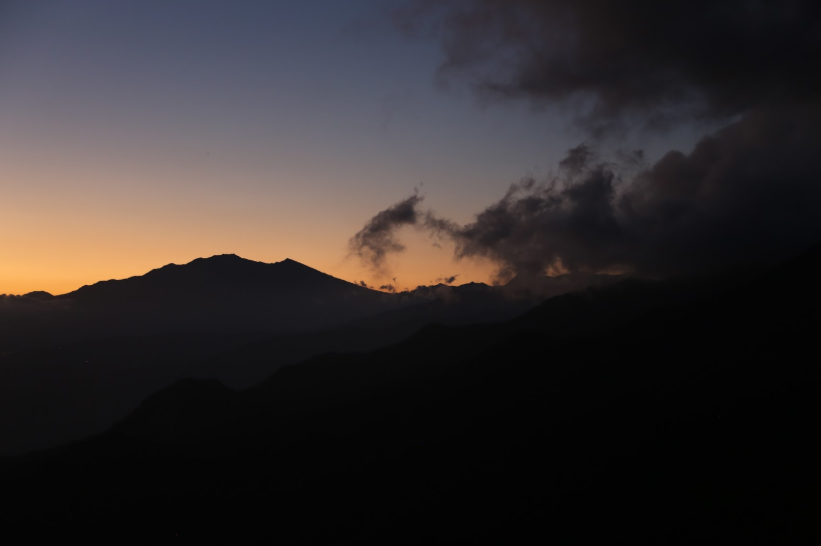
Die Wassertemperaturen in Panama: Wie warm ist das Meer zum Schwimmen, Surfen und Schnorcheln?

Panama ist eines dieser Länder, in denen man sich beim Packen kaum Gedanken darüber machen muss, ob das Meer vielleicht zu kalt zum Schwimmen ist. Das Land liegt zwischen der Karibik und dem Pazifik und beide Küsten bieten ganzjährig tropisch warmes Wasser. Für Reisende aus Kanada, Deutschland, Österreich, der Schweiz oder Nordeuropa ist der Unterschied oft erstaunlich. Während man zu Hause vielleicht schon bei 20 °C überlegen würde, ob man wirklich ins Wasser möchte, liegt das Meer in Panama häufig irgendwo zwischen 26 und 30 °C. Das bedeutet: keine Gänsehaut beim Hineingehen, kein minutenlanges Überwinden des inneren Schweinehundes und normalerweise auch kein Neoprenanzug nötig. Man geht einfach zum Strand, springt ins Wasser und schwimmt.

Die Karibik von Panama ist besonders warm

Die karibische Seite Panamas gehört zu den angenehmsten Regionen des Landes, wenn es um Wassertemperaturen geht. Rund um Bocas del Toro, Colón, Portobelo und die San-Blas-Inseln bleibt das Wasser während des gesamten Jahres erstaunlich warm. Typischerweise bewegt sich die Meerestemperatur auf der karibischen Seite ungefähr im Bereich von 27 bis 29 °C, wobei es je nach Region, Monat, Wetter und lokalen Meeresströmungen natürlich Schwankungen gibt.

Für Urlauber bedeutet das vor allem eines: Man kann eigentlich jederzeit ins Wasser. Ob morgens beim Sonnenaufgang, nach einer Wanderung, am Nachmittag nach einem Schnorchelausflug oder abends noch einmal für eine kurze Abkühlung, die Temperatur ist normalerweise angenehm. Besonders für Backpacker ist das praktisch, weil man nicht ständig überlegen muss, wann die beste Zeit zum Schwimmen ist. Wenn man einen Strand sieht, geht man einfach hinein.

Bocas del Toro ist dafür ein perfektes Beispiel. Die Inselwelt bietet ruhige Buchten, offene Strände, Korallenriffe, Mangroven und einige Surfspots. Je nachdem, wo man sich befindet, kann sich das gleiche warme Meer völlig unterschiedlich anfühlen. In einer geschützten Bucht kann das Wasser fast wie ein riesiger natürlicher Swimmingpool wirken, während draußen am offenen Meer kräftige Wellen entstehen können.

Der Pazifik ist etwas abwechslungsreicher

Auf der pazifischen Seite wird es interessanter. Auch dort ist das Wasser grundsätzlich tropisch warm, aber die Temperaturen können je nach Region und Jahreszeit stärker schwanken. Besonders interessant ist der Golf von Panama, wo während der Trockenzeit durch saisonale Winde kalteres Tiefenwasser an die Oberfläche gelangen kann. Dieses sogenannte Upwelling sorgt dafür, dass einige Bereiche des pazifischen Panama im Februar und März deutlich kühler sein können als die karibische Küste.

Das bedeutet allerdings nicht, dass man plötzlich in eiskaltem Wasser schwimmt. Selbst die kühleren Bereiche sind für die meisten Menschen immer noch angenehm zum Schwimmen. Temperaturen um 24 bis 26 °C fühlen sich für viele Reisende überhaupt nicht kalt an. Für jemanden, der aus einem Land mit kalten Wintern kommt, kann das sogar noch ausgesprochen warm wirken.

Weiter westlich, etwa im Golf von Chiriquí und rund um die Pazifikküste von Veraguas und Chiriquí, bleibt das Wasser häufig deutlich wärmer. Gerade dort merkt man, wie stark Panamas unterschiedliche Meeresregionen voneinander beeinflusst werden.

Braucht man in Panama einen Neoprenanzug zum Surfen?

Für die meisten Surfer lautet die Antwort ganz einfach: Nein.

Panama ist ein fantastisches Reiseziel für Menschen, die warmes Wasser und Wellen miteinander verbinden möchten. An vielen Surfstränden reichen Boardshorts oder Bikini völlig aus. Ein Rashguard oder Surfshirt ist oft sinnvoller als ein Neoprenanzug, vor allem wegen der intensiven tropischen Sonne.

Wer mehrere Stunden am Tag surft, kann bei etwas kühleren Bedingungen auf der Pazifikseite einen dünnen Neoprenanzug oder ein dünnes Oberteil angenehm finden. Das ist aber etwas völlig anderes als das Surfen in Nordamerika oder Europa, wo man je nach Jahreszeit einen dicken Neoprenanzug, Schuhe, Handschuhe und manchmal sogar eine Haube benötigt.

In Panama kann man häufig einfach sein Surfbrett nehmen, ins Wasser laufen und loslegen.

Und genau das macht das Surfen hier für viele Reisende so attraktiv. Man muss nicht erst zehn Minuten damit verbringen, einen engen Neoprenanzug über Arme und Beine zu kämpfen, während man sich fragt, warum man sich freiwillig für diesen Sport entschieden hat.

Santa Catalina: warmes Wasser und ernsthafte Wellen

Santa Catalina ist eines der bekanntesten Surfziele Panamas und zeigt sehr gut, warum die Wassertemperatur für Surfer ein großer Vorteil ist. Die Region ist für kräftige Pazifikwellen bekannt und zieht sowohl erfahrene Surfer als auch Reisende an, die einfach die besondere Surf Atmosphäre erleben möchten.

Das Wasser ist dabei nicht das Problem. Viel wichtiger sind Wellenhöhe, Swell, Strömungen, Wind, Gezeiten und das jeweilige Riff beziehungsweise der Beachbreak. Ein warmes Meer bedeutet schließlich nicht automatisch, dass die Wellen ungefährlich sind.

Für Anfänger ist es deshalb wichtig, sich nicht allein von der Wassertemperatur oder dem schönen tropischen Wetter täuschen zu lassen. Manche Strände sind wesentlich anspruchsvoller als andere.

Playa Venao und die tropische Surfkultur

Auch Playa Venao gehört zu den Orten, an denen warmes Wasser und Surfen perfekt zusammenpassen. Der Strand hat eine ausgeprägte Surfkultur und ist für viele Reisende ein Ort, an dem man leicht mehrere Tage hängenbleibt, obwohl ursprünglich vielleicht nur eine Nacht geplant war.

Das warme Wasser verändert auch das gesamte Gefühl eines Surftrips. Man kann morgens surfen, mittags schwimmen, nachmittags wieder ins Wasser gehen und abends noch einmal die Füße ins Meer halten. Bei kaltem Wasser wäre ein solcher Tagesablauf wesentlich anstrengender.

Schwimmen in Panama ist normalerweise keine Mutprobe

Wer aus Europa oder Kanada kommt, kennt vielleicht das klassische Szenario: Man steht am Strand, schaut aufs Wasser und denkt sich, dass man eigentlich gerne schwimmen würde. Dann geht man langsam hinein, das Wasser erreicht die Knöchel, dann die Knie, und plötzlich wird aus dem geplanten Badeausflug eine psychologische Studie über menschliche Willenskraft.

In Panama läuft das normalerweise anders.

Das Wasser ist warm genug, dass man einfach hineingehen kann. Besonders an der Karibikküste fühlt sich das Meer häufig angenehm warm an. Man muss sich nicht erst an die Temperatur gewöhnen. Das macht Panama auch für Menschen attraktiv, die normalerweise keine großen Fans von kaltem Meerwasser sind.

Warmes Wasser ist perfekt zum Schnorcheln

Für Schnorchler sind Panamas Wassertemperaturen ebenfalls hervorragend. Man kann längere Zeit im Wasser verbringen, ohne dass die Kälte irgendwann das Ende des Ausflugs bestimmt. Das ist besonders praktisch, wenn man über Korallen, Felsen, Seegraswiesen oder an kleinen Inseln entlang schnorchelt.

Auf der karibischen Seite rund um Bocas del Toro und San Blas findet man zahlreiche Möglichkeiten zum Schnorcheln. Dazu kommen tropische Fische, Korallen, Seegras und andere Meereslebewesen. Die Kombination aus warmem Wasser, tropischer Landschaft und Inseln macht diese Regionen besonders attraktiv.

Beim Schnorcheln sollte man allerdings immer daran denken, dass warmes Wasser nicht bedeutet, dass das Meer automatisch ungefährlich ist. Strömungen, Wellen, Boote, Korallen und andere Hindernisse können eine Rolle spielen. Gerade bei unbekannten Stränden lohnt es sich, Einheimische oder erfahrene Guides nach den aktuellen Bedingungen zu fragen.

Auch Taucher profitieren vom warmen Wasser

Panama ist nicht nur ein Ziel für Schwimmer und Surfer. Auch Taucher profitieren von den tropischen Wassertemperaturen. Besonders interessant sind die verschiedenen Meeresregionen des Landes, weil Karibik und Pazifik völlig unterschiedliche Unterwasserwelten bieten.

Im Pazifik ist beispielsweise die Region rund um Coiba besonders bekannt für ihre marine Artenvielfalt. Die Bedingungen unterscheiden sich dabei deutlich von denen in der Karibik. Wer taucht, interessiert sich deshalb nicht nur für die Temperatur, sondern auch für Sichtweite, Strömungen, Jahreszeit und die jeweiligen Meereslebewesen.

Für längere Tauchgänge wird natürlich trotzdem ein Tauchanzug verwendet. Er dient nicht nur dazu, vor Kälte zu schützen, sondern auch als Schutz vor Sonne, Kontakt mit Organismen und kleinen Verletzungen.

Warum das Wasser während der Regenzeit nicht unbedingt kälter wird

Eine interessante Besonderheit Panamas ist, dass die Regenzeit nicht automatisch bedeutet, dass das Meer kälter wird. In vielen Regionen sind die höchsten Wassertemperaturen sogar während der feuchteren Monate zu beobachten.

Das kann für Reisende zunächst etwas überraschend sein. Man denkt vielleicht: Regenzeit bedeutet schlechteres Wetter und damit kälteres Meer. In Panama funktioniert das nicht so einfach. Ein tropischer Regenschauer kann über den Strand ziehen, während das Meer weiterhin angenehm warm bleibt.

Manchmal erlebt man deshalb eine ziemlich bizarre tropische Situation: Es regnet stark, man steht im warmen Wasser, die Luft ist ebenfalls warm und trotzdem fühlt sich die ganze Szene überhaupt nicht so an, wie man sich Regen am Strand normalerweise vorstellt.

Die Trockenzeit kann am Pazifik einen Unterschied machen

Die Trockenzeit zwischen ungefähr Dezember und April bringt auf der Pazifikseite andere Bedingungen. Besonders im Golf von Panama können die saisonalen Winde das bereits erwähnte Upwelling verstärken. Dadurch gelangt kühleres Wasser aus tieferen Meeresschichten nach oben.

Für Schwimmer kann das angenehm erfrischend sein. Für Surfer kann es bedeuten, dass sich ein längerer Aufenthalt im Wasser etwas kühler anfühlt. Trotzdem bleiben die Temperaturen normalerweise weit von dem entfernt, was man als kaltes Meer bezeichnen würde.

Interessant ist dabei, dass zwei Orte innerhalb Panamas gleichzeitig völlig unterschiedliche Wasserbedingungen haben können. Während das Wasser an einer karibischen Insel extrem warm wirkt, kann es auf der pazifischen Seite etwas frischer sein.

Die Lufttemperatur und Wassertemperatur passen oft perfekt zusammen

Ein weiterer Vorteil des tropischen Wassers ist das Verhältnis zwischen Luft und Meer. Wenn es tagsüber 30 °C oder mehr hat, möchte man sich ohnehin abkühlen. Ein Meer mit 27 oder 28 °C fühlt sich dann angenehm erfrischend an, ohne einen Kälteschock zu verursachen.

Das ist besonders schön nach Wanderungen. Panama besteht schließlich nicht nur aus Stränden. Man kann morgens durch Regenwald und Berge wandern, Wasserfälle besuchen, Tiere beobachten oder durch die Umgebung von Boquete laufen und später an die Küste fahren und ins Meer springen.

Genau diese Kombination macht das Land für aktive Reisende interessant. Man kann innerhalb relativ kurzer Zeit von Berglandschaften zu tropischen Stränden wechseln.

Auch rund um Lost and Found ist Wasser ein Teil des Abenteuers

Wer zwischen Boquete und Bocas del Toro unterwegs ist, erlebt eine andere Seite Panamas. Rund um das Lost and Found Hostel im Bergwald von Chiriquí geht es nicht um Strandurlaub, sondern um Regenwald, Berge, Wanderwege, Tiere, Wasserfälle und Flüsse. Es gibt kostenlose Wasserfall Ausflüge und Möglichkeiten, in natürlichen Gewässern zu schwimmen.

Das ist ein völlig anderes Wassererlebnis als im Meer. Statt im warmen karibischen Ozean zu liegen, kann man in einem Bergfluss oder unter einem Wasserfall schwimmen. Das Wasser ist dort natürlich deutlich kühler als im Meer, was nach einer Wanderung durch tropische Umgebung aber gerade angenehm sein kann.

Für Backpacker ist das eine schöne Kombination: Erst die Berge, den Dschungel und die Wasserfälle rund um Lost and Found erleben und anschließend weiter Richtung Bocas del Toro reisen, wo wieder das warme karibische Meer wartet.

Was sollte man für Panama einpacken?

Für die meisten Reisenden ist die Antwort ziemlich einfach: Badehose oder Bikini, ein gutes Surfshirt oder Rashguard, Sonnencreme und eventuell eine dünne Schwimm oder Surfkleidung für längere Aufenthalte im Wasser.

Ein dicker Neoprenanzug gehört normalerweise nicht zu den Dingen, die man für einen klassischen Panama Urlaub unbedingt einpacken muss. Wer sehr kälteempfindlich ist oder besonders lange surft, kann für bestimmte pazifische Bedingungen ein dünnes Oberteil oder einen leichten Neoprenanzug interessant finden.

Viel wichtiger als ein dicker Neoprenanzug ist ein guter Sonnenschutz. Die tropische Sonne kann selbst dann intensiv sein, wenn Wolken am Himmel stehen. Wer stundenlang auf einem Surfbrett sitzt oder schnorchelt, bekommt schnell sehr viel Sonne ab.

Das Meer in Panama ist Teil des Reiseerlebnisses

Vielleicht ist das Schönste an Panamas Wassertemperaturen gar nicht die konkrete Zahl auf dem Thermometer. Es ist die Tatsache, dass das Meer für viele Reisende jederzeit zugänglich ist. Man muss nicht auf einen bestimmten Monat warten, um angenehm schwimmen zu können.

Die Karibik rund um Bocas del Toro bietet warmes Wasser, Inseln und Schnorchelmöglichkeiten. Die Pazifikküste bietet Surfstrände wie Santa Catalina und Playa Venao. San Blas verbindet warmes tropisches Wasser mit kleinen Inseln und türkisfarbenen Buchten. Und dazwischen liegen Berge, Regenwälder, Flüsse und Wasserfälle, die eine völlig andere Art von Badeerlebnis bieten.

Für Backpacker bedeutet das eine enorme Freiheit. Man kann morgens surfen, nachmittags schnorcheln, am nächsten Tag durch den Dschungel wandern und anschließend in einem kalten Bergfluss schwimmen. Panama bietet nicht einfach nur „Strand“. Es bietet unglaublich unterschiedliche Wassererlebnisse auf relativ kleinem Raum.

Und genau deshalb gehört die Wassertemperatur zu den kleinen Dingen, die eine Reise durch Panama so angenehm machen. Man braucht selten einen Plan, um ins Wasser zu gehen. Man sieht das Wasser, zieht die Schuhe aus und springt hinein.

Panama Water Temperature: What Is the Ocean Like for Swimming, Surfing and Snorkeling?

One of the great things about travelling through Panama is that you almost never have to worry about freezing ocean water. Panama sits between the Caribbean Sea and the Pacific Ocean, and both coasts have genuinely tropical water temperatures throughout the year. For travellers coming from Canada, the United States or northern Europe, the difference can be pretty dramatic. You can walk onto a beach in Panama, jump straight into the ocean and usually find water that feels more like a warm swimming pool than the Pacific Ocean many people imagine. Depending on where you are and the season, ocean temperatures generally sit somewhere around 26 to 30°C, or roughly 79 to 86°F. The Caribbean is particularly consistent, while the Pacific has some interesting seasonal variations caused by winds and upwelling.

The Caribbean side is warm almost all year

The Caribbean coast of Panama, including Bocas del Toro, Colón, Portobelo and the San Blas islands, has remarkably warm water. Long term observations put average Caribbean sea temperatures around 27°C during the cooler winter and spring period and about 28°C during summer and fall. In practical terms, that means the water is comfortable for swimming virtually all year.

Around the San Blas region, for example, monthly averages can range from roughly 26.7°C to 29.2°C, depending on the month. That is approximately 80 to 85°F. Even when the water is at its coolest, it is still warmer than what many people consider comfortable swimming water in temperate countries.

This is one reason Bocas del Toro is so appealing to backpackers. You can spend the morning jumping between islands, swimming off a boat, snorkeling around reefs, surfing a Caribbean wave and then getting back into the water later without needing to mentally prepare yourself for a cold shock.

The Pacific is a little more complicated

Panama's Pacific coast is fascinating because water temperatures can vary more dramatically from place to place. The Gulf of Chiriquí, for example, tends to remain remarkably warm, with observed average sea surface temperatures around 28°C throughout the year. Further east, particularly around the Gulf of Panama, seasonal winds can produce upwelling that brings cooler deep water toward the surface. During February and March, average minimum temperatures in parts of the Gulf of Panama can fall to around 24°C.

That difference can actually be noticeable when you are surfing. One Pacific beach might feel like a warm bath while another location several hours away can feel noticeably cooler, especially during the dry season. Panama's geography, offshore currents, wind and local coastline all have an influence.

For surfers, however, even the cooler Pacific water is usually perfectly manageable without a traditional wetsuit. Typical Pacific temperatures are often around 26 to 28°C during the warmer period, with cooler conditions possible during the dry season.

So do you need a wetsuit to surf in Panama?

For most travellers, no.

Panama is not the sort of surfing destination where you normally need to pack a thick wetsuit. Water temperatures are generally warm enough for board shorts, bikinis and rash guards. Some surfers may choose a thin 1 to 2 mm top or shorty during cooler Pacific conditions, particularly if they spend several hours in the water, but this is very different from surfing in places where a full wetsuit is mandatory.

There is also another reason experienced surfers sometimes wear a rash guard in Panama: sun protection. Sitting on a surfboard in tropical sunshine for several hours can expose your back and shoulders to an enormous amount of UV radiation. A rash guard can be just as useful for the sun as it is for keeping slightly cooler water off your skin.

Panama City and the Gulf of Panama can surprise you

The ocean around Panama City is warm for most of the year, but this is one of the areas where seasonal changes can be more noticeable. Historical observations from Balboa show substantial variation in sea temperature during the first part of the year, with cooler conditions associated with the dry season. More recent datasets also show Panama City water temperatures generally in the upper 20s Celsius, with February and March tending to be among the cooler periods.

The reason is not simply that Panama suddenly becomes cold. During the dry season, strong winds can push surface water offshore and encourage cooler deep water to rise. This phenomenon is particularly important around the Gulf of Panama. It is one of the more interesting pieces of oceanography happening around the country and helps explain why the Pacific coast doesn't have one identical water temperature everywhere.

Bocas del Toro is basically tropical swimming pool territory

If you are travelling through Bocas del Toro, the water temperature is one of the last things you need to worry about. The Caribbean side generally remains around the high 20s Celsius throughout the year, making it excellent for swimming, snorkeling, paddleboarding, kayaking and surfing.

And because Bocas is an archipelago, you also get enormous variation in the actual swimming experience. Some beaches have calm protected water, while others are exposed to Caribbean swell and are much better suited to surfing. You can go from floating peacefully in warm turquoise water to watching surfers deal with powerful waves without travelling very far.

Santa Catalina and the Pacific surfing coast

The Pacific is where Panama becomes particularly interesting for surfers. Santa Catalina is famous for its powerful waves and is one of the country's best known surf destinations. The warm water means you can spend a long time in the lineup without the discomfort associated with cold-water surfing.

The Pacific coast also includes places such as Playa Venao, where warm water combines with a strong surfing culture. The temperature isn't the main limitation for surfers here. Wave size, swell direction, wind, tides, currents and the particular beach break matter much more.

This is important for anyone planning a surf trip to Panama: warm water does not automatically mean easy surfing. Some Pacific beaches can have strong currents and powerful waves, while reef breaks on the Caribbean side can require their own level of experience.

Swimming, surfing and snorkeling feel different in warm water

Water temperature also changes the way you experience the ocean. In cold water, swimming is often something you do for a limited period before getting out. In Panama, it is easy to spend hours in the ocean simply because the temperature doesn't force you to leave.

That makes Panama particularly good for people who want to combine activities. You might snorkel in the morning, swim after lunch, paddleboard in the afternoon and then jump back into the water at sunset.

For snorkeling and diving, warm water is obviously a huge advantage. You can spend longer in the water without needing the thicker exposure protection required in colder destinations. In the Caribbean, particularly around Bocas and the San Blas region, warm tropical water also goes hand in hand with coral reefs, tropical fish and other marine life.

The rainy season can actually mean warmer water

Another interesting feature of Panama is that the wet season does not necessarily mean colder ocean water. In many areas, the warmest water occurs during the wetter part of the year. Caribbean temperatures commonly rise toward around 28 to 29°C, while many Pacific locations also become particularly warm.

So if someone assumes that travelling to Panama during the rainy season means getting into cold water, that isn't generally the case. You may have more clouds, tropical showers and changing weather, but the ocean itself can be extremely warm.

In fact, one of the funniest things about Panama's rainy season is that you can sometimes be standing on a beach in warm tropical rain while the ocean is almost the same temperature as the air.

What should you actually pack?

For most travellers, packing for Panama's ocean is easy. Bring your normal swimwear, a rash guard if you plan to surf or spend lots of time outside, sunglasses, sunscreen and perhaps a lightweight surf shirt. A wetsuit is generally unnecessary for casual surfing and swimming, although dedicated surfers who are particularly sensitive to cooler water may appreciate a thin top during the coolest Pacific conditions.

And don't forget that water temperature isn't the same thing as swimming safety. Warm water can make the ocean look inviting even when waves, currents, tides or weather conditions are dangerous. Some Pacific beaches have strong currents, and reef areas on the Caribbean side can have sharp coral and other hazards. Local conditions matter much more than simply knowing the temperature.

Panama is one of those countries where the ocean is genuinely part of everyday life

For backpackers, the biggest advantage of Panama's water temperature is simply freedom. You don't need to plan your entire beach day around avoiding cold water. You can jump into the Caribbean after a hot walk, surf the Pacific in board shorts, snorkel around an island or spend half an afternoon floating in the ocean.

And this fits perfectly with the way many travellers experience Panama. You can start in Panama City, head toward the mountains and cloud forests, spend time around Boquete and eventually continue toward Bocas del Toro, or travel south toward the Pacific and explore places such as Santa Catalina and Playa Venao. The landscapes change dramatically, but the ocean remains remarkably warm.

For someone travelling through Panama for the first time, the water temperature is one less thing to worry about. Whether you're a serious surfer, a casual swimmer, a backpacker who just wants to jump off a boat, or someone who thinks snorkeling sounds fun but doesn't want to wear half a kilogram of rubber, Panama's tropical oceans are extremely welcoming. And after spending time hiking through the mountains, exploring waterfalls or hanging out in the jungle, there are few better ways to cool off than simply finding the nearest piece of tropical ocean and getting in.

Santa Fe, Panamá: un paraíso de montaña que muchos viajeros todavía no han descubierto

Hay destinos en Panamá de los que prácticamente todo viajero ha oído hablar, como Ciudad de Panamá, Bocas del Toro, Boquete o Santa Catalina. Y luego está Santa Fe, en la provincia de Veraguas, un lugar mucho menos conocido que merece mucha más atención. Santa Fe es un pequeño pueblo de montaña rodeado de bosques tropicales, ríos, cascadas, fincas, café y paisajes increíblemente verdes. No es un destino para correr de una atracción a otra. Es un lugar para caminar, explorar, bañarse en ríos y disfrutar de una parte de Panamá que todavía conserva una sensación muy auténtica.

El paisaje es probablemente lo primero que impresiona. Santa Fe está en las montañas de Veraguas y ofrece un clima más fresco que muchas de las zonas costeras. Después de pasar unos días en las playas de Bocas del Toro o en la costa del Pacífico, el cambio es enorme. Aquí aparecen montañas cubiertas de vegetación, bosques húmedos, niebla, pequeños caminos rurales y ríos que atraviesan el paisaje. Para un backpacker que disfruta de caminar y estar en la naturaleza, Santa Fe puede ser una excelente alternativa a los destinos más turísticos.

Las cascadas y los ríos son uno de los grandes atractivos de la región. Hay diferentes cascadas y zonas naturales que se pueden descubrir caminando por senderos y áreas rurales. Algunas cuentan con piscinas naturales donde es posible refrescarse cuando las condiciones son seguras. Una de las mejores sensaciones de Santa Fe es caminar durante horas por un bosque tropical, escuchar el sonido del agua antes de verla y finalmente encontrar una cascada escondida entre la vegetación. Es el tipo de experiencia sencilla que muchas veces termina siendo uno de los mejores recuerdos del viaje.

El Parque Nacional Santa Fe es otro de los grandes motivos para visitar la región. Sus bosques ofrecen oportunidades para hacer senderismo, observar aves y descubrir una enorme variedad de plantas tropicales. No hace falta ser un experto en naturaleza para disfrutarlo. Un colibrí que aparece de repente, una mariposa enorme, una rana escondida debajo de una hoja o un pájaro que nunca habías visto pueden convertir una caminata normal en una pequeña aventura.

Santa Fe también es interesante para quienes disfrutan de la agricultura y el café. En los alrededores existen fincas donde se cultivan café, cacao, frutas, verduras y plantas tropicales. Algunas reciben visitantes y permiten conocer cómo funcionan estas actividades. Para un viajero es una forma mucho más cercana de entender la vida en las montañas de Panamá. En lugar de simplemente tomar una taza de café en una cafetería, puedes descubrir de dónde vienen los granos y cuánto trabajo existe detrás de algo tan cotidiano.

Las orquídeas y las plantas tropicales son otro atractivo de la zona. El ambiente húmedo y montañoso permite una gran diversidad vegetal y algunas fincas ofrecen la posibilidad de conocer diferentes especies. Para los amantes de la fotografía, Santa Fe puede ser especialmente interesante. Entre flores, mariposas, montañas, cascadas, niebla y bosques verdes, prácticamente cada caminata ofrece nuevas imágenes.

Una de las cosas que más puede gustar a los backpackers es que Santa Fe todavía se siente relativamente poco turístico. No tiene la misma cantidad de viajeros internacionales que Bocas del Toro o Boquete. Eso significa que la experiencia puede sentirse más tranquila y más conectada con la vida local. Puedes caminar por el pueblo, hablar con la gente, descubrir una pequeña finca o pasar varias horas junto a un río sin sentir que estás siguiendo una enorme ruta turística.

Santa Fe también es un buen lugar para bajar el ritmo. Viajar por Panamá puede convertirse rápidamente en una sucesión de autobuses, barcos, hostales, excursiones y nuevas ciudades. Aquí puedes hacer algo diferente. Levantarte temprano, tomar un café, caminar por las montañas, visitar una cascada, bañarte en un río, comer algo local y terminar el día simplemente disfrutando del paisaje. No tienes que estar haciendo algo cada minuto.

Para los viajeros que aman la vida silvestre, también hay mucho que descubrir. Los bosques de la región albergan una gran variedad de aves, insectos, anfibios y otros animales tropicales. Una de las cosas más bonitas de explorar lugares como Santa Fe es que no siempre sabes qué vas a encontrar. Puedes salir pensando que simplemente vas a dar un paseo y regresar habiendo visto algo completamente inesperado.

Santa Fe también puede ser una excelente parada para quienes quieren conocer un Panamá más rural y menos conocido. Después de visitar Ciudad de Panamá, Bocas, Boquete o Santa Catalina, el contraste es enorme. Aquí la atención está mucho más puesta en las montañas, los ríos, las fincas, la agricultura y la naturaleza que en la vida nocturna o las grandes atracciones turísticas.

Y precisamente ahí está su encanto. Santa Fe no necesita ser el destino más famoso de Panamá para ser especial. Su atractivo está en el conjunto: las montañas verdes, los senderos, las cascadas, los ríos, el café, las plantas tropicales, las fincas, las aves y la sensación de estar descubriendo un lugar que muchos viajeros internacionales todavía pasan por alto.

Para un backpacker que quiera salir de las rutas más conocidas, Santa Fe puede ser una de esas pequeñas sorpresas que hacen que un viaje por Panamá sea mucho más interesante. Puedes llegar buscando una cascada y terminar descubriendo un pueblo que te gusta, una finca de café, un río donde pasar la tarde o simplemente un paisaje que te obliga a sacar la cámara.

Santa Fe es menos una atracción turística y más una experiencia de Panamá. Es verde, montañoso, tranquilo, aventurero y auténtico. Y para muchos viajeros, precisamente eso es lo que estaban buscando.

Santa Fe, Panama: un petit paradis pour les voyageurs qui aiment la nature

Il existe au Panama des destinations dont tout le monde a entendu parler, comme Panama City, Bocas del Toro, Boquete ou Santa Catalina. Et puis il y a Santa Fe, dans la province de Veraguas, une destination beaucoup moins connue mais qui mérite vraiment l’attention des voyageurs. Santa Fe est un village de montagne entouré de forêts tropicales, de rivières, de cascades, de plantations, de fermes et de paysages incroyablement verts. Ce n’est pas un endroit où l’on vient pour cocher rapidement quelques attractions sur une liste. On vient surtout pour profiter de la nature, ralentir et découvrir une autre facette du Panama.

Le paysage est probablement la première chose que les voyageurs remarquent. Santa Fe se trouve dans les montagnes de Veraguas, dans une région beaucoup plus fraîche et verdoyante que les côtes. Après quelques jours sur les plages de Bocas del Toro ou de la côte Pacifique, le changement est spectaculaire. Ici, les montagnes disparaissent parfois dans la brume, les forêts couvrent les pentes et les rivières traversent la campagne. Pour les backpackers qui aiment marcher, explorer et passer du temps dehors, c’est une excellente alternative aux destinations plus touristiques.

Les cascades et les rivières sont parmi les grandes attractions de la région. Plusieurs cascades sont accessibles par des sentiers ou à travers des zones rurales et agricoles. Certaines permettent également de se baigner dans des bassins naturels lorsque les conditions sont sûres. Il y a quelque chose de particulièrement agréable à marcher dans la forêt tropicale pendant quelques heures, entendre le bruit de l’eau avant de voir la cascade et terminer la randonnée par une baignade rafraîchissante.

Le parc national de Santa Fe est également un grand attrait pour les amoureux de la nature. Les forêts offrent des possibilités de randonnée, d’observation des oiseaux et de découverte de la flore tropicale. Il n’est même pas nécessaire d’être un spécialiste pour apprécier la biodiversité. Un colibri qui apparaît soudainement, un papillon spectaculaire, une grenouille cachée sous une feuille ou un oiseau que l’on n’a jamais vu auparavant peuvent transformer une simple promenade en petite aventure.

Santa Fe est aussi intéressante pour ses orchidées, son café et son agriculture. Certaines fermes de la région accueillent les visiteurs et permettent de découvrir la production de café, les plantes tropicales, les orchidées ou encore le cacao. C’est une manière beaucoup plus authentique de découvrir la campagne panaméenne. Au lieu de simplement boire un café dans un café touristique, on peut comprendre comment les grains sont cultivés et transformés. Pour les voyageurs qui aiment la nourriture, la photographie ou simplement découvrir comment les gens vivent dans les régions rurales, c’est une expérience très enrichissante.

Un autre aspect intéressant de Santa Fe est son atmosphère peu touristique. Contrairement à Bocas del Toro, où l’on rencontre des backpackers du monde entier à presque chaque coin de rue, Santa Fe reste beaucoup plus calme. Cela fait partie de son charme. On peut marcher dans le village, explorer les environs, discuter avec les habitants et passer une journée entière dans la nature sans avoir l’impression de suivre un énorme circuit touristique.

C’est également une excellente destination pour simplement ralentir. Un voyage au Panama peut rapidement devenir une succession de bus, bateaux, auberges, excursions et nouvelles destinations. Santa Fe permet de casser ce rythme. On peut faire une randonnée le matin, chercher une cascade l’après midi, nager dans une rivière, prendre un bon repas et profiter tranquillement de la soirée.

Pour les photographes et les amoureux des paysages, la région est particulièrement intéressante. Les montagnes, la brume, les forêts, les fleurs tropicales, les rivières et les fermes offrent constamment de nouveaux décors. Après une pluie tropicale, le paysage peut devenir incroyablement vert et les montagnes peuvent disparaître dans les nuages, donnant à la région une atmosphère presque irréelle.

Santa Fe est donc une destination idéale pour les voyageurs qui veulent découvrir un Panama plus rural, plus vert et moins touristique. Ce n’est peut être pas l’endroit où l’on vient chercher la plus grande vie nocturne ou les plages les plus célèbres du pays. On vient pour les montagnes, les cascades, les rivières, les forêts, le café, les orchidées, les animaux et cette sensation agréable d’avoir découvert un endroit que beaucoup de voyageurs internationaux ne connaissent pas encore.

Pour un backpacker qui souhaite sortir des itinéraires classiques, Santa Fe est exactement le genre d’étape qui peut transformer un simple voyage au Panama en véritable aventure.

Santa Fe, Panama: Ein wunderschönes Bergparadies für Reisende, die das echte Panama entdecken möchten

Es gibt Orte in Panama, von denen fast jeder Reisende schon einmal gehört hat. Panama City, Bocas del Toro, Boquete, Santa Catalina und San Blas stehen bei vielen Backpackern ganz oben auf der Liste. Und dann gibt es Orte wie Santa Fe in der Provinz Veraguas, die deutlich weniger bekannt sind, aber gerade deshalb unglaublich interessant sein können. Santa Fe ist ein grünes Bergdorf, umgeben von tropischem Wald, Flüssen, Wasserfällen, Kaffeeplantagen, Bauernhöfen und Bergen. Es ist kein Ort, an dem man von einer großen Touristenattraktion zur nächsten hetzt. Stattdessen ist Santa Fe ein Ort, an dem man langsam reist, draußen ist und das Gefühl bekommt, eine weniger bekannte Seite Panamas kennenzulernen.

Schon die Landschaft rund um Santa Fe ist beeindruckend. Die Region liegt in den Bergen von Veraguas und ist von dichtem tropischem Grün umgeben. Während viele Reisende Panama zuerst mit weißen Sandstränden und karibischen Inseln verbinden, zeigt Santa Fe eine völlig andere Seite des Landes. Hier dominieren Berge, Nebel, Regenwald, Flüsse und Wasserfälle. Die Luft ist frischer als an der Küste und das Klima in den Bergen kann eine angenehme Abwechslung zur tropischen Hitze sein. Für Reisende, die nach einigen Tagen am Strand oder in Panama City wieder Lust auf Wandern und Natur haben, ist Santa Fe deshalb eine fantastische Veränderung.

Ein großes Highlight sind die Wasserfälle. In der Umgebung von Santa Fe gibt es zahlreiche Cascadas und natürliche Badestellen, die über Wanderwege und teilweise über landwirtschaftliche Gebiete erreichbar sind. Genau diese Kombination macht die Region so interessant. Man wandert nicht einfach durch einen künstlich angelegten Park, sondern bewegt sich durch eine lebendige Landschaft aus Wald, Feldern, Flüssen und kleinen Gemeinden. Irgendwann hört man vielleicht schon von weitem das Wasser rauschen und entdeckt plötzlich einen Wasserfall, unter dem man sich nach einer Wanderung wunderbar abkühlen kann. Für Backpacker ist das eine der schönsten Arten, einen Tag in Panama zu verbringen.

Besonders schön ist die Verbindung von Wandern und Schwimmen. In den Bergen rund um Santa Fe gibt es natürliche Flüsse und Wasserbecken, die bei entsprechend sicheren Bedingungen zum Baden einladen. Nach einer Wanderung durch die tropische Vegetation in ein kühles Naturbecken zu springen, ist eine Erfahrung, die man sich nur schwer aus einem Reiseführer vorstellen kann. Es ist genau diese Mischung aus Bewegung, Abenteuer und Natur, die Santa Fe für aktive Reisende interessant macht.

Ein weiterer großer Pluspunkt ist der Santa Fe National Park. Die geschützten Waldgebiete bieten Möglichkeiten zum Wandern, zur Vogelbeobachtung und zum Entdecken der tropischen Pflanzenwelt. Wer gerne Tiere beobachtet, sollte hier nicht nur nach den großen und spektakulären Tieren suchen. Ein großer Teil des Reizes liegt in den kleinen Dingen. Ein Kolibri, der plötzlich neben einem auftaucht, ein farbenfroher Schmetterling, ein Frosch unter einem Blatt oder ein ungewöhnlicher Käfer können genauso interessant sein wie ein größeres Säugetier. In einem tropischen Wald merkt man schnell, dass praktisch überall Leben stattfindet.

Santa Fe ist deshalb auch ein interessanter Ort für Vogelbeobachter. Die Kombination aus Bergwald, landwirtschaftlichen Flächen und tropischer Vegetation bietet Lebensraum für zahlreiche Vogelarten. Selbst wenn man kein leidenschaftlicher Ornithologe ist, lohnt es sich, morgens etwas früher aufzustehen. Die frühen Stunden im Wald sind oft besonders aktiv. Überall hört man Rufe aus den Bäumen und manchmal entdeckt man Vögel, die man vorher nur aus Büchern oder Fotos kannte.

Interessant ist auch die Pflanzenwelt der Region. Santa Fe ist bekannt für seine Orchideen und andere tropische Pflanzen. Auf einigen landwirtschaftlichen und touristischen Farmen können Besucher verschiedene Orchideen und Zierpflanzen sehen. Für Fotografen und Menschen, die tropische Pflanzen lieben, kann das überraschend faszinierend sein. Panama besitzt eine unglaubliche botanische Vielfalt und Santa Fe bietet die Möglichkeit, diese nicht nur in einem botanischen Garten, sondern direkt in der natürlichen Umgebung zu erleben.

Dann gibt es natürlich den Kaffee. Santa Fe ist nicht ganz so international bekannt für Kaffee wie Boquete, aber auch hier gehört der Kaffeeanbau zur landwirtschaftlichen Identität der Region. Einige Farmen ermöglichen Besuchern, mehr über den Anbau und die Verarbeitung zu erfahren. Für Reisende ist das besonders interessant, weil man dadurch einen besseren Eindruck davon bekommt, wie das Leben in den Bergen tatsächlich funktioniert. Man sieht nicht nur die fertige Tasse Kaffee im Café, sondern versteht, woher die Bohnen kommen und wie viel Arbeit hinter ihnen steckt.

Auch andere landwirtschaftliche Produkte spielen eine wichtige Rolle. In der Umgebung werden unter anderem Gemüse, Obst, Kakao und verschiedene Pflanzen angebaut. Dadurch bekommt Santa Fe einen sehr authentischen ländlichen Charakter. Wer gerne lokale Lebensmittel probiert oder sich dafür interessiert, wie Menschen in tropischen Regionen Landwirtschaft betreiben, kann hier viel entdecken. Manchmal ist eine kleine Farmbesichtigung interessanter als eine große organisierte Tour, weil man viel näher am Alltag der Menschen ist.

Kakao und Schokolade sind ebenfalls Teil dieser kulinarischen Seite von Santa Fe. Einige Farmen verbinden Landwirtschaft mit Tourismus und zeigen Besuchern, wie Kakao angebaut und verarbeitet wird. Es ist faszinierend zu sehen, dass aus einer relativ unscheinbaren Frucht am Ende etwas entsteht, das weltweit zu den beliebtesten Lebensmitteln gehört. Für Backpacker ist das außerdem eine schöne Möglichkeit, einmal etwas anderes zu erleben als die üblichen Strand und Stadtaktivitäten.

Was Santa Fe besonders attraktiv macht, ist jedoch nicht nur die Natur. Es ist auch das Gefühl, weniger weit vom normalen Leben Panamas entfernt zu sein. In Bocas del Toro trifft man überall auf internationale Reisende. In Boquete gibt es eine gut entwickelte touristische Infrastruktur. Santa Fe fühlt sich dagegen deutlich ruhiger und ländlicher an. Genau das kann für Reisende sehr interessant sein, die nach einigen bekannten Destinationen bewusst eine weniger touristische Umgebung suchen.

Man muss Santa Fe deshalb nicht besuchen, weil es die größte Sehenswürdigkeit Panamas besitzt. Man besucht es, weil die gesamte Region die Sehenswürdigkeit ist.

Ein typischer Tag kann ganz einfach aussehen. Morgens aufstehen, einen Kaffee trinken, eine Wanderung in den Bergen machen, einen Wasserfall suchen, ein paar Stunden am Fluss verbringen, später etwas Lokales essen und am Abend einfach die Ruhe genießen. Für viele Backpacker ist genau das eine willkommene Abwechslung zu einem Reiseplan, bei dem ständig der nächste Bus, die nächste Fähre und die nächste Tour organisiert werden müssen.

Santa Fe ist auch interessant für Menschen, die Fotografie lieben. Die Landschaft bietet praktisch überall Motive. Nebel zwischen den Bergen, tropische Blumen, Wasserfälle, kleine Bauernhöfe, Flüsse, Vögel, Schmetterlinge und die intensive grüne Farbe des Regenwaldes sorgen dafür, dass man die Kamera eigentlich ständig griffbereit haben möchte. Besonders am frühen Morgen oder nach einem Regenschauer kann die Landschaft unglaublich dramatisch wirken.

Für Abenteuerlustige gibt es außerdem zahlreiche Möglichkeiten, die Umgebung zu Fuß zu erkunden. Dabei muss man nicht unbedingt eine extrem anspruchsvolle Wanderung suchen. Schon kleinere Wege durch die Landschaft können interessant sein, weil sich die Umgebung ständig verändert. Ein Stück Wald, eine offene Wiese, ein kleiner Fluss, eine Kaffeeplantage und plötzlich wieder dichter Dschungel. Santa Fe ist eher ein Ort zum Entdecken als ein Ort, an dem man einfach eine einzelne Sehenswürdigkeit abhakt.

Ein weiterer Vorteil ist die Lage von Santa Fe innerhalb von Veraguas. Diese Provinz gehört geografisch zu den interessantesten Regionen Panamas und reicht von den Bergen bis zu Küstengebieten. Dadurch bekommt man einen guten Eindruck davon, wie vielfältig Panama eigentlich ist. Die Provinz verbindet tropische Wälder, Landwirtschaft, Berge, Flüsse und Küstenlandschaften. Santa Fe zeigt dabei besonders schön die bergige und grüne Seite dieser Region.

Für Backpacker kann Santa Fe deshalb auch eine hervorragende Ergänzung zu den bekannteren Reisezielen sein. Wer bereits Panama City, Bocas del Toro, Boquete oder Santa Catalina gesehen hat, bekommt hier einen ganz anderen Eindruck vom Land. Es ist weniger auf Strandurlaub und Nachtleben ausgerichtet und viel stärker auf Natur, Bewegung, Landwirtschaft und das Leben in den Bergen.

Und genau darin liegt vielleicht der größte Reiz.

Santa Fe versucht nicht, das lauteste oder spektakulärste Reiseziel Panamas zu sein. Es gibt hier keine riesige Skyline, keine kilometerlangen Partymeilen und keinen Strand voller internationaler Resorts. Stattdessen gibt es grüne Berge, Wasserfälle, Flüsse, Regenwald, Kaffee, Kakao, Orchideen, Vögel, Bauernhöfe und eine entspannte Atmosphäre.

Für Reisende, die Panama wirklich kennenlernen möchten, kann genau das unglaublich wertvoll sein. Nach einigen Tagen voller Busfahrten, Inseln, Strände und Nachtleben ist es manchmal schön, irgendwo anzukommen, wo die wichtigste Frage des Tages lautet: Welchen Wasserfall schauen wir uns heute an?

Santa Fe ist deshalb eine dieser Destinationen, die man leicht übersehen kann und später vielleicht gerade deshalb besonders gut in Erinnerung behält. Es ist weniger eine Sehenswürdigkeit als ein Stück Panama, das man erleben kann. Und für Backpacker, Naturfreunde, Wanderer, Fotografen, Vogelbeobachter und alle, die gerne abseits der bekanntesten Routen unterwegs sind, ist genau das ein ziemlich guter Grund, Santa Fe auf die Reiseroute zu setzen.

Santa Fe, Panama: The Mountain Destination Backpackers Are Still Discovering

There are places in Panama that everyone has heard of, and then there are places that make you wonder why you had not heard about them earlier. Santa Fe in Veraguas belongs very much in the second category. It is a beautiful mountain town surrounded by forests, rivers, waterfalls, farms and enormous amounts of greenery, yet it receives far less international attention than destinations such as Boquete, Bocas del Toro or Santa Catalina. That is part of its appeal. Santa Fe feels like a place where you can still experience Panama rather than simply experience the tourist version of Panama.

The landscape is the first thing that grabs you. Santa Fe sits in the mountains of Veraguas, surrounded by lush tropical vegetation and the Santa Fe National Park. The area is known for its mountain scenery, waterfalls, natural swimming areas and exceptionally green environment. Panama's tourism authority describes Santa Fe as an emerging destination combining nature, adventure and culture, and specifically highlights its waterfalls, beaches, food and natural landscapes.

For travellers who love waterfalls, Santa Fe is particularly interesting. This is not a destination where you see one waterfall, take a photograph and leave. The surrounding countryside contains numerous cascades and swimming spots, with some reached through farms and rural areas. At El Salto, for example, visitors can experience numerous waterfalls while also seeing agricultural production, local crafts and pre Colombian rock carvings. The combination is what makes Santa Fe fascinating. You are not simply looking at nature from a viewpoint. You are moving through a landscape where farms, forests, rivers and communities all exist together.

And then there is the water. For a traveller coming from Panama City or spending time on the coast, the mountain rivers of Santa Fe offer an entirely different experience. Natural swimming holes surrounded by jungle are exactly the sort of places backpackers tend to remember. There is something wonderfully simple about hiking through warm tropical vegetation, hearing a waterfall before you can see it and eventually finding a pool of cool mountain water where you can swim.

The Santa Fe National Park is another major attraction. The forest provides opportunities for hiking, birdwatching and observing tropical plants and wildlife. The wider region is particularly appealing to travellers who would rather spend a day walking through nature than sitting beside a hotel swimming pool. Panama's official tourism material lists the waterfalls of Santa Fe National Park among the country's notable nature experiences.

Santa Fe is also a fascinating destination for anyone interested in birds and plants. The combination of mountain elevation, forest and agricultural landscapes creates an environment with an impressive variety of species. You do not necessarily need to be a serious birdwatcher to appreciate it. Once you slow down and start paying attention, you begin noticing how much life is moving around you. Birds call from the trees, butterflies move between flowers, insects disappear into leaves and the forest seems to have a soundtrack of its own.

One of the more surprising attractions around Santa Fe is the orchid culture. Local agricultural tourism farms include orchid and ornamental plant cultivation alongside coffee and other crops. At María y Chon, for example, visitors can see orchids and ornamental plants as well as experience a tour focused on the coffee process. For travellers who enjoy botanical gardens, jungle plants or photography, this adds another dimension to the destination.

Then there is coffee. Santa Fe may not have the international coffee fame of Boquete, but coffee is part of the agricultural character of the region. Local farms grow coffee alongside vegetables, fruit and other crops, and some offer visitors the chance to learn about the production process. This kind of experience is particularly appealing to backpackers because it feels connected to the place itself. Instead of simply drinking another expensive coffee in a tourist café, you can see where the beans come from and how agriculture fits into everyday life in the mountains.

The food is another part of Santa Fe that travellers should not overlook. The region has a strong agricultural identity, with farms producing vegetables, fruit, cacao, coffee and other products. At El Salto, visitors can even experience locally produced chocolate made from cacao grown on the property. For travellers who enjoy discovering local food, this is one of the pleasures of going somewhere that has not been completely transformed around international tourism.

Perhaps the biggest attraction, however, is the feeling of being somewhere less discovered. Santa Fe does not have the same international backpacker infrastructure as Bocas del Toro. You are less likely to walk down the street and encounter hundreds of foreign travellers comparing hostel reviews. That may actually be exactly what some people are looking for. If you have already spent time in Panama City, Bocas, Boquete or Santa Catalina, Santa Fe can provide a very different experience.

It is a place where you can slow down without feeling like you are missing something.

That is an important quality for backpackers. Travel can sometimes become an exhausting competition to see everything. You take a bus, check into a hostel, take a tour, take photographs, get back on a bus and repeat the process somewhere else. Santa Fe encourages a different pace. You can spend a morning hiking, find a river in the afternoon, have a long lunch, walk around town and simply enjoy the mountains.

For adventurous travellers, Santa Fe can also be combined with rural and agricultural tourism. The official tourism listings include farms where visitors can hike, observe wildlife and plants, experience rivers and waterfalls, learn about coffee production and see how crops are grown. This makes the region particularly interesting for people who want to see more than the polished side of Panama.

There is also something appealing about Santa Fe's location within Veraguas. Veraguas is Panama's only province with coastlines on both the Caribbean and Pacific sides, and the province contains an extraordinary variety of landscapes. Its attractions range from mountain forests and waterfalls to remote Caribbean coastlines and major marine environments such as Coiba National Park. Santa Fe gives travellers an opportunity to experience the mountainous interior of that enormous ecological and geographical mix.

For a backpacker travelling around Panama, Santa Fe can therefore make a great detour from the more established tourist route. It is especially attractive to travellers who have already seen the major destinations and want something that feels a little more adventurous. You come for the waterfalls and mountains, but you may remember the quiet roads, the farms, the people, the jungle sounds and the feeling of discovering somewhere that many international travellers still completely overlook.

And that is probably the best way to describe Santa Fe.

It is not Panama's loudest destination. It does not have the biggest nightlife scene, the most famous beach or the most photographed skyline. Its attraction is almost the opposite. Santa Fe is beautiful because it is green, wild, rural and relaxed.

You can hike through the mountains, swim beneath waterfalls, explore farms, discover orchids, drink locally grown coffee, taste locally produced food, watch birds, search for wildlife and spend an afternoon beside a river without feeling that you are following a giant tourist conveyor belt.

For travellers who want to experience a different side of Panama, Santa Fe is exactly the kind of place worth putting on the map before everyone else discovers it.

What a Backpacker Absolutely Should See and Do in Bocas del Toro

Bocas del Toro is one of those places where a backpacking trip can very quickly stop following the itinerary you originally planned. You arrive thinking you will stay for three nights, and suddenly you are still there a week later. The reason is simple: Bocas has an unusual combination of Caribbean islands, jungle, beaches, warm turquoise water, wildlife, snorkeling, surfing, boat trips and a very social backpacker atmosphere. You can spend one day doing almost nothing except swimming and lying in a hammock, then wake up the next morning and spend the entire day exploring another island. For a backpacker, the trick is not trying to see absolutely everything. It is knowing which experiences are genuinely worth making time for.

Isla Colón is where most backpackers first arrive and where much of the social life is concentrated. Bocas Town itself is worth exploring rather than simply treating it as the place where you sleep between excursions. The streets have a relaxed Caribbean atmosphere, with colorful wooden buildings, small restaurants, bars, hostels, tour operators and water taxis constantly coming and going. It is one of those places where wandering around without a destination can be surprisingly entertaining. You will see backpackers carrying surfboards, locals moving around by boat, travelers comparing plans for the afternoon and people who clearly arrived several days ago and have completely forgotten what day it is.

One of the first things you should experience is a water taxi. These little boats are essentially the buses of Bocas. Instead of roads connecting everything, much of the transportation happens on the water. You can walk down to the waterfront and find boats heading toward different islands and beaches. The journey itself becomes part of the experience. You are sitting in a small boat, surrounded by Caribbean water, passing mangroves, jungle covered islands and other boats carrying travelers and locals. It is difficult to imagine a more appropriate form of public transportation for an island backpacking destination.

Red Frog Beach on Isla Bastimentos is one of the most famous places in the Bocas area and for good reason. The beach itself is beautiful, but what makes it more interesting is the surrounding jungle. The name comes from the tiny red frogs found in the area. These frogs are small, brightly colored and surprisingly easy to miss unless you are paying attention. This is a good example of why Bocas is more than just beaches. You are walking through tropical forest one minute and standing on a Caribbean beach the next.

Another place backpackers should consider visiting is Starfish Beach. The attraction is exactly what the name suggests: starfish can often be found in the shallow water. The important thing is to observe them without touching or lifting them out of the water. They are living animals, not souvenirs or toys. The shallow Caribbean water makes the area particularly photogenic, and it is a very different experience from spending the day on a traditional surf beach.

Boca del Drago is another worthwhile destination on Isla Colón. The area is much more relaxed than Bocas Town and gives you a chance to experience a quieter side of the island. The coastline, jungle and beaches make it a good place to spend several hours rather than rushing through for a quick photograph. For backpackers who have already experienced the social energy of Bocas Town, a slower day exploring this part of the island can be a welcome change.

Then there is Isla Carenero, which is so close to Bocas Town that you can easily reach it by a short water taxi ride. It is a great option when you do not want to organize a full day excursion. You can walk around parts of the island, find places to eat and enjoy the views back toward Isla Colón. Carenero also has a different atmosphere from the main town and can feel like a little escape without actually going very far.

For backpackers who want to experience the Caribbean underwater, snorkeling should definitely be on the list. The waters around Bocas contain coral, tropical fish and other marine life, and many boat excursions combine several snorkeling locations into one day. Even if you are not a serious diver, putting on a mask and swimming around a reef can completely change the way you see the islands. From the beach, you see beautiful blue water. Underneath the surface, you discover an entire ecosystem.

Dolphin Bay is another popular boat excursion. The sheltered waters around the mangroves can provide opportunities to see dolphins, although wildlife sightings are never guaranteed. That is an important part of any responsible wildlife experience. You are visiting their environment rather than going to a place where animals are performing on command. When dolphins do appear beside the boat, however, it can be one of those moments that makes everyone stop talking and simply stare at the water.

For surfers, Bocas has an entirely different set of attractions. Bluff Beach on Isla Colón is one of the better known surf areas and can produce powerful waves and challenging conditions. It is not necessarily the place for a complete beginner to jump straight into the ocean without understanding the conditions. Experienced surfers may love it, while beginners should look for more suitable breaks and local advice. Even if you do not surf, visiting the beach is worthwhile because the coastline is dramatic and the atmosphere is completely different from the calm Caribbean beaches.

Another reason backpackers love Bocas is that you can have a day that feels like a proper tropical expedition without spending a fortune on elaborate tours. Rent or arrange transportation, explore a different island, find a beach, swim, eat somewhere local and head back toward town later in the afternoon. The islands reward curiosity. Sometimes the best experience is not the attraction everyone has photographed a thousand times but the small beach, path or viewpoint you discover because you decided to walk a little farther.

The jungle should not be forgotten. Bocas is famous for beaches, but the forests are just as interesting. Isla Bastimentos in particular contains large areas of tropical forest and protected habitat. If you enjoy wildlife, pay attention while walking. You may hear birds before you see them, spot insects hiding in leaves or notice movement in the trees. The Caribbean environment is full of small details that are easy to miss when everyone is focused on getting the perfect beach photograph.

And then there is the famous Bocas nightlife. For many backpackers, this is part of the experience rather than an optional extra. Bocas Town has a long tradition of social evenings, hostel gatherings, bars, boat parties and travelers moving from one place to another. The atmosphere changes dramatically after sunset. During the day, everyone is talking about beaches, snorkeling and boats. At night, those same people are comparing stories, making new friends and figuring out what they are doing tomorrow.

Friday night deserves special attention because Friday has traditionally been associated with the famous Filthy Fridays island party experience. The event has become one of the recognizable backpacker traditions associated with Bocas. The concept involves moving between islands and different party locations, turning the journey itself into part of the event. It is exactly the sort of experience that appeals to travelers who want something social and memorable rather than simply spending another evening sitting in a bar.

But Bocas is not only about partying. In fact, one of the biggest mistakes a backpacker can make is spending the entire trip around Bocas Town and never seeing the natural side of the archipelago. The beaches, jungle, reefs and islands are the reason the place is so special in the first place. A good Bocas trip can easily combine both sides: a big social night followed by a quiet morning swimming in clear water, or a day exploring an island followed by dinner and drinks back in town.

One of the best things to do in Bocas is simply slow down. Backpackers sometimes become obsessed with collecting destinations. Three nights here, two nights there, overnight bus, boat, hostel, bus again. Bocas is a place where it makes sense to break that cycle. Get up without an alarm. Have breakfast. Walk around town. Find a beach. Swim. Talk to other travelers. Take a water taxi somewhere in the afternoon. Watch the sunset. Go out that evening. There is no prize for seeing every island.

For travelers coming from the mountains of Chiriquí, the journey to Bocas can be even more interesting if you make a stop along the way. The route from Boquete toward Bocas del Toro passes through some spectacular mountain and jungle country, and a stay at Lost and Found Hostel can make an excellent contrast before heading down toward the Caribbean. Instead of going directly from the cool mountain environment to the islands, you can spend a couple of nights surrounded by jungle, hiking trails, waterfalls and wildlife, meet other backpackers and then continue toward Bocas. It creates a very different travel experience from simply moving from one beach hostel to another.

Ultimately, the things a backpacker should see in Bocas are not just a checklist of beaches. You should experience Bocas Town, at least one of the beautiful beaches, the jungle, the islands, the water taxis, snorkeling, some wildlife, the Caribbean food and the social atmosphere. If you surf, add surfing. If you dive, spend more time underwater. If you love wildlife, explore Bastimentos. If you want nightlife, stay around Bocas Town and see what is happening. If you simply want to disappear into a hammock for two days, Bocas is perfectly happy to accommodate that too.

The real magic of Bocas is the combination. You can wake up in a hostel surrounded by backpackers from ten different countries, jump into a little water taxi, spend the afternoon swimming beside a tropical beach, see a sloth or a tiny red frog in the forest, watch the sun disappear over the Caribbean and then return to town for a completely different world of music, food and people.

That combination of adventure, nature, beaches and social life is what makes Bocas such an important stop on the classic Panama backpacking route. And if you arrive without a perfectly organized plan, don't worry. Bocas is probably one of the places in Panama where having no idea what you are doing tomorrow can actually be part of the plan.

Wat backpackers écht geweldig vinden aan Panama

Panama is een fantastisch land voor backpackers omdat je op relatief korte afstand van elkaar ongelooflijk veel verschillende landschappen en ervaringen kunt vinden. In één reis kun je tussen moderne wolkenkrabbers lopen, door historische straatjes wandelen, in een tropisch regenwoud slapen, zwemmen in een rivier, surfen aan de Grote Oceaan en een paar dagen later met een boot tussen kleine Caribische eilanden varen. Dat is precies wat Panama zo aantrekkelijk maakt voor reizigers met een rugzak. Het land is groot genoeg om avontuurlijk te voelen, maar klein genoeg om verschillende totaal verschillende plekken in één reis te combineren. En misschien nog belangrijker: Panama is een land waar je je reis gemakkelijk onderweg kunt aanpassen. Je hoeft niet iedere dag maanden van tevoren vast te leggen.

Panama City is voor veel backpackers het beginpunt van hun reis. De hoofdstad heeft een bijzondere combinatie van moderne stad, geschiedenis en tropische natuur. Aan de ene kant staan enorme wolkenkrabbers en vind je moderne winkelcentra, restaurants en cafés. Aan de andere kant ligt Casco Viejo met historische gebouwen, kleine pleinen, oude kerken en gezellige straatjes. En rondom de stad ligt de tropische natuur. Voor backpackers is Panama City ook een goede plek om andere reizigers te ontmoeten. Je kunt gemakkelijk een paar dagen in een hostel verblijven, samen met andere reizigers de stad ontdekken en vervolgens besluiten om samen verder te reizen.

Casco Viejo is vooral leuk omdat je er gemakkelijk een hele dag kunt rondlopen zonder een strak plan te hebben. Je kunt beginnen met een koffie, door de oude straten wandelen, een kerk of plein bekijken, ergens iets eten en daarna richting de boulevard lopen om naar de skyline van Panama City te kijken. In de avond verandert de sfeer en komen veel mensen samen in bars en restaurants. Voor iemand die alleen reist, is dat ideaal. Een van de leukste onderdelen van backpacken is namelijk niet altijd de bezienswaardigheid zelf, maar de mensen die je onderweg ontmoet. Je kunt in een hostel iemand aan de ontbijttafel spreken en een paar uur later besluiten om samen de volgende bestemming te bezoeken.

Daarna trekken veel backpackers richting Bocas del Toro aan de Caribische kust. Bocas is bijna een klassieke backpackbestemming in Panama geworden. Je vindt er tropische stranden, warm water, boottochten, snorkelen, duiken, kajakken en natuurlijk een behoorlijk sociaal nachtleven. Bocas is ook zo'n plek waar plannen heel gemakkelijk veranderen. Je kunt aankomen met het idee om drie nachten te blijven en uiteindelijk een week later nog steeds op hetzelfde eiland zitten omdat je een leuke groep reizigers hebt ontmoet. Dat soort spontane veranderingen zijn juist een groot onderdeel van het backpacken.

De San Blas eilanden bieden vervolgens een totaal andere ervaring. Hier draait het veel minder om een drukke stad of een lange lijst met activiteiten. Het gaat vooral om kleine eilanden, helder turquoise water, witte stranden en de cultuur van de Guna bevolking. Voor veel reizigers is San Blas een van de meest indrukwekkende landschappen die ze tijdens hun reis door Panama zien. Je brengt veel tijd door op boten, in het water of gewoon op het strand. Na een paar dagen in Panama City kan het contrast bijna surrealistisch zijn.

Aan de Pacifische kust is Santa Catalina vooral populair bij backpackers die houden van surfen, duiken, stranden en een wat rustigere sfeer. Santa Catalina voelt heel anders dan Bocas del Toro. Het draait hier veel meer om de oceaan, natuur en activiteiten overdag. Je kunt surfen, duiken, vissen, snorkelen of gewoon op het strand zitten. Ook hier ontmoet je gemakkelijk andere reizigers die voor dezelfde dingen zijn gekomen. Het is bovendien een van die plekken waar backpackers regelmatig langer blijven dan gepland.

Voor duikers is Coiba een van de grote hoogtepunten van Panama. De wateren rond het nationale park behoren tot de meest interessante mariene gebieden van het land. Afhankelijk van het seizoen en de omstandigheden kun je tijdens het duiken of snorkelen onder andere haaien, roggen, schildpadden, dolfijnen en grote scholen vissen tegenkomen. Coiba heeft bovendien een bijzonder verleden. Het eiland was ooit een beruchte strafkolonie en is tegenwoordig vooral bekend vanwege zijn natuur en onderwaterwereld. Voor een backpacker die van duiken houdt, kan een bezoek aan Coiba een van de absolute hoogtepunten van de reis worden.

Daarna is er Boquete, hoog in de bergen van Chiriquí. Het verschil met de kust is enorm. Na de warme tropische stranden kom je terecht in een veel koeler bergklimaat met nevelwouden, rivieren, watervallen en koffieplantages. Boquete is erg populair bij backpackers die graag wandelen, de natuur ontdekken en een paar dagen rustiger reizen. Het is ook gewoon een heerlijke plek om ergens met een goede Panamese koffie te zitten en naar de bergen te kijken. Na een paar dagen hitte kan de koelere berglucht verrassend aangenaam zijn.

En op de route tussen de bergen van Chiriquí en de regio van Bocas del Toro ligt een bijzondere bestemming voor backpackers: Lost and Found Hostel. Dit is niet zomaar een hostel in een klein dorp. Het ligt midden in een tropisch berglandschap en omringd door bos. Zodra je de hoofdweg verlaat en omhoog de natuur in gaat, verandert de omgeving compleet. Er zijn bomen, vogels, insecten, wandelpaden, uitzichtpunten, hangmatten en overal het gevoel dat je daadwerkelijk in de jungle bent aangekomen.

Wat Lost and Found bijzonder maakt voor backpackers, is dat je er niet alleen komt om ergens te slapen. Er zijn wandelpaden, watervallen, rivieren, hangmatten, spellen, gezamenlijke maaltijden en allerlei manieren om tijd buiten door te brengen. Het voelt bijna als een klein avonturenkamp voor volwassen reizigers. Je kunt 's ochtends door het bos wandelen, 's middags in een hangmat liggen en 's avonds met andere backpackers eten, drinken en verhalen uitwisselen.

Een van de meest bijzondere activiteiten is de nachtwandeling. Zodra de zon ondergaat, verandert het bos volledig. Dieren die overdag verborgen blijven, beginnen actief te worden. Afhankelijk van de avond kun je kikkers, spinnen, insecten, slangen en verschillende kleine zoogdieren zien. Soms verschijnen er zelfs bijzonder vreemde dieren zoals zweepschorpioenen. Voor reizigers die geïnteresseerd zijn in natuur en dieren is een nachtelijke wandeling door het regenwoud vaak veel memorabeler dan nog een gewone avond in een bar.

Het sociale aspect van Lost and Found is minstens zo belangrijk. Backpacken draait uiteindelijk niet alleen om plaatsen bezoeken. Een groot deel van de ervaring bestaat uit de mensen die je onderweg ontmoet. Je eet samen, speelt spelletjes, praat over reizen en wisselt tips uit over de volgende bestemming. Iemand die van plan was rechtstreeks naar Bocas te gaan, kan besluiten nog een dag te blijven. Een andere reiziger kan vertellen over een geweldige wandeling in Boquete. En ineens is iemand die je dezelfde ochtend nog niet kende je reisgenoot voor de volgende paar dagen.

De wilde dieren zijn nog een belangrijke reden waarom backpackers zo enthousiast worden over Panama. Het land heeft een enorme biodiversiteit en daardoor kun je van alles tegenkomen. Apen, luiaards, toekans, kolibries, kikkers, vleermuizen, vlinders, slangen, vogelspinnen en talloze andere insecten leven in de bossen. Het leuke is dat je niet altijd een dure excursie hoeft te boeken om iets bijzonders te zien. Een gewone wandeling kan plotseling veranderen in een kleine expeditie wanneer er een dier vlak naast het pad verschijnt.

Ook de rivieren en watervallen zijn een groot onderdeel van het backpacken in Panama. In de berggebieden zijn er veel plekken waar je kunt wandelen, zwemmen en afkoelen in natuurlijk water, omringd door tropische vegetatie. Na een lange busrit of een paar uur wandelen in de warmte is er weinig beter dan een natuurlijke zwemplek midden in het bos. Rond Lost and Found voegen de rivieren, watervallen en wandelpaden een extra avontuurlijk element toe aan het verblijf.

En dan is er natuurlijk Panamese koffie. Voor backpackers die door Boquete en de bergen van Chiriquí reizen, is het interessant om te zien hoe koffie wordt verbouwd en geproduceerd. De regio staat bekend om zijn koffieplantages en hoogwaardige koffie. Zelfs als je geen enorme koffieliefhebber bent, is het fascinerend om te ontdekken hoeveel werk er achter een kop koffie zit.

Een van de leukste dingen aan Panama is uiteindelijk dat je er langzaam kunt reizen. Je hoeft niet iedere dag een nieuwe bestemming af te vinken. Je kunt een paar dagen in Panama City blijven, vervolgens naar de bergen gaan, Lost and Found bezoeken, daarna naar Bocas reizen en vervolgens richting de Pacifische kust gaan. Misschien ontmoet je onderweg mensen die je uitnodigen om mee te gaan naar een andere plek. Misschien hoor je over een verborgen waterval. Misschien bevalt een hostel je zo goed dat je een extra nacht blijft.

Dat is waarschijnlijk een van de dingen die backpackers het meest waarderen aan Panama: je kunt een plan hebben zonder dat je je eraan hoeft te houden.

Je kunt in Panama City aankomen zonder iemand te kennen, in je hostel andere reizigers ontmoeten, samen naar Boquete reizen, een paar dagen in Lost and Found doorbrengen, 's avonds door de jungle wandelen, daarna richting Bocas del Toro gaan en uiteindelijk aan de Pacifische kust eindigen met een surfplank onder je arm. Je oorspronkelijke reisplan kan tegen die tijd compleet veranderd zijn.

En vaak zijn juist die onverwachte momenten de beste verhalen.

Panama biedt daarom veel meer dan alleen een verzameling bekende toeristische bestemmingen. Je hebt grote steden, de Caraïben, de Pacifische kust, bergen, nevelwouden, jungle, eilanden, rivieren, watervallen, surfen, duiken, koffie en een ongelooflijke hoeveelheid wilde dieren. Maar bovenal biedt het land het gevoel dat je steeds iets nieuws kunt ontdekken.

Voor de ene backpacker wordt Bocas del Toro het hoogtepunt. Voor iemand anders is het een duik bij Coiba, een zonsondergang in Santa Catalina, een wandeling in de bergen van Boquete of een duik in een koude rivier. Voor een andere reiziger is het misschien een avond bij Lost and Found met mensen die hij of zij pas een paar uur kent, gevolgd door een nachtelijke wandeling door het bos waarbij plotseling een vreemd dier uit de duisternis verschijnt.

Misschien is dat uiteindelijk precies waarom backpacken in Panama zo leuk is. Je kunt een bestemming kiezen, maar je weet nooit precies wat er tussen aankomst en vertrek gaat gebeuren.

Les expériences que les backpackers adorent vraiment au Panama

Le Panama est un pays particulièrement intéressant pour les backpackers parce qu’il offre une diversité incroyable sur un territoire relativement petit. En quelques jours, on peut passer des gratte ciel de Panama City aux rues historiques de Casco Viejo, puis continuer vers les montagnes, la forêt tropicale, les plages du Pacifique ou les îles des Caraïbes. On peut faire du surf le matin, nager dans une rivière l’après midi et se retrouver dans une forêt tropicale complètement silencieuse après la tombée de la nuit. Cette variété est l’une des grandes raisons pour lesquelles les voyageurs en sac à dos aiment autant le Panama. Le pays permet de construire un itinéraire, mais aussi de le modifier facilement au fur et à mesure des rencontres.

Panama City est souvent le premier grand moment du voyage. La capitale possède une combinaison assez unique de modernité, d’histoire et de nature. D’un côté, vous avez d’immenses gratte ciel et une ville moderne et dynamique. De l’autre, vous avez Casco Viejo avec ses bâtiments historiques, ses petites places, ses églises, ses cafés et ses rues où il est agréable de se promener. Et tout autour, il y a la végétation tropicale et la baie. Pour un backpacker, Panama City est également un excellent endroit pour commencer à rencontrer d’autres voyageurs. Les auberges de jeunesse permettent facilement de trouver quelqu’un avec qui dîner, visiter la ville ou continuer le voyage.

L’un des endroits que les backpackers apprécient particulièrement est Casco Viejo, parce que l’on peut facilement y passer une journée entière à marcher sans avoir besoin de plan précis. On peut commencer par un café, découvrir quelques rues historiques, trouver un petit restaurant, continuer vers le front de mer et regarder les gratte ciel de Panama City de l’autre côté de la baie. Le soir, le quartier devient beaucoup plus animé et offre de nombreux endroits où les voyageurs se retrouvent. Pour quelqu’un qui voyage seul, cette atmosphère sociale peut faire une énorme différence. Il suffit parfois de s’asseoir dans l’espace commun d’une auberge pour rencontrer des personnes avec lesquelles on voyagera ensuite pendant plusieurs jours.

Après Panama City, beaucoup de backpackers prennent la direction de Bocas del Toro, sur la côte caraïbe. Bocas est presque une étape classique du voyage en sac à dos au Panama. Les îles offrent des plages tropicales, une eau chaude, des excursions en bateau, de la plongée avec tuba, du kayak, de la baignade et une vie sociale très développée. C’est aussi un endroit où les plans changent très facilement. On peut arriver en pensant rester trois nuits et repartir une semaine plus tard parce que l’on a rencontré un groupe de voyageurs et que personne ne veut encore partir. C’est exactement le genre de situation qui fait partie du charme du backpacking.

Les îles San Blas offrent une expérience complètement différente. Ici, l’attraction principale n’est pas une grande ville ou une longue liste d’activités. Ce sont les petites îles, la mer turquoise, les plages de sable blanc et la culture Guna. Pour beaucoup de voyageurs, c’est l’une des expériences les plus visuellement impressionnantes du Panama. On passe beaucoup de temps dans l’eau, sur les bateaux ou simplement à profiter de l’environnement. Après avoir passé du temps dans une grande ville comme Panama City, le contraste est énorme.

Sur la côte Pacifique, Santa Catalina attire particulièrement les backpackers qui aiment le surf, la plongée, les plages et les endroits plus isolés. Santa Catalina possède une atmosphère très différente de Bocas del Toro. C’est plus tranquille et beaucoup plus orienté vers l’océan. Les journées peuvent être consacrées au surf, à la plongée, à la pêche, au snorkeling ou simplement à la plage. C’est également un endroit où il est facile de rencontrer d’autres voyageurs qui sont venus pour les mêmes raisons. Pour beaucoup de backpackers, Santa Catalina devient rapidement l’un de ces endroits où l’on reste beaucoup plus longtemps que prévu.

Et pour les amateurs de plongée, Coiba est un autre énorme point fort. Les eaux autour du parc national de Coiba sont réputées pour leur richesse marine. Selon les conditions et la saison, les plongeurs et snorkelers peuvent rencontrer des requins, des raies, des tortues, des dauphins et d’immenses bancs de poissons. L’histoire de Coiba est également fascinante, puisque l’île a autrefois abrité une colonie pénitentiaire. Aujourd’hui, c’est surtout la nature et le monde sous marin qui attirent les visiteurs. Pour un backpacker passionné de plongée, quelques jours dans cette région peuvent devenir l’un des grands souvenirs du voyage.

Ensuite, il y a Boquete, dans les montagnes de Chiriquí. Le changement de décor est spectaculaire. Après la chaleur tropicale des côtes, on arrive dans une région montagneuse beaucoup plus fraîche, avec des forêts de nuages, des rivières, des cascades et des plantations de café. Boquete est particulièrement apprécié des backpackers qui aiment marcher, explorer la nature et prendre leur temps. C’est également un endroit agréable pour simplement s’asseoir dans un café avec un bon café panaméen et regarder la montagne. Après plusieurs jours de chaleur et de plage, la fraîcheur de Boquete peut être particulièrement agréable.

Et sur cette grande route entre les montagnes de Chiriquí et la région de Bocas del Toro se trouve une étape assez unique pour les backpackers : Lost and Found Hostel. Lost and Found n’est pas simplement une auberge située dans une petite ville. Elle se trouve au cœur de la forêt tropicale et du paysage montagneux de Chiriquí. Pour y arriver, on quitte la route principale et on monte dans la forêt. Une fois sur place, l’environnement devient une partie essentielle de l’expérience. Il y a des arbres partout, des oiseaux, des insectes, des sentiers, des points de vue, des hamacs et beaucoup de nature.

Ce qui rend Lost and Found particulièrement intéressant pour les backpackers, c’est que l’on ne vient pas seulement y dormir. Il y a des sentiers de randonnée, des cascades, des rivières, des espaces pour se détendre, des jeux, des repas communs et différentes activités dans la nature. L’auberge fonctionne presque comme un petit camp d’aventure pour voyageurs. On peut passer la matinée à marcher dans la forêt, l’après midi dans un hamac et la soirée à discuter avec les autres voyageurs.

Le night walk est également l’une des expériences les plus particulières. La forêt change complètement après la tombée de la nuit. Des animaux qui restent cachés pendant la journée commencent à sortir. Selon la nuit, on peut observer des grenouilles, des araignées, des insectes, des serpents et différents petits mammifères. Il est même parfois possible d’apercevoir des créatures particulièrement étranges comme les whip scorpions. Pour les voyageurs qui aiment la nature et la faune, une promenade nocturne dans la forêt peut être beaucoup plus mémorable qu’une soirée ordinaire dans un bar.

Le côté social de Lost and Found est également important. Le backpacking ne consiste pas uniquement à visiter des attractions. Une grande partie de l’expérience vient des personnes rencontrées en chemin. Dans une auberge sociale, on mange ensemble, on joue, on discute, on échange des conseils et on parle des prochaines étapes du voyage. Quelqu’un qui devait partir vers Bocas peut finalement convaincre un autre voyageur de l’accompagner. Quelqu’un qui vient de Boquete peut raconter une randonnée incroyable. Et soudain, une personne rencontrée le matin devient votre compagnon de voyage pour les prochains jours.

La faune sauvage est une autre raison pour laquelle le Panama attire les backpackers. Le pays possède une incroyable diversité d’écosystèmes et donc une quantité impressionnante d’animaux. Singes, paresseux, toucans, colibris, grenouilles, chauves souris, papillons, serpents, tarentules et une multitude d’insectes vivent dans les forêts du pays. Ce qui est particulièrement intéressant, c’est que l’on n’a pas toujours besoin de réserver une excursion coûteuse pour les voir. Une simple randonnée peut devenir une petite expédition lorsqu’un animal apparaît soudainement à quelques mètres du sentier.

Les rivières et les cascades sont également très appréciées. Dans les régions montagneuses, il existe de nombreux endroits où l’on peut marcher, nager et se rafraîchir dans une eau naturelle entourée de végétation tropicale. Après plusieurs heures dans un bus ou après une randonnée sous la chaleur, découvrir une piscine naturelle au milieu de la forêt est une expérience assez extraordinaire. Dans la région autour de Lost and Found, les possibilités de découvrir des rivières et des cascades ajoutent encore une dimension aventureuse au séjour.

Le café panaméen mérite également une mention. Pour les backpackers qui passent par Boquete et les montagnes de Chiriquí, découvrir comment le café est cultivé et produit peut être une expérience très différente des simples visites de cafés en ville. La région est connue pour ses plantations et pour ses cafés de grande qualité. Même pour quelqu’un qui n’est pas particulièrement passionné par le café, il est intéressant de voir comment cette boisson passe de la plante à la tasse.

Et puis il y a simplement le plaisir de voyager lentement. Le Panama fonctionne particulièrement bien pour les voyageurs qui ne veulent pas passer leur voyage à courir d’une attraction à l’autre. Vous pouvez rester quelques jours à Panama City, partir vers les montagnes, descendre ensuite vers Bocas, traverser le pays vers la côte Pacifique et modifier complètement votre itinéraire en fonction des rencontres. Vous n’avez pas besoin de savoir exactement où vous serez dans dix jours.

C’est probablement l’une des choses que les backpackers aiment le plus au Panama : la possibilité de laisser une partie du voyage se décider toute seule.

Vous pouvez commencer à Panama City sans connaître personne, rencontrer des voyageurs dans votre auberge, partir avec eux vers Boquete, découvrir Lost and Found, faire une randonnée nocturne dans la forêt, continuer vers Bocas del Toro, rencontrer d’autres personnes sur les îles et finir quelques jours plus tard à surfer à Santa Catalina. Votre itinéraire initial peut finalement ne plus ressembler du tout à celui que vous aviez préparé.

Et c’est souvent là que commencent les meilleures histoires.

Le Panama offre donc beaucoup plus que quelques destinations célèbres. Il offre la grande ville, les Caraïbes, le Pacifique, les montagnes, les forêts de nuages, la jungle, les îles, les rivières, les cascades, le surf, la plongée, le café et une faune exceptionnelle. Mais surtout, il offre cette sensation de découverte permanente.

Pour certains backpackers, le souvenir le plus fort sera une île de Bocas del Toro. Pour d’autres, ce sera une plongée à Coiba, un coucher de soleil à Santa Catalina, une randonnée dans les montagnes de Boquete ou une baignade dans une rivière. Pour d’autres encore, ce sera une soirée passée à Lost and Found avec des voyageurs rencontrés quelques heures auparavant, suivie d’une promenade nocturne dans la forêt où quelque chose d’étrange apparaît dans le faisceau de la lampe.

C’est peut être cela, finalement, le véritable charme du backpacking au Panama : vous pouvez avoir une destination en tête, mais vous ne savez jamais exactement ce qui va se passer entre le moment où vous arrivez et celui où vous repartez.

Was Backpacker an Panama besonders lieben: Die Highlights, die man nicht verpassen sollte

Panama ist für Backpacker ein faszinierendes Reiseland, weil man hier auf relativ kleinem Raum unglaublich unterschiedliche Landschaften und Reiseerlebnisse findet. Man kann in Panama City zwischen riesigen Wolkenkratzern starten, durch die kolonialen Gassen von Casco Viejo laufen und wenige Tage später im Regenwald, in den Bergen oder an einem karibischen Strand sitzen. Dazu kommen zwei völlig unterschiedliche Küsten, Inseln, Surfspots, Dschungel, Nebelwälder, Flüsse und eine erstaunliche Tierwelt. Genau diese Abwechslung macht Panama für viele Backpacker so interessant. Man kann eine grobe Route planen, aber gleichzeitig sehr leicht spontan irgendwo länger bleiben, weil man andere Reisende kennenlernt oder einen Ort einfach besser findet als erwartet.

Panama City ist für viele der erste Kontakt mit dem Land und bereits ein echtes Highlight. Die Kombination aus moderner Skyline, dem historischen Casco Viejo, tropischer Vegetation und dem berühmten Panamakanal ist außergewöhnlich. Backpacker können tagsüber durch die Altstadt laufen, kleine Plätze und Kirchen entdecken, an der Uferpromenade entlanggehen und später die riesigen Schiffe beobachten, die durch den Kanal fahren. Besonders praktisch ist, dass Panama City gleichzeitig ein guter Treffpunkt für Reisende ist. In Hostels lernt man schnell andere Backpacker kennen, und plötzlich entstehen gemeinsame Pläne für die nächsten Tage.

Danach zieht es viele Backpacker Richtung Bocas del Toro an der Karibikküste. Bocas ist fast schon ein Klassiker der Mittelamerika Backpacking Route. Warme karibische Gewässer, kleine Inseln, Strände, Schnorcheln, Bootsausflüge und eine sehr soziale Backpacker Szene sorgen dafür, dass man dort leicht länger bleibt als ursprünglich geplant. Genau das ist typisch für Bocas: Man kommt vielleicht für drei Nächte und stellt irgendwann fest, dass die Leute, die man kennengelernt hat, noch bleiben und man selbst plötzlich ebenfalls keine Lust mehr hat abzureisen. Tagsüber geht es aufs Wasser oder an den Strand und abends trifft man sich wieder in den Bars oder Hostels.

Für Backpacker, die noch etwas mehr Abenteuer und Natur suchen, sind die San Blas Inseln ein völlig anderes Erlebnis. Die kleinen Inseln, türkisfarbenes Wasser und die Kultur der Guna machen diese Region zu einem der spektakulärsten Reiseziele Panamas. Hier geht es weniger darum, jeden Tag zehn Sehenswürdigkeiten abzuarbeiten. Man verbringt viel Zeit am Wasser, schwimmt, schnorchelt, fährt zwischen Inseln und erlebt eine Umgebung, die fast unwirklich wirkt. Für viele Backpacker ist genau diese Einfachheit der Reiz.

Auf der anderen Seite des Landes wartet mit Santa Catalina eine völlig andere Atmosphäre. Der kleine Ort an der Pazifikküste ist besonders bei Surfern, Tauchern und Menschen beliebt, die lieber an einem entspannten Strandort als in einer großen Stadt unterwegs sind. Santa Catalina ist nicht übermäßig entwickelt und gerade deshalb interessant. Hier dreht sich vieles um das Meer. Surfen, Tauchen, Schnorcheln, Angeln, Bootsausflüge und einfach mit anderen Reisenden am Strand herumhängen gehören zu den typischen Erlebnissen. Wer nach ein paar Wochen Backpacking eine Pause vom ständigen Weiterreisen braucht, kann hier sehr schnell in den berühmten "Ich bleibe noch eine Nacht" Modus geraten.

Ein weiterer großer Höhepunkt ist Coiba. Die Gewässer rund um den Coiba Nationalpark gehören zu den interessantesten Meeresgebieten Panamas. Beim Tauchen und Schnorcheln kann man je nach Saison und Bedingungen unter anderem Haie, Rochen, Schildkröten, Delfine und riesige Fischschwärme beobachten. Dazu kommt die ungewöhnliche Geschichte der Insel, die früher als Gefängniskolonie diente. Heute ist die Region vor allem wegen ihrer Natur und der außergewöhnlichen Unterwasserwelt interessant. Für Backpacker, die gerne tauchen, kann Coiba zu einem der Höhepunkte der gesamten Panama Reise werden.

Dann kommt Boquete, und plötzlich fühlt sich Panama wieder wie ein anderes Land an. Nach der tropischen Hitze der Küste landet man in den Bergen und im Nebelwald. Boquete ist besonders bei Backpackern beliebt, die gerne wandern, Kaffee trinken, Wasserfälle suchen und Zeit in der Natur verbringen. Die Umgebung bietet Wanderwege, Flüsse, Berge und Kaffeeplantagen. Das angenehmere Klima ist ebenfalls ein großer Bonus. Nach Tagen am Strand kann es geradezu luxuriös wirken, morgens eine Jacke anzuziehen und mit einem heißen Kaffee in den Bergen zu sitzen.

Und genau auf der Route zwischen den Bergen und der Karibik liegt ein ganz besonderer Backpacker Stopp: Lost and Found Hostel. Das Lost and Found ist kein gewöhnliches Hostel mitten in einer Stadt. Es liegt hoch oben im Regenwald beziehungsweise Nebelwald der Provinz Chiriquí und ist selbst Teil des Reiseerlebnisses. Man kommt von der Straße hinauf in den Wald und befindet sich plötzlich in einer völlig anderen Umgebung. Statt Straßenlärm gibt es Dschungel, Berge, Vögel, Insekten, Wanderwege und Aussichtspunkte.

Was Backpacker am Lost and Found besonders mögen, ist, dass man dort tatsächlich etwas unternehmen kann. Es gibt Wanderwege, Wasserfälle, Flüsse, Natur, Hängematten, Spiele und gemeinsame Mahlzeiten. Dadurch wird das Hostel eher zu einem kleinen Abenteuerstützpunkt als zu einem einfachen Schlafplatz. Man kann morgens eine Wanderung machen, nachmittags irgendwo im Wald oder am Wasser entspannen und abends mit anderen Reisenden zusammensitzen.

Besonders interessant ist der Night Walk. Sobald es dunkel wird, verändert sich der Wald komplett. Tiere, die tagsüber versteckt bleiben, werden aktiv. Mit etwas Glück sieht man Frösche, Spinnen, Insekten, Schlangen, Säugetiere oder sogar ungewöhnliche Tiere wie Whip Scorpions. Gerade für Backpacker, die Natur und Tiere lieben, kann so ein nächtlicher Spaziergang wesentlich spannender sein als ein weiterer Abend in einer Bar. Man weiß nie genau, was hinter dem nächsten Baum oder unter dem nächsten Blatt sitzt.

Das soziale Leben ist ebenfalls ein wichtiger Teil des Lost and Found Erlebnisses. Backpacking bedeutet schließlich nicht nur Sehenswürdigkeiten anzuschauen. Viele der besten Erinnerungen entstehen durch die Menschen, die man unterwegs kennenlernt. In einem sozialen Hostel sitzt man gemeinsam beim Essen, spielt Spiele, erzählt Geschichten und spricht darüber, wo man gerade herkommt und wohin es als Nächstes geht. Nicht selten entstehen dadurch spontane Reisegemeinschaften. Jemand wollte eigentlich nach Bocas, jemand anderes nach Boquete und plötzlich fahren drei Leute gemeinsam weiter.

Ein weiterer großer Vorteil Panamas für Backpacker ist die Tierwelt. Wer gerne Tiere in freier Natur beobachtet, bekommt hier unglaublich viele Möglichkeiten. Affen, Faultiere, Tukane, Kolibris, Frösche, Fledermäuse, Schmetterlinge, Schlangen, Spinnen und unzählige andere Arten leben in den verschiedenen Ökosystemen des Landes. Besonders faszinierend ist, dass man dafür nicht unbedingt eine teure Safari buchen muss. Manchmal reicht eine Wanderung durch den Wald oder ein Spaziergang nach Sonnenuntergang.

Auch Wasserfälle und Flüsse gehören zu den Dingen, die Backpacker an Panama lieben. In den Bergen gibt es zahlreiche Möglichkeiten zum Schwimmen, Wandern und Erkunden. Das Wasser kann erstaunlich klar sein und die Landschaft rundherum ist oft komplett grün. Gerade nach einer langen Busfahrt ist ein natürlicher Swimmingpool mitten im Dschungel eine ziemlich gute Alternative zu einem Hotelpool.

Natürlich spielt auch das Essen eine Rolle. Panama ist kein Land, in dem Backpacker zwangsläufig jeden Tag teuer essen müssen. Lokale Restaurants und einfache Imbisse bieten häufig günstige Mahlzeiten mit Reis, Bohnen, Fleisch, Fisch, Kochbananen und verschiedenen Beilagen. Gleichzeitig gibt es in den touristischeren Orten eine große internationale Auswahl. In Hostels gehört gemeinsames Essen außerdem oft zum sozialen Erlebnis. Man sitzt nicht einfach irgendwo alleine und isst, sondern kommt mit anderen Reisenden ins Gespräch.

Was viele Backpacker besonders schätzen, ist die Vielfalt auf relativ kurzen Entfernungen. Panama City, die Karibik, die Pazifikküste, die Berge und der Regenwald liegen nicht in völlig verschiedenen Teilen der Welt. Man kann innerhalb einer Reise mehrere vollkommen unterschiedliche Landschaften erleben, ohne ständig tagelang unterwegs zu sein. Morgens kann man noch am Strand sein und einige Zeit später in den Bergen sitzen.

Aber vielleicht ist das größte Highlight Panamas etwas, das man auf keiner Sehenswürdigkeiten Liste richtig beschreiben kann: die Möglichkeit, spontan zu reisen. Man kann eine Route planen, ohne jeden Tag festzulegen. Vielleicht lernt man in Panama City jemanden kennen, der nach Bocas fährt. Vielleicht erzählt jemand in Boquete von einem besonderen Wanderweg. Vielleicht hört man von Lost and Found und entscheidet sich, ein paar Tage im Dschungel zu verbringen. Vielleicht lernt man in Santa Catalina Surfer kennen und bleibt länger als geplant.

Genau diese ungeplanten Momente machen Backpacking aus.

Panama bietet deshalb nicht nur einzelne Sehenswürdigkeiten, sondern eine ganze Sammlung unterschiedlicher Reiseerlebnisse: die Skyline von Panama City, die koloniale Atmosphäre von Casco Viejo, die Karibik von Bocas del Toro, die San Blas Inseln, das Surferleben von Santa Catalina, die Unterwasserwelt von Coiba, die Berge und Kaffeeplantagen von Boquete und die wilde Natur rund um das Lost and Found Hostel.

Und irgendwann merkt man vielleicht, dass die schönsten Erinnerungen gar nicht unbedingt an den berühmtesten Orten entstanden sind. Vielleicht war es das Schwimmen in einem Fluss, ein Sonnenuntergang am Pazifik, ein unerwartetes Tier auf einer Nachtwanderung, ein Gespräch mit einem Fremden im Hostel oder eine spontane Änderung der Reiseroute.

Das ist vielleicht das Schönste am Backpacking in Panama: Man weiß ungefähr, wo man hinwill, aber nie ganz genau, was unterwegs passieren wird.

Where Should Backpackers Stay in Panama City When They First Arrive?

For most backpackers, Panama City is the natural starting point for a trip through Panama. You land at Tocumen International Airport with a backpack, probably a little tired, possibly sweating before you have even left the airport, and suddenly you are surrounded by a huge modern city with skyscrapers, tropical greenery, Spanish colonial buildings, traffic, buses, taxis and people going in every direction.

The good news is that you don't need to spend a fortune or overthink where to stay. For a backpacker, the most important thing is choosing a neighborhood that gives you easy access to the interesting parts of the city, places to meet other travelers, affordable food and convenient transportation. You are probably not coming to Panama City to sit inside your hostel all day. You want to get out, explore, meet people and then continue your journey into the rest of Panama.

For most backpackers, Casco Viejo and El Cangrejo are the two areas worth looking at first. They offer very different experiences, and choosing between them mostly comes down to whether you want atmosphere or convenience.

Casco Viejo: the classic backpacker introduction to Panama

If this is your first time in Panama, Casco Viejo is hard to beat for atmosphere.

Casco Viejo, also called Casco Antiguo, is the historic heart of Panama City. It is filled with old Spanish colonial buildings, plazas, churches, narrow streets, cafés, restaurants, bars and little corners where you can simply wander around without having a particular destination.

For a backpacker, that is extremely valuable.

You can leave your hostel in the morning, grab an inexpensive breakfast, walk around the old city, explore the plazas, take photographs and eventually end up at the waterfront looking across the bay at Panama City's enormous modern skyline.

It feels like two completely different cities sitting directly across from each other.

During the day, Casco is great for wandering around. At night, it becomes one of the more social parts of Panama City, with bars, restaurants, rooftop terraces and hostels where travelers are coming and going.

That makes it particularly good if you are traveling alone.

You don't necessarily have to organize a complicated night out. You can meet someone in your hostel, walk around the neighborhood, find a bar and suddenly you're having drinks with people you met twenty minutes earlier.

That's backpacking.

The downside of Casco Viejo

Casco isn't necessarily the cheapest part of Panama City.

You are paying for the location and atmosphere, and some accommodation can be considerably more expensive than a basic hostel elsewhere.

It can also be noisy, especially around popular nightlife areas.

If you're looking for the cheapest possible bed and don't care about being surrounded by historic buildings, you can probably find better value elsewhere.

But if you're backpacking through Panama and want your first couple of nights to feel like the beginning of an adventure, Casco Viejo is a very strong choice.

El Cangrejo: the practical backpacker choice

El Cangrejo is a completely different experience.

Instead of historic colonial buildings and cobblestone streets, you get a modern Panama City neighborhood with restaurants, cafés, supermarkets, bars, apartments and plenty of everyday city life.

It isn't as photogenic as Casco Viejo, but it is extremely practical.

And backpackers should never underestimate the value of practical.

You can get food without paying tourist prices, buy snacks for the next part of your trip, find a supermarket, do laundry, use the Metro and get around the city relatively easily.

The area around Via Argentina is particularly useful because there are lots of places to eat and drink and plenty of activity.

If you're traveling for several weeks or months, these little conveniences start to matter.

You don't need a beautiful colonial building every time you leave your hostel. Sometimes you just need a cheap restaurant, a supermarket and a place to wash your clothes.

Which one is better for solo backpackers?

Both can work extremely well.

Casco Viejo probably has the stronger immediate tourist and backpacker atmosphere. You walk outside and you're surrounded by travelers, bars, restaurants and things to see.

El Cangrejo is more of a real city experience. You're living among the normal rhythm of Panama City while still having easy access to the tourist attractions.

If you arrive alone and your biggest priority is meeting people, I'd look particularly closely at hostels in Casco Viejo.

If you're traveling with a friend or partner and want a convenient base from which to explore, El Cangrejo can be an excellent option.

Don't stay beside the airport unless you have a reason

One of the easiest mistakes for first time visitors is looking at the map and thinking:

"The airport is here, so I'll stay near the airport."

There is absolutely nothing wrong with staying near Tocumen Airport if you're arriving at midnight and flying out at six in the morning.

But if you've got three days in Panama City, staying beside the airport doesn't make much sense.

You will simply spend your time traveling back and forth into the city.

The airport area is useful for catching an airplane.

It isn't where you want to base your Panama adventure.

Get into the city.

What about staying near the skyscrapers?

If you've never seen Panama City before, the enormous skyline can be surprisingly impressive.

The modern areas around Avenida Balboa, Marbella and Bella Vista are filled with skyscrapers, restaurants, shopping and modern apartment buildings.

For some backpackers, this is exactly what they want.

You get a completely different impression of Panama from Casco Viejo. Instead of feeling like you're in an old colonial city, you feel like you're in one of the major modern cities of Latin America.

The waterfront area is also excellent for walking and watching the sunset.

The disadvantage is that it can feel less like a backpacking destination. You're surrounded by modern buildings and business districts rather than the compact, social atmosphere of Casco Viejo.

It's certainly worth exploring, but if you're only staying two or three nights, I'd probably choose somewhere with more character.

San Francisco is another option

San Francisco is another central neighborhood that can work well for backpackers who want restaurants and everyday city life.

It is more residential and less touristy than Casco Viejo.

You won't step outside and immediately feel like you've entered a historical attraction, but you'll find plenty of restaurants and services around you.

It's particularly useful if you are staying longer and want to experience something closer to normal life in Panama City.

For a first two night visit, though, I'd generally look at Casco Viejo or El Cangrejo first.

How long should a backpacker stay?

I'd recommend two or three nights for most backpackers.

One night is enough to sleep, look around and leave, but it can feel rushed.

Three nights gives you enough time to actually experience the city.

You could spend one day exploring Casco Viejo and the waterfront, another day visiting the Panama Canal and exploring another part of the city, and then have another evening to socialize and prepare for the next stage of your trip.

After that, you can start heading into the rest of Panama.

And that's where things get interesting.

Don't spend your whole Panama trip in Panama City

Panama City is fascinating, but it isn't representative of the entire country.

Once you leave the capital, Panama changes dramatically.

You can go from skyscrapers to cloud forest, Caribbean islands, Pacific beaches, jungle rivers and tiny mountain communities surprisingly quickly.

That's one of the reasons Panama works so well for backpacking.

You can start your trip surrounded by skyscrapers and, a few days later, be sleeping in a hammock in the middle of the jungle.

Getting around the city

Another reason you don't need to obsess over staying in exactly the perfect neighborhood is that getting around Panama City is relatively easy.

The Metro is useful in the areas it serves, buses cover large parts of the city and ride hailing can be convenient when you don't want to figure out public transportation.

For backpackers, this means you can choose a hostel based on overall atmosphere and price, rather than insisting that it has to be within five minutes' walk of every attraction.

Just remember that Panama City traffic can be heavy. Something that looks extremely close on a map can take considerably longer during busy periods.

The backpacker's neighborhood cheat sheet

Casco Viejo: Historic, social, atmospheric and great for meeting travelers. Lots of restaurants, bars and things to explore on foot.

El Cangrejo: Practical, central and generally good for budget travelers. Restaurants, supermarkets, Metro access and everyday city life.

Bella Vista and Marbella: Modern Panama City, skyscrapers, restaurants and access to the waterfront.

San Francisco: More residential and local feeling, with plenty of restaurants and services.

Amador: Great waterfront location and sunsets, but less convenient as a base for exploring the entire city.

Tocumen Airport: Good for sleeping before or after a flight. Not a great base for exploring Panama City.

What I would do as a backpacker

If I had just landed in Panama with a backpack and had never been there before, I'd probably book two or three nights in a social hostel in Casco Viejo.

I'd arrive, dump my backpack, take a shower and get out walking.

I'd explore the old streets, find some cheap food, walk along the waterfront and watch the skyscrapers light up across the bay.

I'd spend the next day seeing something completely different, such as the Panama Canal, and then come back to the hostel in the evening and see who else is around.

That's the beauty of staying somewhere social when you're backpacking.

You don't have to know anybody when you arrive.

You can walk into the common room with absolutely no plan and leave an hour later with people to have dinner with, people to explore with or possibly even people who become your travel companions for the next week.

Then, after two or three nights, leave the capital and start seeing the Panama that most backpackers actually came here for.

Head toward the mountains around Boquete, the jungle and cloud forest, the Pacific beaches, Santa Catalina, or continue toward Bocas del Toro and the Caribbean.

Panama City is the doorway.

You don't necessarily need to spend a week standing in the doorway.

Spend a few nights, soak it up, meet some people, get your bearings and then start heading into the jungle, mountains and islands.

The Specific Highlights Backpackers Love About Panama

Panama is one of those countries that can be surprisingly difficult to explain to someone who has never been. On a map it looks relatively small, but once you start moving through it, the scenery and experiences change constantly. You can begin your trip surrounded by skyscrapers in Panama City, spend a few days on Caribbean islands, surf on the Pacific coast, hike through volcanic mountains, drink coffee in the highlands and then find yourself sleeping in the middle of a cloud forest. That variety is one of the biggest reasons backpackers become so attached to Panama. You aren't just collecting attractions. You are constantly changing environments.

One of the first highlights for backpackers is Panama City itself. The combination of modern skyscrapers, the historic streets of Casco Viejo, tropical parks, the waterfront and the Panama Canal gives the capital a personality that is difficult to find elsewhere in Central America. Backpackers can spend a few days exploring the old city, watching enormous ships pass through the Canal, walking along the Cinta Costera, checking out markets and eating inexpensive local food before moving on. Casco Viejo is particularly good for solo travelers because there are plenty of hostels, bars and places where travelers naturally end up meeting one another. It is a city where you can arrive knowing nobody and very quickly find yourself with people to explore with.

Then there is the Caribbean, and this is where Panama starts feeling completely different. Bocas del Toro is one of the classic backpacker destinations because it combines tropical islands, beaches, swimming, snorkeling, boat trips and a lively social scene. You can spend the afternoon floating around in warm Caribbean water and the evening meeting travelers in one of the island's bars. The fact that the islands are relatively easy to explore by boat makes the whole experience feel like a miniature tropical adventure. Bocas is particularly popular with younger backpackers because it is very easy to meet people and plans tend to develop spontaneously. You might arrive intending to stay three nights and suddenly discover that everyone you've met is staying another three.

For backpackers who want something more wild and less developed, the San Blas Islands offer a completely different experience. The tiny islands, turquoise water and Indigenous Guna culture create one of the most visually spectacular parts of Panama. There is something wonderfully simple about sleeping near a beach with very little around you other than palm trees, ocean and stars. It is not really about nightlife or ticking off dozens of attractions. The attraction is the environment itself. For someone coming from a large Western city, the contrast can be enormous.

On the Pacific side, Santa Catalina is another major backpacker highlight, particularly for people who love surfing, diving and remote beaches. Santa Catalina doesn't have the polished tourist atmosphere of some Caribbean destinations. That is part of its appeal. It feels like a small surf community at the end of the road. The big attraction is the ocean, including access to some of Panama's best diving and the waters around Coiba. Backpackers who like surfing, snorkeling, diving, fishing and simply hanging around a small beach town can easily settle into Santa Catalina for several days.

And then there is Coiba, one of the places that can make Panama feel much more adventurous than people expect. The waters around Coiba are famous for marine life, and trips into the area can offer encounters with sharks, rays, turtles, dolphins and enormous schools of fish. The island itself also has a fascinating history as a former prison colony, but for backpackers the real attraction is getting out onto the water and experiencing one of the country's wildest marine environments. It is one of those places where the journey itself becomes part of the story you tell later.

Moving inland brings you to Boquete, and the change is almost comical. One day you can be sweating on a Caribbean beach and the next you are wearing a jacket in the mountains. Boquete is popular with backpackers because it offers hiking, waterfalls, rivers, coffee farms, mountain scenery and a cooler climate. It is also a place where you don't necessarily need an organized itinerary. You can drink excellent coffee, wander around town, meet other travelers, go hiking and decide what to do the following day. The surrounding mountains and cloud forests give backpackers a completely different version of Panama from the beaches and islands.

And somewhere between Boquete and the Caribbean is one of the more unusual stops on the backpacking route: Lost and Found Hostel. Lost and Found Hostel The hostel is in the cloud forest of Chiriquí, above the highway connecting the mountain region with the Bocas del Toro side of the country, so it works naturally as a stop for backpackers moving through western Panama. It is not a hostel in the traditional sense of being a building in a town. You hike up from the road into the forest and suddenly the surroundings become the experience. Current traveler reviews frequently mention the jungle setting, wildlife, views, hiking, waterfalls, hammocks and social atmosphere.

What makes Lost and Found particularly interesting for backpackers is that there is actually a reason to stay there rather than simply passing through. There are trails, waterfalls, river and canyon adventures, wildlife around the property, viewpoints, hammocks, games, communal meals and a nighttime wildlife walk. The night walk can be especially memorable because the forest changes completely after dark. Depending on the night, you might encounter frogs, insects, spiders, snakes, mammals and other creatures that you would never notice during daylight. Travelers have specifically mentioned the wildlife, hiking routes, waterfalls and Gualaca River Canyon in their reviews.

The social side is another major part of the Lost and Found experience. Backpackers aren't simply disappearing into private hotel rooms. People tend to gather around the communal areas, eat together, play games, have a drink, talk about where they've been and figure out where they're going next. That can be particularly valuable when you're traveling alone. A lot of backpacking memories aren't actually created at famous attractions. They're created when you meet somebody at a hostel who convinces you to change your plans for the next three days. Lost and Found's current Hostelworld listing highlights its atmosphere and social environment, while recent reviews repeatedly mention the communal dinners and friendly atmosphere.

Another highlight backpackers love about Panama is wildlife. Panama is an incredible country for people who enjoy seeing animals in their natural environment. Monkeys, sloths, toucans, hummingbirds, frogs, bats, butterflies, snakes, tarantulas and countless other creatures can turn an ordinary hike into something memorable. This is particularly noticeable once you leave the cities. In a country with rainforest, cloud forest, mangroves, mountains, rivers and two enormous coastlines, there is an enormous variety of habitats packed into a relatively small area.

For adventurous backpackers, hiking and waterfalls are another huge attraction. Panama doesn't always get the same recognition for hiking as Costa Rica, but there are mountains and forests all over the country where you can get away from roads and towns. Around Boquete there are mountain trails and cloud forests, while around the Fortuna area you can combine hiking with rivers, waterfalls and jungle. At Lost and Found, the hiking starts practically at the hostel, with trails leading into the surrounding forest and access to nearby natural attractions.

Backpackers also love Panama's rivers. They provide a completely different way of experiencing the country from beaches and ocean swimming. In the mountains, clear rivers can run through enormous green valleys, with swimming holes, waterfalls, rocks and natural pools. The Gualaca River area near Lost and Found is one example that travelers have specifically highlighted as a memorable place to swim and relax.

Then there is Panamanian food, which becomes part of the adventure when you're traveling cheaply. Backpacking doesn't have to mean eating instant noodles every day. You can find inexpensive local meals involving rice, beans, chicken, fish, plantains, soups and other traditional dishes, while Panama City's more international neighborhoods offer food from all over the world. At places such as Lost and Found, the food becomes part of the social experience too, with communal meals bringing travelers together around the same table.

Another thing backpackers appreciate is how dramatically the climate and landscape can change without traveling enormous distances. Panama City is hot and tropical. Boquete can feel cool and mountainous. Bocas is Caribbean and humid. Santa Catalina is Pacific and surf oriented. The Fortuna area is wet, green and cloud forested. San Blas feels like a completely different tropical world. You can experience all of this during one backpacking trip without spending weeks on buses.

Perhaps the biggest highlight, though, is the unexpectedness of traveling through Panama. Panama is not so enormous that you need a rigid itinerary. Some of the best experiences happen when you leave yourself room to change plans. You meet someone in Panama City who is going to Bocas, so you join them. Someone at your hostel tells you about a waterfall near Boquete. You hear about Lost and Found and decide to spend two nights in the jungle instead of taking the bus straight through. Someone mentions a surf town called Santa Catalina and suddenly you're heading toward the Pacific.

That flexibility is a huge part of what makes Panama work so well for backpackers.

You get the big city, the Caribbean, the Pacific, the mountains, the cloud forests, the jungle, the islands, the wildlife, the surf, the diving, the hiking, the rivers and, perhaps most importantly, the opportunity to meet other people doing exactly the same thing.

And somewhere along the way, you will probably find one place you weren't expecting to love.

For some people it will be a tiny Caribbean island. For someone else it will be a sunset in Santa Catalina. Someone will remember swimming in a mountain river. Someone else will remember seeing a whale or shark while diving. And for plenty of backpackers, it will be that strange night when they hiked up into the cloud forest, dropped their bags at Lost and Found, met a group of strangers, ate dinner together, walked into the jungle after dark and discovered that Panama's most memorable experiences aren't always the ones that were written on their original itinerary.

Whip Scorpions in Panama: The Strange Little “Vinegaroons” of the Jungle

Walk through a Panamanian rainforest after dark and you quickly discover that the jungle has a completely different personality at night. The frogs begin calling, insects appear everywhere, moths fly toward your flashlight, and creatures that spend the entire day hidden beneath leaves, logs and rocks suddenly emerge to hunt. Among the strangest animals you can encounter is the whip scorpion, sometimes called a vinegaroon.

And yes, they occasionally turn up on the night walk at Lost and Found Hostel. They are exactly the sort of creature that makes a nighttime walk through the forest so much more interesting. At first glance, a whip scorpion can look like something that escaped from a science fiction movie: a dark, heavily armored body, enormous pincers, extremely long feeler legs and a thin whip like tail extending behind it.

Despite the frightening appearance, whip scorpions are not true scorpions, and they are not venomous. They belong to their own arachnid order, Thelyphonida. Around the world there are roughly a hundred or more described species, with most occurring in tropical and subtropical environments. They are particularly associated with warm, humid forests and other places where there is plenty of cover and moisture.

They look dangerous, but they really aren't

The first thing people usually notice is the pair of enormous front pincers. These are called pedipalps, and they look remarkably similar to the claws of a scorpion. They aren't simply weapons, however. Whip scorpions use these powerful appendages to grab and manipulate prey.

The next strange feature is their front pair of walking legs. Instead of using these like ordinary legs, whip scorpions hold them out in front of their bodies and use them almost like extremely long antennae. These legs are packed with sensory structures that help the animal navigate its surroundings, locate prey and detect obstacles in the darkness.

This is particularly important because whip scorpions are primarily nocturnal and their eyesight is not their main way of understanding the world. When you see one moving through the forest at night, you may notice those long front legs constantly sweeping around in front of it. It is essentially feeling its way through the jungle.

Then there is the famous whip.

The thin tail like structure extending from the back is called a flagellum. It isn't a stinger and it isn't a weapon like the tail of a true scorpion. It is another sensory structure that helps the animal gather information about its surroundings.

So the animal that looks like a cross between a scorpion, spider and alien has actually evolved a remarkably specialized collection of sensory equipment for living in the darkness.

Why are they called vinegaroons?

This is probably the most entertaining part of their biology.

When seriously threatened, many whip scorpions can release a defensive chemical spray from glands near the base of the flagellum. The spray contains acetic acid, the same chemical responsible for the characteristic sharp smell of vinegar. That is where the nickname vinegaroon comes from.

The spray is primarily a defense against predators. It is not venom delivered through a stinger and whip scorpions don't inject poison into their prey.

For humans, the spray is generally not considered dangerous to normal skin, although getting it into the eyes or other sensitive areas can be extremely unpleasant.

So if somebody sees a whip scorpion on a Lost and Found night walk, the best response isn't to poke it, corner it or pick it up for a photograph. Give it some space and let it continue doing what it has been doing for millions of years.

The nighttime hunter

Whip scorpions spend daylight hours hiding in dark, protected places. Depending on the species and habitat, they may occupy burrows, spaces underneath rocks and logs, rotting wood, leaf litter or other sheltered locations.

When darkness arrives, they become active.

They are predators, and their diet can include insects and other small ground dwelling creatures such as beetles, crickets, ants, caterpillars and other arthropods. They use their sensitive front legs to locate things and their powerful pedipalps to capture and manipulate prey.

The jungle floor is basically their hunting ground.

And this is one reason night walks are so fascinating. During the day, you might walk past the same log without seeing anything. At night, that log can suddenly become a miniature ecosystem.

Their life cycle is incredibly slow

One of the most fascinating things about whip scorpions is that they don't grow rapidly like many insects.

Their life cycle can take years.

The exact timing varies between species, and some of the best detailed life history information comes from North American vinegaroons rather than Panamanian species. So it is important not to assume that every whip scorpion in Panama follows exactly the same timetable.

Nevertheless, the general pattern is remarkable.

Stage one: finding a mate

Whip scorpion reproduction is far more complicated than you might expect from an animal that looks like a giant bug.

The male and female don't simply encounter each other and immediately mate. Courtship can involve elaborate movements and physical interactions that may continue for many hours.

In some studied species, the male and female grapple and move together while the male uses his sensory appendages and pedipalps to interact with the female. Eventually the male produces a spermatophore, a package containing sperm.

The female is guided toward this sperm package and the sperm is transferred into her reproductive system. Some documented courtship sequences can last many hours, with one well studied species averaging almost 13 hours.

Imagine finding two whip scorpions doing this on the forest floor during a Lost and Found night walk. You wouldn't just be looking at two creepy looking creatures. You could potentially be witnessing one of the most complicated moments in their entire life.

Stage two: the female prepares for motherhood

After mating, the female eventually prepares a protected underground chamber.

This is where things get particularly unusual.

Rather than simply laying her eggs somewhere and wandering away, the female becomes intensely involved in protecting her developing offspring. She produces a membranous egg sac attached beneath her abdomen. Depending on the species, the clutch can contain several dozen eggs.

During this period the female may remain inside her burrow and can stop feeding while she protects the developing brood.

This is a vulnerable period for her because she cannot simply leave whenever she wants.

She is essentially turning her underground burrow into a nursery.

Stage three: the eggs develop

Inside the protected egg sac, the embryos develop.

The female has to maintain the right conditions for them, particularly protection from drying out. This is especially important for tropical arachnids because their tiny developing offspring are vulnerable to environmental changes.

Eventually the eggs hatch.

And this is where whip scorpion parenting gets really strange.

Stage four: the babies climb onto their mother

The newborn whip scorpions are not immediately independent.

The young climb onto their mother's body and cling to her.

They are initially pale or whitish and look nothing like the dark, tough adults people encounter on nighttime walks. They remain associated with their mother while they undergo their first molt.

This is one of the most remarkable sights in the world of arachnids.

Imagine shining a flashlight into a burrow and discovering a female whip scorpion covered with dozens of tiny pale babies.

The mother isn't simply a container for the eggs. She provides an actual period of maternal protection.

In some studied species, the mother also provides food for the young. Research on the giant vinegaroon, for example, has documented mothers feeding prey to their offspring.

Stage five: the first molt

The first molt is a major turning point.

The young whip scorpions eventually shed their juvenile outer covering and become much more recognizable as miniature versions of adults.

After this first molt, they begin becoming independent and eventually leave their mother's protection.

Molting is absolutely essential because an arthropod's external skeleton doesn't expand continuously like the skin of a mammal. The animal has to produce a new, larger exoskeleton and shed the old one.

And this is a dangerous time.

Immediately after a molt, the new exoskeleton is soft. The animal is vulnerable until the new outer layer hardens and becomes properly pigmented. Studies of giant vinegaroons have documented newly molted individuals remaining pale for several days, with full hardening and pigmentation taking considerably longer.

They spend years growing up

This is perhaps the most surprising part of the entire story.

A whip scorpion isn't born, grows for a few weeks and becomes an adult.

It can take several years to reach maturity.

Detailed research on vinegaroons has found four free living immature stages before adulthood, with each stage potentially lasting a year or more. In one well studied species, the normal lifespan from egg to death is approximately seven to nine years.

Another source on giant whip scorpions reports at least seven years of life, with several years spent growing before adulthood.

That means the strange creature you encounter crossing a trail at Lost and Found could have been living in the forest for years before you ever noticed it.

And there is another fascinating aspect to this.

Molting can take months to prepare for

Before molting, a whip scorpion can enter a prolonged preparation period.

The animal may create a protected molting chamber and remain there while the new exoskeleton develops. During this period it can become extremely inactive and may stop feeding. Eventually the old exoskeleton splits and the animal emerges in its new form.

So when you see an adult whip scorpion walking confidently across the forest floor, you're seeing the end result of years of growth and multiple dangerous transformations.

Adults are built for the night

Once mature, whip scorpions become efficient nocturnal predators.

Their bodies are heavily armored, their pincers are powerful, their sensory legs constantly probe the darkness and their flagellum provides additional sensory information.

They don't need to chase everything they encounter.

Instead, they can move slowly through the darkness, constantly gathering information about what is around them.

This is one reason a night walk can reveal so many strange behaviors that you would never see during the day.

The rainforest isn't actually becoming more alive at night.

You are simply finally seeing the animals that were hiding from you all day.

Whip scorpions in Panama

Panama is an excellent environment for animals like whip scorpions because much of the country provides the combination they need: warmth, humidity, forest cover, leaf litter, rotting wood, rocks and abundant small prey.

The exact species found in Panama depends on location and habitat, and identification can require examination of anatomical details rather than simply looking at a photograph.

That is important because "whip scorpion" isn't a single species. It is a whole group of arachnids.

The animals people encounter in Panama can therefore look somewhat different from the giant vinegaroons that are famous in parts of the southwestern United States.

But the basic body plan is unmistakable: big pedipalps, long sensory front legs, armored body and the characteristic whip like flagellum.

And yes, you can sometimes see them at Lost and Found

One of the fun things about the Lost and Found Hostel night walk is that you aren't walking through an artificial wildlife attraction.

You are walking through actual forest.

That means there is no guarantee that a particular animal will appear on a particular night. Wildlife doesn't operate on a schedule designed for tourists.

Sometimes you might see frogs everywhere.

Another night you might encounter insects, spiders, sleeping birds, mammals or something much stranger.

And occasionally, a whip scorpion appears.

When the beam of a flashlight hits one, the first reaction is usually something along the lines of:

"What the hell is THAT?"

Then you start noticing the details.

The strange front legs.

The huge pincers.

The thin tail.

The slow deliberate movement.

And suddenly what looked like a miniature monster becomes one of the most interesting animals of the night.

The Lost and Found night walk is particularly suited to finding creatures like this because whip scorpions are primarily nocturnal. They are exactly the sort of animal that can remain practically invisible during a daytime hike and then suddenly appear on the trail after dark.

Are they dangerous?

For travelers, probably the most important thing to understand is that whip scorpions are not true scorpions and do not have the venomous stinger people associate with scorpions.

Their defensive strategy is completely different.

They rely on their armored bodies, powerful pedipalps, speed and their unpleasant chemical spray.

The spray is designed to discourage predators rather than hunt prey.

So the sensible approach is simple: admire them without handling them.

There is absolutely no reason to pick up a strange rainforest arachnid when you can take a photograph from a safe distance and let it continue hunting.

The hidden life beneath the rainforest floor

Perhaps the coolest thing about whip scorpions is that the animal you see for thirty seconds on a night walk represents only a tiny fraction of its existence.

Most of its life is hidden.

It may spend the daylight hours underground or beneath forest debris. It may spend months preparing for a molt. It can spend years progressing through juvenile stages. A female can devote an enormous amount of effort to producing and protecting a relatively small number of offspring.

And then, one humid night, it walks out onto the forest floor.

That is why finding a whip scorpion in Panama is more interesting than simply finding another "bug."

You're looking at an animal with an ancient evolutionary history, extraordinary sensory adaptations, elaborate courtship, maternal care, chemical defenses and a life cycle that can stretch across many years.

And occasionally, while everyone else at Lost and Found is looking for frogs, snakes, tarantulas or sleeping birds, one of these bizarre little jungle predators quietly walks across the trail.

You shine your flashlight on it.

It freezes.

Its long sensory legs begin moving.

The whip at the back flicks slightly.

And for a few seconds, everyone gets to meet one of the rainforest's strangest nighttime residents.

Education in Panama: Schools, Universities, Challenges and the Changing Face of Learning

Education in Panama is one of those subjects that reveals a much more complicated side of the country. From the outside, Panama can look like one of the wealthiest and most modern countries in Central America. It has skyscrapers, international banks, the Panama Canal, multinational companies, modern hospitals and a rapidly developing economy. But education does not look the same everywhere. A child growing up in Panama City can have a completely different educational experience from a child growing up in a remote rural community or one of Panama's indigenous territories.

At the same time, Panama's education system is changing. The government has been working on a major curriculum redesign, expanding internet connectivity in schools, increasing teacher training and trying to place greater emphasis on technology, entrepreneurship and skills that students will need after graduation. In 2025, more than 900,000 students and about 50,000 teachers began the school year, with roughly 3,000 schools opening across the country.

So what is education actually like in Panama?

A country where education matters enormously

Panamanians generally understand that education is one of the main ways young people can improve their opportunities. The country has a large service economy, a major logistics industry, tourism, banking, construction, technology, shipping and international commerce. Education therefore has a direct connection to employment.

Knowing English can be particularly valuable because Panama is such an international country. The Canal, tourism industry, multinational companies, aviation, logistics and financial services all create situations where English can provide an advantage.

That is one reason you will encounter many Panamanians who speak English, particularly in Panama City and the tourism industry. The level varies enormously, however, and English is not a universal second language.

Spanish remains the language of the public education system and everyday life.

How the school system works

Panama's education system is broadly divided into preschool, primary education, premedia and media education, followed by higher education.

Children progress through primary school and then move into lower secondary education, followed by upper secondary education, where there are different academic and technical pathways.

The Ministry of Education, known as MEDUCA, is responsible for the national education system.

The country has both public and private schools.

Public education provides schooling to the majority of children, while private schools are particularly common in Panama City and other urban areas. Private schools vary enormously. Some are relatively modest while others cater to wealthy families and offer bilingual or international curricula.

This creates a very interesting educational landscape.

A child can attend a small public school in a rural community where resources are limited, while another child in Panama City might attend an expensive private bilingual school with modern laboratories, technology and extensive extracurricular activities.

They are both receiving a Panamanian education, but their experiences can be worlds apart.

Public schools

Public education is a fundamental part of Panama's education system and provides schooling across the country.

There are thousands of public schools, including schools in some extremely remote locations.

That sounds straightforward until you look at Panama's geography.

Panama is not just Panama City.

There are mountains, islands, rainforests, scattered communities and indigenous territories. Getting teachers, equipment, internet connections, textbooks and infrastructure to every community is considerably more difficult than doing the same thing in a dense urban environment.

This geographical challenge is one of the major reasons educational inequality exists in Panama.

The World Bank has identified substantial differences in educational outcomes between regions and population groups, particularly in indigenous territories.

Private schools

Private education is an important part of the picture, particularly for middle and upper income families.

Private schools can offer smaller classes, additional facilities, foreign language programs, technology and different educational philosophies. Panama City has schools offering bilingual education, international programs and curricula influenced by educational systems from other countries.

For families who can afford it, private education can therefore provide opportunities that may not be available in every public school.

But this also creates one of the central challenges facing Panama.

Where you are born and what your family can afford can have a significant effect on the educational opportunities available to you.

The issue isn't simply whether a child can attend school. It is whether that child has access to the same quality of teaching, infrastructure, technology and educational support as someone growing up somewhere else.

The indigenous education challenge

This is perhaps one of the most important parts of understanding education in Panama.

Panama has several indigenous territories, including Guna Yala, Ngäbe Buglé and Emberá Wounaan areas. Many communities are geographically remote, and students can face additional challenges involving transportation, infrastructure, poverty, language and access to teachers.

The World Bank's recent assessment of Panama's education system found particularly large differences in learning outcomes between schools in indigenous territories and schools elsewhere. In mathematics, more than 80 percent of schools in the comarcas had students performing at low or very low levels in the assessment examined by the World Bank. Similar disparities appeared in reading.

This doesn't mean that students in indigenous communities are less capable.

It demonstrates how strongly educational outcomes can be affected by the environment in which children are learning.

A child cannot learn effectively from a teacher who cannot reach the school regularly, without adequate materials, without reliable internet or in a language environment that doesn't match the language used in educational materials.

Panama's education system has a major inequality problem

This is probably the most important issue to understand if you want to look beyond the surface.

Panama is relatively prosperous compared with much of Central America, but educational progress has not been equally distributed.

The World Bank's 2024 assessment found that educational coverage declines significantly as students get older. It estimated that 87 percent of 15 to 17 year olds were enrolled in an educational institution, while tertiary education enrollment among 18 to 24 year olds was about 36 percent. The report also found substantial differences between urban and other populations.

This means the challenge isn't simply getting children into primary school.

It is keeping teenagers in education and making sure young people have realistic pathways into university, technical education or employment.

Learning outcomes are another challenge

Enrollment numbers tell only part of the story.

A student can attend school every day and still not receive the education necessary to succeed later.

The World Bank's current country framework for Panama highlights learning outcomes as a major concern. It reports that around 70 percent of 15 year olds fail to reach basic proficiency levels across reading, mathematics and science in the international assessment referenced by the World Bank.

This is one reason educational reform has become such an important subject in Panama.

The question isn't merely:

Are children going to school?

It is:

What are they actually learning while they are there?

Panama is redesigning its curriculum

This is where things become particularly interesting.

Panama began a major curriculum redesign process in 2025, with the intention of updating programs that had largely been based on an older curriculum framework.

MEDUCA says the redesign is intended to make education more relevant to both higher education and the labour market. The process involved educators as well as representatives from academic, business, productive and other sectors.

The planned changes include greater emphasis on areas such as socioemotional development, entrepreneurship, artificial intelligence, reading and writing.

That is an interesting direction for Panama.

The country is trying to prepare students for a world that looks very different from the one their parents entered.

Artificial intelligence is entering the classroom

Artificial intelligence is becoming part of the conversation about education in Panama just as it is everywhere else.

The curriculum redesign specifically includes artificial intelligence among the areas being considered.

This is important because AI is already changing the workplace.

A student graduating from school in Panama today could enter a job market where computer systems can write, translate, analyze information, create images, automate accounting and assist with programming.

Education therefore has to decide whether students should simply learn how to use these tools or whether they should learn something deeper: how to think critically, verify information and understand when technology is giving them a useful answer and when it isn't.

That debate is going to become increasingly important.

Internet access is another major change

One of the biggest developments in Panama's education system is the push to connect schools to the internet.

MEDUCA announced that for the 2026 school year, all 3,102 schools were expected to have internet access, with approximately 58 percent using fiber optic connections and 42 percent satellite connections.

That is particularly significant for rural and remote Panama.

Internet access can completely change what is possible inside a classroom.

A teacher in a remote community can potentially access educational material from around the world.

A student can watch a science demonstration that would be impossible to perform in their classroom.

A teenager can research universities, scholarships and careers.

A teacher can access professional development materials.

But internet access alone doesn't solve an education problem.

You also need computers, electricity, teachers who know how to use the technology and students who have the skills to evaluate what they find online.

Teachers are incredibly important

Like virtually every education system, Panama's schools depend heavily on teachers.

MEDUCA reported that more than 51,000 educators participated in specialist educational networks during 2025, while more than 10,000 hours of teacher training were provided through its professional development efforts.

Teacher training is particularly important during periods of curriculum change.

You cannot simply hand teachers a new textbook and announce that education has been modernized.

Teachers have to understand the new curriculum, have appropriate materials, know how to use new technology and have enough support to implement changes in real classrooms.

Technical education

Not every student wants to become a university graduate, and Panama has an extensive technical and professional education component.

Students can follow different secondary education pathways, including technical and professional programs.

This is particularly important for a country like Panama.

Think about the industries that keep the country running.

Shipping.

Logistics.

Construction.

Tourism.

Hospitality.

Engineering.

Mechanics.

Information technology.

Electrical work.

Accounting.

Healthcare.

A modern economy needs people with practical skills as well as people with university degrees.

Panama's curriculum reforms are therefore also looking at how education connects with employment and the skills demanded by businesses.

Universities in Panama

Panama has a mixture of public and private universities.

The Universidad de Panamá is the country's major public university and one of its most important higher education institutions.

There is also the Universidad Tecnológica de Panamá, which has a strong emphasis on engineering, technology and technical education.

Private universities provide additional options, particularly in Panama City.

For young Panamanians, university can represent an enormous step toward a professional career, but access is not equally distributed.

The cost isn't the only issue.

Students from outside the capital may have to move.

Transportation can become expensive.

Accommodation can become expensive.

And students from lower income families may need to work while studying.

This helps explain why increasing university enrollment is a more complicated problem than simply building more universities.

Education and Panama's future

There is an interesting connection between Panama's education system and the country's economic future.

Panama has built an economy around being a bridge between countries.

The Canal connects oceans.

The ports connect continents.

The banking system connects financial markets.

The logistics industry connects global supply chains.

Tourism connects visitors with the country's beaches, mountains, forests and cities.

Education has to produce people capable of working within that international economy.

That means languages matter.

Technology matters.

Mathematics matters.

Communication matters.

Entrepreneurship matters.

Technical skills matter.

And increasingly, the ability to adapt matters.

Education isn't just about classrooms

There is another side to education in Panama that visitors sometimes notice without thinking about it.

Children in Panama are learning from their families, communities, music, traditions, food, nature and history as well as from school.

A child growing up in a fishing community develops an understanding of the sea that can't easily be reproduced in a textbook.

A child growing up in the mountains may know plants, weather and agriculture in ways that a city student doesn't.

A child growing up in Panama City may be surrounded by technology, languages, international businesses and people from around the world.

These are different forms of knowledge.

The challenge for a national education system is finding a way to provide strong academic foundations while also respecting the enormous cultural and geographical diversity of Panama.

Panama's schools are changing

Perhaps the most fascinating thing about education in Panama right now is that the system is clearly in a period of transition.

MEDUCA's 2025 program included infrastructure improvements, teacher development, technological innovation, curriculum reform and improvements to school connectivity. The ministry reported that 45 schools were inaugurated during 2025, with more than 36.5 million balboas invested in those projects, while hundreds of additional schools remained under development or improvement.

The government also reported more than 11,000 maintenance projects during the year.

That doesn't mean Panama has solved its education problems.

It means there is considerable effort underway to address them.

And the challenges are substantial.

The Panama education story is really two stories

There is the optimistic story.

More children are going to school.

The country is investing in infrastructure.

Schools are being connected to the internet.

Teachers are receiving additional training.

The curriculum is being redesigned.

Artificial intelligence and entrepreneurship are entering the educational conversation.

And Panama has a large network of schools serving children throughout an incredibly diverse country.

Then there is the difficult story.

Learning outcomes remain uneven.

Indigenous and remote communities face significant disadvantages.

Older teenagers are more likely to leave education.

University access is unequal.

And the quality of education can vary substantially depending on where a child grows up and the resources available to their family.

Both stories are true.

The future of education in Panama

Panama has something that many countries would love to have: a relatively small population, a strategic international economy and substantial financial resources compared with many of its neighbours.

The question is how effectively those advantages can be translated into educational opportunity.

If Panama can improve basic reading, mathematics and science skills while expanding internet access, strengthening teacher training, improving rural and indigenous education and creating stronger technical and university pathways, education could become one of the country's most powerful tools for reducing inequality.

The challenge is enormous, but so is the opportunity.

And perhaps that is what makes education in Panama so interesting.

This isn't simply a story about classrooms, school uniforms and exams.

It is a story about a country trying to decide what kind of people it needs to educate for the next generation.

A Panama that once built its economic identity around the Canal is now living in a world of artificial intelligence, international tourism, logistics, technology and global business.

The students sitting in Panamanian classrooms today will eventually inherit that country.

What they learn there will have a lot to do with what Panama becomes next.

The Rums of Panama: From Cheap Local Rum to Aged Bottles Worth Sipping

Panama is not usually the first country people think about when they start talking about the great rum producing countries of the Caribbean and Latin America, but it should definitely be on the list. Panama has a long history of sugarcane production and rum making, and the country produces everything from inexpensive white and golden rum designed for mixing to seriously aged bottles that are meant to be slowly enjoyed rather than thrown into a bucket of cola.

What makes Panamanian rum particularly interesting is the range. You can walk into a supermarket and find a cheap bottle for a few dollars, pick up a decent aged rum for a little more, or spend considerably more on an elaborate premium bottle that has spent years in oak and sometimes receives additional aging in barrels that previously held port, sherry or other spirits.

And then there is seco, which technically isn't rum but absolutely deserves a place in the conversation because it is one of Panama's most important sugarcane spirits.

Ron Abuelo: The Giant of Panamanian Rum

When most people talk about Panamanian rum, the first name that comes up is Ron Abuelo.

It is produced by Varela Hermanos in Pesé, in Herrera Province. The family business goes back to the early twentieth century, while rum production began in the 1930s and the Ron Abuelo brand itself was introduced in 1960.

The name Abuelo means grandfather, which gives the brand a wonderfully Panamanian sounding identity. You will see Ron Abuelo everywhere in Panama, from supermarkets and liquor stores to restaurants, bars and homes.

But Ron Abuelo isn't one particular rum. It is an entire family of rums.

The basic Ron Abuelo Añejo is the entry point. It is an aged Panamanian rum designed to be affordable enough for everyday drinking while still having considerably more character than a basic white mixing rum. The producer describes it as being aged in white oak, with caramel, coconut, chocolate, tropical fruit and spice notes.

Then things start getting more serious.

Ron Abuelo 7 Años

The Ron Abuelo 7 Años is where you begin moving from inexpensive mixing rum toward a bottle you could comfortably drink on its own.

It is aged for seven years and develops the caramel, vanilla, oak and dried fruit characteristics that people generally associate with properly aged rum.

Seven years in Panama's tropical climate is not necessarily comparable to seven years in a cool European cellar. Tropical aging can be considerably more active because heat accelerates the interaction between the spirit and the wood.

That gives Panamanian rum a very different personality from some European aged spirits.

The 7 Años is also an excellent example of why you don't necessarily have to spend a fortune to get a good Panamanian rum.

Ron Abuelo 12 Años

Then comes the Ron Abuelo 12 Años.

This is a more mature rum aimed at people who want to sit down and actually taste the spirit rather than simply use it as a mixer.

It has more oak influence and greater depth than the younger versions. The twelve year expression became part of the Ron Abuelo family in 2008.

This is the sort of bottle that works nicely after dinner.

You don't need a giant glass full of Coca Cola.

Pour a little into a proper glass, let it sit for a few minutes and smell it before taking a sip.

Suddenly rum becomes a completely different experience.

Ron Abuelo Two Oaks

The Two Oaks expression takes the idea of barrel aging further.

The name refers to the influence of two different types of oak during the aging process. Instead of simply producing another older rum, the idea is to use different wood influences to build additional layers of flavour.

This is where rum becomes particularly interesting for people who enjoy whisky or other barrel aged spirits.

The wood can contribute vanilla, caramel, toasted flavours, spice, dried fruit and subtle bitterness, and the exact combination depends on the barrels and the aging process.

Varela Hermanos currently lists Two Oaks among its Ron Abuelo expressions.

Ron Abuelo Finish Collection

This is where things get considerably more exotic.

The Ron Abuelo Finish Collection takes aged rum and gives it an additional finishing period in special barrels.

The collection has included expressions finished in different types of casks, including port and sherry influenced versions. The result is a rum that begins with the familiar Panamanian character and then picks up flavours from the second barrel.

One example is the Ron Abuelo XV Tawny, which uses tawny port casks for its finishing stage. A Panamanian rum that has spent years aging in oak and then receives additional influence from a port barrel can develop completely different flavours from an ordinary rum.

The Panama Rum Guide describes the Tawny as a blend of rums with a weighted average age of 15 years, initially aged in ex bourbon barrels and then finished in port pipes.

There have also been sherry finished expressions.

For someone who likes experimenting with spirits, this is one of the most fascinating parts of Panamanian rum.

Ron Abuelo Centuria

At the upper end of the Ron Abuelo family is Centuria.

Centuria was developed to commemorate the company's centenary and is intended as a premium reserve style rum. Varela Hermanos lists it as one of the core expressions in the Ron Abuelo range.

The rum uses older reserves and a solera style aging system.

This is no longer the bottle you buy because you need something cheap for a party.

This is the bottle you buy because you want to see what Panama can do when it takes rum seriously.

Carta Vieja

Ron Abuelo gets most of the international attention, but Panama has another important historic rum name: Carta Vieja.

Carta Vieja traces its history back to 1915 and produces several different styles of rum. Panama's government export catalogue describes its products as including extra light rum, clear rum, aged rum, Barril Doble and a premium golden rum.

The Ron Carta Vieja Extra Claro is a transparent rum aged for several years but designed to retain a lighter character.

This kind of rum makes sense for cocktails.

You don't necessarily want a heavily oak influenced 15 year rum when you're making a mojito or another cocktail where you want the other ingredients to remain prominent.

Carta Vieja also produces darker and more mature expressions.

Its Barril Doble, for example, is an eight year rum associated with a two wood aging process, with notes of vanilla and dried fruit.

The company has therefore occupied both ends of the market, from relatively straightforward mixing rum to more mature bottles.

Ron Cortez

Another Panamanian rum name you may encounter is Ron Cortez.

It is associated with Varela Hermanos and comes in several styles, including Cortez Blanco and Cortez Oro. Varela Hermanos currently lists both among its spirits available for purchase.

The Blanco is the lighter option and makes sense for cocktails and mixed drinks.

The Oro is the golden style, offering more colour and a somewhat richer character.

These are the sorts of bottles that make sense when you want Panamanian rum without moving into the more expensive premium category.

Ron Calero

Panama's rum scene goes beyond the major supermarket brands.

The Ron Calero range comes from Las Cabras in Herrera Province and includes much more premium expressions.

The Panama Rum Guide lists Ron Calero Single Barrel 21 Años, a 21 year old rum aged in American white oak barrels.

That is a completely different category from the inexpensive rum you buy for a backpacker party.

A 21 year old single barrel rum is something for people who are interested in aged spirits, barrel character and collecting.

The same producer is associated with other aged rum projects as well, demonstrating that Panama's rum industry is much broader than the names most tourists see in supermarkets.

Calico's Crew

One of the more unusual names appearing in Panama's premium rum scene is Calico's Crew.

The Panama Rum Guide lists Anne Bonny's Favorite, an eight year aged rum produced by Las Cabras and aged in ex bourbon barrels in Panama's tropical climate.

Even the pirate inspired name feels appropriate for Panama.

The country has an extraordinary maritime history, and a rum brand inspired by Caribbean piracy somehow seems almost inevitable.

The white rums

Not every rum in Panama is meant to be slowly savoured.

White rum is extremely important because it is the foundation of countless cocktails.

A lighter Panamanian rum can be mixed with cola, fruit juice, lime, coconut, ginger ale or other mixers. It is also useful for cocktails where you don't necessarily want the strong oak and caramel flavours of an older rum.

This is where brands such as Carta Vieja and Cortez become particularly useful.

The beauty of inexpensive white rum is that you don't need to treat it like a rare bottle.

It's party rum.

Cocktail rum.

Beach rum.

Hostel rum.

The bottle that somehow disappears faster than anyone remembers.

Golden rum

Golden rum sits between white rum and dark aged rum.

It has usually spent some time in barrels and develops colour and flavour from the aging process.

Golden rum is extremely versatile because it can be mixed while still having enough flavour to make the drink interesting.

This is the kind of rum you might find in a basic rum and cola, a tropical cocktail or simply poured over ice.

Dark and aged rum

Dark rum is where the flavours become more pronounced.

Longer barrel aging can produce deeper colour and flavours associated with caramel, vanilla, oak, dried fruit, chocolate and spices.

The important thing is that dark doesn't automatically mean old.

Colour alone doesn't tell you how old a rum is.

Some rums can be darkened or blended to achieve a particular appearance, while genuinely aged rums develop their colour and character through barrel maturation.

If you're buying a premium bottle, look beyond the colour.

Look at the age, the barrel treatment and how the rum was produced.

And then there is Seco

Seco deserves its own section because visitors often confuse it with rum.

Seco Herrerano is not simply another type of rum.

It is a Panamanian sugarcane spirit made from sugarcane juice and distilled through a four column system. Varela Hermanos describes it as a neutral and versatile spirit and calls it the national liquor of Panama.

It is also considerably more important to everyday Panamanian drinking culture than many tourists realize.

Seco is used in cocktails and mixed drinks and is generally inexpensive.

If you want to understand Panama's drinking culture, trying a seco cocktail can actually tell you more about the country than ordering another imported vodka.

Flavoured spirits and rum based drinks

Panama also has sweeter and flavoured products.

Varela Hermanos produces Jumbie, including a coconut flavoured version, while its broader portfolio includes other flavoured spirits.

These products are aimed at a completely different drinking experience.

They are less about sitting beside a fireplace contemplating the influence of oak and more about tropical drinks, parties and easy drinking.

Coconut rum in Panama makes perfect sense.

You have beaches, coconuts, tropical fruit and hot weather.

Nobody had to think particularly hard about that combination.

Why Panamanian rum tastes different

One of the most interesting things about Panama's rum is the climate.

Panama is hot and tropical, and barrels age in conditions that are dramatically different from cooler climates.

The interaction between spirit, wood and temperature is part of what gives tropical aged spirits their distinctive character.

Panamanian producers also use different approaches to maturation, including ex bourbon barrels, different oak treatments, solera systems and finishing barrels.

That means two bottles can start with a similar sugarcane derived spirit and end up tasting remarkably different.

Rum for every budget

This is perhaps the best thing about rum in Panama.

You don't need to be wealthy to explore it.

You can buy an inexpensive bottle of local rum for mixing.

You can spend a little more on a seven year old rum.

You can move up to a twelve year old.

You can explore special barrel finishes.

And eventually you can get into premium and very old bottles such as Centuria or a 21 year old Calero.

There is therefore a Panamanian rum for almost every situation.

Cheap party: white or golden rum.

Cocktails: lighter rum or seco.

Rum and cola: golden or aged rum.

Beach afternoon: inexpensive local rum and tropical juice.

Dinner: seven or twelve year old rum.

Slow sipping: premium aged rum.

Special occasion: Finish Collection, Centuria or another premium Panamanian expression.

The best way to discover Panamanian rum

The fun thing about rum in Panama is that you don't have to become a rum expert.

Start with something inexpensive.

Try a white rum.

Try a golden rum.

Try Ron Abuelo Añejo.

Then try the 7 Años.

If you enjoy that, move to the 12 Años or one of the special finishes.

Then, if you become slightly obsessed with the whole thing, start exploring the smaller Panamanian producers and premium bottles.

And don't forget the seco.

Because if you're travelling around Panama, particularly as a backpacker, you are likely to encounter it sooner or later.

Panama's rum culture isn't just about expensive bottles sitting behind glass. It is also about cheap drinks, beach bars, family gatherings, parties, cocktails, celebrations and people sitting around talking late into the night.

That is probably the best way to understand Panamanian rum.

It ranges from a cheap bottle that helps start a backpacker evening to a beautifully aged spirit that deserves to be poured slowly and appreciated.

And somewhere between those two extremes is the real fun of exploring rum in Panama.

How Big Is Panama? The Small Country That Feels Much Bigger Than It Looks

Panama is one of those countries that can be surprisingly difficult to understand geographically. Look at it on a map and it appears like a thin strip of land connecting North America and South America. It is easy to assume that it must be tiny. Then you actually travel around Panama and discover that getting from one side of the country to the other can involve hours of buses, mountain roads, ferries, tropical forests, islands and completely different climates.

So exactly how big is Panama?

Panama covers approximately 75,400 square kilometres of land. That makes it a relatively small country by world standards, but it is considerably larger than many travellers imagine.

To put that into perspective, Panama is roughly similar in total area to South Carolina, slightly smaller than Ireland, and considerably smaller than countries such as Costa Rica, Nicaragua and Honduras.

But area alone doesn't really explain Panama.

The shape of the country is what makes it interesting.

Panama is long and narrow

Panama stretches roughly 770 kilometres from west to east, although the exact measurement depends on where you measure it.

It is shaped almost like a curved, irregular bridge between Costa Rica and Colombia.

The Pacific Ocean is on one side.

The Caribbean Sea is on the other.

The country becomes narrower in some places and considerably wider in others, with mountains running through much of its interior.

This means that Panama has an enormous amount of coastline relative to its land area.

And then things get even more complicated because Panama has more than 1,000 islands.

So although the country itself is not enormous, its geography is remarkably complicated.

Panama compared with other countries

A useful way to understand Panama is to compare it with familiar places.

Panama is approximately:

75,400 km²

Ireland is approximately:

70,000 km²

South Carolina is approximately:

83,000 km²

Portugal is approximately:

92,000 km²

Austria is approximately:

84,000 km²

Costa Rica is approximately:

51,000 km²

So Panama is not a microscopic country.

It is actually quite substantial when you are travelling around it.

You could fit Costa Rica inside Panama with room left over, although the exact comparison depends on whether you are comparing total area or land area.

Why Panama can feel much larger

The biggest reason Panama feels bigger than its numbers suggest is the terrain.

If Panama were a flat rectangle with enormous highways running straight across it, you could cross it relatively quickly.

It isn't.

You have mountains.

Rainforests.

Rivers.

Cloud forests.

Wetlands.

Remote islands.

Coastal communities.

And roads that sometimes seem to have been designed by someone who looked at a perfectly good mountain and thought, "Let's put a road up that."

The Pan American Highway makes travelling through much of the country relatively straightforward, but once you leave the major routes, travel times can increase dramatically.

A destination might look close on a map and still take hours to reach.

The mountains make a huge difference

Panama is crossed by mountain ranges and highlands, particularly along the western side of the country.

This is why destinations such as Boquete can feel like another country compared with Panama City.

You can leave the tropical heat of the lowlands and climb into cooler mountain air within a relatively short distance.

The highlands around Chiriquí contain some of the country's highest terrain, including Volcán Barú, Panama's highest mountain at approximately 3,475 metres.

That is an enormous elevation change for a country that isn't particularly large.

It also helps explain why Panama has such a surprising variety of ecosystems.

Panama has two very different coasts

One of Panama's greatest geographical advantages is that it has both a Caribbean and a Pacific coast.

And they don't feel the same.

The Caribbean side includes destinations such as Bocas del Toro, with tropical islands, beaches, coral reefs and a very different atmosphere from the Pacific.

The Pacific coast is generally much more extensive and includes destinations such as Santa Catalina, Playa Venao and the Pearl Islands.

The Pacific also has enormous tidal variation in many areas, which can dramatically change the appearance of beaches and coastal landscapes.

You can therefore travel across Panama and experience completely different coastal environments without travelling enormous distances.

Panama's jungle is a huge part of the country

A large portion of Panama remains covered by forests.

This is one reason the country feels so wild once you leave the major cities.

The Darién in eastern Panama is particularly famous for its immense wilderness.

The Darién is not simply another tourist attraction. It is one of the most remote and biologically important areas in Central America, with dense tropical forests, rivers and extremely difficult terrain.

Then there are protected areas scattered throughout the country.

You can go from modern skyscrapers in Panama City to rainforest surprisingly quickly.

That contrast is one of the strangest things about Panama.

Panama City gives a misleading impression

If you arrive in Panama City by airplane, you might initially think Panama is much more developed and urban than it actually is.

The skyline is enormous.

There are skyscrapers everywhere.

There are shopping malls, highways, modern apartment towers, luxury hotels and enormous commercial areas.

The city can look like a miniature Miami or a tropical version of a major North American city.

Then you travel a few hours away and suddenly you're surrounded by mountains, jungle, rivers and tiny communities.

Panama City is therefore a very poor representation of the physical size and character of the entire country.

It is the country's economic centre, but geographically it is only one small part of Panama.

You can go from the Caribbean to the Pacific

One of the most fascinating things about Panama's geography is how close the two oceans actually are.

The famous Panama Canal crosses the country from the Pacific to the Caribbean side.

At its narrowest, the distance between the two coastlines is only around 80 kilometres.

That is one of the reasons the location became so strategically important.

For centuries, people understood that Panama was essentially the natural shortcut between two enormous bodies of water.

Today the Panama Canal makes that geographical fact obvious to the entire world.

The Canal is not the whole country

Because Panama is so strongly associated with the canal, some people have an oddly distorted image of the country.

They imagine a narrow strip of land with a canal running through it and Panama City sitting beside the water.

But there is an enormous amount of Panama outside the canal zone.

There are mountains, cloud forests, Caribbean islands, Pacific beaches, coffee growing regions, indigenous territories, enormous national parks, cattle country, rainforest and remote jungle.

The canal is incredibly important, but it occupies only a tiny portion of the country's total area.

Panama's islands make it even bigger from a traveler's perspective

Then there are the islands.

The country has hundreds upon hundreds of them, ranging from tiny uninhabited islands to places where people live year round.

The Bocas del Toro archipelago alone can make Panama feel considerably larger than it appears on a map.

You can spend days travelling between islands, beaches, villages and reefs.

Then there is Guna Yala, with its famous collection of tiny Caribbean islands and turquoise water.

On the Pacific side, there are the Pearl Islands and numerous smaller islands.

So when you think about the size of Panama, don't just think about the 75,000 or so square kilometres of land.

Think about all that coastline and all those islands.

The population is concentrated in relatively small areas

Panama has a population of roughly 4.5 million people, and they are not distributed evenly throughout the country.

A huge percentage of the population is concentrated around Panama City and the surrounding metropolitan area.

Once you travel away from the capital, population density can drop dramatically.

This is one reason Panama can feel surprisingly empty.

You can be in a major international city in the morning and later the same day be walking through rainforest where the loudest thing you hear is an insect, bird or monkey.

Chiriquí is a good example

Chiriquí Province is a particularly good illustration of how much variety Panama packs into a relatively small country.

You have David down in the warmer lowlands.

You have the mountains around Boquete.

You have Volcán and the highlands.

You have coffee plantations.

You have rivers.

You have forests.

You have Pacific beaches further south.

And toward the north you can eventually reach the Caribbean side and the Bocas del Toro region.

That is an extraordinary amount of geographical variety for one part of a relatively small country.

For backpackers travelling between Boquete and Bocas del Toro, the journey itself becomes part of the adventure.

The journey is often more important than the distance

This is probably the biggest lesson about travelling in Panama.

Don't judge a journey by kilometres alone.

A destination that is 100 kilometres away isn't necessarily a quick trip.

Mountain roads, traffic, weather, road conditions, transfers and local buses can all affect travel time.

This is particularly important if you are trying to connect several destinations in a short vacation.

Panama may look small enough to cross in an afternoon.

Sometimes it is.

Sometimes your map will tell you that you're practically there while your bus driver appears to have other plans.

From Panama City to the jungle

One of the country's greatest advantages for travellers is how quickly you can escape the urban environment.

From Panama City you can reach rainforest, rivers and smaller communities without having to spend an entire day travelling.

Head further west and the landscape gradually changes.

The urban environment gives way to farmland, hills, forests and eventually the mountains of central and western Panama.

Continue toward Chiriquí and the landscape becomes increasingly mountainous.

Then you can head toward Bocas del Toro and suddenly you're back in Caribbean territory.

It is almost like several countries have been compressed into one.

Why Panama is perfect for a road trip

Panama's size is actually one of the reasons it works so well as a travel destination.

It is large enough to provide enormous variety but small enough that you can realistically see several completely different regions during one trip.

A traveller could begin in Panama City, head into the mountains around El Valle, continue toward Santa Catalina, travel through Chiriquí and Boquete, stop in the Fortuna Forest Reserve around Lost and Found Hostel, and then continue toward Bocas del Toro.

That itinerary covers dramatically different environments without requiring international flights between every destination.

You can go from skyscrapers to jungle.

Jungle to cloud forest.

Cloud forest to Caribbean islands.

And all within one country.

So how big is Panama really?

On paper, Panama is about 75,400 square kilometres.

That makes it smaller than many countries people routinely travel through, but considerably larger than the mental picture many people have when they first hear the word Panama.

The trick is that Panama's geographical diversity is much larger than its physical size suggests.

There are two oceans, enormous forests, high mountains, tropical islands, rivers, wetlands, cities, farms and remote wilderness packed into a relatively narrow country.

And because the population is heavily concentrated around a few areas, huge parts of Panama can feel genuinely wild.

That is why you can spend breakfast surrounded by skyscrapers in Panama City and, before the day is over, be sitting in a hammock listening to insects in a cloud forest.

Panama isn't enormous.

But it is big enough to keep surprising you.

And for a backpacker, that might actually be the perfect size.

Is Alcohol Cheap in Panama? A Guide to Beer, Rum, Seco, Wine and Drinking in Different Places

If you like a drink while travelling, Panama can be a surprisingly affordable country. Alcohol prices vary enormously depending on where you buy it, however. A beer bought from a supermarket, a small local shop, a hostel, a beach bar and an upscale cocktail bar can feel like five completely different countries.

The biggest secret to drinking cheaply in Panama is simple: buy local and buy it yourself. Local beer, rum and seco can be remarkably inexpensive when purchased from supermarkets or smaller shops. Imported wine, premium whisky and cocktails in fashionable areas of Panama City are a completely different story.

Current supermarket prices give a good idea of the range. Super Xtra, for example, currently lists individual beers for well under $1 in some cases, twelve packs of local beer around $7 to $10, a litre of Seco Herrerano around $7, and a litre of Ron Abuelo 7 Years around $21.50.

So yes, alcohol can be cheap in Panama, particularly if you drink what Panamanians actually drink.

Beer is probably the easiest place to start

Beer is everywhere in Panama.

The big local names include Panamá, Balboa, Atlas and Soberana, and they are generally much cheaper than imported beers. You will also find international brands such as Corona, Heineken and others.

This is where Panama becomes particularly friendly to backpackers. A local beer purchased from a supermarket or small shop can cost less than a dollar depending on the brand, size and promotion. Current Super Xtra listings show several local beers around the $0.50 to $0.70 range per can or bottle, with some twelve packs under $10.

Of course, don't expect that price in a trendy rooftop bar in Panama City.

The same beer that looks ridiculously cheap in a supermarket can suddenly cost several dollars once someone has carried it to your table, opened it, put on some music and provided a view of the Pacific Ocean.

That's the international law of beer.

Buying beer from a supermarket

For the cheapest drinking, supermarkets are one of your best friends.

Large supermarkets such as Super Xtra carry huge selections of beer, rum, whisky, vodka, tequila and wine. PriceSmart also has a dedicated liquor section with beer, rum, whisky, gin, tequila, vodka and several types of wine.

This is where buying a six pack or twelve pack makes sense.

You can fill your refrigerator before heading to the beach, take a few beers to your hostel, or stock up before going somewhere more remote.

Supermarkets also tend to have regular promotions, so prices can change considerably depending on what happens to be on sale.

The little tiendas can be surprisingly cheap

Small neighbourhood shops are another part of the Panamanian drinking landscape.

You will see small stores selling cold beer, soft drinks, snacks and other basics. These can be incredibly convenient because you don't necessarily have to make a special trip to a huge supermarket every time you want a cold beer.

Prices vary, and selection can be much smaller, but for a couple of cold local beers they can be exactly what you need.

They are particularly useful when travelling through smaller towns where there may not be a large supermarket nearby.

Seco Herrerano: the very Panamanian choice

If there is one spirit you should try while in Panama, it is seco.

Seco Herrerano is a Panamanian sugarcane spirit and is one of the country's signature alcoholic drinks. It occupies a slightly unusual position because it isn't simply rum and it isn't really vodka either. It has its own character and is deeply connected to Panamanian drinking culture.

And it is cheap.

Current supermarket listings show a 750 ml bottle of Seco Herrerano for around $8 and a one litre bottle around $7 to $9 depending on the promotion.

That makes it one of the most affordable ways to buy a spirit in Panama.

You will find people drinking it in various mixed drinks, often combined with citrus, fruit juices or soft drinks.

For a traveller, buying a bottle of seco and experimenting with different mixers can be considerably cheaper than ordering cocktails all night.

Rum is another excellent deal

Panama is a rum country, and Ron Abuelo is probably the name most visitors will encounter.

You can find different ages and varieties, from inexpensive bottles intended for mixing to older rums that are better suited to sipping.

The price difference between basic rum and premium aged rum can be enormous. A basic bottle can be quite affordable, while older bottles become much more of a special occasion purchase.

Supermarket prices currently show Ron Abuelo 7 Years at around $21.50 for a one litre bottle.

For someone who likes rum, Panama can be a fun place to experiment because you don't necessarily have to spend a fortune to try something locally produced.

Whisky is a different story

Whisky is where the "Panama is cheap" argument starts becoming less convincing.

You can certainly find inexpensive whisky, but imported premium brands can cost considerably more than local beer or spirits.

For example, current supermarket listings show a 500 ml bottle of Old Parr around $23, while a 750 ml bottle is listed around $28 during a promotion.

You can therefore drink cheaply in Panama if you stick to local products, but if your idea of a good evening involves a bottle of expensive Scotch, Panama isn't suddenly going to turn it into bargain basement alcohol.

Wine is widely available

Wine is also easy to find, particularly in Panama City.

You will see wines from Chile, Argentina, Spain and other wine producing countries. Chilean and Argentine wines are particularly common because of Panama's proximity to South America.

There are inexpensive bottles suitable for dinner and considerably more expensive wines for people who know what they are looking for.

Wine is generally not where Panama shines in terms of ultra cheap alcohol. Local beer and local spirits offer much better value.

But if you want a bottle of Argentine Malbec for dinner, you won't have trouble finding one.

Cocktails are a completely different game

This is where location becomes extremely important.

A bottle of rum from a supermarket might cost you $15 to $25.

A cocktail containing that rum in a fashionable Panama City bar could cost you a similar amount by itself.

You are paying for the bartender, the location, the atmosphere, the glassware, the music, the air conditioning, the view and everything else that comes with drinking somewhere fashionable.

Casco Viejo is a particularly good example.

You can walk through the historic streets and find inexpensive places to drink, but you can also find sophisticated cocktail bars where the experience is aimed at people who are much less concerned about the price.

The same thing happens in beach destinations.

A beer on the beach can be reasonably priced at a casual local establishment.

A cocktail at a stylish beach club can be dramatically more expensive.

Hostels can be a sweet spot

For backpackers, hostels often sit somewhere between supermarket prices and bar prices.

Some hostels sell beer and spirits at reasonable prices because drinking is part of the social experience.

This can be particularly attractive because you aren't just buying alcohol. You are buying into the social environment.

At Lost and Found Hostel in the mountains of Chiriquí, for example, the jungle bar is part of the experience. A local beer, a game of beer pong, a few people sitting around talking and a jungle setting can be a very different night from sitting alone in an expensive cocktail bar.

The interesting thing about a social hostel is that one beer can sometimes turn into an entire evening because people start talking, playing games and making plans for the following day.

That is often what backpackers actually want.

Panama City nightlife costs more

If you are spending your nights around Panama City's more fashionable neighbourhoods, expect to pay considerably more than you would at a supermarket.

Places around areas such as Casco Viejo, Punta Pacifica and other upscale districts can have sophisticated cocktail menus, rooftop bars and international drink selections.

The price isn't necessarily about the alcohol itself.

A $15 cocktail doesn't contain $15 worth of alcohol.

You're paying for the experience.

And sometimes that experience is absolutely worth paying for. Sitting on a rooftop with the Panama City skyline in front of you while drinking a cold cocktail is rather different from drinking a $0.70 beer beside a supermarket.

Both have their place.

Beach towns have their own drinking culture

Places such as Bocas del Toro, Santa Catalina and Playa Venao have developed very different drinking scenes.

Bocas is particularly famous for its nightlife, where bars, hostels and waterfront establishments create a very social backpacker environment.

Santa Catalina tends to have a more relaxed surf and traveller atmosphere.

Playa Venao has a mixture of beach bars, restaurants, hostels and nightlife.

Prices vary dramatically depending on whether you are drinking at a local establishment or somewhere specifically designed for international travellers.

Again, the basic rule applies: local beer is usually the wallet friendly option, imported products and cocktails cost more.

Buying alcohol for a hostel evening

One of the best ways to save money while backpacking is to buy a bottle or six pack from a supermarket and enjoy it at your accommodation where permitted.

This is particularly effective if you are travelling with a group.

Four people sharing a bottle of rum and mixers can spend dramatically less than four people ordering individual cocktails at a bar.

It also creates a very different social atmosphere.

Someone puts music on.

Someone starts playing cards.

Someone produces a deck of UNO.

Someone says they only want one drink.

Three hours later everyone is planning tomorrow's adventure.

This is one of the reasons hostel drinking can be so social. It isn't necessarily about consuming as much alcohol as possible. Often the alcohol is simply the excuse for people to sit together and talk.

Panama City has changing alcohol hours

One thing travellers should be aware of is that alcohol sales are regulated, and the rules can change.

In September 2026, the Municipality of Panama announced new hours for establishments selling alcoholic beverages in the capital. The current rules allow establishments to operate from 9 AM to 3 AM Sunday through Wednesday and from 9 AM to 4 AM Thursday through Saturday, with additional requirements for establishments operating after midnight. There are also special provisions for certain areas and large shopping centres.

So if you are planning a particularly late night, don't assume that every shop or bar can sell alcohol until whatever time you feel like going home.

Rules can also differ according to the type of establishment.

So, is alcohol cheap in Panama?

Yes, if you drink locally and buy intelligently.

Local beer can be extremely inexpensive in supermarkets. Seco is cheap compared with many imported spirits. Panamanian rum can offer good value, particularly compared with premium imported whisky or wine.

But the price can change enormously depending on where you drink.

A rough way of thinking about it is:

Supermarket: cheapest.

Small local shop: cheap and convenient.

Hostel: generally reasonable and social.

Local restaurant: moderate.

Beach bar: varies considerably.

Casco Viejo cocktail bar: potentially expensive.

Upscale rooftop: expensive.

Luxury hotel: bring your wallet.

The great thing for travellers is that Panama lets you choose. You can have a couple of inexpensive local beers and spend very little, or you can dress up, head into Panama City's nightlife and spend considerably more on cocktails.

And perhaps the most Panamanian way to approach it is to try the local stuff first. Have a Panamá or Balboa, try a seco based drink, taste some Ron Abuelo, and then decide whether you really need that $18 imported cocktail.

Sometimes the cheapest drink is also the one that tells you the most about the country.

The Best Electronics Stores in Panama: Panafoto, Multimax, Rodelag and More

If you are travelling through Panama and suddenly discover that your phone has decided to develop a mysterious problem, your laptop charger has disappeared, your headphones have died, or you simply decide that you absolutely need a new pair of headphones while on vacation, you are actually in a pretty good country for electronics shopping. Panama has a surprisingly large retail market for technology, and especially in Panama City, you can find everything from inexpensive accessories and Android phones to expensive laptops, cameras, televisions, gaming equipment and major appliances.

The interesting thing about shopping for electronics in Panama is that there isn't really one store that does absolutely everything. Different stores have developed their own personalities and strengths. Some are heavily focused on technology and computers, some are better for televisions and appliances, and others are more of a giant everything for your house type of store. Three names you will see again and again are Panafoto, Multimax and Rodelag, and they are probably the three most useful names for a traveller to know.

Panafoto

Panafoto is one of the big names in Panamanian electronics and has been around for decades. It is a broad electronics and appliance retailer with products ranging from televisions and audio equipment to laptops, phones, cameras, drones, gaming equipment and household appliances.

For a traveller, Panafoto is particularly interesting because it feels like a traditional electronics superstore rather than a tiny specialist computer shop. You can walk in looking for something as simple as a charging cable and end up surrounded by televisions, headphones, cameras, phones, gaming equipment, computers, refrigerators, washing machines and air conditioners.

It is also one of the places worth checking if you are looking for a phone. Panafoto sells both Android devices and iPhones, along with tablets, smartwatches and accessories. If you are travelling around Panama and your phone suddenly gives up on life, this is one of the first large stores worth investigating.

Another advantage is that large established retailers generally make it easier to deal with warranties and repairs than buying expensive electronics from some random little shop. For something expensive such as a laptop, camera or phone, that can be important.

Panafoto has several locations around Panama City and other parts of the country, making it one of the easier names to remember.

Multimax

Multimax has a slightly different personality. If Panafoto feels like a broad electronics and appliance department store, Multimax has a particularly strong identity around technology, computers and consumer electronics.

Multimax carries laptops, printers, routers, networking equipment, gaming consoles, games, televisions, phones, air conditioners, appliances and plenty of accessories. It also carries major international brands, including Apple, Samsung, Sony, LG, HP, Dell and Lenovo.

That makes Multimax particularly useful if your shopping list looks something like this:

"I need a laptop, mouse, keyboard, hard drive, headphones, monitor and maybe a PlayStation."

That is very much Multimax territory.

It is also worth checking if you are a gamer. Gaming laptops, consoles, games, accessories and computer equipment are a significant part of the shopping experience there.

Multimax has locations around Panama City and also outside the capital, including in Chiriquí. That makes it useful for travellers who have already left Panama City and are heading toward the mountains or beaches.

Rodelag

Rodelag is an interesting one because it isn't simply an electronics store. It is more like electronics plus appliances plus home improvement plus household shopping all rolled into one.

Rodelag has been operating in Panama for many decades and sells everything from televisions, computers and phones to refrigerators, washing machines, air conditioners, microwaves, furniture and other household products.

This makes Rodelag especially useful if you are actually living in Panama rather than simply passing through.

If you are a backpacker who needs an iPhone charger, you might find what you need there. But if you have just rented an apartment and suddenly realize it contains absolutely nothing except four walls and an electrical outlet, Rodelag becomes considerably more interesting.

Need a refrigerator? Rodelag.

Need an air conditioner? Rodelag.

Need a washing machine? Rodelag.

Need a television? Rodelag.

Need a laptop? Rodelag.

Need a phone? Rodelag.

Need a blender because you have somehow decided to become a smoothie person?

Also Rodelag.

Rodelag has branches in different parts of Panama, including David, which makes it a name worth remembering for anyone travelling through Chiriquí.

Do It Center

Do It Center is another name worth knowing, although it is more strongly associated with home improvement and hardware than pure electronics.

However, it carries plenty of electrical equipment, appliances, lighting, air conditioning products and household technology.

It is especially useful when your problem isn't "I need a new iPhone" but rather "I need to fix something."

If you are staying in Panama for a while, renovating a property, setting up a hostel, building something or simply trying to repair a tropical house that has decided to fight back, Do It Center becomes considerably more interesting than it might initially appear.

Raenco

Raenco is another established Panamanian retailer worth checking, particularly for home appliances, televisions and household electronics.

It tends to appeal more to someone furnishing or upgrading a home than to a backpacker looking for a replacement charging cable. But if you are staying in Panama for months or buying equipment for an apartment, it is worth comparing prices rather than automatically assuming the first large retailer has the best deal.

Smaller specialist stores

One of the nice things about Panama City is that you are not restricted to the big three. There are numerous smaller computer shops, photography stores, phone retailers and specialist technology businesses scattered around the city.

For photography equipment in particular, specialist stores can sometimes make more sense than the giant department stores. The same goes for professional computer equipment, networking equipment and unusual accessories.

There is also a huge difference between buying a normal consumer product and trying to find something very specific.

Finding an HDMI cable is easy.

Finding a particular camera lens at exactly the right price is another story.

Finding a replacement battery for some obscure laptop model can become a small adventure of its own.

What about Apple products?

If you specifically want Apple, you will find Apple products through several major retailers rather than having to rely exclusively on one store. Multimax, Panafoto and Rodelag all carry Apple products.

This is useful because you can compare prices between retailers instead of assuming that every retailer will charge exactly the same amount.

And Panama is one of those countries where it pays to look at the actual final price, not just the giant "SALE" sign hanging above the product.

A television might be advertised at a certain price but have a different price depending on the financing arrangement. A phone might be discounted during a promotion. A store may offer installments through a bank or other financing arrangements.

Buying electronics in Panama as a traveller

If you are travelling around Panama, the biggest advantage of these large stores is that you don't necessarily need to understand the entire Panamanian electronics market.

If your phone breaks, you can go to a major retailer and ask what they have.

If your headphones disappear somewhere between Bocas del Toro and Boquete, you can replace them.

If your laptop charger dies at the worst possible moment, you can start looking for a replacement.

If you discover that your backpack somehow contains three T shirts, two pairs of socks and absolutely no power adapter, Panama has you covered.

The bigger stores also make it much easier to compare products in person. You can physically look at different televisions, laptops, phones, headphones and cameras instead of buying something blindly from an unknown seller.

Don't forget about the interior

One misconception travellers sometimes have is that you have to return to Panama City every time you need something electronic.

You obviously get the greatest selection in Panama City, but major retailers also operate outside the capital. Rodelag has a branch in David, and Multimax also operates in Chiriquí.

That is particularly useful for people travelling the Panama backpacker route.

If you are heading from Panama City toward Santa Catalina, Boquete, David, Bocas del Toro or the mountains of Chiriquí, David can be an important place to stock up before disappearing into more remote areas.

And if you are staying around Boquete or David, you don't necessarily need to make a special trip back to Panama City just because your phone charger has decided to retire.

Compare prices before buying

The biggest mistake with electronics anywhere in the world is assuming that the first store you walk into has the best price.

Panama has enough major retailers that comparison shopping is possible. Check Panafoto. Check Multimax. Check Rodelag. Check specialist stores if it is an unusual product. Then look at the warranty, exactly what is included and whether the product is actually in stock.

This is especially important with expensive products such as laptops, cameras, phones and televisions.

There is also a difference between cheap and good value. A slightly cheaper laptop with poor specifications may actually be a worse purchase than spending a little more on something that will last several years.

The same applies to phones. Panama has a huge Android market, so there are plenty of choices across different price levels. You don't necessarily have to spend iPhone money to get a very capable phone.

So which electronics store should you visit?

Rather than thinking of one store as the universal winner, it makes more sense to think about what you are shopping for.

Panafoto is a broad all around electronics destination with phones, computers, televisions, cameras, audio equipment, gaming products and appliances.

Multimax is particularly interesting for computers, technology, gaming, phones and office equipment, while also carrying televisions, appliances and other household technology.

Rodelag is especially useful when electronics overlap with the rest of your home. It has a huge selection of appliances, air conditioners, televisions, computers, phones and household products.

Do It Center becomes more interesting when your electronic problem is connected to construction, electrical work, tools, home improvement or installation.

Raenco is another option worth checking for appliances, televisions and household electronics.

Specialist shops are worth investigating when you need photography equipment, professional computer equipment or something unusual that the big chains may not have.

And there is one final reason Panama is surprisingly convenient for electronics: you don't have to spend your entire vacation wandering around looking for one particular store. In Panama City, the major shopping malls and commercial districts put many of these retailers within relatively easy reach of each other.

For a traveller, that means a broken phone, missing charger or dying pair of headphones can usually become a shopping trip rather than a vacation ending disaster.

And if you are travelling through Chiriquí, David is the place to remember. Once you leave the capital and start heading toward the mountains, beaches and jungle, your electronics choices naturally become more limited. So if you are heading toward places like Boquete, Bocas del Toro or the more remote areas around the Fortuna Forest Reserve, it can make sense to take care of your serious electronics shopping before you disappear into the jungle.

Why Android Phones Are Everywhere in Panama While iPhones Are Less Common

Walk through Panama City, wander around a small town in Chiriquí, take a bus through the countryside or sit in a café in Bocas del Toro and you will notice something fairly quickly: Android phones are everywhere.

You will certainly see iPhones. Panama is not an iPhone free zone by any stretch of the imagination. But compared with places such as the United States, Canada and some wealthier European countries, Android phones tend to be much more visible in Panama.

There is a fairly simple explanation: Android gives Panamanian consumers a huge range of phones at almost every possible price point.

And in a country where the price of a phone matters considerably to many consumers, that makes a difference.

Android isn't really one phone

One of the biggest advantages Android has in Panama is that Android isn't a single brand.

Samsung, Xiaomi, Motorola, Honor, Tecno, Infinix, OPPO, vivo, ZTE and other manufacturers all produce Android phones.

That creates an enormous range of choices.

You can buy a relatively inexpensive Android phone that handles WhatsApp, Instagram, TikTok, YouTube, banking apps, GPS and everyday photography perfectly well. Or you can spend considerably more and buy a high end Samsung or another premium Android device.

Apple doesn't operate that way.

If you want iOS, you buy an iPhone.

That means Android manufacturers can compete for virtually every segment of the market, while Apple concentrates on the premium end.

Price is a huge factor

For many Panamanians, the biggest advantage of Android is simply affordability.

A person doesn't necessarily need to spend $800, $1,000 or more to get a perfectly usable smartphone.

There are Android phones available for a few hundred dollars or substantially less, depending on the model and where it is purchased.

That matters in Panama because smartphone ownership is widespread, but household budgets vary enormously.

A teenager might need a phone for school and social media.

A taxi driver needs WhatsApp and navigation.

A small business owner may need WhatsApp Business, banking applications and social media.

A construction worker may want a durable phone that doesn't cost a fortune.

A backpacker may want a cheap replacement if their phone gets lost in the jungle.

None of these people necessarily needs an expensive flagship.

Android gives them options.

You don't need the newest phone

Another interesting difference is that Android has a huge second hand and older model market.

A three year old Android phone can still be perfectly useful.

It can run WhatsApp.

It can browse the internet.

It can use Google Maps.

It can take photographs.

It can connect to Wi-Fi.

For many people, that's enough.

The smartphone doesn't need to be the latest model.

This is particularly relevant in a country where people can be very practical about technology. If a $200 phone does everything you need, spending $1,200 on another phone isn't necessarily an attractive proposition.

Samsung has a particularly strong presence

Samsung has been one of the most recognizable Android brands throughout Latin America.

Its enormous product range means that there are Samsung phones at many different price levels.

Someone can buy an inexpensive Galaxy A series phone, while someone else can spend considerably more on a Galaxy S or Z series device.

The user experience is therefore familiar across different budgets.

And Samsung has something Apple doesn't: a phone for almost everybody.

Chinese brands changed the game

The rise of Chinese smartphone manufacturers has made Android even more competitive.

Brands such as Xiaomi, Motorola, Honor, Tecno, Infinix and others have become increasingly visible in Latin American markets.

Their basic strategy is relatively straightforward:

Give consumers a lot of hardware for their money.

That can mean a large screen, multiple cameras, substantial storage, a big battery and fast charging at a price that would be difficult to match with an iPhone.

For someone who cares about specifications rather than having the Apple logo on the back, the calculation can be pretty compelling.

Battery life matters

This is one area where inexpensive Android phones can be particularly attractive.

Many Android manufacturers put large batteries into relatively inexpensive devices.

That's useful in Panama.

People may spend hours travelling on buses, working outdoors, hiking, visiting beaches or travelling through areas where charging isn't always convenient.

A phone that can last all day, or sometimes much longer, is valuable.

And if you are travelling around Panama, having a phone that still has 30 percent battery after a long day can be considerably more useful than having the world's most prestigious smartphone with a dead battery.

The tropical environment is another consideration

Panama isn't necessarily the easiest environment for electronics.

There is heat.

There is humidity.

There is rain.

There is sand.

There are beaches.

There is jungle.

And there are plenty of opportunities to drop your phone somewhere unpleasant.

That can make the psychological difference between carrying a $200 Android and a $1,200 iPhone quite significant.

If you drop an inexpensive phone into the ocean, you're still going to be furious.

But at least the financial pain is somewhat different.

For travellers, this is one reason cheaper Android phones can make a lot of sense.

Android is particularly useful for travellers

Panama receives travellers from all over the world, and Android has another advantage: enormous flexibility.

Many Android phones support dual SIM configurations, and some newer models support eSIM as well.

This can be extremely useful when travelling.

You can potentially maintain your home number while adding a Panamanian SIM or travel eSIM.

The exact options depend on the phone model, carrier and country of purchase, but the flexibility of the Android ecosystem means travellers have a huge number of devices to choose from.

Apple also supports dual SIM and eSIM on many iPhones, of course, but Android's enormous variety means there are more inexpensive choices.

WhatsApp is king

If you want to understand smartphones in Panama, understand WhatsApp.

For many people, WhatsApp isn't merely a messaging application.

It is a communication system.

Families use it.

Friends use it.

Businesses use it.

Hotels use it.

Restaurants use it.

Taxi drivers use it.

Tour companies use it.

Small businesses often communicate with customers through WhatsApp rather than relying entirely on email.

And here's the important part:

WhatsApp works on Android.

You don't need an expensive iPhone to participate in Panama's digital economy.

A relatively inexpensive Android phone can do the job perfectly well.

Banking also works on Android

Panama's banking system has increasingly moved toward mobile applications, authentication and digital services.

Again, none of that requires an iPhone.

Android users can access banking applications, make transfers, use payment services and manage accounts through their phones.

For many people, the smartphone is increasingly becoming the primary computer they own.

The phone doesn't need to be expensive.

It just needs to work.

Why iPhones still have plenty of fans

It would be wrong to suggest that Panamanians don't like iPhones.

They certainly do.

Apple has a strong global brand, and iPhones are popular among people who want premium hardware, long software support, strong cameras, ecosystem integration and the social status associated with the brand.

For higher income consumers, the price difference may not matter very much.

There is also the Apple ecosystem.

Someone who already owns a MacBook, iPad, Apple Watch and AirPods may have little interest in switching to Android.

The convenience of having everything connected can be a major factor.

The status factor

There is also a social element to smartphones.

An iPhone is not simply a communication device. In many countries, including Panama, owning an expensive smartphone can be associated with income and status.

That means there will always be a market for premium phones.

But the interesting thing is that Android has also developed premium brands and devices.

A top Samsung Galaxy can cost as much as an iPhone.

The difference is that Android doesn't require you to spend premium money.

You can buy the expensive Android if you want it.

Or you can buy the cheap one.

That flexibility is extremely powerful.

Panama's income differences matter

Panama is a relatively prosperous country by Central American standards, but income is not distributed evenly.

There is a significant difference between what a professional in Panama City might comfortably spend on technology and what someone earning a modest income in a smaller town can afford.

A smartphone is now close to a necessity for many people.

You need it for communication, banking, transportation, work, school and entertainment.

That creates enormous demand for affordable devices.

Android manufacturers are extremely well positioned to capture that market because they don't need every customer to spend hundreds or thousands of dollars.

The used phone market

Another reason Android remains common is the enormous number of used devices circulating in Latin America.

Phones don't necessarily disappear when the first owner upgrades.

They get passed down.

They get sold.

They get repaired.

They get given to relatives.

They get purchased second hand.

A five year old Android can therefore have a surprisingly long life.

Repairability can also matter.

A broken screen or battery doesn't necessarily mean the entire device has to be replaced.

Local phone repair shops are common throughout Panama, particularly in larger towns and cities.

For someone who wants to keep a phone going rather than constantly replace it, that's valuable.

Android gives Panama something Apple can't

The real advantage isn't that Android phones are necessarily better.

It's that Android offers choice.

Want a tiny phone?

There are options.

Want an enormous screen?

There are options.

Want a $150 phone?

There are options.

Want a $500 phone?

There are options.

Want a $1,500 folding phone?

There are options.

Want a massive battery?

There are options.

Want a phone with expandable storage?

Some Android models offer it.

Want dual SIM?

There are many choices.

Want something inexpensive enough that you don't have a heart attack if you drop it while hiking?

Again, plenty of choices.

Apple has one ecosystem and a relatively narrow product range.

Android is an entire ecosystem of manufacturers competing against each other.

The Panama phone market makes sense

Once you look at smartphones through the practical realities of life in Panama, the popularity of Android becomes much less mysterious.

Panamanians need phones that work.

They need WhatsApp.

They need cameras.

They need internet.

They need banking.

They need GPS.

They need social media.

They need long battery life.

And many consumers don't want to spend a month's income on a phone.

Android manufacturers have spent years building devices specifically around that enormous middle and lower price range.

Apple, meanwhile, remains concentrated primarily in the premium market.

So when you're sitting in a Panamanian café and notice that the person beside you has a Samsung, the person across from you has a Motorola, someone else has a Xiaomi and another person has an iPhone, there is a simple explanation.

Panama doesn't necessarily have less interest in expensive technology.

It has a huge population of consumers who have discovered that you don't need an expensive phone to have a very good smartphone.

And that's probably the biggest reason Android has become such a familiar sight from Panama City to Bocas del Toro, Boquete, David and the smallest towns in between.

The Phantom Cat of Panama: Searching for the Elusive Puma

Panama has an incredible collection of wild cats, but few are as mysterious as the puma. You can spend days walking through the country's forests and never see one, even though pumas may be living in the very same landscape. They are powerful, adaptable and remarkably secretive animals that have learned how to move through the jungle without announcing their presence. For visitors, the puma is less an animal you expect to see and more a possibility hanging somewhere in the background of the forest.

The puma, Puma concolor, is one of Panama's six native wild cat species, alongside the jaguar, ocelot, margay, oncilla and jaguarundi. Unlike the spotted cats, however, the puma has a relatively plain tawny coat. There are no dramatic rosettes or stripes to give it away. Its colour can blend remarkably well with vegetation, soil, shadows and fallen leaves. Add its mostly nocturnal habits and its tendency to avoid people, and you have an animal that can be remarkably difficult to find.

A surprisingly widespread wild cat

Pumas have an enormous geographic range. They occur from Canada through much of Central America and all the way into South America. Panama is particularly important because it sits between North and South America, providing a natural land bridge through which wildlife can move.

That makes Panama much more than simply another place where pumas happen to live. Its forests form part of a continental wildlife corridor.

Pumas have been documented in several regions of Panama, including Darién, central Panama, the Azuero Peninsula and western Panama. Researchers have also recorded them in protected mountainous forests in Chiriquí.

One of the best ways scientists discover where pumas live is through camera traps. These motion activated cameras can sit quietly along forest trails for months, photographing animals that humans might almost never encounter. Studies in Panama have repeatedly captured pumas this way.

In La Amistad International Park in Chiriquí, camera trapping recorded pumas among the medium and large mammals using the forest, with activity occurring predominantly at night.

That tells us something important about the puma.

You don't have to see one for one to be there.

The cat that doesn't want to be found

Pumas are masters of avoiding attention.

Unlike some animals that advertise their presence with loud calls, bright colours or obvious movements, pumas can move almost silently through dense vegetation. Their large paws help them move over uneven ground, and their bodies are built for powerful bursts of movement rather than making lots of noise.

A puma may travel through a forest trail during the middle of the night and leave behind almost no evidence that it was there.

This is why walking through a Panamanian jungle can sometimes be misleading.

The forest may appear completely empty.

You might see a few insects and hear frogs calling somewhere in the distance. Perhaps a bird moves in the canopy. Otherwise, nothing.

But "nothing" doesn't necessarily mean nothing is happening.

A puma could be somewhere beyond the vegetation.

An ocelot could be hunting nearby.

A snake could be crossing the trail.

A kinkajou could be moving through the trees overhead.

The rainforest is full of animals that have become experts at remaining invisible.

Pumas in the mountains of Chiriquí

For anyone travelling around western Panama, the puma is particularly interesting because it occurs in the mountainous forests of Chiriquí.

The province contains a dramatic range of elevations, from relatively warm lowlands to cool cloud forests and much higher mountain environments.

The forests around La Amistad provide important habitat for large mammals, and pumas have been documented there through camera trapping.

This doesn't mean that every mountain forest has a resident puma waiting around the next corner. Large carnivores require substantial areas in which to find food and move around, and their distribution can vary considerably depending on habitat and prey.

But knowing that pumas use these forests changes the experience of walking through them.

The cloud forest isn't simply a place containing birds, orchids and hummingbirds.

It is also part of a much larger ecosystem that includes predators operating largely after dark.

What does a Panamanian puma eat?

Pumas are remarkably flexible predators.

Rather than specializing on one particular type of prey, they can hunt a wide range of animals depending on what is available.

In Panama, their prey can include mammals such as deer and peccaries, along with smaller animals when the opportunity arises.

Research from Darién has found evidence of pumas consuming prey including collared peccaries, white lipped peccaries and Hoffmann's two toed sloths.

That variety is important.

A predator that can change its diet according to its surroundings has a better chance of surviving when particular prey species become less abundant.

This flexibility is one of the reasons pumas have managed to occupy such a huge geographic range.

The puma and the jaguar

Panama is one of those unusual places where two major American predators can overlap.

The jaguar is larger and considerably more heavily built. It also has a very different appearance, with its famous black rosettes.

The puma is generally more slender, with a much longer tail and an unspotted coat.

But the difference goes beyond appearance.

Research in Panama has found evidence that pumas can make use of landscapes containing secondary forest and agricultural areas more readily than jaguars. This flexibility may allow pumas to persist in areas where habitat has been altered, although they still depend on sufficient habitat and prey.

The two species therefore aren't simply competing versions of the same animal.

They can overlap while using the landscape somewhat differently.

Pumas don't need pristine jungle everywhere

One of the most fascinating aspects of the puma is its adaptability.

Some people imagine that a large predator can only survive in enormous untouched wilderness.

Pumas challenge that assumption.

They can use forests, mountainous areas, secondary vegetation and landscapes containing some human activity. Researchers studying pumas in Panama have found that they can be more tolerant of habitat disturbance than jaguars.

But there is an important qualification.

Adaptable doesn't mean indestructible.

A puma still needs food.

It needs places where it can travel.

It needs enough cover to hunt and rest.

And it needs connected habitat if populations are going to remain healthy over the long term.

A landscape can therefore look green on a satellite image while still being highly fragmented from the perspective of a large predator.

Rivers are highways through the jungle

Some of the most interesting research on Panamanian pumas has examined how they use rivers and surrounding landscapes.

In Darién, researchers found an association between puma habitat use and proximity to river systems.

That makes ecological sense.

Rivers aren't simply sources of water. They can create natural corridors through forests and provide access to prey.

For a large predator moving through a huge tropical landscape, these corridors can be extremely valuable.

It also means that some of the most beautiful hiking environments in Panama can simultaneously be wildlife highways.

A river that looks like a perfect swimming spot to a traveller may be part of a much larger ecological network used by mammals after dark.

Why pumas are so difficult to photograph

People often ask why there aren't more photographs of wild pumas in Panama.

The answer is simple.

They are difficult to see.

Even researchers who specifically study them usually depend on camera traps rather than wandering around hoping to encounter one.

A camera trap can operate day and night without disturbing the animal. Eventually, the puma walks past.

Sometimes the photograph shows the animal clearly.

Sometimes all you get is a blurry tail disappearing into the vegetation.

Sometimes the camera captures the puma walking directly toward the lens in the middle of the night, eyes glowing in the infrared image.

Those photographs can be incredibly exciting precisely because they reveal an animal that most people never get to see.

Could you actually see a puma while hiking?

Yes, but you should consider it an unusual wildlife encounter rather than something to expect.

Pumas generally avoid people, and their secretive behaviour makes encounters uncommon.

If you are hiking through forest during daylight, you are much more likely to see evidence of other animals than to suddenly have a puma walk across the trail.

That doesn't make the possibility less exciting.

Quite the opposite.

Knowing that large predators exist in the forest adds another dimension to hiking.

The trail isn't just a path from one viewpoint to another.

It is an animal highway.

You are entering a place where wildlife has its own schedules, territories and routes.

The tracks tell the story

Puma tracks can sometimes be found on muddy trails or soft ground.

Their footprints are generally rounded, with four toes and a large central pad. Unlike dogs, their claws usually don't show because the claws are retractable.

But identifying tracks isn't always easy.

A large domestic dog can leave surprisingly similar footprints, and wet tropical soil can distort tracks considerably.

This is why professional wildlife researchers use multiple pieces of evidence rather than relying on a single footprint.

Camera traps, tracks, scat, prey remains and repeated observations can collectively reveal whether a large cat is using an area.

For the casual traveller, though, simply learning to recognize the possibility of a large cat track can make a hike much more interesting.

The mysterious night shift

Pumas are strongly associated with nighttime activity in many parts of their range, and camera trapping in Chiriquí has documented predominantly nocturnal activity.

This means that while travellers are sitting down for dinner, relaxing at a hostel or heading to bed, the forest may be becoming increasingly active.

Frogs begin calling.

Moths appear around lights.

Bats fly overhead.

Nocturnal mammals leave their shelters.

And somewhere out in the darkness, a puma may begin moving through its territory.

This is one reason Panama's nighttime forests can feel so different from the daytime version.

It isn't simply the same jungle without sunlight.

It is a different shift.

Pumas and people

For most visitors, the relationship between people and pumas will consist of one thing:

Not seeing each other.

The puma wants to remain undetected, and most people have no idea the animal is nearby.

The more complicated relationship occurs where pumas encounter livestock.

Livestock predation can create serious problems for farmers, particularly when predators begin using agricultural landscapes. Research in Panama has documented conflicts involving large cats and domestic animals, including around protected areas.

From a farmer's perspective, losing livestock is a real economic loss.

From the predator's perspective, a cow, calf, pig or other domestic animal can represent an easily available food source.

This is why conservation of large predators is not simply about protecting forests. It also involves finding practical ways for wildlife and rural communities to coexist.

Why Panama needs its big cats

A healthy forest needs predators.

They are part of the ecological structure that keeps populations of prey species from becoming completely unchecked and helps maintain a functioning food web.

Pumas also tell us something about the condition of a landscape.

If a forest can support a large predator, it means there is enough habitat and enough prey to sustain an animal that occupies a relatively high position in the food chain.

That doesn't mean the presence of a puma automatically proves that a forest is pristine.

But it does make the species an interesting indicator of ecological connectivity and wildlife diversity.

The great Panamanian mystery

Perhaps the most fascinating thing about pumas in Panama is that you can be surrounded by evidence of an animal you never actually see.

A camera trap catches one at 2 AM.

Someone finds a set of tracks in wet soil.

A wildlife researcher records another individual moving through the forest.

A camera captures a puma walking along a trail while everyone is asleep.

Then daylight returns.

The jungle looks peaceful again.

The puma disappears.

That is the nature of this animal.

It doesn't need to announce itself.

It doesn't need to roar.

It doesn't need to stand in the middle of a clearing for tourists.

It simply moves through the forest.

And that is perhaps why the puma is such a fascinating part of Panama's wildlife. It represents the side of the country that most visitors never see: the enormous, interconnected, mostly nocturnal world operating behind the scenery.

You may never see a puma in Panama.

But when you're walking through a remote forest in Chiriquí, Darién or elsewhere in the country at dusk, there's something special about knowing that the forest isn't empty.

Somewhere beyond the trees, one of Panama's most elusive animals may be beginning its nightly journey.