
The Lost And Found Hostel: Full Adventure Mode

Tucked high in the cloud forest of Panama, Lost and Found Hostel is less a place to sleep and more a basecamp for outdoor exploration and community living. Travelers arrive for the views and cool mountain air, but they stay for the rhythm of shared meals, guided hikes, and the feeling that every day offers something new to try.

Hiking is the backbone of daily life here. Trails wind through misty forest, crossing ridgelines and dipping into hidden valleys. Some routes begin directly from the hostel grounds, meaning you can step outside and be on a jungle path within minutes.

Guided hikes are offered regularly for those who want local insight into the landscape. These walks focus on spotting wildlife, understanding the cloud forest ecosystem, and discovering viewpoints that are easy to miss alone. Guides often share stories about the region’s history and conservation efforts.

Waterfall excursions are a highlight for many guests. Trails lead to cascades tucked deep in the forest where cool mountain water offers a refreshing break from hiking. Reaching these spots feels like uncovering a secret corner of the highlands.

A signature activity is the treasure hunt, an adventurous scavenger-style hike that blends navigation with exploration. Participants follow clues through forest paths, creating a playful challenge that turns the landscape into an interactive game. It’s part puzzle, part expedition.

Yoga sessions are offered when instructors are available, often held on platforms overlooking forested slopes. Practicing in cool mountain air with birds and wind as background sound adds a calm counterbalance to active days. Many guests find it grounding after long travel days.

River canyon adventures take visitors deeper into the terrain. These outings focus on exploring rock formations, flowing water channels, and natural viewpoints carved by time. It’s a chance to experience the raw structure of the mountains.

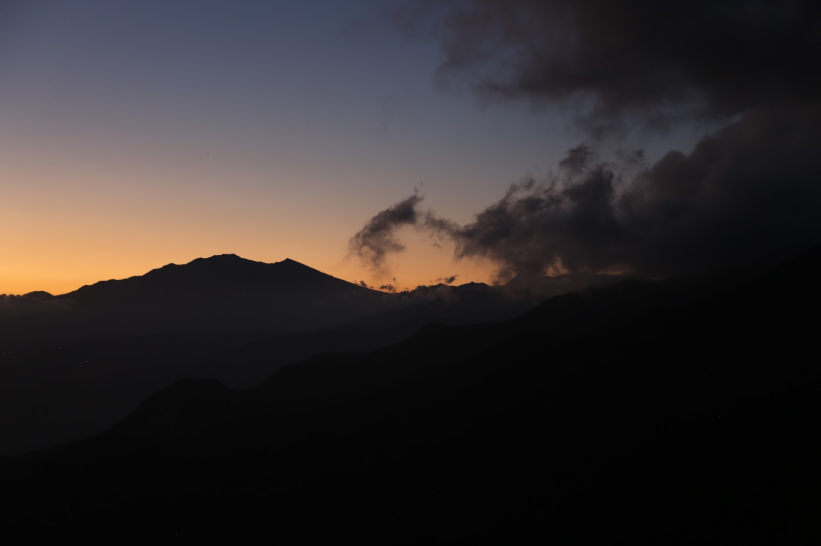
Sunrise and sunset watching become daily rituals. Elevated viewpoints near the hostel reveal layers of hills fading into distance. On clear days, the light shifts dramatically across the landscape, rewarding early risers and patient observers.

Birdwatching attracts nature enthusiasts from around the world. The cloud forest hosts an extraordinary variety of species, and even casual observers notice flashes of color and distinctive calls. Quiet mornings often bring the best sightings.

Wildlife spotting extends beyond birds. Guests sometimes see small mammals, insects, and amphibians that thrive in the humid environment. Night walks reveal a completely different side of the forest as nocturnal life emerges.

Community dinners are a central social activity. Meals are shared around long tables where travelers exchange stories from hikes and journeys across Panama. The atmosphere is relaxed and welcoming, making it easy for solo travelers to connect.

Cooking nights occasionally bring guests together in the kitchen. Preparing food collectively transforms dinner into an event rather than just a meal. It’s an easy way to meet people while learning new recipes or techniques.

Board games and card games fill quiet evenings when fog rolls in early. The communal space becomes a gathering point where laughter and conversation carry into the night. These moments build a sense of temporary community among travelers.

Workaway and volunteer activities allow longer-term guests to contribute to daily operations. Tasks vary from maintenance to guest support, creating a deeper connection to the place. Participation adds structure to extended stays.

Relaxation is also an activity in itself. Hammocks and viewing areas invite guests to slow down and simply absorb the environment. Many visitors appreciate the chance to pause between adventures.

Photography opportunities are everywhere. Changing cloud patterns, forest textures, and dramatic lighting provide endless subjects. Even casual phone photographers find themselves capturing the scenery repeatedly.

Educational conversations often emerge organically. Staff and guests share knowledge about local ecology, conservation, and travel routes across the country. Learning happens informally through interaction.

Day trips organized from the hostel connect guests with surrounding regions. Excursions may include nearby reserves, rivers, or viewpoints accessible by short transport. These outings expand exploration beyond walking distance.

Digital nomads occasionally work remotely from the hostel, balancing productivity with nature. The combination of connectivity and wilderness creates a unique environment for focused work sessions followed by outdoor breaks.

Fitness naturally becomes part of the experience. Hiking steep terrain and navigating forest paths provide physical challenge without structured exercise routines. Activity happens as a byproduct of exploration.

Weather watching becomes unexpectedly fascinating. Cloud forest conditions shift quickly, revealing and concealing views throughout the day. Observing these changes becomes part of daily rhythm.

Even simple routines like morning coffee take on new significance when surrounded by forest. The environment slows perception and heightens awareness of small details. Many guests remark on how time feels different here.

Cultural exchange is another subtle activity. Travelers from different countries share perspectives, languages, and experiences. Conversations often stretch long after dinner plates are cleared.

For many visitors, the most memorable activity is simply disconnecting from urban pace. Without constant noise or traffic, attention turns inward and outward simultaneously. The setting encourages reflection.

By the time guests leave Lost and Found Hostel, they often realize the activities extend beyond scheduled events. Exploration, connection, rest, and discovery blend into a single experience shaped by place and people. The hostel becomes less a stop on a route and more a chapter in the journey itself.

Vaccines For Panama

Traveling in Panama is generally straightforward from a health perspective, but like most tropical destinations, certain vaccines are commonly recommended before or during your stay. These suggestions are about prevention, not alarm. They help travelers explore cities, islands, and remote highland areas with more peace of mind.

The first thing many travelers hear about is routine vaccination status. Health authorities typically recommend being up to date on standard immunizations such as tetanus, measles, and seasonal illnesses. These are not Panama-specific risks but part of global travel health preparation.

Tetanus protection is especially relevant for people who hike, volunteer, or spend time in rural environments. Minor cuts and scrapes are part of travel life, particularly if you’re moving between forest trails and coastal towns. Staying current with tetanus protection is a simple precaution.

Hepatitis A is commonly recommended for travel throughout Central America. It spreads through contaminated food or water and can occur anywhere hygiene conditions vary. Even careful travelers may be exposed simply by eating local food.

Hepatitis B is another vaccine many travelers consider, particularly for longer stays. It spreads through contact with bodily fluids and is often recommended for people planning extended travel, volunteering, or working abroad.

Typhoid vaccination is frequently suggested for travelers who want broad protection against food- and water-borne illness. It is especially relevant for people who enjoy street food, travel to rural areas, or eat outside major urban centers.

Rabies vaccination is sometimes recommended for people spending extended time in nature or working closely with animals. While human cases are rare, travelers staying in remote environments or interacting with wildlife may consider preventive protection. This is a personal decision based on exposure risk.

Yellow fever vaccination may be recommended depending on where you travel before arriving in Panama and which regions you plan to visit afterward. It is not required for all travelers but can be relevant for specific routes or border crossings.

Some travelers ask about malaria prevention. In most of Panama, risk is low, especially in cities and developed areas. In certain remote zones, health professionals may discuss prevention strategies based on travel plans rather than routine vaccination.

One reason travelers find health preparation manageable in Panama is the accessibility of clinics and pharmacies. Medical services are widely available in cities and many regional towns. This makes it easier to receive advice or treatment if needed.

A detail many long-term travelers discover is that vaccines and medical services are often significantly more affordable in Panama compared to North America or parts of Europe. This can make completing recommended vaccinations more accessible financially.

Private clinics in cities like Panama City and David commonly offer travel health services. Appointments are usually straightforward to arrange, and wait times are often shorter than in many Western healthcare systems.

Pharmacies in Panama are well stocked, and pharmacists frequently provide guidance on common travel health concerns. For routine matters, they can be a helpful first stop before seeking a clinic visit.

Travelers staying in remote highland areas or eco-lodges are often surprised that medical access is still within reach. Even when you’re somewhere that feels far from urban life — like the cloud forest around Lost and Found Hostel — advice and care are still accessible within regional hubs.

Cost differences are one of the biggest practical advantages of handling vaccinations in Panama. Prices can be a fraction of what travelers expect back home. This affordability often surprises visitors who compare receipts afterward.

Because of these lower costs, some long-term travelers choose to update or complete vaccine schedules after arrival rather than before departure. This approach can be practical for people staying in the country for months.

It’s still wise to research availability and consult a healthcare professional about timing. Some vaccines require multiple doses spaced over time. Planning ahead ensures protection aligns with travel activities.

Climate and environment play a role in why certain vaccines are suggested. Panama’s warm temperatures, biodiversity, and outdoor lifestyle create conditions where prevention is simply a smart strategy.

Food culture is another factor. Travelers are often eager to try local dishes, markets, and roadside eateries. Vaccines like hepatitis A and typhoid provide reassurance while enjoying that culinary freedom.

Backpackers and volunteers often move frequently between environments — cities, forests, islands, and farms. This mobility increases exposure to varied conditions, making preventive health measures more relevant.

Another benefit of receiving care in Panama is the experience of local healthcare professionals who regularly work with international travelers. They understand common concerns and typical travel patterns.

Language barriers are usually manageable in medical settings, particularly in private clinics. Many providers speak English, especially in areas with tourism or international residents.

Health preparation is ultimately about confidence. Knowing you’ve taken recommended precautions allows you to focus on experiences rather than worries. Prevention quietly supports exploration.

Travelers often notice that locals approach health pragmatically. Preventive care, vaccination campaigns, and accessible clinics reflect a practical public health mindset.

Insurance coverage varies, so checking policy details before receiving services is useful. Even so, the baseline cost of care in Panama is often lower than expected.

The combination of affordability and accessibility means travelers are not locked into decisions made before departure. Health planning can remain flexible after arrival.

For young travelers exploring Panama’s mountains, islands, and rural communities, vaccines become part of a broader preparation that includes safe food habits and general awareness.

It’s helpful to remember that recommendations depend on individual plans. A short city visit and a months-long rural stay involve different levels of exposure and preparation.

Travel medicine is less about fear and more about readiness. Panama is a welcoming destination where preparation simply helps you enjoy it more fully.

Many visitors end up appreciating how practical healthcare is in Panama. Lower costs and straightforward access remove much of the stress associated with travel medicine.

In the end, suggested vaccines are tools that support safe exploration. Combined with Panama’s accessible healthcare and lower costs, they make long-term travel and adventurous itineraries easier to manage.

Rabies In Panama

Rabies in Panama is a real but relatively uncommon public health concern, and understanding it helps travelers and residents move through the country with confidence. Like in many tropical regions, the topic comes up most often in conversations about wildlife, pets, and rural living rather than everyday urban life.

Rabies is a viral disease that affects the nervous system of mammals. It is transmitted primarily through saliva, usually via bites or scratches from infected animals. Once symptoms appear, the illness is extremely serious, which is why prevention and early response are emphasized in public health messaging.

In Panama, vaccination programs for domestic dogs and cats have significantly reduced the risk in cities and towns. Urban areas tend to have lower exposure because pet vaccination is widely encouraged. This has made everyday interactions with animals in populated areas generally safe.

The primary wildlife species associated with rabies risk in Panama are bats. In rural and forested regions, certain bat populations can carry the virus. This is particularly relevant in agricultural areas where livestock are present, since bats sometimes feed on animals at night.

For travelers spending time in nature — especially in cloud forests, jungle environments, or remote eco-lodges — awareness matters more than worry. Observing wildlife from a distance and avoiding contact with animals is the simplest protective measure. Most encounters are harmless when boundaries are respected.

Rabies cases in humans are rare in Panama, but health authorities maintain monitoring systems to detect and respond to potential exposures. Education campaigns focus on recognizing risky situations and seeking prompt medical care if needed. Prevention is always the central message.

One important distinction for visitors is that not all animal bites carry rabies risk. Many bites from vaccinated pets pose minimal danger. However, any bite that breaks the skin should be evaluated by a medical professional to rule out infection and determine whether preventive treatment is appropriate.

The response to potential exposure is straightforward: clean the wound thoroughly and seek medical care as soon as possible. Early treatment is highly effective at preventing illness. This rapid-response approach is standard worldwide.

Panama’s healthcare system is familiar with rabies prevention protocols. Clinics and hospitals know how to assess risk and provide guidance. Travelers do not need specialized knowledge — they simply need to act quickly if an incident occurs.

Rural communities sometimes conduct vaccination campaigns for animals to protect both livestock and people. These programs reflect how public health and agriculture intersect in tropical environments. Protecting animals helps protect humans.

Tourists exploring beaches, islands, and highland regions often notice many friendly dogs in public spaces. Most are accustomed to people and pose no threat. Still, avoiding feeding or touching unfamiliar animals is the safest approach.

Education around rabies in Panama emphasizes awareness without alarm. The disease is taken seriously, but it is not a daily concern for most residents. This balanced approach helps maintain perspective while promoting safety.

Travelers are sometimes surprised that rabies awareness is part of general health advice for tropical travel worldwide. Panama is not unique in this regard. The same basic precautions apply in many countries with diverse wildlife.

For long-term visitors, volunteers, or people working closely with animals, preventive vaccination may be recommended by travel health professionals. This is a personal medical decision based on exposure risk. It is not necessary for most short-term travelers.

Panama’s geography — with forests, farmland, and coastal ecosystems — creates environments where wildlife and human communities coexist closely. This ecological richness is part of what makes the country appealing, but it also explains why public health education includes zoonotic diseases.

Information about rabies is often shared alongside guidance about mosquito-borne illnesses and general outdoor safety. It is part of a broader conversation about living responsibly in a biodiverse environment. Awareness supports safe exploration.

For backpackers and eco-travelers, understanding rabies risk fits naturally with responsible travel habits. Avoiding contact with wild animals, respecting local guidance, and seeking medical advice when needed are standard practices.

Visitors are often reassured by how calmly locals discuss the topic. Rabies is understood, monitored, and managed rather than feared. That sense of perspective reflects experience and effective public health systems.

The presence of veterinary care and vaccination programs in many communities further reduces risk. Protecting domestic animals has become a normal part of community health efforts. These measures quietly support overall safety.

Ultimately, rabies in Panama is best understood as a manageable health consideration rather than a defining danger. With basic awareness and simple precautions, travelers can explore confidently while respecting the natural environment that makes the country so compelling.

Panama's Local Hard Alcohol Scene

Panama’s identity in the world of spirits is defined by sugarcane. Warm climate, fertile soil, and long agricultural traditions have made the country especially known for rum and cane-based liquors. For travelers exploring the isthmus, tasting locally made hard alcohol becomes another way to understand culture, history, and daily life.

The most internationally recognized producer is Varela Hermanos, a family-run company with roots stretching back to the early twentieth century. Their operations are based in the town of Pesé in the province of Herrera, a region known for agriculture and traditional Panamanian culture. This distillery produces both premium rum and Panama’s iconic national spirit.

Their flagship export is Ron Abuelo, a premium aged rum that has earned international recognition. The rum is made from locally grown sugarcane and aged in oak barrels under tropical conditions. That climate accelerates aging, creating rich flavors with notes often described as caramel, vanilla, and toasted wood. It’s smooth, complex, and widely considered one of Central America’s top rums.

Ron Abuelo offers multiple aging expressions, from younger blends to long-aged reserves. The longer the aging, the deeper the flavor and color. Visitors often notice how the tropical environment intensifies the interaction between spirit and barrel. This is one reason Panamanian rum has such a distinctive character.

Another essential Panamanian spirit is Seco Herrerano. Unlike rum, which is aged, seco is a clear distilled liquor made directly from sugarcane. Its flavor is clean and neutral, making it a popular base for mixed drinks. Locals often combine it with milk, fruit juice, or coconut water.

Seco Herrerano holds a special place in national culture. It’s commonly served at festivals, celebrations, and family gatherings. Many Panamanians consider it a symbol of tradition. For travelers, it’s one of the most authentic local spirits to try.

The distillation process for seco is designed to produce purity rather than complexity. It’s typically unaged, bottled clear, and intended for mixing. The result is a spirit that’s approachable and versatile. Its simplicity is part of its appeal.

Rum production in Panama follows a different philosophy. Aging is central to flavor development. Barrels are stored in warm warehouses where heat and humidity shape the final product. Over time, the spirit absorbs character from the wood and environment.

For visitors interested in seeing this process firsthand, tours are available at the Pesé distillery operated by Varela Hermanos. These visits typically include an overview of sugarcane cultivation, fermentation, distillation, and barrel aging. Guests learn how climate influences flavor and quality.

A highlight of the tour experience is walking through barrel storage areas. The scent of aging rum fills the air, creating a sensory introduction to the craft. Guides explain how time and temperature affect the spirit. It’s both educational and atmospheric.

Tastings are often included in guided visits. Guests sample different expressions and compare their characteristics. This helps visitors understand how aging changes aroma, texture, and taste. It transforms rum from a simple drink into a crafted product.

Beyond Pesé, rum and seco are widely available throughout Panama. Supermarkets, liquor stores, and restaurants all carry local brands. This accessibility makes it easy for travelers to explore flavors without visiting a distillery.

Panama’s rum tradition reflects Spanish Caribbean influence combined with local innovation. Techniques evolved over generations as producers refined fermentation and aging methods. The result is a style that balances smoothness with depth.

While rum dominates the international reputation, smaller producers and artisanal experiments exist as well. These operations are less visible but contribute to the diversity of the country’s spirits culture. They reflect growing interest in craft production.

Spirits in Panama are typically enjoyed socially rather than ceremonially. Drinks accompany meals, celebrations, and relaxed gatherings. The atmosphere is casual and communal. Sharing a bottle is often about connection more than connoisseurship.

Travelers are often surprised by how affordable local spirits can be compared to imported brands. Domestic production keeps prices accessible. This affordability encourages experimentation and discovery.

Climate plays a major role not only in production but also in consumption. Refreshing mixed drinks are common because of the heat. Even aged rum is often served simply or over ice.

For those traveling between the highlands and coastal regions — including remote places where visitors expect only basic amenities — local spirits still find their way into small shops and community gatherings. Panama’s beverage culture reaches far beyond cities.

Touring a distillery provides a structured way to connect with this tradition. Seeing raw ingredients transformed into finished spirits gives context to flavors you taste elsewhere. It adds depth to the travel experience.

Panama’s hard alcohol industry blends agriculture, craftsmanship, and heritage. Sugarcane fields, fermentation tanks, and aging barrels form a continuous chain of production. Each step reflects both environment and human skill.

For curious travelers, exploring Panamanian spirits offers insight into how climate and culture shape taste. Rum and seco are more than drinks — they are expressions of place. Sampling them connects visitors to the country’s rhythm of life.

If you want, I can explain how to get to the Pesé distillery from Panama City using public transport — similar to the routes you’ve been exploring around the country.

Beer In Panama

Beer culture in Panama is shaped by heat, humidity, and a social rhythm that favors light, refreshing drinks. Most traditional Panamanian beers are pale lagers designed to be crisp and easy to drink in a tropical climate. Over time, a growing craft movement has added variety, giving locals and travelers everything from classic mass-market brews to bold small-batch ales.

The best-known name in Panamanian brewing is Cervecería Nacional, a company that has dominated the market for decades. Its beers are widely available in supermarkets, convenience stores, restaurants, and roadside stops across the country. For travelers moving between cities, beaches, and mountain towns, these labels become familiar quickly.

One of the flagship beers is Balboa Beer, named after the Pacific-coast district of Panama City. It’s a pale lager with a clean finish and mild bitterness. Many locals describe it as smooth and dependable, a go-to choice for social gatherings and casual meals. Its flavor is designed to refresh rather than overwhelm.

Balboa is often associated with tradition and national identity. It’s commonly served ice cold, which enhances its crispness in Panama’s warm climate. You’ll see it at family barbecues, neighborhood shops, and beachside restaurants. For many visitors, it becomes the first Panamanian beer they try.

Another major label is Atlas Beer, known for being slightly lighter in taste. It’s often described as crisp and straightforward, with minimal bitterness. Atlas is popular among people who prefer a very refreshing, easy-drinking beer that pairs well with fried foods and seafood.

Atlas has long been associated with everyday Panama life. It’s widely available and typically affordable, which helps explain its popularity across different regions. For travelers on a budget, it’s one of the most accessible local options.

Panamá Beer is another classic lager with a balanced flavor profile. It sits comfortably between mild sweetness and gentle bitterness. Many locals consider it a reliable choice that works in almost any situation, from casual meals to celebrations.

Panamá Beer is often praised for its smooth finish. It doesn’t dominate the palate, which makes it easy to pair with traditional dishes like fried fish or rice and beans. Its consistency has helped maintain its popularity over time.

Soberana Beer is known for being especially budget-friendly. It’s light, mild, and designed for easy refreshment. While it may be simpler in flavor than other labels, it remains a familiar presence across the country.

Soberana reflects a practical side of Panama’s beer culture. It’s often chosen for gatherings where affordability matters. Despite its simplicity, it holds a steady place in the national lineup.

Beyond these major lagers, Panama has developed a growing craft beer movement. Independent breweries have introduced new styles, flavors, and brewing techniques. This shift has expanded local beer culture beyond traditional light lagers.

A leading name in craft brewing is Casa Bruja Brewing Co.. Known for creative recipes and bold branding, the brewery produces IPAs, stouts, and experimental seasonal releases. Its beers often feature stronger hop aromas and more complex flavors than traditional Panamanian lagers.

Casa Bruja has helped redefine expectations for locally made beer. Its presence shows how Panama’s brewing scene is evolving alongside global craft trends. Many travelers seek out its beers to experience a different side of Panamanian brewing.

Another influential brewery is La Rana Dorada, one of the country’s pioneers in small-batch brewing. It offers a range of styles including pale ales, porters, and wheat beers. Its taprooms provide a more relaxed, sit-down experience compared to quick-service beer venues.

La Rana Dorada emphasizes balance and drinkability while still offering more flavor complexity than mass-market beers. It has become a favorite among locals who want variety without losing refreshment.

Central Brewing is another key player in the craft scene. Its lineup includes hoppy ales, seasonal brews, and experimental batches. The brewery reflects Panama’s growing appetite for diversity in flavor and brewing style.

Craft breweries in Panama often emphasize community spaces where people gather to try new releases. These venues blend social culture with creativity, giving beer a more experiential dimension.

Panama’s beer landscape also includes limited seasonal and specialty brews produced for festivals or collaborations. These releases showcase local ingredients and innovative techniques. They’re less common but increasingly visible.

For travelers, Panamanian beer offers insight into how climate shapes taste. The dominance of light lagers reflects the country’s tropical environment. Refreshment is prioritized over heaviness.

At the same time, the craft movement reflects a younger generation’s curiosity and global awareness. New flavors and styles mirror Panama’s role as a crossroads of cultures. Beer becomes another way the country expresses its evolving identity.

Availability is another defining feature. Whether in cities or smaller towns, locally brewed beer is easy to find. This accessibility makes it a consistent part of daily life.

Beer in Panama is often enjoyed alongside simple foods like grilled meats or seafood. The pairing emphasizes freshness and balance. The experience is casual rather than formal.

For visitors exploring different regions, trying various local beers becomes part of understanding place and culture. Each label carries its own story about tradition, taste, and change.

Panama’s brewing scene continues to evolve as new producers enter the market and consumer tastes expand. What began as a landscape dominated by a few lagers is becoming more diverse.

From classic national brands to innovative craft brews, Panamanian beer reflects the country itself — familiar yet changing, simple yet layered, traditional yet open to new influences.

Strange Delights In Panama

Traveling through Panama is a sensory adventure, and food is a big part of that experience. Most visitors fall in love with the freshness, the tropical fruits, and the comforting rice-and-beans staples. But like anywhere with a deep culinary tradition, there are dishes that can surprise outsiders. What feels normal and nostalgic to locals can feel unusual — even challenging — to tourists encountering these flavors for the first time.

One of the most talked-about examples is sopa de pata, a thick soup made with cow’s foot. The broth becomes rich and gelatinous because of the collagen released during long cooking. It’s hearty, deeply traditional, and often eaten as a restorative meal. For visitors unfamiliar with the texture, the soft, slippery consistency can be unexpected.

Another dish that can surprise newcomers is mondongo, a tripe stew made from cow stomach. It’s slow-cooked with vegetables and spices until tender. The flavor is rich and savory, but the chewy texture is what divides opinion. Many tourists hesitate at the idea, even though it’s a beloved comfort food across the country.

Seafood lovers might encounter sea snails served in coastal areas. These chewy mollusks are often cooked in coconut sauce or stews. The taste is mild, but the rubbery texture can be surprising if you’re expecting something more like fish or shrimp.

A dish that often sparks strong reactions is chicken feet soup. The feet are simmered until soft, creating a collagen-rich broth. The flavor is comforting and mild, but eating around the tiny bones and soft skin can feel unfamiliar to visitors.

Blood sausage, known locally as morcilla, is another traditional food that can challenge tourists. It’s made with rice, spices, and animal blood, then grilled or fried. The flavor is savory and aromatic, but the concept alone can make some travelers pause.

In rural and coastal regions, you may also find whole fried fish served with head and eyes intact. The taste is excellent, but the presentation can be confronting for travelers used to fillets. Locals see this as the freshest way to serve seafood.

Some visitors are surprised by salted dried fish, which has a strong aroma before cooking. It’s often rehydrated and cooked with onions and peppers. The intense smell can be shocking at first, but the flavor mellows when prepared.

Fermented or strongly aged cheeses from rural areas can also be an acquired taste. These cheeses may be crumbly, salty, and pungent. They’re often eaten with tortillas or bread as a simple snack.

Tropical fruits sometimes surprise tourists too. Nance, for example, has a strong smell and slightly fermented taste. It’s used in desserts and drinks, but its aroma can be unexpected if you’re trying it fresh for the first time.

Another fruit that divides opinion is guanábana when served as a thick drink. Its creamy texture and strong aroma can be intense for people expecting something lighter. Locals love it for its refreshing sweetness.

In some traditional markets, visitors might see organ meats grilled or stewed. Liver, kidney, and other cuts are valued for flavor and nutrition. Tourists unfamiliar with these foods may find the taste strong.

Street food sometimes includes corn drinks with thick textures, such as chicha made from maize. These beverages are filling and comforting but can feel heavy if you expect a thin juice.

Another unexpected experience is encountering very sweet desserts made with condensed milk and syrup. The richness can surprise travelers used to milder sweetness. Local palates often embrace bold flavors.

Some soups are intentionally thick and starchy, combining root vegetables and meat into a dense meal. The consistency can feel more like stew than soup. It’s designed to be filling rather than light.

Coconut-based dishes from Caribbean-influenced regions can also surprise first-time visitors. The strong coconut aroma combined with savory ingredients creates a flavor profile that feels unusual if you’re expecting sweetness.

Travelers sometimes react to fresh cheese that squeaks when bitten. The texture is springy and firm rather than creamy. It’s commonly eaten with breakfast foods.

Another surprising experience is seeing food served at room temperature rather than hot. Many traditional dishes are meant to be eaten this way. It’s normal locally but unexpected for some visitors.

Despite initial reactions, many travelers grow to appreciate these foods once they understand their cultural role. What feels strange at first often becomes memorable later. Taste is shaped by familiarity as much as flavor.

Food that challenges expectations often tells the richest cultural stories. These dishes reflect resourcefulness, tradition, and local taste preferences shaped over generations. Trying them offers insight into everyday life.

For adventurous travelers moving between places like mountain hostels and coastal towns, encountering unfamiliar food becomes part of the journey. Even when something feels unusual, it creates a story worth telling later.

In the end, what one person finds strange, another finds comforting. Panama’s cuisine invites curiosity more than judgment. The best approach is openness — you might be surprised which dish becomes your unexpected favorite.

Fast Food In Panama

Panama’s fast food scene is a mash-up of local comfort flavors and global brands that feel instantly familiar when you’re craving something quick. In neighborhoods like Bella Vista and along highway corridors that connect the highlands to the coast, you’ll see drive-throughs, open-air counters, bakery cafés, and bright international logos all competing for attention. For backpackers, volunteers, and road-trippers moving between places like the cloud forest highlands and the Caribbean coast, these spots become reliable refueling stations that reflect how Panama blends tradition with modern convenience.

Local chains often feel more “Panamanian” than anything else because they build their menus around everyday staples like chicken, rice, plantains, soups, and fresh juices. They’re fast, affordable, and deeply woven into daily routines. Many locals treat them like neighborhood kitchens rather than restaurants, stopping by for breakfast empanadas, lunch plates, or late-night snacks after long bus rides.

A standout in this category is Pio Pio, a homegrown chain known for fried chicken, roasted chicken, and hearty sides. The menu leans into comfort food that’s filling without being expensive. You’ll see locals ordering chicken with rice and beans, yuca fries, and fresh juices that change with the season. It’s fast food in the sense of speed, but the flavors feel closer to a family meal than a typical takeaway.

Another local favorite that travelers quickly discover is Niko's Cafe. It’s open around the clock in several locations and serves everything from breakfast plates and sandwiches to soups and classic Panamanian lunches. The vibe is part diner, part fast food counter. If you’ve been bouncing between bus terminals and boat docks, this kind of place feels like a dependable pause button.

Bakery-style fast food is another big piece of the local scene. Quesos Chela draws long lines for cheese breads, pastries, and coffee that locals grab for the road. It’s especially popular on the drive west from Panama City, where travelers heading toward beaches or the highlands stop for something warm and quick. The menu is simple, but the freshness makes it memorable.

Another bakery-café hybrid that blurs the line between fast food and casual dining is Athanasiou. Here, speed meets European-style pastries, sandwiches, and espresso drinks. It’s the kind of place where businesspeople grab breakfast while backpackers recharge devices and plan the next leg of their trip. The pace is quick, but the presentation feels polished.

When you shift from local chains to international brands, Panama starts to feel instantly recognizable to visitors from North America and Europe. The global fast food giants are widespread, especially in cities and along major travel routes. For young travelers balancing budgets, they offer predictable prices, familiar flavors, and free Wi-Fi that makes planning the next bus or boat connection easier.

McDonald's is everywhere from shopping centers to highway stops. The menu feels familiar but often includes regional twists like local desserts or sauces. It’s a go-to for travelers who want something quick and consistent between destinations.

Fried chicken lovers gravitate toward KFC, which is hugely popular across the country. The appeal is straightforward: crispy chicken, familiar sides, and generous portions. It’s especially common in transport hubs where travelers want something hearty before a long ride.

Burger fans have plenty of options, including Burger King, which competes directly with other burger chains for the quick-meal crowd. The atmosphere mirrors what you’d expect anywhere else, making it a comfort stop for travelers adjusting to new surroundings.

Sandwich chains like Subway are common in business districts and shopping areas. They appeal to people looking for lighter meals or customizable options. For digital nomads working between travel legs, they offer predictable seating and connectivity.

Pizza delivery culture is strong in Panama, with Domino's Pizza leading the pack. Quick delivery and frequent promotions make it popular with students, families, and travelers staying in hostels or guesthouses.

Another major player is Papa John's, known for slightly thicker crusts and familiar toppings. Its presence reinforces how strongly international food culture is woven into Panama’s urban life.

Budget-friendly pizza lovers often head to Little Caesars, where grab-and-go options keep things simple and fast. For travelers counting coins between destinations, it’s an easy solution.

Wendy's adds another familiar burger option, often attracting visitors who want the same flavors they know from home. The menu is recognizable, which makes it comforting when everything else around you is new.

Coffee culture meets global branding at Starbucks, especially in urban districts and shopping centers. For young travelers working remotely or planning their next move across the isthmus, it doubles as a workspace and meeting point.

Dessert cravings are often answered by Dairy Queen, where soft-serve ice cream and frozen treats offer a cool break from the tropical heat.

What makes Panama’s fast food landscape interesting isn’t just the variety but how naturally the local and international options coexist. A traveler might grab cheese bread at a roadside bakery in the morning, a chicken plate at a local chain for lunch, and a global burger in the evening. The rhythm feels seamless rather than divided.

Young travelers are especially drawn to this mix because it balances adventure with familiarity. When you’re moving between cloud forests, beaches, and island towns, knowing a quick meal is always within reach makes travel easier. Fast food becomes part of the infrastructure that supports exploration.

For volunteers and backpackers traveling between remote areas and cities, these chains provide reliable refueling points between long bus rides and boat transfers. The consistency helps maintain momentum when schedules shift or weather changes plans.

Another appeal is price diversity. Local chains often deliver larger portions for lower cost, while international brands offer promotions that keep them competitive. This range gives travelers flexibility depending on their budget that day.

Fast food in Panama also reflects the country’s role as a cultural crossroads. Local flavors remain strong, but global influences are visible everywhere. The result is a dining landscape that mirrors Panama’s broader identity as a place where worlds meet.

Convenience plays a major role too. Many locations operate long hours, some even around the clock. For people arriving late from interprovincial buses or early flights, that accessibility makes a difference.

Even in places that feel remote or tucked into the mountains, travelers are often surprised by how close a quick meal option can be. That sense of accessibility contributes to Panama’s reputation as an easy country to travel through.

The atmosphere in local chains tends to be relaxed and social, with families, students, and workers sharing space. International chains feel more standardized but equally busy. Both environments offer a glimpse into daily life.

For someone spending extended time in Panama, fast food becomes less about novelty and more about routine. It’s where errands pause, travel plans are made, and long days get a quick reset.

Ultimately, the fast food landscape tells a story about modern Panama. It shows how tradition and globalization coexist without friction. Whether you’re grabbing chicken and rice from a local counter or a familiar burger from a global chain, you’re participating in the everyday rhythm of the country.

If you want, I can write a version that focuses specifically on what you’ll find along the travel routes between the highlands, Bocas, and the Pacific coast — the exact stops backpackers actually use.

What Is A "Push" Hotel In Panama

In Panama, a very common type of lodging that many travelers notice — especially when driving along the edges of towns and near highways — is the “rent-by-the-hour” hotel, often called auto hoteles or hoteles por horas. These establishments are part of everyday life for many Panamanians and visitors alike. While they carry a certain reputation, they serve a range of practical purposes that go far beyond what people might expect when they first notice them from the road.

At first glance, these hotels look different from traditional accommodations. Instead of a front lobby with a desk, rooms usually open directly from private entrances or garages. Guests drive or walk up, enter their room through a discrete door, and complete the transaction without lining up with other guests. The entire system is designed for privacy, convenience, and short-term use. The basic idea is simple: you pay for a room for a few hours rather than an entire night.

These “hour hotels” are popular in many countries in Latin America, but in Panama they are especially visible. You’ll see them at the outskirts of towns and cities, at intersections on major boulevards, or near transportation hubs. Their locations are not random — they are placed where people might need a quick, private space without deviating far from their routes.

One of the reasons these hotels are so common is that housing arrangements in Panama often involve extended families sharing small living spaces. For many locals, having complete privacy — even for a short time — isn’t always easy. Renting a private room by the hour becomes a practical solution for rest, conversation, naps, or simply a moment away from crowded households.

For travelers and long-distance drivers, these hotels also work as rest stops. If you’re on a long bus or car trip and you need to rest, shower, change, or simply nap before continuing, renting a quiet, private space can be a welcome break. It’s similar to how people in many countries use roadside motels or hourly rest rooms — a basic need rather than something unusual.

Rooms in these hotels are usually modest but functional. You can expect a comfortable bed, air conditioning or a fan, television, and a small bathroom. Some places even include themed decor, mood lighting, or mini-fridges, depending on price range and the level of investment by owners. Higher-end rooms may feel just like a budget motel, while standard ones focus purely on simplicity and comfort.

One feature that sets these hotels apart is that many don’t have a traditional reception desk. Instead, guests pay through small windows, secure hatches, or automated systems. Some even use rotating compartments or sliding drawers for payment so that minimal direct interaction is required. For guests who value discretion or privacy, this design is appealing and efficient.

Another practical benefit is that rental is usually charged by the hour rather than by the night. This means you can stay for just a couple of hours, several hours, or overnight depending on your needs and what the hotel offers. Prices are often displayed publicly outside each unit, making decision-making transparent and easy without entering the space first.

While popular culture sometimes associates these hotels with romance or flirtation, it’s important to understand that for most people in Panama they function as everyday infrastructure. Families, professionals, and travelers use them for all kinds of reasons: catching up on sleep after a long drive, changing clothes after sports or beach time, resting during irregular schedules, or taking a quick shower between bus trips.

Because of this broad range of practical uses, many Panamanians don’t think twice about these hotels. They are just part of urban and travel culture. Unlike some countries where hourly hotels might be hidden or stigmatized, in Panama they are openly advertised and widely used. You might see simple signs with prices on the street, or colorful facades designed to attract attention during daytime travel.

Like any service, quality can vary. Some hotels maintain excellent hygiene, updated decor, and good service. Others may be more basic. A helpful travel tip is to look for places that are clean, well-kept, and well-lit, especially if you’re using them during late hours or unfamiliar areas. Checking traveler reviews, if available, or asking locals can help you pick reputable places.

Because these motels are short-term spaces, security is usually taken seriously. Rooms are private with secure doors, locks, and often surveillance around common areas. Many guests report feeling safe using these spaces to rest or prepare for the next leg of a journey. As with any accommodation, trusting your instincts and choosing visible, busy locations adds peace of mind.

One thing travelers sometimes worry about is being judged for using one of these hotels. In reality, most people in Panama see them as a practical part of travel culture rather than something controversial. Locals — just like visitors — use these spaces for necessities like naps, changing, or resting during long trips. The cultural perception is generally matter-of-fact. Many Panamanians view these hotels exactly as they view hourly motels elsewhere: practical spaces meant for privacy.

Speaking Spanish makes navigating these hotels easier. Phrases like “¿Cuánto por hora?” (How much per hour?) or “¿Tienen habitaciones disponibles?” (Do you have rooms available?) are useful. Payment is usually in cash, and guests often receive a ticket or receipt showing their check-in time. When leaving, you simply return the card or key and pay any remaining balance.

For backpackers, auto hoteles can be a flexible tool. Sometimes you might arrive somewhere too early to check into a hostel. Renting a room by the hour lets you rest, shower, or organize your gear before heading out again. Other times you may need a secure place to nap between bus connections. The flexibility of hourly stays fits many unstructured travel schedules.

Some travelers enjoy the variety of themed rooms or quirky decor in certain hotels. Owners sometimes decorate rooms with styles that reflect movies, eras, or fantasy themes. This adds a playful element to stays without compromising safety or comfort. It’s a reminder that hospitality culture often reflects local creativity and business variety.

While nightclubs, bars, and nightlife districts are not centered around these hotels, you might see some guests leave evening activities for a quick rest before continuing their night. This is usually for convenience, not anything scandalous. The hotels serve that niche exactly: brief, private stops in the flow of life.

Some visitors are curious about how long you can stay. Short answer: it varies. Some hotels permit stays of several hours only, while others allow overnight bookings at higher rates. Always check the posted prices and ask about timing at check-in. Policies are generally clear and flexible.

Like any service, communicating clearly with staff helps. If you’re unsure about pricing, check-in times, checkout procedures, or extra amenities, just ask. Most places are accustomed to travelers with limited Spanish. A polite approach goes a long way.

Another important point: these hotels are legal businesses with licenses. They are not hidden or illegal operations. They pay taxes and follow local regulations. Their presence beside highways and towns is expected rather than underground.

Most first-time visitors find Panama’s rent-by-the-hour hotels more practical than strange. Once you understand the culture and purpose, they stop feeling exotic and start feeling like an efficient travel tool. Panama’s travel infrastructure includes these spaces because people use them for everyday reasons.

Whether you need a brief rest, a private place to regroup, or a secure spot on a long road trip, auto hoteles offer convenience and discretion. For independent travelers, especially those moving often or on irregular schedules, they become another layer of flexibility. They support movement, not just stillness.

In the end, these hotels reflect how Panama balances privacy with practicality. Their role is not about mystery, but about meeting real needs effectively. Like roadside diners, bus terminals, or local markets, they fit into travel culture naturally. Once you’ve used one, you’ll understand why they are so visible and widely accepted.

What Happens If You Overstay Your Visa In Panama Or Forget To Pay Your Speeding Ticket

Overstaying a visa in Panama or ignoring a traffic fine can seem like small administrative issues, but both can create real complications for travelers and long-term visitors. Panama’s systems are generally straightforward, yet they rely on compliance and documentation. When deadlines or obligations are missed, the consequences tend to be practical rather than dramatic, but they can affect travel plans, budgets, and future entry. Understanding what happens ahead of time helps you avoid stressful surprises.

When you enter Panama as a visitor, your permitted stay is clearly defined by immigration authorities. Most travelers receive a fixed number of days based on nationality and entry conditions. The expectation is simple: leave or extend your status before that time expires. Immigration rules are applied consistently, even though day-to-day life may feel relaxed. Paperwork matters here.

If you overstay your visa, the most immediate consequence is a financial penalty. Panama imposes fines calculated based on the length of the overstay. These fines must usually be paid when exiting the country. Payment procedures are administrative but not optional. The longer the overstay, the higher the total cost.

Beyond fines, overstaying can create delays when you try to leave. Immigration officers may need additional processing time to review your record. This can mean missing a flight or dealing with extra steps at the airport or land border. Even short overstays can add time to your departure process. Planning ahead avoids this friction.

Repeated or very long overstays can lead to more serious immigration consequences. Authorities may record the violation in your entry history. This can affect future visits or applications for longer-term status. While many cases are resolved with fines, patterns of noncompliance carry weight. Your travel record follows you.

If you realize you will overstay, addressing the issue early is usually easier than waiting until departure day. Some visitors pursue extensions or adjust travel plans before their permitted stay ends. Administrative solutions are simpler when handled proactively. Waiting removes options. Timing matters.

Now consider traffic enforcement, which operates under a different system but also emphasizes compliance. Speed limits are posted and monitored, particularly on highways and in populated areas. If you receive a speeding ticket, it becomes part of your legal record until resolved. Ignoring it does not make it disappear.

A speeding ticket typically includes a fine that must be paid within a specified timeframe. Payment methods vary, but the obligation remains until settled. The amount depends on the violation and circumstances. Documentation is key here as well. Keep copies of any paperwork.

If you do not pay a speeding ticket, administrative consequences begin to accumulate. Outstanding fines can be linked to your vehicle registration or driver status. This can prevent renewal of documents or create issues if you are stopped again. The system is designed to encourage resolution rather than delay. Unpaid fines remain active.

For visitors driving rental vehicles, unresolved tickets can also affect the rental process. Companies may receive notice of violations and charge fees or require settlement before closing your contract. This can add unexpected costs. Rental agreements usually address responsibility for fines clearly. Reading the terms helps avoid confusion.

If you are stopped by police with an unpaid ticket on record, you may face additional administrative steps. Authorities may require payment before allowing you to continue driving. Procedures vary by situation, but unresolved fines complicate interactions. Compliance simplifies encounters. Calm cooperation helps resolve matters faster.

Ignoring both immigration and traffic obligations can create compounded issues at departure. Border officials may check records that include outstanding fines or administrative notes. While systems are distinct, unresolved matters can lengthen processing. Travel days are smoother when records are clear. Closure prevents delays.

Financial consequences from overstays and unpaid tickets can add up quickly. Fines, fees, and unexpected administrative costs can strain travel budgets. Even when amounts seem manageable individually, combined expenses become significant. Budget planning should include contingency awareness. Prevention is usually cheaper than resolution.

Another practical impact is stress. Administrative problems consume time and attention that could be spent enjoying travel. Tracking deadlines, finding payment locations, and resolving records interrupts plans. Staying organized reduces this burden. Simple habits prevent complicated situations.

For long-term visitors or digital nomads, maintaining a clean administrative record supports future opportunities. Extensions, residency applications, or repeat visits are easier when past compliance is clear. Authorities value consistency. Good records open doors rather than closing them.

Documentation is your best protection. Keep copies of entry stamps, extension approvals, and payment receipts. If questions arise, records provide clarity. Organized paperwork reduces uncertainty. It also speeds up any necessary interactions with officials.

Local advice can be helpful when navigating procedures. People familiar with transportation systems or immigration processes can point you in the right direction. Asking early is better than guessing late. Practical guidance saves time. Community knowledge is a useful resource.

Culturally, Panama places strong emphasis on order in public systems even when daily life feels relaxed. Administrative expectations are part of that structure. Respecting deadlines and obligations aligns with local norms. Visitors who follow procedures generally find systems predictable. Predictability is reassuring.

If you make a mistake, resolving it promptly is the best approach. Paying fines, clarifying status, and addressing issues directly usually leads to straightforward outcomes. Delay rarely improves a situation. Action restores momentum. Responsibility keeps travel smooth.

Ultimately, overstaying a visa or ignoring a speeding ticket in Panama does not typically lead to dramatic consequences, but it does create real and avoidable complications. Fines, delays, and administrative hurdles can affect both your departure and future visits. Staying aware of timelines and obligations keeps your experience positive. A little preparation protects a lot of freedom.

Totally Wasted In Panama

Getting very intoxicated in Panama can carry consequences that are social, legal, and practical. While nightlife exists and alcohol is widely available to adults, public behavior expectations are clear and community comfort matters. Visitors sometimes assume a beach setting means relaxed rules, but that’s not how most public spaces function. Understanding the risks helps you enjoy nights out without unwanted problems the next day.

The legal drinking age in Panama is eighteen, which is lower than in the United States. That difference can create the impression that heavy drinking is more accepted, but enforcement focuses on behavior rather than age alone. Being visibly intoxicated in a way that disturbs others can lead to police attention. Authorities prioritize public order and safety. How you act matters more than how much you drink.

Public intoxication that disrupts the peace can result in fines or being taken to a police station until sober. This is more likely if someone is loud, aggressive, or unable to care for themselves. Enforcement varies by location, but visible disorder in public places is taken seriously. Beach towns, cities, and small communities all expect basic respect. Keeping composure avoids legal trouble.

Another common consequence is vulnerability to theft. People who are heavily intoxicated are easier targets for pickpocketing or scams, especially in crowded nightlife areas. Losing a phone, wallet, or passport copy can complicate travel quickly. Recovery of lost items is not guaranteed. Staying aware protects both your belongings and your plans.

Transportation risks increase with heavy drinking. Driving under the influence is illegal and penalties can be severe. Even as a passenger, choosing unreliable transport late at night can lead to uncomfortable situations. Planning a safe ride before drinking is a simple preventive step. Good decisions earlier in the evening matter later.

Medical risks are also real in a tropical climate. Heat and humidity intensify dehydration and fatigue. Drinking large amounts of alcohol without water can lead to illness more quickly than expected. Medical care is available, but prevention is easier than treatment. Hydration and pacing make a big difference.

Social consequences can be just as significant as legal ones. Panama is generally welcoming, but extremely disruptive behavior can damage relationships with hosts, staff, or local communities. In smaller towns, word travels fast. Respectful conduct supports positive interactions. Reputation matters more in close-knit places.

Accommodation policies can also come into play. Hostels, guesthouses, and hotels often have rules about noise and disruptive conduct. Being severely intoxicated in shared spaces can lead to warnings or removal. These policies are about safety and comfort for everyone. Reading house rules avoids surprises.

Work and volunteer arrangements can be affected too. If you’re in Panama for remote work or a volunteer exchange, repeated disruptive behavior can jeopardize your stay. Hosts expect responsibility from guests. Losing a placement because of alcohol is an avoidable outcome. Consistency builds trust.

Interactions with authorities may feel more direct than some visitors expect. Police may intervene quickly if behavior affects others. Cooperation and calm communication help resolve situations faster. Arguing or resisting escalates problems. Respectful demeanor matters in every interaction.

Financial consequences add up quickly. Fines, lost property, transportation changes, or unexpected accommodation costs can strain a budget. Travel plans can be delayed or altered. Even a single night can have ripple effects. Protecting your budget supports your whole trip.

There are also practical next-day impacts. Severe hangovers reduce your ability to travel, hike, or explore safely. Missing transport connections or scheduled activities wastes time and money. Fatigue can increase accident risk. Moderation protects your itinerary.

Cultural expectations around modest public behavior shape how intoxication is perceived. Beaches and public squares are shared by families and visitors of all ages. Community comfort is valued. Behavior that draws negative attention stands out quickly. Observing local norms helps you blend in.

If you choose to drink, simple precautions reduce risk. Eat beforehand, drink water regularly, and stay with trusted companions. Keep identification secure and know how you’ll get back to your accommodation. Awareness is protective. Planning supports freedom.

Knowing when to stop is an important skill anywhere, and especially in an unfamiliar environment. Pay attention to how alcohol affects you in heat and humidity. What feels manageable at home may feel different here. Self-awareness prevents escalation. Listening to your body is practical, not restrictive.

If a friend becomes dangerously intoxicated, seek help from staff or medical services rather than handling it alone. Quick assistance prevents serious complications. Many venues are accustomed to helping guests safely. Looking out for each other is part of responsible travel. Safety is a shared responsibility.

Ultimately, nights out in Panama can be enjoyable without excess. Music, conversation, food, and scenery are central to the experience. Alcohol is optional, not essential. Visitors who prioritize respect and awareness tend to have the best memories. Enjoyment and responsibility can coexist.

Understanding the possible consequences of heavy intoxication is not about limiting fun — it’s about protecting your time, safety, and relationships while you’re here. Panama rewards travelers who move through it with awareness. Keeping control of your choices keeps your trip on track.

Backpacking Spanish Phrases For Travelling In Panama

Backpacking through Panama gets easier — and way more fun — when you know a few key Spanish phrases. Even though many people in tourism speak some English, everyday interactions happen in Spanish, especially in buses, markets, and small towns. Using the language shows respect and often unlocks warmer conversations. You don’t need perfect grammar — effort matters more than accuracy. Think of phrases as tools that help you move smoothly through daily life.

A great starting phrase is “Buenos días,” “Buenas tardes,” and “Buenas noches.” These mean good morning, good afternoon, and good evening. In Panama, greetings matter and skipping them can feel abrupt. You’ll use them when entering shops, boarding buses, or approaching someone for help. Starting with a greeting sets a friendly tone. It’s the social key that opens every interaction.

“Por favor” and “Gracias” are essential everywhere. They mean please and thank you, and they are used constantly. Whether ordering food, asking directions, or buying fruit, these words soften requests. Panamanians value polite communication. You’ll notice people use them frequently with strangers. Using them makes interactions smoother instantly.

When navigating, “¿Dónde está…?” means “Where is…?” You can add anything after it: el baño (the bathroom), la parada (the bus stop), el mercado (the market). This phrase becomes your daily survival tool. Use it when exploring towns or trying to find transportation. It’s simple and extremely effective. Locals usually respond helpfully when you try.

Transportation brings one of the most useful questions: “¿Cuánto cuesta?” meaning “How much does it cost?” You’ll use this for buses, taxis, food, and small purchases. Prices aren’t always posted in informal settings. Asking politely avoids confusion. It also shows you understand local norms.

On buses, “¿Este bus va a…?” means “Does this bus go to…?” This is crucial when routes aren’t clearly labeled. Backpackers use it constantly in smaller towns. Drivers or passengers usually answer quickly. It prevents wrong turns in unfamiliar places.

Food culture introduces another helpful phrase: “Sin gluten, por favor,” meaning “Without gluten, please.” Since you’ve been writing about gluten-free travel in Panama, this one will come in handy often. Not everyone will fully understand dietary restrictions, but the phrase starts the conversation. You can also say “No puedo comer trigo” (I can’t eat wheat). Clear communication helps avoid surprises.

At restaurants, “¿Qué recomienda?” means “What do you recommend?” This is a friendly way to order when menus are unfamiliar. Panamanians often enjoy sharing their favorites. You’ll discover local dishes this way. It turns ordering into a conversation rather than a transaction.

When buying fruit or market food, “¿Está maduro?” means “Is it ripe?” Vendors appreciate this question. It shows you care about quality. You’ll use it often with mango, papaya, or pineapple. It’s practical and culturally relevant.

To show appreciation, “Está muy rico” means “It’s very delicious.” Compliments are welcomed warmly in Panama. Saying this after a meal or fresh juice often leads to smiles. It’s a simple way to connect. Food praise travels well across cultures.

If you need help, “¿Me puede ayudar?” means “Can you help me?” This phrase works in nearly every situation. Whether lost, confused, or needing clarification, it invites support. Panamanians are generally helpful when approached politely. It’s a phrase worth memorizing early.

For social interactions, “Mucho gusto” means “Nice to meet you.” Backpacking involves meeting new people constantly. Use it when introduced or when starting conversations. It signals friendliness and respect. First impressions matter everywhere.

When you don’t understand something, “No entiendo” means “I don’t understand.” Pair it with “¿Puede repetir?” (Can you repeat?). These phrases remove pressure and slow conversations down. Locals usually adjust their speech to help. Communication becomes collaborative rather than stressful.

If you need to slow someone down, “Más despacio, por favor” means “More slowly, please.” This is incredibly useful when listening to directions. Panamanian Spanish can be fast for learners. Asking politely helps comprehension. It’s a normal request.

A practical phrase for daily movement is “Voy caminando,” meaning “I’m walking.” Taxi drivers sometimes ask your destination. This phrase politely declines a ride. It’s useful in cities and towns alike. It keeps interactions friendly.

For money matters, “¿Acepta tarjeta?” means “Do you accept card?” Cash is common, especially outside cities. Knowing this before ordering prevents awkward moments. It’s a small phrase with big convenience. Planning payment avoids stress.

A fun and expressive phrase is “¡Qué calor!” meaning “It’s so hot!” You’ll say this often in Panama’s climate. It’s also a conversation starter with locals. Shared weather complaints create instant connection. It’s both practical and social.

Now for a playful surprise: “Estoy lleno como una iguana” means “I’m full like an iguana.” It’s not a standard phrase, but it gets laughs. Use it after a big meal with friendly locals. Humor bridges language gaps. Backpacking is more fun when you play with language.

Another funny one is “Mi español es sobrevivencia,” meaning “My Spanish is survival Spanish.” This phrase is honest and charming. People appreciate the humility. It sets expectations in a lighthearted way. Often it leads to encouragement rather than judgment.

When asking permission, “¿Se puede?” means “Is it allowed?” Use this before entering spaces, taking seats, or joining shared areas. It’s respectful and widely understood. Social awareness is valued in Panama. This phrase keeps you considerate.

If you’re staying in hostels or shared accommodations, “¿Hay Wi-Fi?” means “Is there Wi-Fi?” For digital nomads or remote travelers, this is essential. Connectivity is part of daily planning. The phrase is simple but frequently used. It reflects modern travel needs.

When saying goodbye, “Que le vaya bien” means “May things go well for you.” It’s warmer than a simple goodbye. Panamanians often use friendly farewells. Ending interactions politely leaves good impressions. Small details build positive experiences.

In markets, “Un poquito más, por favor” means “A little more, please.” Vendors often portion food by eye. This phrase helps you negotiate gently. It’s practical and friendly. Tone matters as much as words.

If you want to express amazement, “¡Increíble!” works everywhere. Panama’s landscapes, food, and wildlife inspire this reaction often. Enthusiasm communicates across language barriers. It invites shared appreciation. Emotion is universal.

Finally, remember that tone and attitude matter more than perfect pronunciation. Smiling, greeting first, and trying Spanish transforms interactions. Backpacking becomes richer when language becomes part of the adventure. These phrases are not just tools — they’re bridges to connection.

Ocean Culture in Panama

Beach Culture In Panama

Beach culture in Panama is relaxed, social, and deeply tied to nature, but expectations around behavior and clothing are more conservative than many visitors from North America or Europe anticipate. Understanding etiquette helps travelers blend in, avoid awkward moments, and enjoy the coast respectfully. The country has hundreds of beaches across two oceans, yet the unwritten social rules are surprisingly consistent. Respect for community comfort is the guiding principle.

Pacific Coast Beach Culture

On the Pacific side, beaches are social spaces where families gather, children play, and groups spend entire days picnicking. Swimwear is common, but modesty is still the norm. Locals often arrive fully dressed and change near the water. Loud behavior or attention-seeking clothing can stand out. The atmosphere is friendly but observant.

Caribbean Coast Beach Culture

Caribbean beaches feel more international due to tourism, especially around Bocas del Toro. Swimwear styles are more varied here, and visitors may see a broader range of dress. Even so, social norms still lean toward modest presentation. What feels normal in some European destinations may feel out of place here. Visitors usually adjust quickly once they observe local patterns.

Topless sunbathing is one of the most misunderstood topics. In general, it is not common practice on public beaches in Panama. There is no widespread cultural acceptance of topless sunbathing in family-oriented beach environments. While enforcement may vary, social expectations matter more than written rules. What is technically possible is not always socially appropriate.

In busy public beaches, going topless can draw attention or discomfort from others. Families and multigenerational groups share space closely. Community comfort tends to outweigh individual expression. Travelers who want privacy usually seek secluded areas rather than public gathering spots. Awareness of context is essential.

Some remote or lightly visited beaches may feel more relaxed, but this does not automatically mean topless sunbathing is accepted. Even in quieter places, fishermen, families, or local residents may pass through. Panama’s beaches are rarely isolated from community life. The safest approach is to assume modesty unless you clearly observe otherwise.

Private resorts sometimes have different norms depending on their clientele. However, most mainstream resorts still expect standard swimwear. Policies vary, and discretion is usually encouraged. Visitors who prefer minimal tan lines often use private spaces rather than shared areas. Privacy shapes comfort.

Cultural perception plays a major role in beach etiquette. Panama blends Latin American traditions with strong family-centered social values. Public spaces are shared environments rather than individual zones. Respect is expressed through awareness of others. Behavior communicates intention as much as clothing does.

Changing clothes in public is handled modestly. People often use towels or find discreet spots rather than openly changing on the sand. This habit reflects general cultural preferences around privacy. Visitors who follow this pattern fit in naturally. Small adjustments make a big difference.

Photography etiquette is another important consideration. Taking photos of strangers, especially families or children, is not appropriate. This extends to beach environments where people expect personal space. Respectful distance applies both physically and socially. Awareness prevents misunderstandings.

Alcohol is common at beaches, but behavior is expected to remain controlled. Loud or disruptive conduct can attract unwanted attention. Enjoyment is social rather than excessive. The goal is relaxation, not spectacle. Visitors who keep this balance are warmly received.

Environmental respect is a major component of beach etiquette. Littering, damaging vegetation, or disturbing wildlife is taken seriously. Many beaches are near protected ecosystems. Cleanliness is both cultural expectation and legal responsibility. Leave-no-trace behavior is widely valued.

Dress outside the sand also follows modest norms. Walking through nearby towns or shops in minimal beachwear is discouraged. Covering up when leaving the beach shows respect for local communities. The transition between beach and town is socially meaningful. Clothing signals awareness of place.

Body language matters as much as clothing. Calm presence, respectful distance, and friendly demeanor shape interactions. Visitors who observe before acting adapt quickly. Social harmony is valued over individual display. Etiquette is mostly about awareness.

For young travelers, the key takeaway is that Panama is welcoming but not exhibitionist. Beaches are shared cultural spaces rather than personal stages. Comfort comes from blending in rather than standing out. Respect is the baseline expectation. Most visitors find the adjustment easy.

There are no widely recognized nude beaches in Panama. Occasional rumors circulate, but they are not established or culturally mainstream. Travelers seeking clothing-optional environments typically do so in other countries. Panama’s appeal lies in nature, not permissiveness. Expectations align with that identity.

Local advice is always valuable. Residents can indicate which areas are more relaxed and which are family-focused. Observing before deciding how to behave is wise. Cultural awareness prevents uncomfortable situations. Respect earns friendliness in return.

Beach etiquette also reflects Panama’s broader social tone: warm, relaxed, but attentive to community comfort. Visitors who treat beaches as shared environments have the best experience. The country’s beauty invites appreciation rather than display. Simplicity fits the setting.

Ultimately, enjoying Panama’s beaches is easy when guided by respect, modesty, and observation. Standard swimwear is widely accepted, while topless sunbathing is generally outside social norms in public spaces. Travelers who follow local cues feel welcome everywhere. The reward is a relaxed atmosphere shaped by nature and community.

Fruit In Panama

Fruit in Panama is not just food — it’s daily life, roadside culture, and climate made edible. Thanks to year-round warmth and regular rain, fruit grows continuously rather than seasonally, so markets never feel empty. You’ll see piles of color at bus terminals, tiny neighborhood stands, and family kitchens. Many fruits are eaten minutes after harvest. Others become juices, desserts, or savory dishes. For travelers and long-stay nomads, fruit becomes part of the rhythm of living here.

One of the first surprises is how different familiar fruits taste when grown locally. Mangoes drip with juice, pineapples are intensely sweet, and bananas vary widely in size and texture. Ripeness is taken seriously — fruit is often sold ready to eat the same day. Vendors may even cut it for you on the spot. Freshness is the baseline expectation.

Mango (Mango)

Mango season transforms entire neighborhoods. Trees hang over sidewalks, and the scent alone tells you what time of year it is. Ripe mango is eaten fresh, sliced, or blended into juice. A popular snack is green mango sprinkled with salt or chili. Some households make thick mango preserves. Others add it to smoothies for breakfast.

Pineapple (Piña)

Panamanian pineapple is famously sweet and low in acidity. It’s often cut into spears and sold chilled. Fresh juice is common in cafés and small eateries. Pineapple also appears in desserts and occasionally in savory sauces. Because it grows well in warm lowlands, it’s widely available year-round.

Banana and Plantain (Banano y Plátano)

Bananas are everyday fruit, eaten fresh or blended into drinks. Plantains, a close relative, are usually cooked rather than eaten raw. Green plantains become crispy patacones, a staple side dish. Ripe plantains are fried until caramelized and sweet. They appear in breakfasts, lunches, and dinners.

Papaya

Papaya is a breakfast favorite and is valued for its smooth texture. It’s commonly served chilled with lime juice. Many people blend it into milk-based smoothies. Street vendors often sell it pre-cut in cups. Its mild sweetness makes it refreshing in hot weather.

Watermelon (Sandía)

Watermelon is a heat-relief fruit. It’s eaten fresh or blended into chilled juice. You’ll see it served at beaches, parks, and bus stops. Its high water content makes it ideal for the climate. It’s simple but essential.

Passion Fruit (Maracuyá)

Maracuyá is known for its intense aroma and tangy flavor. The pulp is blended with water and sugar for a refreshing drink. It’s also used in desserts and sauces. The seeds are edible and add texture. Many visitors become addicted to maracuyá juice quickly.

Guava (Guayaba)

Guava has a strong fragrance and soft interior. It’s eaten fresh, but more often turned into juice or thick paste. Guava paste appears in pastries and sweets. Its flavor is both floral and tropical. It’s especially popular in traditional desserts.

Soursop (Guanábana)

Guanábana has a creamy, custard-like texture. Because of its fibrous interior, it’s usually blended into juice. The flavor is sweet with a hint of citrus. It’s often served chilled. Many people consider it one of the most distinctive tropical fruits.

Starfruit (Carambola)

Starfruit is crisp and mildly sweet. When sliced, it forms a star shape. It’s eaten fresh or added to fruit salads. Its light flavor makes it refreshing rather than rich. It’s visually striking and commonly used for presentation.

Rambutan

Rambutan looks exotic with its hairy red shell. Inside is a translucent, sweet flesh similar to lychee. It’s eaten fresh by peeling the skin. Vendors sell it in bunches. It’s a favorite seasonal treat.

Fruit is most often consumed fresh in Panama, but juice culture is equally important. Small restaurants serve natural juices made from real fruit rather than concentrates. Water or milk is added depending on the fruit. Sugar levels are adjusted to taste. Juice becomes both hydration and nutrition.

Preparation methods are simple because quality is high. Cutting, chilling, or blending is usually enough. Cooking fruit happens mainly in desserts or preserves. Sweetness is natural rather than heavily processed. Flavor is prioritized over presentation.

Street vendors play a central role in fruit culture. Many carry coolers filled with pre-cut fruit cups. Lime juice, salt, or chili may be offered. Quick preparation makes fruit accessible everywhere. Convenience and freshness go hand in hand.

Markets showcase the widest variety. Regional differences mean some fruits appear only in certain areas or seasons. Vendors often explain how to eat unfamiliar items. Sampling is common. Markets function as informal classrooms for tropical produce.

Fruit also appears in savory dishes. Pineapple and mango can accompany meats. Plantains replace bread or potatoes. Sweet and savory combinations are normal. Balance of flavors is key.

For travelers staying in remote areas, fruit remains abundant. Even in forested highland settings like Lost and Found Hostel, fresh fruit regularly arrives from nearby farms and markets. Meals often include tropical fruit as a staple component. It’s part of daily life rather than a special treat. Access reflects Panama’s agricultural richness.

Seasonality exists but is subtle. Because climates vary by region and elevation, harvests rotate rather than stop. When one fruit fades, another appears. Variety remains constant. This continuous availability shapes eating habits.

Fruit affordability is another notable feature. Locally grown produce is inexpensive compared to imported foods. This encourages regular consumption. Healthy eating becomes practical. Budget travelers benefit naturally.

Culturally, sharing fruit is a social gesture. Families serve sliced fruit to guests. Road trips include fruit stops. Community life incorporates harvest cycles. Food and environment feel closely connected.

Young travelers are often drawn to Panama partly because of this everyday abundance. Eating fresh fruit becomes effortless. It supports active lifestyles and outdoor exploration. Nutrition aligns with climate. Simple pleasures feel elevated.

Ultimately, fruit in Panama reflects the country’s climate, culture, and pace of life. It is immediate, flavorful, and woven into daily routines. Whether eaten from a roadside stand or blended into a morning drink, it represents accessibility and freshness. Experiencing the country through its fruit is both simple and memorable.

How Some Laws Differ In Panama

Laws in Panama often feel familiar to visitors from the United States, but there are important differences in what is illegal, how rules are enforced, and what authorities expect from everyday behavior. Travelers sometimes assume that cultural similarities mean legal systems operate the same way, but Panama blends civil law traditions with local priorities that can surprise newcomers. Understanding these contrasts helps avoid unintentional trouble and makes daily life smoother, especially if you’re staying long-term or moving between places like the city and the highlands.

One of the biggest differences involves identification requirements. In Panama, you are expected to carry valid identification at all times, and authorities can ask for it during routine checks. For visitors, that usually means a passport copy and entry stamp, though some people carry the original when traveling between provinces. In the United States, there is generally less expectation that people carry identification at all times unless driving. This difference reflects Panama’s approach to public order and immigration control.

Immigration compliance itself is taken seriously in Panama. Overstaying a visa can lead to fines or restrictions on future entry. While the United States also enforces visa rules, travelers often perceive enforcement patterns differently because of the scale and complexity of U.S. immigration systems. In Panama, processes are smaller and often more direct. The emphasis is on clear documentation and visible compliance.

Drug laws in Panama are strict and penalties can be severe. Possession of even small quantities of controlled substances can lead to serious legal consequences. Enforcement is more centralized and less discretionary than in many parts of the United States where state laws vary widely. Travelers who come from places with decriminalized substances may underestimate the risks. Panama treats drug violations as significant public safety concerns.

Gun ownership rules also differ in important ways. Panama allows civilian ownership under a licensing system, but the process is tightly regulated and carrying without proper authorization is illegal. The United States has broader variation between states and a more prominent gun culture overall. In Panama, firearms are more closely associated with formal authorization and legal oversight. Public display or casual handling is not normalized.

Public behavior laws can also feel stricter. Certain actions considered minor infractions in parts of the United States, such as disorderly conduct or public disturbances, may draw quicker attention from authorities in Panama. The legal culture places strong value on maintaining public order. Visitors often notice that enforcement is visible even in smaller towns. Respectful behavior in public spaces is expected.

Alcohol laws present another contrast. The legal drinking age in Panama is eighteen, lower than in the United States. However, public intoxication that disturbs others can bring legal consequences. Open container practices may be restricted depending on local regulations. Enforcement emphasizes social order more than individual choice.

Business regulations can also differ in ways that affect remote workers and volunteers. Working without proper authorization is illegal, even for short-term or informal arrangements. In the United States, informal work rules vary by state and situation, but Panama requires clear legal status for employment activities. This includes volunteer arrangements that might be casual elsewhere. Legal structure is prioritized over informal flexibility.

Environmental protections are enforced with seriousness in many parts of Panama. Removing wildlife, damaging protected plants, or entering restricted conservation areas without permission can result in penalties. The United States also enforces environmental law, but Panama’s biodiversity protection is often more visible in everyday tourism contexts. Visitors are expected to follow conservation rules carefully. Natural resources are treated as national assets.

Traffic laws and enforcement practices differ as well. While the basic rules of driving are familiar, enforcement styles and documentation expectations can feel different. Drivers must carry proper documentation and insurance. Penalties for violations can be immediate. The system emphasizes documentation and compliance rather than warning-based enforcement.

Abortion law is one of the most significant legal differences. In Panama, abortion is generally illegal except under limited circumstances, such as when the life or health of the pregnant person is at serious risk or in certain cases of sexual violence within defined legal conditions. Access is tightly regulated through medical and legal processes. In the United States, abortion laws vary widely by state, with some allowing broad access and others imposing restrictions. The contrast reflects different legal and social frameworks rather than a single national approach in either country.

Freedom of speech exists in both countries, but legal boundaries differ in application. Panama has laws addressing defamation and public order that can carry legal consequences if violated. The United States provides broad constitutional protection for expression, though limits still exist. The practical effect is that public statements may be regulated differently depending on context. Awareness of local norms helps avoid misunderstandings.

Consumer protection and business practices also operate under different legal cultures. Certain informal arrangements that might be common in parts of the United States may not align with Panama’s regulatory expectations. Formal documentation is often required. Contracts and permits carry strong legal weight. Compliance is viewed as essential rather than optional.

Property laws can feel different to foreign residents as well. Ownership rights exist, but there are restrictions in certain zones, especially near borders or protected areas. Legal processes for purchase and registration are structured and must be followed precisely. The United States also regulates property ownership but typically with fewer nationality-based restrictions. Legal formality is a consistent theme in Panama.

Cultural respect intersects with legal expectations in visible ways. Actions that disrupt community life can draw official attention even when not clearly criminal in a strict sense. The legal environment reflects social values about order and coexistence. Visitors often notice how law and culture reinforce each other. Awareness of social expectations supports legal compliance.

Digital and online conduct laws are broadly similar in both countries, but enforcement contexts differ. Cybercrime, fraud, and identity misuse are illegal and taken seriously. Legal processes may move differently due to administrative structure. The expectation of responsible digital behavior is consistent. Technology use does not exist outside legal oversight.

For travelers and remote workers, what matters most is understanding that legality is shaped by local priorities. Panama emphasizes documentation, order, and clear authorization across many areas of life. The United States emphasizes individual rights alongside regulation, but with wide variation between states. Neither system is uniform, but their differences affect daily decisions. Awareness prevents accidental violations.

Many visitors discover that compliance in Panama is straightforward once expectations are understood. Carry identification, respect permits, follow conservation rules, and observe local norms in public spaces. These habits align with the country’s legal culture. Adjusting to these patterns becomes routine. What initially feels strict often becomes predictable.

Young travelers are sometimes surprised that laws apply consistently regardless of how relaxed a place may feel. Coastal towns, highland communities, and urban neighborhoods all operate under the same national legal framework. The atmosphere may be laid-back, but legal expectations remain clear. Understanding that contrast helps people adapt quickly. Respect for the system supports a smooth stay.

Ultimately, comparing what is illegal in Panama and the United States reveals differences in emphasis more than entirely different rulebooks. Panama prioritizes documentation, public order, and regulated authorization across many areas of life. The United States prioritizes constitutional rights with significant regional variation. Knowing where those priorities diverge helps visitors navigate daily life confidently. Awareness is the key to staying on the right side of the law.

Internet In Panama

Internet access in Panama has developed rapidly over the past decade, and for digital nomads the experience is generally more reliable than many first-time visitors expect. Connectivity is strongest in cities and developed towns, but even outside major hubs, infrastructure continues to expand steadily. The country’s role as an international transit point has indirectly supported telecommunications investment, creating a digital environment that is practical for remote work. For many travelers, Panama feels like a place where you can stay connected without needing to think about it constantly.

In Panama City, internet service is fast, widely available, and comparable to what many people experience in large North American or European cities. Fiber connections are common in residential buildings and coworking spaces. Cafés frequently offer stable Wi-Fi suitable for video calls and cloud-based work. Power stability in most central areas supports uninterrupted online activity. For digital nomads who need consistent daily connectivity, the capital provides a comfortable base.

Mobile data coverage across populated regions is strong and affordable by international standards. Prepaid SIM cards are easy to obtain, and data packages are widely accessible without long-term contracts. Many remote workers rely on mobile hotspots as a backup connection. This flexibility allows digital nomads to maintain productivity while moving between locations. Connectivity becomes portable rather than fixed.

Outside the capital, internet quality varies by region but remains usable in most established towns. Places with regular tourism or expatriate communities tend to have stronger infrastructure. Small coastal towns and highland destinations often provide dependable service even if speeds fluctuate slightly during peak hours. The experience is less about absolute speed and more about consistency. For most online tasks, reliability matters more than raw bandwidth.

One of the notable aspects of internet use in Panama is how integrated connectivity has become in everyday life. Online banking, ride services, messaging apps, and delivery platforms are widely used. This digital familiarity makes daily logistics easier for remote workers. Administrative tasks rarely require in-person visits. Convenience supports mobility.

Digital nomads often find Panama particularly comfortable because work environments are easy to establish. Apartments frequently include Wi-Fi as a standard utility. Short-term rentals commonly advertise internet speeds as a primary feature. Even modest accommodations understand the importance of connectivity. Expectations around internet access are aligned with modern travel needs.

Coworking spaces are increasingly common in urban areas and select regional towns. These spaces typically offer high-speed internet, reliable power, and quiet working environments. They also provide opportunities for community interaction among remote workers. For travelers balancing productivity with exploration, coworking environments offer structure without rigidity. They support routine within a flexible lifestyle.

Weather conditions can occasionally influence connectivity, particularly during periods of heavy rain. Temporary slowdowns or brief interruptions may occur in certain areas. However, infrastructure resilience has improved significantly in recent years. Most disruptions are short-lived rather than systemic. Digital nomads quickly learn to treat connectivity as dependable with minor variability.

In coastal regions, internet access is often better than expected given the relaxed atmosphere. Beach towns that appear remote frequently maintain solid service due to tourism demand. Many accommodations invest in reliable routers and backup systems. This alignment between lifestyle and infrastructure supports location-independent work. The setting may feel remote even when connectivity is not.

Highland areas offer a similar balance between nature and connectivity. Cooler climates and growing international communities have encouraged infrastructure improvements. Remote workers often settle in these regions for extended stays. The environment supports focus while internet access supports productivity. The combination appeals to travelers seeking both calm and capability.

A common surprise among visitors is how far connectivity extends beyond major towns. Even places that feel isolated often maintain workable internet service. This is especially true in accommodations that cater to travelers who need to stay online. Infrastructure follows demand more closely than geography might suggest. Perception of remoteness does not always reflect digital reality.

One example frequently mentioned by travelers is Lost and Found Hostel. Despite its setting deep in forested highlands, many visitors are pleasantly surprised by the speed and reliability of the internet available there. The experience challenges assumptions about connectivity in remote environments. It demonstrates how even locations defined by nature recognize the importance of communication access. For digital nomads, this can be reassuring.

Video conferencing, cloud collaboration, and streaming work smoothly in most areas where travelers typically stay. Upload speeds may vary depending on location, but they are generally sufficient for professional use. Remote workers who depend on stable connections for meetings usually find Panama manageable. Planning and awareness help ensure consistency. The environment supports professional expectations.

Power outages are not common in major population centers, though occasional interruptions can occur in smaller towns. Many accommodations and workspaces prepare for this possibility with backup solutions. Preparedness is considered normal rather than exceptional. This mindset helps maintain continuity. Adaptation is part of the digital nomad experience everywhere, and Panama is no exception.

Cost is another factor that attracts remote workers. Internet service, both fixed and mobile, is reasonably priced compared to many Western countries. Value relative to quality is high. This affordability supports longer stays and flexible movement. Budget efficiency complements lifestyle flexibility.

Panama’s time zone alignment with North America also contributes to its appeal for digital nomads. Working hours overlap conveniently with many remote employers and clients. Communication remains straightforward without extreme schedule adjustments. This compatibility reduces friction in professional routines. Geography supports connectivity not only technically but temporally.

Public spaces such as cafés, restaurants, and accommodations commonly provide Wi-Fi without complex access procedures. Logging on is usually simple and immediate. Availability of casual work environments supports mobility throughout the day. Productivity can happen in varied settings. The country accommodates different work styles.

The digital nomad community in Panama continues to grow, and with it, expectations around connectivity. Infrastructure development often follows this demand. Travelers who rely on stable internet contribute indirectly to service improvements. Connectivity evolves alongside lifestyle trends. The relationship between mobility and infrastructure is mutually reinforcing.

What ultimately defines the internet experience in Panama is balance. The country offers environments that feel relaxed without sacrificing essential digital function. Remote workers can shift between urban efficiency and quieter surroundings without disconnecting. Connectivity supports movement rather than limiting it. This flexibility shapes the appeal of the destination.

For digital nomads, Panama provides a reassuring combination of accessibility, affordability, and expanding infrastructure. Internet access is rarely the obstacle travelers expect it might be. Even in places that feel far removed from urban life, the ability to stay connected often remains intact. The experience is one of pleasant surprise rather than compromise.

Easter in Panama: Tradition, Atmosphere, and Daily Life

Easter in Panama, known as Semana Santa, is one of the most culturally significant times of the year. It is observed across the country with a tone that blends reverence, family connection, and social pause. Rather than a single day of celebration, it unfolds gradually over a full week. Daily routines shift, priorities change, and the overall atmosphere becomes quieter and more reflective. Even visitors who arrive without plans to observe the holiday notice its presence immediately.

The early days of Holy Week carry a calm and contemplative tone. Churches prepare for services, and religious imagery becomes more visible in public spaces. Many people attend special masses during this period, not only out of obligation but as part of tradition passed through generations. The focus is on reflection rather than celebration. The mood is respectful and measured.

Religious processions are central to the experience. Participants walk slowly through streets carrying sacred images while observers watch quietly from sidewalks. The pace is intentional and solemn. These processions emphasize symbolism and remembrance rather than spectacle. The atmosphere they create often leaves a strong impression on visitors.

Good Friday is widely regarded as the most serious day of the week. Many Panamanians avoid work, loud entertainment, or travel that is not necessary. Businesses often close or operate on limited hours. Public behavior reflects a collective sense of pause. The day feels intentionally different from the rest of the year.

Church attendance increases significantly throughout Holy Week. Even people who do not regularly attend services may participate during this time. Ceremonies are often longer and more formal than usual. Ritual and repetition play an important role in how the week is experienced. Participation is both personal and communal.

Family gatherings are a defining feature of Easter in Panama. Relatives travel to spend time together, and shared meals become central moments of connection. Conversations stretch longer, and daily schedules become flexible. Time is treated as something to share rather than manage. The emphasis is on presence.

Food traditions during Easter often reflect simplicity and respect for custom. Many families prepare traditional dishes at home rather than eating out. Meals are shared slowly, with attention to conversation rather than pace. Preparation itself becomes part of the observance. Eating together is considered meaningful.

In urban areas like Panama City, the change in atmosphere is noticeable. Streets that are normally busy become quieter as people stay home or travel to be with family. Commercial districts slow dramatically. The contrast with ordinary city life is striking. The pace of movement visibly decreases.

Public entertainment is limited during the early portion of Holy Week. Loud music and major celebrations are uncommon. The tone remains respectful across communities. Social activity continues, but with moderation. The atmosphere favors reflection over excitement.

Television and radio programming often reflect the holiday’s significance. Religious programming and special broadcasts become more common. Media contributes to the sense that the entire country is observing the same moment. The shared experience reinforces cultural continuity. Awareness extends beyond church walls.

Community participation is particularly strong in smaller towns. Residents often take active roles in organizing ceremonies and processions. Participation includes multiple generations. Children, adults, and elders share responsibility for maintaining tradition. The sense of continuity is tangible.

Holy Saturday marks a transition in mood. The solemn tone of earlier days begins to soften. Anticipation of Easter Sunday introduces a quieter sense of renewal. Preparations shift subtly from reflection toward gathering. The change is gradual rather than sudden.

Easter Sunday itself carries a different emotional tone from Good Friday. Church services become more celebratory, and gatherings feel lighter. Families often share meals that are more festive than earlier in the week. The mood shifts from remembrance to renewal. The contrast is intentional.

For many Panamanians, Easter is less about spectacle and more about rhythm. The week follows a recognizable pattern that repeats each year. That familiarity provides comfort and structure. The experience is defined by continuity rather than novelty. Tradition shapes expectation.

Work schedules across many sectors adjust during Holy Week. Some businesses close entirely, while others operate reduced hours. The country’s pace visibly slows. This collective adjustment reinforces the sense of shared observance. The holiday is experienced nationally rather than individually.

Respectful behavior in public spaces is widely observed during the week. Even people who are not religious often adopt the tone of the season. Social expectations encourage moderation and awareness. The atmosphere becomes self-reinforcing. Cultural norms guide behavior naturally.

Visitors often notice how deeply embedded the holiday is in daily life. Easter is not confined to religious spaces; it influences routines, conversations, and planning. The sense of shared time is unmistakable. Awareness of the week shapes decisions across communities. Participation can be active or observational.

Schools and educational institutions typically adjust schedules around Holy Week. Students often have time off, allowing families to gather more easily. The break reinforces the family-centered nature of the holiday. Time together becomes part of tradition. The pause is widely recognized.

Markets and food vendors often experience increased activity early in the week. Families prepare for shared meals and gatherings. Shopping becomes purposeful rather than routine. The anticipation of time together shapes preparation. Activity reflects intention.

Cultural identity is strongly expressed during Easter in Panama. The week reflects values of respect, continuity, and community connection. Participation varies, but awareness is universal. The holiday reinforces shared identity across regions and backgrounds. It is experienced collectively.

Religious symbolism is present but not overwhelming. Decorations tend to be meaningful rather than elaborate. The emphasis remains on significance rather than display. Observance prioritizes reflection over ornamentation. Simplicity supports atmosphere.

Social visits increase throughout the week. Friends and extended family often reconnect during this period. Time is treated as available rather than scheduled. The emphasis is on presence. Relationships take priority over routine.

Travel within the country increases noticeably, but movement is purposeful. Many journeys are made to reunite families rather than for leisure alone. The motivation reflects connection rather than escape. Travel becomes part of observance. Movement has meaning.

Young people participate in Easter in diverse ways. Some attend religious services, while others focus on family gatherings. Participation is shaped by upbringing and community. The holiday allows space for multiple expressions. Tradition remains adaptable.

Even for those who do not observe religious practices, the week still feels distinct. The change in pace and atmosphere is unavoidable. Awareness of shared observance influences daily choices. The environment encourages reflection naturally. Participation can be quiet.

By the end of Easter Sunday, the country gradually returns to normal rhythm. Businesses reopen fully, schedules resume, and movement increases. The transition feels gentle rather than abrupt. The pause leaves a lingering calm. The return to routine is gradual.

Easter in Panama is defined less by single events and more by collective atmosphere. It is a time when social pace, public behavior, and family connection align. The experience is shared across communities and generations. Its meaning emerges through participation rather than explanation. The holiday is lived rather than observed.

Ultimately, Semana Santa in Panama represents continuity — a yearly moment when time slows and attention shifts inward. The country’s identity becomes especially visible through shared rhythm and respect. For visitors and residents alike, the week offers a clear glimpse of cultural values in practice. Easter here is not simply celebrated. It is experienced together.

The Ruins and Forts of Panama: Stone Echoes of a Global Crossroads

Panama’s ruins and forts tell a story that predates modern borders and tourism. Long before canals and skylines, this narrow land bridge carried silver, spices, and ambition between oceans. Fortifications rose where geography demanded protection, and towns formed where trade paused. Today, weathered walls and silent plazas remain as reminders of a time when the isthmus shaped world history. Exploring them feels less like sightseeing and more like listening.

The country’s defensive architecture reflects a constant tension between wealth and vulnerability. Treasure moved across Panama in vast quantities, and that made the region a target. Forts were not symbols of conquest alone but instruments of survival. Their placement followed strategic logic shaped by tides, currents, and terrain. Even in ruin, that logic remains visible.

Many of Panama’s most important ruins cluster along the Caribbean coast. This shoreline once served as the Atlantic gateway for goods bound for Europe. Ships gathered in protected bays while cargo moved overland toward the Pacific. The remains of these defenses form a chain of stone witnesses facing the sea. Their presence still defines the landscape.

Portobelo and Its Caribbean Fortifications

Portobelo became one of the Spanish Empire’s most important Caribbean ports. Massive fortifications guarded its harbor, designed to protect treasure fleets from attack. Thick stone walls, cannon placements, and strategic sightlines reveal how defense and geography merged into one system. Walking through these ruins, it’s easy to imagine ships anchored in the bay below.

The atmosphere in Portobelo blends history with daily life. Ruins stand beside homes, streets, and waterfront views. Rather than preserved in isolation, they remain integrated into the town’s rhythm. This closeness creates a powerful sense of continuity. The past here never fully withdrew.

Several forts once ringed the harbor, each positioned to create overlapping fields of defense. Their design emphasized endurance rather than elegance. The tropical climate has softened their edges, allowing vegetation to grow where soldiers once stood. The result is a landscape where nature and architecture coexist quietly.

Fort San Lorenzo at the Mouth of the Chagres River

Perched dramatically above the Caribbean, Fort San Lorenzo guarded the entrance to the Chagres River. This river route formed a crucial segment of the trans-isthmus trade path. The fort’s position allowed defenders to monitor both sea and river traffic simultaneously. Its location alone communicates its importance.

The structure reveals multiple layers of construction and reconstruction. Attacks and time repeatedly reshaped the fort, yet its strategic core remained unchanged. Standing on its walls, the view stretches across dense jungle and open sea. The landscape still conveys why this point mattered so much.

Isolation contributes to the fort’s atmosphere. Surrounded by forest and ocean, it feels removed from modern movement. The silence invites reflection on how geography once dictated global commerce. Few places communicate that connection so clearly.

Panamá Viejo: The Original Pacific City

On the Pacific side, Panamá Viejo preserves the remains of the original colonial city founded in the early sixteenth century. Its stone tower rises above scattered foundations, marking where one of the first European settlements on the Pacific coast once thrived. The city served as a staging ground for exploration and trade moving westward. Its destruction left a permanent imprint on the region’s history.

The ruins reveal an organized urban plan shaped by commerce and defense. Streets, plazas, and churches formed a structured environment designed to support imperial ambitions. Today, only fragments remain, but their arrangement is still readable. Walking among them reconstructs a vanished city through imagination.

Panamá Viejo stands in contrast to modern development nearby. The skyline of contemporary Panama City appears in the distance, creating a visual dialogue between eras. The juxtaposition highlights continuity rather than replacement. The site anchors the capital in a deeper historical timeline.

Coastal Defenses Beyond the Major Sites

Beyond the most famous locations, smaller fortifications and defensive remnants appear along Panama’s shores. Some consist of partial walls or scattered stones marking former artillery positions. Others survive as earthworks softened by vegetation. Each represents a localized response to the same strategic pressures.

These minor sites rarely appear on major itineraries, yet they contribute to a broader defensive network. Their placement reflects careful observation of coastline and currents. Even in fragmentary form, they reveal a system designed to protect movement across the isthmus. The pattern becomes clearer when viewed collectively.

Nombre de Dios and Early Colonial Remains

Nombre de Dios predates Portobelo as an important Caribbean port. Though its prominence faded, traces of its past remain visible. Early colonial structures and remnants of defensive works still mark the town’s landscape. The atmosphere is quieter but historically significant.

The site illustrates how shifting trade routes reshape places over time. What was once central can become peripheral. Yet physical traces endure, offering insight into earlier phases of Panama’s global role. Its modest remains carry substantial meaning.

The Role of Geography in Fort Design

Panama’s fortifications were shaped by water as much as by conflict. Harbors, river mouths, and elevated terrain dictated placement. Defensive architecture followed the logic of observation and control. Height, visibility, and accessibility determined survival.

This geographic sensitivity distinguishes Panama’s ruins from many inland fort systems. Their purpose was not only to repel attackers but to oversee movement. Trade routes were the true objective. The forts were guardians of transit rather than territory alone.

Materials and Tropical Transformation

Stone, coral, and brick formed the primary materials of these structures. Builders used what was locally available and durable. Over centuries, humidity, vegetation, and salt air altered their surfaces. Nature became an unintentional collaborator in shaping their appearance.

Moss, vines, and weathering softened rigid geometry. What remains today often feels organic despite its engineered origins. The environment continues to reinterpret human construction. This gradual transformation adds depth to the experience of visiting.

The Human Dimension of Ruins

Forts and ruins are not only architectural artifacts but records of human presence. Soldiers, laborers, traders, and residents all moved through these spaces. Daily life unfolded within walls now silent. Imagining those lives animates the structures.

Ruins invite contemplation rather than instruction. They present evidence without narration. Visitors complete the story through observation and reflection. That openness gives them enduring power.

Continuity Between Past and Present

Panama’s ruins exist within living communities rather than isolated parks. Towns grew around or beside former defenses. Markets, homes, and daily routines continue near ancient walls. The past remains embedded in present landscapes.

This continuity makes historical exploration feel immediate. The distance between eras narrows. Rather than distant relics, the ruins function as shared environment. History becomes part of everyday geography.

The Caribbean–Pacific Connection

Together, Panama’s fortifications illustrate a single trans-isthmus system. Caribbean ports received goods; Pacific settlements dispatched them onward. Defensive structures protected each stage of movement. The country’s narrowness made coordination possible.

Understanding this network transforms scattered ruins into a coherent narrative. Each site contributes to a larger pattern of exchange and protection. The isthmus itself becomes the central actor. Geography shaped history here more than anywhere else.

Experiencing the Ruins Today

Visiting these sites involves more than viewing architecture. Surroundings play an essential role in perception. Jungle, sea, and sky frame every structure. Environmental context completes historical understanding.

Movement between sites reinforces their interconnectedness. Traveling from coast to coast echoes historic routes. The journey itself mirrors the patterns that created the ruins. Exploration becomes reenactment in subtle form.

Preservation and Memory

Preservation efforts balance protection with accessibility. Tropical conditions challenge conservation continuously. Maintaining ruins requires ongoing attention rather than one-time restoration. Time remains an active force.

Despite these challenges, the structures endure. Their survival reflects both human effort and environmental resilience. They remain anchors of memory within changing landscapes. Preservation ensures that memory remains visible.

Why These Ruins Matter

Panama’s ruins and forts represent more than local history. They illustrate global systems of trade, conflict, and connection. The isthmus functioned as a hinge between oceans and empires. Its defenses reveal how valuable that role was.

Understanding these sites deepens appreciation of Panama’s present identity. Modern infrastructure and historic fortifications share a common purpose: facilitating movement. The continuity between them is striking. The country remains a bridge.

A Landscape of Stone and Story

Across Panama, ruins stand where necessity once demanded strength. Their forms differ, but their purpose aligns. Each reflects a moment when geography and ambition intersected. Together they form a landscape of endurance.

Exploring them invites patience rather than speed. Meaning emerges through observation and atmosphere. The stones do not speak loudly, but they speak persistently. Those who listen discover a narrative that spans oceans and centuries.

Panama’s forts and ruins remain not as relics of conflict but as markers of connection. They remind visitors that this narrow land once shaped global routes. Their presence continues to shape how the country is experienced today. In their quiet persistence, they reveal Panama’s enduring role as a meeting place of worlds.

Off-the-Beaten-Track Panama: Where the Country Feels Most Alive

Panama reveals its deepest character away from the obvious routes, where travel is shaped by landscape rather than itinerary. Moving between mountains, forests, and quiet coastlines creates a rhythm that feels organic rather than planned. These places aren’t hidden because they’re difficult; they’re overlooked because they don’t rush to be discovered. For travelers already drifting between highlands and sea, they form natural anchors in the journey.

The beauty of these destinations is how they connect to each other. A morning in cool mountain air can become an afternoon on a remote beach, and the transition feels seamless rather than dramatic. Travel here is less about ticking locations and more about inhabiting environments. The following places reflect Panama’s quieter, more intimate side.

Lost and Found Hostel

Deep in the cloud forest between watersheds, this mountain hideaway feels suspended between worlds. Trails weave through misty jungle, descending into river canyons and rising to panoramic ridges where weather shifts by the minute. Evenings bring shared meals and quiet conversations that stretch longer than expected. The setting encourages presence rather than planning. For anyone traveling between Boquete and the Caribbean side, it naturally becomes a grounding midpoint that reshapes how the rest of Panama feels.

Time here slows in a way that feels effortless. The forest muffles outside noise, replacing it with birds and wind through leaves. Excursions grow organically from curiosity rather than schedules. It’s less a stop and more a state of mind that lingers after departure.

Santa Fe

Santa Fe sits in a green basin where waterfalls outnumber traffic. Life unfolds at walking pace, with trails beginning just beyond town and rivers forming natural gathering places. The surrounding forest holds remarkable biodiversity, yet the atmosphere remains humble and local. Coffee farms and small guesthouses reflect a community rooted in land and tradition.

Days tend to follow simple patterns shaped by weather and light. Mornings bring mist rising from valleys, afternoons open to bright skies, and evenings settle into cool mountain calm. It’s a place where the absence of urgency becomes the main attraction.

Cerro Punta

High in Panama’s agricultural heartland, Cerro Punta feels defined by altitude and openness. Fields climb steep slopes in geometric patterns, and cool air replaces tropical humidity. The landscape appears quiet yet purposeful, shaped by cultivation rather than tourism. Early mornings are crisp and clear, revealing layers of hills fading into cloud.

The experience is subtle but powerful. Instead of spectacle, the appeal lies in atmosphere and space. For travelers who move between coastal heat and mountain calm, this place makes the contrast tangible.

Golfo de Chiriquí

On the Pacific side, scattered islands form a marine landscape defined by quiet water and open horizon. Boat rides glide between palm-lined shores where development feels distant and unnecessary. Snorkeling reveals vibrant marine life beneath remarkably clear water. The sense of space is immediate and calming.

Time here expands naturally. Without crowds or noise, attention shifts toward subtle changes in light and tide. It’s an environment where simplicity feels complete rather than lacking.

Las Lajas Beach

Las Lajas offers one of Panama’s most expansive stretches of Pacific shoreline. The beach extends in a near-unbroken line, creating a sense of openness that feels restorative. Waves arrive steadily without urgency, and sunsets spread color across an uninterrupted horizon. The surrounding community remains small and relaxed.

Walking here becomes the main activity. Distance feels different when nothing interrupts the view. It’s a place where simplicity becomes the defining luxury.

Cerro Hoya National Park

Cerro Hoya merges rainforest mountains with untouched coastline, creating a landscape that feels elemental. Reaching it requires intention, which preserves its sense of isolation. Trails pass through dense vegetation before emerging onto wild beaches where human presence feels temporary. The environment appears vast and undisturbed.

Experiencing this park is less about sightseeing and more about immersion. The distance from urban life becomes tangible. Nature defines the experience entirely.

Kusapín

Along a quiet Caribbean stretch, Kusapín reflects community life shaped by sea and tradition. Tourism remains minimal, allowing daily rhythms to unfold naturally. Arrival often involves a combination of road and boat travel that reinforces the sense of remoteness. The coastline appears calm and expansive.

Interactions here feel personal rather than transactional. The environment encourages observation rather than activity. It’s a place defined by authenticity rather than attraction.

El Valle de Antón

Set within an ancient volcanic crater, El Valle blends accessibility with tranquility. Mountains encircle the town, creating a sheltered atmosphere where temperatures remain mild. Trails lead to waterfalls and viewpoints that reveal the crater’s scale. Markets and gardens add a human dimension to the landscape.

Despite its proximity to major routes, the town maintains a relaxed pace. It feels balanced between nature and community. The setting invites lingering rather than passing through.

Isla Escudo de Veraguas

Isla Escudo de Veraguas stands apart through distance and clarity. Beaches appear almost untouched, and water shifts between deep blue and bright turquoise. Access requires coordination, which limits visitation and preserves atmosphere. The island feels self-contained and serene.

Being here emphasizes scale and silence. The absence of crowds heightens awareness of the environment. It’s a destination defined by rarity rather than convenience.

Portobelo

Portobelo blends Caribbean scenery with layered cultural history. The harbor sits quietly beneath green hills, framed by historic structures that hint at a complex past. Music, art, and daily life intertwine naturally in the town’s atmosphere. It feels both grounded and expressive.

The experience here grows through observation. Rather than dramatic moments, Portobelo offers gradual discovery. It rewards those who slow down and listen.

Panama’s lesser-known places share a common thread: they reveal themselves fully only when approached without hurry. Mountains, forests, and coastlines become more than scenery when time allows them to shape experience. For travelers already moving between highlands and sea, these destinations create continuity rather than contrast.

The country’s geography makes these transitions feel natural. Roads wind from cool valleys to warm shores, and boat rides connect mainland and island life. Movement itself becomes part of the landscape. Each place adds another layer to an already diverse environment.

Choosing quieter destinations doesn’t mean missing out; it means noticing more. Sounds are softer, interactions are more personal, and landscapes feel larger. The absence of crowds reveals detail that might otherwise remain hidden. Travel becomes attentive rather than hurried.

For anyone building a deeper relationship with Panama, these locations form a meaningful circuit. They represent the country’s capacity for calm intensity, where nature and community remain closely linked. The experience is less about discovery and more about connection.

In the end, Panama’s off-the-beaten-track destinations offer something rare: a sense that the journey is unfolding exactly as it should. Mountains, forests, and coastlines align into a coherent whole. Moving through them feels less like travel and more like belonging, even if only for a while.

The Do's And Don'ts Of Panama

Traveling through Panama rewards awareness more than rigid planning. The country is welcoming, but its rhythm is different from what many visitors expect. Understanding the unspoken rules makes everyday interactions smoother and more enjoyable. The goal isn’t to behave perfectly but to move with the same calm confidence locals carry. Once you pick up that flow, the experience becomes richer and more comfortable.

One of the most important things to do is greet people properly. A simple buenos días, buenas tardes, or buenas is more than politeness; it signals respect. Conversations often begin with a greeting before any practical question. Skipping that step can feel abrupt even if you don’t mean it that way. Small courtesies open doors across the country.

It helps to carry identification or a copy when moving around. Panama is generally relaxed, but identification checks can happen occasionally, especially on long-distance transport routes. Having something available avoids unnecessary stress. Keeping documents safe from humidity is wise too, especially in coastal areas where moisture is constant.

Learning a few Spanish phrases goes a long way. Even basic attempts are appreciated and often change the tone of an interaction. People respond warmly when visitors show effort rather than expectation. Communication becomes less transactional and more human. That shift improves everything from ordering food to asking directions.

Cash is still important in many places outside large commercial centers. Small shops, local transport, and rural communities often prefer it. Carrying smaller bills helps because change isn’t always available. This is especially true when traveling between mountain towns and coastal areas. Practical preparation prevents small inconveniences from stacking up.

Respecting the slower pace of life is essential. Things may not happen exactly on schedule, but they usually happen eventually. Patience is not just polite; it’s practical. Adapting expectations reduces frustration and makes travel feel easier. The country rewards flexibility more than strict timing.

Understanding weather patterns helps you move comfortably. Rain is common on the Caribbean side and in the highlands, sometimes arriving suddenly. A light rain layer is more useful than heavy gear. Planning activities earlier in the day often works best. Weather rarely stops life here, but it shapes daily rhythms.

Transportation operates on a mix of structure and improvisation. Buses, boats, and shared rides run frequently but not always predictably. Confirming departure points and times locally is smarter than relying on assumptions. Movement between regions is usually straightforward once you accept that flexibility is part of the system. Travel becomes easier when you treat timing as approximate rather than fixed.

One important don’t is assuming Western service expectations apply everywhere. Efficiency is valued, but warmth often comes first. Conversations may extend beyond the immediate task. Rushing interactions can create unnecessary friction. A relaxed attitude gets better results than urgency.

Avoid comparing Panama negatively to other countries in conversation. Locals are proud of their culture and independence. Curiosity is welcome, but criticism feels out of place. Asking questions respectfully builds connection instead of distance. Appreciation travels further than judgment.

Another key don’t is underestimating the power of humidity. Mold, rust, and moisture affect everyday life more than many visitors expect. Electronics, clothing, and paper items need protection. Accepting this reality makes adaptation easier. It’s not a problem to solve completely but a condition to manage.

It’s wise to respect local environmental awareness. Panama’s forests and coastlines are central to national identity. Littering is taken seriously in many communities. Responsible behavior in nature reflects well on visitors. Care for the environment is seen as care for the country itself.

When moving between regions like the highlands and Caribbean coast, dress simply and comfortably. Practical clothing blends in more than flashy styles. Panama values neatness but not extravagance. Comfort and appropriateness matter more than fashion statements. This is especially noticeable in smaller towns.

Understanding food culture makes daily life smoother. Meals are often simple, fresh, and filling rather than heavily seasoned. Trying local dishes with openness shows appreciation. Asking for modifications is fine but should be done politely. Food here reflects practicality and tradition rather than trend.

One common mistake is treating every area as if it operates like the capital. Life in Panama City is faster and more international than most of the country. Rural and coastal communities move differently. Adjusting expectations by region prevents misunderstanding. Panama is diverse in pace as well as landscape.

Respecting personal space and tone matters in daily interactions. Conversations are friendly but rarely confrontational. Raising your voice rarely improves a situation. Calm communication earns cooperation. Emotional restraint is considered maturity.

Another helpful practice is confirming prices before services begin. This is standard for taxis, boats, and informal transport. It prevents confusion rather than signaling distrust. Clarity benefits everyone involved. Most transactions are straightforward once expectations are shared.

Avoid assuming English will always be understood. In tourist zones it often is, but not everywhere. Patience in communication shows respect. Nonverbal cues and simple phrases bridge many gaps. Understanding grows through effort on both sides.

Travelers often do well when they adapt to local eating times. Lunch is significant, and dinner may be lighter or later. Aligning with this rhythm feels natural after a few days. Observing rather than imposing habits helps you settle in. Cultural timing shapes daily comfort.

Be mindful of photography in everyday settings. Scenic landscapes are welcome subjects, but people appreciate being asked first. This small courtesy matters in close-knit communities. Respectful curiosity strengthens interactions. Awareness prevents awkward moments.

Safety awareness is practical rather than fearful. Like any country, Panama has areas that require attention, but most daily movement is relaxed. Listening to local advice is more reliable than assumptions. Calm confidence is the norm. Preparation replaces worry.

When using boats and buses, flexibility remains essential. Schedules exist but adapt to demand and conditions. Travelers who expect strict timing often feel unnecessary stress. Those who adjust enjoy the journey more. Movement here is cooperative rather than rigid.

Supporting local businesses builds positive experiences. Small restaurants, markets, and family-run accommodations shape the character of each region. Engagement creates connection beyond simple transactions. It also reflects respect for community life. Travel becomes participation rather than observation.

If you spend time in the highlands, especially near places like Lost and Found Hostel, you’ll notice how nature and community intertwine. Trails, shared meals, and conversations happen organically. Embracing that atmosphere is a cultural do in itself. The experience deepens when you match the environment’s calm energy. Movement between mountain and coast then feels like a natural rhythm rather than a logistical task.

Avoid treating Panama as only a destination of convenience. Many travelers pass through quickly because of geography. Slowing down reveals layers of culture and landscape. Time spent observing daily life is never wasted. Depth replaces novelty when you linger.

Respect for elders and authority is noticeable in public behavior. Courtesy in tone and posture communicates awareness of social norms. This respect is subtle but consistent. Visitors who mirror it are received warmly. Social harmony is valued more than assertiveness.

One of the most rewarding things to do is listen. Stories about weather, history, and daily life emerge easily when conversations are unhurried. People often share insights that guide travel decisions better than formal information. Openness invites guidance. The country reveals itself through conversation.

Avoid overplanning every movement. Panama functions well with a balance of intention and spontaneity. Leaving space for adjustments improves experiences. Unexpected opportunities appear frequently. Flexibility is not a compromise but an advantage.

Recognizing regional pride helps interactions feel smoother. Coastal communities, mountain towns, and urban neighborhoods each carry distinct identities. Showing interest in those differences is appreciated. Uniform expectations rarely fit the whole country. Diversity is part of the national character.

Another practical do is caring for belongings thoughtfully. Humidity, rain, and salt air affect materials quickly. Simple protective habits extend the life of travel gear. Preparedness feels natural after a short time. Environment shapes routine more than visitors expect.

Avoid rushing departures and arrivals. Transportation moments often involve informal coordination. Allowing extra time reduces pressure. The system works best when approached calmly. Patience turns waiting into observation rather than frustration.

Ultimately, the most important guidance is to match Panama’s tone. Warmth, patience, and attentiveness create positive experiences across the country. The dos and don’ts are less about strict rules and more about alignment with local rhythm. When visitors move with that rhythm, travel feels effortless. Panama responds generously to those who meet it with respect and curiosity.

Boats to Bocas del Toro from the mainland

Traveling to Bocas is one of those journeys where the transportation is part of the adventure, not just a means to an end. The islands are separated from the mainland by a calm but wide stretch of Caribbean water, and boats are the final link that makes the whole region feel remote yet accessible. Whether you’re coming from the Pacific side via the mountains or already moving along the Caribbean coast, you eventually arrive at a dock where engines hum, captains shout destinations, and backpacks pile up in neat rows. The rhythm is relaxed but efficient, reflecting the broader pace of life in Panama’s Caribbean region. For travelers already based in Panama like you, especially if you’re moving between the highlands and the coast, the boat crossing becomes a familiar ritual.

The most common arrival is to Isla Colón, where Bocas Town sits along a busy waterfront lined with docks, restaurants, and colorful wooden buildings on stilts. Boats approach from different directions, but they all share that cinematic moment when the town slowly grows from a distant line of rooftops into a lively harbor scene. You’ll often see other passengers taking photos, not because the trip is rare but because it never really loses its charm. Even locals who make the crossing regularly still pause to watch the water shift from deep green to bright turquoise as you near the island.

There are two main mainland departure points, and they shape the experience in different ways. One route begins on the Caribbean side of the isthmus, while the other sits tucked into a protected bay reached by winding mountain roads. Both serve the same purpose but feel completely different in atmosphere. Choosing between them often depends on where you are coming from rather than preference alone. Still, understanding how each works helps you move around Panama more smoothly, especially if you’re planning to bounce between Boquete, the Lost and Found area, and the islands.

Departing from Almirante

Almirante is by far the busiest and most widely used launch point to Bocas. It sits on the mainland coast and acts as a transportation hub connecting buses, taxis, and boats. Travelers coming from David, Boquete, or the highlands almost always pass through here. If you’ve been staying near the mountain routes you’ve written about, this is the crossing you’ll likely use most often. The town itself feels functional rather than scenic, built around movement and trade rather than tourism charm.

When you arrive in Almirante, the transition from land travel to boat travel happens quickly. Taxis and shuttles drop passengers directly beside the docks, and captains call out departure times continuously. Boats leave frequently throughout the day, and you rarely wait long for the next one to fill. The system runs on a simple logic: when enough people gather, the boat goes. It’s organized without feeling formal, which surprises many first-time visitors.

The crossing from Almirante to Bocas Town usually takes around half an hour depending on conditions. The ride moves through sheltered waters, so even on breezy days it remains comfortable. Passengers sit in rows facing forward while luggage is stacked toward the front or rear. The engines are loud, conversations are easy, and sea air fills everything with that unmistakable Caribbean smell of salt and mangrove.

One of the reasons Almirante is so popular is how easy it is to reach from inland destinations. Travelers moving between Boquete and the islands often pass near the jungle highlands you’ve been writing about, including routes connected to the area around the Lost and Found hostel. Many shuttles coordinate timing specifically to meet departing boats, so the journey feels like one continuous chain rather than separate segments. That connectivity makes Almirante the default choice for most visitors.

Returning from Bocas to Almirante feels just as simple. Boats depart throughout the day from Bocas Town’s main waterfront, and tickets are purchased directly at the dock. On busy mornings the docks are lively with travelers heading back to the mainland for flights, bus connections, or work. The return ride often feels shorter, perhaps because mainland life approaches quickly as the islands fade behind you.

Departing from Chiriquí Grande

Chiriquí Grande offers a quieter, less commercial alternative for reaching the islands. The town sits along a protected bay and feels more local than Almirante. Fewer travelers pass through, and the pace is noticeably slower. If Almirante feels like a transport hub, Chiriquí Grande feels like a working coastal town that happens to offer boat access. That difference shapes the entire experience.

Reaching Chiriquí Grande involves a winding drive through green hills and scattered communities. The journey itself is scenic, with stretches of forest and glimpses of water appearing unexpectedly between trees. For travelers who prefer routes that feel off the main path, this departure point adds a sense of discovery. It’s less about efficiency and more about atmosphere.

Boat departures from Chiriquí Grande are less frequent than from Almirante, which means timing matters more. You might wait for a scheduled departure rather than simply hopping on the next available boat. The crossing itself is similar in length but feels calmer because there are fewer passengers and less dockside activity. The water often appears glassy and still, especially in the morning.

Because fewer tourists use this route, the experience can feel more personal. Conversations with boat operators happen naturally, and the process feels less transactional. It’s the kind of crossing where people greet each other by name and luggage handling feels cooperative rather than rushed. For travelers who enjoy seeing everyday Panama rather than just tourist corridors, Chiriquí Grande offers a different perspective.

Returning to the mainland via Chiriquí Grande has the same quiet rhythm. Boats leave from Bocas Town but head toward a dock that feels removed from the busier mainland flow. From there, transportation onward requires a bit more planning. That extra step is precisely why the route remains less crowded, preserving its slower character.

What the crossing itself feels like

The boat ride is rarely dramatic, but it always feels immersive. Mangroves line portions of the route, their roots reaching into the water like natural sculptures. The air temperature shifts slightly as the boat moves across open channels, and the breeze carries hints of rainforest and sea simultaneously. Even frequent travelers find themselves watching the horizon, noticing how light changes on the water.

Weather plays a role but rarely stops crossings entirely. Rain showers may pass quickly, creating shifting patterns on the surface of the sea. Passengers often bring light rain jackets, not out of necessity but for comfort. The Caribbean side of Panama is known for sudden showers, yet boat operations continue with remarkable consistency.

Luggage handling is straightforward and practical. Backpacks, surfboards, and supply boxes are stacked efficiently before departure. For travelers moving between beach and mountain destinations — something you’ve been exploring in your Panama comparisons — the boats become a bridge connecting two completely different environments in a single morning.

Arriving in Bocas after any crossing brings an immediate change in atmosphere. Music drifts from waterfront bars, small shops face the docks, and boats continue arriving from surrounding islands. The harbor feels alive but never chaotic. It’s a place where transportation blends seamlessly into daily life rather than dominating it.

Departing from Bocas carries a different emotional tone. Leaving the islands often feels reflective, especially after time spent in the rainforest or on quiet beaches. The mainland slowly emerges, and the sense of remoteness fades with it. That transition is part of what makes the Bocas journey memorable even for long-term travelers in Panama.

Choosing between Almirante and Chiriquí Grande ultimately depends on route, timing, and the kind of experience you want. One offers speed and convenience, the other atmosphere and quiet. Both connect the mainland to a place that still feels distinctly separate from it. And for anyone moving regularly between Panama’s highlands and Caribbean coast — like your own travel rhythm — those boat crossings become familiar markers in the flow of life between mountains and sea.

If you want, I can also write a companion article explaining how to get from Panama City or David to each dock step by step in that long-form style you like.