Taking Bags and Luggage on Panama’s Small Buses, What Travelers Should Expect

Backpacking across Panama is one of the great travel experiences in Central America. The country is compact, relatively affordable, and connected by a surprisingly extensive bus system that reaches cloud forests, surf towns, Caribbean islands, and remote mountain villages. For many travelers, especially backpackers, buses become the backbone of the journey. Yet one question almost every visitor eventually asks is this: what happens to your luggage on Panama’s smaller buses?

If you are traveling routes like Boquete to Bocas del Toro, or heading from David to the Caribbean side, you will quickly notice that not all buses in Panama are large luxury coaches. Some are compact regional buses, small mini buses, or older local buses that were never really designed with giant hiking backpacks and oversized suitcases in mind. Surprisingly though, most of the time it works out just fine.

For first time travelers, the scene can initially look chaotic. A small bus pulls into the terminal already carrying passengers, groceries, cardboard boxes, and sometimes even coolers or sacks of produce. Then suddenly ten backpackers appear, each carrying fifty liter trekking packs, surfboards, duffel bags, or rolling luggage. Somehow, almost magically, everything gets squeezed inside.

On routes connected to tourism, drivers are extremely accustomed to luggage. The Boquete to David route, for example, constantly carries backpackers moving between the mountains and the rest of Panama. Likewise, buses heading toward Almirante, the gateway to Bocas del Toro, are filled with travelers carrying large packs. Drivers and conductors have seen it all before. A giant backpack rarely shocks anyone.

The biggest difference compared to countries with more formal bus systems is that storage can be unpredictable. Large long distance coaches in Panama often have undercarriage luggage compartments where bigger bags are stored underneath the bus. These are common on major routes from Panama City to David. But once you transition to smaller regional buses, there may be no dedicated luggage compartment at all. In those cases, your bag might end up in several possible locations.

Sometimes luggage is stacked near the front entrance beside the driver. Sometimes it fills the back row. Occasionally bags are piled in the aisle until the bus empties slightly. On crowded routes, bags may even ride on laps temporarily. It can feel disorganized, but Panamanians are generally very practical about space and accustomed to making things work.

One of the most important things travelers learn in Panama is that flexibility matters more than perfection. If your backpack takes up extra room, people usually do not get angry about it. The culture tends to be relatively patient and adaptable in these situations. Still, arriving early helps enormously. If you board at the beginning of the route, you have a much better chance of securing good luggage placement before the bus fills up.

The famous trip from David to Bocas del Toro illustrates this perfectly. Travelers heading to Bocas first take transport to Almirante, where boats depart for the islands. The road crosses mountains and can become winding, steep, and crowded with travelers. During holidays or busy tourism months, buses may become packed quickly. Backpackers with huge trekking packs often compete for limited storage space. Yet despite the crowding, thousands of travelers successfully make this journey every month without major problems.

Rolling suitcases are usually more awkward than backpacks on these routes. Panama’s smaller buses are designed around compact spaces and quick loading. Backpacking bags can be squeezed into corners more easily, while hard shell suitcases sometimes block aisles or require careful stacking. Travelers carrying giant wheeled luggage often discover that Panama rewards lighter, simpler packing.

Another thing that surprises visitors is how much luggage locals transport on public buses. Tourists are not the only ones carrying bulky items. Panamanians regularly move groceries, electronics, supplies, shopping bags, farming equipment, and large cargo on buses. Seeing someone board with multiple sacks or huge boxes is not unusual in rural areas. This creates an atmosphere where luggage simply becomes part of the travel experience rather than an inconvenience.

Security is another common concern. In general, Panama’s intercity buses are considered fairly safe compared to many parts of Latin America, but travelers should still keep valuables close. Important items like passports, phones, wallets, cameras, and laptops should stay in a small personal bag on your lap or under your seat. Large bags stored away from you are usually fine, but it is better not to leave valuables buried inside unattended luggage.

One challenge people underestimate is the speed of transfers. Bus travel in Panama often involves quick changes between terminals, taxis, boats, and buses. For example, when heading toward Bocas del Toro, you may need to unload quickly in Almirante and move toward the water taxi docks. Heavy or oversized luggage becomes tiring fast, especially in tropical heat and humidity. Travelers carrying minimalist backpacks often move far more comfortably than those dragging giant suitcases through crowded terminals.

Despite the occasional inconvenience, many travelers actually end up loving Panama’s bus culture. The buses provide a raw and authentic look at the country. You hear conversations in Spanish, music playing softly through speakers, and the sounds of mountain roads and tropical rain outside the windows. On routes through Chiriquí Province, the scenery alone can make crowded luggage conditions feel insignificant. Misty mountains, jungle valleys, roadside fruit stands, and distant volcano views become part of the memory.

The atmosphere is especially interesting on routes connecting different regions of Panama. A bus leaving cool mountain air in Boquete might slowly descend into hotter lowlands before travelers continue toward the humid Caribbean side. You can literally feel the climate, culture, and landscape changing as the journey unfolds. Backpackers, locals, students, workers, and families all share the same ride. In many ways, the buses themselves become part of the adventure.

For travelers worried about whether taking luggage on Panama’s smaller buses will be a disaster, the answer is usually no. It may not always be spacious or comfortable, and occasionally you may need patience, but the system functions surprisingly well. Thousands of travelers carrying backpacks, surfboards, hiking gear, and suitcases move around Panama this way every year.

The key is understanding that transportation in Panama operates with a more flexible rhythm than highly structured systems in Europe or North America. If you expect perfect organization, huge luggage compartments, and guaranteed personal space, you may feel stressed. But if you embrace the unpredictability a little, the buses become part of what makes traveling through Panama memorable.

In the end, most backpackers discover something funny after a few weeks in Panama. The bag they originally thought was “manageable” suddenly feels enormous every time they lift it into another crowded bus. By the end of the trip, many travelers start dreaming of owning half as much stuff. Panama’s buses have a way of teaching minimalism the hard way.

La Yeguada, Panama’s Forgotten Volcanic Highlands of Pine Forests, Crater Lakes, Misty Mountains, and Hidden Waterfalls

Hidden high in the mountains of Veraguas Province lies one of the strangest and most beautiful landscapes in all of Panama. This is La Yeguada, a cool volcanic highland region filled with pine forests, crater lakes, mist covered hills, rivers, waterfalls, and isolated mountain roads that feel unlike almost anywhere else in Panama.

Most travelers visiting Panama imagine humid jungle, tropical beaches, palm trees, and intense heat. La Yeguada completely disrupts that image. The region often feels more like a mountain landscape from another continent. The air becomes noticeably cooler. Pine trees cover the hillsides. Fog drifts through the forests in the early morning. Temperatures can become surprisingly cold at night, especially during rainy periods or at higher elevations.

For many Panamanians, La Yeguada is a beloved mountain escape. For travelers and geographers, it is one of the most fascinating hidden landscapes in the country because it combines volcanic geology, cloud forest ecology, cool mountain climate, freshwater systems, and one of the most visually unusual environments in Panama.

The centerpiece of the region is the stunning Laguna de La Yeguada, a volcanic crater lake surrounded by forests and mountains. The lake sits at high elevation within the remnants of ancient volcanic activity that shaped this part of Veraguas millions of years ago. The result is a landscape of rolling volcanic terrain, fertile soils, steep valleys, and cool misty ridges.

The lake itself changes personality constantly depending on weather and light. On calm mornings, the surface can become mirror smooth beneath drifting fog and pine covered hills. During rainy afternoons, clouds descend low over the water while wind ripples the lake beneath dark mountain skies. At sunset, when conditions clear, the reflections can become spectacular.

One of the reasons travelers fall in love with La Yeguada is the atmosphere. It feels isolated and mysterious. The roads wind through forests and mountain valleys where mist hangs in the trees and temperatures remain cool even while much of lowland Panama bakes in tropical heat.

The pine forests are especially fascinating because they feel so unexpected. Panama is not normally associated with extensive pine landscapes, yet La Yeguada contains large areas of Caribbean pine planted decades ago as part of reforestation projects. These forests transformed the appearance of the region and created scenery that feels dramatically different from the tropical rainforest environments found elsewhere in the country.

Driving through these forests can feel surreal. Tall pines rise beside mountain roads while cool wind moves through the needles creating a soft whispering sound. The smell changes too. Instead of humid lowland jungle scents, the air often smells of pine resin, wet earth, and mountain rain.

The climate of La Yeguada is one of its greatest attractions. Because of the elevation, temperatures remain cooler throughout the year than in most parts of Panama. Nights can become genuinely chilly, particularly during the rainy season. Fog frequently rolls across the hills during mornings and evenings, giving the entire region an atmospheric almost dreamlike quality.

Rainfall is abundant. Storms move through the mountains quickly, drenching forests and feeding rivers that descend through the surrounding valleys. The constant moisture supports lush vegetation beyond the pine forests, including mosses, ferns, orchids, bromeliads, and cloud forest plants thriving in the cooler mountain conditions.

The biodiversity around La Yeguada is impressive. Birdwatchers especially enjoy the area because the forests support a wide range of species. Hawks circle above valleys while hummingbirds move through flowering plants near forest edges. Smaller mountain birds call from the misty trees while owls and nocturnal creatures emerge after dark.

At night, La Yeguada becomes incredibly atmospheric. The combination of cool temperatures, darkness, mountain fog, and forest sounds creates an environment completely different from coastal Panama. Frogs call from streams and wet areas while insects create a constant background chorus beneath the wind moving through the pines.

The region also contains rivers, streams, and waterfalls scattered throughout the mountains. Some waterfalls are easily accessible while others require hikes through muddy trails and forested hills. During the rainy season these cascades become especially powerful, roaring through volcanic valleys surrounded by dense vegetation.

Camping is one of the classic experiences at La Yeguada. Many visitors come specifically to spend nights beside the lake or within the surrounding forests. Campfires, cold mountain air, drifting fog, and star filled skies create an atmosphere that feels almost impossible to find elsewhere in Panama.

The stars can be extraordinary on clear nights. Because the region remains relatively isolated from large cities, light pollution is low in many areas. When clouds clear, the night sky above the volcanic highlands becomes intensely bright and detailed.

The geography of La Yeguada is deeply tied to Panama’s volcanic history. Millions of years ago, volcanic activity shaped the mountains and crater systems throughout the region. The lake itself occupies part of an ancient volcanic crater structure. The surrounding terrain, soils, and hydrology all reflect these geological origins.

For geographers, La Yeguada is fascinating because it demonstrates how elevation and geology can completely transform tropical environments. The region combines volcanic landscapes, cool mountain climate, freshwater systems, cloud forest ecology, and planted pine forests into one of the most environmentally unique places in Panama.

How to Get to La Yeguada by Car

Driving is by far the easiest and most flexible way to reach La Yeguada.

Most travelers begin from Santiago, the main transportation hub of central Panama. From Santiago, travelers drive toward the mountain town of Calobre, which serves as the gateway to La Yeguada.

The route from Santiago to Calobre is paved and relatively straightforward. The drive passes through rolling hills, small rural communities, cattle fields, and increasingly mountainous terrain. Once reaching Calobre, the journey becomes more adventurous.

From Calobre, the road climbs into the mountains toward La Yeguada. Parts of this road may be rough, potholed, muddy, or steep depending on weather conditions and maintenance. During the rainy season, sections can become slippery and challenging, especially for smaller vehicles.

A higher clearance vehicle is helpful but not always absolutely necessary in dry conditions. However, after heavy rain, road conditions can deteriorate quickly. Drivers should proceed cautiously because fog, mud, and occasional landslides can affect visibility and traction.

The drive itself is beautiful. The landscape gradually transforms from rural farmland into cooler mountain forest. Pine trees begin appearing along the roadside while valleys open dramatically beneath the surrounding hills.

Travel times vary depending on road conditions, but from Santiago to La Yeguada generally takes around two to three hours by car.

From Panama City, the drive usually takes approximately five to six hours depending on traffic and weather. Travelers follow the Inter-American Highway westward toward Santiago before continuing to Calobre and the mountain roads beyond.

Many travelers recommend arriving before dark, especially for first visits. Fog, mountain curves, potholes, and limited lighting can make nighttime driving difficult.

How to Get to La Yeguada by Bus

Reaching La Yeguada by public transportation is absolutely possible, although it requires more patience and flexibility.

The first step is reaching Santiago, which is easy from most major parts of Panama. Frequent long distance buses connect Panama City with Santiago through the central terminal at Albrook Bus Terminal. These buses are comfortable, affordable, and run regularly throughout the day.

Once in Santiago, travelers need to take a regional bus toward Calobre. These buses are smaller and operate less frequently than the main intercity routes. Schedules can vary, especially on weekends or holidays.

After arriving in Calobre, transportation becomes more complicated. Some local buses or pickup trucks continue toward La Yeguada, but service may be infrequent and highly dependent on local conditions. In some cases travelers hire local transport, catch rides with residents, or arrange transportation through accommodations.

Because of the remoteness, travelers using public transportation should plan carefully and avoid arriving too late in the day. Mountain weather and limited transportation schedules can make same day connections difficult.

Many backpackers and budget travelers still choose the bus route because the journey itself becomes part of the adventure. Traveling through rural Veraguas offers a glimpse into a quieter and less touristy side of Panama rarely seen by international visitors.

What Travelers Should Expect

La Yeguada is not a luxury destination. Travelers should expect simplicity, mountain weather, and rustic conditions.

Rain is common, especially during the wet season. Muddy trails, cold nights, and sudden weather changes are normal. Warm clothing is surprisingly important because temperatures can feel cold at night, particularly for people accustomed to tropical lowland heat.

Internet and phone service may be unreliable in certain areas. Electricity and infrastructure can feel limited compared to urban Panama. But these limitations are also part of the region’s charm.

People visit La Yeguada for nature, quiet, camping, hiking, photography, cool weather, waterfalls, and the feeling of escaping modern intensity.

One of the most fascinating things about La Yeguada is how emotionally different it feels from the rest of Panama. The cooler climate, volcanic scenery, pine forests, and mountain silence create an atmosphere almost unlike anywhere else in the country.

It is a place where travelers wake up to fog drifting across crater lakes, spend afternoons exploring waterfalls and mountain roads, and fall asleep beneath cold misty skies surrounded by forests whispering in the wind.

For many visitors, La Yeguada does not feel like the Panama they expected.

And that is exactly why they love it.

Why Travelers Fall in Love With Santa Fe, Panama’s Hidden Mountain World of Waterfalls, Cloud Forests, and Quiet Adventure

Deep in the mountains of Veraguas Province, surrounded by rivers, cloud forests, waterfalls, and mist covered hills, lies one of the most enchanting and emotionally captivating destinations in all of Panama. This is Santa Fe, a mountain town that many travelers visit for a few days and then struggle to leave.

Unlike Panama’s famous beach destinations or the modern skyline of Panama City, Santa Fe exists in a completely different world. The atmosphere changes long before visitors even arrive. The roads begin climbing into greener and cooler terrain. Rivers appear beside the highway. Forested hills rise in every direction. Clouds drift low across the mountains while the tropical heat of the lowlands slowly fades behind layers of elevation and mist.

For many travelers, the first feeling Santa Fe creates is relief.

The air is cooler. The pace is slower. The nights are quieter. Instead of traffic and concrete, visitors encounter waterfalls, birdsong, mountain rain, coffee farms, hiking trails, and endless green landscapes stretching across the spine of central Panama. Santa Fe feels less like a tourist destination and more like a hidden mountain refuge.

People often describe the town as peaceful, but that word barely captures its atmosphere. Santa Fe possesses a strange emotional quality that causes visitors to relax almost immediately. The surrounding mountains seem to absorb noise and urgency. Time slows down there. Travelers spend entire afternoons watching fog move across ridges or listening to rain strike metal rooftops while rivers roar somewhere below the hills.

Part of what makes Santa Fe so fascinating is its geography. The town sits within the mountainous interior of Veraguas, close to the edges of some of the most biologically rich cloud forest ecosystems in Panama. Elevation plays a huge role in shaping the environment. Unlike Panama’s hotter coastal regions, Santa Fe enjoys a cooler and wetter mountain climate that creates ideal conditions for forests, rivers, mosses, orchids, ferns, and incredible biodiversity.

The landscape surrounding Santa Fe feels almost impossibly green.

Cloud forests drape the mountainsides in layers of vegetation. Trees disappear beneath moss, vines, bromeliads, lichens, and orchids. Ferns grow to enormous sizes beside rivers and trails. During rainy periods, mist moves through the forest canopy in slow waves, creating scenery that often feels more like fantasy than reality.

Travelers love Santa Fe because it provides access to this environment without requiring extreme expedition style travel. Within a relatively short distance from town, visitors can hike to waterfalls, natural swimming holes, river canyons, mountain viewpoints, and forest trails alive with wildlife.

Water defines the entire region.

Santa Fe sits within one of the wettest and most river rich mountain landscapes in Panama. Rivers descend rapidly from the surrounding highlands, carving valleys and creating countless waterfalls throughout the area. Some are easily accessible while others require long muddy hikes through jungle and farmland.

The waterfalls around Santa Fe are one of the biggest reasons travelers become obsessed with the region. Cascades pour through dense vegetation into emerald pools surrounded by giant rocks and tropical forest. During the rainy season, many waterfalls become thunderous walls of water crashing through mist filled ravines. During drier periods, swimming becomes easier in calmer natural pools beneath the falls.

One of the most fascinating aspects of Santa Fe is how deeply the weather shapes the atmosphere.

Mountain weather here changes constantly. A sunny morning can transform into thick fog by afternoon before giving way to heavy rain and then sudden clear skies at sunset. Clouds drift through valleys at eye level. Mist clings to ridges while distant thunder echoes through the mountains.

This unstable weather creates the magical feeling many visitors describe after arriving in Santa Fe. The environment never feels static. The mountains are always changing appearance depending on light, rainfall, and cloud movement.

Rain itself becomes part of the experience.

In many places rain is seen as an inconvenience. In Santa Fe it feels essential. Heavy tropical downpours drum against roofs while rivers swell and forest vegetation drips with moisture. After storms pass, the mountains glow with intense shades of green while fog rises slowly from the valleys below.

The forests surrounding Santa Fe are biologically extraordinary. This region forms part of an important ecological corridor connecting different mountain ecosystems throughout central Panama. Because of the elevation and moisture, the area supports species that cannot survive in hotter lowland environments.

Birdwatchers especially adore Santa Fe. The cloud forests and surrounding habitats contain an incredible range of birdlife. Hummingbirds flash through gardens and forest edges while toucanets, tanagers, hawks, and countless smaller species move through the canopy. Early mornings often begin with a chorus of bird calls echoing through misty valleys.

One of the region’s most iconic birds is the Resplendent quetzal, one of the most famous and beautiful birds in Central America. Although sightings are never guaranteed, nearby highland forests provide suitable habitat for these remarkable birds with their iridescent plumage and long flowing tail feathers.

But Santa Fe is not only about birds. The surrounding forests contain monkeys, frogs, butterflies, reptiles, and astonishing insect diversity. At night the environment transforms completely. Frogs emerge beside streams and puddles while insects create dense walls of sound from every direction. The darkness feels deep and alive.

For many travelers, the nighttime atmosphere becomes one of their favorite parts of Santa Fe. Unlike urban areas flooded with artificial light, the mountains become genuinely dark after sunset. On clear nights the stars can appear brilliant above the valleys. During wetter periods, clouds and fog create an entirely different mood, mysterious and atmospheric beneath the sounds of insects and flowing water.

Another reason people love Santa Fe is that it still feels authentic.

The town has tourism, but it has not become overwhelmed by it. Visitors still encounter everyday mountain life rather than an environment built entirely around outsiders. Farmers move through the hills on horseback. Small local stores line the streets. Coffee dries beneath the sun in rural areas surrounding town. Conversations happen slowly and naturally.

This authenticity creates a very different feeling compared to heavily commercialized destinations. Travelers often feel less like consumers and more like temporary participants in a mountain community.

The coffee culture around Santa Fe is another major attraction. The cooler mountain climate provides excellent conditions for growing high quality coffee. Small farms scattered throughout the hills produce beans with rich flavors influenced by elevation, rainfall, and volcanic style mountain soils. Visitors frequently discover tiny family run coffee operations hidden along rural roads and forested slopes.

Food in Santa Fe also contributes to the town’s appeal. The cooler climate encourages hearty meals compared to lighter coastal cuisine. Fresh vegetables, local coffee, soups, rice dishes, and tropical fruits all play important roles in the local food culture. Eating a warm meal while rain falls outside and fog drifts across the mountains becomes part of the Santa Fe experience itself.

Adventure travelers are drawn to Santa Fe because of the incredible outdoor opportunities surrounding the town. Hiking is perhaps the biggest attraction. Trails range from relatively easy walks to difficult mountain treks through muddy cloud forest terrain. Some routes cross rivers repeatedly while others climb steep ridges offering panoramic views across the mountains of Veraguas.

The nearby Santa Fe National Park adds even more ecological significance to the region. The protected forests within and around the park help preserve critical watersheds and biodiversity corridors. These forests also influence regional climate by trapping moisture and generating rainfall that feeds rivers flowing throughout central Panama.

River tubing, waterfall exploration, birdwatching, horseback riding, and canyon adventures all contribute to Santa Fe’s growing reputation among nature oriented travelers. Yet even with these activities available, the town never feels rushed or overstimulating.

That slower rhythm may actually be the main reason people become emotionally attached to Santa Fe.

The town encourages people to pay attention to things they often ignore elsewhere, the movement of clouds, the sound of rain, the smell of wet earth, the changing colors of mountains at sunset, the noise of frogs after dark, the taste of fresh mountain coffee in cold morning air.

Many travelers arrive expecting a typical mountain destination and instead discover a place that feels emotionally restorative.

Santa Fe also attracts people because it offers a version of Panama that surprises them. Internationally, Panama is often associated with the canal, banking, skyscrapers, beaches, and tropical heat. Santa Fe reveals another side entirely, cooler, quieter, greener, and deeply connected to mountain ecosystems.

The road into Santa Fe itself contributes to the feeling of entering another world. As travelers climb higher into the mountains, the landscape becomes progressively more dramatic. Valleys deepen, rivers sharpen into whitewater, and forested ridges stretch endlessly into the distance. By the time visitors arrive, many already feel psychologically separated from the rest of the country.

This sense of escape has become increasingly valuable in modern travel.

People are overwhelmed by noise, screens, traffic, schedules, and overstimulation. Santa Fe offers the opposite. It offers waterfalls hidden in jungle valleys, clouds drifting through forests, cold rivers flowing over stone, and nights filled with stars and insects instead of engines and alarms.

For geographers, Santa Fe is fascinating because it demonstrates the ecological importance of Panama’s interior mountains. The region shows how elevation, rainfall, biodiversity, rivers, and human settlement interact to create unique environmental systems. The cloud forests function as water towers for surrounding landscapes while also supporting immense biological richness.

For travelers, however, Santa Fe’s appeal often becomes deeply personal.

Some fall in love with the waterfalls. Others with the climate, the hiking, the coffee, or the forests. Many simply fall in love with how the place makes them feel.

Because Santa Fe is not merely somewhere to visit.

It is somewhere that reminds people what quiet sounds like, what darkness looks like, and what it feels like to exist inside a landscape where nature still dominates almost everything.

Guanico, Panama’s Desert Like Pacific Frontier of Empty Beaches, Cattle Country, and Endless Waves

On the remote Pacific coast of Panama, hidden deep within the rural landscapes of the Azuero Peninsula, lies a coastline so isolated and windswept that many travelers feel as though they have reached another country entirely. This is Guanico, one of the wildest and most atmospheric beach regions in Panama, a place of giant empty beaches, powerful surf, dry tropical hills, cattle ranches, blazing sunsets, and an almost haunting sense of remoteness.

Unlike the lush rain soaked jungles many people imagine when they think of Panama, Guanico belongs to a completely different world. The landscape here often feels closer to a tropical frontier or even parts of coastal Mexico and northern South America than the dense green rainforest environments found elsewhere in the country. During the dry season, the hills turn golden brown beneath scorching sunlight, dust drifts across rural roads, and twisted trees stand against enormous Pacific skies while cattle graze in open fields.

Then, during the rainy season, everything transforms. Rivers swell, hills burst into vivid green, thunderstorms march inland from the Pacific, and the entire coastline becomes alive with movement and moisture. This dramatic seasonal contrast is one of the defining characteristics of Guanico and one of the reasons the region fascinates geographers and adventurous travelers alike.

Guanico sits along the southwestern Pacific coast of Los Santos Province, far from the skyscrapers and urban intensity of Panama City. Reaching the area already feels like a journey into a forgotten corner of the country. The roads narrow as travelers move deeper into the Azuero Peninsula. Small villages, cattle pastures, dry forests, and isolated ranches begin replacing modern development. Eventually, the Pacific appears beyond dusty hills and scattered palms, immense and wild beneath the tropical sun.

The first thing many visitors notice about Guanico is the sheer scale of the beaches. Unlike crowded tourist coastlines packed with resorts and restaurants, Guanico’s beaches can stretch for miles with almost no one visible. The Pacific seems endless here. Waves roll in continuously beneath skies so large that sunsets often feel cinematic.

The beach itself changes character constantly depending on tides, weather, and season. Certain stretches become broad flat expanses of packed wet sand reflecting the sky like mirrors during low tide. Other sections are rougher, marked by driftwood, rocky outcrops, and wave carved formations shaped by relentless Pacific energy.

The ocean around Guanico is powerful. This section of the Pacific receives consistent swell energy generated across enormous distances of open water. Waves arrive with remarkable force, especially during larger swell events. For surfers, Guanico has become quietly legendary.

The region is known for long beach breaks and uncrowded surf conditions that feel increasingly rare in the modern surfing world. Unlike heavily commercialized surf towns, Guanico still maintains an exploratory atmosphere. Surfers may spend hours in the water with only a few other people visible along the shoreline. The waves themselves range from playful and approachable during smaller swells to heavy and demanding when Pacific energy intensifies.

But Guanico is far more than a surf destination. What truly makes the area fascinating is its geography and ecological uniqueness.

Much of the Azuero Peninsula exists within what scientists classify as tropical dry forest, one of the rarest and most endangered ecosystems in Central America. Unlike humid rainforest regions where vegetation remains green year round, tropical dry forests experience pronounced wet and dry seasons that dramatically influence the appearance of the landscape.

During the dry months, many trees lose their leaves entirely to conserve water. Hillsides become dusty and sun baked. Grasses yellow beneath relentless sunlight. The atmosphere feels hotter and harsher than in wetter regions of Panama. Yet this apparent dryness hides incredible biological adaptation.

The plants and animals of Guanico evolved specifically to survive these seasonal extremes. Trees conserve moisture through specialized leaves and bark. Reptiles thrive in the heat. Birds move between coastal and inland habitats depending on seasonal resources. Even insects change behavior dramatically between wet and dry periods.

Then the rains arrive.

The transformation can feel astonishing. Within weeks, the dry hills explode with green vegetation. Seasonal rivers begin flowing again. Frogs emerge in huge numbers after storms. Insects multiply rapidly while birds become more active throughout the forests and wetlands. The coastline feels reborn beneath towering thunderclouds and tropical rain.

The weather patterns around Guanico are deeply connected to the Pacific Ocean. Storm systems build offshore before sweeping inland with dramatic intensity. During rainy season afternoons, clouds often rise rapidly over the ocean while distant thunder rolls across the coast. Rain can arrive suddenly and violently, drenching roads, forests, beaches, and cattle fields within minutes.

Watching a tropical storm move across Guanico’s coastline is unforgettable. The Pacific darkens beneath enormous cloud formations while wind tears across the beach. Lightning flashes above the horizon and waves crash with increasing force against the shore. Yet after the storm passes, the landscape often glows with extraordinary clarity beneath golden evening light.

The sunsets in Guanico are among the most spectacular in Panama. Because the coastline faces west across the Pacific, the evening sky often erupts into vivid colors. Orange, crimson, pink, and deep purple reflections spread across wet sand and breaking waves while silhouettes of palms and distant hills darken against the horizon.

Night in Guanico feels equally powerful. The isolation of the region means darkness still dominates after sunset. There are stretches of coastline where almost no artificial light exists. The stars become extraordinarily bright above the Pacific while waves crash continuously through the night.

The sounds of Guanico after dark are unforgettable. Crickets pulse from dry grass and shrubs. Frogs emerge after rainstorms. Wind moves through coastal vegetation while the Pacific roars endlessly nearby. On moonless nights, the beach can feel almost prehistoric.

Wildlife in the Guanico region remains surprisingly rich despite the harsher dry climate. Birds are especially abundant. Pelicans skim low over the surf while frigatebirds soar high above the coastline. Hawks circle over cattle pastures searching for prey. In forested areas, parrots and smaller tropical species move through the trees at dawn and dusk.

Reptiles thrive in the hot dry conditions. Iguanas bask on rocks and fences throughout the region. Smaller lizards dart across dusty roads while snakes inhabit grasslands, forest patches, and wetland edges. During rainy months amphibians emerge in astonishing numbers, taking advantage of temporary pools and flooded areas created by storms.

The coastline near Guanico also plays an important ecological role for marine life. Sea turtles occasionally nest along sections of beach while offshore waters support fish, rays, and marine mammals moving through the Pacific.

Human life in Guanico has always been shaped by isolation and climate. Cattle ranching remains deeply woven into the culture of the region. Much of the surrounding countryside consists of ranchland where livestock graze beneath enormous skies. Horses, fences, corrals, and weathered farm structures define much of the inland landscape.

This ranching culture gives Guanico a very different atmosphere from tropical destinations dominated by tourism. The region feels practical and deeply connected to the land. People adapt constantly to drought, rain, tides, road conditions, and seasonal cycles.

Fishing also remains important along the coast. Small boats launch into Pacific waters while fishermen navigate changing tides and surf conditions. The relationship between local communities and the ocean still feels immediate rather than commercialized.

One of the most fascinating aspects of Guanico is how emotionally different it feels from modern tourist destinations. There are no giant resort towers. No crowded beach promenades. No endless nightlife districts glowing beneath neon lights. Instead there is space, silence, weather, and the overwhelming presence of the Pacific.

Travelers often arrive expecting a simple beach town and instead discover something much more atmospheric, a landscape where geography itself dominates the experience.

For geographers, Guanico offers a remarkable example of tropical dry forest ecology, coastal geomorphology, seasonal climate systems, and human adaptation to one of Panama’s most environmentally distinct regions. The interaction between Pacific weather patterns, dry forest ecosystems, ranching landscapes, and coastal erosion creates a highly dynamic environment.

For travelers, however, Guanico’s appeal is often simpler and more emotional. It feels remote. Honest. Untamed.

Standing on an empty Guanico beach at sunset while Pacific waves roll endlessly toward shore beneath enormous skies, it becomes easy to understand why the region leaves such a powerful impression on the people who reach it. Guanico is not the lush tropical fantasy many imagine when they think of Panama. It is something rarer, a windswept Pacific frontier where dry forests meet giant waves and where nature still feels immense, unpredictable, and wonderfully wild.

Isla Cañas, Panama’s Wild Turtle Island of Mangroves, Storms, and Endless Pacific Beaches

Along the remote Pacific coast of Panama, hidden behind mangrove forests and long stretches of undeveloped shoreline on the southern edge of the Azuero Peninsula, lies one of the most biologically important and hauntingly beautiful islands in the country. This is Isla Cañas, a narrow barrier island famous for sea turtles, immense beaches, tropical estuaries, violent rainy season storms, and an atmosphere that feels wonderfully detached from the modern world.

To many travelers, Isla Cañas remains almost unknown. It does not have the international fame of Panama’s Caribbean archipelagos or the polished resort infrastructure of more commercial beach destinations. Yet for naturalists, geographers, wildlife lovers, and adventurous travelers, Isla Cañas is one of the most fascinating coastal landscapes in all of Panama. It is a place where tides shape daily life, where thousands of sea turtles emerge from the Pacific under moonlight, and where mangroves and wetlands create one of the richest ecosystems on the Azuero coast.

At first glance on a map, Isla Cañas appears thin and fragile, a long strip of land separated from the mainland by tidal channels, mangrove systems, and estuaries. But that narrow geography is precisely what makes the island so important. Isla Cañas acts as a natural barrier between the Pacific Ocean and the inland wetland systems behind it. This type of island formation is critical for coastal ecology because it absorbs wave energy, protects estuaries, and creates sheltered environments where marine life can reproduce and develop.

Geographically, Isla Cañas belongs to one of the most intriguing coastal regions in Panama. The surrounding area combines dry tropical forest, mangroves, mudflats, estuaries, sandy beaches, and nutrient rich Pacific waters into a remarkably productive ecosystem. Ocean tides constantly reshape the coastline. Rivers and tidal currents move sediment through mangrove channels while Pacific swells crash along the outer beaches facing the open ocean.

The journey to Isla Cañas already feels like an adventure into a quieter and wilder version of Panama. Travelers move through cattle country and rural villages in Los Santos Province before eventually reaching muddy estuarine zones where boats become the primary way to access the island. Depending on tides and weather, transportation can feel unpredictable and deeply tied to the natural rhythms of the coast.

This dependence on tides defines life around Isla Cañas. Water levels rise and fall dramatically throughout the day, transforming mudflats into channels and exposing vast stretches of wet sand. Mangrove roots emerge like twisted sculptures during low tide while fish and crabs move through flooded forests during high tide. The entire ecosystem breathes with the movement of the ocean.

The mangrove forests surrounding Isla Cañas are among the island’s greatest treasures. Mangroves are some of the most important coastal ecosystems on Earth, functioning as nurseries for fish, buffers against storms, and habitats for enormous biodiversity. Around Isla Cañas, these forests form dense green labyrinths where birds, reptiles, fish, and crustaceans thrive.

Moving through mangrove channels by boat can feel almost surreal. The water becomes dark and reflective beneath tangled roots and overhanging branches. Herons stand motionless along muddy banks while small fish ripple across the surface. Fiddler crabs wave oversized claws from exposed mud during low tide. In quieter areas the only sounds may be dripping water, distant birds, and the slow hum of insects hidden within the vegetation.

Birdlife around Isla Cañas is extraordinary. The combination of beaches, wetlands, estuaries, mangroves, and nearby agricultural areas creates ideal conditions for a huge variety of species. Pelicans patrol the surf while frigatebirds soar high above the coastline. Egrets and herons stalk tidal pools searching for fish and crustaceans. Migratory shorebirds arrive seasonally in impressive numbers, using the mudflats and beaches as feeding grounds during long migrations between continents.

But the true stars of Isla Cañas are the sea turtles.

The island is internationally important as a nesting site for several species of marine turtles, especially the Olive ridley sea turtle. During nesting season, the beaches of Isla Cañas become one of the most spectacular wildlife scenes in Panama.

At night, under darkness and moonlight, female turtles emerge from the Pacific after journeys that may have covered thousands of kilometers across the ocean. Slowly and laboriously they crawl up the beach beyond the tide line, digging nests deep into the warm sand with their rear flippers. Each turtle deposits dozens of eggs before carefully covering the nest and returning to the sea.

Watching this process in silence is unforgettable. The beaches at night feel primal and ancient, illuminated only by stars, moonlight, and crashing Pacific surf. The turtles themselves move with a kind of determined exhaustion, creatures following instincts millions of years old.

In some years, nesting activity becomes especially intense. Sections of beach may contain large numbers of turtles arriving during the same period, creating scenes that feel almost prehistoric. Conservation programs on Isla Cañas work to protect nests from poaching, predators, and environmental pressures, because sea turtles remain vulnerable throughout much of the world.

Months later, hatchlings emerge from the sand in tiny frantic waves, racing toward the ocean guided by moonlight and horizon reflections. Very few survive to adulthood, making every successful nesting season critically important for the future of these species.

The beaches themselves are immense and often nearly empty. Isla Cañas contains long uninterrupted stretches of dark sand where driftwood, shells, turtle tracks, and wave patterns replace hotels and beach bars. The Pacific here feels powerful and untamed. Waves roll in endlessly beneath skies that can change from brilliant sunshine to violent storms within hours.

Storms are one of the defining features of Isla Cañas. During the rainy season, the Pacific atmosphere becomes dramatic beyond words. Massive thunderclouds build offshore before moving inland with astonishing speed. Rain lashes the beaches while wind bends coastal vegetation sideways. Lightning flashes across the horizon while waves hammer the shoreline under dark skies.

These storms are not merely background scenery. They shape the island constantly. Rainfall influences nesting conditions, mangrove health, sediment movement, river flow, and even access to the island itself. During particularly intense weather, parts of the landscape can feel almost apocalyptic, with roaring surf, flooded estuaries, and dense curtains of tropical rain reducing visibility to almost nothing.

Yet after storms pass, the island often becomes breathtakingly beautiful. The forests drip with water, the air cools slightly, and sunsets explode into brilliant reds and oranges reflected across wet sand and tidal pools.

One of the most fascinating things about Isla Cañas is how isolated and undeveloped it still feels. Unlike heavily commercialized beach destinations, the island remains shaped primarily by ecology rather than tourism. There are no massive hotel towers dominating the shoreline. Instead, visitors encounter fishing communities, conservation efforts, small scale tourism, and enormous stretches of protected natural landscape.

Fishing remains central to local culture around the island. Coastal communities depend on estuaries, mangroves, and offshore Pacific waters for food and livelihoods. Small boats move through tidal channels carrying fishermen, supplies, and catches harvested from surrounding waters. The relationship between people and the environment still feels immediate and practical rather than heavily industrialized.

The nighttime atmosphere on Isla Cañas is extraordinary. With little artificial light, darkness becomes complete in many areas. The stars over the Pacific can appear dazzlingly bright while the sounds of frogs, insects, wind, and crashing surf merge into an almost hypnotic soundtrack.

During turtle season, nighttime walks along the beach become deeply emotional experiences. Travelers move quietly beneath the stars while searching for nesting turtles emerging from the surf. Every shadow in the moonlight might become the silhouette of a giant turtle slowly dragging itself across the sand.

Geographically, Isla Cañas also demonstrates how fragile barrier island systems truly are. Coastal erosion, sea level rise, storms, and climate change all threaten these environments. Barrier islands constantly shift and evolve through the movement of sediment and tidal forces. Isla Cañas is not a static landscape but a living coastal system shaped continuously by the Pacific Ocean.

For geographers, the island offers a remarkable example of estuarine ecology, coastal geomorphology, mangrove systems, marine biology, and human adaptation to tidal environments. Few places in Panama combine so many ecological processes within such a relatively compact region.

For travelers, however, Isla Cañas offers something simpler and perhaps even more valuable. It offers silence, darkness, wildlife, and the feeling of stepping into a version of the Pacific coast that still belongs more to nature than to tourism.

Standing on the beach at night while turtles emerge from black Pacific waves beneath a sky filled with stars, it becomes clear why Isla Cañas leaves such a strong impression on the people who visit. This is not merely another tropical island. It is one of Panama’s last great wild coastal sanctuaries, a place where tides, storms, mangroves, and ancient marine migrations still shape life with overwhelming power.

Boca Chica and Isla Boca Brava, Panama’s Secret Pacific Frontier of Jungle Islands, Sport Fishing, and Hidden Wilderness

Along the Pacific coast of western Panama, far from the skyscrapers of Panama City and hidden among a maze of mangroves, jungle islands, volcanic hills, and deep blue ocean channels, lies one of the most geographically fascinating coastal regions in the country. This is the world of Boca Chica and nearby Isla Boca Brava, a remote corner of Pacific Panama where fishermen, whales, howler monkeys, sport fishing captains, and adventurous travelers all coexist within a landscape that still feels profoundly wild.

At first glance, Boca Chica appears to be little more than a quiet fishing village sitting beside calm coastal water. Travelers driving through western Panama toward the Costa Rican border might easily overlook it entirely. Yet beyond the docks and small waterfront lies an astonishingly complex marine world, one filled with tropical islands, hidden beaches, mangrove estuaries, and some of the richest Pacific waters in Central America.

For geographers, the region is remarkable because it represents a collision of tectonic history, tropical ecology, marine biodiversity, and human adaptation to an isolated coastal environment. For travelers, however, Boca Chica feels more like a frontier, a launching point into a maze of islands and ocean landscapes that remain far less developed than many tropical destinations elsewhere in the world.

The geography surrounding Boca Chica is extraordinary. The village sits along the Gulf of Chiriquí, a vast Pacific marine region scattered with dozens of islands, volcanic outcrops, mangrove channels, and protected waters. Offshore, the Pacific stretches toward legendary island chains such as Coiba National Park, one of the most biologically important marine protected areas in the eastern Pacific.

This section of Panama’s Pacific coast exists within a region shaped by tectonic activity and ancient volcanic processes. The islands scattered throughout the gulf are remnants of geological events tied to the formation of the Central American isthmus. Over millions of years, volcanic uplift, erosion, sea level changes, and tropical weather shaped the dramatic island landscapes visible today.

The result is a coastline unlike almost anywhere else in Panama. Instead of long uninterrupted beaches, the region consists of intricate coastal systems where jungle islands rise directly from the sea. Mangroves spread through tidal estuaries while steep forested hills descend toward hidden coves and rocky shorelines. During sunrise the islands often appear as dark silhouettes floating within layers of Pacific mist.

Among these islands, Isla Boca Brava stands out as one of the most fascinating.

Despite being relatively close to the mainland, Isla Boca Brava feels wonderfully isolated. The island is covered in dense tropical vegetation, steep hills, rocky coastlines, and hidden beaches that remain surprisingly undeveloped. Arriving there by boat creates an immediate sense of separation from the mainland. The sounds of traffic disappear, replaced by birds, crashing surf, insects, and distant monkey calls echoing through the forest.

The island itself is rugged and heavily forested. Trails wind through jungle alive with tropical wildlife. Howler monkeys dominate the soundscape at dawn and dusk, their deep vocalizations carrying astonishing distances through the humid air. To many first time visitors, the calls sound almost prehistoric, like distant roars emerging from the forest canopy.

The forests of Isla Boca Brava support an impressive range of wildlife despite the island’s relatively small human population. Iguanas bask on rocks near the shoreline while crabs scatter across jungle trails. Pelicans glide above coastal waters searching for fish while frigatebirds circle high overhead on rising thermals. Insects become especially intense at night, when the jungle pulses with sound from cicadas, katydids, frogs, and countless unseen creatures hidden within the vegetation.

One of the most fascinating aspects of Isla Boca Brava is how quickly the environment changes depending on location. Certain coastlines face calmer protected channels where mangroves and tidal mudflats dominate. Other sections face more exposed Pacific conditions with stronger waves and rougher rocky shores. Inland hills provide panoramic views across the Gulf of Chiriquí, revealing endless islands scattered across the ocean.

The surrounding waters are among the richest marine environments in Panama. Ocean currents, nutrient flows, mangrove ecosystems, and offshore island chains combine to support extraordinary biodiversity. Dolphins frequently move through the gulf. Sea turtles inhabit nearby waters. During migration season, humpback whales arrive in astonishing numbers.

Whale season transforms the region completely. Humpback whales migrate through Panama’s Pacific waters to breed and calve, and the Gulf of Chiriquí becomes one of the best places in the country to witness these giants. Boats departing from Boca Chica often encounter whales breaching offshore, their enormous bodies exploding from the water before crashing back into the sea in thunderous white spray.

Seeing a humpback whale beside a jungle covered island is one of the defining experiences of this region. The combination of tropical forest, volcanic islands, and enormous marine mammals creates a landscape that feels almost cinematic in scale.

Fishing is another reason Boca Chica has gained international attention. The Pacific waters surrounding the gulf are legendary among sport fishermen. Massive yellowfin tuna, roosterfish, cubera snapper, sailfish, dorado, and marlin inhabit the region. Some of the offshore fishing grounds are considered among the best in Central America.

What makes the fishing especially fascinating is the ecological productivity of the region itself. The interaction of ocean currents, underwater structures, islands, and nutrient rich waters creates ideal conditions for marine life. Schools of baitfish attract larger predators while mangrove systems support juvenile fish populations. The result is an exceptionally dynamic marine ecosystem.

Despite the increasing popularity of sport fishing tourism, Boca Chica still retains much of its traditional fishing village atmosphere. Early mornings begin with boats moving quietly across calm water while fishermen prepare gear beneath skies turning orange over the Pacific. Pelicans gather near docks waiting for scraps while humid air carries the smell of saltwater, diesel, and tropical vegetation.

The weather plays a massive role in shaping life throughout the region. During the rainy season the entire landscape becomes intensely green. Tropical storms move across the gulf with dramatic speed, bringing torrential rain and enormous cloud formations that engulf the islands. Rivers swell, jungle vegetation explodes with growth, and mist hangs low over forested hills.

Storms in this part of Panama can feel especially atmospheric because of the interaction between islands, ocean, and mountains inland in Chiriquí Province. Thunder rolls across the gulf while rain lashes mangroves and coastlines. The Pacific darkens beneath heavy cloud cover while lightning flashes beyond distant islands.

During the dry season, however, the region becomes calmer and more sun drenched. The skies clear, the water often turns brilliant shades of blue, and sunsets spread spectacularly across the Pacific horizon. Dry season evenings on Isla Boca Brava can feel almost unreal, with glowing orange skies fading into star filled darkness above the sound of waves and insects.

The nighttime atmosphere on the island is unforgettable. Because development remains limited, darkness still dominates after sunset. The jungle becomes alive with sound. Frogs call from wet areas while insects create dense walls of noise from the forest. On clear nights the stars can appear extraordinarily bright above the Pacific.

One of the most interesting things about Boca Chica and Isla Boca Brava is how undeveloped much of the surrounding region still feels. Compared to heavily commercialized beach destinations elsewhere in Central America, the Gulf of Chiriquí remains surprisingly quiet. Many islands contain no roads at all. Others have only tiny communities or isolated lodges tucked into the forest.

This relative isolation has preserved enormous ecological value. Mangrove forests still function as important nurseries for marine life. Forest patches continue supporting monkeys and birds. Coastal habitats remain less fragmented than in more heavily developed regions. The area demonstrates what much of tropical Pacific Central America may once have looked like before large scale tourism and urbanization transformed many coastlines.

Historically, the Gulf of Chiriquí also played an important role in maritime travel and coastal settlement. Indigenous groups navigated these waters long before European arrival, using canoes to travel between islands and coastal communities. Later, Spanish colonial routes passed through Pacific Panama, linking trade and exploration networks across the region.

The islands themselves still carry a feeling of mystery and separation from the mainland world. Even short boat rides can create the sensation of entering another environment entirely, one ruled more by tides, weather, and wildlife than by schedules or infrastructure.

For travelers seeking luxury nightlife or massive resort developments, Boca Chica may feel too quiet. But for those fascinated by geography, marine ecosystems, island landscapes, and authentic Pacific wilderness, the region can feel almost magical.

There are few places in Panama where travelers can spend the morning watching humpback whales, the afternoon hiking through monkey filled jungle, and the evening eating fresh seafood while the sun disappears behind volcanic islands.

Boca Chica and Isla Boca Brava represent a version of tropical Panama that still feels raw and exploratory. They are places where the Pacific remains biologically rich, where forests still reach the sea, where fishing villages still shape coastal culture, and where travelers can experience something increasingly rare in the modern world, the sensation of discovering a landscape that still feels genuinely wild.

Isla Cébaco, Panama’s Giant Lost Island Where the Pacific Still Feels Wild

Far out in the Pacific waters of Panama, beyond the routes followed by most tourists and beyond the famous beach towns that dominate travel brochures, lies an island so large, remote, and ecologically rich that it feels almost disconnected from the modern world. This is Isla Cébaco, one of the biggest islands in Panama and one of the least understood tropical islands in all of Central America.

Most travelers who come to Panama never hear its name. They know the canal, the skyscrapers of Panama City, the surf towns of the Pacific, or the famous Caribbean islands with white sand and turquoise water. Isla Cébaco exists outside those tourism circuits entirely. It sits quietly off the coast of Veraguas Province, surrounded by deep Pacific waters, whale migration routes, fishing grounds, mangrove estuaries, and dense tropical forests that still dominate huge portions of the landscape.

For geographers, biologists, historians, fishermen, birdwatchers, and adventurous travelers, Isla Cébaco is extraordinary because it represents something increasingly rare in the modern tropics, a massive island where nature still feels larger than human development. The island remains rugged, lightly populated, and surprisingly isolated. Certain beaches can remain empty for days. Forests still echo with monkeys and tropical birds. Storms still shape life in dramatic ways. The Pacific Ocean still controls daily rhythms.

The first thing that surprises people about Isla Cébaco is its sheer size. On a map it looks substantial, but when approached by boat it begins to feel enormous. The island stretches across the horizon in layers of green hills, river valleys, beaches, rocky points, and forested ridges. Unlike tiny postcard islands where everything can be crossed in minutes, Cébaco feels like a true geographic world of its own.

The island’s terrain is remarkably varied. Some coastlines are lined with dark volcanic rock where powerful Pacific waves explode into white spray. Other areas contain broad sandy beaches facing calmer water. Mangrove systems spread through estuaries and tidal channels, creating rich nursery habitats for fish, birds, crustaceans, and reptiles. Inland, dense vegetation climbs humid hills where rivers and streams cut through jungle toward the sea.

The geology of Isla Cébaco is deeply tied to the violent tectonic history of the entire Central American isthmus. Panama itself exists because of tectonic collisions and volcanic activity that gradually lifted land from the ocean millions of years ago. Isla Cébaco emerged from these same geological processes. The island belongs to a region shaped by volcanic origins, tectonic uplift, erosion, and the constant influence of tropical rainfall and Pacific wave energy.

This geological history is visible everywhere. Rocky cliffs reveal ancient formations carved by centuries of wave action. Rounded stones line river mouths. Coastal terraces rise above certain beaches, hinting at long periods of tectonic movement and changing sea levels. The island’s dramatic shape itself reflects the enormous geological forces that built Panama and eventually connected North and South America into a single land bridge.

That land bridge changed the planet forever. Scientists consider the rise of Panama one of the most important geological events in Earth’s recent history because it altered global ocean circulation and allowed species from two continents to migrate into entirely new ecosystems. Isla Cébaco sits within this broader story of biological and geological transformation.

Today the island remains biologically fascinating. The ecosystems of Isla Cébaco support an astonishing range of life. Dense forests shelter monkeys, reptiles, amphibians, tropical birds, bats, and countless insects. Mangroves support marine nurseries filled with juvenile fish and crustaceans. Offshore waters contain dolphins, rays, sharks, sea turtles, and seasonal whales.

The birdlife alone is extraordinary. Pelicans glide low above incoming surf while frigatebirds drift effortlessly on rising coastal winds. Herons stalk tidal flats beside mangrove roots. Ospreys circle above estuaries searching for fish beneath the water’s surface. Inland forests contain parrots, hummingbirds, trogons, woodpeckers, and hawks that thrive within the island’s varied habitats.

One of the most remarkable things about Isla Cébaco is how alive it feels at every hour of the day. At sunrise the forests erupt with sound. Birds call from the canopy while insects pulse from the undergrowth. Fishing boats begin moving across calm morning water beneath skies streaked orange and gold. As the tropical heat builds through the afternoon, cicadas scream from trees while waves pound steadily against the coastline.

Then night arrives, and the island transforms completely.

Darkness on Isla Cébaco can feel overwhelming to visitors coming from cities. There are large areas with little or no artificial lighting. Once the sun disappears, the Pacific becomes a black roaring presence beyond the shore while the jungle comes alive with noise. Frogs call from flooded ditches and wetlands. Insects create dense walls of sound from every direction. Geckos gather around lights hunting moths. On humid nights the air itself seems alive.

Under clear skies, the stars over Isla Cébaco can be astonishing. The Milky Way often becomes visible above the Pacific horizon. Lightning storms sometimes flash far out at sea, illuminating massive cloud towers above the ocean. The atmosphere feels ancient and elemental, shaped far more by nature than by human infrastructure.

The surrounding ocean is one of the island’s greatest wonders. Isla Cébaco lies within the biologically rich Eastern Tropical Pacific, a marine region known for immense biodiversity and powerful oceanic processes. Seasonal currents bring nutrients into surrounding waters, supporting huge numbers of fish and marine animals.

Whale migrations are among the most spectacular natural events associated with the island. Humpback whales move through Pacific waters near Panama during migration seasons, using warm tropical waters for breeding and calving. Around Isla Cébaco, these whales can sometimes be seen breaching offshore with incredible force. Their massive bodies rise above the surface before crashing back into the ocean in explosions of white water.

To witness a humpback whale surfacing beside a wild tropical island is unforgettable. The experience captures something essential about Isla Cébaco itself, a feeling that the natural world here remains immense and powerful.

Sea turtles also depend on sections of coastline around the island. During nesting seasons, turtles emerge from the Pacific under cover of darkness and slowly crawl onto beaches to lay eggs above the tide line. These nesting areas remain vulnerable to poaching and habitat loss, but the relative isolation of parts of Isla Cébaco has helped preserve important stretches of habitat.

The fishing culture surrounding the island is deeply important. Local communities have relied on the Pacific for generations. Fishing boats travel between the mainland and the island carrying supplies, people, and seafood harvested from surrounding waters. Snapper, tuna, shellfish, and countless other species form part of the local economy and food culture.

Life on the island still follows rhythms dictated by weather and tides. Storms can interrupt transportation. Heavy rainfall reshapes roads and trails. Ocean conditions determine when boats can travel safely. Unlike highly urbanized destinations where infrastructure minimizes the influence of nature, Isla Cébaco remains deeply controlled by environmental forces.

The rainy season can feel especially dramatic. Huge Pacific storm systems roll across the island with astonishing intensity. Rain hammers roofs for hours while rivers swell rapidly through forest valleys. Trails become muddy and slippery. Vegetation grows at explosive speed. Moss spreads across rocks and walls while vines climb trees and abandoned structures almost aggressively.

The forests during rainy months become overwhelmingly green. Leaves drip constantly with moisture. Mist hangs low over hills in the morning. Mushrooms emerge from fallen logs. Streams overflow into temporary wetlands buzzing with insect life. Frogs appear in enormous numbers after storms, their calls echoing through the darkness.

During the dry season the island changes character entirely. The skies become clearer and sunsets more dramatic. Certain grassy areas yellow beneath the tropical sun while coastal breezes provide relief from the heat. Ocean conditions often calm somewhat, creating beautiful reflections and deep blue water around the island.

The beaches of Isla Cébaco remain among the least crowded in Panama. Some are broad stretches of sand backed by palms and dense vegetation. Others are rocky coves accessible only by boat or difficult trails. Driftwood, shells, mangrove roots, and turtle tracks decorate the shoreline instead of hotels or beach bars.

There is something psychologically powerful about standing on one of these empty beaches knowing that so few people ever visit them. In many parts of the world, tropical coastlines have become intensely developed and crowded. Isla Cébaco still offers genuine solitude.

Historically, the island occupies a fascinating position within the maritime history of the Pacific. During the colonial era, Panama’s Pacific coast became strategically important for the Spanish Empire. Ships carrying treasure and goods moved along routes linking South America, Central America, and beyond. Islands like Cébaco provided shelter, freshwater, and hidden anchorages.

Stories of pirates, smugglers, and hidden treasure became deeply woven into the mythology of Panama’s Pacific coast. Whether every legend is true hardly matters. The geography itself encourages imagination. Isla Cébaco contains hidden coves, remote beaches, dense forests, and isolated inlets that genuinely feel like places where pirates could once have disappeared from the world.

Traveling to Isla Cébaco still requires effort and planning. Boats remain the primary connection to the mainland, and weather conditions can influence access significantly. This isolation has protected the island from mass tourism development. Visitors will not find giant resorts, cruise ship terminals, or heavily commercialized infrastructure. Instead they find fishing communities, rough coastlines, dense forests, and the overwhelming presence of the Pacific.

One of the most fascinating aspects of Isla Cébaco is the emotional response it creates. Many travelers describe feeling strangely disconnected from modern urgency there. Time seems slower. Days become shaped by tides, storms, fishing schedules, and sunlight rather than alarms and notifications. The island encourages observation instead of consumption.

People spend hours simply watching waves move across the Pacific or listening to rain strike metal roofs during tropical storms. The sounds of nature dominate constantly. Birds at dawn, insects at night, crashing surf, distant thunder, wind moving through palms. These sensory experiences become part of daily life on the island.

For geographers, Isla Cébaco offers an extraordinary case study in island biogeography, tropical coastal ecology, marine systems, tectonic history, and human adaptation to isolation. Few places in Panama combine so many geographic themes within a single island environment.

For travelers, however, the island’s magic often comes down to something much simpler. Isla Cébaco still feels wild.

Not performatively wild. Not carefully packaged as wilderness for tourists. Truly wild in the sense that weather still matters, darkness still exists, forests still dominate huge areas, and the ocean still feels powerful enough to shape human life.

In an increasingly connected and commercialized world, that feeling has become rare.

Isla Cébaco remains one of the last great forgotten islands of Panama, a place where whales still migrate past jungle covered hills, where empty beaches stretch for miles, where storms still arrive with terrifying beauty, and where the Pacific still feels as immense and mysterious as it must have felt centuries ago.

Cambutal, Panama’s Wild Pacific Escape Where Jungle, Surf, and Silence Meet

At the far southeastern edge of the Azuero Peninsula, where the paved roads begin to feel increasingly isolated and the Pacific Ocean grows louder with every kilometer, there is a small coastal village that many travelers describe as one of the last truly peaceful beach destinations in Panama. This is Cambutal, a remote stretch of coastline where jungle covered hills collapse into the sea, where surfers chase powerful swells, where sea turtles still nest under dark skies, and where the atmosphere feels less like a resort town and more like a forgotten frontier on the edge of the Pacific.

Cambutal is one of those rare places that seems to exist outside the normal rhythm of modern tourism. Unlike heavily developed beach destinations filled with towers, loud nightlife, and endless traffic, Cambutal remains small, rugged, and deeply connected to nature. The road there itself creates a psychological transition. As travelers move farther south through the dry forests and cattle country of the Azuero Peninsula, the landscape begins changing dramatically. The hills become greener. Rivers appear beside the road. The air grows heavier with ocean humidity. Finally, after long stretches of quiet countryside, the Pacific suddenly emerges in a vast explosion of surf and horizon.

What surprises many first time visitors is how wild Cambutal feels compared to much of the rest of Panama’s Pacific coast. The beaches are enormous and often nearly empty. Thick vegetation still reaches close to the shoreline in many areas. Powerful waves crash constantly against dark sand and rocky points. There are moments when the town feels less like a conventional village and more like a tiny human settlement placed carefully between jungle and ocean.

Geographically, Cambutal occupies one of the most fascinating positions in Panama. The village lies near the southern tip of the Azuero Peninsula, a region with its own distinct climate, ecology, and cultural identity. Unlike the wetter Caribbean side of Panama, much of the Azuero Peninsula experiences a pronounced dry season. Yet Cambutal exists in a transitional zone where Pacific moisture and surrounding topography create a greener, more humid environment than many inland parts of the peninsula.

The ocean defines nearly everything about Cambutal. This section of the Pacific is energetic, powerful, and constantly moving. Long period swells generated far out in the Pacific Ocean arrive with remarkable force along the coastline. During large swell events the surf becomes thunderous. Waves explode against reefs and rocky points while spray shoots high into the air beneath dramatic tropical skies. Even people who have no interest in surfing often become mesmerized simply watching the ocean here.

For surfers, Cambutal has quietly developed a reputation as one of Panama’s most intriguing wave destinations. The area offers multiple surf breaks ranging from beginner friendly sections to heavy waves capable of challenging highly experienced surfers. Because the town remains relatively remote, lineups are often far less crowded than in more internationally famous surf destinations. Surfers can spend hours in the water with only a handful of people around, something increasingly rare in the modern surfing world.

The nature surrounding Cambutal is just as captivating as the waves. One of the most remarkable aspects of the region is how quickly ecosystems change over short distances. Along the coast there are mangroves, estuaries, tide pools, and beaches. Inland, forested hills rise rapidly, creating habitats for monkeys, reptiles, tropical birds, and countless insects. During the rainy season the entire landscape becomes intensely green, with rivers swelling and waterfalls appearing throughout the surrounding countryside.

Birdlife in Cambutal can be extraordinary. Pelicans skim low over incoming waves while frigatebirds soar high above the coast. In forest edges and gardens, hummingbirds dart between flowers and motmots perch quietly in shaded branches. Hawks circle above the hills searching for prey rising on warm air currents. At dawn the soundscape becomes alive with calls echoing between jungle and sea.

The nights in Cambutal are unforgettable. Because development remains limited, darkness still dominates after sunset. The stars can appear astonishingly bright, especially during dry season evenings with clear skies. The sounds are equally powerful. Waves crash endlessly in the background while insects pulse from the surrounding vegetation. In wetter months, frogs create an almost surreal orchestra from flooded ditches and streams.

Sea turtles are another important part of Cambutal’s natural identity. Several species use sections of Panama’s Pacific coast for nesting, and beaches near Cambutal have become significant turtle habitat. During nesting season, giant turtles emerge from the ocean at night and slowly crawl across the sand to lay eggs above the high tide line. Watching this process is one of the most extraordinary wildlife experiences in Panama. Conservation groups and local communities have increasingly worked to protect these fragile nesting areas from poaching and environmental damage.

The coastline around Cambutal also reveals fascinating geological features. Rocky headlands, volcanic formations, and eroded cliffs create dramatic scenery shaped by centuries of Pacific wave action. Tide pools form among black volcanic rocks where tiny marine ecosystems survive between tides. Crabs dart across wet stone while small fish become trapped temporarily in shallow pools warmed by the tropical sun.

One of the most interesting things about Cambutal is how isolated it remained for so long. Before road improvements, reaching the village was significantly more difficult. That isolation preserved much of the region’s natural character and slowed the pace of outside development. Even today, Cambutal feels disconnected from the frantic pace of urban life. There are no giant hotel complexes dominating the shoreline. Instead, visitors find small lodges, surf camps, simple restaurants, and scattered homes tucked between palms and forest.

The atmosphere attracts a very particular type of traveler. Cambutal appeals to people looking for quiet rather than spectacle. Surfers searching for uncrowded waves, birdwatchers interested in coastal biodiversity, overlanders exploring remote parts of Panama, and travelers simply wanting to disconnect from cities often fall in love with the place. Many arrive intending to stay only a few days and end up remaining much longer than planned.

Fishing remains deeply woven into local life. Early mornings often begin with boats heading onto the Pacific while the sky slowly brightens above the horizon. The surrounding waters support tuna, snapper, roosterfish, and many other species that sustain both local communities and recreational fishing tourism. The relationship between people and ocean here still feels direct and practical rather than commercialized.

The rainy season transforms Cambutal into something almost mythical. Massive storm clouds roll inland from the Pacific, drenching the landscape in warm tropical rain. Rivers become muddy torrents. Jungle vegetation explodes with growth. Mist hangs over the hills while thunder echoes across the coastline. During these months the region feels overwhelmingly alive. Everything drips, grows, blooms, and moves.

Yet the dry season has its own beauty entirely. The skies become clearer, sunsets grow spectacularly vivid, and the ocean often turns brilliant shades of blue beneath golden evening light. Dust rises from rural roads while warm Pacific winds sweep across the beaches. It is during this period that many travelers experience Cambutal’s calmest and most peaceful atmosphere.

Culturally, Cambutal reflects the traditions of the Azuero Peninsula, a region known throughout Panama for strong rural identity, ranching culture, traditional festivals, and deep historical roots. Although tourism has grown gradually, the village still feels authentically Panamanian. Conversations happen slowly. People know each other. Life follows the rhythms of weather, fishing conditions, and surf rather than strict schedules.

One of the most remarkable qualities of Cambutal is how emotionally different it feels from many tourist destinations. There is very little pressure to constantly do things. The village encourages observation instead of consumption. People spend hours simply watching waves, listening to rain on rooftops, or walking empty beaches beneath enormous skies. In a world increasingly dominated by noise and overstimulation, Cambutal’s silence becomes one of its greatest luxuries.

For geographers, Cambutal represents an especially interesting coastal transition zone where tropical dry forest systems meet wetter Pacific influences. The surrounding landscape demonstrates the interaction between ocean currents, rainfall patterns, tectonic geology, and human settlement. Coastal erosion, sediment transport, estuarine ecology, and marine biodiversity all shape the region in visible ways.

For travelers, however, Cambutal’s appeal often becomes much simpler. It is one of the few places where Panama still feels untamed, quiet, and profoundly connected to the natural world. The village offers the rare sensation of reaching the edge of something vast and ancient, where jungle hills descend toward a restless Pacific and where life still moves according to tides, storms, and seasons rather than modern urgency.

Cambutal is not the Panama of skyscrapers and canal ships. It is the Panama of crashing surf, sea turtles, tropical storms, empty beaches, and glowing sunsets over one of the wildest stretches of coastline in Central America.

Punta Burica, The Forgotten Edge of Panama Where Two Oceans of Nature Collide

At the extreme western edge of Panama, far beyond the famous beaches, beyond the surf towns, and beyond the routes followed by most backpackers, there is a remote peninsula that feels almost detached from the rest of the country. It is a place of isolation, jungle, cattle pastures, rough roads, volcanic geology, enormous waves, and biological richness so intense that it can feel prehistoric. This is Punta Burica, one of the least explored and most geographically fascinating regions in Central America.

For travelers, Punta Burica can feel like the end of the world. For geographers, it is a remarkable natural laboratory shaped by tectonic violence, tropical weather systems, ocean currents, and ecological isolation. The peninsula extends into the Pacific near the border between Panama and Costa Rica, creating a wild and sparsely populated finger of land where nature still dominates daily life. Very few international tourists ever make it there, which only adds to the region’s mysterious reputation.

Even many Panamanians have never visited Punta Burica. The journey itself is part of what makes the region legendary. Reaching the peninsula often involves long drives through the western reaches of Chiriquí Province, passing cattle ranches, banana plantations, muddy roads, rivers, isolated villages, and stretches of untouched coastline. During the rainy season, certain roads can become nearly impassable. Some routes turn into rivers of mud. Bridges flood. Trucks slide through deep ruts while clouds gather over dark green hills. The remoteness is real, and that remoteness has protected much of Punta Burica from the intense tourism development seen elsewhere in Central America.

Geographically, Punta Burica is extraordinary because it sits within one of the most tectonically active parts of the entire region. The peninsula exists near the interaction zone of several major tectonic plates, including the Cocos Plate and the Caribbean Plate. This collision of geological forces has shaped not only the mountains and coastlines of western Panama, but also the earthquakes, uplifted marine terraces, and rugged terrain found throughout the region.

The landscape of Punta Burica feels raw and unfinished in the best possible way. Unlike heavily developed coastlines with manicured resorts and paved waterfronts, this peninsula remains dominated by cliffs, dense vegetation, rocky beaches, estuaries, and long stretches of isolated shoreline. Huge Pacific swells crash into black rocks while frigatebirds circle overhead. In some places the jungle seems to crawl directly into the ocean.

The Pacific waters surrounding Punta Burica are especially dramatic. The ocean here can appear darker and more powerful than the calm turquoise imagery many travelers associate with tropical destinations. The Pacific off western Panama is influenced by seasonal upwellings, shifting currents, and weather systems that create dynamic marine conditions. During storms the coastline can become violent, with enormous surf pounding against cliffs beneath skies filled with fast moving clouds.

This part of Panama is also deeply connected to the geological history of the entire isthmus. Millions of years ago, the rise of the Isthmus of Panama changed global ocean circulation and transformed the evolution of life on Earth. Punta Burica sits within this broader geological story. The uplift of land in this region helped separate the Atlantic and Pacific Oceans and created the land bridge that eventually allowed animals from North and South America to migrate between continents. Scientists often describe Panama as one of the most biologically important pieces of land on the planet because of this event.

That biological richness is everywhere on the peninsula. Punta Burica contains ecosystems that range from coastal mangroves to humid tropical forest and agricultural grasslands. The biodiversity is immense. Scarlet macaws sometimes fly above forest edges. Howler monkeys roar from distant trees at dawn. Iguanas bask beside dirt roads. Snakes move through wet grass after rainstorms. The sheer density of insect life can be astonishing, especially at night when moths, beetles, katydids, and frogs emerge in overwhelming numbers.

Birdlife in Punta Burica is one of the region’s greatest treasures. Because the peninsula lies along migration routes and contains varied habitats, it attracts an enormous range of species. Shorebirds feed along mudflats while pelicans glide over crashing surf. Hawks circle above cattle pastures. In forest patches, trogons, parrots, and hummingbirds flash through the canopy. The combination of marine and tropical inland ecosystems creates ideal conditions for avian diversity.

Marine life offshore is equally fascinating. The waters around western Panama support dolphins, sea turtles, rays, and seasonal whale migrations. Humpback whales move through Pacific waters near Panama during migration seasons, and although Punta Burica is not widely known as a whale tourism destination, the surrounding ocean belongs to one of the most biologically active marine regions in the eastern Pacific.

One of the most fascinating aspects of Punta Burica is how untouched it still feels in an era when many tropical coastlines have become dominated by hotels and real estate development. There are areas where travelers can stand on the beach and see almost no signs of large scale tourism infrastructure. Instead there are fishing boats, palms bent by ocean winds, distant cattle fields, and dense walls of green vegetation.

Life on the peninsula moves slowly. Fishing remains central to many communities. The Pacific provides snapper, tuna, shellfish, and countless other marine resources that sustain local livelihoods. Early mornings often begin with fishermen heading out onto rough water while mist still hangs low over the coast. In smaller settlements, daily life is shaped more by weather and tides than by tourism schedules.

The weather itself is one of the defining characteristics of Punta Burica. The peninsula receives heavy tropical rainfall, particularly during the wet season. Storm clouds gather dramatically over the Pacific and unleash torrential downpours that can last for hours. Rivers swell rapidly. Hillsides become slippery and intensely green. Everything feels alive. During the dry season, however, certain areas become sun blasted and dusty, especially where forests have been cleared for cattle grazing.

Travelers expecting luxury tourism often misunderstand Punta Burica completely. This is not a destination built around comfort or convenience. It is a destination for people who are fascinated by wild geography, difficult roads, isolated coastlines, and landscapes that still feel genuinely untamed. It appeals to geographers, naturalists, birdwatchers, overlanders, motorcyclists, surfers, and travelers who enjoy the sensation of reaching places that feel disconnected from modern tourism circuits.

The surfing potential around the peninsula is intriguing, although conditions can be unpredictable and certain breaks remain relatively undocumented compared to famous surf regions elsewhere in Panama and Costa Rica. The powerful Pacific energy reaching this coastline means waves can become large and heavy, especially during certain swells. Remote beaches and point breaks may go empty for long periods simply because so few surfers make the journey.

Culturally, Punta Burica reflects a blend of Panamanian rural traditions and frontier style isolation. Communities here are shaped by cattle ranching, fishing, subsistence agriculture, and strong family ties. The atmosphere is very different from cosmopolitan Panama City. There is a rugged practicality to life on the peninsula. Roads, weather, distance, and the ocean itself all influence daily routines.

One of the most remarkable experiences in Punta Burica is nighttime. In heavily urbanized parts of the world, darkness barely exists anymore. But on this peninsula the night can become incredibly deep and atmospheric. The sounds are overwhelming. Waves crash continuously against the coast while insects pulse from every direction. Frogs call from flooded ditches and forest edges. In areas with little artificial lighting, the stars can appear astonishingly bright.

The peninsula also serves as an important reminder of how much wilderness still survives in parts of Central America. While deforestation and development have transformed many regions, Punta Burica still contains landscapes where ecological processes continue relatively uninterrupted. Rivers flood naturally. Mangroves protect coastlines. Forest fragments shelter wildlife. Ocean swells shape beaches without seawalls or resorts interrupting the rhythms of nature.

For geographers, Punta Burica offers a rare combination of tectonic significance, coastal geomorphology, tropical ecology, climatic variation, and human adaptation to isolation. Few places in Panama combine so many physical geography themes within a single region. The peninsula demonstrates how geology, climate, biology, and human settlement interact over time to create a truly distinctive landscape.

For travelers, the magic of Punta Burica lies partly in its difficulty. Places that are easy to reach often lose some of their mystery. Punta Burica still feels mysterious. The roads are rough, the weather unpredictable, the infrastructure limited, and the landscapes immense. It is a place where travelers feel the scale and power of the natural world more intensely than they might in polished tourist destinations.

Standing at the edge of Punta Burica, with the Pacific roaring beside volcanic cliffs and jungle hills disappearing inland beneath tropical clouds, it becomes clear why the peninsula leaves such a strong impression on the people who reach it. This is not just another beach destination. It is one of the last truly wild frontiers of Panama, a forgotten edge of the isthmus where geology, ocean, climate, and biodiversity collide with extraordinary force.

Capira, Panama’s Wild Crossroads Between City and Jungle

There are places in Panama that tourists talk about constantly. The islands with turquoise water, the famous surf towns, the cloud forests wrapped in mist. Then there are places like Capira, a town that many travelers pass through without realizing they are moving across one of the most geographically fascinating transition zones in the entire country. At first glance, Capira can seem like a simple roadside district west of Panama City, a place of fruit stands, buses, hills, cattle fields, and neighborhoods spreading slowly outward from the Inter-American Highway. But beneath that ordinary first impression is a landscape where tropical forest, agriculture, mountain weather, migration routes, and rural Panamanian culture all collide in surprisingly dramatic ways.

Capira sits in the province of Panamá Oeste, positioned between the expanding gravitational pull of Panama City and the wilder interior regions that eventually lead toward the Pacific beaches and mountain zones farther west. Because of this location, Capira has become one of Panama’s great transition regions. It is not fully urban, not fully rural, not entirely tropical lowland, and not entirely mountain territory either. Instead, it exists in a kind of ecological and cultural in-between space that gives the district a character unlike almost anywhere else in the country.

The first thing many people notice about Capira is the landscape itself. The terrain rises and falls constantly. One moment there are broad cattle pastures glowing bright green beneath the tropical sun, and the next there are dense forested hills disappearing into fog. During the rainy season the entire district seems to explode with life. Moss spreads over concrete walls, vines climb utility poles, frogs emerge from drainage ditches at night, and clouds move low over the hills with incredible speed. The atmosphere often feels heavier and greener than nearby Panama City, partly because Capira receives substantial rainfall and partly because so much vegetation still survives throughout the district.

One of the most remarkable things about Capira is how quickly the environment changes with elevation. In lower areas the heat can feel intense and humid, with tropical birds calling from roadside trees and insects roaring after sunset. Yet higher sections of the district can become dramatically cooler, especially in the evenings or after storms. Certain upland areas almost begin to hint at the climate of Panama’s better known mountain towns. This variation allows an enormous diversity of plant and animal life to survive within relatively short distances.

Birdwatchers quietly know that Capira is one of the more underrated wildlife regions in central Panama. The forests and secondary growth areas around the district attract everything from toucans and parrots to hawks and hummingbirds. During migration seasons, birds moving between North and South America pass overhead in astonishing numbers. Panama itself is one of the world’s greatest bird migration bottlenecks, and regions like Capira become part of this aerial highway. On some days enormous kettles of vultures and hawks can be seen circling above the hills on rising thermals.

At night the district transforms completely. Tropical insects dominate the soundscape. Crickets pulse from grassy areas while frogs produce metallic clicking noises from puddles and streams. Geckos gather around lights waiting for moths. In forest fragments, kinkajous and opossums sometimes move through trees under cover of darkness. The sheer amount of nocturnal life can surprise people who only associate wildlife with Panama’s famous national parks. Even relatively developed parts of Capira can still feel deeply connected to the natural world after sunset.

Capira is also part of a fascinating agricultural belt that helps feed much of central Panama. Along roadsides you can often find stands selling pineapples, avocados, yuca, plantains, oranges, and other produce grown nearby. During certain seasons the smell of ripe fruit hangs in the humid air beside the highway. Many families in the district maintain strong ties to farming traditions, even as development gradually expands westward from the capital. This mixture of old agricultural lifestyles and rapid modernization creates a very particular atmosphere. A person might see horseback riders crossing near busy roads filled with commuter traffic heading toward Panama City.

The cattle culture in Capira is especially important. Throughout the district there are extensive grazing lands, and livestock remains a major part of local identity and economy. The rolling hills dotted with cattle give some parts of Capira an almost pastoral appearance, especially during the dry season when golden grass spreads across the slopes beneath huge skies. Yet even these ranching landscapes are intertwined with tropical ecology. Forest patches, rivers, and wetland areas remain scattered throughout the countryside, allowing wildlife to survive surprisingly close to human activity.

Weather plays an enormous role in shaping life in Capira. The rainy season can feel incredibly dramatic. Towering thunderheads build over the hills in the afternoon, often unleashing torrential downpours that flood roads and turn fields into shining expanses of mud and water. Lightning storms can be spectacular. The rain also creates some of the lushest scenery imaginable. Ferns become gigantic, rivers swell rapidly, and every shade of green seems intensified. During the dry season the atmosphere changes completely. Dust rises from roads, grass yellows in open areas, and sunsets often become vivid explosions of orange and red.

One of Capira’s most fascinating qualities is that it reveals how quickly Panama is changing. The district has increasingly become connected to the expansion of the metropolitan region surrounding Panama City. New housing developments continue appearing, transportation links grow busier, and more people commute eastward for work. Yet despite this growth, large parts of Capira still retain a rural rhythm. Small stores, roadside fondas, agricultural communities, and forested valleys remain deeply woven into daily life. It is a place where Panama’s future and past seem to exist side by side.

Many travelers underestimate how culturally diverse regions like Capira can be. Families from different parts of Panama have migrated into the district over generations, bringing food traditions, accents, and local customs with them. Rural Panamanian culture remains strong here, especially in smaller communities beyond the highway corridors. Traditional music, local festivals, and community events continue to shape social life in ways that feel far removed from the business towers of the capital.

The roads around Capira also lead toward some of the most interesting hidden landscapes in central Panama. Forest trails, rivers, waterfalls, and hilltop viewpoints are scattered throughout the district and surrounding areas. Some locations remain largely unknown outside local communities. Adventurous travelers exploring beyond the main highway can encounter dense jungle valleys alive with butterflies, hidden swimming spots beneath rocky cascades, and panoramic ridges overlooking enormous stretches of Pacific lowlands.

One particularly fascinating aspect of Capira is its role as a biological bridge. Panama famously connects two continents, allowing species from North and South America to intermingle. Regions like Capira demonstrate this ecological mixing beautifully. Animals, plants, and insects from different evolutionary histories overlap here in complex ways. Scientists studying tropical biodiversity understand that even fragmented forests near populated regions can still contain remarkable ecological richness.

The insect life alone can be astonishing. Giant moths arrive at lights during humid nights. Leaf cutter ants march in endless lines carrying fragments of vegetation larger than their bodies. Cicadas erupt into deafening choruses before rainstorms. Brightly colored butterflies drift across roads and fields throughout the day. In wetter forested sections, the diversity of spiders, beetles, and amphibians becomes immense. To someone paying attention, Capira can feel like a living tropical laboratory.

The district’s rivers and streams also shape the landscape profoundly. During heavy rain these waterways can transform rapidly from calm creeks into roaring torrents. Along their banks grow dense tangles of vegetation where birds, reptiles, and amphibians thrive. Freshwater ecosystems in Panama are often overlooked compared to beaches and rainforests, yet they support extraordinary biodiversity. In Capira, water is everywhere, flowing through valleys, feeding farms, and sustaining the surrounding ecosystems.

Food in Capira reflects the practical, hearty traditions of rural Panama. Roadside eateries frequently serve meals centered around rice, beans, meat, fried plantains, and local produce. Fresh juices made from tropical fruits are common, especially in the heat. There is something deeply satisfying about eating simple Panamanian food while rain pounds on a tin roof somewhere in the hills outside town.

Perhaps the most fascinating thing about Capira is that it represents the Panama most tourists never truly see. It is not polished into a resort destination or internationally branded travel hotspot. Instead, it reveals the everyday texture of life in central Panama, where jungle edges meet highways, where tropical storms reshape afternoons, where cattle graze beneath migrating hawks, and where forests still survive surprisingly close to expanding urbanization.

For travelers willing to slow down and look carefully, Capira becomes far more than a place passed through on the way somewhere else. It becomes a portrait of Panama itself, geographically complex, ecologically rich, rapidly changing, and deeply alive.

The Ultimate Guide to Lichens in Panama

The Ancient Living Worlds Covering Panama’s Forests, Volcanoes, Mangroves, and Cloud Forests

Most people walk through the forests of Panama without ever noticing lichens. They stare upward searching for monkeys, toucans, sloths, or colorful frogs while the trunks around them remain coated in one of the strangest and oldest living systems on Earth. Every branch in a cloud forest, every mossy rock beside a waterfall, every ancient tree in a rainforest canyon, and every weather beaten mangrove near the Caribbean coast may be covered in lichens. They grow like paint, fur, scales, coral, crust, and miniature forests over nearly every surface imaginable. They appear gray, green, orange, blue, silver, black, yellow, white, and even electric shades of neon green after rainstorms. Some look like peeling bark. Others resemble tiny antlers, miniature seaweed, or pieces of burnt paper clinging to trees. Many people assume lichens are simply moss or fungus. In reality they are something far stranger.

Lichens are not a single organism. A lichen is a living partnership, an alliance between different forms of life that evolved together so successfully they became inseparable. Most lichens are formed through a symbiotic relationship between a fungus and either algae or cyanobacteria. The fungal partner provides structure, protection, moisture retention, and shelter. The algae or cyanobacteria perform photosynthesis, creating food from sunlight. Together they form a completely unique biological system capable of surviving in environments where few other organisms can endure. Scientists still debate aspects of lichen biology because these organisms are so unusual that they challenge normal definitions of individuality and species. Modern research increasingly suggests many lichens contain not just two partners but entire microscopic communities including yeasts and bacteria living together in complex biological networks.

Panama is one of the greatest places in the Americas to study lichens because of the country’s extraordinary diversity of ecosystems compressed into a relatively small area. Tropical lowland rainforest, cloud forest, mangrove swamp, volcanic highlands, dry forest, Caribbean jungle, Pacific coastline, and urban rainforest all exist within Panama, creating countless microhabitats where lichens evolved into astonishing diversity. In the cloud forests of Chiriquí, entire trees become buried beneath thick layers of lichens and mosses so dense the forest appears almost prehistoric. Along humid Caribbean coastlines, delicate beard lichens hang from branches while crust lichens paint mangrove bark in pale green and silver. Even inside Panama City, lichens quietly colonize trees, rooftops, old concrete, and shaded walls.

Some scientists believe tropical lichen diversity remains massively understudied. New species continue to be discovered in Panama, especially within cloud forests and remote mountain ecosystems. Studies in Chiriquí found dozens of lichen species, including many that had never before been recorded in Panama. In some Panamanian montane forests, researchers identified large concentrations of cyanobacterial lichens, species especially associated with cool humid cloud forest environments. The deeper scientists look into tropical lichens, the stranger and more complex the picture becomes.

One of the most fascinating aspects of lichens in Panama is their connection to cloud forests. Cloud forests are among the most magical ecosystems on Earth. They exist high in tropical mountains where moisture from clouds constantly condenses onto trees, moss, bromeliads, orchids, and lichens. These forests often remain wet even without rain because fog itself supplies water directly to the vegetation. In places like the slopes of Volcán Barú, Fortuna, Santa Fe, Cerro Punta, and the mountains surrounding Boquete, lichens become one of the defining features of the landscape. Trees disappear beneath thick living coats of mosses and lichens until branches resemble ancient sculptures instead of wood. Entire forests appear furry.

The reason lichens thrive so spectacularly in Panama’s cloud forests comes down to moisture and air quality. Lichens absorb water and nutrients directly from the atmosphere rather than through roots. This makes them incredibly sensitive to environmental conditions. In pure humid mountain air they flourish. In polluted or degraded environments they often disappear. Because of this, lichens are considered some of the world’s best biological indicators of ecosystem health. Scientists frequently study lichens to measure air pollution, climate change, forest continuity, and habitat disturbance. In Panama, researchers studying epiphytic macrolichens found they respond strongly to environmental changes within montane forests, making them valuable indicators of forest conservation and ecological integrity.

Walking through a healthy Panamanian cloud forest means entering a world almost dominated by epiphytes, the organisms that grow upon other plants. Orchids cling to branches. Bromeliads collect water overhead. Moss carpets every surface. Ferns sprout from tree trunks. And among all of them are lichens, coating bark in layers so thick and intricate they resemble miniature alien landscapes. Some species form crusts pressed tightly against bark. Others grow leafy structures called foliose lichens that ripple outward like underwater coral. Fruticose lichens rise in branching three dimensional forms that look almost like tiny forests themselves.

One of the strangest scientific facts about lichens is how slowly many species grow. Some lichens expand only millimeters per year. Certain species in harsh climates are believed to be among the slowest growing organisms on Earth. This means large lichens in Panama’s forests may be extremely old. A broad lichen colony spreading across a cloud forest tree branch may have been growing quietly for decades or even centuries. While monkeys, birds, insects, and mammals constantly move through the rainforest, lichens exist on an entirely different timescale, slowly expanding across bark while entire generations of animals come and go around them.

Lichens play enormous ecological roles in Panama’s forests even though most people never notice them. In cloud forests, lichens help capture moisture directly from fog and mist. Some researchers describe cloud forests as natural water towers because epiphytes such as mosses and lichens intercept huge amounts of atmospheric moisture. This captured water eventually drips downward into soils, streams, and watersheds, helping sustain entire ecosystems. In some tropical montane forests, lichens and bryophytes contribute significantly to water retention and biomass within the canopy. Without these organisms, cloud forests would function very differently.

Lichens also create habitat for countless tiny organisms. Mites, springtails, insects, microscopic invertebrates, fungi, and bacteria all live among lichen structures. Tiny spiders hunt through them. Small insects feed on them. Birds sometimes use lichens for camouflage or nest building. In Panama’s forests, lichens become part of an enormous hidden ecosystem invisible to most human observers.

Some lichens in Panama contain cyanobacteria rather than algae as their photosynthetic partners. These cyanobacterial lichens are especially fascinating because they can fix nitrogen from the atmosphere, enriching ecosystems with nutrients. In nutrient poor cloud forests this becomes ecologically important. Scientists studying Chiriquí’s montane rainforests found especially high numbers of cyanobacterial lichen species in humid mountain forests. These lichens contribute to nutrient cycling in ways most visitors wandering through the forests would never imagine.

The sheer diversity of lichen forms in Panama is almost overwhelming once you begin paying attention. Crustose lichens resemble paint splashed across bark and rock. Foliose lichens form leaflike lobes that curl outward from surfaces. Fruticose lichens create branching structures that resemble tiny coral reefs or hanging beards. Some species glow bright green after rain. Others remain pale gray until moisture transforms them dramatically. Certain lichens produce vivid pigments including oranges, reds, yellows, and blues that appear almost artificial against dark rainforest bark.

One particularly fascinating Panamanian species is Viridothelium tricolor, a lichen forming fungus discovered in Panama’s cloud forests and lower mountain forests. It creates reddish brown to yellowish crusts with contrasting white structures embedded in the bark surface. Even now entirely new tropical lichen species continue being described scientifically, demonstrating how little humanity still understands about tropical lichen biodiversity.

Lichens in Panama occupy nearly every imaginable habitat. In lowland rainforests they coat buttress roots, fallen logs, vines, and canopy branches. In mangrove forests they endure salt spray and intense humidity. Along volcanic slopes they colonize lava rock and windswept trees. In dry forests they survive harsh seasonal droughts by entering dormant states during dry periods before reviving dramatically with rain. Some species specialize in exposed sunny branches while others require deep shaded humidity beneath dense canopies.

The cloud forests of western Panama are especially spectacular for lichen diversity. Around Volcán Barú and Fortuna, scientists documented dozens of macrolichen species including many new national records. At higher elevations near Volcán Barú, colder temperatures and constant mist create eerie forests where lichens drape branches like ghostly fabric. Trees become twisted and stunted beneath constant wind and fog, creating landscapes that feel more like fantasy worlds than tropical forests.

One of the most remarkable things about lichens is their resilience. Lichens survive in some of the harshest environments on Earth including deserts, polar regions, mountaintops, lava fields, and exposed cliffs. Some species can survive complete dehydration for long periods before reviving almost instantly when moisture returns. Scientists even exposed lichens to the vacuum of space during experiments and found some survived. This ability to tolerate extreme conditions partly explains why lichens became such successful colonizers throughout Earth’s ecosystems.

And yet despite this resilience, tropical lichens remain highly vulnerable to environmental change. Climate change threatens Panama’s cloud forests by shifting temperature and moisture patterns upward along mountains. Scientists studying tropical cloud forests across Mesoamerica warn that warming temperatures are steadily pushing these ecosystems uphill. Because many lichens depend on extremely specific humidity and temperature conditions, even small climatic changes could alter entire lichen communities.

Deforestation creates additional dangers. Lichens often require stable humid forest conditions that disappear when forests become fragmented. Increased sunlight, wind exposure, and drying conditions can rapidly kill sensitive species. Pollution also affects lichens strongly because they absorb substances directly from the atmosphere. In urban or industrial areas, sensitive lichens often disappear first while more tolerant species remain.

One of the most beautiful aspects of lichens in Panama is how they transform forests visually. A rainforest without lichens would feel strangely empty. They soften bark, blur branch outlines, and add texture and age to forests. In cloud forests they create the impression that trees themselves are alive in multiple layers, coated with entire living worlds. Mosses and lichens together give Panamanian cloud forests their famous enchanted appearance.

Around places like Boquete and the surrounding mountain forests, hikers often unknowingly walk through landscapes dominated by lichens. Trails lined with dripping mossy branches, orchids, bromeliads, and hanging lichens create the atmosphere many people associate with tropical cloud forests. Near forested regions surrounding places like Lost and Found Hostel, the surrounding cloud forest habitat supports precisely the kind of cool wet environment where lichens flourish spectacularly. During misty mornings the branches appear completely transformed by moisture, with lichens swelling and glowing softly against the fog.

One reason lichens remain underappreciated is because people rarely stop long enough to examine them closely. Rainforests overwhelm the senses with birds, insects, mammals, and giant trees. Lichens require slowing down. Looking closely at bark. Examining stones beside trails. Noticing textures instead of movement. But once people begin seeing lichens, they suddenly realize they exist everywhere.

A single tree trunk in Panama may host dozens of lichen species growing together in layered mosaics. Tiny crustose species spread like paint beneath larger leafy lichens. Hairlike fruticose species hang beside moss patches. Cyanobacterial lichens darken moist bark while pale silver species occupy sunnier sections higher on branches. Every tree becomes a miniature continent supporting entire lichen communities.

The science of tropical lichens remains surprisingly young. Compared to birds, mammals, or flowering plants, tropical lichens are still poorly understood. DNA research is revolutionizing lichen science by revealing hidden diversity and unexpected relationships among species. Scientists increasingly suspect tropical forests contain enormous numbers of undescribed lichen species waiting to be discovered.

This means Panama’s forests likely contain countless lichens humanity has never formally identified.

Entire species may be quietly growing on remote mountain branches while the world remains completely unaware they exist.

That thought perfectly captures the mystery of lichens in Panama.

They are ancient, silent, beautiful, and almost invisible to most people. They cover forests in living textures, capture water from clouds, support microscopic ecosystems, survive in astonishing conditions, and quietly reveal the health of entire environments. They are among the oldest and strangest partnerships in the natural world, turning Panama’s trees, rocks, and mountains into living galleries of biological art.

Most travelers visit Panama searching for whales, monkeys, sloths, tropical birds, or coral reefs.

But the forests themselves are coated in another hidden world entirely.

A world of lichens slowly growing through mist and rain across the living skin of Panama’s wild landscapes.

The Hidden Salamanders of Panama

The Secret Amphibians Living Beneath the Mist and Moss

When people think about wildlife in Panama, they usually imagine brightly colored frogs, monkeys crashing through jungle trees, toucans gliding over rainforest canopies, or sloths hanging lazily in the cloud forests. Salamanders rarely enter the conversation. Most travelers could spend weeks exploring Panama without ever realizing they are surrounded by some of the most fascinating and mysterious amphibians in Central America. Unlike the loud frogs that call through the night or the monkeys that announce themselves from miles away, salamanders live secretive lives hidden beneath moss, inside rotting logs, under wet leaves, and deep within the cool damp corners of mountain forests. They are quiet animals that seem almost invisible, yet Panama is home to an incredible diversity of them.

Salamanders in Panama feel almost mythical because so few people ever notice them. They appear after rainstorms, emerge during misty nights in cloud forests, and spend much of their existence hidden in the moist shadows of tropical mountains. Many are tiny, delicate creatures with smooth skin, large dark eyes, and surprisingly vivid colors ranging from deep browns and oranges to brilliant reds and yellows. Some resemble miniature dragons crawling through moss. Others look almost alien, with long slender bodies and tiny limbs adapted for life in wet tropical forests.

Panama’s salamanders are especially important because they are part of one of the richest amphibian regions on Earth. The mountainous spine that runs through Central America created isolated cloud forests where unique species evolved over millions of years. Many salamanders found in Panama exist nowhere else in the world. Some inhabit only a single mountain range or a tiny stretch of cloud forest. Entire species can live within extremely small geographic areas, making them both biologically fascinating and extremely vulnerable.

Unlike salamanders in North America or Europe that often rely on ponds or streams for reproduction, many tropical salamanders in Panama belong to a group known as lungless salamanders. These salamanders breathe directly through their skin and the lining of their mouths. Because of this, they must remain in humid environments almost constantly. Dry air can kill them. Moisture is life for these animals, which is why Panama’s misty cloud forests provide such ideal habitat.

The cloud forests of western Panama are particularly famous for salamanders. Around places like Boquete, Cerro Punta, Santa Fe, and the highlands near the Costa Rican border, cool temperatures and constant moisture create perfect conditions for these secretive amphibians. During rainy nights, salamanders sometimes emerge onto moss covered branches, leaves, and forest trails. Hikers moving slowly with flashlights occasionally spot them glistening in the damp darkness like tiny living jewels hidden within the forest.

One of the most fascinating things about salamanders in Panama is how ancient they feel. Amphibians are among the oldest groups of land vertebrates on Earth, existing long before dinosaurs evolved. Salamanders especially seem to belong to another world. Their smooth skin, slow deliberate movements, and silent behavior make them feel prehistoric in a way that frogs often do not. Seeing a salamander crawling through wet moss in a Panamanian cloud forest can feel like stepping backward in time into an older Earth dominated by moisture, ferns, and ancient forests.

Many of Panama’s salamanders belong to the genus Bolitoglossa, a group famous throughout Central and South America. These are lungless salamanders perfectly adapted to tropical forests. Some species are tiny enough to fit comfortably on a fingertip, while others grow considerably larger. They often have elongated toes that help them climb vegetation and navigate slippery leaves and mossy branches. Unlike many temperate salamanders that remain close to the ground, tropical Bolitoglossa species frequently climb trees and shrubs, spending much of their lives above the forest floor.

The colorful salamanders of Panama are among the most beautiful amphibians in the country, yet they are almost never seen by casual tourists. Some species display vivid orange markings, bright yellow streaks, or rich chocolate brown coloration that blends perfectly into wet forest debris. Their appearance can vary dramatically depending on habitat and elevation. Salamanders living higher in the mountains often inhabit colder wetter forests covered in thick moss and epiphytes, creating environments that feel almost magical at night.

One of the best places in Panama to potentially encounter salamanders is the cloud forest region surrounding Boquete and nearby mountain trails. The cool moist forests around the highlands provide excellent habitat for amphibians of all kinds. Around places connected to forest reserves and eco lodges, salamanders occasionally appear during rainy evenings, especially along wet trails covered in moss and fallen leaves. Even near places like Lost and Found Hostel in Chiriquí, the surrounding cloud forest habitat supports the type of cool humid environment where salamanders can survive. Most travelers walking these forests never notice them because salamanders require patience and careful observation to find. They are masters of hiding among wet vegetation and forest debris.

Salamanders are incredibly important indicators of environmental health. Because they breathe through their skin and rely heavily on moisture, they are extremely sensitive to pollution, habitat destruction, and climate change. A healthy salamander population usually signals a healthy ecosystem. When salamanders disappear, it often means the forest itself is under stress. Scientists frequently study amphibians like salamanders because they react quickly to environmental changes, making them important warning signs for larger ecological problems.

Unfortunately, many salamanders in Panama face serious threats. Habitat destruction remains one of the biggest dangers. Cloud forests are fragile ecosystems, and clearing forests for agriculture, roads, or development can isolate salamander populations that already occupy very small ranges. Climate change poses another enormous threat because salamanders depend so heavily on cool humid conditions. Rising temperatures and changing rainfall patterns could shrink the moist cloud forest habitats they need to survive.

Disease has also become a devastating problem for amphibians throughout Central America. One of the most infamous threats is chytrid fungus, a deadly fungal disease that has caused catastrophic declines in amphibian populations across the world. Panama became one of the major battlegrounds in the fight against chytrid fungus as scientists watched frog and salamander populations collapse in some areas. Entire species of amphibians disappeared from certain forests within only a few years after the fungus arrived. Conservationists and researchers in Panama continue working to study and protect amphibian populations from these ongoing threats.

Despite these challenges, salamanders continue surviving quietly in Panama’s hidden forests. Their resilience is remarkable. Deep within moss covered mountains, beneath wet logs, and among tangled cloud forest roots, these ancient amphibians persist largely unnoticed by the world around them.

One of the reasons salamanders fascinate biologists so much is their incredible regenerative abilities. Salamanders are famous for being able to regrow lost limbs, tails, and even parts of organs. If injured by predators, some salamanders can regenerate damaged body parts in ways that seem almost impossible. Scientists study salamander regeneration intensely because understanding how they accomplish this could one day influence human medicine and tissue regeneration research.

The nighttime world of Panama’s cloud forests feels perfectly suited for salamanders. As darkness settles over the mountains, mist thickens among the trees and moisture covers every surface. Moss glows under flashlight beams, insects scream through the darkness, and tiny amphibians emerge from hiding. Salamanders slowly crawl across wet leaves, climb delicate branches, and search for insects among the forest floor. Unlike frogs, they move silently and almost ghostlike through the vegetation. Spotting one often feels deeply rewarding because it requires slowing down and paying attention to the smaller hidden details of the rainforest.

Many travelers visit Panama searching for dramatic wildlife like whales, monkeys, sloths, or tropical birds, yet salamanders reveal another side of the country entirely. They represent the hidden rainforest, the miniature world beneath the giant trees, the quiet life unfolding inside moss and moisture. Salamanders remind people that some of the most fascinating creatures in Panama are not the loudest or most obvious. They are the tiny secretive animals hidden beneath leaves and mist, surviving silently in forests that still feel wonderfully wild.

To see a salamander in Panama is not just to see an amphibian. It is to witness one of the rainforest’s oldest and quietest survivors, a delicate creature perfectly adapted to the cool wet darkness of the cloud forest. While tourists often stare upward into the canopy searching for monkeys or toucans, salamanders wait below among mossy roots and dripping leaves, hidden treasures of Panama’s mountains that most people walk past without ever realizing they are there.

The Ultimate Guide to Sloths in Panama

The Slow Moving Souls of the Rainforest

There are few animals on Earth that create the kind of emotional reaction people have when they see a sloth for the first time. Jaguars inspire awe, crocodiles inspire fear, sharks inspire fascination, and monkeys usually create chaos and excitement, but sloths somehow create something completely different. People become quiet around sloths. They stop talking loudly, stop rushing, and usually end up staring upward into the rainforest canopy with giant smiles on their faces. There is something strangely peaceful about them. Maybe it is the permanently relaxed expression on their faces, or the way they move through the jungle as if they exist outside the normal rules of time. In a world obsessed with speed, stress, deadlines, traffic, noise, and constant movement, sloths seem to represent the opposite of modern life. They hang upside down in tropical trees, slowly chewing leaves while rainstorms crash around them, entirely unbothered by the chaos of the world below. And in Panama, one of the most biologically rich countries in Central America, these strange animals thrive in rainforests, mangroves, mountain forests, and even in the middle of one of Latin America’s most modern cities.

Panama is one of the best places on Earth to see sloths in the wild. Travelers searching for them can spot them in the Caribbean forests of Bocas del Toro, in the misty cloud forests of Chiriquí, along jungle roads near eco lodges, inside national parks surrounding the Panama Canal, and even in urban rainforest reserves inside Panama City itself. Sometimes visitors spend days desperately searching the canopy with binoculars hoping to find one. Other times someone casually looks upward while drinking coffee and suddenly realizes a sloth has been hanging above them the entire time. That unpredictability is part of what makes sloths so magical. They are not performing for tourists. They are simply existing quietly within the rainforest, perfectly blending into the environment around them. And the more you learn about sloths, the stranger and more fascinating they become. Almost every aspect of their biology feels unusual. Their digestion is unbelievably slow. Their fur grows in reverse. Entire ecosystems live inside their coats. They descend from giant prehistoric sloths that once towered over humans. They can swim surprisingly well. They spend most of their lives upside down. Some descend from trees only once per week to use the bathroom. And hidden away in the Caribbean region of Bocas del Toro lives one of the rarest mammals on the planet, a tiny sloth species found nowhere else in the world.

To truly understand sloths, it helps to understand how ancient and bizarre their evolutionary history really is. Millions of years ago, sloths did not resemble the small tree dwelling creatures people recognize today. Ancient sloths once came in gigantic forms that wandered across North and South America during the Ice Age. Some species were enormous, standing taller than humans and weighing several tons. These giant ground sloths moved slowly across prehistoric forests and grasslands while saber toothed cats and other massive predators roamed nearby. It is difficult to imagine now, but Panama’s modern tree sloths are the surviving descendants of those ancient giants. While most giant sloths disappeared during the massive Ice Age extinctions thousands of years ago, the tree sloths survived by evolving an entirely different lifestyle. Instead of living on the ground, they became masters of the rainforest canopy. Over millions of years they adapted to a life spent almost entirely hanging in trees, feeding on leaves and conserving energy in ways almost no other mammals do. Modern sloths are essentially tiny remnants of a once enormous and diverse family of strange mammals that somehow survived against all odds.

One of the biggest misconceptions about sloths is that people think they are related to monkeys. In reality, sloths belong to an ancient group of mammals called xenarthrans, which also includes anteaters and armadillos. This means sloths evolved along a completely separate evolutionary path from primates. Unlike monkeys, which evolved speed, agility, social behavior, and intelligence, sloths evolved for efficiency and survival through energy conservation. Everything about their bodies reflects this strategy. Their muscles are smaller and less powerful than most mammals their size. Their metabolism is incredibly slow. Their body temperature fluctuates throughout the day because maintaining a constant temperature would waste too much energy. Their movements are slow and deliberate because moving quickly would burn more calories than their low nutrient leaf diet could support. People often call sloths lazy, but laziness is really just a human judgment. Sloths are not failing at life. They are perfectly adapted to survive in an environment where conserving energy matters more than speed.

The reason sloths move so slowly comes down to one thing above all else, their diet. Leaves are one of the worst possible food sources for a mammal. They contain very little energy, are difficult to digest, and are filled with fibers and chemicals plants evolved specifically to discourage animals from eating them. Most mammals could never survive entirely on leaves because they would starve. Sloths solved this problem in one of evolution’s strangest ways. Instead of finding better food, they slowed their entire biology down to match the low energy value of their diet. Their metabolism became incredibly slow. Their digestion slowed dramatically. Their movements became minimal. A sloth survives because it burns very few calories. If sloths moved around like monkeys, jumping constantly through the canopy, they would literally use more energy than their food could replace. Evolution transformed them into masters of efficiency rather than speed. In many ways sloths are among the most specialized mammals on Earth.

Panama is home to three incredibly fascinating sloth species. The most common and recognizable is the brown throated three toed sloth, the classic smiling sloth people imagine when they think about tropical rainforests. These sloths have the famous dark eye markings and gentle facial expressions that made sloths internet celebrities around the world. They spend most of their lives high in rainforest trees, feeding on leaves, sleeping, and moving carefully through the canopy. Their long curved claws function like hooks that allow them to hang effortlessly from branches for hours without expending much energy. Special tendons in their limbs help lock their grip in place so effectively that sloths can even remain hanging while asleep. Their bodies are perfectly adapted for upside down living. Even their fur grows in the opposite direction from most mammals so rainwater runs off properly while they hang beneath branches during tropical storms.

Panama is also home to Hoffmann’s two toed sloth, a species that feels almost like the rugged cousin of the gentler three toed sloth. Two toed sloths are larger, stronger, more muscular, and generally more active at night. Their faces are longer and slightly more rugged looking, and unlike the highly specialized leaf eating three toed sloths, they have a broader diet that can include fruits, flowers, and a wider variety of vegetation. They are also significantly more defensive if threatened. Many people mistakenly assume sloths are harmless living teddy bears, but a threatened two toed sloth can slash powerfully with sharp claws and defend itself aggressively. Seeing one during a night hike in Panama is an unforgettable experience. Under flashlight beams they look almost prehistoric as they move silently through the rainforest canopy while insects scream around them in the darkness.

But perhaps the most fascinating sloth in Panama is the pygmy three toed sloth found only in the Bocas del Toro region. This tiny species lives exclusively on Isla Escudo de Veraguas, a remote Caribbean island off the coast of Panama. It is one of the rarest mammals on Earth and was only officially recognized by scientists in 2001 after researchers realized the isolated island sloths were genetically and physically different from mainland populations. That means Panama was still hiding an entirely unique mammal species well into the modern era. The pygmy sloth evolved after rising sea levels isolated the island thousands of years ago, separating its sloth population from the mainland. Over time the isolated sloths became smaller and genetically distinct through a process known as island dwarfism. Even more fascinating, these sloths are strongly associated with mangrove forests, making them one of the few sloth species closely tied to mangrove ecosystems. The idea that one of the world’s rarest mammals quietly survives in hidden Caribbean mangroves in Panama feels almost unbelievable, yet many travelers visiting Bocas del Toro have no idea they are near such an extraordinary animal.

One of the strangest and most fascinating things about sloths is their fur. At first glance it simply appears shaggy and messy, but closer inspection reveals an entire miniature ecosystem living on their bodies. Sloth fur hosts algae, fungi, insects, beetles, moths, mites, and microscopic organisms. During Panama’s rainy season, algae growing on their fur gives many sloths a greenish tint that helps camouflage them among mossy branches and tropical leaves. This camouflage is extremely important because sloths survive largely by remaining unnoticed. Unlike monkeys, they do not flee rapidly from predators. Instead they rely on stillness and camouflage to avoid detection. A motionless sloth covered in green algae can become almost invisible in the rainforest canopy. Entire insect species spend their lives inside sloth fur, and some moths are believed to depend almost entirely on sloths for survival. In a way, a sloth is not just an animal but a moving rainforest habitat supporting countless smaller forms of life.

Despite spending nearly all of their lives in trees, sloths perform one behavior that remains one of nature’s greatest mysteries. About once per week, many sloths slowly climb all the way down to the forest floor to use the bathroom. This is incredibly dangerous because the ground is where sloths are most vulnerable. Jaguars, ocelots, boas, and even domestic dogs can attack sloths while they descend or crawl awkwardly across the forest floor. Scientists still debate why sloths do this because it seems so risky. Some researchers believe it helps fertilize favorite feeding trees while others think it may relate to communication or insects living within their fur ecosystem. Whatever the reason, it remains one of the strangest behaviors in the animal kingdom.

One of the most surprising facts about sloths is that they are actually excellent swimmers. In water they can move far more efficiently than on land, using long strokes to paddle through rivers, mangroves, and coastal channels. In Bocas del Toro, sloths have occasionally been observed swimming between mangrove areas and even between islands. Seeing a sloth glide through tropical Caribbean water somehow feels surreal because people associate them so strongly with slow awkward movement. Yet in water they become graceful and surprisingly capable.

Panama offers countless opportunities to see sloths in the wild, and Bocas del Toro is probably the most famous destination for sloth sightings in the country. The region’s combination of Caribbean rainforest, mangroves, beachside jungle, and lush tropical vegetation creates ideal habitat for sloths. Travelers exploring Isla Colón, Bastimentos, and nearby islands often encounter sloths surprisingly close to roads, hostels, eco lodges, and forest trails. Sometimes they are curled into sleeping balls high in cecropia trees, while other times they slowly stretch toward new branches while tourists stare upward in amazement. Bocas already feels dreamlike with its turquoise water, tropical rainstorms, wooden Caribbean buildings, and dense jungle scenery, but the presence of sloths somehow makes the atmosphere feel even more magical.

Sloths are also occasionally spotted around Lost and Found Hostel in Chiriquí. One of the most incredible things about Panama is that wildlife encounters are not restricted to famous national parks. Around Lost and Found Hostel, the surrounding cloud forest habitat supports an enormous diversity of wildlife including toucans, monkeys, kinkajous, olingos, and occasionally sloths. Travelers staying there sometimes spot sloths while hiking nearby trails or simply relaxing around the property. The experience feels very different from seeing animals in captivity because the wildlife encounters happen naturally and unexpectedly. You are not waiting for a scheduled feeding or looking into an enclosure. You are simply sharing space with the rainforest long enough for the rainforest to reveal its inhabitants to you.

Perhaps the most surprising place to see sloths in Panama is inside Panama City itself. Metropolitan Natural Park contains protected tropical forest surrounded by skyscrapers and busy urban neighborhoods, yet sloths continue surviving there among the city noise and traffic. Seeing a sloth hanging in a rainforest tree while modern skyscrapers rise in the background feels surreal and perfectly captures the strange contrast that defines Panama. Few cities on Earth offer the chance to encounter tropical rainforest wildlife so close to a modern skyline. Panama City constantly surprises visitors because it feels futuristic and wild at the same time.

There is something emotionally powerful about seeing a sloth in the wild. The encounter rarely feels dramatic. There is no chase scene, no roaring predator, no explosive movement. Usually someone simply notices an unusual shape high in a tree. Everyone stops and stares upward. Then suddenly the shape moves. A furry arm stretches toward another branch. A sleepy face turns slowly toward the people below. And for a few moments, the world seems to slow down alongside the sloth itself. Stress disappears. Traffic disappears. Phones disappear. The rainforest becomes silent except for distant birds and insects while this ancient strange animal hangs peacefully above the forest floor.

That is why people never forget sloths in Panama. Not because they are fast, dangerous, or dramatic, but because they somehow make humans slow down too.

Panama City and the Battle Against Pollution

At first glance, Panama City can look almost futuristic. Giant glass towers rise above the Pacific Ocean, luxury neighborhoods stretch along the waterfront, and highways weave through one of the fastest growing capitals in Latin America. To many visitors, the city feels modern, energetic, and surprisingly international. Yet beneath the shimmering skyline lies one of the biggest challenges facing the capital today: pollution.

Pollution in Panama City is not just one single issue. It is a combination of traffic congestion, contaminated waterways, garbage management problems, construction dust, noise, and the pressure created by rapid urban expansion. Like many growing tropical capitals, the city is caught in a strange contradiction. It is simultaneously one of the most modern cities in Central America and one of the most environmentally stressed.

The most obvious form of pollution for many residents is the air. Anyone who has spent time sitting in traffic along Vía España, Calle 50, or the Corredor Sur during rush hour knows how thick the exhaust fumes can become. Thousands upon thousands of vehicles pour into the city every day from suburbs and surrounding districts. Diesel buses, motorcycles, delivery trucks, taxis, and private cars all contribute to a haze that can sometimes hang over the skyline, especially on hot days with little wind.

Unlike cities that developed gradually over centuries, Panama City expanded at incredible speed. Entire districts filled with skyscrapers in what felt like only a couple of decades. Economic growth brought opportunity, but it also brought an explosion in car ownership. Public transportation improved dramatically after the arrival of the Panama Metro, yet traffic remains one of the defining characteristics of daily life. Long commutes mean engines idling for hours, pumping pollutants into the humid tropical air.

Ironically, Panama City's geography can both help and worsen the problem. Strong ocean breezes from the Pacific sometimes clear the air surprisingly quickly. Heavy tropical rain can also wash particles from the atmosphere. But during periods of intense heat and congestion, pollution can accumulate around the dense urban core. Construction projects add another layer to the issue, with dust from excavations and high rise developments constantly entering the environment.

Noise pollution is another part of city life that often goes unnoticed by tourists at first. Panama City is loud. The endless chorus of honking horns, roaring motorcycles, construction equipment, emergency sirens, and nightlife can create a nonstop urban soundtrack. In neighborhoods undergoing rapid development, residents may wake up to jackhammers before sunrise and continue hearing machinery well into the evening. For people living near major roads, the noise can become mentally exhausting over time.

One of the most visible environmental struggles is found along the coastline itself. The waters around Panama Bay have long faced pollution challenges connected to sewage, urban runoff, and garbage. During low tide, sections of the bay can reveal scattered debris washed in from rivers, drainage systems, and neighborhoods upstream. Plastic bottles, packaging, and other waste sometimes collect in mangroves and coastal areas.

This is particularly tragic because Panama is a country famous for its biodiversity. Only a relatively short drive from the capital, visitors can find lush rainforests filled with monkeys, toucans, sloths, and tropical frogs. Yet inside the city, waterways often struggle under the pressure of millions of people and decades of urbanization. Rivers flowing through parts of the capital have historically been treated almost like dumping channels rather than living ecosystems.

Garbage management remains a difficult issue as well. While wealthier districts may appear relatively clean, illegal dumping and overflowing trash can still occur in parts of the metropolitan area. Heavy rainfall worsens the problem because storm drains clogged with garbage can contribute to flooding during the rainy season. Plastic waste is especially problematic since rainwater can carry it directly into the ocean.

Despite these challenges, there have been genuine efforts to improve environmental conditions. The expansion of the metro system has given residents an alternative to driving, helping reduce traffic pressure. Environmental organizations and volunteers regularly organize beach cleanups and awareness campaigns. Some parts of the city have also seen improvements in wastewater treatment and recycling initiatives.

The famous Cinta Costera offers an interesting example of both the city's progress and its contradictions. The waterfront boulevard provides green spaces, walking paths, and recreational areas that many residents enjoy daily. Families jog, cycle, and gather along the coast with the skyline rising behind them. Yet at the same time, the nearby waters still reveal the environmental strain placed on the bay. It is a place where beauty and pollution exist side by side.

Climate change may also intensify Panama City's environmental problems in the future. Rising temperatures can worsen air quality, while stronger storms and flooding may place even greater pressure on waste systems and drainage infrastructure. Since much of the city sits along the coast, sea level rise could eventually become a major concern as well.

Still, Panama City is far from hopeless. In many ways, it is a city still deciding what kind of future it wants. The capital has the financial importance, international connections, and engineering capability to become far cleaner and more sustainable than it is today. The challenge is balancing growth with environmental responsibility.

There is also growing awareness among younger Panamanians about sustainability and conservation. More people are discussing recycling, renewable energy, public transportation, and the protection of mangroves and urban green spaces. Environmental consciousness is becoming part of the national conversation in a way that was less visible decades ago.

Perhaps the most fascinating thing about pollution in Panama City is how it reflects the identity of the city itself. Panama City is a place of contrasts. Towering luxury apartments overlook polluted waterways. Tropical rainforests sit close to congested highways. Wealth and poverty exist side by side. Modern infrastructure rises in a country still deeply connected to nature.

The story of pollution in Panama City is ultimately not just about garbage or traffic. It is about what happens when a small tropical capital suddenly becomes a global crossroads. The city grew incredibly fast, and the environment has struggled to keep pace. Yet the same energy that built the skyline may eventually help solve the problems beneath it.

Great White Sharks in Panama, The Truth About One of the Ocean’s Most Feared Predators

There are few animals on Earth capable of triggering human imagination quite like the great white shark. Mention the words “great white” almost anywhere in the world and people instantly picture giant triangular fins slicing through dark water, rows of serrated teeth, and scenes from movies that permanently changed how humans think about the ocean. Even people who know almost nothing about marine biology know about great whites.

So naturally, travelers visiting Panama often ask the same question sooner or later: are there great white sharks in Panama?

It is a fascinating question because Panama seems, at first glance, like the exact opposite of what people imagine as great white territory. The country is associated with tropical beaches, turquoise Caribbean water, coral reefs, palm trees, and warm humid weather. Great white sharks are more commonly associated with cold dramatic coastlines like California, South Africa, or southern Australia.

But the ocean is far more complicated than most people realize.

The short answer is that yes, great white sharks can very occasionally appear in Panama’s Pacific waters, but they are extraordinarily rare and nowhere near a normal feature of Panamanian marine life. For the overwhelming majority of travelers, surfers, swimmers, snorkelers, and divers visiting Panama, the chance of ever seeing a great white is essentially nonexistent.

Still, the deeper story becomes incredibly interesting once you begin understanding Panama’s oceans, shark migration, and the strange hidden world of large marine predators.

One important thing many travelers fail to realize is that Panama actually contains two completely different ocean worlds. The Caribbean side and the Pacific side may belong to the same country, but biologically they feel almost like separate planets.

The Caribbean coast around places like Bocas del Toro is warm, calm, reef filled, and tropical in the classic postcard sense. Clear water, coral systems, mangroves, seagrass beds, and island chains dominate much of the environment. This is not the type of habitat strongly associated with great white sharks. The water temperatures remain consistently warm, often warmer than what great whites generally prefer. For this reason, the Caribbean side of Panama is essentially not considered meaningful great white habitat.

The Pacific side, however, is an entirely different story.

Panama’s Pacific Ocean is vastly wilder than many tourists expect. Instead of calm reef lagoons, the Pacific coast contains deep ocean trenches, nutrient rich currents, rough surf, powerful tides, remote islands, and some of the richest marine ecosystems in Central America. In places, the Pacific feels enormous, dark, and untamed in ways that surprise travelers expecting only tropical paradise.

This matters because great white sharks are highly migratory apex predators capable of traveling enormous distances across open ocean. They are not reef fish tied permanently to one small location. Satellite tracking studies have shown great whites crossing entire ocean basins, diving to incredible depths, and traveling thousands upon thousands of kilometers through varying conditions.

So while Panama is not part of their normal core range, wandering individuals moving through deep Pacific waters occasionally is absolutely biologically possible.

One of the reasons great white sharks fascinate scientists so much is precisely because of how mysterious their movements remain. For decades humans barely understood where many large sharks even went during portions of the year. Modern satellite tagging has revealed astonishing migration patterns. Some sharks disappear into seemingly empty stretches of ocean for months at a time before returning unexpectedly.

The ocean is still vastly unexplored compared to land environments. Huge predators move through underwater wilderness largely unseen by humans.

And Panama’s Pacific coast connects directly into that enormous migratory highway.

The famous great white shark itself, Great White Shark, is one of evolution’s most remarkable predators. Everything about its body is engineered for efficiency, power, and survival. Its torpedo shaped body reduces drag while swimming. Specialized muscles and circulatory adaptations allow bursts of speed surprising for such a massive animal. Rows of serrated teeth continuously replace themselves throughout life. Their senses are so advanced they can detect tiny electrical signals generated by muscle contractions in prey animals.

Perhaps most fascinating of all is their ability to regulate body temperature better than many other fish. Great whites are partially warm bodied, allowing them to remain active in cooler waters where many sharks would become sluggish. This is one reason they are so strongly associated with temperate oceans.

And that is exactly why Panama sits at the edge rather than the center of their expected range.

Warm tropical water generally does not attract large stable populations of great whites the way cooler nutrient rich coastlines do. Yet the Pacific side of Panama still contains occasional upwellings and productive offshore waters capable of supporting large migratory predators.

What many travelers do not realize is that Panama is actually an outstanding shark destination overall. Divers from around the world visit specifically because the country offers extraordinary marine biodiversity and encounters with numerous shark species.

At Coiba National Park, one of the most biologically rich marine environments in the eastern Pacific, divers frequently encounter large schools of Scalloped Hammerhead sharks. Watching dozens or even hundreds of hammerheads moving through deep blue water is considered one of the great shark diving experiences in the Americas.

Hammerheads themselves are bizarre masterpieces of evolution. Their wide flattened heads contain specialized sensory organs helping detect prey hidden beneath sand and along the seafloor. Seeing a school emerge from deep water feels almost prehistoric.

Panama’s Pacific waters also host reef sharks, silky sharks, blacktip sharks, nurse sharks, tiger sharks occasionally, and even seasonal appearances by Whale Shark, the largest fish species on Earth.

Whale sharks create an interesting contrast to great whites. Despite reaching enormous sizes sometimes exceeding twelve meters, whale sharks are gentle filter feeders consuming plankton and tiny organisms. Swimming beside one often becomes a life changing experience for divers.

Ironically, the shark species travelers should statistically respect most in tropical waters is probably not the great white at all. Bull Shark is actually far more adaptable to warm coastal environments and shallow water. Bull sharks tolerate freshwater remarkably well and can travel upriver in some regions. Worldwide, bull sharks are associated with more tropical nearshore incidents than great whites in many locations.

Yet because great whites dominate movies and media, people fear them far more intensely.

This psychological effect says something interesting about humans. We are often more frightened by famous dangers than statistically realistic ones.

The global obsession with great white sharks exploded largely because of Jaws. Before that film, many people respected sharks but did not view them as the near supernatural ocean monsters popular culture later created. The movie permanently altered public perception of sharks worldwide.

Ironically, the real ecological story surrounding sharks today is almost the reverse of public fear. Humans kill tens of millions of sharks annually through industrial fishing, bycatch, finning, and habitat destruction. Many shark populations have collapsed globally. Species that survived oceans for millions of years now face serious conservation threats from human activity.

Great whites themselves are protected in many regions because of declining populations.

This creates one of the strangest contradictions in nature. Humans fear sharks intensely, yet sharks have far more reason to fear humans.

In Panama, shark attacks remain extraordinarily rare. Millions of people swim, snorkel, surf, dive, fish, and boat throughout Panamanian waters every year without incident. There is no widespread culture of shark fear among locals. Most coastal communities worry far more about weather, storms, rip currents, and fishing conditions than giant predatory sharks.

The Pacific Ocean itself, however, deserves respect.

One thing backpackers and travelers sometimes underestimate is how physically powerful Panama’s Pacific coast can become. Tides can shift dramatically. Surf conditions may become rough unexpectedly. Certain beaches contain dangerous rip currents capable of pulling swimmers outward rapidly. Remote islands may experience strong unpredictable conditions.

Experienced locals often view the ocean itself as far more dangerous than any individual shark species.

Still, part of what makes Panama feel adventurous is the knowledge that these ecosystems remain genuinely alive. Dolphins race beside boats unexpectedly. Humpback whales migrate through Pacific waters seasonally. Sea turtles drift across reefs. Crocodiles inhabit mangroves and estuaries. Massive schools of fish move through deep channels.

And somewhere far offshore, beyond the islands and tourist beaches, large apex predators still roam through the darkness of the Pacific.

Even if great white sharks remain extremely rare visitors, the possibility itself contributes to the atmosphere of wilderness surrounding Panama’s oceans.

Because that is ultimately what people are really asking when they ask about great whites.

They are not simply asking whether sharks exist.

They are asking whether the ocean still belongs partly to nature rather than entirely to humans.

In Panama, the answer is absolutely yes.

The forests still hide jaguars that almost nobody sees. The rivers still contain crocodiles older than many humans. The cloud forests still conceal rare nocturnal mammals and venomous snakes hidden among moss covered branches. And deep beneath the Pacific surface, invisible migrations of enormous marine predators continue largely unnoticed by the world above.

Most travelers will never encounter a great white shark in Panama. In practical terms, it is not something visitors need to realistically worry about.

But there is something strangely exciting about knowing the Pacific Ocean is vast enough, deep enough, and wild enough that one could theoretically glide through those waters at any moment completely unseen.

That possibility reminds people that despite hotels, boats, resorts, and tourism, nature still controls the deeper parts of the sea.

The Most Fascinating Snakes Found in Panama, A Journey Into the Hidden Reptilian World of the Rainforest

There are few animals on Earth capable of changing human behavior as instantly as snakes.

A traveler can walk casually through a Panamanian rainforest for hours without concern, admiring butterflies, listening to birds, photographing flowers, and enjoying the humid jungle atmosphere. Then someone quietly says the word “snake,” and suddenly everything changes. Every branch overhead becomes suspicious. Every twisted root resembles a coiled serpent. Every step becomes deliberate. The rainforest itself somehow feels wilder, older, and infinitely more alive.

Snakes possess a unique psychological power over humans. Some people are fascinated by them. Others are terrified. Most are a mixture of both.

And Panama is one of the greatest countries in the Americas to explore the astonishing world of snakes.

The reason lies partly in geography. Panama forms the narrow biological bridge connecting North and South America, allowing species from both continents to mix over millions of years. Tropical lowlands, cloud forests, mangroves, swamps, dry Pacific forests, rivers, mountains, islands, and dense jungle all exist within a relatively compact area. Each habitat supports different reptiles, creating an incredible diversity of serpentine life.

Panama’s snakes range from tiny earth colored burrowers hidden beneath leaves to giant muscular constrictors capable of swallowing mammals whole. Some species resemble living vines. Others look like polished jewels. Some are among the most venomous reptiles in the Americas, while many are completely harmless.

One of the most fascinating things about snakes in Panama is how invisible they usually are.

The rainforest is full of them, yet most travelers never notice. This is partly because snakes are masters of camouflage and stealth. Evolution turned them into hidden specialists. They blend into moss, bark, leaves, mud, vines, water, and shadows with almost supernatural effectiveness.

A branch becomes a snake. A snake becomes a branch.

And often you never realize the difference.

Many visitors arrive in Panama imagining snakes everywhere, dangling dramatically from trees or slithering openly across jungle paths every few minutes. The reality is far subtler. Snakes generally avoid humans whenever possible. Most encounters happen only because someone was observant, lucky, or moving slowly enough to notice what others missed.

But knowing they exist changes the feeling of the forest itself.

The jungle no longer feels like scenery. It feels inhabited.

The Fer de Lance, The Snake That Defines Fear in Central America

No discussion of Panamanian snakes can begin anywhere except with the legendary Fer de Lance.

Fer-de-lance has achieved almost mythical status across Central America. Locally called terciopelo in many regions, this snake is responsible for more medically significant snakebites than perhaps any other species in the area.

The reputation is so strong that even experienced jungle workers speak about the Fer de Lance with a certain respect.

Part of this comes from how adaptable the snake is. Many reptiles require very specific untouched habitats, but Fer de Lance snakes thrive across a wide range of environments. Rainforests, plantations, overgrown fields, riverbanks, secondary jungle, agricultural zones, and forest edges all provide suitable habitat.

Unfortunately for humans, these are often the exact same places people walk.

The snake itself is incredibly well designed for ambush hunting. Thick bodied and muscular, with cryptic triangular patterns running down the body, it blends into leaf litter almost perfectly. Looking directly at one does not guarantee you will see it.

This camouflage is so effective that many bites happen because someone unknowingly steps beside or near the snake.

Unlike Hollywood myths, the Fer de Lance does not actively chase humans through the jungle. It is primarily defensive. But when threatened, it can strike with astonishing speed and power. The strike is almost too fast for the human eye to properly follow.

Its venom is extremely serious, causing tissue destruction, swelling, bleeding complications, intense pain, and potentially life threatening systemic effects without rapid medical treatment.

Yet what makes the Fer de Lance truly fascinating is not simply danger. It is how perfectly evolution shaped it for survival.

The snake possesses heat sensing pits between the eyes and nostrils, allowing detection of warm blooded prey even in complete darkness. Rodents moving invisibly through nighttime jungle become detectable through body heat alone.

Its patience is extraordinary. A Fer de Lance may remain motionless for hours waiting beside rodent trails or frog rich areas. Unlike predators relying on constant pursuit, pit vipers conserve energy by letting prey come to them.

Young Fer de Lance snakes possess bright tail tips that wiggle like worms to lure frogs and lizards within striking distance. This behavior, called caudal luring, is one of nature’s most sinister tricks.

Interestingly, juveniles often eat more amphibians while adults transition toward mammals. Their diet evolves as they grow.

Despite their fearsome reputation, Fer de Lance snakes are incredibly important ecologically. Without predators controlling rodent populations, tropical ecosystems would become chaotic. Snakes help regulate prey numbers in ways most people rarely appreciate.

And for wildlife enthusiasts, seeing a Fer de Lance safely in the wild can become one of the most unforgettable moments imaginable. The experience feels primal. Few creatures command respect so instantly.

The Eyelash Viper, The Rainforest’s Most Beautiful Assassin

If the Fer de Lance embodies fear, the Eyelash Viper embodies fascination.

Eyelash Viper is arguably one of the most beautiful snakes on Earth. Even people who dislike reptiles often find themselves mesmerized by its appearance.

The first shocking thing about Eyelash Vipers is their color diversity. Yellow, green, orange, rust colored, pinkish, brown, and patterned individuals all exist. Some look like glowing tropical fruit hanging from branches. Others resemble moss or dead leaves.

The famous “eyelashes” are actually modified scales projecting above the eyes. Scientists believe these help disrupt the outline of the snake’s head, enhancing camouflage among vegetation.

Unlike ground dwelling Fer de Lance snakes, Eyelash Vipers are primarily arboreal. They spend much of their lives coiled on branches, leaves, vines, and shrubs waiting patiently for prey.

Patience defines this species.

An Eyelash Viper may remain in nearly identical position for astonishing lengths of time. Frogs, birds, rodents, and lizards wandering too close are struck with incredible precision.

Their camouflage can become almost absurdly effective. A green individual among rainforest leaves may disappear completely until it moves.

Photographers and herpetologists adore Eyelash Vipers because they combine beauty, danger, and rainforest atmosphere perfectly. A bright yellow snake coiled on moss within Panama’s misty cloud forests looks almost fictional.

One especially fascinating fact is how localized color morphs sometimes become. In certain regions, yellow individuals dominate while nearby populations appear mostly green.

Nobody fully understands all the evolutionary pressures driving this variation.

Despite their beauty, Eyelash Vipers are still venomous pit vipers deserving enormous respect. Their venom can cause severe pain and tissue damage, though fatalities are relatively uncommon with proper treatment.

Yet these snakes also reveal something important about tropical evolution. In Panama, danger and beauty frequently coexist in the same creature.

The Bushmaster, The Phantom Giant of the Rainforest

Among snake enthusiasts, the Bushmaster occupies legendary status.

Bushmaster is not merely rare. It is the type of animal people dedicate years searching for.

This enormous pit viper is the largest venomous snake in the Americas and one of the most mysterious reptiles in Panama. Many lifelong travelers, researchers, and naturalists never encounter one.

Part of the fascination comes from its rarity combined with sheer size. Bushmasters can exceed three meters in length, making them truly imposing animals. Yet despite this, they remain astonishingly elusive.

Dense primary rainforest provides their preferred habitat. Deep remote jungle with minimal disturbance offers the best chance of survival for these secretive giants.

Bushmasters differ behaviorally from many smaller vipers. While they still use ambush hunting, they often move more actively through the forest than species relying entirely on stationary camouflage.

Their scales create beautiful rough textured patterns perfectly matching rainforest floor debris. Looking at a Bushmaster often feels like looking at a living extension of the jungle itself.

One remarkable feature is their tail vibration behavior. When threatened, Bushmasters shake their tails rapidly against leaves, producing sounds eerily similar to rattlesnakes even though they possess no rattle.

The venom is highly dangerous, containing powerful toxins affecting circulation, tissue, and nervous system function.

Yet Bushmasters are generally shy and reclusive. Most avoid confrontation whenever possible.

The rarity of encounters has transformed them into almost mythical rainforest ghosts. Seeing one safely in the wild reportedly creates an overwhelming sense of awe even among experienced herpetologists.

Some researchers compare Bushmaster sightings to seeing a jaguar. Both represent encounters with the hidden apex predators of tropical forests.

The Boa Constrictor, Panama’s Silent Muscle

Boa Constrictor may be the most iconic large snake in Panama.

Unlike venomous snakes, boas rely entirely on strength and stealth. They kill prey through constriction, wrapping muscular coils around animals and tightening with terrifying efficiency.

Movies often exaggerate constrictors dramatically, but real boas are far more interesting than fiction.

These snakes are masters of ambush. A boa may position itself near rodent trails, water sources, bird nesting areas, or forest pathways and simply wait.

Their camouflage is extraordinary. Brown, tan, and reddish saddle patterns blend perfectly with bark, leaves, and shadows.

Juveniles spend more time climbing while larger adults become increasingly terrestrial due to body mass. However, boas remain excellent climbers throughout life.

One of the most fascinating aspects of boas is their sensory system. Specialized heat sensitive scales help detect warm blooded prey in darkness. Combined with chemical sensing through tongue flicking, boas possess an incredibly detailed awareness of their surroundings.

Unlike venomous strikes requiring instant release, boas physically dominate prey through direct muscular power. Contrary to popular myth, they do not crush bones. Instead, they restrict circulation and breathing.

Boas are surprisingly calm animals when not threatened. Many professional herpetologists describe them as intelligent and observant compared to other reptiles.

In Panama, boas occupy an important ecological role controlling rodent populations. Farmers sometimes appreciate them for reducing pests around agricultural areas.

Yet they still inspire primal fear in many people because size itself triggers deep instinctive reactions.

Seeing a large boa stretched across a branch in tropical rainforest creates an unforgettable image of ancient reptilian power.

The Green Vine Snake, The Forest’s Living Illusion

Green Vine Snake barely resembles a normal snake at all.

Long, impossibly thin, bright green, and equipped with enormous forward facing eyes, vine snakes look like creatures designed specifically for camouflage experiments.

They move slowly and deliberately through vegetation, often swaying gently like branches in the wind. This movement makes them nearly impossible to distinguish from surrounding plants.

Their pointed snouts and binocular vision create an almost birdlike hunting style. Unlike heavy ambush vipers, vine snakes actively visually track prey including frogs, lizards, and small birds.

One fascinating defensive behavior involves neck inflation. When threatened, the snake expands part of its body, revealing hidden black and white patterns beneath green scales.

This sudden transformation startles predators effectively.

Vine snakes also possess mildly venomous saliva helping immobilize prey. While not dangerous to humans, it demonstrates how many seemingly harmless rainforest species contain specialized chemical weaponry.

Among Panama’s snakes, vine snakes may be the best example of evolution pushing camouflage to astonishing extremes.

The Coral Snake, Nature’s Biological Warning Sign

Coral Snake and related coral snake species are among Panama’s most visually dramatic reptiles.

Bright bands of red, black, yellow, or white advertise danger openly. Unlike camouflaged vipers hiding invisibly, coral snakes essentially announce themselves.

This coloration serves as aposematism, nature’s warning system. Predators learn quickly that brightly banded snakes are dangerous.

Coral snakes possess neurotoxic venom affecting nerves and breathing. They belong to the same broad family as cobras and mambas rather than pit vipers.

Interestingly, coral snakes are often shy and secretive despite potent venom. Many spend much of their lives hidden beneath debris or underground.

What makes them especially fascinating is mimicry.

Across Panama, multiple harmless snake species evolved similar coloration patterns to imitate coral snakes. Predators avoiding venomous originals inadvertently protect harmless mimics too.

This creates one of evolution’s most remarkable visual deceptions.

Even experienced people sometimes hesitate before identifying striped snakes because mistakes can carry serious consequences.

Coral snakes also challenge common assumptions about danger. Their small mouths and fixed fangs mean many are less likely to bite humans than large vipers.

Still, they deserve immense respect.

The Cat Eyed Snake, The Elegant Hunter of the Night

Cat-eyed Snake emerges after dark when Panama’s rainforest transforms into an entirely different world.

These slender nocturnal snakes possess vertical pupils resembling feline eyes, hence the name.

Night hikes through Panama often reveal cat eyed snakes moving through vegetation near streams while frogs call loudly around them.

They feed heavily on amphibians, making rainy nights especially productive hunting periods.

Unlike massive boas or thick vipers, cat eyed snakes appear delicate and graceful. Yet they are highly effective predators adapted specifically for nighttime hunting.

Their mildly venomous saliva helps subdue slippery prey.

For travelers exploring Panama’s nocturnal jungle life, cat eyed snakes frequently become gateway species into appreciating reptilian diversity beyond famous dangerous snakes.

The False Fer de Lance, Evolution’s Greatest Bluff

False Fer-de-lance demonstrates one of evolution’s most brilliant survival strategies: deception.

This harmless snake evolved behaviors mimicking dangerous pit vipers almost perfectly.

When threatened, it flattens its head into triangular shape, strikes aggressively, and behaves with startling confidence.

The performance is convincing enough to fool predators and humans alike.

Essentially, the snake survives by pretending to be something far more dangerous.

This strategy highlights how predator psychology shapes evolution. Sometimes appearing deadly provides nearly as much protection as actually being deadly.

Snakes and the Psychology of Fear

Humans react differently to snakes than almost any other animal.

Scientists believe snake recognition may be deeply embedded in primate evolution. Early primates surviving in tropical forests benefited enormously from quickly identifying serpentine shapes.

This may explain why even modern humans instinctively notice snake like patterns faster than many other visual stimuli.

Yet fear often obscures appreciation.

Most snakes in Panama are harmless. Even venomous species generally avoid humans whenever possible. Snakebite risk remains relatively low for cautious travelers staying on trails and paying attention.

In reality, humans kill vastly more snakes than snakes harm humans.

Why Panama’s Snakes Matter Ecologically

Without snakes, Panama’s ecosystems would collapse into imbalance.

Rodent populations would explode. Agricultural damage would increase dramatically. Disease transmission patterns could shift. Food webs would destabilize.

Snakes occupy critical predator roles across every habitat.

They also serve as prey themselves for hawks, eagles, mammals, crocodilians, and larger reptiles.

Healthy snake diversity indicates healthy ecosystems.

Why Travelers Rarely See Them

Despite the fear surrounding tropical snakes, most remain hidden.

Camouflage, nocturnal habits, cautious behavior, and dense vegetation make encounters surprisingly uncommon.

This hidden existence contributes to their mystique. The rainforest feels full of unseen possibility precisely because snakes remain largely invisible.

Every careful step through Panama’s forests carries the knowledge that extraordinary creatures may be resting only feet away unnoticed.

And perhaps that invisible presence is part of what makes Panama’s wilderness feel so thrillingly alive.

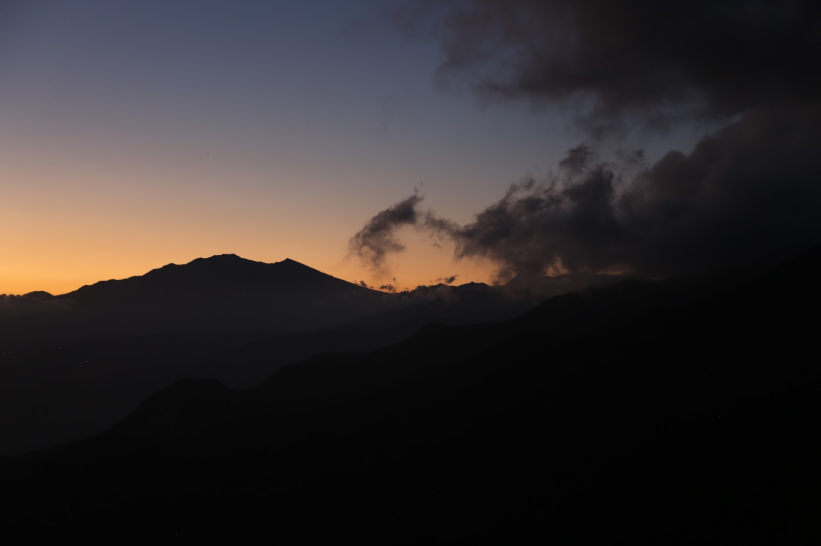
Panama vs Costa Rica for Backpackers, The Giant Detailed Comparison Nobody Gives You Before You Go

For years, Costa Rica has dominated backpacker conversations about Central America. Mention tropical backpacking and people immediately imagine surfboards strapped to hostel walls, yoga retreats in jungle towns, sloths hanging from trees, volcanoes surrounded by cloud forest, and expensive smoothie bowls served to digital nomads with laptops. Costa Rica became one of the world’s most recognizable eco tourism destinations long before most travelers seriously considered neighboring Panama.

Yet something interesting happens when backpackers actually visit both countries.

A surprising number quietly leave Panama saying the same thing: “Why does nobody talk about this place more?”

Panama often feels like the less famous sibling standing beside a celebrity brother. Costa Rica gets the magazine covers, the influencer attention, the endless travel documentaries, and the international eco tourism branding. Panama quietly sits next door with rainforests, islands, cloud forests, surfing, wildlife, mountains, indigenous cultures, scuba diving, Caribbean beaches, Pacific beaches, tropical islands, and jungle hostels that sometimes feel far more raw and authentic than their Costa Rican equivalents.

And then there is the biggest factor for backpackers: money.

Costa Rica has become expensive. Not just slightly expensive for Central America, but in some regions genuinely comparable to parts of the United States or Western Europe. Backpackers arrive expecting low prices because they are in Central America, then suddenly find themselves paying fifteen dollars for brunch, sixty dollars for shuttle buses, and hostel prices that feel more like boutique hotels.

Panama, meanwhile, still often feels financially manageable.

This does not mean Panama is dirt cheap. Those days are mostly gone across much of Central America. But Panama generally gives backpackers significantly more breathing room. The difference becomes more noticeable the longer you travel.

A week in Costa Rica may not feel dramatically more expensive. A month absolutely will.

The fascinating part is that the two countries share many similarities geographically. Both contain lush tropical ecosystems packed with wildlife. Both have coastlines on the Caribbean and Pacific. Both offer volcanoes, waterfalls, surfing, diving, snorkeling, jungle hikes, and incredible biodiversity. Both are considered relatively safe by regional standards. Yet the experience of traveling through them feels completely different once you begin dealing with transportation, accommodation, food prices, tourism culture, and daily logistics.

Costa Rica feels polished. Panama feels more flexible.

Costa Rica often feels curated for international tourism. Panama still frequently feels like a country that happens to contain incredible travel experiences rather than a country designed entirely around tourism itself.

That distinction changes almost everything.

One of the first things backpackers notice is accommodation pricing. Costa Rica’s popularity has pushed hostel prices steadily upward over the years. In famous destinations like Santa Teresa, Tamarindo, La Fortuna, Monteverde, or Manuel Antonio, dorm beds regularly cost prices that shock travelers expecting “budget Central America.” During high season, some hostel dorms begin approaching hotel prices in neighboring countries.

The atmosphere in these places can feel highly internationalized. Smoothie cafes, coworking spaces, surf camps, vegan restaurants, boutique coffee shops, yoga retreats, and luxury eco lodges dominate many tourist areas. In some Costa Rican beach towns, you hear more English than Spanish.

Panama’s hostel scene feels different. There are certainly touristy places, especially around Bocas del Toro and sections of Panama City, but much of the country still retains a more locally integrated atmosphere. Backpacker infrastructure exists without feeling completely overwhelming.

This becomes especially obvious in mountain and jungle destinations. Around places like Lost and Found Hostel, the experience often feels more connected to the surrounding environment rather than carefully engineered tourism. Travelers stay deep in cloud forest surrounded by wildlife, mist, and jungle sounds rather than giant tourism ecosystems built around package activities.

Accommodation in Panama generally gives better value overall. Hostel dorms commonly range from roughly ten to twenty dollars depending on location and season. Private rooms can still remain surprisingly affordable in many regions. In Costa Rica, especially in highly developed tourist destinations, prices climb quickly.

The problem is not only accommodation itself. It is how quickly small daily costs compound in Costa Rica.

Food becomes one of the biggest budget drains.

Costa Rica absolutely has good food, but many backpackers arrive expecting ultra cheap meals and quickly realize tourist regions operate on very different pricing systems. In popular beach towns, breakfast alone can easily cost what an entire day of meals might cost elsewhere in Central America.

Costa Rican local restaurants called sodas still provide affordable meals compared to tourist restaurants, but even these often cost noticeably more than equivalent meals in Panama. A backpacker eating casually in Costa Rica can slowly burn through money without even realizing it because individual purchases do not initially seem outrageous. Then suddenly the weekly budget has disappeared.

Panama tends to feel more forgiving financially. Local fondas serve large portions of rice, beans, chicken, fish, plantains, salad, and soup at prices that still feel genuinely reasonable. Street food remains common and accessible. Grocery shopping also tends to feel cheaper.

One underrated advantage is Panama’s use of the US dollar. Backpackers often underestimate how psychologically helpful this becomes. There is no constant currency conversion happening mentally every time you buy something. Budgeting becomes simpler and more transparent.

Transportation reveals another enormous difference between the countries.

Panama’s transportation system works surprisingly well for backpackers. Long distance buses are cheap, frequent, and relatively straightforward. It is entirely possible to travel across major sections of the country for remarkably little money. Local buses, though sometimes chaotic, remain extremely affordable.

Costa Rica’s transportation network is functional but can feel frustratingly inefficient depending on your route. Distances that appear short on maps often become long exhausting travel days due to mountain roads and indirect routes. Backpackers frequently end up relying on tourist shuttle systems instead of public buses simply to save time.

Those shuttle prices add up brutally.

A traveler moving repeatedly between Costa Rican tourist hotspots can spend enormous amounts purely on transportation. In Panama, transportation rarely feels like the main financial enemy.

This difference becomes even more dramatic for travelers considering rental cars. Costa Rica’s rental car situation has developed a near legendary reputation among backpackers and tourists. Initial online prices may appear affordable, but mandatory insurance and hidden fees frequently explode the final cost far beyond expectations.

Panama generally feels less punishing in this regard.

Activities create another major divide.

Costa Rica has perfected eco tourism. The country deserves enormous credit for this. National parks are well maintained, guides are excellent, conservation systems are sophisticated, and wildlife tourism infrastructure is world class. You can zipline through cloud forests, raft jungle rivers, hike volcanoes, watch sea turtles nest, surf famous waves, and spot sloths with highly organized efficiency.

But every activity carries a price tag.

And often not a small one.

In Costa Rica, nature sometimes begins feeling monetized. Waterfalls require entrance fees. National parks require entrance fees. Guided hikes require entrance fees. Parking requires fees. Wildlife tours require fees. Even beaches occasionally feel surrounded by tourism businesses charging for every layer of the experience.

Panama often feels less commercialized. Many beaches remain relatively undeveloped. Hiking opportunities frequently feel more open ended. Nature experiences can happen spontaneously without needing structured packages.

This does not necessarily mean Panama’s tourism infrastructure is “better.” In fact, Costa Rica is objectively easier for first time travelers wanting convenience and organization. But Panama often creates stronger feelings of discovery because not every experience feels packaged.

Wildlife experiences illustrate this perfectly.

Costa Rica’s wildlife tourism machine is incredibly polished. Guides carrying spotting scopes help tourists photograph sloths, frogs, snakes, toucans, and monkeys with astonishing efficiency. It works extremely well.

Panama’s wildlife experiences often feel less predictable and therefore more adventurous. You may spend a night in cloud forest hearing howler monkeys roar through misty mountains while spotting bioluminescent fungi and nocturnal mammals almost by accident. Encounters feel more organic and less scheduled.

For backpackers seeking rawness and unpredictability, Panama can feel deeply rewarding.

The social atmosphere differs enormously too.

Costa Rica has one of the strongest backpacker circuits in the Americas. Travelers constantly move between identical famous destinations, creating highly social hostel environments where meeting people becomes effortless. Surf towns, yoga communities, party hostels, and digital nomad hubs generate nonstop social opportunities.

This is fantastic for many travelers. Solo backpackers often find Costa Rica incredibly easy socially.

Panama feels quieter. Backpackers still connect easily, but the country lacks the same nonstop conveyor belt of international travelers. Some people love this because interactions feel more genuine and less transient. Others find it less exciting.

Interestingly, Panama also attracts a slightly different type of traveler in many regions. Costa Rica often draws first time backpackers seeking comfortable adventure. Panama frequently attracts travelers specifically trying to avoid overtourism.

Even the landscapes somehow feel psychologically different despite geographic similarities.

Costa Rica often feels intensely green, polished, and organized. Panama can feel wilder, moodier, and more mysterious. Dense cloud forests, isolated mountain roads, hidden Caribbean islands, and remote jungle regions create a stronger sense that unexplored corners still exist.

This becomes especially obvious outside major destinations. Much of Panama still feels largely untouched by mass tourism. Entire regions remain barely discussed internationally despite extraordinary biodiversity and scenery.

Then there is the matter of cities.

San José, Costa Rica’s capital, is often treated mainly as a transportation hub by travelers. Many backpackers leave immediately after arrival.

Panama City surprises people.

Panama City feels modern, energetic, and oddly futuristic compared to expectations many travelers carry about Central America. Massive skyscrapers rise beside colonial neighborhoods while tropical rainforest exists astonishingly close to urban areas. The city’s metro system feels more advanced than what many travelers expect even in wealthier countries.

This creates another subtle difference between the countries. Costa Rica’s tourism identity revolves heavily around nature while urban areas often feel secondary. Panama offers both strong nature travel and a genuinely interesting capital city experience.

Internet and infrastructure also matter increasingly for modern backpackers.

Costa Rica’s digital nomad culture is extremely developed. Coworking cafes, remote work communities, and internet focused hostels are widespread.

Panama quietly competes very well here too, particularly in Panama City and many established traveler destinations. In some ways Panama’s overall infrastructure actually feels more developed than Costa Rica’s, particularly regarding roads, banking, and telecommunications.

Safety comparisons become interesting as well.

Both countries are generally considered among the safer destinations in Latin America for travelers. Petty theft exists in both, especially in tourist areas, but violent crime against tourists remains relatively uncommon compared to parts of the region.

Costa Rica has cultivated a particularly strong international image of peaceful eco paradise. Panama receives less international attention despite often feeling equally manageable for travelers.

Many backpackers also underestimate Panama’s diversity. Indigenous regions, Afro Caribbean culture, modern urban districts, remote mountain villages, island communities, and dense rainforest all coexist within a relatively compact country.

Costa Rica’s tourism infrastructure sometimes creates a smoother experience. Panama’s diversity often creates a more surprising one.

The strangest part of comparing the two countries is realizing how many travelers arrive expecting Costa Rica to obviously dominate, only to leave deeply impressed by Panama instead.

Costa Rica absolutely deserves its reputation. It remains one of the world’s great eco tourism destinations for good reason. The country invested heavily in conservation long before many others took environmental tourism seriously. Its national parks and wildlife protections are genuinely admirable.

But popularity changes places.

As tourism grows, prices rise. Infrastructure expands. Crowds increase. Hidden places become famous. Backpacker towns evolve into international tourism economies.

Panama still feels earlier in that process.

There are still moments in Panama where travelers genuinely feel they stumbled onto something rather than followed a well worn tourism blueprint. Empty beaches, cloud forest hostels, jungle waterfalls, roadside wildlife encounters, and remote islands often retain a sense of unpredictability increasingly rare in heavily developed destinations.

For budget backpackers, this matters enormously.

Travel becomes psychologically different when you are not constantly calculating every purchase. Panama allows many travelers to relax financially in ways Costa Rica sometimes does not.

In Costa Rica, backpackers often budget carefully just to maintain momentum.

In Panama, they more often feel free to stay longer.

The Secret Kingdom Above the Trees, A Deep Dive Into Every Monkey Species in Panama

Most people exploring the rainforests of Panama spend far too much time looking at the ground. They watch for snakes crossing trails, colorful frogs clinging to leaves, or army ants marching across the forest floor. Meanwhile, an entirely different world exists high above their heads. Hidden in the canopy is a civilization of thieves, acrobats, screamers, strategists, and tiny jungle geniuses. Panama’s monkeys are not just background wildlife. They are among the most intelligent, social, and fascinating animals in the country.

For many travelers, their first monkey encounter in Panama is unforgettable. Perhaps it begins with an eerie roar exploding through the jungle before sunrise. Maybe branches begin shaking violently overhead while unseen animals crash through the trees. Sometimes a white faced monkey suddenly appears near a trail, staring directly at humans with disturbingly intelligent eyes, clearly evaluating whether they might have food worth stealing.

Panama is one of the best places in Central America to see monkeys because the country still contains large stretches of tropical forest connecting North and South American ecosystems. The nation acts as a biological bridge, allowing species from both continents to thrive. Dense rainforests, mangroves, cloud forests, islands, lowland jungle, and mountain habitats all support different primate populations.

The fascinating thing about Panama’s monkeys is how dramatically different they are from one another. Some are loud enough to sound like monsters from a dinosaur movie. Others are so silent and hidden that even experienced wildlife guides rarely see them. Some spend most of their lives eating leaves and sleeping. Others behave like hyper intelligent gangs constantly plotting theft and chaos.

Scientists often describe monkeys as ecosystem engineers because they shape the rainforest itself. Every fruit eaten, every seed dropped, and every movement through the canopy influences how the forest grows. In many ways, Panama’s forests exist partly because monkeys help maintain them.

The Mantled Howler Monkey, The Jungle’s Living Alarm System

Mantled Howler Monkey are the undisputed kings of jungle noise. Their roar is one of the most extraordinary sounds in nature and often becomes one of the defining memories travelers take home from Panama.

The first time people hear howler monkeys in the wild, they rarely guess correctly what they are hearing. Visitors imagine giant predators, wild pigs, or even machinery echoing through the forest. The sound is deep, guttural, and shockingly loud. In still jungle air, the calls can carry several kilometers.

What makes this even more astonishing is that howler monkeys are not particularly aggressive or energetic animals. They are actually among the laziest monkeys in Panama.

Their leaf heavy diet explains much of this behavior. Leaves contain relatively little energy compared to fruit, forcing howlers to conserve calories. Instead of constant movement, they spend enormous amounts of time resting, digesting, and lounging in trees. A troop may remain in roughly the same area for hours while occasionally feeding and calling.

To compensate for their low energy lifestyle, evolution gave them specialized vocal anatomy. Enlarged throat bones act like natural amplifiers, creating the booming roar that makes them famous. Their calls help establish territory and avoid direct fights with neighboring groups. Instead of wasting energy battling, rival troops essentially yell at one another from long distances.

Interestingly, howler monkeys are among the few New World monkeys with fully prehensile tails. Their tails are so strong they can support the monkey’s entire body weight. Watching one hang effortlessly from a branch by its tail while lazily eating leaves looks almost unreal.

Despite their size and loudness, howlers are surprisingly peaceful. They often tolerate close observation and may simply stare calmly at humans from the canopy. Their facial expressions sometimes appear oddly thoughtful, almost philosophical.

Many Panamanians living near forests grow so accustomed to howler calls that they use them almost like natural clocks. In some rural regions, the jungle literally wakes people up before sunrise.

Howler monkeys are excellent swimmers compared to many primates. On islands and river systems, they occasionally cross water surprisingly well. Scientists believe some island populations may have originally arrived by swimming or rafting naturally across flooded areas.

Another fascinating fact is that howler monkeys possess color vision similar to humans in some populations. This helps them distinguish young nutritious leaves from older tougher ones.

The best places to see howlers in Panama include Soberanía National Park, Bocas del Toro, and many Pacific coastal forests where their calls echo through the trees every morning.

The White Faced Capuchin, The Criminal Mastermind of the Rainforest

White Faced Capuchin are arguably the smartest monkeys in Panama and possibly the most entertaining wildlife travelers encounter.

Everything about capuchins feels intense. They move constantly, investigate everything, and display endless curiosity. Unlike slow moving howlers, capuchins rarely seem relaxed. Their entire existence appears powered by caffeine and criminal ambition.

These are the monkeys most likely to rob tourists.

Throughout Central America, capuchins have developed legendary reputations for stealing food, opening bags, snatching sunglasses, and causing general chaos around humans. In some tourist areas they have become astonishingly bold. Experienced guides often warn visitors to guard their belongings carefully because capuchins quickly learn which humans are careless.

Part of this behavior comes from their incredible intelligence. Scientists studying capuchins have discovered advanced problem solving skills, tool use, social learning, and even evidence of cultural traditions passed between generations. Some populations use rocks to crack nuts or manipulate objects in surprisingly sophisticated ways.

Capuchins possess large brains relative to body size, and their social systems are extremely complex. Troops contain intricate hierarchies, alliances, and rivalries. Individual monkeys remember relationships and social status within the group.

Watching a troop move through the canopy feels almost military. Scouts search ahead while others forage, groom, or play. Young monkeys wrestle constantly while adults remain alert for predators and opportunities.

Capuchins are omnivorous opportunists. Fruit forms much of their diet, but they also consume insects, frogs, crabs, bird eggs, lizards, and small mammals. Some even wash food in water before eating it, a behavior once thought unique to humans and a few other species.

One of the strangest facts about capuchins is their fascination with strong smelling substances. Researchers have observed them rubbing crushed insects, citrus, and plants into their fur, possibly as insect repellent or social bonding behavior.

Capuchins are also notorious pranksters within their own troops. Young individuals steal food from each other constantly and test social boundaries through play fighting and teasing.

In Panama, they thrive in a wide variety of habitats from coastal forests to islands and mainland jungle. Around places like Coiba National Park, capuchins are often among the easiest monkeys to observe.

Yet despite their adaptability, capuchins can become dangerously aggressive when tourists feed them. Human food alters their behavior and increases conflict. A monkey that begins as cute and curious can quickly become territorial and unpredictable.

Geoffroy’s Spider Monkey, The Olympic Athlete of the Jungle

Geoffroy's Spider Monkey are perhaps the most visually impressive monkeys in Panama. Watching spider monkeys move through trees can feel almost impossible from a physics perspective.

They are built for speed, balance, and aerial movement. Long limbs stretch dramatically between branches while powerful tails function almost like extra arms. Unlike most monkeys, spider monkeys have reduced thumbs, allowing hook like hands perfectly adapted for swinging through the canopy.

Their tails are extraordinary. The underside near the tip is hairless and packed with nerve endings, creating an incredibly sensitive gripping surface. Spider monkeys can hang entirely by their tails while reaching for fruit with both hands.

Among Panama’s monkeys, spider monkeys are probably the most graceful. They glide through the forest canopy with fluid elegance while other species crash, leap, or stumble comparatively clumsily.

Spider monkeys also possess some of the most advanced social systems among New World monkeys. Troops frequently split into smaller temporary groups depending on food availability. This flexible structure helps reduce competition while foraging.

Unlike noisy howlers, spider monkeys often communicate with surprisingly subtle vocalizations including whinnies, barks, and squeals. However, when alarmed they can become extremely loud and chaotic.

One fascinating detail is that spider monkeys are obsessive fruit specialists. They rely heavily on ripe fruit and travel enormous distances searching for it. Because of this, they play a critical role in rainforest seed dispersal. Some tropical tree species depend almost entirely on large animals like spider monkeys to spread seeds effectively.

Spider monkeys are also among the most emotionally expressive primates in Panama. Their facial expressions and body language often appear startlingly human. Mothers form particularly strong bonds with offspring, and juveniles remain dependent for long periods.

Unfortunately, spider monkeys are also among the most vulnerable monkeys in Panama. Because they require large areas of healthy forest and reproduce relatively slowly, habitat destruction impacts them severely. Hunting pressure in some regions has also reduced populations.

Remote forests like Darién National Park remain some of the best places to encounter them.

Geoffroy’s Tamarin, The Tiny Hyperactive Survival Expert

Geoffroy's Tamarin are among the smallest monkeys in Panama, but what they lack in size they compensate for with speed, intelligence, and pure nervous energy.

Tamarians seem permanently caffeinated. They dart through vegetation with frantic movements, constantly searching bark, vines, and leaves for insects and food. Unlike larger monkeys dominating the upper canopy, tamarins often occupy lower forest levels and edge habitats.

Their small size creates enormous challenges. Virtually everything in the rainforest wants to eat them. Snakes, hawks, cats, and larger mammals all view tamarins as potential prey.

As a result, tamarins evolved extraordinary vigilance. Troops maintain constant communication through chirps, whistles, and squeaks. A single sign of danger can send the entire group exploding into dense vegetation instantly.

One fascinating fact is that tamarins frequently give birth to twins, unusual among primates. Carrying and caring for twins requires significant cooperation within the troop. Fathers and siblings often help transport infants, creating strong family dynamics.

Their agility allows them to access branches too thin for heavier monkeys, opening feeding opportunities unavailable to larger species. They consume insects, fruit, nectar, tree sap, and small vertebrates.

Tamarians are also surprisingly adaptable to human altered landscapes. Some populations survive near towns and disturbed forests better than larger primates.

Despite their tiny size, tamarins are fearless mobbers of predators. Groups sometimes harass snakes or birds of prey collectively to drive them away.

The Mysterious Night Monkey, Panama’s Hidden Nocturnal Primate

Night Monkey may be the least known monkey in Panama and certainly among the hardest to see.

Unlike most monkeys, night monkeys are primarily nocturnal. They emerge after sunset with enormous eyes adapted for low light conditions. Their soft gray fur and quiet movements allow them to disappear almost completely into darkness.

Night monkeys live secretive lives hidden from both predators and humans. Many people spend years exploring Panama’s forests without ever encountering one.

Their calls are soft and haunting compared to the explosive sounds of howlers. During nighttime forest walks, guides sometimes identify them first by subtle movement or reflected eyeshine high in the canopy.

One especially unusual feature of night monkeys is their strong family bonds. Males participate heavily in infant care, carrying babies for much of the time while mothers mainly nurse.

Because they remain so poorly studied compared to other monkeys, much about their behavior remains mysterious.

Monkey Intelligence, How Smart Are Panama’s Primates?

Many travelers underestimate how intelligent monkeys truly are. Capuchins especially demonstrate problem solving abilities comparable to some great apes in certain tasks.

Studies suggest monkeys understand social relationships, recognize individuals, remember past interactions, and adapt strategies depending on circumstances.

Some species even display personality differences. Certain monkeys are bold, others shy. Some are highly social while others remain solitary or aggressive.

There is growing evidence that monkey societies contain traditions passed culturally between generations rather than purely through instinct.

The Dangerous Relationship Between Monkeys and Humans

Although monkeys appear playful and approachable, human interaction often harms them.

Feeding monkeys creates dependency, aggression, and disease transmission risks. Capuchins that associate humans with food may become increasingly bold and dangerous.

Habitat destruction remains the greatest threat overall. Roads, agriculture, logging, and development fragment forests, isolating monkey populations and reducing genetic diversity.

Yet ecotourism also provides hope. Protected areas and wildlife tourism generate incentives for conservation across Panama.

The Best Places in Panama for Monkey Watching

Panama offers extraordinary monkey viewing opportunities.

Soberanía National Park is one of the easiest accessible wildlife areas near Panama City, famous for monkeys and birdlife.

Bocas del Toro offers island forests filled with howlers and capuchins.

The misty cloud forests around Lost and Found Hostel occasionally produce unforgettable monkey encounters echoing through the foggy canopy.

And deep within Darién National Park, some of the wildest monkey populations in Central America still survive in ancient rainforest largely unchanged for centuries.

The Jungle Would Feel Empty Without Them

Monkeys give Panama’s forests personality. They provide noise, movement, unpredictability, and intelligence to the canopy. Without them, the rainforest would still be beautiful, but strangely silent and lifeless.

Every crashing branch overhead, every distant roar before dawn, and every sudden glimpse of eyes peering through leaves reminds travelers that the forest is not just scenery. It is an active society unfolding constantly above the trails.

And somewhere high in the canopy, hidden by vines and mist, Panama’s monkeys continue their endless dramas of survival, theft, family, conflict, and curiosity, mostly unseen by the humans passing quietly below.

The Rare Cacomistle of the Panamanian Cloud Forest

Most travelers who visit the cloud forests of Panama hope to see the obvious stars of the jungle. They dream about toucans gliding overhead, sloths hanging lazily from Cecropia trees, or troops of monkeys crashing noisily through the canopy. Few people arrive searching for the cacomistle, partly because many have never even heard of it. Yet among serious wildlife enthusiasts and dedicated night hikers, the cacomistle has quietly become one of the most exciting and elusive mammals to spot in Panama.

The cacomistle feels almost mythical. It looks like someone combined a raccoon, a cat, a lemur, and a fox into one strange nocturnal creature. With its enormous dark eyes, pointed face, ringed tail, and astonishing agility, the animal seems designed specifically for life in the shadows of the cloud forest. Even experienced naturalists can spend years exploring Central American forests without ever seeing one.

That rarity is exactly what makes sightings so thrilling around Lost and Found Hostel. Deep within the misty mountains of western Panama, surrounded by dense cloud forest dripping with moss and bromeliads, the hostel has developed a reputation among backpackers and wildlife lovers as one of the few places where a lucky visitor might actually encounter a cacomistle. The keyword, however, is lucky.

Unlike animals that actively seek attention, cacomistles seem built to avoid it entirely. They are mostly nocturnal, intensely cautious, and extraordinarily quiet. During the day they disappear into tree cavities, dense vegetation, or hidden branches high above the forest floor. At night they emerge like ghosts, slipping silently through the canopy with movements so smooth they barely disturb the leaves around them.

Many people confuse cacomistles with kinkajous or olingos, two other mysterious rainforest mammals found in Panama. At a quick glance in flashlight beams, all three can appear similar. But the cacomistle has a distinct elegance that sets it apart. Its body is slender and catlike, yet it belongs to the raccoon family. Its long tail, decorated with pale rings, acts almost like a balancing pole as it navigates narrow branches in darkness. Watching one move through the trees is like watching liquid shadow flow through the forest.

One reason cacomistles are so rarely seen is that they are masters of vertical living. While many mammals move visibly across the forest floor, cacomistles spend much of their lives above human eye level. Even when one is nearby, you may never know it. They can move through the canopy with astonishing stealth while hikers walk directly underneath.

The cloud forests surrounding Lost and Found Hostel provide ideal habitat for these elusive creatures. The dense vegetation, cooler mountain temperatures, abundant epiphytes, and rich biodiversity create a hidden world perfectly suited to nocturnal mammals. At night the forest transforms completely. Fog drifts between the trees, insects scream from the darkness, and strange eyeshine occasionally reflects back from branches. It is during these nighttime hours that cacomistles sometimes reveal themselves.

Guests at the hostel occasionally report sudden sightings during guided night hikes or even while walking between cabins after dark. Often the encounter lasts only seconds. Someone notices movement overhead, a flashlight catches the striped tail, and then the animal vanishes into foliage almost instantly. These brief encounters tend to become legendary stories repeated among travelers for years afterward.

Part of what makes cacomistles so fascinating is how little most people know about them. Unlike jaguars, sloths, or monkeys, cacomistles rarely appear in documentaries or tourism campaigns. They exist in a strange hidden category of rainforest life that only dedicated wildlife watchers eventually discover. Spotting one feels less like seeing a tourist attraction and more like stumbling upon a secret.

Their large eyes are specially adapted for nighttime activity, allowing them to navigate almost complete darkness. Their hearing is incredibly sharp, helping them detect insects, small vertebrates, and movement among branches. Cacomistles are omnivores and surprisingly adaptable feeders. They eat fruits, insects, rodents, eggs, birds, and small reptiles depending on what is available. In many ways they are opportunistic survival experts of the cloud forest.

Despite their raccoon ancestry, cacomistles are far more graceful climbers than the clumsy trash raiding raccoons many people imagine. Their ankles can rotate in ways that allow them to descend trees headfirst, similar to squirrels. Combined with their balance and agility, this makes them astonishingly capable canopy acrobats.

The forests of Panama are filled with animals that remain hidden from casual visitors. That is one reason the country feels so biologically alive. A forest may appear quiet on the surface while containing an entire invisible world overhead. Cacomistles are perfect examples of this hidden rainforest dimension. They remind travelers that the jungle still contains mystery.

For wildlife photographers, the cacomistle represents a dream sighting. Even professionals working in tropical forests may never capture a clear image. Their nocturnal behavior, rapid movements, and preference for dense canopy make photography extremely difficult. Most sightings happen too quickly for cameras anyway. Usually all that remains afterward is excitement, disbelief, and perhaps one blurry photo that somehow makes the encounter feel even more mysterious.

Interestingly, cacomistles are not necessarily critically endangered in Panama, but they are naturally uncommon and difficult to observe. Habitat destruction poses a long term threat, especially as forests become fragmented. Animals that depend heavily on connected canopy systems can struggle when development cuts gaps into the forest. Protected cloud forests therefore become increasingly important refuges for elusive species like these.

What makes Lost and Found Hostel especially interesting for wildlife enthusiasts is that the surrounding environment remains remarkably intact. The isolation of the forest creates opportunities for encounters with species that disappear quickly from more disturbed areas. Travelers there often come hoping to disconnect from civilization, but many leave talking about unexpected encounters with wildlife instead.

The atmosphere itself adds to the legend of the cacomistle. Cloud forests already feel dreamlike during the day, with drifting fog, moss covered branches, and constant moisture hanging in the air. At night the environment becomes almost surreal. Every sound feels amplified. Every movement in the trees sparks curiosity. Under those conditions, seeing a cacomistle can feel less like ordinary wildlife observation and more like encountering a creature from folklore.

For many nature lovers, rarity adds value to an experience. Seeing ten monkeys may be exciting, but glimpsing an animal that most visitors never even hear about creates a completely different feeling. The cacomistle occupies that category of wildlife that serious travelers quietly hope for while understanding it may never happen.

And perhaps that is exactly why the animal remains so captivating. The cacomistle is not guaranteed. There are no scheduled feeding times, no fenced viewing areas, and no promises. It appears only on its own terms, hidden deep within Panama’s misty forests. For a few lucky travelers staying at Lost and Found Hostel, however, the phantom sometimes steps briefly out of the darkness, reminding everyone that the rainforest still holds secrets waiting high in the canopy.

Toucans in Panama, The Loud Beaked Celebrities of the Rainforest

Few animals capture the imagination of travelers in Panama quite like the toucan. With their oversized rainbow colored beaks, cartoonish appearance, and strange croaking calls echoing through the jungle canopy, toucans feel almost unreal when you first see one in the wild. For many visitors, spotting a toucan becomes one of the defining moments of their trip to Panama. You can spend days hiking through rainforest listening to insects, frogs, and distant monkeys, then suddenly a toucan glides overhead looking like a flying piece of tropical artwork.

Panama is one of the best countries in the world to see toucans. The country's position as a biological bridge between North and South America means it contains an incredible variety of habitats packed into a relatively small area. Cloud forests, Caribbean lowlands, Pacific rainforest, and mountain jungle all support different species of toucans and toucanets. In some parts of Panama, locals barely notice them anymore because they are so common, while travelers may stand frozen in awe staring upward with binoculars for half an hour.

The most famous species in Panama is the Keel billed Toucan, often considered the classic “fruit loop toucan” because of its enormous green, orange, blue, and red beak. This is the species most often used in advertisements, cartoons, and tropical imagery. Seeing one in real life is even more impressive because the colors are shockingly bright against the deep jungle greens. Their bodies are mostly black with bright yellow chests and flashes of red under the tail. Despite the massive beak, they are surprisingly graceful flyers, gliding between trees with slow wingbeats.

Another spectacular species is the Chestnut mandibled Toucan, also known as the Yellow throated Toucan. This species is larger and has a more dramatic booming croak that can sound almost prehistoric. Their calls often echo through the forest before you ever see them. Many travelers hear toucans long before they manage to spot them because these birds tend to stay high in the canopy.

Panama is also home to smaller relatives called toucanets. These birds are more compact, often bright green, and can be even harder to spot because they blend perfectly into the foliage. The Emerald Toucanet is especially beautiful in the cloud forests around Boquete and Chiriquí Highlands. In misty mountain forests filled with moss and orchids, seeing a glowing green toucanet perched quietly among bromeliads feels almost magical.

One surprising fact about toucans is that their giant beaks are incredibly lightweight. The beak looks heavy enough to topple the bird over, but it is made of a honeycomb like structure filled mostly with air pockets. Scientists believe the beak helps regulate body temperature, almost like a built in cooling system. In the tropical heat of Panama, this adaptation is extremely useful. The beak also helps toucans reach fruit on thin branches that would not support their body weight.

Toucans are primarily fruit eaters, which makes them extremely important to Panama’s forests. They swallow fruits whole and later spread seeds throughout the jungle. In many ways, toucans help plant the rainforest itself. Without birds like toucans moving seeds across long distances, many tropical tree species would struggle to spread. They are essentially flying gardeners of the rainforest.

That said, toucans are not strict vegetarians. They are opportunistic feeders and sometimes eat insects, frogs, lizards, eggs, and even baby birds. This surprises many people who imagine them as gentle fruit lovers. In reality, toucans are intelligent and adaptable survivors. Nature in Panama is rarely as cute and innocent as it first appears.

One of the best places in Panama to see toucans is the cloud forest region around Boquete. The forests here are cooler, mistier, and filled with fruiting trees that attract numerous bird species. Early morning is the best time to search. As the jungle wakes up, toucans begin moving through the canopy feeding and calling to one another. Their croaks, yelps, and rattling sounds can travel surprisingly far through mountain valleys.

Another outstanding area is the forests surrounding Lost and Found Hostel. This famous jungle hostel sits within cloud forest habitat where travelers frequently encounter toucans, especially during early morning hikes. The combination of dense forest, fruiting trees, and relative quiet creates excellent birdwatching conditions. Even people with no birding experience often manage to spot toucans there because the calls are so loud and distinctive. Watching mist roll through the trees while toucans call overhead is one of those experiences that stays in your memory long after leaving Panama.

The Caribbean side of Panama is another fantastic region for toucans. Around Bocas del Toro, toucans are regularly spotted in forest edges and secondary jungle. The humid lowland rainforest here supports abundant fruit trees, and toucans often move between jungle patches near lodges and roadsides. Sometimes the easiest sightings happen while simply eating breakfast outdoors.

In Soberanía National Park near Panama City, birdwatchers from around the world come searching for toucans along Pipeline Road, one of the most famous birdwatching roads on Earth. This area contains astonishing biodiversity. A single morning walk can reveal monkeys, sloths, trogons, motmots, and several species of toucans if conditions are right.

The best time of day to see toucans is almost always early morning. Around sunrise the forest becomes active with feeding activity and vocalizations. Midday heat often quiets the jungle considerably. Late afternoon can also be productive, especially before sunset when birds begin moving again.

One mistake many travelers make is constantly scanning the forest floor. Toucans spend most of their time high in the canopy. Instead of looking down the trail, look upward toward fruiting trees and gaps in the canopy. Often you first notice movement, then the unmistakable shape of a huge colorful beak emerges from the leaves.

Listening is just as important as looking. Toucans are noisy birds. Some calls sound like frogs croaking through a megaphone. Others resemble barking, rattling, or yelping. Experienced guides often identify toucans purely by sound long before anyone else notices them.

Hiring a local guide dramatically increases your chances of seeing toucans and other wildlife in Panama. Guides know which trees are fruiting, where birds have been nesting, and how to distinguish calls hidden within the overwhelming noise of the rainforest. Many visitors are shocked when guides point out birds sitting in plain sight that they somehow completely missed.

Weather also matters. Cloudy mornings can actually improve sightings because birds may remain active longer before the heat builds. Heavy rain, however, often reduces activity temporarily. Panama’s rainy season transforms forests into lush green worlds overflowing with life, though trails can become muddy and visibility more difficult.

Photographing toucans can be surprisingly challenging. They often perch in deep shade high above the ground while moving constantly between branches. A zoom lens helps enormously, but patience matters more than expensive equipment. Sometimes the best strategy is simply waiting quietly near a fruiting tree.

Despite their beauty, toucans face threats from habitat destruction and illegal wildlife trade. Deforestation remains one of the biggest dangers to tropical bird populations across Central America. Fortunately, Panama still retains significant forest cover compared to many neighboring countries, and ecotourism has helped create economic incentives for conservation. National parks and private reserves protect large areas of toucan habitat.

Toucans also hold an important place in tropical culture and tourism. Their image appears on souvenirs, murals, advertisements, and logos throughout Panama. They have become symbols of wild tropical nature itself. Yet seeing a real toucan in the wild is completely different from seeing one printed on a coffee mug. The movement, the sound, the ridiculous size of the beak, and the sudden burst of color against jungle leaves make the experience unforgettable.

One fascinating detail many people do not realize is how social toucans can be. They are often seen in pairs or small groups hopping awkwardly through branches. Despite their graceful flight, they can look almost clumsy while climbing around trees. They sometimes toss fruit into the air before swallowing it whole.

Their nesting habits are also unusual. Toucans often nest in tree cavities, including abandoned woodpecker holes. The female lays eggs inside the hollow trunk, and both parents help feed the chicks. Baby toucans hatch with much smaller beaks that gradually grow into the oversized structures adults are famous for.

If you truly want the best chance of seeing toucans in Panama, slow down. Many travelers rush between destinations, but wildlife experiences often reward patience more than movement. Sit quietly with coffee at sunrise overlooking the forest canopy. Listen carefully. Watch the treetops instead of your phone. Eventually the jungle begins revealing itself.

And when you finally see that giant colorful beak emerging from the rainforest mist, you suddenly understand why toucans have become one of the defining symbols of tropical America. They are loud, strange, beautiful, and completely unforgettable, much like Panama itself.