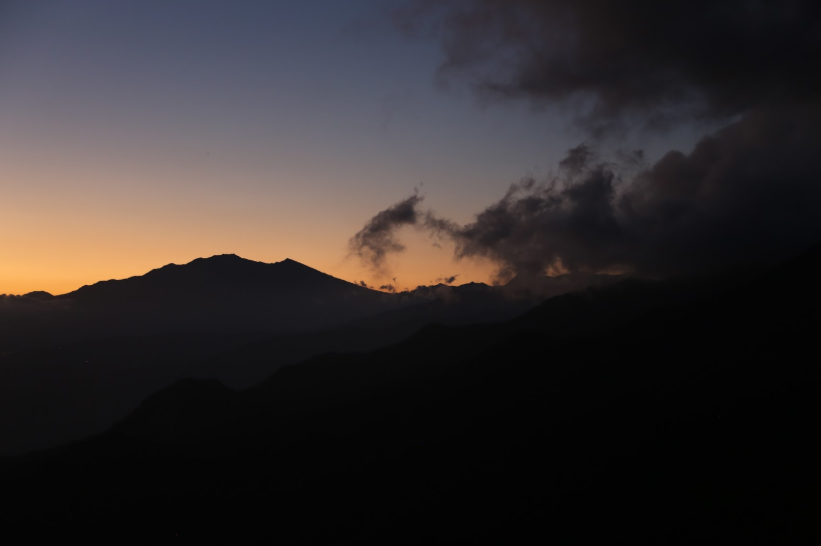
El Valle de Antón: een avontuurlijke speeltuin voor jonge backpackers in Panama

El Valle de Antón is zo’n plek in Panama waar je gemakkelijk je reisplannen vergeet. Je komt misschien aan met het idee om twee nachten te blijven, een wandeling te maken, een waterval te bekijken en daarna verder te reizen. Maar dan vertelt iemand in je hostel over een andere berg, een verborgen zwemplek of een leuke fietstocht. Voor je het weet, ben je alweer aan het kijken hoe je een paar extra dagen in je schema kunt passen.

El Valle ligt in een enorme oude vulkaankrater en wordt omringd door groene bergen en tropisch bos. Het klimaat is koeler dan in veel andere delen van Panama, waardoor wandelen hier bijzonder aangenaam kan zijn. Voor jonge backpackers is het vooral de combinatie die het zo leuk maakt. Je kunt er wandelen, zwemmen, fietsen, ziplinen, watervallen bezoeken, dieren zoeken, naar warmwaterbronnen gaan, lokale markten bezoeken en 's avonds gezellig iets eten en drinken met andere reizigers.

La India Dormida beklimmen

De bekendste wandeling van El Valle is waarschijnlijk La India Dormida. De berg heeft de vorm van een slapende vrouw en is vanuit het dal goed herkenbaar. De klim is op sommige stukken behoorlijk steil, maar je krijgt er geweldige uitzichten voor terug.

Eenmaal hoger op de berg kijk je uit over het groene dal en de omliggende bergen. Vooral vroeg in de ochtend is het prachtig. Voor backpackers is het ook een ideale groepsactiviteit. Je ontmoet iemand tijdens het ontbijt, besluit samen te gaan wandelen en een paar uur later sta je met een groep nieuwe vrienden boven op de berg.

Watervallen ontdekken

Rond El Valle liggen verschillende watervallen en kleine rivieren. Chorro El Macho is een van de bekendste en combineert een wandeling door het regenwoud met een indrukwekkende waterval. Chorro Las Mozas is een andere populaire plek, terwijl er in de omgeving ook kleinere plekken zijn waar je wat rustiger kunt genieten van het water.

Vooral tijdens het regenseizoen is het landschap spectaculair groen en kunnen de watervallen enorm krachtig worden. Dat betekent natuurlijk ook dat je voorzichtig moet zijn. Na zware regenval kunnen rivieren en watervallen snel veranderen. Een rustige zwemplek kan ineens behoorlijk wild worden.

Met een zipline door het regenwoud

Voor wie na een wandeling nog energie over heeft, zijn er rond Chorro El Macho mogelijkheden om met een zipline door het bos te vliegen. In plaats van tussen de bomen te lopen, krijg je het regenwoud van bovenaf te zien.

Dit is typisch zo'n activiteit die nog leuker wordt wanneer je met een groep backpackers gaat. De eerste persoon schreeuwt, de tweede probeert een foto te maken en de derde doet alsof hij helemaal niet bang is.

Daarna wil iedereen nog een keer.

Met de fiets door de vallei

Een fiets huren is een geweldige manier om El Valle op eigen tempo te ontdekken. Je kunt door het dorp rijden, naar de markt gaan, een café zoeken, richting de bergen fietsen of gewoon een weg inslaan omdat die er interessant uitziet.

Dat laatste is misschien wel het leukste. Je hoeft niet altijd precies te weten waar je heen gaat. Een fiets geeft je de vrijheid om spontaan te stoppen wanneer je iets interessants ziet.

Voor wie al meerdere dagen heeft gewandeld, kan een elektrische fiets trouwens een bijzonder aantrekkelijke uitvinding zijn.

Ontspannen in de warmwaterbronnen

Na een lange wandeling zijn de Pozos Termales een heerlijke manier om te ontspannen. De warmwaterbronnen zijn eenvoudig en rustiek, maar juist dat past goed bij El Valle.

Je kunt er rustig in het warme water zitten en je vermoeide benen laten herstellen. Er is ook de mogelijkheid om een traditionele modderbehandeling te proberen.

Het resultaat is meestal minder elegant dan een luxe spa, maar aanzienlijk leuker wanneer je met vrienden bent.

Zwemmen in natuurlijke poelen

Een natuurlijke zwemplek vinden in de tropische bergen is een van de leukste kleine avonturen van Panama. Rond verschillende watervallen bij El Valle kun je plekken vinden waar het water zich verzamelt in natuurlijke poelen.

Op een warme dag is er weinig beter dan na een wandeling je schoenen uit te trekken en het water in te springen.

Let wel goed op de omstandigheden. Vooral na zware regen kan stromend water gevaarlijk worden. Als het weer slecht is, kun je beter een andere activiteit kiezen.

De zondagmarkt bezoeken

Ben je op zondag in El Valle, bezoek dan zeker de lokale markt. Je vindt er fruit, groenten, planten, bloemen, orchideeën, handwerk en lokale producten.

Voor backpackers is het bovendien een goede plek om goedkoop iets te eten of vers fruit te halen voor een wandeling.

De markt geeft je ook een kijkje in het dagelijkse leven van de plaatselijke bevolking. Het is een mooie afwisseling met de toeristische kant van Panama.

Op zoek naar de gouden kikker

De gouden kikker van Panama is een van de meest bijzondere dieren van het land. De soort is ernstig bedreigd en El Valle heeft een belangrijke rol gespeeld bij de bescherming en het behoud ervan.

Voor jonge reizigers die geïnteresseerd zijn in dieren en natuur is dit een interessante stop. En als je eenmaal begint te kijken naar de kleinere dieren in het regenwoud, ontdek je dat El Valle veel meer te bieden heeft dan alleen de bekende bergen en watervallen.

Vogels spotten

De bossen rond El Valle zijn ook interessant voor vogelspotters. Je hoeft absoluut geen professionele vogelkenner te zijn om ervan te genieten.

Loop langzaam, kijk omhoog en luister.

Iemand in je groep zal vroeg of laat een vogel ontdekken die je zelf nooit had gezien. Vervolgens probeer je hem terug te vinden tussen tientallen takken en bladeren.

Dat kan verrassend verslavend worden.

Piedra Pintada ontdekken

Tijdens of rond een wandeling bij La India Dormida kun je ook Piedra Pintada bezoeken, een grote rots met oude graveringen.

Het geeft El Valle een extra dimensie. De omgeving draait niet alleen om avontuur en natuur. Er is ook een veel oudere geschiedenis die teruggaat tot de mensen die hier leefden lang voordat er backpackers, hostels en asfaltwegen waren.

Gewoon door het dorp wandelen

Soms is de beste activiteit helemaal geen activiteit.

Loop gewoon door El Valle.

Het dorp is klein genoeg om gemakkelijk te voet te verkennen. Je vindt cafés, restaurants, kleine winkels, tuinen en rustige straten. En vrijwel overal zijn de bergen zichtbaar.

Het koelere klimaat maakt wandelen bovendien bijzonder aangenaam. Na een paar dagen in de hitte van Panama kan een frisse bergmiddag verrassend lekker zijn.

Paardrijden door de bergen

Rond El Valle kun je ook te paard de omgeving verkennen. Dit geeft je een heel ander beeld van het landschap en is een leuke manier om wat verder van het centrum te komen.

Voor backpackers die al dagen hebben gewandeld, is het bovendien prettig om een keer niet zelf elke meter te hoeven lopen.

Kies natuurlijk wel voor een aanbieder die goed voor zijn paarden zorgt.

Een zwaardere wandeling maken

La India Dormida is slechts het begin. Voor reizigers die meer uitdaging zoeken, zijn er andere bergen en wandelroutes rond El Valle, waaronder Cerro Gaital, Cerro La Silla en Cara Iguana.

Hoe verder je van het dorp komt, hoe sterker je het gevoel krijgt dat je echt de jungle in gaat. Je hoort vogels, ziet vlinders en insecten en merkt kleine bewegingen in de begroeiing op.

Daarom is langzaam wandelen vaak veel leuker dan proberen zo snel mogelijk boven te komen.

Een avond met andere backpackers

El Valle is geen tweede Bocas del Toro. Verwacht hier geen enorme clubscene die tot zonsopgang doorgaat.

De avonden zijn veel rustiger, maar juist daardoor kunnen ze heel gezellig zijn. Restaurants, cafés en bars worden plekken waar reizigers na hun avonturen samenkomen.

Iemand vertelt over een waterval die hij heeft gevonden. Een ander wil morgen La India Dormida beklimmen. Een groep zoekt een restaurant. En ineens zit je met mensen aan tafel die je die ochtend nog helemaal niet kende.

Voor veel backpackers is dat precies de sfeer die ze zoeken.

Waarom jonge backpackers El Valle geweldig vinden

Het beste aan El Valle is dat je niet één activiteit hoeft te kiezen. Je kunt alles combineren.

Je kunt vroeg opstaan voor La India Dormida, daarna ontbijten, een fiets huren, door het dorp rijden, een waterval bezoeken, met een zipline door het bos vliegen, ontspannen in de warmwaterbronnen en 's avonds met andere reizigers iets eten en drinken.

De volgende dag kun je het helemaal anders aanpakken.

Een nieuwe wandeling, een markt, paardrijden, vogels spotten, zwemmen bij een waterval of gewoon urenlang in een café zitten terwijl de wolken langzaam over de bergen trekken.

Dat is de echte charme van El Valle. Het voelt avontuurlijk zonder dat je iedere minuut hoeft te plannen.

Je kunt 's ochtends wakker worden, kijken wie er nog meer zin heeft om iets te ondernemen en simpelweg vragen:

“Oké, wat gaan we vandaag doen?”

In El Valle is de kans groot dat iemand meteen een goed idee heeft.

El Valle de Antón : le paradis de l’aventure pour les jeunes backpackers au Panama

El Valle de Antón est l’un de ces endroits au Panama où il est très facile de changer complètement ses plans de voyage. Tu arrives en pensant rester deux nuits, faire une randonnée, voir une cascade et repartir. Puis quelqu’un à l’auberge te parle d’un autre sentier. Un autre voyageur veut louer des vélos. Quelqu’un connaît une piscine naturelle. Une autre personne propose une randonnée au lever du soleil. Et soudain, tu regardes les horaires de bus en te demandant comment rester trois jours de plus.

El Valle est particulièrement intéressant pour les jeunes backpackers parce qu’il offre énormément de choses sur un territoire relativement petit. Il y a des montagnes, de la forêt tropicale, des cascades, des sources chaudes, des piscines naturelles, des sentiers, des tyroliennes, des vélos, des animaux, des marchés, des cafés et des restaurants. Et tout cela se trouve dans un immense cratère volcanique entouré de montagnes verdoyantes.

Le climat est également beaucoup plus frais que dans les régions tropicales plus basses du Panama. Après plusieurs jours à transpirer sur les plages ou dans les îles des Caraïbes, arriver à El Valle peut presque donner l’impression de changer de pays.

Grimper jusqu’à La India Dormida

Si tu ne dois faire qu’une grande randonnée à El Valle, La India Dormida est probablement celle à choisir. Cette montagne possède une silhouette qui ressemble à une femme allongée lorsqu’on l’observe depuis certaines parties de la vallée.

La montée demande un peu d’effort. Certaines sections sont raides et, selon la chaleur et l’humidité, tu vas probablement transpirer sérieusement. Mais c’est justement ce qui rend l’arrivée encore plus satisfaisante.

Plus tu montes, plus le paysage devient impressionnant. La forêt tropicale s’ouvre par endroits et la vallée apparaît en contrebas, entourée par les montagnes.

C’est aussi une excellente randonnée à faire avec d’autres backpackers. Tu peux rencontrer quelqu’un au petit déjeuner qui te dit simplement « tu montes à La India Dormida ? » et quelques heures plus tard, vous êtes tous les deux au sommet en train de prendre des photos.

Partir à la recherche des cascades

El Valle est un excellent terrain de jeu pour les amateurs de cascades.

Chorro El Macho est l’une des plus connues et combine forêt tropicale, sentiers et grande cascade. C’est également un endroit où tu peux ajouter une dose d’adrénaline avec des activités comme la tyrolienne.

Chorro Las Mozas est une autre possibilité populaire, mais le véritable plaisir consiste aussi à découvrir les petits endroits moins connus autour de la vallée.

Pendant la saison des pluies, les cascades peuvent devenir particulièrement impressionnantes. La forêt devient d’un vert presque irréel et l’eau descend avec beaucoup plus de force.

Mais il faut respecter la montagne. Après de fortes pluies, le niveau des rivières et des cascades peut monter très rapidement. Une piscine naturelle qui semble parfaite peut devenir dangereuse en quelques minutes.

Faire de la tyrolienne au dessus de la forêt

Si marcher dans la jungle ne te semble pas assez aventureux, tu peux simplement la survoler.

Les parcours de tyrolienne autour de Chorro El Macho permettent de traverser la forêt en hauteur et d’observer la végétation depuis une perspective complètement différente.

La première descente est souvent le moment où tout le monde réalise que la corde est beaucoup plus haute qu’elle ne paraissait depuis le sol.

C’est particulièrement amusant avec un groupe de voyageurs. Il y en a toujours un qui crie, un autre qui essaie de prendre une photo pendant qu’il vole et un troisième qui prétend n’avoir absolument pas eu peur.

Évidemment, il voudra recommencer.

Louer un vélo et explorer la vallée

Louer un vélo est l’une des meilleures façons de découvrir El Valle à ton propre rythme.

Tu peux traverser le village, visiter le marché, t’arrêter dans un café, chercher un restaurant, partir vers une cascade ou simplement prendre une petite route et voir où elle mène.

Le vélo est parfait pour les backpackers parce qu’il te donne une liberté que les excursions organisées n’offrent pas toujours.

Tu n’as pas besoin de savoir exactement où tu vas.

Tu roules.

Tu vois quelque chose d’intéressant.

Tu t’arrêtes.

Tu continues.

Et parfois, c’est comme ça que tu découvres les meilleurs endroits.

Les vélos électriques sont également une option intéressante si tes jambes commencent déjà à se plaindre après plusieurs jours de randonnée.

Se détendre dans les sources chaudes

Après avoir grimpé une montagne, marché dans la forêt et probablement transpiré comme jamais, les sources chaudes sont exactement ce qu’il te faut.

Les Pozos Termales d’El Valle offrent une expérience simple et plutôt rustique. Ce n’est pas un spa de luxe et c’est justement ce qui fait leur charme.

Tu peux simplement t’asseoir dans l’eau chaude, entouré de végétation, et laisser tes jambes récupérer.

Il existe également une expérience traditionnelle avec de la boue.

Oui, tu risques de finir couvert de boue de la tête aux pieds.

Et oui, tes amis vont probablement prendre beaucoup de photos.

Mais après une journée d’aventure, c’est plutôt amusant.

Se baigner dans une piscine naturelle

Lorsque les conditions sont bonnes, trouver une piscine naturelle dans la forêt est l’une des meilleures façons de se rafraîchir.

Certaines cascades forment des bassins où les voyageurs peuvent se baigner après une randonnée. Chorro Las Mozas est notamment connu pour ce genre d’expérience.

Mais encore une fois, il faut regarder la météo. Les pluies tropicales peuvent transformer rapidement les cours d’eau de montagne.

Si une énorme pluie vient de tomber, ce n’est probablement pas le meilleur moment pour aller nager sous une cascade simplement parce que quelqu’un a publié une superbe photo sur Instagram.

Il y aura toujours un autre jour.

Découvrir le marché du dimanche

Si tu es à El Valle un dimanche, prends le temps de visiter le marché.

Tu y trouveras des fruits, des légumes, des plantes, des orchidées, de l’artisanat et différents produits locaux. C’est aussi un endroit intéressant pour observer une partie de la vie quotidienne de la région.

Pour un backpacker, il y a évidemment une raison supplémentaire d’aimer le marché.

La nourriture.

Après une longue randonnée, manger des fruits frais ou goûter quelque chose de local peut être l’un des meilleurs petits plaisirs du voyage.

Partir à la recherche de la grenouille dorée

La grenouille dorée du Panama est l’un des animaux les plus célèbres du pays et son histoire est fascinante.

Cette petite grenouille est extrêmement menacée à l’état sauvage et la région d’El Valle joue un rôle important dans les efforts de conservation.

Il existe des endroits où les visiteurs peuvent en apprendre davantage sur cette espèce et sur les programmes de protection des amphibiens.

Au départ, une petite grenouille peut sembler moins excitante qu’une tyrolienne au dessus de la jungle. Mais une fois que tu connais son histoire, elle devient beaucoup plus impressionnante.

Et si tu commences à regarder les petits animaux de la forêt, tu découvriras rapidement qu’El Valle est rempli de créatures étranges et fascinantes.

Observer les oiseaux

Les montagnes et les forêts autour d’El Valle sont également excellentes pour observer les oiseaux.

Tu n’as pas besoin d’être un spécialiste équipé de jumelles énormes et d’une liste de trois cents espèces.

Il suffit de marcher doucement et de regarder.

Quelqu’un va soudain pointer un arbre et dire :

« Là ! »

Tu regardes.

Tu vois un oiseau pendant deux secondes.

Il disparaît.

Et maintenant, tu passes les vingt prochaines minutes à essayer de le retrouver.

C’est généralement comme ça que commence une nouvelle obsession.

Découvrir Piedra Pintada

Près de La India Dormida se trouve Piedra Pintada, un rocher comportant d’anciens motifs et gravures.

C’est une manière intéressante de découvrir une autre dimension d’El Valle. La région n’est pas seulement une destination de randonnée et de cascades. Elle possède aussi une histoire beaucoup plus ancienne, bien antérieure aux routes, aux hôtels et aux voyageurs avec leurs énormes sacs à dos.

Une journée peut donc facilement combiner randonnée, forêt tropicale, paysages volcaniques et histoire ancienne.

Se promener dans le village sans aucun programme

Cela peut sembler être l’activité la moins excitante de la liste.

En réalité, c’est souvent l’une des meilleures.

Marche simplement.

El Valle est suffisamment petit pour être découvert à pied. Tu trouveras des cafés, des restaurants, des petits commerces, des jardins et des rues tranquilles.

Et surtout, les montagnes sont presque toujours présentes en arrière plan.

Après plusieurs jours dans les régions chaudes et humides du Panama, cette atmosphère plus fraîche est particulièrement agréable.

Et lorsque tu marches sans programme précis, tu découvres souvent les endroits qui ne figurent dans aucun itinéraire.

Manger, boire et rencontrer d’autres voyageurs

El Valle n’est pas Bocas del Toro.

Si tu cherches des clubs et des fêtes jusqu’au lever du soleil, ce n’est probablement pas la destination idéale.

Mais cela ne signifie absolument pas que les soirées sont ennuyeuses.

Il y a des restaurants, des bars et des cafés où les voyageurs se retrouvent après leurs aventures.

Et l’ambiance fonctionne particulièrement bien pour les backpackers.

Quelqu’un revient couvert de boue après une randonnée.

Une autre personne raconte sa découverte d’une cascade.

Un groupe prépare une excursion pour le lendemain.

Quelqu’un propose un restaurant.

Et quelques minutes plus tard, des gens qui ne se connaissaient pas le matin sont déjà en train de planifier leur prochaine aventure ensemble.

C’est une forme de vie sociale beaucoup plus détendue que dans les grandes destinations de fête.

Faire une balade à cheval

Les montagnes et les campagnes autour d’El Valle peuvent également être découvertes à cheval.

C’est une façon différente d’explorer les environs et de voir des paysages que tu ne découvrirais pas forcément à pied ou à vélo.

Pour les voyageurs qui veulent changer un peu de rythme après plusieurs randonnées, c’est une excellente option.

Et si tu as marché pendant une semaine avec un sac à dos, l’idée de laisser quelqu’un d’autre faire une partie du travail peut sembler particulièrement séduisante.

Il faut simplement choisir un opérateur qui traite correctement ses animaux.

Partir pour une randonnée plus difficile

Si La India Dormida ne t’a pas suffisamment fatigué, il reste encore beaucoup de montagnes à explorer.

Cerro Gaital, Cerro La Silla et Cara Iguana offrent différentes possibilités pour les voyageurs qui souhaitent aller plus loin.

C’est dans ces endroits que tu peux vraiment avoir l’impression de quitter la civilisation.

La forêt devient plus dense.

Les sons du village disparaissent.

Tu commences à remarquer les oiseaux, les insectes, les grenouilles et les mouvements dans la végétation.

Et soudain, une simple randonnée devient une sorte de chasse au trésor naturelle.

Le vrai charme d’El Valle

Le meilleur aspect d’El Valle n’est pas une seule montagne, une seule cascade ou une seule attraction.

C’est la possibilité de tout combiner.

Tu peux te lever tôt et monter La India Dormida, redescendre affamé, prendre un petit déjeuner, louer un vélo, explorer le village, visiter une cascade, faire de la tyrolienne au dessus de la forêt, te détendre dans les sources chaudes, manger un énorme dîner et terminer la soirée avec une bière en compagnie d’autres voyageurs.

Le lendemain peut être complètement différent.

Une nouvelle randonnée.

Un marché.

Une piscine naturelle.

De l’équitation.

De l’observation des oiseaux.

Un café tranquille.

Ou simplement une journée où tu ne fais absolument rien.

C’est précisément cette liberté qui rend El Valle si intéressant pour les jeunes backpackers.

Tu n’as pas besoin de planifier chaque heure.

En fait, il vaut probablement mieux éviter.

El Valle est l’un de ces endroits où tu te réveilles le matin, tu regardes les voyageurs que tu as rencontrés la veille et tu demandes simplement :

« Alors... qu’est ce qu’on fait aujourd’hui ? »

Et généralement, quelqu’un a déjà une idée.

El Valle de Antón: Ein Abenteuerparadies für junge Backpacker in Panama

El Valle de Antón ist einer dieser Orte in Panama, an denen man seine Reisepläne ziemlich schnell vergessen kann. Man kommt mit dem Gedanken an, vielleicht zwei Nächte zu bleiben, eine Wanderung zu machen, einen Wasserfall zu besuchen und anschließend weiterzureisen. Dann erzählt jemand im Hostel von einem anderen Wanderweg. Jemand anderes will Fahrräder mieten. Ein weiterer Backpacker kennt einen natürlichen Pool. Und plötzlich sitzt du da und überlegst, wie du deinen Aufenthalt um drei weitere Tage verlängern kannst.

El Valle ist besonders interessant für junge Backpacker, weil hier unglaublich viel auf kleinem Raum zusammenkommt. Berge, Regenwald, Wasserfälle, Wanderwege, heiße Quellen, natürliche Badestellen, Fahrräder, Seilrutschen, Tiere, Märkte, Cafés und Restaurants liegen alle rund um ein Dorf, das sich in einem riesigen alten Vulkankrater befindet. Das Klima ist deutlich kühler als in vielen anderen Teilen Panamas, und überall ragen grüne Berge über den Ort.

La India Dormida: Der Klassiker

Wenn du nur eine große Wanderung in El Valle machen möchtest, sollte La India Dormida ganz oben auf deiner Liste stehen. Der Berg trägt seinen Namen, weil seine Silhouette von bestimmten Stellen im Tal tatsächlich wie eine schlafende Frau aussieht.

Der Aufstieg ist stellenweise ordentlich steil und bringt dich garantiert ins Schwitzen, aber genau das macht den Erfolg am Ende umso besser. Je höher du kommst, desto spektakulärer wird die Aussicht. Unter dir breitet sich das Tal aus, während die umliegenden Berge und der tropische Wald eine riesige grüne Landschaft bilden.

Für Backpacker ist die Wanderung auch deshalb ideal, weil sie sich wunderbar in einer Gruppe machen lässt. Du kannst beim Frühstück jemanden kennenlernen, der ebenfalls hinauf möchte, und wenige Stunden später gemeinsam auf dem Berg stehen.

Wasserfälle suchen

Rund um El Valle gibt es jede Menge Wasser zu entdecken. Chorro El Macho ist einer der bekanntesten Wasserfälle und verbindet einen Spaziergang durch den Wald mit einer beeindruckenden Kaskade.

Auch Chorro Las Mozas ist bei Besuchern beliebt. Dazu kommen kleinere Wasserfälle und versteckte Stellen, die besonders während der Regenzeit viel Wasser führen.

Das Schöne daran ist, dass du nicht unbedingt einen komplett durchorganisierten Tagesausflug brauchst. Manchmal reicht es, Wasser einzupacken, vernünftige Schuhe anzuziehen und einfach loszulaufen.

Während der Regenzeit wird die Landschaft unglaublich grün und die Wasserfälle können spektakulär aussehen. Gleichzeitig solltest du bei starken Regenfällen vorsichtig sein. In den Bergen können Flüsse und Wasserfälle sehr schnell anschwellen.

Mit der Seilrutsche durch den Regenwald

Wenn dir eine Wanderung nicht genug Abenteuer bietet, kannst du dich durch den Regenwald fliegen lassen.

Bei Chorro El Macho gibt es Seilrutschen, die dich über die Baumkronen und durch den Wald führen. Von oben sieht der Regenwald völlig anders aus. Statt zwischen den Bäumen hindurchzulaufen, schwebst du plötzlich über ihnen.

Besonders lustig ist das mit einer Gruppe. Einer schreit beim ersten Flug, der nächste versucht gleichzeitig ein Foto zu machen und ein anderer behauptet anschließend, überhaupt keine Angst gehabt zu haben.

Natürlich möchte er danach sofort noch einmal.

Mit dem Fahrrad durch den Vulkankrater

Ein Fahrrad zu mieten ist eine der entspanntesten Möglichkeiten, El Valle kennenzulernen.

Der Talboden lässt sich relativ einfach erkunden und du kannst verschiedene Sehenswürdigkeiten miteinander verbinden. Fahr durch die Straßen, besuche den Markt, such dir ein Café, fahr zu einem Wasserfall oder entdecke einfach kleine Straßen abseits der Hauptwege.

Auch E Bikes sind eine interessante Möglichkeit, besonders wenn deine Beine bereits von mehreren Tagen Wandern in Panama müde sind.

Das Fahrrad gibt dir außerdem genau die Freiheit, die Backpacker lieben. Du musst nicht jede Minute planen. Du kannst einfach losfahren und dort anhalten, wo etwas interessant aussieht.

In den heißen Quellen entspannen

Nach einer langen Wanderung gibt es kaum etwas Besseres, als sich in warmes Wasser zu setzen.

Die Pozos Termales von El Valle sind eher rustikal als luxuriös. Genau das macht ihren Charme aus. Hier geht es nicht darum, in einem schicken Wellnessresort zu sitzen, sondern darum, nach einem aktiven Tag einfach zu entspannen.

Es gibt auch die traditionelle Schlammbehandlung, bei der du dich mit Schlamm einreibst und anschließend vermutlich ein paar ziemlich lustige Fotos von dir besitzt.

Nach ein paar Stunden in den Bergen fühlt sich das fantastisch an.

In natürlichen Pools schwimmen

Wenn das Wetter mitspielt, sind natürliche Badestellen eine der schönsten Möglichkeiten, sich abzukühlen.

Rund um einige Wasserfälle bilden sich natürliche Pools, in denen man nach einer Wanderung baden kann. Chorro Las Mozas ist dafür eine bekannte Anlaufstelle.

Aber hier gilt: Wasser kann in den Tropen schnell gefährlich werden. Nach starkem Regen können Flüsse und Wasserfälle innerhalb kurzer Zeit deutlich mehr Wasser führen. Wenn es gerade heftig geregnet hat, ist es besser, den Sprung ins Wasser auf einen anderen Tag zu verschieben.

Panama hat schließlich genug andere Abenteuer zu bieten.

Den Sonntagsmarkt besuchen

Wenn du an einem Sonntag in El Valle bist, solltest du unbedingt über den lokalen Markt schlendern.

Hier findest du frisches Obst und Gemüse, Pflanzen, Blumen, Orchideen, Kunsthandwerk und lokale Produkte. Es ist eine gute Gelegenheit, nicht nur die touristische Seite von El Valle zu sehen, sondern auch etwas vom normalen Leben im Tal mitzubekommen.

Für Backpacker ist der Markt natürlich auch aus einem sehr praktischen Grund interessant: Essen.

Frisches Obst nach einer langen Wanderung ist schwer zu schlagen.

Die berühmte Goldene Froschart entdecken

Die panamaische Goldfrösche gehören zu den bekanntesten Tieren des Landes und haben eine faszinierende Geschichte.

Die Art ist in freier Wildbahn extrem bedroht, und El Valle spielt eine wichtige Rolle bei den Bemühungen um ihren Schutz. In der Region gibt es Einrichtungen, in denen Besucher mehr über die Tiere und den Schutz der Amphibien erfahren können.

Für manche Backpacker klingt ein kleiner Frosch zunächst weniger aufregend als eine Seilrutsche über den Regenwald. Aber wenn du dich einmal mit der Geschichte dieser Tiere beschäftigst, wird daraus schnell ein ziemlich faszinierendes Erlebnis.

Und wer sich einmal für Frösche interessiert, entdeckt meistens sehr schnell, dass der Regenwald noch hunderte andere kleine Überraschungen bereithält.

Vögel beobachten

El Valle ist auch ein großartiger Ort für Vogelbeobachtung.

Die Wälder und Berge rund um das Tal bieten Lebensraum für viele verschiedene Vogelarten. Du musst dabei kein professioneller Vogelbeobachter sein. Eigentlich reicht es, langsam durch den Wald zu laufen und aufmerksam zu sein.

Irgendwann zeigt dir jemand einen Vogel hoch oben in einem Baum.

Du siehst ihn vielleicht zwei Sekunden lang.

Dann ist er verschwunden.

Und plötzlich verbringst du die nächsten zwanzig Minuten damit, ihn wiederzufinden.

So beginnt es.

Piedra Pintada und alte Felszeichnungen

In der Umgebung von La India Dormida befindet sich Piedra Pintada, ein großer Felsen mit alten Felszeichnungen.

Das ist eine interessante Ergänzung zu den ganzen Outdoor Aktivitäten, weil El Valle dadurch auch eine historische Seite bekommt. Die Region wurde bereits lange vor den heutigen Straßen, Hostels und Backpackern von Menschen bewohnt.

Eine Wanderung kann dadurch plötzlich mehrere Ebenen bekommen: Regenwald, Berge, alte Geschichten und archäologische Spuren.

Einfach durch den Ort laufen

Eine der besten Aktivitäten in El Valle kostet nichts.

Einfach loslaufen.

Das Dorf ist klein genug, um vieles zu Fuß zu erkunden. Es gibt Cafés, Restaurants, kleine Geschäfte, Gärten und ruhige Straßen. Und fast überall kannst du irgendwann zwischen den Häusern die grünen Berge sehen.

Nach mehreren Tagen in den heißen und feuchten Tieflandgebieten Panamas kann das angenehm kühle Klima von El Valle fast wie ein kleiner Urlaub innerhalb des Urlaubs wirken.

Und wer ohne festen Plan durch einen Ort läuft, entdeckt häufig genau die Dinge, die in keinem Reiseführer stehen.

Essen, Bier und neue Leute

El Valle ist nicht Bocas del Toro. Wenn du eine riesige Partyszene bis fünf Uhr morgens erwartest, bist du hier wahrscheinlich am falschen Ort.

Aber langweilig wird es deshalb nicht.

Es gibt Restaurants, Bars und Cafés, in denen sich Reisende nach einem Tag in den Bergen treffen. Die Abende sind eher entspannt und sozial als eine große Party.

Und genau das funktioniert für Backpacker oft besonders gut.

Jemand kommt völlig verdreckt von einer Wanderung zurück. Jemand anderes erzählt von einer versteckten Badestelle. Eine Gruppe plant für den nächsten Morgen La India Dormida. Einer hat ein günstiges Restaurant entdeckt.

Und plötzlich sitzt eine Gruppe von Leuten zusammen, die sich am Morgen noch überhaupt nicht kannten.

Reiten in den Bergen

Die Landschaft rund um El Valle lässt sich auch zu Pferd erkunden.

Reitausflüge führen durch ländliche Gebiete und geben dir eine andere Perspektive auf die Berge und das Tal. Besonders interessant ist das für Reisende, die einmal etwas anderes als Wandern ausprobieren möchten.

Und nach mehreren Tagen mit einem schweren Rucksack kann die Idee, einen Teil der Strecke auf einem Pferd zurückzulegen, ziemlich verlockend sein.

Natürlich solltest du darauf achten, einen Anbieter zu wählen, bei dem die Tiere gut behandelt werden.

Eine anspruchsvollere Wanderung machen

Wenn La India Dormida deinen Abenteuerhunger nicht gestillt hat, gibt es noch weitere Berge und Wanderwege rund um das Tal.

Cerro Gaital, Cerro La Silla und Cara Iguana bieten unterschiedliche Möglichkeiten für längere und anspruchsvollere Touren.

Gerade dort wird El Valle für Naturliebhaber richtig interessant. Je weiter du dich vom Ort entfernst, desto stärker bekommst du das Gefühl, wirklich im Wald zu sein.

Und dann beginnt die eigentliche Schatzsuche.

Du hörst etwas in den Bäumen. Du siehst eine Bewegung im Gebüsch. Ein riesiger Schmetterling fliegt vorbei. Irgendwo ruft ein Vogel. Eine Eidechse verschwindet zwischen den Blättern.

Der Regenwald ist voller kleiner Geschichten, wenn du langsam genug unterwegs bist, um sie zu bemerken.

Warum El Valle für junge Backpacker so gut funktioniert

Das Beste an El Valle ist nicht eine einzelne Sehenswürdigkeit.

Es ist die Kombination.

Du kannst früh morgens La India Dormida besteigen, anschließend hungrig zurückkommen, frühstücken, ein Fahrrad mieten, durch den Ort fahren, einen Wasserfall besuchen, mit einer Seilrutsche durch den Wald fliegen, dich in den heißen Quellen entspannen, etwas Leckeres essen und am Abend mit anderen Reisenden ein Bier trinken.

Am nächsten Tag kannst du alles wieder völlig anders machen.

Eine andere Wanderung. Eine Fahrradtour. Ein Marktbesuch. Eine natürliche Badestelle. Vogelbeobachtung. Reiten. Oder einfach ein langer Kaffee mit Blick auf die Berge.

Genau diese Freiheit macht El Valle für junge Backpacker so attraktiv.

Du musst nicht jede Stunde deiner Reise verplanen.

Eigentlich ist es besser, wenn du es nicht tust.

Denn El Valle ist einer dieser Orte, an denen du morgens aufwachst, die Leute ansiehst, die du am Abend zuvor kennengelernt hast, und einfach fragst:

„Also... was machen wir heute?“

Und meistens gibt es ziemlich schnell eine gute Antwort.

El Valle de Antón: Un Paraíso de Aventuras para Jóvenes Mochileros en Panamá

El Valle de Antón es uno de esos lugares de Panamá donde es muy fácil decir “me quedo solo dos noches” y terminar cambiando todos tus planes. Llegas pensando que vas a caminar por una montaña, visitar una cascada y continuar tu viaje, pero entonces alguien en el hostal te habla de otra caminata, otro viajero quiere alquilar bicicletas, alguien descubre una piscina natural y de repente estás mirando los horarios de los buses pensando en cómo puedes quedarte tres días más.

El Valle tiene una combinación especialmente buena para los mochileros jóvenes. Hay montañas, selva, cascadas, senderos, piscinas naturales, aguas termales, bicicletas, tirolesas, animales, mercados, restaurantes, cafés y un ambiente bastante relajado. Y todo está concentrado dentro y alrededor de un enorme cráter volcánico. No tiene el ambiente caribeño de Bocas del Toro ni el calor de las playas del Pacífico. Aquí el aire es más fresco, las montañas rodean el pueblo y la naturaleza está prácticamente en todas direcciones.

Subir a La India Dormida

Si tienes tiempo para una sola gran caminata, La India Dormida debería estar muy arriba en tu lista. La enorme montaña tiene la forma de una mujer acostada cuando se observa desde el valle, y se ha convertido en uno de los paisajes más famosos de El Valle.

La caminata tiene algunas partes empinadas, así que vas a sudar, pero precisamente por eso resulta tan satisfactoria. Mientras subes, el paisaje cambia constantemente. Pasas por bosque, rocas, vegetación tropical y miradores donde el valle comienza a extenderse debajo de ti.

Llegar a la parte alta y mirar hacia abajo es uno de esos momentos en los que entiendes por qué El Valle es tan especial. Para un grupo de mochileros también es una excelente excursión para hacer juntos. Puedes empezar con personas que acabas de conocer en el hostal y terminar el día sintiendo que llevas una semana viajando con ellas.

Buscar cascadas

El Valle es prácticamente un parque de aventuras natural cuando se trata de cascadas.

Chorro El Macho es una de las más conocidas y ofrece una combinación de bosque, senderos y agua. También existe la posibilidad de combinar la visita con actividades de aventura como tirolesas, dependiendo de las opciones disponibles.

Chorro Las Mozas es otra parada popular, y alrededor del valle existen otros pequeños saltos de agua y lugares donde puedes descubrir rincones mucho más tranquilos.

Durante la temporada de lluvias, las cascadas pueden volverse especialmente impresionantes. El agua baja con mucha más fuerza y la selva se vuelve increíblemente verde. Eso sí, las lluvias tropicales pueden cambiar rápidamente las condiciones de los ríos y las cascadas, así que una piscina que parece perfecta para nadar puede convertirse rápidamente en un lugar peligroso después de una tormenta fuerte.

Volar sobre la selva en una tirolesa

Si caminar por la selva no te parece suficientemente aventurero, puedes probar una tirolesa.

La experiencia alrededor de Chorro El Macho permite atravesar el bosque desde arriba, pasando sobre la vegetación y disfrutando de una perspectiva completamente diferente del valle. Para muchos mochileros, esta es una de esas actividades que parecen bastante tranquilas cuando alguien te las explica y mucho más emocionantes cuando estás suspendido sobre los árboles.

Es especialmente divertida cuando vas con un grupo. Uno grita, otro intenta hacer fotografías mientras vuela y otro probablemente está preguntándose por qué decidió hacer esto.

Alquilar una bicicleta y explorar el valle

Una bicicleta es una excelente manera de conocer El Valle sin depender constantemente de taxis o transporte organizado.

Puedes recorrer las calles del pueblo, visitar el mercado, buscar un restaurante, acercarte a algunos lugares naturales y simplemente explorar. El fondo de las montañas está prácticamente siempre presente, así que incluso un paseo sin rumbo termina sintiéndose como una excursión.

También puedes encontrar bicicletas eléctricas, que son una opción fantástica si ya llevas varios días viajando y tus piernas están empezando a protestar.

La bicicleta además te permite hacer algo que los mochileros suelen disfrutar mucho: no tener un plan demasiado preciso. Tomas una carretera, ves algo interesante, paras, continúas y descubres el lugar a tu propio ritmo.

Relajarte en las aguas termales

Después de subir una montaña, caminar por la selva y probablemente sudar bastante, las aguas termales de El Valle pueden convertirse en una de tus actividades favoritas.

Los Pozos Termales ofrecen una experiencia sencilla y rústica. No estás entrando en un complejo de lujo, sino en un lugar donde puedes sentarte en agua caliente rodeado de vegetación y descansar.

También existe la tradicional experiencia de cubrirse con barro.

Y sí, probablemente vas a terminar cubierto de barro hasta un punto en el que tus amigos van a sacar muchas fotografías.

Después de unas horas de montaña, es exactamente lo que necesitas.

Encontrar una piscina natural

Cuando hace calor y las condiciones son buenas, una piscina natural es difícil de superar.

Algunas cascadas alrededor de El Valle crean pozas donde los viajeros pueden refrescarse después de caminar. Chorro Las Mozas es uno de los lugares conocidos para este tipo de experiencia.

La clave es respetar el clima. Panamá puede recibir lluvias muy fuertes en las montañas y el nivel de los ríos puede cambiar rápidamente. Si ha estado lloviendo intensamente, no vale la pena arriesgarse simplemente para conseguir una fotografía espectacular.

Hay suficientes aventuras en El Valle como para no necesitar convertir una piscina natural en una prueba de supervivencia.

Visitar el mercado dominical

Si estás en El Valle un domingo, intenta visitar el mercado.

Es una de las mejores maneras de ver el lado cotidiano del pueblo. Encontrarás frutas, verduras, plantas, flores, orquídeas, artesanías, productos locales y comida. También es un lugar divertido para comprar algo barato para llevar durante una caminata.

Para un mochilero, el mercado tiene otra ventaja importante: es un buen lugar para comer.

Después de unos días de restaurantes turísticos, encontrar fruta fresca, comida local y productos sencillos puede ser exactamente lo que necesitas.

Buscar la famosa rana dorada

La rana dorada de Panamá es uno de los animales más famosos del país y tiene una historia de conservación fascinante.

La especie está en una situación extremadamente delicada en estado silvestre, y El Valle ha tenido un papel importante en los esfuerzos de conservación. Puedes conocer más sobre ella y sobre la conservación de anfibios en instalaciones dedicadas a estos animales.

Puede que una rana pequeña no parezca tan emocionante como lanzarte por una tirolesa, pero si te interesan los animales, vale muchísimo la pena.

Y una vez que empiezas a mirar de cerca la naturaleza de El Valle, descubres que hay mucho más que las grandes atracciones.

Convertirte en observador de aves

El Valle es un lugar excelente para comenzar a interesarte por las aves.

Las montañas y los bosques alrededor del pueblo ofrecen hábitat para muchas especies, y algunas zonas más elevadas son particularmente interesantes para quienes disfrutan de la observación de aves.

No necesitas convertirte inmediatamente en un experto con enormes binoculares y una lista de cientos de especies.

Simplemente camina.

Mira hacia los árboles.

Escucha.

Y cuando alguien te diga “¡mira allá!”, probablemente terminarás persiguiendo con los ojos a un pájaro que desaparece entre las hojas en dos segundos.

Después de eso, estarás oficialmente enganchado.

Descubrir Piedra Pintada

Cerca de la zona de La India Dormida se encuentra Piedra Pintada, una roca con antiguos grabados que añade una dimensión completamente diferente a la experiencia.

No todo en El Valle consiste en cascadas y montañas. La zona también tiene una historia mucho más antigua, relacionada con las personas que habitaban esta región mucho antes de que existieran carreteras, hoteles y mochileros con mochilas gigantes.

Combinar la caminata con una visita a estos grabados convierte el día en una mezcla de naturaleza, historia y aventura.

Caminar por el pueblo sin ningún plan

Una de las mejores actividades en El Valle cuesta exactamente cero dólares.

Sal a caminar.

El pueblo es lo suficientemente pequeño como para explorarlo tranquilamente a pie. Hay cafés, restaurantes, pequeñas tiendas, jardines y calles tranquilas, y las montañas aparecen constantemente al fondo.

Después de pasar varios días viajando por zonas calientes y húmedas de Panamá, el clima más fresco de El Valle puede sentirse como unas vacaciones dentro de las vacaciones.

Y caminar sin rumbo es una buena manera de encontrar esos pequeños lugares que nunca aparecen en un itinerario.

Comer, beber y conocer viajeros

El Valle no es Bocas del Toro y no deberías llegar esperando discotecas hasta las cinco de la mañana.

Su ambiente nocturno es mucho más tranquilo.

Pero eso no significa que no haya vida social.

Hay restaurantes, bares, cafés y lugares donde los viajeros se reúnen después de pasar el día en las montañas. Para un mochilero joven, la gracia está muchas veces en lo que ocurre después de la aventura.

Alguien llega lleno de barro.

Otro acaba de hacer tirolesa.

Otro está hablando de subir una montaña al día siguiente.

Alguien menciona una cascada que nadie conocía.

Y de repente tienes un grupo nuevo para la próxima excursión.

Ese es el tipo de vida social que funciona especialmente bien en El Valle.

Probar una experiencia a caballo

El paisaje alrededor del valle también puede explorarse a caballo. Es una forma diferente de salir del pueblo y conocer las zonas rurales y montañosas.

Para alguien que lleva semanas caminando con una mochila, sentarse sobre un caballo puede parecer una excelente manera de explorar sin utilizar tanto las piernas.

Aunque, dependiendo del caballo, puede que tus piernas tengan una opinión diferente al día siguiente.

Como siempre, vale la pena elegir operadores que cuiden bien a sus animales y que no los sobrecarguen.

Hacer una caminata más seria

Si La India Dormida te deja con ganas de más, hay otras montañas y senderos alrededor del valle.

Cerro Gaital, Cerro La Silla y Cara Iguana ofrecen diferentes posibilidades para quienes quieren caminar más lejos y experimentar zonas de bosque más tranquilas.

Aquí es donde El Valle se vuelve especialmente interesante para los mochileros que realmente disfrutan de la naturaleza. Puedes comenzar pensando que solo quieres una caminata corta y terminar pasando horas buscando aves, insectos, flores, ranas y pequeños animales entre la vegetación.

Para algunas rutas más complicadas, contratar un guía local puede ser una excelente idea. No solamente porque evita que te pierdas, sino porque una persona que conoce la montaña puede señalarte cosas que probablemente pasarías por alto completamente.

El verdadero encanto de El Valle

Lo mejor de El Valle de Antón no es una sola atracción.

Es la posibilidad de combinar muchas cosas en un mismo día.

Puedes levantarte temprano y subir La India Dormida, bajar con hambre, desayunar, alquilar una bicicleta, recorrer el pueblo, visitar una cascada, lanzarte por una tirolesa, relajarte en las aguas termales, comer algo enorme y terminar la tarde tomando una cerveza con otros viajeros.

Al día siguiente puedes hacer algo completamente diferente.

Puedes subir otra montaña, buscar aves, visitar el mercado, encontrar una piscina natural, hacer una excursión a caballo o simplemente sentarte en un café mientras las nubes comienzan a cubrir las montañas.

Y eso es precisamente lo que hace que El Valle funcione tan bien para los jóvenes mochileros.

No necesitas tener cada hora organizada.

De hecho, probablemente sea mejor no hacerlo.

El Valle es un lugar para levantarte por la mañana, mirar a las personas que conociste la noche anterior y preguntar:

“Bueno... ¿qué hacemos hoy?”

Y casi siempre habrá una buena respuesta.

El Valle de Antón: A Backpacker’s Playground in the Mountains of Panama

El Valle de Antón is one of those places in Panama that can completely mess up your travel plans in the best possible way. You arrive thinking you will stay for one or two nights, hike a mountain, take a few photos and move on. Then someone at the hostel tells you about another waterfall. Someone else wants to rent bicycles. Another traveler is heading up La India Dormida for sunrise. Somebody has discovered a little swimming hole. And suddenly you are checking bus schedules and wondering whether you can stay another three days.

El Valle is particularly good for young backpackers because it gives you a combination that is surprisingly difficult to find in Panama. You get mountains, jungle, waterfalls, hiking, wildlife, swimming holes, adventure activities, cool weather, cheap local food, markets and a small backpacker scene, all packed into a relatively compact volcanic valley. The town sits inside the crater of an ancient volcano, surrounded by mountains and cloud forest, which gives the whole place a very different atmosphere from Panama City, Bocas del Toro or the Pacific beaches.

Climb La India Dormida

If you only have time for one major adventure, make it La India Dormida. This is the mountain formation that gives El Valle one of its most recognizable landscapes. From the valley floor, the ridge looks like the silhouette of a woman lying down. Once you climb onto the ridge, the view changes completely and you can look down over the town and across the enormous volcanic crater.

The hike is steep enough to make you earn your breakfast, but it is absolutely manageable for a reasonably fit backpacker. The reward is not just reaching a viewpoint and turning around. The higher you climb, the more dramatic the landscape becomes, with forest, open ridges, volcanic rock and huge views appearing along the way.

For a group of young travelers, it is also one of those hikes where the experience is almost as much about the people you meet as the mountain itself. Start early, and you may find yourself climbing with travelers from half a dozen countries who you met at breakfast an hour earlier.

Chase Waterfalls

El Valle is surrounded by waterfalls, and this is where the backpacker mentality of “let's just go see what happens” works particularly well.

Chorro El Macho is the big famous one, with a substantial waterfall dropping through the rainforest. You can walk through the surrounding forest and, depending on the activity setup available, add a canopy or zipline experience to the visit. The current attraction includes shorter and longer zipline options, with the longer experience taking you across several lines through the forest around the waterfall.

Then there are smaller waterfalls and pools around the valley where the atmosphere can be much more relaxed. Chorro Las Mozas is another popular place to explore, while other cascades appear along the mountain trails, particularly during the wetter months.

This is one of the best things about El Valle for backpackers. You don't necessarily need to spend a fortune booking a full day tour. Sometimes the adventure is simply grabbing some water, finding a trail and seeing where it takes you.

Go Ziplining Through the Jungle

If hiking up a mountain isn't enough adrenaline for you, throw yourself across the forest on a zipline.

The canopy experience around Chorro El Macho gives you a completely different perspective of the landscape. Instead of looking at the rainforest from a trail, you are flying above it. The longer course has multiple lines and passes through the forest around the waterfall, making it a fun activity to do with a group.

It is particularly good for backpackers because it doesn't require previous experience. You show up, get strapped into the equipment, receive the instructions and suddenly you're hanging over the jungle wondering why you thought this was a good idea.

Then you do it again.

Go Hiking Until Your Legs Give Up

El Valle is essentially surrounded by hiking possibilities. The official tourism information highlights several major routes around the crater, including La India Dormida, Cerro La Silla, Cara Iguana and Cerro Gaital. The larger Caldera Route links different sections of this mountainous landscape.

Cerro Gaital is particularly interesting if you're a serious hiker or nature lover. The forest becomes increasingly wild as you climb, and the higher elevations are excellent territory for birdwatching. It is a completely different experience from simply wandering around town.

The trick is not to treat every hike like a race. El Valle is full of birds, insects, orchids, unusual plants and little movements in the forest that you will miss if you spend the entire time staring at your GPS.

Take your time.

And bring shoes you don't mind getting dirty.

Rent a Bicycle and Explore the Crater

One of the most enjoyable ways to explore El Valle is on two wheels. The floor of the crater is much easier to navigate by bicycle than the surrounding mountains, and renting a normal bicycle or an electric bike allows you to string together several attractions in one day.

You can ride through residential streets, stop at gardens, visit the market, head toward waterfalls, find somewhere for lunch and simply wander around without having to organize your entire day around taxis.

Electric bikes are particularly appealing if your backpacker's legs are already suffering from yesterday's mountain adventure.

There are local operators offering bicycle rentals and guided cycling experiences, including routes combining scenery, waterfalls, viewpoints and local attractions.

Get Muddy at the Hot Springs

After a morning of climbing, one of the best things you can do is absolutely nothing.

Except sit in warm water covered in mud.

The Pozos Termales are a rustic thermal pool experience surrounded by greenery. They are not a luxury spa and shouldn't be approached expecting a five star resort. They are much more about the simple experience of soaking in warm mineral water after spending hours walking around the mountains. There is also a traditional mud treatment that makes the whole thing even more entertaining when you're traveling with friends.

For backpackers, that's part of the appeal. You can spend the morning sweating up a mountain, spend the afternoon looking like a swamp creature and then wander back into town feeling considerably more civilized.

Go Swimming in Natural Pools

When the weather is warm and the waterfalls are flowing, finding a natural swimming hole can become one of the highlights of your entire trip.

Some of the smaller cascades around El Valle form pools where people go to cool off after hiking. Las Mozas is one of the better known options, although conditions change with the season and heavy rain can make rivers and pools dangerous.

And that is important in El Valle. Tropical waterfalls look incredibly inviting, but Panama's mountain rain can change water levels quickly. If heavy rain is moving into the mountains, don't turn a swimming hole into an unnecessary rescue operation.

Visit the Sunday Market

If your trip happens to include a Sunday, get yourself to the local market.

This is not just somewhere to buy souvenirs. It is one of the easiest ways to see another side of El Valle. You will find fresh produce, fruit, plants, orchids, handicrafts, woven goods and local products, along with visitors and residents moving through the market. The market also provides a window into the cultural diversity of the region, including handicrafts associated with Indigenous communities.

For backpackers, the best part may be the food.

Fresh fruit after a sweaty hike is hard to beat.

Go Looking for the Golden Frog

Panama's golden frog has become almost legendary because of its conservation story. The species is critically endangered in the wild and El Valle has played an important role in conservation efforts.

You can learn about the frog and Panama's conservation work at El Níspero and related conservation facilities in the valley. It is one of those stops that might sound less exciting than jumping off a waterfall or flying through a forest, but once you understand how unusual and threatened this tiny amphibian is, it becomes genuinely fascinating.

And if you are the kind of backpacker who gets excited about strange frogs, snakes, insects and obscure jungle creatures, El Valle has plenty to keep you entertained.

Go Birdwatching Without Making It Boring

Birdwatching can sometimes sound like something your grandfather does with binoculars and a beige vest.

In El Valle, it can be much more exciting.

The surrounding cloud forest and mountains support a remarkable variety of birds, and the higher elevations around Cerro Gaital are particularly interesting for birdwatchers. You don't necessarily need to be a serious birder either. Once someone points out your first brilliantly colored tropical bird, you suddenly start looking at every branch.

Before long, you're the person stopping every ten minutes because you think you heard something in the trees.

Hunt for Petroglyphs

Near the La India Dormida area is Piedra Pintada, a large rock covered with pre Columbian carvings. It adds an unexpected archaeological element to what is otherwise an adventure and nature destination.

It is a good reminder that El Valle wasn't created for tourists. People were living in and around this landscape long before backpackers started arriving with waterproof phones and GoPros.

Combine the petroglyphs with the hike and you suddenly have archaeology, mythology, rainforest and mountain scenery all packed into one adventure.

Wander Around Town With No Plan

This might sound like the least exciting activity on the list, but it is actually one of the best.

El Valle is small enough that you can simply walk around and see what catches your attention. There are cafés, restaurants, little shops, gardens, local businesses and plenty of streets where the surrounding mountains are constantly visible.

The climate also makes walking much more pleasant than in the hot lowlands. El Valle's elevation creates a cooler environment than much of Panama, which is one reason the town became such a popular mountain escape.

For backpackers who have spent the previous week sweating on Caribbean islands, this cooler mountain air can feel fantastic.

Have a Few Beers With Other Travelers

El Valle isn't Bocas del Toro.

Don't arrive expecting a huge nightlife scene with clubs running until sunrise.

But that doesn't mean the evenings are dead.

There are casual bars, restaurants and places where travelers gather for food and drinks. Ruta 71 - Restaurante Bar is one option for a relaxed evening, while El Valle Brew Co. offers locally produced beer in a more laid back setting.

For young backpackers, the social scene in El Valle is generally more about meeting people after a day outside than partying until 5 AM. Someone hikes in covered in mud, someone else has just finished ziplining, somebody is talking about the next destination and suddenly a group dinner turns into plans for tomorrow's adventure.

That is the kind of nightlife El Valle does best.

Stay Somewhere Social

If you're traveling alone, where you stay can make a huge difference.

Bodhi El Valle is centrally located and has a strong backpacker and hostel atmosphere, making it particularly convenient if you want to meet other travelers and organize activities. There are also smaller hostels and guesthouses around town for travelers looking for something quieter.

The beauty of El Valle is that most of your entertainment happens outside your accommodation anyway. The hostel is mainly your launch pad for the next hike, waterfall, bike ride or completely questionable decision.

Try Horseback Riding

If your legs are exhausted from hiking, you can give them a different kind of workout.

Horseback riding is another way to explore the countryside around El Valle, taking you through landscapes that are difficult to appreciate from inside a car. It is particularly appealing for travelers who want to get away from the main streets and see more of the rural side of the valley.

You don't need to be an experienced rider for many of the local experiences, but as always, choose an operator carefully and make sure the horses appear healthy and well treated.

Go on a Serious Adventure With a Guide

If you want something more adventurous than the standard tourist circuit, consider joining a local mountain guide.

There are operators in El Valle offering guided hikes, waterfalls, canyon experiences and more adventurous routes. El Valle Mountain Tours is one example of a local operator focused on guided outdoor experiences.

This can be especially worthwhile for routes where navigation becomes complicated, particularly in dense forest or less developed sections of the crater.

Sometimes paying a local guide isn't about avoiding getting lost.

It's about finding the places you would never have found yourself.

The Best Thing About El Valle for Backpackers

The real attraction of El Valle isn't any single waterfall, mountain or hot spring.

It's the fact that you can combine them.

You can wake up early and climb La India Dormida, come down starving, eat breakfast, rent a bicycle, ride through the valley, visit a waterfall, soak in the thermal pools, shower, eat an enormous dinner and end the night drinking a couple of beers with people you met that morning.

The next day you can do something completely different.

You can hike Cerro Gaital, search for birds, visit the market, go looking for waterfalls, rent an e bike or simply sit in a café while the clouds roll across the mountains.

That flexibility is exactly what makes El Valle such a good backpacker destination.

It isn't a place where you have to follow a rigid itinerary.

It's a place where you can wake up and ask, “So, what are we doing today?”

And in El Valle, there is usually a pretty good answer.

Il Mondo Incredibile delle Formiche Tagliafoglie in Panama

Camminando attraverso una foresta tropicale di Panama, può capitare di vedere qualcosa che sembra quasi impossibile. Una fila ordinata di minuscole formiche attraversa il sentiero, ognuna con un pezzo di foglia molto più grande del proprio corpo. Alcune trasportano frammenti verdi perfettamente ritagliati sopra la testa, altre corrono avanti e indietro apparentemente senza uno scopo preciso. A prima vista sembrano semplicemente formiche molto laboriose. In realtà, sotto i nostri piedi potrebbe esserci una delle società più complesse del mondo naturale.

Le formiche tagliafoglie sono tra gli animali più affascinanti di Panama. Non mangiano veramente le foglie che trasportano. Le raccolgono per coltivare qualcosa di molto più interessante: un fungo. In pratica, queste minuscole creature hanno sviluppato una forma di agricoltura milioni di anni prima che gli esseri umani iniziassero a coltivare i propri campi.

Non stanno portando il pranzo

Quando una formica tagliafoglie taglia un pezzo di foglia e lo trascina verso il nido, non sta portando a casa una foglia da mangiare. Il vero obiettivo è il fungo che cresce all'interno della colonia. Le foglie vengono portate nelle camere sotterranee, dove vengono preparate e utilizzate come materiale per far crescere il fungo.

È una relazione incredibilmente sofisticata. Le formiche forniscono al fungo il materiale vegetale necessario per crescere e, in cambio, il fungo diventa una delle principali fonti di nutrimento della colonia. La colonia, quindi, non è semplicemente una comunità di insetti che raccoglie cibo. È una vera fattoria sotterranea.

E tutto questo avviene senza agricoltori, trattori, mappe o un direttore che dica a ogni formica cosa fare.

Le autostrade delle formiche

Una delle cose più spettacolari da osservare nella foresta è il traffico. Quando una colonia è attiva, le formiche possono creare vere e proprie autostrade attraverso la vegetazione e il terreno.

Una formica parte dal nido, trova una pianta adatta, taglia un pezzo di foglia e torna verso la colonia. Durante il percorso lascia segnali chimici che aiutano le altre formiche a seguire la stessa strada. Poco dopo, altre formiche percorrono esattamente quel percorso.

Con il passare del tempo, un piccolo sentiero può trasformarsi in una strada estremamente trafficata. Centinaia o addirittura migliaia di formiche possono muoversi avanti e indietro trasportando materiale verso il nido.

La cosa incredibile è che nessuna formica possiede una mappa dell'intera colonia. Non esiste una formica capo che osserva tutto dall'alto. Il sistema funziona attraverso milioni di piccole decisioni locali. Una formica reagisce agli odori, agli ostacoli, al traffico e ai segnali lasciati dalle altre. Da queste semplici interazioni emerge un sistema sorprendentemente organizzato.

Non tutte le formiche fanno lo stesso lavoro

Guardando più attentamente, si nota un'altra cosa straordinaria. Le formiche della colonia non sono tutte uguali.

Alcune sono piccole e svolgono lavori delicati all'interno del nido. Altre sono specializzate nel trasporto del materiale. Altre ancora sono più grandi e possono svolgere compiti di difesa. Ci sono formiche che lavorano direttamente nella coltivazione del fungo e altre che si occupano della pulizia.

È quasi come entrare in una città in miniatura dove ogni abitante ha una professione diversa.

Eppure nessuno ha bisogno di distribuire gli incarichi come farebbe un essere umano. Il comportamento della colonia emerge continuamente dalle necessità del momento. Se una determinata attività richiede più lavoratori, più formiche possono essere coinvolte. Se un percorso diventa pericoloso o inefficiente, il traffico può cambiare.

La colonia si comporta quasi come un unico organismo gigantesco composto da migliaia di corpi separati.

Una fattoria nascosta sotto terra

La parte ancora più sorprendente è ciò che succede sotto il terreno.

Un grande nido di formiche tagliafoglie può contenere numerose camere collegate da gallerie. Alcune camere sono dedicate alla coltivazione del fungo, mentre altre vengono utilizzate per materiali di scarto.

Questo è fondamentale perché una fattoria di questo tipo deve essere mantenuta pulita. Le formiche devono evitare che organismi indesiderati contaminino la coltivazione. I rifiuti vengono quindi trasportati lontano dalle zone dove cresce il fungo.

È un sistema di gestione dei rifiuti incredibilmente efficiente per una società che non ha nemmeno occhi capaci di vedere il mondo come lo vediamo noi.

La regina non è il capo

È facile immaginare la regina come una specie di imperatrice che comanda l'intera colonia. La realtà è molto diversa.

La regina ha soprattutto un enorme compito riproduttivo. La sua funzione principale è produrre le nuove generazioni necessarie alla sopravvivenza della colonia. Le altre formiche svolgono praticamente tutto il resto del lavoro.

Non esiste una struttura politica nel senso umano del termine. Non c'è una sala riunioni sotterranea dove qualcuno decide quanti pezzi di foglia devono essere raccolti quel giorno.

Eppure la colonia riesce a coordinare attività incredibilmente complesse.

Una civiltà senza cervello centrale

È forse questo l'aspetto più affascinante delle formiche tagliafoglie.

Una singola formica è relativamente semplice. Non può comprendere l'intera colonia. Non conosce tutte le gallerie. Non sa quanti individui vivono nel nido. Non sa dove si trovano tutte le fonti di foglie disponibili nella foresta.

Eppure migliaia di formiche insieme possono creare qualcosa che sembra avere una propria intelligenza.

La colonia trova cibo, costruisce, coltiva, trasporta, combatte, pulisce, protegge il fungo e reagisce ai cambiamenti dell'ambiente. Non è intelligenza nel senso umano, ma è una forma di organizzazione collettiva talmente sofisticata che gli scienziati la studiano da anni.

In altre parole, l'intelligenza della colonia nasce dalle interazioni tra individui relativamente semplici.

Le formiche cambiano anche la foresta

Le formiche tagliafoglie non sono semplicemente spettatrici dell'ecosistema tropicale. Ne fanno parte in modo molto attivo.

Tagliando continuamente materiale vegetale, trasportandolo sottoterra e creando enormi sistemi di gallerie, possono influenzare la vegetazione e il terreno. Le loro attività contribuiscono anche al movimento di materia organica e nutrienti.

Una colonia può quindi diventare una piccola forza geologica della foresta. Non costruisce montagne e non scava fiumi, naturalmente, ma nel corso del tempo può modificare il terreno e creare un ambiente completamente diverso sotto la superficie.

È facile dimenticare quanto possa essere importante un animale così piccolo.

E a Lost and Found Hostel?

Intorno a Lost and Found Hostel, nella foresta di Panama, incontrare formiche tagliafoglie può essere una delle piccole esperienze che finiscono per diventare uno dei ricordi più belli del viaggio.

Spesso basta fermarsi sul sentiero e guardare attentamente. Quello che sembrava un semplice movimento tra le foglie improvvisamente diventa una gigantesca operazione logistica. Formiche che trasportano pezzi di foglia, altre che controllano il percorso, altre che sembrano correre senza una direzione apparente e una fila continua che scompare nella vegetazione.

Per un viaggiatore può sembrare quasi uno spettacolo organizzato apposta.

Ma nessuno ha organizzato lo spettacolo.

Sta semplicemente funzionando.

Un piccolo pezzo di foglia e un enorme mondo nascosto

La prossima volta che vedete una formica tagliafoglie attraversare un sentiero in Panama, provate a seguirla con gli occhi invece di passarle semplicemente accanto. Potrebbe condurvi verso un intero mondo nascosto sotto il terreno.

Quello che vedete in superficie è soltanto una piccola parte della storia. Sotto i vostri piedi potrebbe esserci una colonia con camere, gallerie, coltivazioni di funghi, depositi di rifiuti, milioni di percorsi chimici e migliaia di individui che lavorano insieme senza avere mai bisogno di un comandante.

È una delle grandi lezioni della foresta tropicale: non bisogna essere grandi per costruire qualcosa di enorme.

Le formiche tagliafoglie sono minuscole, ma la loro società è gigantesca. Coltivano funghi, costruiscono città sotterranee, creano autostrade nella giungla e trasformano continuamente l'ambiente che le circonda.

E quando vedete quella piccola formica che trascina un pezzo di foglia attraverso la foresta, ricordatevi che non sta semplicemente trasportando una foglia.

Sta portando a casa il raccolto.

Die riesige Welt der Blattschneiderameisen in Panama

Wer durch einen tropischen Regenwald in Panama läuft, kann plötzlich auf etwas stoßen, das auf den ersten Blick völlig unscheinbar wirkt. Eine kleine Ameise läuft über den Boden und trägt ein Stück grünes Blatt über ihrem Kopf. Dann kommt eine zweite. Dann fünf. Dann zwanzig. Und plötzlich entdeckt man eine regelrechte Ameisenstraße, auf der Hunderte von kleinen Arbeitern in beide Richtungen unterwegs sind.

Einige tragen winzige Blattstücke. Andere schleppen Stücke, die mehrmals größer sind als ihr eigener Körper. Die ganze Prozession bewegt sich erstaunlich zielgerichtet durch den Wald. Es sieht fast so aus, als hätte jemand eine winzige Autobahn mitten durch den Dschungel gebaut.

Und dann kommt der wirklich verrückte Teil.

Diese Ameisen essen die Blätter überhaupt nicht.

Blattschneiderameisen sind Bauern.

Die Blätter werden in das unterirdische Nest transportiert und dort für den Anbau eines speziellen Pilzes verwendet. Dieser Pilz ist ihre eigentliche Nahrung. Was wir also oberirdisch als Ameisen sehen, die Blätter schneiden, ist in Wirklichkeit nur ein kleiner Teil eines riesigen landwirtschaftlichen Systems, das sich unter unseren Füßen befindet.

Wenn man eine solche Ameisenstraße zum ersten Mal sieht, wirkt sie fast chaotisch. Doch dahinter steckt ein erstaunlich effizientes System. Die Ameisen legen chemische Duftspuren, sogenannte Pheromone, an, denen andere Arbeiter folgen können. Wenn eine bestimmte Route zu einer guten Nahrungsquelle führt, wird sie immer stärker genutzt und dadurch immer deutlicher markiert.

Niemand gibt Befehle. Es gibt keine Ameise mit einer Karte. Keine Ameisenpolizei steht an einer Kreuzung und regelt den Verkehr. Trotzdem entsteht ein funktionierendes Transportsystem, in dem ständig Ameisen hinauslaufen, Blätter zurückbringen und andere Arbeiter ihre Aufgaben erledigen.

Je länger man hinsieht, desto faszinierender wird es.

Die Ameisen sind nämlich nicht alle gleich groß. Manche sind winzig, während andere deutlich größer sind und beeindruckend kräftige Kiefer besitzen. Diese verschiedenen Körpergrößen sind kein Zufall. Die Kolonie produziert unterschiedliche Arbeiter für unterschiedliche Aufgaben. Einige eignen sich besonders gut zum Schneiden, andere zum Transportieren, während kleinere Arbeiter im Nest ganz andere Aufgaben übernehmen.

Die großen Arbeiter können mit ihren kräftigen Mundwerkzeugen erstaunlich schnell durch Blätter schneiden. Eine Ameise kann sich an einem Blatt festhalten, ihre Kiefer einsetzen und ein Stück herausschneiden, das anschließend von ihr oder einer anderen Ameise abtransportiert wird.

Und hier wird es wirklich unglaublich: Ein einzelnes Blattstück ist für die Ameise nur ein winziger Teil einer gigantischen Lieferkette.

Das Material wandert schließlich unter die Erde.

Dort wird es von den Ameisen verarbeitet und für ihre Pilzgärten verwendet. Der Pilz wächst auf dem pflanzlichen Material und liefert der Kolonie Nahrung. Die Ameisen sind deshalb keine einfachen Blattsammler. Sie betreiben Landwirtschaft.

Und diese Landwirtschaft muss gepflegt werden.

Genau wie ein menschlicher Bauer seine Felder vor Schädlingen und Krankheiten schützen muss, müssen die Ameisen ihren Pilzgarten vor unerwünschten Organismen schützen. Arbeiter entfernen verdorbenes oder kontaminiertes Material, reinigen Bereiche des Nestes und kümmern sich um die empfindlichen Pilzkulturen.

Die Kolonie besitzt sogar spezielle Bereiche für Abfall.

Das ergibt vollkommen Sinn. Wenn man eine riesige unterirdische Pilzfarm betreibt, möchte man nicht, dass Abfall direkt neben dem wertvollen Nahrungsmittel liegt. Also wird das unerwünschte Material aus den wichtigen Bereichen entfernt und an anderen Stellen deponiert.

Mit anderen Worten: Diese Ameisen haben Landwirtschaft, Abfallentsorgung, Straßenbau, Transport, Reinigung und Verteidigung miteinander verbunden.

Und das alles funktioniert unter der Erde.

Was wir an der Oberfläche sehen, ist möglicherweise nur ein kleiner Eingang oder ein Teil des Verkehrsnetzes. Unter dem Boden können sich zahlreiche Kammern und Tunnel befinden, die miteinander verbunden sind. Es gibt Bereiche für die Pilzzucht, Wege für den Transport und getrennte Stellen für Abfälle.

Ein kleiner Ameisenhaufen am Rand eines Weges kann deshalb nur die sichtbare Spitze eines viel größeren unterirdischen Systems sein.

Die Kolonie selbst kann aus einer enormen Zahl von Individuen bestehen. Und trotzdem gibt es keinen einzelnen Anführer, der den gesamten Betrieb kontrolliert.

Die Königin ist natürlich von entscheidender Bedeutung, aber ihre Hauptaufgabe besteht darin, Nachwuchs zu produzieren. Sie sitzt nicht irgendwo im Zentrum des Nestes und entscheidet, welcher Arbeiter heute zu welchem Baum laufen soll.

Die eigentliche Organisation entsteht durch die Interaktion unzähliger einzelner Ameisen.

Eine Ameise reagiert auf einen Duft.

Eine andere folgt einer Spur.

Eine findet eine gute Pflanze.

Weitere Arbeiter folgen.

Eine andere Ameise transportiert das Material.

Andere kümmern sich inzwischen um den Pilz.

Und aus Millionen kleiner Reaktionen entsteht etwas, das von außen fast wie ein einziger intelligenter Organismus wirkt.

Genau deshalb wird eine Ameisenkolonie manchmal als Superorganismus beschrieben. Die einzelne Ameise hat nur einen winzigen Ausschnitt der Informationen. Die Kolonie als Ganzes kann jedoch unglaublich komplexe Aufgaben bewältigen.

Es ist fast so, als würde eine riesige Stadt funktionieren, obwohl kein einzelner Mensch den gesamten Stadtplan kennt.

Noch faszinierender ist, dass die Ameisen nicht einfach nur ihre eigene kleine Welt bauen. Sie beeinflussen auch den Wald um sie herum. Durch das Sammeln von Pflanzenmaterial, das Graben von Tunneln und das Bewegen von organischem Material verändern sie den Boden und tragen zur Verteilung von Nährstoffen bei.

Das bedeutet, dass eine winzige Ameise eine Wirkung haben kann, die weit über ihre eigene Körpergröße hinausgeht.

Und genau das ist eine der großen Lektionen des Regenwaldes.

Nicht unbedingt das größte Tier ist das Wichtigste.

Ein Jaguar kann durch den Wald laufen. Ein Affe kann hoch oben durch die Baumkronen springen. Ein riesiger Baum kann Dutzende Meter in den Himmel wachsen. Und währenddessen arbeitet direkt darunter eine Armee winziger Ameisen daran, Pflanzenmaterial zu transportieren, Pilze zu kultivieren und den Boden zu verändern.

Der Wald ist voller unsichtbarer Infrastruktur.

Besonders schön kann man das rund um Lost and Found Hostel erleben. Die bewaldete Umgebung des Hostels bietet zahlreiche Möglichkeiten, solche kleinen Dschungelgeschichten direkt vor der Haustür zu entdecken. Blattschneiderameisen sind häufig unterwegs und ihre Straßen können über Wege und durch die Vegetation führen.

Für Backpacker ist das eine dieser Entdeckungen, die völlig ungeplant passieren.

Man läuft irgendwo über das Gelände oder einen Waldweg und bemerkt plötzlich eine kleine Ameise mit einem grünen Blattstück.

Dann sieht man die nächste.

Und die nächste.

Dann schaut man genauer hin und stellt fest, dass sich eine ganze Prozession durch den Wald bewegt.

Plötzlich bleibt eine Gruppe von Reisenden stehen.

Jemand verfolgt die Spur.

Jemand fragt sich, wo die Ameisen eigentlich hinlaufen.

Und innerhalb weniger Minuten wird aus einer gewöhnlichen Ameisenstraße eine kleine Dschungelforschungsexpedition.

Das Schöne daran ist, dass man dafür keine spektakuläre Wanderung braucht. Man muss nicht auf einen seltenen Jaguar warten oder stundenlang mit einem Fernglas nach einem exotischen Vogel suchen. Man muss manchmal einfach nur auf den Boden schauen.

Und wenn man einmal angefangen hat, ihnen zuzusehen, ist es erstaunlich schwer aufzuhören.

Man kann beobachten, wie die Ameisen den Verkehr organisieren, wie unterschiedlich groß die Arbeiter sind und wie sie scheinbar ohne Pause zwischen Wald und Nest hin und her laufen.

Dabei sollte man die Ameisenstraße möglichst nicht absichtlich zerstören oder die Tiere füttern. Sie sind gerade mitten in einem unglaublich wichtigen Teil ihres Tages und ihre Wege sind Bestandteil eines ausgeklügelten Systems.

Vielleicht ist das Faszinierendste an Blattschneiderameisen aber gar nicht der Pilz, die Größe ihrer Kolonien oder ihre unglaubliche Arbeitsleistung.

Es ist die Tatsache, dass keine einzelne Ameise den großen Plan kennt.

Keine Ameise weiß, wie groß die gesamte Kolonie ist.

Keine Ameise kennt alle Tunnel.

Keine Ameise kennt alle Nahrungsquellen.

Keine Ameise versteht das gesamte System.

Und trotzdem funktioniert es.

Das ist vielleicht einer der erstaunlichsten Tricks der Natur: Komplexität kann entstehen, obwohl jedes einzelne Individuum nur sehr einfache Entscheidungen trifft.

Folge der Duftspur.

Transportiere das Blatt.

Suche Nahrung.

Reinige das Nest.

Pflege den Pilz.

Entferne Abfall.

Verteidige die Kolonie.

Wiederholen.

Tausende oder sogar Millionen solcher einfachen Aktionen ergeben gemeinsam eine Gesellschaft, die Landwirtschaft betreibt, Straßen baut, Abfall verwaltet und unterirdische Städte unterhält.

Und das alles geschieht direkt unter den Füßen der Menschen, die durch den panamaischen Regenwald laufen.

Wenn du also das nächste Mal in Panama eine Reihe kleiner Ameisen siehst, die grüne Blätter über ihren Köpfen tragen, geh nicht einfach weiter.

Bleib stehen.

Schau genauer hin.

Verfolge die Straße ein Stück.

Und stell dir vor, was unter der Erde passiert.

Denn diese kleine Ameise trägt gerade nicht einfach ein Stück Blatt nach Hause.

Sie liefert Baumaterial für eine unterirdische Farm.

Und irgendwo unter deinen Füßen arbeitet wahrscheinlich gerade eine ganze Zivilisation daran, dass diese Farm weiter funktioniert.

Das ist die unglaubliche Welt der Blattschneiderameisen in Panama: winzige Tiere, riesige Kolonien und eine der erstaunlichsten Gesellschaften, die die Natur jemals hervorgebracht hat.

The Massive World of Leaf Cutter Ants in Panama

Walk through a rainforest in Panama and sooner or later you are likely to encounter one of the strangest sights in the entire jungle. At first, it may look like someone has dropped a handful of tiny green flags onto the ground. Then you notice that the flags are moving. Look closer and you discover hundreds of ants marching in organized lines, each carrying a piece of leaf above its head. Some pieces are tiny. Others are several times larger than the ant carrying them. The ants are moving in both directions, creating what looks like a miniature highway through the forest.

And then comes the truly incredible part. They aren't carrying the leaves home to eat them.

Leaf cutter ants are farmers.

The pieces of leaves are taken underground and used to cultivate a special fungus. The fungus is their food. So that seemingly simple line of ants is actually part of an extraordinarily sophisticated agricultural system that has been operating for millions of years. The ants harvest vegetation, transport it underground, prepare it, grow their crop, protect that crop from parasites, remove waste and maintain the underground environment. Humans like to think we invented agriculture, but leaf cutter ants were farming long before we came along.

The first thing that makes leaf cutter ants so fascinating is the sheer organization of their traffic. Once a colony has established a productive route, ants can travel back and forth along clearly defined trails between the nest and vegetation. One ant heads out empty and another comes back carrying a piece of leaf. Others may be moving in the opposite direction. Somehow, thousands of tiny individuals avoid turning the whole thing into a traffic jam.

The ants communicate largely through chemicals called pheromones. When a worker finds a useful source of vegetation, chemical trails can help other workers locate it. Successful routes can become stronger as more ants use and reinforce them. There is no ant standing beside the trail holding a little sign saying "this way." No individual understands the entire transportation network. Yet collectively, the colony creates something remarkably efficient.

Look carefully at one of these highways and you will notice that the workers aren't all the same size. Some are tiny, while others are dramatically larger, with powerful jaws. This is known as worker polymorphism, and it is one of the secrets of their success. Different sized workers can perform different jobs within the colony. Some are particularly suited to cutting vegetation, others to carrying it, while smaller workers may perform jobs inside the nest.

The large ants are especially impressive. Their jaws are essentially miniature cutting machines. They can clamp onto leaves and slice through plant material with remarkable efficiency. Watching one cut a section from a leaf is like watching a tiny pair of scissors operating at incredible speed. Once the piece has been cut, another worker may take over the transportation.

And the leaf itself is not the final product. Underground, the ants process the plant material and use it to cultivate their fungus gardens. The fungus breaks down the vegetation into material the ants can use as food. The entire colony therefore depends on maintaining a healthy fungal crop.

This makes the ants something much more interesting than leaf collectors. They are fungus farmers.

Their farms have to be protected. A colony's fungus can be attacked by unwanted microorganisms and parasitic fungi, so the ants spend considerable effort maintaining cleanliness. Workers remove contaminated material, manage waste and help protect the valuable gardens. Some workers are effectively sanitation specialists. They are constantly cleaning and maintaining the underground agricultural system.

The colony even has designated areas for waste. This is important because you don't want rotting plant material and unwanted microorganisms sitting beside your food supply. Waste is transported away from the valuable fungus gardens and deposited elsewhere. The ants have therefore developed a form of waste management that is integrated directly into the architecture of the colony.

And that architecture can be astonishing.

What you see on the surface may be nothing more than a few entrances or piles of excavated soil, but beneath the ground can be an extensive network of tunnels and chambers. Different areas serve different purposes, including fungus cultivation, waste disposal and movement through the colony. A seemingly insignificant hole in the rainforest floor can be the entrance to a much larger underground world.

The colony itself can contain enormous numbers of individuals. And the really amazing thing is that these thousands or potentially much larger numbers of ants don't require a boss giving everyone instructions.

There is no queen standing in a control room deciding which tree should be harvested tomorrow.

The queen's principal role is reproduction. She is extraordinarily important to the colony because she produces the next generations, but she isn't directing individual workers around the forest. Instead, the colony operates through countless interactions between individuals, chemical signals and responses to the environment.

This is why scientists sometimes describe an ant colony as a superorganism. The individual ant is only one tiny part of a much larger functioning system. An individual worker has limited information, but the colony as a whole can accomplish astonishing things.

It is almost like watching thousands of tiny computers communicate without a central computer.

And they are constantly making decisions.

Where is the best food?

Is the trail still productive?

Should more workers be sent?

Is the fungus healthy?

Does contaminated material need to be removed?

Is the colony under attack?

Should the workers concentrate on one part of the nest?

Nobody is sitting down to discuss these questions. The answers emerge from millions of tiny interactions.

There is another fascinating reason leaf cutter ants are so important to the rainforest. They don't simply collect leaves and disappear underground. Their activities can influence the forest ecosystem itself. By cutting vegetation, moving organic material and excavating enormous quantities of soil, colonies can affect nutrient movement and the structure of the soil around them.

In other words, these tiny insects can have an ecological influence far larger than their individual size suggests.

And this is one of the great secrets of tropical forests. Size doesn't necessarily determine importance.

A jaguar may weigh dozens of kilograms. A monkey may leap through the canopy. A massive tree may rise dozens of meters into the sky. But underneath all of them, an army of insects may be quietly moving soil, processing plants and recycling nutrients.

The forest is full of invisible infrastructure.

This becomes particularly obvious when you encounter a leaf cutter trail while hiking in Panama. What initially looks like a few ants becomes more interesting the longer you watch. Follow the trail and you may see it disappear beneath leaves, pass around tree roots and continue toward the vegetation. Sometimes the line seems to stretch forever.

Around Lost and Found Hostel, these little agricultural highways are one of the many fascinating things travelers can encounter in the surrounding forest. Leaf cutter ants can often be seen moving through the vegetation and across trails, completely absorbed in their work. You might be walking somewhere on the property, notice a few ants carrying leaves, and suddenly realize there is a much larger procession moving through the forest.

It is the kind of thing that can bring a group of backpackers to a complete stop.

Someone notices the ants.

Someone else starts following the trail.

Then everyone starts asking questions.

Where are they going?

How big is the colony?

How far does the trail go?

What are they doing with all those leaves?

And suddenly something that most people would normally walk straight past becomes one of the most fascinating things they have seen that day.

The best thing you can do is simply watch them. Don't destroy the trail or deliberately disturb the colony. These ants are working within a highly organized system, and their entire route may be essential to the colony's food supply.

There is something strangely humbling about standing beside one of these trails. From our perspective, the ant is almost insignificant. It is tiny enough to crush without thinking. Yet that little insect is part of a society capable of building enormous underground structures, cultivating fungus, managing waste, defending itself and moving huge quantities of vegetation.

And perhaps the most incredible part is that no single ant knows what the entire colony is doing.

There is no architect.

No engineer.

No farmer in charge.

No general commanding the army.

The colony works because each individual responds to relatively simple signals and situations. Together, those simple behaviors create something enormously complex.

That is one of the great wonders of the natural world.

So the next time you see a line of leaf cutter ants in Panama, don't just see a bunch of insects carrying leaves.

Imagine what is happening below your feet.

Imagine the tunnels.

The fungus gardens.

The workers.

The waste chambers.

The young ants.

The chemical highways.

The constant maintenance.

The endless movement.

And then look at the tiny ant in front of you carrying a piece of leaf several times its own size.

It isn't just carrying lunch. It is carrying the raw material for an underground farm that may be supporting an entire civilization.

The rainforest may look peaceful from above, but down at ground level, the leaf cutter ants are running one of the busiest, most organized and most fascinating societies on the planet.

White Faced Monkeys in Panama: The Clever Little Characters of the Jungle

If there is one monkey in Panama that seems to have been designed specifically to entertain backpackers, it is the white faced capuchin. With its dark body, pale face, expressive eyes and incredibly active personality, this is one of the most fascinating monkeys you can encounter in the Panamanian jungle. They look almost comical at times, but behind that innocent looking face is an extremely intelligent, adaptable and curious animal that has figured out how to take advantage of almost everything the tropical forest has to offer.

The white faced capuchin, known scientifically as Cebus imitator, is found throughout much of Panama and is one of the monkeys that travelers have a realistic chance of encountering while exploring the country's forests. Unlike some of Panama's more elusive wildlife, capuchins are active, social and constantly moving, which makes them much easier to notice when a troop is nearby. Of course, "easy to see" is a relative term in a rainforest. A capuchin can be right above your head one moment and completely disappear into the canopy the next.

The monkey that always seems to be investigating something

One of the first things you notice about white faced capuchins is that they are rarely doing absolutely nothing. They are constantly investigating their surroundings. They turn things over, inspect branches, search through vegetation, watch other members of their troop and investigate anything that looks remotely interesting.

They have incredibly dexterous hands and are capable of manipulating objects with surprising precision. Watching a capuchin searching for food can almost look like watching a tiny person rummaging through a cupboard. It grabs something, examines it, smells it, turns it around and decides whether it is worth eating.

This curiosity is one of the reasons capuchins are so fascinating to scientists. They are not simply reacting to their environment. They are capable of learning from experience and from one another, and some populations have developed remarkably sophisticated behaviors.

Their menu is almost ridiculously flexible

White faced capuchins are opportunistic omnivores, which is a very useful strategy when you live in a tropical forest. They eat plenty of fruit, but they are certainly not vegetarian specialists. Depending on what is available, they can eat insects, seeds, flowers, eggs and various small animals.

That flexibility gives them an enormous advantage. A fruit specialist might have a problem if a particular food becomes scarce, but a capuchin can simply change tactics. Today it might be eating fruit from a tree. Tomorrow it could be searching under bark for insects. Another day it might be looking for something completely different.

Their ability to exploit so many different food sources is one reason they can live successfully in a variety of forest environments.

They are surprisingly intelligent

Capuchins have a reputation among primatologists for being exceptionally clever. They have strong learning abilities, excellent memories and a remarkable capacity to figure things out.

Much of their knowledge comes from watching other members of the group. Young capuchins spend enormous amounts of time observing adults and other youngsters. They learn what to eat, where to look for food, how to move through the forest and how to behave around other members of the troop.

This means that being a successful capuchin is not simply about being born with the right instincts. There is a lot to learn.

And the learning never really stops.

Panama's tool using capuchins

Things become even more interesting when you look at capuchins that use tools.

Researchers studying white faced capuchins on Jicarón Island in Coiba National Park have documented the use of stones for certain activities. This is an extraordinary behavior because it demonstrates that the animals can select an object and use it to accomplish something.

Tool use is often associated in people's minds with great apes, but several types of monkeys have demonstrated impressive abilities in this area. Capuchins are particularly interesting because of how much variation there can be between different populations.

A group can essentially develop its own little collection of tricks.

One individual discovers something useful, another watches, and eventually other members begin doing it themselves. Over time, behaviors can spread socially through the troop.

That makes a capuchin troop more than just a collection of animals living together. In some ways, it has its own learned traditions.

The bizarre baby howler story

Panama has also produced one of the strangest recent stories in the world of monkey behavior.

On Jicarón Island, young male white faced capuchins were observed carrying baby howler monkeys around the forest. Some of the infants were carried for days, and the behavior was observed in multiple young capuchins.

Scientists were fascinated because this is not normal behavior for capuchins. They still do not have a definitive explanation for why it happened, although the possibility that the behavior spread socially among young males has attracted attention.

Sadly, some of the baby howlers died from malnutrition because the capuchins could not nurse them.

It is a strange and slightly heartbreaking example of just how unpredictable animal behavior can be. Nature does not always follow the neat rules we expect it to.

A very social animal

White faced capuchins live in social groups, and their relationships can be surprisingly complicated. There are hierarchies, alliances, mothers and youngsters, friendships, rivalries and plenty of communication.

They use a variety of calls, gestures and body movements to communicate with one another. A troop moving through the forest can therefore be a surprisingly noisy affair.

Young capuchins also spend a lot of time playing. Chasing one another, wrestling, jumping through branches and experimenting with their environment are all part of growing up.

And play is not simply entertainment. It helps young animals develop coordination, social skills and the physical abilities they will eventually need as adults.

They are excellent climbers

Although they do not have the enormous limbs and specialized tails of spider monkeys, capuchins are extremely capable climbers.

They move through the forest canopy, jump between branches and descend to lower levels when searching for food. Their hands and feet are highly useful for gripping branches, while their compact bodies allow them to move through dense vegetation.

Watching a troop travel through the forest can be almost dizzying. One monkey disappears behind a tree, another leaps across a gap, a youngster races after an adult and suddenly the entire group seems to have vanished.

Then you notice one sitting quietly on a branch watching you.

They were never really gone.

And yes, you often see them around Lost and Found Hostel

One of the special things about staying at Lost and Found Hostel is that the wildlife is not something that necessarily begins several kilometers down a trail. The hostel sits in a forested environment inside the Fortuna Forest Reserve, and white faced monkeys are often seen around the Lost and Found property.

For travelers, this can produce some wonderfully unexpected encounters.

You might be sitting in a hammock talking to other backpackers when someone suddenly looks up and spots movement in the trees. A few seconds later, everyone is staring into the canopy trying to figure out what is moving.

Then the white face appears.

Sometimes it is one monkey quietly watching from a branch. Other times an entire troop is moving through the trees, jumping from branch to branch and disappearing deeper into the forest.

It is one of those moments that makes a jungle hostel feel completely different from an ordinary place to sleep. You are not simply staying beside nature. You are surrounded by it.

They do not need to perform for you

One of the most important things to remember when seeing capuchins around the hostel or anywhere else in Panama is that they are wild animals.

Their curiosity can sometimes make them seem almost tame, but they are not pets. They have their own social lives, territories and natural behaviors.

The best encounter is therefore one where you simply watch them doing their own thing.

Do not feed them or try to attract them with food. Feeding wild monkeys can alter their natural behavior and create problems for both the animals and people.

If a capuchin decides to sit in a tree twenty meters away and watch you, that is perfect.

Let him wonder what you are doing.

Look up

One of the biggest mistakes people make when walking through a Panamanian rainforest is looking only at the trail.

The jungle is three dimensional.

There is an entire world happening above you.

When you are around Lost and Found, walking the trails or simply relaxing around the property, keep an eye on the canopy. Look for leaves moving when there is no wind. Listen for calls. Watch the branches.

Sometimes the first indication that capuchins are nearby is not seeing a monkey at all. It is hearing movement in the vegetation.

Then you look up.

And there they are.

The perfect jungle personality

White faced capuchins are fascinating because they seem to combine so many of the qualities people love about wildlife. They are intelligent without being predictable, curious without being completely fearless, social without being simple, and playful while still being highly effective survivors.

They have learned how to exploit an enormous variety of food sources, communicate within complex social groups, learn from one another and, in some populations, even use tools.

But perhaps their greatest talent is simply making people stop and pay attention.

A traveler can spend hours worrying about bus schedules, accommodation, phone batteries and where to go next. Then a white faced monkey suddenly appears overhead and all of that becomes irrelevant for a few minutes.

Everyone stops.

Everyone looks up.

And suddenly the jungle has everyone's full attention.

That is the magic of the white faced capuchin in Panama. They are not the biggest monkey, the loudest monkey or necessarily the rarest monkey. They are simply one of the most entertaining, intelligent and fascinating characters you can meet in the forest.

And if you are staying at Lost and Found Hostel, you may not even have to go looking for them.

Sometimes they come looking for you.

Les singes à face blanche du Panama : les petits génies de la forêt tropicale

Parmi tous les animaux que l’on peut rencontrer au Panama, peu sont aussi amusants, curieux et imprévisibles que le capucin à face blanche. Avec son visage clair entouré de fourrure sombre, ses grands yeux attentifs et son expression presque humaine, il est difficile de ne pas avoir l’impression que ce petit singe est en train de vous observer et de se demander ce que vous faites dans sa forêt.

Au Panama, les capucins à face blanche sont relativement bien adaptés à différents types de forêts et peuvent parfois être observés assez facilement. Mais « facilement » est un terme relatif lorsqu’on parle de jungle. Ils restent des animaux sauvages, rapides, intelligents et parfaitement capables de disparaître dans la végétation en quelques secondes.

Et pour les voyageurs qui séjournent au Lost and Found Hostel, la bonne nouvelle est que vous n’avez parfois même pas besoin d’aller très loin pour avoir une rencontre avec eux. On voit souvent des capucins à face blanche autour du Lost and Found, où ils se déplacent dans les arbres et la forêt environnante. Pour beaucoup de voyageurs, c’est l’une des surprises les plus mémorables du séjour : prendre tranquillement son petit déjeuner ou marcher sur le terrain du hostel et découvrir soudain un groupe de singes qui se déplace au-dessus de sa tête.

Un visage impossible à confondre

Le capucin à face blanche du Panama est principalement connu sous le nom de capucin à face blanche, ou capucin à gorge blanche. Son nom scientifique est Cebus imitator.

Son apparence est assez spectaculaire. Le corps est recouvert d'une fourrure sombre, tandis que le visage, les joues et la partie supérieure du cou sont beaucoup plus clairs. Cette combinaison donne au singe une expression presque caricaturale.

Mais derrière ce visage sympathique se trouve un animal extrêmement intelligent.

Les capucins possèdent un cerveau relativement important pour leur taille et sont connus pour leur curiosité, leur mémoire, leurs capacités d'apprentissage et leur remarquable aptitude à résoudre des problèmes.

Ils ne se contentent pas de regarder leur environnement.

Ils l'étudient.

---

Des singes qui veulent absolument savoir ce qui se passe

Si vous avez déjà observé un groupe de capucins sauvages, vous comprendrez rapidement pourquoi ils sont si fascinants.

Ils touchent tout.

Ils inspectent les branches.

Ils retournent des feuilles.

Ils fouillent les crevasses.

Ils observent les autres membres du groupe.

Ils cherchent constamment quelque chose à manger.

Et lorsqu'un objet inhabituel apparaît dans leur environnement, leur curiosité peut être impressionnante.

C'est une des raisons pour lesquelles les capucins sont si intéressants à observer pour les voyageurs. Ils ne donnent pas l'impression d'être simplement en train de traverser la forêt. Ils semblent activement enquêter sur tout ce qui les entoure.

---

Le menu d'un capucin est incroyablement varié

Le capucin à face blanche n'est pas un spécialiste alimentaire.

C'est plutôt un opportuniste.

Les fruits constituent une partie importante de son alimentation, mais il peut également manger des graines, des fleurs, des insectes, des œufs et différents petits animaux.

Cela lui donne une grande flexibilité.

Si un arbre produit beaucoup de fruits, le groupe peut en profiter.

Si les fruits sont moins disponibles, les capucins peuvent chercher des insectes ou d'autres sources de nourriture.

Cette capacité à changer de menu est l'une des raisons pour lesquelles ils peuvent exploiter différents environnements forestiers.

Un capucin n'a pas besoin que la forêt soit remplie d'un seul aliment particulier.

Il cherche simplement ce qui est disponible.

---

Le capucin est un véritable explorateur

Une chose devient rapidement évidente lorsqu'on observe ces singes : ils sont rarement immobiles très longtemps.

Ils grimpent.

Ils sautent.

Ils se poursuivent.

Ils inspectent les arbres.

Ils fouillent la végétation.

Ils communiquent entre eux.

Et ils peuvent parcourir des distances étonnantes au cours d'une journée.

Des recherches menées au Panama ont montré que les capucins peuvent parcourir plusieurs kilomètres quotidiennement à la recherche de nourriture et d'autres ressources.

Pour un petit animal qui pèse seulement quelques kilogrammes, c'est impressionnant.

---

Une société beaucoup plus complexe qu'elle n'en a l'air

Les capucins vivent en groupes sociaux et leurs relations sont loin d'être simples.

Ils doivent savoir qui est dominant, qui est apparenté à qui, qui peut être approché et qui vaut mieux éviter.

Les jeunes apprennent énormément en observant les adultes.

C'est particulièrement important parce que certaines compétences ne sont pas simplement instinctives.

Elles doivent être apprises.

Un jeune capucin peut regarder un adulte manipuler de la nourriture, explorer un objet ou utiliser une technique particulière, puis progressivement apprendre à faire la même chose.

Cela signifie qu'il existe une véritable transmission de comportements au sein des groupes.

---

Et parfois, ils utilisent des outils

C'est probablement l'un des aspects les plus fascinants des capucins.

Certaines populations de capucins au Panama utilisent des outils.

Sur l'île de Jicarón, dans le parc national de Coiba, des chercheurs ont observé des capucins à face blanche utiliser des pierres pour certaines activités.

C'est extraordinaire à observer parce que cela signifie que le singe ne se contente pas de trouver quelque chose à manger.

Il peut sélectionner un objet et l'utiliser dans un but précis.

Cette capacité place les capucins parmi les primates les plus intéressants à étudier lorsqu'il s'agit de comprendre l'apprentissage et l'utilisation d'objets chez les animaux.

---

Ils peuvent même développer des traditions

L'une des choses les plus intéressantes dans le comportement des capucins est que certaines habitudes peuvent se répandre au sein d'un groupe.

Un individu découvre une nouvelle façon de faire quelque chose.

D'autres l'observent.

Puis certains commencent à l'imiter.

Avec le temps, un comportement particulier peut devenir beaucoup plus courant dans ce groupe.

C'est une forme rudimentaire de transmission culturelle.

Autrement dit, deux populations de capucins de la même espèce peuvent parfois avoir des comportements différents simplement parce qu'elles ont appris des choses différentes les unes des autres.

---

L'incroyable histoire des bébés singes hurleurs

Les capucins du Panama ont récemment attiré encore davantage l'attention des chercheurs à cause d'un comportement particulièrement étrange.

Sur Jicarón, de jeunes capucins mâles ont été filmés en train de transporter des bébés singes hurleurs.

Le phénomène était si inhabituel que les chercheurs ont commencé à l'étudier attentivement.

Certains jeunes capucins ont transporté les bébés pendant plusieurs jours. Le comportement semblait se propager entre certains individus, ce qui a conduit les chercheurs à envisager l'hypothèse d'un comportement socialement appris.

Mais personne ne sait encore exactement pourquoi ils faisaient cela.

Et malheureusement, certains des bébés hurleurs sont morts parce que les capucins ne pouvaient évidemment pas les allaiter.

C'est un exemple extraordinaire de la complexité et parfois de l'étrangeté du comportement animal.

La nature n'est pas toujours logique du point de vue humain.

---

Les capucins autour du Lost and Found Hostel

Pour les voyageurs qui passent par la région montagneuse de Chiriquí, le capucin à face blanche est particulièrement intéressant parce que vous avez souvent la possibilité d'en voir autour du Lost and Found Hostel.

Le hostel se trouve dans un environnement forestier exceptionnel, au cœur de la réserve forestière de Fortuna, avec de nombreux arbres et de vastes espaces de forêt autour du terrain.

Il n'est donc pas nécessaire de partir à la recherche d'une réserve zoologique ou d'un enclos pour avoir une chance d'en apercevoir.

Parfois, ils viennent simplement faire leur vie dans les arbres.

Vous pouvez être assis dans un hamac, discuter avec d'autres voyageurs ou vous promener sur le terrain et entendre soudain des mouvements dans la végétation.

Puis quelqu'un crie :

« Des singes ! »

Tout le monde lève la tête.

Et voilà le spectacle.

Un groupe traverse les arbres au-dessus de vous, parfois rapidement, parfois en s'arrêtant pour observer les humains étranges qui les regardent depuis le sol.

C'est précisément ce genre de rencontre qui donne au Lost and Found son caractère particulier. La forêt n'est pas seulement un décor autour du hostel. Elle fait partie de l'expérience.

---

Ne vous attendez pas à ce qu'ils posent pour une photo

Le capucin peut sembler sympathique, mais il faut se rappeler une chose importante : ce sont des animaux sauvages.

Ils ne sont pas là pour divertir les voyageurs.

Ils ont leur propre vie, leurs propres groupes sociaux et leurs propres territoires.

Il vaut donc mieux les observer à distance et éviter de les nourrir.

Nourrir les singes sauvages peut modifier leur comportement naturel, les rendre dépendants des humains et créer des situations dangereuses pour les animaux comme pour les voyageurs.

Le meilleur spectacle est celui où le singe ignore complètement les humains et continue sa vie normalement.

---

Un visage adorable, mais un caractère bien affirmé

Il est facile de tomber amoureux des capucins.

Ils sont petits.

Ils sont expressifs.

Ils ont des mains incroyablement agiles.

Ils semblent constamment curieux.

Et leur visage clair leur donne presque une expression humaine.

Mais il ne faut pas confondre intelligence et gentillesse.

Un capucin est un animal sauvage extrêmement débrouillard. Il possède des dents, des griffes et une personnalité bien affirmée.

C'est justement ce contraste qui les rend si fascinants.

Ils peuvent paraître adorables pendant une seconde, puis grimper à toute vitesse dans un arbre et disparaître complètement.

---

Apprendre à regarder les arbres

Pour beaucoup de backpackers, l'une des grandes leçons d'un voyage dans la jungle panaméenne est qu'il faut arrêter de regarder uniquement le chemin.

Regardez vers le haut.

Les capucins passent une grande partie de leur vie dans les arbres et peuvent être difficiles à remarquer si vous ne faites pas attention.

Cherchez les mouvements inhabituels dans les branches.

Écoutez les appels.

Observez les feuilles qui bougent alors qu'il n'y a pas de vent.

Et surtout, prenez votre temps.

La forêt tropicale récompense la patience.

Au Lost and Found, il peut même arriver que vous soyez tranquillement installé quelque part et qu'un groupe de capucins apparaisse soudain au-dessus de vous.

Pendant quelques minutes, tout le monde oublie les téléphones, les réseaux sociaux et les plans pour la journée.

Parce qu'il y a quelque chose de beaucoup plus intéressant juste au-dessus de votre tête.

---

Le petit singe qui résume parfaitement la jungle du Panama

Le capucin à face blanche est finalement bien plus qu'un joli singe que l'on peut photographier pendant un voyage.

Il représente une partie extraordinaire de la forêt tropicale panaméenne : l'intelligence, l'adaptation, la curiosité et l'imprévisibilité.

Il peut utiliser des outils, apprendre en observant les autres, modifier son comportement en fonction des ressources disponibles et naviguer dans une société sociale complexe.

Et parfois, il peut simplement apparaître au-dessus de votre tête alors que vous pensiez passer une matinée parfaitement normale.

C'est ce qui rend les rencontres avec les capucins si mémorables.

Au Panama, vous pouvez partir avec l'idée que vous allez simplement faire une randonnée.

Mais dans une forêt comme celle qui entoure le Lost and Found Hostel, vous ne savez jamais vraiment qui va vous regarder depuis les arbres.

Et lorsqu'un capucin à face blanche vous fixe depuis une branche avec cette expression incroyablement humaine, il est difficile de ne pas se demander lequel de vous deux est réellement en train d'observer l'autre.

Panama’s Three Monkey Personalities: Howler Monkeys, Spider Monkeys and White Faced Capuchins

Panama is one of those countries where you can walk into a rainforest without knowing exactly what you are going to see. You might encounter a sloth hanging motionless above the trail, a hummingbird hovering beside your head, a toucan disappearing into the canopy or a tiny frog sitting beside a stream. But among Panama’s wildlife, monkeys have a special ability to turn an ordinary walk into a memorable adventure.

Three of the monkeys backpackers are most likely to encounter are howler monkeys, Geoffroy’s spider monkeys and white faced capuchins. They may all live in the same tropical forests, but they have developed remarkably different ways of surviving. One is famous for a voice that can shake the forest, another is an aerial gymnast with a powerful prehensile tail, and the third is an extraordinarily intelligent opportunist that has learned to use tools.

Put the three together and you get a fascinating lesson in how different animals can occupy completely different niches within the same rainforest.

The Howler Monkey: The Voice of the Jungle

You often hear a howler monkey before you ever see one.

In fact, the first time many travelers hear a howler monkey in Panama, they have absolutely no idea what is making the noise. The sound can be deep, guttural and surprisingly powerful, seeming much too large for the relatively modest sized animal sitting somewhere high in the trees.

Howler monkeys have a specialized vocal anatomy that allows them to produce exceptionally loud calls. Their enlarged hyoid bone acts as a resonating chamber, essentially giving the animal a built in amplifier.

The sound can travel enormous distances through the forest.

And there is a reason for all that noise. Howling helps groups communicate across the forest and advertise their presence to neighboring groups. Instead of constantly wandering around looking for other monkeys, they can essentially shout their location.

It is one of the great sounds of a tropical rainforest.

You might be sitting quietly at a hostel in the mountains of Panama when suddenly the entire forest seems to erupt into a deep roar. There is no giant predator coming through the trees. There is no mysterious jungle monster.

It is probably a group of monkeys having a conversation.

Howler Monkeys Are Surprisingly Lazy

One of the most interesting things about howler monkeys is that they are not particularly interested in running around all day.

And there is a very good biological reason.

Howler monkeys eat a large amount of leaves. Leaves are abundant, but they are relatively low in energy and can be difficult to digest. Their digestive system is adapted to extracting nutrients from this kind of food, but the energy budget still matters.

So howler monkeys have evolved a relatively economical lifestyle.

They spend significant amounts of time resting and feeding rather than constantly traveling through the forest.

This is one of the biggest differences between them and spider monkeys.

A howler monkey might sit quietly in a tree chewing leaves while a spider monkey is covering huge distances through the canopy searching for fruit.

The howler's strategy is basically:

Find food. Eat food. Rest. Make a lot of noise. Repeat.

It sounds like a pretty good life.

Their Tails Are Important Too

Howler monkeys have long, strong tails that can help them move through the canopy and maintain balance. Their tails are not quite as specialized for suspension as those of spider monkeys, but they are still extremely useful in an arboreal environment.

They spend most of their lives above the ground, where the canopy provides food, shelter and protection.

Their hands and feet are adapted for gripping branches, allowing them to move around the treetops without needing to descend to the forest floor very often.

That is an important survival advantage in a rainforest filled with predators.

---

The Spider Monkey: Panama’s Aerial Acrobat

If howler monkeys are the loud voices of the rainforest, spider monkeys are the Olympic gymnasts.

Watching a spider monkey move through the canopy can make you wonder why humans ever bothered inventing bridges.

Geoffroy's spider monkeys have extremely long arms and legs and one of the most impressive adaptations in the monkey world: a prehensile tail.

Their tail essentially works like a fifth limb.

The underside near the tip has a sensitive gripping surface, allowing the monkey to hold onto branches with remarkable strength and precision.

A spider monkey can reach out with its arms while using its tail to stabilize itself. It can hang from a branch, swing across gaps and move through the canopy with astonishing speed.

It is difficult to appreciate just how good they are at this until you actually watch one.

A spider monkey can seem to disappear from one tree and reappear in another several meters away without ever coming close to the ground.

Why Spider Monkeys Need Big Forests

Their incredible mobility is connected to their diet.

Spider monkeys are heavily dependent on fruit, particularly ripe fruit found throughout the forest canopy. Fruit is nutritious, but it is not necessarily available everywhere at the same time.

That means spider monkeys have to travel.

A lot.

Research in Panama has shown that spider monkeys can travel substantially farther each day than howler monkeys and capuchins. Their large daily movements are connected to the way they search for food.

This makes large, connected forests especially important for them.

A spider monkey is not simply looking for one tree.

It may need an enormous area of forest to find enough fruit to support the group.

That also explains why seeing a spider monkey can sometimes require more patience than spotting a howler or capuchin.

They can move through an enormous area of canopy, and they are often high above you.

---

Spider Monkeys Have a Fascinating Social Life

Spider monkey societies are also unusual.

Rather than traveling around as one huge, permanent group all the time, they often use a social system known as fission fusion.

The larger community can split into smaller temporary groups and later come back together.

This means you might see several spider monkeys traveling together one day and a completely different combination of individuals later.

The social structure is flexible.

Food availability plays an important role in how they organize themselves.

When food is abundant, groups can come together. When resources are spread out, smaller groups can travel independently.

This is another example of how rainforest animals adapt their behavior to an environment where food availability constantly changes.

---

The White Faced Capuchin: The Little Genius

And then there is the white faced capuchin.

If howler monkeys seem relaxed and spider monkeys seem like professional acrobats, capuchins are the mischievous problem solvers of the rainforest.

They are highly intelligent, curious and adaptable.

They are also extremely expressive.

A group of capuchins can seem almost comically busy compared with a group of howlers. They investigate things, search for food, manipulate objects and constantly interact with one another.

They are opportunistic feeders and can eat fruit, insects, seeds, flowers, eggs and various small animals.

This flexible diet gives them an important advantage.

If one food source disappears, they can switch to something else.

That adaptability helps explain why capuchins can live in a wider variety of habitats than some of the more specialized monkeys.

---

The Tool Using Monkeys of Panama

This is where capuchins become particularly fascinating.

Some white faced capuchins in Panama have been observed using tools.

One of the most extraordinary examples comes from Jicarón Island in Coiba National Park, where researchers have documented capuchins using stones to process food.

Tool use is not simply a cute trick.

It demonstrates an ability to understand objects, manipulate them and use them to achieve a particular result.

And the story gets even stranger.

Researchers studying the capuchins of Jicarón recorded young males carrying baby howler monkeys. The behavior was unusual enough to attract considerable scientific attention, particularly because it appeared to spread among young males.

Scientists are still working to understand exactly why this behavior occurred.

What makes it particularly interesting is the possibility that the behavior was socially transmitted.

In other words, one monkey may do something unusual, another monkey observes it, and the behavior subsequently becomes part of the group's repertoire.

That gives us a fascinating glimpse into how animal traditions can develop.

---

Capuchins Are Extremely Curious

Spend enough time around wild capuchins and you may notice something else.

They seem interested in everything.

A branch moving?

Investigate it.

A strange object?

Investigate it.

Another animal?

Investigate it.

A human standing underneath the tree?

Definitely investigate it.

This curiosity is useful in an environment where food can be hidden almost anywhere.

Capuchins have nimble hands and excellent coordination. They can turn over objects, open things, search inside holes and manipulate food in ways that many other animals cannot.

They are essentially little rainforest problem solvers.

And sometimes that intelligence can get them into trouble.

---

Three Monkeys, Three Different Diets

One of the easiest ways to understand the differences between these three species is to look at what they eat.

Howler monkeys specialize heavily in leaves and other plant material.

Spider monkeys are strongly associated with fruit and other high energy foods.

White faced capuchins are opportunistic omnivores that can eat an enormous variety of foods.

That produces three completely different lifestyles.

The howler can remain relatively stationary because leaves are widely available.

The spider monkey needs to travel through large areas looking for scattered fruit.

The capuchin can constantly investigate different food possibilities.

Their diets therefore influence not only what they eat, but where they go, how far they travel and how they interact with their environment.

---

Which One Is Easiest to Spot?

There is no universal answer because it depends on the location, habitat and time of day.

Howlers have one enormous advantage:

They announce themselves.

Even if you cannot see them, their calls may reveal that a group is nearby.

White faced capuchins are often easier to observe because they are active and inquisitive. If a group is moving through an area, they can be surprisingly conspicuous.

Spider monkeys can be more challenging because they spend so much time high in the canopy and may travel considerable distances.

And sometimes the biggest clue is simply a branch moving far above your head.

---

Which One Is the Most Impressive to Watch?

That depends entirely on what fascinates you.

If you want sound, the howler wins.

If you want athletic ability, the spider monkey is extraordinary.

If you want intelligence and behavior, the capuchin is hard to beat.

A howler can make the entire forest vibrate with its call.

A spider monkey can swing through the canopy using its tail like a fifth arm.

A capuchin can pick up a stone, manipulate an object and figure out how to get at food that another animal cannot reach.

They are three completely different evolutionary solutions to life in the rainforest.

---

Panama's Forest Is Their Highway, Kitchen and Home

There is another reason these monkeys are so fascinating for travelers.

When you see them, you are not simply seeing an animal sitting in a tree.

You are seeing an entire ecosystem in action.

The canopy is their highway.

The leaves and fruit are their supermarket.

Tree cavities and dense vegetation provide shelter.

The branches are their playground.

And predators are constantly part of the equation.

For a spider monkey, the forest canopy is essentially a three dimensional world. It can move vertically, horizontally and diagonally through the trees in ways humans simply cannot.

For a capuchin, almost every part of the forest may contain something worth investigating.

For a howler, a few productive trees can provide enough food to allow the group to remain in one area for considerable periods.

---

The Forest Sounds Different When You Know Who Is Making the Noise

One of the best things about traveling through Panama is that eventually you begin to recognize the soundtrack.

A strange deep roar comes from the forest?

Probably a howler.

Branches shaking high above you?

Maybe spider monkeys.

A group of small monkeys moving rapidly through the trees and making a tremendous amount of noise?

Could easily be capuchins.

And once you learn the differences, a rainforest walk becomes much more interesting.

You stop simply walking through the jungle.

You start listening to it.

You begin looking for movement in the canopy instead of just staring at the trail.

You notice fruit trees.

You look for tracks.

You recognize calls.

You realize that the forest that seemed quiet when you arrived was actually incredibly busy.

---

The Best Monkey Encounter Is Usually the Unexpected One

For backpackers, seeing monkeys in Panama doesn't have to mean booking an expensive wildlife expedition.

Some of the best encounters happen unexpectedly.

You might be hiking toward a waterfall when a group of capuchins suddenly crosses the canopy.

You might be relaxing at a jungle hostel and hear an enormous chorus of howlers at sunrise.

You might be walking along a forest trail when a spider monkey swings across the trees above you.

Those moments are often more memorable than anything carefully planned.

And the longer you spend in Panama's forests, the more you realize that wildlife watching isn't really about collecting photographs.

Sometimes you see the animal.

Sometimes you only hear it.

Sometimes you see a branch moving.

Sometimes you find footprints.

Sometimes you discover a pile of fruit that has clearly been opened by something with very clever hands.

And sometimes you spend two hours looking for a monkey that was probably watching you the entire time.

---

Three Monkeys That Tell Three Completely Different Stories

The howler monkey represents efficiency. It has a low energy diet, spends considerable time resting and has evolved one of the loudest voices in the rainforest.

The spider monkey represents movement. Its long limbs and remarkable prehensile tail allow it to travel through the canopy with extraordinary agility, while its fruit based diet pushes it to cover large areas of forest.

The white faced capuchin represents intelligence and adaptability. It can eat almost anything, investigate its surroundings, learn from others and, in some populations, use tools.

And that is what makes Panama's monkeys so fascinating.

They may occupy the same rainforest, but they aren't competing to do the same thing. Each has evolved its own strategy for surviving in an incredibly complicated environment.

So the next time you are walking through a Panamanian forest and hear a strange sound above you, stop walking and look up.

You might find a howler watching from a branch.

You might see a spider monkey swinging through the canopy.

Or you might meet a white faced capuchin staring directly back at you as if it is trying to figure out exactly what you are doing in its forest.

In Panama, you are never really alone in the jungle. You just don't always know who is watching.

Los tres grandes monos de Panamá: aulladores, arañas y cariblancos

Panamá tiene una relación especial con los monos. En muchas zonas de bosque tropical no necesitas ser un experto naturalista para saber que hay primates cerca. Primero escuchas las ramas. Después cae alguna hoja o una pequeña rama desde lo alto. Luego aparece una cola, una mano, una cara curiosa entre las hojas y, antes de que puedas sacar el teléfono, el animal ya está desapareciendo por la copa.

Pero no todos los monos de Panamá son iguales. Los monos aulladores, monos araña y monos cariblancos ocupan diferentes partes del bosque, comen cosas diferentes, se desplazan de maneras completamente distintas y tienen personalidades que parecen pertenecer a tres especies de planeta diferentes.

Los aulladores son los filósofos tranquilos de la selva. Los araña son los acróbatas que parecen desafiar las leyes de la física. Y los cariblancos son los pequeños genios traviesos que parecen estar permanentemente buscando algo que hacer.

Los tres forman parte de la increíble comunidad de primates de los bosques panameños, pero si observas con atención, descubrirás que cada uno tiene una estrategia completamente diferente para sobrevivir.

---

El mono aullador: el animal que no necesitas ver para saber que está ahí

El mono aullador puede ser uno de los animales más fáciles de detectar en Panamá sin siquiera verlo.

¿Por qué?

Porque puede hacer que la selva entera parezca estar rugiendo.

Los aulladores machos tienen una estructura especializada en la garganta, incluida una gran cámara vocal formada por el hueso hioides, que funciona como una especie de amplificador natural. El resultado es uno de los sonidos más impresionantes de cualquier bosque tropical.

En la isla de Jicarón, en el Parque Nacional Coiba, los investigadores han registrado aullidos que pueden escucharse a varios kilómetros de distancia.

Y lo extraño es que el mono que está produciendo ese sonido no parece especialmente grande.

Puedes estar caminando tranquilamente por un sendero cuando, de repente, desde algún punto invisible del bosque llega un rugido profundo que parece provenir de un animal gigantesco.

La primera vez puede ser bastante desconcertante.

La segunda vez ya sabes que probablemente hay monos en algún lugar sobre tu cabeza.

¿Por qué aúllan?

El aullido no es simplemente un grito de “¡Buenos días!”.

Tiene una función social y territorial. Los diferentes grupos utilizan sus vocalizaciones para comunicarse a distancia y mantener una especie de separación entre grupos. Esto resulta particularmente útil porque los aulladores no necesitan correr constantemente por el bosque buscando a otros miembros de su especie.

De hecho, los aulladores son bastante económicos con su energía.

Su dieta está dominada por hojas y otros alimentos vegetales, que proporcionan relativamente poca energía en comparación con una dieta rica en frutas. Los estudios del Smithsonian en Panamá han mostrado que los aulladores se desplazan considerablemente menos que los monos araña y los cariblancos.

Es una estrategia fantástica.

¿Por qué gastar energía corriendo por toda la selva si puedes sentarte tranquilamente en un árbol y comer hojas?

Los aulladores incluso pasan una buena parte de su tiempo descansando debido a las limitaciones energéticas de su dieta.

En otras palabras, si alguna vez ves un mono sentado tranquilamente mientras el resto de la selva parece estar trabajando, probablemente esté haciendo exactamente lo que necesita hacer.

---

El mono araña: el acróbata de la selva

Si el aullador parece un especialista en ahorrar energía, el mono araña parece haber sido diseñado para gastar la mínima cantidad de tiempo posible en el suelo.

El mono araña de Geoffroy es uno de los primates más espectaculares de Panamá y está perfectamente adaptado para moverse por la copa de los árboles.

Sus brazos y piernas son largos, sus manos están especialmente adaptadas para agarrarse y, sobre todo, tiene una cola prensil extraordinariamente poderosa.

La cola funciona prácticamente como una quinta extremidad.

Puede utilizarla para agarrarse a una rama mientras sus manos están ocupadas, colgarse, estabilizarse y desplazarse por el dosel.

Ver uno moverse por los árboles es completamente diferente a observar un aullador.

Un aullador puede caminar cuidadosamente por una rama.

Un mono araña puede parecer que está volando.

Se balancea entre las ramas, se estira hacia otro árbol y utiliza su cola para mantener el equilibrio mientras el resto de su cuerpo parece estar suspendido en el aire.

Es una de las razones por las que los bosques maduros son tan importantes para ellos. Los investigadores del Smithsonian descubrieron que los monos araña prefieren árboles altos y doseles conectados, precisamente porque esa estructura les permite aprovechar sus extraordinarias habilidades de desplazamiento.

---

El mono araña tiene un problema: necesita un bosque grande

Aquí aparece una diferencia importante entre los tres monos.

Los aulladores pueden sobrevivir con una estrategia de movimiento mucho más limitada.

Los monos araña necesitan espacio.

Son principalmente comedores de fruta y necesitan desplazarse por grandes áreas para encontrar suficientes recursos. En estudios realizados en Panamá, los monos araña recorrieron distancias diarias mucho mayores que los aulladores.

Eso significa que la pérdida de grandes extensiones de bosque puede afectarles especialmente.

Y Panamá tiene una historia interesante con estos monos.

En la década de 1960, los monos araña habían desaparecido de la isla de Barro Colorado, en el Canal de Panamá. Posteriormente, investigadores introdujeron individuos rescatados de mercados de animales y la población se estableció nuevamente. El Smithsonian ha seguido estudiando a sus descendientes durante décadas.

Hoy, Barro Colorado es uno de los lugares más estudiados del planeta para entender cómo viven los primates tropicales.

---

El mono cariblanco: pequeño, inteligente y peligrosamente curioso

Y luego está el cariblanco.

Si los aulladores son los especialistas en ahorrar energía y los monos araña son los acróbatas, los cariblancos son los ingenieros, exploradores y pequeños delincuentes intelectuales del bosque.

El mono cariblanco, conocido científicamente como Cebus imitator en Panamá, es famoso por su inteligencia y flexibilidad de comportamiento.

Son animales extremadamente curiosos.

Investigan objetos.

Manipulan cosas.

Buscan insectos.

Abren frutos.

Exploran agujeros y grietas.

Y en determinadas poblaciones incluso utilizan herramientas.

En la isla Jicarón, dentro del Parque Nacional Coiba, los investigadores llevan años estudiando una población extraordinaria de cariblancos que utiliza piedras como herramientas.

Y ahí es donde la historia se vuelve realmente extraña.

---

Los monos cariblancos que utilizan piedras

Los cariblancos de Jicarón han sido observados utilizando piedras para manipular alimentos y otros objetos. Los investigadores instalaron cámaras automáticas para estudiar su comportamiento y descubrieron que esta población tiene una tradición de uso de herramientas particularmente interesante.

Pero los monos de Jicarón tenían otra sorpresa.

Una muy extraña.

En 2022, las cámaras comenzaron a registrar jóvenes machos cariblancos cargando bebés de mono aullador.

Sí.

Monos cargando otros monos.

Los investigadores terminaron documentando 11 bebés de aullador transportados por jóvenes cariblancos durante el período de estudio. Algunos bebés fueron llevados durante días y, en ciertos casos, hasta nueve días.

Los científicos no creen que se tratara simplemente de una interacción normal entre especies.

Lo verdaderamente desconcertante es que el comportamiento parecía convertirse en una tradición social. Un macho comenzó a hacerlo y posteriormente otros jóvenes comenzaron a imitarlo.

Los investigadores todavía están estudiando por qué ocurrió.

Y eso nos dice algo extraordinario sobre los cariblancos: no solamente responden al ambiente; también aprenden unos de otros.

---

Tres monos, tres estilos de vida

La comparación entre estas especies es fascinante.

El aullador es principalmente un comedor de hojas. Su estrategia consiste en encontrar buenos árboles, comer, descansar y utilizar vocalizaciones para comunicarse con otros grupos.

El mono araña depende mucho más de frutas y necesita recorrer grandes extensiones de bosque para encontrar recursos.

El cariblanco es mucho más oportunista. Puede comer frutas, insectos, pequeños animales, huevos y otros alimentos disponibles, lo que le proporciona una dieta mucho más flexible. Los estudios del Smithsonian han encontrado diferencias claras en la velocidad y distancia de movimiento entre las tres especies debido, en buena medida, a sus diferentes dietas.

Esto produce tres maneras completamente diferentes de experimentar el bosque.

El aullador puede pasar gran parte del día relativamente quieto.

El mono araña atraviesa el dosel.

El cariblanco investiga prácticamente todo lo que encuentra.

---

¿Cuál es el más fácil de ver?

Depende muchísimo del lugar.

Los aulladores pueden ser fáciles de localizar porque prácticamente anuncian su presencia. Incluso cuando están ocultos en la copa, sus vocalizaciones pueden revelar que están cerca.

Los cariblancos suelen ser bastante visibles porque se mueven activamente y exploran diferentes niveles del bosque. Además, su comportamiento curioso puede hacer que presten atención a los humanos.

Los monos araña pueden ser mucho más difíciles de encontrar en determinadas regiones porque dependen de bosques maduros y grandes extensiones de hábitat. El Smithsonian señala que antiguamente eran comunes en el centro de Panamá, pero actualmente están restringidos a regiones mucho más remotas, con la población de Barro Colorado como un caso especial de reintroducción histórica.

---

¿Cuál es el más ruidoso?

Aquí no hay demasiada discusión.

El aullador gana por goleada.

Un grupo puede convertir una mañana tranquila en una experiencia sonora bastante impresionante.

Y lo divertido es que el sonido puede parecer mucho más cercano de lo que realmente está.

La selva es un gigantesco sistema acústico. Los árboles, la humedad y el terreno pueden transportar los sonidos a distancias sorprendentes.

Así que cuando escuches ese rugido profundo durante una caminata, no empieces inmediatamente a buscar un jaguar.

Probablemente sean unos monos teniendo una conversación bastante seria.

---

¿Cuál es el más inteligente?

Esta pregunta es mucho más difícil.

La inteligencia animal no funciona como una clasificación escolar.

Pero los cariblancos destacan claramente por su capacidad de aprendizaje, flexibilidad y uso de herramientas. Los acontecimientos recientes de Jicarón son especialmente interesantes porque muestran no solamente uso de herramientas, sino también la aparición y propagación de una conducta social extraña entre individuos jóvenes.

Eso es precisamente lo que hace tan fascinante a esta población.

No estamos hablando simplemente de un animal que descubre cómo utilizar una piedra.

Estamos observando una sociedad de monos donde ciertos comportamientos pueden aparecer, ser observados por otros y posteriormente convertirse en una tradición.

---

Los tres también forman parte de una enorme cadena alimenticia

Estos monos no viven aislados.

Son parte de un ecosistema donde todo está conectado.

Comen frutas, hojas, semillas, insectos y otros alimentos, y a su vez pueden convertirse en presas de grandes depredadores.

Uno de los depredadores más impresionantes relacionados con los primates de Panamá es el águila harpía.

Los monos están literalmente viviendo en un mundo tridimensional donde el peligro puede llegar desde arriba.

Mientras ellos recorren las copas, el águila harpía patrulla desde el aire.

Es una de las razones por las que el comportamiento de los monos resulta tan interesante. Cada movimiento por la copa, cada llamada y cada decisión de desplazarse hacia otro árbol ocurre dentro de un ecosistema lleno de riesgos.

---

Y luego está la personalidad

Quizá esta sea la diferencia que más sorprende a los viajeros.

Después de pasar un tiempo observando estas especies, comienzas a notar que no se sienten iguales.

Los aulladores parecen tranquilos, pesados y deliberados.

Los monos araña parecen pura energía y coordinación.

Los cariblancos parecen estar permanentemente pensando en algo.

Y esa última impresión no es completamente imaginaria. Su comportamiento exploratorio y su capacidad para manipular objetos hacen que parezcan especialmente conscientes de lo que ocurre a su alrededor.

Puedes estar caminando por un sendero y ver un grupo de cariblancos observándote desde los árboles.

No parecen particularmente impresionados.

Más bien parece que ellos están estudiándote a ti.

---

Una experiencia que todo mochilero debería tener en Panamá

Para alguien que viaja por Panamá, ver monos en libertad es una de esas experiencias que puede convertir una caminata normal en una aventura.

No necesitas un vehículo especial ni un safari de lujo.

A veces solamente necesitas caminar por un buen bosque, mirar hacia arriba y escuchar.

Primero puede aparecer un aullador escondido entre las hojas.

Después un cariblanco curioso puede cruzar una rama.

Y, si tienes mucha suerte y estás en el lugar adecuado, una sombra larga puede atravesar la copa y revelar a un mono araña balanceándose con su cola.

Tres especies.

Tres estrategias.

Tres personalidades.

El aullador domina el bosque con su voz.

El mono araña domina el dosel con su cuerpo.

Y el cariblanco domina el arte de descubrir qué demonios puede hacer con cualquier cosa que encuentre.

Y quizá esa sea la verdadera magia de los monos de Panamá. No son simplemente animales que viven en los árboles. Son tres soluciones completamente diferentes al mismo problema: cómo sobrevivir, encontrar comida, criar a tus hijos y desenvolverte en uno de los ecosistemas más complejos del planeta.

Y si alguna vez estás caminando por la selva panameña y algo se mueve sobre tu cabeza, no sigas caminando sin mirar.

Puede que estés a punto de conocer a uno de los habitantes más fascinantes de Panamá.

Los animales más difíciles de ver en Panamá: cuando la selva decide esconderlos

Panamá es uno de esos países donde puedes caminar por un bosque durante una hora y escuchar una cantidad increíble de vida a tu alrededor sin llegar a ver casi nada. Hay monos gritando en algún lugar de los árboles, pájaros cantando desde la copa, hojas moviéndose entre la vegetación y pequeños animales corriendo por el suelo. Y, sin embargo, cuando alguien pregunta qué viste, quizá la respuesta sea simplemente: “Un lagarto y un par de pájaros”.

Eso es precisamente lo que hace tan emocionante observar fauna en Panamá. Hay animales relativamente fáciles de encontrar, pero también existen especies que parecen haber nacido con un talento especial para desaparecer. Algunos son nocturnos, otros viven en las copas de los árboles, otros tienen territorios enormes y algunos simplemente son tan buenos camuflándose que puedes pasar a pocos metros de ellos sin darte cuenta.

Para un mochilero, encontrar uno de estos animales puede convertirse en uno de los mejores recuerdos de todo el viaje. No hace falta estar en un safari africano para sentir que has conseguido algo extraordinario. En Panamá, a veces el premio es simplemente ver dos ojos brillando entre la vegetación durante tres segundos.

El jaguar: el premio mayor

Si hablamos de animales difíciles de encontrar, el jaguar probablemente ocupa el primer lugar. Panamá todavía conserva grandes extensiones de bosque donde viven estos impresionantes felinos, especialmente en zonas remotas y protegidas, pero ver uno en libertad es extremadamente poco común.

El jaguar es solitario, territorial y extraordinariamente silencioso. Puede desplazarse por la selva sin hacer prácticamente ruido y su pelaje moteado desaparece entre las sombras, las hojas y los troncos.

Para la mayoría de los viajeros, encontrar huellas, excrementos o señales de actividad será mucho más probable que encontrarse cara a cara con el animal. Incluso pasar mucho tiempo en la selva no garantiza una observación.

Y quizá eso sea parte de la magia. Si un día estás caminando y un enorme jaguar aparece tranquilamente en el sendero, probablemente recordarás ese momento durante el resto de tu vida.

El puma: otro fantasma de la selva

El puma también vive en Panamá y puede ocupar territorios enormes. Es un animal extremadamente adaptable, capaz de vivir en diferentes tipos de bosque y terrenos montañosos.

El problema para el observador es que el puma no tiene ninguna obligación de dejarse ver.

Puede estar activo durante las horas en que hay poca gente en el bosque y desplazarse silenciosamente entre la vegetación. Encontrar una huella grande en un camino embarrado puede ser la primera pista de que uno ha pasado por allí recientemente.

Y ahí comienza el juego mental del mochilero: de repente cada sombra parece un puma.

Normalmente no lo es.

Pero durante unos minutos, definitivamente podría serlo.

El ocelote: pequeño, hermoso y casi invisible

Los ocelotes son mucho más pequeños que los jaguares, pero siguen siendo uno de los felinos más interesantes que puedes encontrar en Panamá.

Su pelaje con manchas y líneas parece diseñado para desaparecer entre la vegetación. Además, tienen hábitos principalmente nocturnos y son increíblemente discretos.

Una caminata nocturna aumenta las posibilidades de encontrar uno, especialmente en zonas de bosque donde existe abundante vida silvestre. Pero incluso entonces se necesita suerte.

Puedes caminar por el mismo sendero durante horas y no ver absolutamente nada. Luego, de repente, una luz ilumina dos ojos reflectantes y aparece un hermoso felino durante unos segundos antes de desaparecer entre las plantas.

Eso cuenta como una victoria.

El margay: el gato que vive en los árboles

El margay es todavía más misterioso. Este pequeño felino está extraordinariamente adaptado para moverse por los árboles y puede desplazarse por las ramas con una facilidad impresionante.

Tiene grandes ojos, un cuerpo flexible y un patrón de pelaje que lo ayuda a confundirse con el entorno.

Para un mochilero que camina mirando principalmente el sendero, esto significa que probablemente está buscando en el lugar equivocado.

Mientras tú estás mirando tus pies para no resbalar, el margay podría estar arriba, moviéndose tranquilamente por la copa.

Encontrarlo requiere paciencia, buenos ojos y bastante suerte. Para los amantes de los felinos salvajes, una observación de margay es un verdadero premio.

El tapir: ¿cómo puede esconderse un animal tan grande?

El tapir centroamericano es uno de los animales más fascinantes de Panamá. Es enorme, extraño y tiene una apariencia que parece resultado de una combinación de varios animales diferentes.

Uno podría pensar que un animal de ese tamaño sería imposible de perder.

Pero sí se puede.

Los tapires son tímidos, suelen ser más activos durante la noche y pueden desplazarse por bosques densos y zonas cercanas al agua. Cuando se encuentran con personas normalmente prefieren mantenerse alejados.

Encontrar sus huellas puede ser mucho más fácil que encontrar al animal.

Pero cuando finalmente aparece uno entre los árboles, el tamaño sorprende. No es exactamente el tipo de animal que esperas encontrar caminando tranquilamente por un bosque tropical.

El águila harpía: buscar hacia arriba

Panamá también tiene una de las aves rapaces más impresionantes del planeta: el águila harpía.

Es enorme, poderosa y tiene una apariencia casi prehistórica. Pero su tamaño no significa que sea fácil de ver.

Vive principalmente en bosques maduros y puede pasar mucho tiempo en las partes altas de los árboles. Desde el suelo, la selva tropical puede convertirse en un gigantesco rompecabezas de hojas y ramas.

Puedes escuchar aves durante toda la mañana y observar cientos de árboles sin encontrarla.

Para los observadores de aves, localizar un águila harpía en libertad puede ser una experiencia inolvidable.

Y si la ves volando sobre el bosque, probablemente no necesitarás que nadie te explique qué acabas de encontrar.

El quetzal: una joya escondida en las montañas

Los bosques nubosos de las montañas panameñas ofrecen la posibilidad de encontrar una de las aves más espectaculares de Centroamérica: el quetzal.

Sus colores son impresionantes, pero eso no significa que sea fácil de encontrar. En realidad, sus tonos verdes pueden mezclarse sorprendentemente bien con las hojas y la vegetación.

Puedes escuchar movimiento en las ramas y pasar varios minutos intentando descubrir de dónde viene.

Entonces aparece.

Una mancha verde brillante.

Quizá la cola.

Quizá el cuerpo completo durante unos segundos.

Y luego desaparece.

Para un mochilero, esa búsqueda puede ser parte de la diversión. No necesitas ser un experto observador de aves para terminar completamente obsesionado con encontrar uno.

Los perezosos: fáciles cuando alguien te los señala

Los perezosos son mucho más comunes de encontrar que un jaguar, pero tienen una ventaja injusta: prácticamente no se mueven.

Su estrategia consiste en quedarse quietos en los árboles y parecer parte de ellos.

El pelaje puede adquirir tonos verdosos debido a organismos que viven en él y, desde abajo, un perezoso puede parecer simplemente otra masa de hojas.

Muchas veces ocurre lo mismo: alguien dice “¡Mira, hay un perezoso!” y tú respondes “¿Dónde?”

Después de que te lo señalan, resulta imposible entender cómo no lo habías visto.

Ese es el problema de buscar fauna en Panamá. Muchas veces necesitas entrenar los ojos para ver lo que ya está delante de ti.

Los animales de la noche

Cuando cae el sol, Panamá cambia completamente.

Muchos viajeros regresan a su alojamiento pensando que el día terminó justo cuando la selva comienza su segundo turno.

Durante la noche pueden aparecer kinkajúes, olingos, zarigüeyas, armadillos, puercoespines, ranas, serpientes, tarántulas, escorpiones, murciélagos y una enorme variedad de insectos.

Una caminata nocturna puede ser mucho más emocionante que una caminata durante el día porque la oscuridad elimina gran parte de la ventaja visual que tenemos los humanos.

De repente, unos ojos brillantes entre las hojas pueden ser cualquier cosa.

Y una rama que se mueve puede ser simplemente el viento.

O no.

Ese pequeño elemento de incertidumbre es lo que hace que caminar por un bosque tropical después del anochecer sea tan memorable.

Las serpientes también saben desaparecer

Panamá tiene numerosas especies de serpientes, incluyendo algunas venenosas. Sin embargo, incluso encontrar una serpiente no es necesariamente fácil.

Muchas pasan gran parte del tiempo perfectamente inmóviles, esperando a que pase una presa. Sus colores pueden mezclarse con hojas secas, ramas, raíces y vegetación.

Por eso, durante una caminata, nunca conviene meter las manos en huecos o debajo de troncos simplemente porque parece que no hay nada allí.

Para los visitantes, una buena regla es observar desde una distancia segura y dejar que los animales tengan su espacio.

Y luego están los animales que quizá nunca sabrás que viste

Esta es probablemente la parte más fascinante de la fauna panameña.

Es posible caminar por un bosque y pasar junto a un animal sin reconocerlo. Puedes escuchar un ave y no encontrarla. Puedes ver huellas sin saber qué animal las dejó. Puedes encontrar marcas en un árbol, excrementos en el sendero o ramas rotas y continuar caminando.

La selva no funciona como un zoológico.

Los animales no están esperando en lugares convenientes para que llegues con tu teléfono.

Ellos tienen sus propios horarios, rutas y escondites.

Cómo aumentar tus posibilidades

Si realmente quieres encontrar fauna difícil en Panamá, la paciencia es probablemente tu mejor herramienta. Camina despacio, evita hacer ruido innecesario y aprende a mirar tanto hacia arriba como hacia abajo. Observa las orillas de los ríos, los árboles con frutos, las zonas de vegetación densa y los lugares donde encuentres huellas o señales de actividad.

Las primeras horas de la mañana pueden ser excelentes para observar aves y muchos animales activos durante el día. Para especies nocturnas, una caminata guiada después del atardecer puede revelar un mundo completamente diferente.

Y aquí los guías locales pueden marcar una enorme diferencia. Una persona que ha pasado años caminando por un determinado bosque puede reconocer sonidos, huellas y pequeños movimientos que para un visitante parecen completamente insignificantes.

La verdadera recompensa

Pero quizá la mejor manera de disfrutar de la fauna panameña sea dejar de pensar que tienes que ver una lista completa de animales.

No necesitas ver un jaguar.

No necesitas encontrar un quetzal.

No necesitas fotografiar un ocelote.

Si ves un mono saltando entre los árboles, una rana diminuta junto a un arroyo, un perezoso escondido entre las hojas o una enorme mariposa cruzando el sendero, ya estás experimentando algo que no puedes reproducir fácilmente en una ciudad.

Y cuando finalmente aparece uno de los animales realmente difíciles, la emoción es mucho mayor precisamente porque sabes que podrías haber pasado semanas sin verlo.

Panamá no siempre te muestra su fauna. A veces simplemente te da una pista: unas huellas en el barro, un ruido entre los árboles, dos ojos brillando en la oscuridad. Y si tienes paciencia, quizá la selva decida finalmente mostrarte quién estaba haciendo todo ese ruido.

Panama’s Hardest Wildlife to Spot: The Animals That Know How to Disappear

Panama is ridiculously rich in wildlife. You can walk through a rainforest and hear monkeys shouting overhead, see hummingbirds buzzing around flowers, spot sloths hanging from trees and stumble across colorful frogs beside a stream. But seeing wildlife in Panama and actually seeing the difficult stuff are two completely different things.

Some animals are everywhere once you know where to look. Others seem to have made it their life's mission never to be photographed. You can spend hours walking through the forest, surrounded by tracks, sounds and suspicious rustling in the leaves, only to return having seen nothing more exciting than a squirrel.

That is part of what makes wildlife watching in Panama so addictive. The animals that are hardest to find are often the ones that make the biggest impression when you finally see them.

The Jaguar

The jaguar is probably the ultimate wildlife prize in Panama. These magnificent cats still live in some of the country's largest forests, including areas around Darién and other extensive protected forests, but actually seeing one is extremely unlikely.

Jaguars are solitary, territorial and incredibly stealthy. They can move through dense vegetation almost silently, and their spotted coat provides surprisingly good camouflage. A jaguar could potentially be somewhere nearby while you are walking through the forest and you would have absolutely no idea.

Most people who encounter evidence of a jaguar will find footprints, scratches, scat or camera trap photographs rather than the animal itself. Even researchers who spend enormous amounts of time in the forest may go long periods without seeing one.

And that is exactly why a genuine wild jaguar sighting in Panama is something very special.

The Puma

Pumas are another large cat that can be present without revealing itself. They have enormous territories, are generally solitary and are capable of moving through forests, mountains and other habitats without making much noise.

Finding tracks is considerably easier than finding the cat responsible for them. A set of large paw prints on a muddy trail can suddenly make an ordinary hike feel much more exciting.

Like jaguars, pumas are not animals you should expect to casually encounter while sightseeing. They are masters of staying out of sight.

The Ocelot

Ocelots are smaller than jaguars and pumas, but don't let their size fool you. These beautifully patterned cats are extremely elusive.

They are particularly interesting because they can live in areas where people may never realize they are present. They are mainly active at night and spend much of their time moving quietly through vegetation.

A nighttime walk gives you a much better chance than a daytime hike, but even then, seeing one is a matter of luck. You may catch a pair of reflective eyes in your flashlight beam for two seconds before the animal disappears into the darkness.

Those two seconds count.

The Margay

If the ocelot is difficult to find, the margay takes things to another level.

This small wild cat is beautifully adapted to life in trees. It has enormous eyes, an incredibly flexible body and an ability to move through the forest canopy that makes it extremely difficult to detect.

Margays are mostly nocturnal, and their arboreal lifestyle means you can walk underneath one without ever knowing it is there.

Seeing a margay in the wild is a genuine wildlife achievement. Even experienced wildlife watchers can spend years in tropical forests without getting a proper sighting.

The Tamandua

The lesser anteater, or tamandua, is one of those animals that can be surprisingly difficult to find despite being relatively widespread.

It spends much of its time searching for ants and termites and can move quietly through forests. Its unusual appearance makes it one of the most memorable mammals you could encounter, but first you have to actually find one.

They are not necessarily rare. They are just exceptionally good at being somewhere else when you are looking.

The Tapir

The Baird's tapir is one of Panama's most fascinating large mammals and the national animal of Panama. You might imagine that an animal weighing hundreds of kilograms would be impossible to miss.

It isn't.

Tapirs are generally shy, often active at night and associated with forests and wetlands. Their enormous size doesn't prevent them from disappearing remarkably effectively into dense vegetation.

Finding fresh tracks or droppings can be exciting evidence that a tapir has recently passed through. Actually standing there while one walks out of the forest is a completely different experience.

The Harpy Eagle

Panama's national bird is another spectacular creature that is much easier to talk about than to see.

The harpy eagle is enormous, powerful and absolutely prehistoric looking. It lives in mature tropical forests and spends much of its time high in the canopy.

The problem is that the rainforest canopy is enormous.

You can stare upward for hours and see hundreds of branches, leaves and vines while the eagle remains somewhere above you. Even when one is nearby, dense vegetation can make it almost impossible to spot.

For birdwatchers, finding a wild harpy eagle is one of the great prizes of Central America.

The Resplendent Quetzal

Quetzals aren't necessarily the rarest birds in Panama, but finding one can be incredibly difficult.

They are associated with high elevation cloud forests, particularly around the mountains of western Panama. Their brilliant colors should make them easy to see, but the opposite is often true. They spend much of their time among foliage where their green coloration blends surprisingly well with the forest.

Then suddenly you see it.

A flash of emerald, perhaps a long tail moving behind a branch, and the bird disappears again. That tiny glimpse can be enough to make an entire morning of birdwatching worthwhile.

The Three Wattled Bellbird

This strange and spectacular bird is another mountain forest specialist that rewards patient observers. Its appearance is interesting enough, but its bizarre call is often what gives it away.

The problem is that hearing an animal and finding it are two completely different things.

You may stand in the forest listening to an incredibly loud bird calling somewhere above you, only to spend the next twenty minutes staring into the canopy with absolutely no idea where it is.

Sometimes Panama's wildlife seems to enjoy messing with tourists.

Sloths... Sometimes

Sloths are often considered easy wildlife to see in Panama, and compared with jaguars or margays, they certainly are.

But they can still be surprisingly difficult to spot.

The problem is that sloths are incredibly good at looking like leaves. They spend much of their lives motionless in trees, and their fur can develop a greenish coloration from algae. You can walk directly beneath one without noticing it.

Once somebody points one out, however, you suddenly wonder how you could possibly have missed it.

This is why having an experienced local guide can completely change your wildlife experience.

The Nighttime Specialists

Some of Panama's most difficult wildlife is not necessarily rare. It is simply awake when you are asleep.

Kinkajous, cacomistles, olingos, porcupines, armadillos, owls, snakes, frogs and various insects become much more active after sunset. A forest that seems relatively quiet during the day can become an entirely different ecosystem at night.

Night walks can therefore produce some of the most surprising encounters in Panama.

You might see glowing eyes in the vegetation, a tarantula crossing the trail, a sleeping bird, a snake coiled beside a branch or a kinkajou moving through the canopy.

And sometimes you see absolutely nothing.

That is normal.

The Real Secret to Finding Panama's Hardest Wildlife

The biggest mistake people make is expecting wildlife watching to work like a zoo. In a zoo, you walk to an enclosure and the animal is waiting for you.

In Panama, the animal has other plans.

The best strategy is patience. Slow down. Look up. Look down. Listen. Check the edges of trails, streams and clearings. Learn to recognize tracks and calls. Walk quietly. Go out early in the morning and, where appropriate and safely, explore with experienced guides after dark.

Most importantly, don't measure a wildlife experience only by the number of animals you see.

Sometimes the best encounter is a pair of footprints in the mud.

Sometimes it is a distant call from somewhere deep in the forest.

Sometimes it is a branch moving in the canopy when there is no wind.

And occasionally, if you are incredibly lucky, the forest gives you exactly what you came looking for.

A wild cat steps onto the trail.

A harpy eagle flies overhead.

A tapir emerges from the vegetation.

A quetzal lands on a branch.

For a few seconds, the mysterious rainforest stops being mysterious.

Then the animal disappears again, leaving you standing there wondering whether it actually happened.

That is Panama's wildlife at its best. You don't simply see the animals. You have to earn them.

Boquete für Backpacker: Panamas coolstes Bergabenteuer

Wenn man an Panama denkt, kommen einem wahrscheinlich zuerst tropische Inseln, türkisblaues Wasser, Palmen und heiße Strände in den Sinn. Boquete ist das komplette Gegenteil und genau deshalb so interessant. Hier oben in den Bergen von Chiriquí fühlt sich Panama plötzlich völlig anders an. Die Luft ist angenehm kühl, morgens hängen Wolken zwischen den Bergen, überall wachsen Pflanzen, Kaffee und Blumen und hinter jeder Kurve beginnt ein neues kleines Abenteuer. Für Backpacker ist Boquete deshalb weit mehr als nur ein hübsches Bergstädtchen. Es ist ein Ort, an dem man ein paar Tage verbringen kann und am Ende wahrscheinlich länger bleibt als geplant.

Boquete liegt in den Bergen nahe dem Vulkan Barú und ist von einer spektakulären Landschaft umgeben. Während andere Teile Panamas tagsüber heiß und schwül sein können, braucht man hier abends manchmal tatsächlich einen Pullover. Besonders nach einem langen Wandertag fühlt sich die kühle Bergluft fantastisch an. Das Wetter kann allerdings ziemlich verrückt sein. Sonnenschein kann innerhalb kurzer Zeit in Nebel oder einen kräftigen Regenschauer übergehen. Für Backpacker bedeutet das: Regenjacke einpacken und einfach weitermachen. Schließlich gehört ein bisschen Schlamm zum Abenteuer.

Einer der besten Gründe, nach Boquete zu kommen, sind die Wanderungen. Die Umgebung ist voller Wege durch Nebelwald, Berge und abgelegene Täler. Einer der bekanntesten Ausflüge führt zu den Lost Waterfalls. Der Weg führt durch dichten grünen Wald und vorbei an mehreren Wasserfällen, die perfekt für eine Pause und eine Abkühlung sind. Es ist genau die Art von Wanderung, bei der man morgens noch denkt, man mache nur einen gemütlichen Spaziergang, und einige Stunden später feststellt, dass die Schuhe voller Schlamm sind und die Beine überraschend schwer werden.

Für diejenigen, die eine größere Herausforderung suchen, wartet der Vulkan Barú. Mit über 3.400 Metern ist er der höchste Punkt Panamas. Der Aufstieg ist kein kleiner Spaziergang und sollte ernst genommen werden, aber für abenteuerlustige Backpacker ist die Aussicht ein unglaublicher Lohn. Besonders berühmt ist der Sonnenaufgang. Dafür beginnt die Tour meistens mitten in der Nacht. Während der Rest der Welt noch schläft, kämpft man sich im Dunkeln den Berg hinauf und hofft, dass die Wolken am Gipfel mitspielen. Wenn das Wetter klar ist, kann man von oben weit über Panama blicken.

Boquete ist außerdem ein Paradies für Kaffeefans. Die Berge rund um die Stadt bieten ideale Bedingungen für den Kaffeeanbau und einige der bekanntesten Kaffees Panamas stammen aus dieser Region. Eine Kaffeetour ist deshalb eine der Aktivitäten, die man nicht einfach als langweiligen Besuch einer Plantage abtun sollte. Man bekommt einen Einblick in den Anbau, die Ernte, Verarbeitung und Röstung und versteht plötzlich, warum manche Kaffees deutlich mehr kosten als andere. Und natürlich gibt es am Ende den wichtigsten Teil der Tour: trinken.

Auch für Naturliebhaber ist Boquete ein Volltreffer. Die Wälder rund um die Stadt sind voller Vögel und anderer Tiere. Mit etwas Glück entdeckt man Kolibris, Tukane und mit viel Glück sogar einen Quetzal. Wer früh aufsteht, hat die besten Chancen, die Tierwelt in Aktion zu erleben. Und wer eigentlich überhaupt kein Interesse an Vögeln hat, wird nach ein paar Tagen wahrscheinlich trotzdem anfangen, jedes bunte Tier zu fotografieren und andere Backpacker zu fragen: „Weißt du, was das für einer ist?“

Wer mehr Adrenalin möchte, findet ebenfalls genügend Möglichkeiten. Die Flüsse rund um Boquete bieten hervorragende Bedingungen für Rafting. Dazu kommen Canyoning, Ziplining, Reitausflüge und weitere Outdoor Aktivitäten. Man kann morgens durch den Nebelwald wandern, nachmittags einen Fluss hinunterrasen und abends mit einer Gruppe anderer Reisender irgendwo sitzen und versuchen herauszufinden, warum eigentlich jeder Muskel im Körper weh tut.

Und dann ist da noch Boquete selbst. Die Stadt ist klein genug, um sie problemlos zu Fuß zu erkunden, aber groß genug, dass einem nicht sofort langweilig wird. Es gibt Cafés, Restaurants, Bars, Bäckereien, kleine Geschäfte und viele Orte, an denen man einfach sitzen und das Leben beobachten kann. Nach ein paar Tagen voller Wanderungen und Abenteuer ist genau diese Mischung angenehm. Man muss nicht jeden Tag um sechs Uhr morgens aufstehen und einen Berg besteigen.

Für Backpacker ist besonders die soziale Atmosphäre interessant. In den Hostels trifft man Reisende aus aller Welt, die meistens gerade irgendeine Art von Abenteuer planen. Beim Frühstück wird über Wanderwege gesprochen, beim Abendessen über die beste Kaffeefarm und irgendwann fragt jemand, ob man am nächsten Morgen gemeinsam losziehen möchte. Genau solche spontanen Pläne sind oft die besten Erinnerungen einer Reise. Man kommt alleine nach Boquete und steht zwei Tage später plötzlich mit fünf Leuten irgendwo im Wald.

Boquete lässt sich auch hervorragend in eine größere Backpacking Reise durch Panama einbauen. Wer aus Panama City kommt, kann über die Berge Richtung Westen reisen und anschließend weiter nach Bocas del Toro fahren. Wer nicht direkt von Boquete nach Bocas hetzen möchte, kann die Reise unterwegs unterbrechen und beispielsweise ein paar Nächte im Lost and Found Hostel verbringen. Dadurch wird die Strecke selbst zum Teil der Reise und nicht nur eine lästige Busfahrt zwischen zwei bekannten Destinationen.

Was Boquete besonders macht, ist die Mischung. Es ist gleichzeitig Abenteuerziel, Kaffeegebiet, Wanderparadies, Bergstadt und sozialer Treffpunkt für Reisende. Man kann morgens einen anspruchsvollen Trail machen, nachmittags in einem Café sitzen und abends mit anderen Backpackern ein Bier trinken. Oder man kann die ganze Zeit unterwegs sein und versuchen, so viele Aktivitäten wie möglich in wenige Tage zu packen.

Boquete ist deshalb besonders für Backpacker interessant, die mehr wollen als nur Strand. Hier gibt es keine endlose Reihe von Resorts und man verbringt seine Tage nicht ausschließlich auf einer Sonnenliege. Stattdessen gibt es Berge, Nebelwald, Wasserfälle, wilde Flüsse, Kaffeeplantagen, Vögel und jede Menge Möglichkeiten, sich körperlich ein bisschen zu fordern.

Und vielleicht ist genau das der Reiz von Boquete. Panama zeigt hier eine völlig andere Seite. Es ist grün, kühl, wild und manchmal ein bisschen chaotisch. Die Berge verschwinden im Nebel, irgendwo rauscht ein Fluss durch den Wald und fünf Minuten später steht man wieder in einem kleinen Café mit einem fantastischen Kaffee vor sich.

Wenn du durch Panama backpackst, solltest du Boquete deshalb nicht einfach als Zwischenstopp behandeln. Bleib ein paar Tage, geh wandern, probiere den Kaffee, such nach Quetzals, fahr Rafting, triff andere Reisende und lass dich ein bisschen vom Bergleben treiben. Du wirst vielleicht feststellen, dass Boquete nicht der Ort ist, an dem du eigentlich bleiben wolltest, sondern der Ort, an dem du plötzlich länger bleibst.

Les meilleures choses à faire à Santa Catalina, au Panama

Santa Catalina est l’un de ces endroits du Panama où l’on arrive avec un programme bien précis et où l’on finit souvent par tout changer. On pense rester deux ou trois nuits, puis on découvre les vagues, les plages, les excursions vers Coiba, les possibilités de plongée et cette petite atmosphère de village de surfeurs au bord du Pacifique. Et soudain, quelques jours supplémentaires semblent être une excellente idée. Santa Catalina n’a pas le côté animé et touristique de Bocas del Toro, ni l’ambiance montagneuse de Boquete. Ici, tout tourne davantage autour de l’océan, de la nature, du surf et de l’aventure.

La grande attraction de la région est évidemment le parc national de Coiba. Depuis Santa Catalina, des bateaux partent vers cet immense espace marin situé au large de la côte pacifique. Pour beaucoup de voyageurs, c’est l’expérience incontournable du séjour. Le trajet en bateau est déjà une aventure en soi. Peu à peu, la côte disparaît derrière vous et vous vous retrouvez entouré par l’océan Pacifique. Puis vient le moment de sauter à l’eau et de découvrir ce qui se trouve sous la surface.

La plongée et le snorkeling à Coiba sont absolument exceptionnels. Les eaux autour du parc abritent une impressionnante diversité marine et il est possible, selon les conditions, d’observer des tortues de mer, des raies, des requins, des dauphins et d’immenses bancs de poissons tropicaux. Pour les voyageurs qui ne plongent pas, le snorkeling permet déjà de découvrir énormément de choses. Il n’est pas nécessaire d’être un plongeur expérimenté pour avoir l’impression d’être entré dans un documentaire animalier. Vous pouvez nager tranquillement au-dessus d’un récif et, quelques secondes plus tard, vous retrouver entouré de centaines de poissons.

Pour les plongeurs certifiés, Santa Catalina devient encore plus intéressante. Les eaux de Coiba sont réputées pour leur vie marine abondante et la possibilité de rencontrer de grands animaux. Les conditions peuvent cependant varier considérablement selon la météo, les courants et la saison. C’est pourquoi il est préférable de garder un peu de flexibilité dans son programme. Si une sortie en mer est annulée à cause des conditions, ce n’est pas forcément une catastrophe. Vous avez simplement une bonne excuse pour rester une journée de plus.

Mais Santa Catalina est surtout célèbre pour une autre raison : le surf. La région attire des surfeurs du monde entier et La Punta est le spot légendaire de la région. Lorsque les conditions sont bonnes, les vagues peuvent être puissantes et impressionnantes. Ce n’est pas forcément l’endroit idéal pour un débutant qui n’a jamais touché une planche. Pour apprendre, Playa Estero offre des conditions beaucoup plus accessibles et plusieurs écoles proposent des cours.

Et apprendre à surfer est une expérience assez amusante, même si votre première rencontre avec l’océan ressemble davantage à une lutte contre la gravité qu’à une scène de film. Vous allez tomber, boire probablement un peu d’eau de mer, perdre votre planche et vous demander pourquoi les surfeurs professionnels donnent l’impression que c’est facile. Puis, à un moment donné, vous allez réussir à rester debout quelques secondes. Et ces quelques secondes vont probablement vous rendre complètement accro.

Même si vous ne surfez pas, vous pouvez passer du temps à observer les surfeurs depuis la plage. Lorsque les vagues sont importantes, le spectacle est impressionnant. Vous comprenez rapidement pourquoi des gens parcourent la planète uniquement pour venir surfer ici. Et vous pouvez profiter du spectacle sans risquer de découvrir personnellement à quelle vitesse un Pacifique énervé peut déplacer un être humain.

Santa Catalina possède également plusieurs plages où l’on peut simplement ralentir. Après plusieurs jours de voyage au Panama, il est parfois agréable de ne rien faire du tout. Vous pouvez vous baigner, lire, marcher sur le sable, écouter les vagues ou simplement vous asseoir avec une boisson froide. Cela peut sembler banal, mais c’est justement l’un des plaisirs de Santa Catalina. Vous n’avez pas besoin de remplir chaque heure avec une activité.

Le kayak et le paddle permettent également de découvrir la côte autrement. Lorsque la mer est calme, pagayer le long du littoral offre une perspective complètement différente. Vous voyez les plages, les rochers et la végétation depuis l’eau et pouvez parfois accéder à des endroits difficiles à atteindre à pied. C’est une activité particulièrement agréable pour ceux qui veulent passer quelques heures sur l’eau sans participer à une excursion organisée toute la journée.

Les amateurs de nature peuvent également partir à la recherche de singes, oiseaux, reptiles, grenouilles et autres animaux tropicaux dans les environs. La région possède une végétation luxuriante et la faune est évidemment encore plus impressionnante lorsqu’on se rapproche de Coiba. Sur l’océan, gardez les yeux ouverts pendant les trajets en bateau. Des dauphins peuvent apparaître soudainement à proximité et certaines périodes de l’année offrent également de bonnes possibilités d’observer les baleines à bosse.

Entre juillet et octobre environ, les baleines à bosse fréquentent les eaux du Pacifique panaméen. Voir une baleine émerger à quelques dizaines de mètres du bateau est l’une de ces expériences qui fait immédiatement oublier le prix de l’excursion. Le Pacifique paraît immense lorsque vous êtes au milieu de l’océan, et voir un animal aussi gigantesque apparaître dans cet environnement donne une toute autre dimension au voyage.

Il ne faut pas non plus oublier de se promener simplement dans Santa Catalina. Le village est relativement petit et son charme vient justement de son côté simple. Les planches de surf sont appuyées devant les hébergements, les bateaux arrivent et repartent, les voyageurs se retrouvent dans les restaurants et les habitants continuent leur vie quotidienne autour de tout cela. Ce n’est pas une station balnéaire géante remplie de complexes touristiques. L’ambiance reste beaucoup plus décontractée.

Après une journée dans l’océan, la nourriture et les fruits de mer prennent naturellement une autre dimension. Santa Catalina possède plusieurs petits restaurants où l’on peut manger du poisson, des fruits de mer, du ceviche et différents plats locaux. Après avoir passé plusieurs heures à surfer ou à naviguer, même un repas très simple peut sembler extraordinaire. Ajoutez une boisson fraîche et une table remplie de voyageurs racontant leurs aventures et vous avez une soirée parfaite.

Les couchers de soleil méritent également une place dans le programme. Le Pacifique offre souvent un spectacle magnifique en fin de journée. Après avoir passé la journée dans l’eau, c’est agréable de simplement s’asseoir et regarder le ciel changer de couleur. Santa Catalina n’est pas connue pour sa vie nocturne démesurée comme Bocas del Toro. Les soirées sont généralement plus tranquilles, avec des restaurants, quelques bars et surtout beaucoup de discussions entre voyageurs.

Et c’est justement ce qui rend Santa Catalina intéressant pour les backpackers. Vous rencontrez facilement des gens autour du surf, des excursions à Coiba, de la plongée ou des hébergements. Quelqu’un vous parle d’une bonne vague, un autre raconte qu’il a vu un requin pendant son excursion et, cinq minutes plus tard, vous êtes en train d’organiser votre journée du lendemain avec des personnes que vous connaissiez à peine la veille.

Si vous aimez la randonnée, vous pouvez également explorer les environs à pied. Il n’est pas nécessaire de rechercher systématiquement une énorme randonnée. Les petites routes, les chemins et les zones boisées autour du village permettent déjà de découvrir une autre facette de la région. Prenez votre temps et regardez autour de vous. Au Panama, il est très facile de marcher pendant vingt minutes sans voir grand-chose et de découvrir soudainement un animal, un oiseau ou un paysage qui justifie à lui seul toute la promenade.

Pour profiter correctement de Santa Catalina, trois nuits constituent un bon minimum, surtout si vous souhaitez faire Coiba. Quatre ou cinq nuits permettent de mieux profiter de la région et donnent davantage de flexibilité si les conditions maritimes ne sont pas favorables un jour donné. Les surfeurs, les plongeurs et les voyageurs qui aiment simplement ralentir pourraient évidemment rester beaucoup plus longtemps.

Santa Catalina est finalement moins un endroit où l’on vient cocher une longue liste d’attractions qu’un endroit où l’on vient vivre quelques journées d’aventure au bord du Pacifique. Vous pouvez surfer le matin, faire du snorkeling l’après-midi, observer le coucher du soleil le soir et partir à Coiba le lendemain. Entre deux activités, vous pouvez manger du poisson frais, rencontrer d’autres voyageurs et simplement profiter de la plage.

C’est cette combinaison qui fait le charme de Santa Catalina. Ce n’est pas Bocas, ce n’est pas Boquete et ce n’est certainement pas une station balnéaire classique. C’est un petit village tourné vers un océan immense, avec certaines des meilleures possibilités de surf, de plongée et d’observation de la nature du Panama. Pour un backpacker qui cherche de l’aventure, de la nature et un endroit encore relativement éloigné du tourisme de masse, Santa Catalina est l’un des arrêts les plus intéressants du pays.

Die besten Dinge, die man in Santa Catalina, Panama, erleben kann

Santa Catalina ist einer dieser Orte in Panama, bei denen schon die Anreise ein kleines Abenteuer ist. Es ist nicht Bocas del Toro mit seinen Wassertaxis, Hostels und Partys an jeder Ecke und auch nicht Boquete mit seinen Cafés, Kaffeeplantagen und kühleren Bergen. Santa Catalina liegt an der Pazifikküste von Veraguas und fühlt sich kleiner, ruhiger und deutlich ursprünglicher an. Man kommt hierher wegen der Wellen, wegen des Meeres, wegen der Natur und vor allem wegen des spektakulären Coiba National Park. Und wenn man einmal angekommen ist, merkt man schnell, warum viele Reisende ihren Aufenthalt verlängern.

Das absolute Highlight ist für viele Besucher ein Ausflug nach Coiba. Von Santa Catalina aus fahren Boote hinaus in den Pazifik und bringen Reisende in eine der beeindruckendsten Naturregionen Panamas. Der Nationalpark besteht aus zahlreichen Inseln und einer riesigen Meeresfläche und ist besonders für seine außergewöhnliche Unterwasserwelt bekannt. Beim Schnorcheln oder Tauchen kann man je nach Bedingungen Meeresschildkröten, Rochen, Haie, Delfine, riesige Fischschwärme und unzählige kleinere tropische Fische sehen. Schon die Fahrt dorthin ist ein Erlebnis. Irgendwann verschwindet die Küste hinter einem und plötzlich ist rundherum nur noch der Pazifik.

Wer nicht taucht, sollte sich deshalb keinesfalls denken, dass Coiba nichts für ihn ist. Schnorcheln ist eine der besten Möglichkeiten, den Park zu erleben. Man braucht keine Tauchausbildung und muss kein Profi sein. Maske auf, ins Wasser und schon befindet man sich in einer völlig anderen Welt. Besonders aufregend wird es, wenn unter einem plötzlich ein größerer Fischschwarm vorbeizieht oder eine Meeresschildkröte ganz entspannt durch das Wasser gleitet. Für viele Backpacker ist ein ganzer Tag in Coiba eines der Erlebnisse, für das sich die Reise nach Santa Catalina allein schon lohnt.

Für erfahrene Taucher ist Santa Catalina natürlich noch interessanter. Die Gewässer rund um Coiba sind für ihre große Artenvielfalt und Begegnungen mit größeren Meerestieren bekannt. Abhängig von Jahreszeit, Wetter und Meeresbedingungen können Haie, Rochen, Schildkröten und große Fischschwärme Teil des Tauchgangs sein. Das Meer entscheidet hier allerdings gerne selbst, wie der Tag aussieht. Genau deshalb sollte man bei einem kurzen Aufenthalt nicht alles auf einen einzigen geplanten Bootstag setzen. Ein zusätzlicher Tag kann den Unterschied zwischen „Schade, heute fährt das Boot nicht“ und einem fantastischen Taucherlebnis ausmachen.

Und dann gibt es natürlich Surfen. Santa Catalina ist international vor allem wegen seiner Wellen bekannt. Die berühmte La Punta gilt als ernstzunehmender Surfspot und zieht erfahrene Surfer aus aller Welt an. Wenn die Bedingungen stimmen, kann der Pazifik hier ordentlich Energie entwickeln. Für Anfänger ist das allerdings nicht unbedingt der Ort, an dem man einfach ein Brett nimmt und direkt ins Wasser springt. Dafür gibt es andere Bereiche wie Playa Estero, wo Surfanfänger wesentlich bessere Bedingungen finden können. Eine Surfstunde kann hier der Beginn einer neuen Obsession sein. Man fällt zunächst ungefähr hundertmal vom Brett, steht irgendwann für drei Sekunden auf und ist danach überzeugt, dass man eigentlich schon immer Surfer war.

Wer überhaupt nicht surfen möchte, kann trotzdem einen Teil der Surfkultur genießen. An manchen Tagen kann man einfach am Strand sitzen und den Profis und erfahrenen Surfern zuschauen. Das ist erstaunlich unterhaltsam, besonders wenn die Wellen groß werden. Und es hat den angenehmen Nebeneffekt, dass man sich selbst nicht ins Wasser begeben muss, um zu erkennen, dass man vermutlich noch nicht bereit für La Punta ist.

Santa Catalina ist aber nicht nur Surfen und Coiba. Die Strände sind ein eigener Grund für die Reise. Man kann einen halben Tag damit verbringen, einfach am Pazifik zu sitzen, schwimmen zu gehen, ein Buch zu lesen oder unter einer Palme zu liegen. Das klingt vielleicht nicht nach einer spektakulären Aktivität, aber genau das gehört zum Charakter des Ortes. Santa Catalina ist kein Reiseziel, bei dem man von einer Sehenswürdigkeit zur nächsten hetzen muss. Das Meer ist die Hauptattraktion und manchmal besteht der beste Plan darin, überhaupt keinen Plan zu haben.

Auch Kajakfahren und Stand Up Paddling sind schöne Möglichkeiten, die Küste einmal aus einer anderen Perspektive zu erleben. Auf dem Wasser sieht Santa Catalina noch einmal anders aus. Felsen, Strände, Dschungel und kleine Buchten ziehen langsam an einem vorbei, während man sich aus eigener Kraft bewegt. Besonders angenehm ist das an ruhigeren Tagen, wenn der Pazifik seine wilde Seite etwas zurückhält.

Wer gerne Tiere beobachtet, sollte die Umgebung nicht unterschätzen. Die Wälder und Küstenregionen rund um Santa Catalina beherbergen zahlreiche Vogelarten, Reptilien, Amphibien und andere tropische Tiere. Auf dem Wasser kommen natürlich noch die Meerestiere dazu. Delfine können während Bootstouren auftauchen, Meeresschildkröten werden regelmäßig gesehen und in den richtigen Monaten kann man sogar Buckelwale beobachten. Von etwa Juli bis Oktober ziehen Buckelwale durch die Gewässer vor Panamas Pazifikküste, und eine Begegnung mit einem solchen Tier im offenen Meer ist schwer zu toppen.

Auch Wandern und Naturerkundung gehören zu Santa Catalina. Man muss nicht unbedingt eine riesige Wanderung unternehmen. Schon kleinere Wege und Spaziergänge können interessante Begegnungen mit der tropischen Natur bringen. Das Wichtigste ist, langsam zu gehen und die Umgebung wirklich anzuschauen. In Panama kann das interessanteste Tier oft genau neben dem Weg sitzen, während zehn Leute daran vorbeilaufen, weil sie gerade auf ihr Handy schauen.

Ein weiterer schöner Teil der Reise ist es, einfach Santa Catalina selbst zu erkunden. Das Dorf ist relativ klein und man bekommt schnell ein Gefühl dafür. Surfbretter stehen vor Unterkünften, Boote kommen und gehen, Reisende sitzen beim Essen zusammen und Fischer sind unterwegs. Es fühlt sich nicht wie ein riesiger Ferienort an, der ausschließlich für Touristen gebaut wurde. Genau diese einfache Atmosphäre macht einen Teil des Reizes aus.

Nach einem langen Tag auf dem Wasser gehört natürlich gutes Essen dazu. In Santa Catalina findet man Restaurants und kleine Lokale mit Fisch, Meeresfrüchten, Ceviche und anderen Gerichten. Nach mehreren Stunden Surfen oder einem Tag auf einem Boot schmeckt selbst ein einfaches Essen plötzlich unglaublich gut. Dazu ein kaltes Getränk, ein Tisch mit anderen Reisenden und der Blick auf den Pazifik und man merkt wieder, warum man eigentlich nach Panama gekommen ist.

Auch der Sonnenuntergang sollte auf der Liste stehen. Der Pazifik liefert am Abend häufig eine spektakuläre Kulisse, und nach einem Tag voller Aktivitäten ist es angenehm, einfach irgendwo zu sitzen und zuzuschauen, wie die Sonne langsam verschwindet. Santa Catalina ist nicht unbedingt der Ort für ein riesiges Nachtleben wie Bocas del Toro. Abends geht es eher darum, etwas zu essen, etwas zu trinken, andere Reisende kennenzulernen und Geschichten über die Erlebnisse des Tages auszutauschen.

Genau das macht Santa Catalina für Backpacker interessant. Hier geht es weniger darum, jeden Abend die nächste große Party zu finden, und mehr darum, tagsüber draußen zu sein. Man lernt andere Reisende beim Surfen, Tauchen, Schnorcheln oder auf Bootstouren kennen. Jemand erzählt von einer guten Welle, jemand anderes von einem Hai bei Coiba und plötzlich plant die ganze Gruppe den nächsten Ausflug.

Wenn man ein paar Tage Zeit hat, würde ich mindestens drei Nächte einplanen, besonders wenn Coiba wichtig ist. Wer tauchen, surfen und gleichzeitig etwas Ruhe genießen möchte, kann problemlos länger bleiben. Bei Aktivitäten auf dem Meer sollte man außerdem immer etwas flexibel sein, denn Wetter und Wellengang können die Pläne beeinflussen.

Santa Catalina ist letztendlich kein Ort, an den man wegen einer langen Liste von Sehenswürdigkeiten kommt. Man kommt wegen einiger wirklich außergewöhnlicher Erlebnisse: morgens auf den Pazifik schauen, später eine Welle erwischen, am nächsten Tag mit Schildkröten schnorcheln, vielleicht einen Hai sehen, durch tropische Natur laufen, frischen Fisch essen und abends den Sonnenuntergang beobachten.

Santa Catalina ist wild, entspannt und abenteuerlich zugleich. Es ist ein Ort für Menschen, die lieber auf einem Surfbrett stehen als in einem Einkaufszentrum herumlaufen, lieber einen Tag auf dem Meer verbringen als einen Tag in einem Reisebus und lieber ein paar außergewöhnliche Erlebnisse haben als zwanzig Sehenswürdigkeiten abzuhaken. Und genau deshalb gehört Santa Catalina für viele Backpacker zu den spannendsten Stopps auf einer Reise durch Panama.

The Best Things to Do in Santa Catalina, Panama: Surf, Coiba, Jungle and the Wild Pacific

Santa Catalina is one of those places in Panama where getting there is almost part of the adventure. It is not Bocas del Toro, with boats zipping around every few minutes and backpackers partying until sunrise. It is not Boquete, with coffee farms and mountain cafés everywhere. Santa Catalina is smaller, rougher around the edges and much more focused on the ocean. You come here because you want to surf, dive, snorkel, explore Coiba, sit on a Pacific beach and experience a part of Panama that still feels wonderfully removed from the main tourist circuit.

And that is exactly what makes it so good.

Santa Catalina sits on the Pacific coast of Veraguas and has become famous for two enormous attractions: serious surfing and access to Coiba National Park. The combination is almost unfair. You can spend one day getting smashed around by Pacific waves and the next day floating over tropical reefs looking at sharks, turtles and enormous schools of fish. Coiba is a UNESCO World Heritage Site and is widely regarded as one of Panama's great marine experiences.

Start with Coiba National Park

If you travel all the way to Santa Catalina and do not at least consider a trip to Coiba, you are missing the main event.

Coiba is the giant natural attraction sitting offshore, and Santa Catalina is the mainland base for reaching it. A typical day involves getting onto a boat early, heading out across the Pacific and spending the day exploring different parts of the park. Depending on the trip and conditions, you can snorkel, dive, hike, explore beaches and look for wildlife above and below the water.

The underwater world is the real star. Coiba is famous for its extraordinary marine biodiversity, with turtles, reef sharks, rays, dolphins, huge schools of tropical fish and plenty of other creatures that can turn an ordinary snorkeling stop into something you remember for years.

For a backpacker, this is one of those occasions when spending a little more money on an experience makes sense. You are not simply paying for transportation. You are getting into a remote marine environment that is difficult to experience independently.

And the boat ride itself can be spectacular. Santa Catalina gradually disappears behind you, the mainland becomes a thin line and suddenly you are surrounded by nothing but Pacific Ocean.

Then somebody points into the water.

"Look!"

And everybody runs to one side of the boat.

That is usually when the day gets interesting.

Go snorkeling in Coiba

You absolutely do not need to be a scuba diver to experience Coiba.

Snorkeling is one of the best options for backpackers because you can get an incredible view of the underwater world without needing certification or previous diving experience. Current local guides describe full day snorkeling trips from Santa Catalina as one of the area's major attractions, with multiple water stops and time on beaches or islands.

The Pacific around Coiba can feel remarkably wild. You might be looking at colorful reef fish one minute and then suddenly notice a turtle gliding underneath you. Reef sharks can appear below. Rays move across the bottom. Huge schools of fish can make the water look alive.

And then you climb back onto the boat, dry yourself in the sun and realize it is only lunchtime.

For someone backpacking Panama, that is a pretty good Tuesday.

Go diving

If you are already certified, Santa Catalina becomes even more exciting.

Several dive operators run trips from Santa Catalina into Coiba National Park, with options ranging from regular day trips to more advanced itineraries. Panama Dive Center and Diving Coiba are among the established operators currently based in town.

Coiba is particularly interesting for divers because of the amount of larger marine life that can be encountered. Sharks, rays, turtles, schooling fish and other big Pacific animals are part of the attraction.

Conditions can also be very different from one dive to another. Currents, visibility and water conditions can change, which is one reason having experienced local guides matters.

If diving is your main reason for visiting Santa Catalina, give yourself enough time. This is not a place where you want to arrive late one afternoon, spend one night and discover the next morning that the boat trip you wanted leaves at 7 AM.

Surf La Punta

Now we come to the other reason Santa Catalina became famous.

Surfing.

La Punta is the legendary wave.

This is not the place where you casually rent a board, paddle out and hope for the best if you have never surfed before. La Punta is a powerful point break with a reef and can produce serious Pacific waves. Experienced surfers travel here specifically for it.

Watching the surfers from shore can be almost as entertaining as surfing yourself. When the conditions are right, you can see experienced surfers getting long rides while everybody else on the beach quietly thinks, "Yeah, I'm probably not ready for that."

And that is perfectly fine.

You do not need to be a professional surfer to enjoy Santa Catalina.

Learn to surf at Playa Estero

For beginners, Playa Estero is the much friendlier introduction.

The sandy beach break provides a better environment for learning and there are several surf schools operating around Santa Catalina.

Los Arrieros Surf School and Waluaa Surf & Yoga are among the current local options.

The first lesson will probably involve a lot of lying on the board, falling off the board, getting hit by waves and wondering why professional surfers make it look so ridiculously easy.

Then, eventually, you stand up.

Maybe for three seconds.

It doesn't matter.

That three seconds will feel fantastic.

Santa Catalina's surf culture is one of the things that gives the village its personality. You will see boards everywhere, people checking the waves and travelers comparing stories about who caught what.

Go to the beach just to do nothing

This might sound strange after telling you to surf, dive and snorkel all day, but one of the best things to do in Santa Catalina is absolutely nothing.

Find a beach.

Sit down.

Swim.

Read a book.

Drink something cold.

Watch the Pacific.

Santa Catalina is not somewhere you need to attack like a sightseeing checklist.

There is a slower pace here, and that is part of its appeal. Current travel guides describe it as a low key Pacific village rather than a polished resort destination, and that distinction is important.

If you are coming from Panama City, Bocas or a busy backpacking route, the change can feel almost therapeutic.

Your phone has less to do.

Your feet get sandy.

You start noticing sunsets again.

Explore the coastline

Santa Catalina is surrounded by Pacific coastline, and exploring beyond the main beach can be rewarding.

You can walk along beaches, find quieter sections of coast and explore the roads and trails around the village. Some activities depend heavily on weather, tides and local conditions, so this is a good place to ask locally rather than assuming everything operates on a rigid schedule.

That is actually one of the charms of Santa Catalina.

The ocean is still in charge.

If the sea says no, the sea says no.

Go kayaking

Kayaking is another good option when you want to see the coastline from the water without sitting in a motorboat.

Depending on conditions and availability, you can explore quieter coastal areas and nearby islands, get into mangrove environments and discover little stretches of shoreline that are difficult to reach on foot.

The Pacific coast can look completely different from the water. Cliffs, beaches, jungle and rocky coastline become part of one enormous landscape.

And there is something satisfying about paddling around while everybody else is standing on the beach.

Look for wildlife

Santa Catalina is surrounded by nature, but Coiba takes wildlife watching to another level.

Keep your eyes open during boat trips because dolphins, turtles, rays, seabirds and other marine animals can appear unexpectedly.

On land, the tropical forest around the region supports an impressive variety of birds, reptiles and other wildlife.

The best wildlife experiences are often the ones you aren't expecting.

You may leave your accommodation thinking you are simply going for breakfast and end up standing on the road watching something interesting moving through the trees.

Panama is very good at doing that.

Go whale watching

During the right part of the year, humpback whales become another reason to get offshore. Current local guides identify roughly July through October as the main whale watching period around Santa Catalina.

There is something particularly impressive about seeing whales in the open Pacific.

Unlike watching them from a city harbor, here you can be surrounded by open ocean with very little else around you.

Then a huge tail appears.

And everybody on the boat suddenly forgets how to speak normally.

Explore Santa Catalina itself

Don't spend your entire visit on organized tours.

Walk around the village.

Santa Catalina is small enough that exploring on foot is easy, and part of its appeal is simply watching daily life happen. Surfers come and go, fishing boats move around the coast, travelers wander toward the beach and restaurant owners prepare for another evening.

It still feels like a working coastal community rather than a giant tourist machine.

That is becoming increasingly unusual.

Eat seafood

After spending the day in the Pacific, seafood seems like the obvious choice.

Santa Catalina has plenty of casual restaurants serving fish, seafood and other local dishes. Fresh catches can vary depending on what is available, which is exactly what you want in a small fishing community.

For a local style meal, Restaurante Donde Vianca is a popular choice with travelers looking for fresh seafood and ceviche. For something different, Umami SantaCatalina offers a more contemporary fusion approach to local seafood.

And after a day of surfing, diving or getting bounced around on a boat, food somehow tastes better anyway.

Get up early

Santa Catalina rewards early risers.

If you are surfing, early mornings can be ideal. If you are heading to Coiba, you will probably already be awake. And even if you have absolutely nothing planned, getting out before the heat builds gives you a chance to experience the village while it is still quiet.

There is something magical about watching a Pacific sunrise when there is almost nobody around.

Then you can go back to bed.

You are on vacation.

Watch the sunset

Never underestimate a Santa Catalina sunset.

The Pacific is right there, and evenings can become one of the best parts of the day. Grab a drink, find somewhere with a view and watch the sky change.

After a day of surfing or diving, there is something almost ridiculous about how peaceful it can feel.

You have spent the morning fighting waves, the afternoon swimming with tropical fish and the evening watching the sun disappear into the Pacific.

That is a pretty good day.

Have a proper backpacker evening

Santa Catalina is not famous for enormous nightlife in the same way Bocas del Toro is, and honestly, that is probably a good thing.

The town's attraction is the ocean and the outdoors.

Evenings are generally more about eating, drinking, talking with other travelers and swapping stories about the day's adventures.

Someone will tell you about the wave they caught.

Someone else will talk about the shark they saw.

Someone will insist that tomorrow is the perfect day to surf.

And someone who arrived yesterday will already be talking about staying another week.

That's Santa Catalina.

Try yoga or a slower wellness day

After a few days of Pacific adventure, your body may appreciate something slightly less violent than being thrown through a wave.

Yoga and surf focused wellness experiences are available in the area, including through Waluaa Surf & Yoga.

A morning yoga session followed by breakfast and an afternoon at the beach is a pretty good way to recover from several days of surfing, diving and generally behaving like your skeleton is indestructible.

How long should you stay?

For a quick visit, three nights gives you enough time to experience Santa Catalina without feeling completely rushed.

But if Coiba is a priority, staying longer makes sense. Weather and ocean conditions can affect boat trips and diving, so having an extra day or two gives you some breathing room. Current travel guidance also recommends allowing at least three nights when Coiba is an important part of the trip.

And if you surf, you could easily stay much longer.

That's the problem.

Santa Catalina has a habit of turning "three nights" into "maybe I'll just stay until the waves get worse."

Santa Catalina is for the adventurous traveler

Santa Catalina is not trying to be Bocas del Toro.

It doesn't have the same party scene.

It doesn't have endless restaurants.

It isn't packed with souvenir shops.

It is not polished in every corner.

Instead, you get powerful Pacific waves, spectacular marine life, jungle, beaches, fishing boats, sunsets and access to one of Panama's most extraordinary national parks.

You can wake up and surf.

You can spend the next day snorkeling with turtles.

You can dive with sharks.

You can take a boat into Coiba.

You can walk along an almost empty beach.

You can eat fresh fish.

You can watch the sunset.

And then you can do it all again.

That is the magic of Santa Catalina. It isn't a place you visit because there are a hundred attractions. You come because a handful of extraordinary experiences are concentrated in one small, wild corner of Panama.

And for a backpacker looking for something more adventurous and less polished than the usual tourist circuit, that can be exactly what you are looking for.

The Best Things to Do in Bocas del Toro as a Backpacker: Beaches, Jungle, Boats, Wildlife and a Little Trouble

Bocas del Toro is the kind of place that can completely wreck your travel plans in the best possible way. You arrive thinking you will stay for three nights, maybe four if you really like it, and suddenly you are checking out of your hostel for the third time while telling yourself that you will definitely leave tomorrow. Then somebody mentions a beach you have not seen yet. Someone else is going snorkeling. Another group is heading to a party. Somebody has rented a boat. And suddenly your carefully planned Panama itinerary has been thrown out the window. This is Bocas. It is tropical, social, slightly chaotic, beautiful and ridiculously easy to enjoy as a backpacker.

The biggest mistake you can make is thinking that Bocas del Toro means Bocas Town and the streets immediately around it. Bocas Town on Isla Colón is where much of the backpacker action begins, but it is only the front door to a much bigger Caribbean playground. The region is made up of islands, tiny islands, jungle covered hills, mangroves, reefs, beaches and hidden little corners that are often easier to reach by boat than by road. Once you understand that the boats are basically Bocas's public transportation system, everything becomes more interesting. You can wake up on Isla Colón, grab a water taxi and be somewhere completely different before your coffee has had time to do its job.

Go island hopping

If you only do one thing in Bocas, make it an island hopping day. This is where Bocas really earns its reputation. You can spend the morning swimming in crystal clear Caribbean water, stop somewhere for lunch, snorkel around another island, visit a beach surrounded by jungle and finish the afternoon watching the sun disappear over the water.

There is no need to make every minute complicated. Find some people at your hostel, talk to a boat driver, see what other travelers are doing and build a day around it. One of the best things about Bocas is that spontaneous plans often turn out better than carefully researched ones.

Visit Starfish Beach

Playa Estrella, or Starfish Beach, is one of the classic Bocas experiences. The water is warm, shallow and generally calm, and the famous attraction is exactly what the name suggests: starfish scattered across the sandy bottom.

It is incredibly photogenic, which is precisely why it needs a little respect. The starfish are not decorations. Do not pick them up, carry them around or take them out of the water for photographs. You can get an amazing picture without turning a living animal into a travel accessory.

The beach itself is also a great place to slow down. Swim, have something to eat, sit under the palms and watch the boats arrive and disappear again.

Explore Bastimentos

Bastimentos is where you should go when you want Bocas to feel a little more wild. The island has thick tropical forest, beaches, trails and wildlife, and it feels very different from the busier streets of Bocas Town.

This is the sort of place where you walk slowly because there is always something worth looking at. You might see a sloth hanging above the trail, monkeys moving through the trees, colorful frogs hiding in the vegetation or tropical birds disappearing into the canopy. You may also hear considerably more wildlife than you actually see, which is part of the fun.

Bastimentos is a reminder that Bocas is not simply a beach destination. It is a tropical ecosystem wrapped around a backpacker playground.

Go to Red Frog Beach

Red Frog Beach is another popular stop on Bastimentos and combines exactly what many backpackers come to Panama looking for: jungle, sand, warm Caribbean water and a little adventure.

The journey there is part of the experience. You leave the main island, cross the water and suddenly find yourself surrounded by jungle. The beach is beautiful, but don't make the mistake of simply arriving, taking three photographs and leaving. Wander around, explore, swim and enjoy the fact that you are standing on a Caribbean island in Panama.

And yes, there really are tiny red frogs around the region. They are small, colorful and considerably more interesting than the average hotel swimming pool.

Visit the Zapatilla Islands

If you want the postcard version of Bocas, the Zapatilla Islands are hard to beat. White sand, blue Caribbean water, tropical vegetation and the feeling that you have been dropped into the opening scene of an adventure movie.

Boat trips commonly combine the Zapatillas with other stops, so they are an excellent choice when you want to make a full day of exploring. Bring sunscreen, water and something to protect your phone because you will probably be taking far too many photographs.

There is something wonderfully ridiculous about swimming in water this clear and then remembering that you still have emails waiting for you somewhere in the real world.

Go snorkeling

Bocas is made for snorkeling. You do not need to be an expert swimmer or own expensive equipment to enjoy it. A mask, snorkel and a decent boat trip can put you over coral, rocks and shallow Caribbean water where tropical fish are everywhere.

For backpackers, snorkeling is also one of the easiest activities to combine with everything else. You can spend part of the day swimming, then move to another island for lunch, then find a beach for the afternoon.

It is difficult to complain about a busy travel schedule when your schedule consists of repeatedly getting into warm Caribbean water.

Go diving

For divers, Bocas opens up another world beneath the surface. Reefs, tropical fish and marine life make the area worth exploring underwater, and there are dive operators catering to travelers with different levels of experience.

If you have never dived before, Bocas can also be a place to discover whether you enjoy it. If you are already certified, you can spend several days exploring different dive sites.

And if you are the person in your hostel who keeps saying, "I really should learn to dive someday," Bocas is a pretty good place to finally stop talking about it and get in the water.

Try surfing

Bocas is also a serious surfing destination. Places such as Paunch and Bluff are well known among surfers, with conditions ranging from approachable waves to much more powerful surf depending on the location and season.

For beginners, taking a lesson is the obvious choice. You will probably spend the first part of the morning falling off the board, but that is practically a required part of the experience. Eventually you stand up, ride a wave for approximately four seconds and immediately become convinced that you are ready for a professional surfing career.

For experienced surfers, the attraction is obvious. The Caribbean can produce some serious waves, particularly during the stronger swell periods.

Even if you have no interest in surfing, hanging out around the surf beaches is fun. There is always something happening.

Look for wildlife

One of the reasons Bocas is so much more interesting than a conventional tropical resort is the wildlife. The islands are covered in rainforest and surrounded by marine ecosystems, so there are opportunities to see animals both on land and in the water.

Sloths are one of the big attractions, but keep your eyes open for monkeys, tropical birds, frogs, reptiles, bats and all sorts of smaller creatures that most visitors completely miss because they are staring at their phones.

A good wildlife walk is less about racing through the forest and more about slowing down. Listen for movement above you. Look carefully at branches. Check the leaves. Watch the water. The jungle is constantly doing things, but it rarely announces them with a loudspeaker.

Go looking for dolphins

Dolphin watching is another popular Bocas experience, particularly around the quieter waters and bays between the islands.

Seeing dolphins suddenly appear beside the boat is one of those moments that can make an ordinary morning memorable. You are sitting there talking to somebody you met at your hostel and suddenly a dolphin surfaces beside the boat as if it has been invited to join your conversation.

Just remember that responsible wildlife tours should give the animals space rather than chasing them around the bay.

See the bioluminescence

Then there is one of the strangest experiences in Bocas: bioluminescent water.

On suitable nights, tiny organisms in the water can produce flashes of blue light when the water is disturbed. Move your hand through the darkness and you may see little sparks appearing around it. Jump in and you can look as though you are swimming through a galaxy.

The darker the night, the better the conditions tend to be, so moonlight can make a difference.

This is one of those experiences that sounds exaggerated when somebody describes it at a hostel bar. Then you actually see the water glowing and realize they were not exaggerating at all.

Explore the jungle

Bocas has plenty of opportunities to get away from the beaches. Walk through rainforest, explore trails, search for wildlife and listen to the sounds of the jungle.

You do not necessarily need a massive expedition. Sometimes a simple walk is enough. Panama's tropical forests are full of tiny discoveries, from strange insects and colorful frogs to enormous trees covered in vines and epiphytes.

The trick is to slow down. Backpackers are often in such a hurry to see the next attraction that they miss the best things happening directly beside the trail.

Visit a cacao farm

Chocolate lovers have another reason to get excited. The Bocas region is associated with cacao production, and visiting a cacao farm gives you a chance to see where chocolate actually begins.

It is a completely different experience from buying a chocolate bar in a supermarket. You learn about the plants, the fruit, the fermentation process and how much work goes into turning a tropical pod into the chocolate people obsess over.

It is also a good way to connect with the agricultural side of the region rather than seeing Bocas only through the eyes of tourism.

Rent a kayak or paddleboard

If you want something slower than a speedboat and more active than sitting on a beach, rent a kayak or paddleboard.

Paddling through calm Caribbean water gives you a completely different perspective on the islands. You can explore mangroves, quiet bays and little corners that you would probably never notice from a larger boat.

It is also a good activity for the morning after a big night out when you are not quite ready to admit that you made some questionable decisions the previous evening.

Explore Bocas Town

Do not spend your entire trip jumping between beaches without actually experiencing Bocas Town.

Walk around the streets, check out the little restaurants and bars, grab something cold to drink, look at the boats and watch the backpacker circus unfold around you.

Bocas Town is compact enough that wandering around is easy. You will quickly recognize the familiar backpacker pattern: people carrying wet swimsuits, surfboards leaning against buildings, boat drivers looking for passengers and travelers trying to decide which beach they should visit tomorrow.

There is no need to rush.

Eat Caribbean food

Bocas is a great place to eat, particularly if you like Caribbean flavors. Seafood, coconut, plantains, rice, spicy sauces and fresh tropical ingredients show up everywhere.

You can find inexpensive meals suitable for backpacker budgets, but you should also try some local food rather than surviving entirely on whatever you recognize from home.

Food is part of the experience here. Grab something to eat near the water, find a table, watch the boats and let the afternoon disappear.

Rent a bicycle

Cycling around Isla Colón can be a fun way to get out of Bocas Town and explore at your own speed.

There is something satisfying about riding a bicycle along tropical roads with the sea nearby instead of sitting in a tour van following a schedule.

You can stop whenever you see something interesting, find a beach, grab a drink or simply turn around because you suddenly realize you have absolutely no idea where you are.

That last part is also fairly traditional backpacker behavior.

And yes, Bocas knows how to party

Bocas is famous for its nightlife, but the parties work best when they are treated as one part of the experience rather than the entire reason for coming.

The most famous is Filthy Friday, the legendary weekly island hopping party. It combines boats, beaches, music and a huge crowd of backpackers and travelers. It has become something of a Bocas rite of passage.

You can spend the day moving between tropical locations, meeting people from all over the world and generally making decisions that seem much more reasonable at 2 PM than they will the following morning.

Aqua Lounge on Isla Carenero is another major part of the backpacker scene, with events throughout the week including beer pong, live music, pool volleyball and themed nights. Saturday is particularly well known for its party atmosphere.

But Bocas nightlife is not limited to one famous Friday. There are bars, beach parties, DJs, live music and spontaneous gatherings throughout the week. The best strategy is often simply to ask around your hostel. Someone will know what is happening.

And that is really the secret to Bocas.

You do not need to have every day planned.

Wake up. Find out where people are going. Get on a boat. Swim somewhere beautiful. Eat something delicious. Find a beach. Explore some jungle. Watch the sunset. Maybe go out that night. Maybe don't.

Then do something completely different the next day.

Don't forget the journey between Bocas and Boquete

For backpackers traveling around Panama, Bocas can also fit beautifully into a larger route. Rather than simply going from Bocas to Boquete in one long travel day, consider breaking the journey with a stop at Lost and Found Hostel in the mountains.

It gives you a completely different experience from Bocas. Instead of Caribbean islands and boats, you get cloud forest, mountain views, waterfalls, hiking trails, wildlife and a very social jungle hostel atmosphere.

The combination is fantastic because the environments are so different. You can go from swimming in the Caribbean one day to walking through misty mountain forest shortly afterward.

For many backpackers, that is what makes Panama such a fun country to travel through. You can experience beaches, jungle, mountains, islands, wildlife and nightlife without having to cross an entire continent.

Bocas is not a place you simply tick off your Panama itinerary. It is a place where the itinerary starts falling apart, usually for very good reasons. Come for the beaches, stay for the adventure, meet some strange and wonderful people, get on a boat, explore the jungle, swim in the Caribbean, watch the water glow at night and, if the opportunity appears, dance somewhere you never expected to be.

Just don't be surprised if your three day visit somehow turns into seven.

Rainy Season in Panama vs Costa Rica: Two Tropical Countries, Two Very Different Ways to Get Wet

If you are planning a trip through Central America and someone tells you that Panama and Costa Rica have a rainy season, the obvious response is probably, “Okay, so it rains.” Technically, yes. But that description misses almost everything interesting about travelling through these two countries during their wetter months.

Panama and Costa Rica sit next to each other, share a tropical climate, have mountains covered in rainforest, Caribbean coastlines, Pacific beaches and enough jungle to make you suspicious that the vegetation is actively trying to take over the roads. Yet rainy season can feel surprisingly different depending on where you are. In one place you can wake up to brilliant sunshine, spend the morning hiking, get absolutely hammered by a tropical downpour at three in the afternoon and then be sitting outside drinking a beer under a clear sky by dinner. Somewhere else, you might get cloud and drizzle for most of the day. And on the Caribbean side, the weather can behave as though it never received the memo that there was supposed to be a dry season at all.

This is one of the biggest misconceptions about travelling in Central America: people imagine rainy season as six months of endless rain.

It usually isn't.

In much of Panama and Costa Rica, rainy season is better thought of as a change in the personality of the weather. The atmosphere becomes wetter, the forests become explosively green, waterfalls become more impressive, rivers rise, afternoon storms become more common and the mountains frequently disappear into clouds. Some days can be spectacularly sunny. Other days can be spectacularly wet. Quite often you get both on the same day.

And that is where comparing Panama and Costa Rica becomes interesting.

The basic difference

Costa Rica is probably more famous internationally for its rainforests, wildlife and dramatic wet season, while Panama is sometimes underestimated because people associate it more with the Panama Canal, skyscrapers and tropical beaches. Once you get into the mountains and forests, however, Panama can be every bit as wet, wild and ridiculously green.

Both countries have enormous regional differences, so there is no single “rainy season” that behaves identically everywhere.

Costa Rica's Pacific side generally has a pronounced wet season, with a relatively drier period toward the beginning and end of the year depending on location. The Caribbean side behaves differently and can have substantial rainfall at times when the Pacific coast is enjoying much better weather.

Panama has a similarly complicated situation. The Pacific side generally follows a more recognizable wet and dry season pattern, while the Caribbean side receives more moisture and can have significant rainfall throughout the year. The mountains of western Panama add another layer to the story because elevation changes temperature, cloud formation and rainfall.

So when somebody says, “I'm going to Costa Rica in the rainy season,” or “I'm going to Panama during the rainy season,” the next question should really be:

Where?

Because the weather in Panama City is not the weather in Bocas del Toro, and the weather in Bocas is certainly not the weather in the highlands of Chiriquí. The same is true of San José, Tamarindo, Monteverde, Manuel Antonio and the Caribbean coast of Costa Rica.

Costa Rica's rainy season has a reputation for a reason

Costa Rica's Pacific coast is famous for its wet season. The landscape can transform dramatically once the rains arrive. Dry forests turn green, rivers become stronger, waterfalls become more impressive and the countryside starts looking like somebody has increased the saturation on every colour.

The timing and intensity vary by region, but broadly speaking, the Pacific side experiences a distinct rainy period that runs through much of the middle and later part of the year.

And then there is the rain itself.

Costa Rican tropical rain can be spectacular.

You might be walking along a trail beneath blue skies when you notice the clouds building over the mountains. At first it is nothing. Then the wind changes. The birds get quieter. The first drops hit the leaves. Within minutes, the jungle can be receiving an astonishing amount of water.

If you are prepared, it is actually fun.

If you are wearing your only pair of dry clothes and carrying a paper map, it is less fun.

One of the great things about tropical rain is that it can be incredibly localized. You can see a storm pouring over one mountain while another valley remains sunny. This is especially noticeable in mountainous regions, where elevation and geography can produce dramatically different conditions within a relatively short distance.

Costa Rica's famous cloud forests take this to another level. Places such as Monteverde can be cool, damp and misty rather than simply hot and rainy. The forest can literally exist inside the clouds.

And that brings us to one of the biggest differences between travelling in rainy season and travelling in dry season.

Rainy season is often better for the forest.

Not necessarily better for every traveller.

But definitely better for the forest.

Panama can be spectacularly wet too

Panama's rainy season is often underestimated by travellers who imagine that the country is simply hot and tropical all year.

It is hot and tropical.

And then it rains.

Sometimes impressively.

Panama's Pacific side generally has a pronounced wet season, while the Caribbean side receives much more variable rainfall throughout the year. The mountainous interior can be particularly wet because moist air is forced upward by the terrain.

This is especially obvious in western Panama.

The mountains around Chiriquí, Boquete, Cerro Punta and the forests associated with La Amistad can become incredibly lush. Clouds frequently gather around the higher elevations, and cloud forest vegetation thrives in the damp conditions.

Then there is Bocas del Toro.

Bocas is on the Caribbean side of Panama, and its weather does not always follow the same script as the Pacific side. You can have rain when other parts of Panama are enjoying sunshine. You can also get beautiful stretches of weather when somebody back in Panama City is complaining about being soaked.

This is important for backpackers because Panama gives you the opportunity to move around the country according to the weather.

If the Pacific is getting hammered, the Caribbean may offer something different.

If the Caribbean is wet, perhaps the mountains are worth exploring.

And if everything is wet?

Congratulations.

You are in Central America.

Panama vs Costa Rica: which one gets more rain?

This is where things get complicated.

It is tempting to ask which country is wetter, but there isn't really a single useful answer. Both countries contain extremely wet environments and considerably drier ones.

Some locations in Costa Rica receive enormous amounts of rainfall, particularly on the Caribbean side and in certain mountainous regions.

Panama also has extraordinarily wet regions, particularly along the Caribbean coast and in the western mountains.

What matters more than the national average is where you are going.

A beach destination on the Pacific side of Costa Rica can have a completely different rainy season from a Caribbean destination.

The same is true in Panama.

This is why experienced travellers tend to think in terms of regions rather than countries.

Costa Rica is not one climate.

Panama is not one climate.

They are collections of little weather worlds connected by roads.

The Caribbean changes everything

If you are comparing Panama and Costa Rica, the Caribbean deserves special attention.

Both countries have Caribbean coastlines, but the weather patterns can be very different from their Pacific sides.

Costa Rica's Caribbean coast includes destinations such as Puerto Viejo and Tortuguero, where rainfall patterns are quite different from the Pacific beaches.

Panama's Caribbean side includes Bocas del Toro and the mainland around Almirante and Changuinola.

This means that a traveller who plans a Panama and Costa Rica trip entirely around a “dry season” calendar can get caught out.

You might leave one coast during a beautiful sunny morning and arrive somewhere else to discover that it has been raining for hours.

Welcome to tropical geography.

The good news is that tropical rain is not necessarily a disaster.

In fact, it can be one of the best parts of the trip.

Rain makes the jungle ridiculous

There is no better word for it.

After rain, the jungle can look ridiculous.

Green leaves become brighter. Streams roar. Waterfalls appear where there was previously only a damp rock face. Tiny frogs become easier to hear. Mushrooms emerge. Insects become active. Flowers open. The entire forest seems to have been plugged into an electrical outlet.

Costa Rica is famous for this.

Panama is too.

And if you enjoy wildlife, rainy season can be fascinating because the forest is responding to an enormous influx of water.

This is particularly noticeable in the cloud forests.

The mountains can disappear behind mist, trees drip long after the rain stops and moss becomes intensely green. Bromeliads and other plants collect water in the canopy. The forest becomes a giant living sponge.

In western Panama, this can make travelling through the highlands during rainy season a completely different experience from visiting during dry weather.

Instead of looking across the mountains, you might find yourself walking through them.

The mornings are your friend

One of the most useful pieces of advice for rainy season travel in either country is simple:

Get moving early.

In many tropical regions, mornings can offer some of the best weather windows for hiking, wildlife watching and sightseeing.

The day begins relatively calm.

Birds are active.

Temperatures are comfortable.

The forest is waking up.

Then the atmosphere gradually becomes more unstable and clouds build.

This is not guaranteed every day, but it happens often enough that early starts are one of the best rainy season strategies.

If you are staying at a jungle hostel, getting up early can be especially rewarding.

You might have coffee while watching hummingbirds.

You might hear monkeys moving through the trees.

You might find a trail completely empty.

And you may finish your hike just as the afternoon rain arrives.

That is a much better situation than deciding to begin a four hour jungle hike at 2 PM because you were tired from breakfast.

The rain can actually make waterfalls worth visiting

This is one area where rainy season has a huge advantage.

Waterfalls need water.

During dry periods, some waterfalls can become dramatically smaller, and smaller streams may disappear entirely.

During rainy season, waterfalls can become spectacular.

In Panama, this is particularly obvious in the mountains around Chiriquí. Rivers and streams swell, canyon systems become more dramatic and hidden waterfalls can suddenly have enormous amounts of water moving through them.

Costa Rica has the same phenomenon.

Waterfalls, rafting rivers and jungle streams can become much more impressive during wetter periods.

There is a trade off, however.

More water can also mean stronger currents, muddy trails and potentially unsafe river crossings.

A waterfall is beautiful.

A waterfall that has turned into a brown freight train of water is something you admire from a safe distance.

Hiking in Panama vs Costa Rica during rainy season

Costa Rica has an enormous tourism infrastructure built around adventure travel, and many trails and parks are well known internationally. Panama has plenty of excellent hiking as well, although some areas feel considerably less developed.

During rainy season, this difference can become noticeable.

In Costa Rica, popular trails may still be accessible and organized even when wet.

In Panama, some less developed trails can become muddy, slippery and genuinely adventurous.

Neither is automatically better.

It depends on what you want.

If you want polished infrastructure, Costa Rica has an advantage in many tourist areas.

If you want the feeling that you have wandered somewhere less discovered, Panama can be incredibly appealing.

There is something particularly satisfying about finding a trail in Panama where the forest seems to have forgotten that humans exist.

Then you step in mud up to your ankle.

Suddenly you remember.

What about beaches?

This is where the comparison becomes more complicated.

Costa Rica's Pacific beaches are heavily influenced by the wet season. Some destinations can experience substantial rainfall, while others have long periods of sunshine between storms.

Panama's Pacific beaches behave similarly.

But the Caribbean coast can throw a completely different weather pattern into the equation.

For a backpacker travelling through both countries, flexibility is therefore extremely valuable.

Don't plan your entire trip around the assumption that every beach will be sunny because the calendar says “dry season.”

And don't automatically cancel a beach destination because the calendar says “rainy season.”

Tropical weather is not a train schedule.

There is no guarantee.

You might get six hours of sunshine followed by one spectacular storm.

Then the sun comes back.

Costa Rica is more famous, but Panama can feel wilder

This is not really a weather difference.

It is a travel experience difference.

Costa Rica has spent decades building its reputation as a nature and adventure destination. Its national parks, wildlife tourism, eco lodges, surf towns and adventure operators are extremely well known.

Panama has many of the same ingredients but generally receives fewer international nature tourists outside its best known destinations.

During rainy season, that can be particularly appealing.

The landscape becomes incredibly green, wildlife is active and some areas can feel surprisingly quiet.

In western Panama, the route between Boquete and Bocas del Toro is a great example.

You can go from the highlands into cloud forest, through mountain valleys and eventually toward the Caribbean. Along the way, the weather can change dramatically.

A traveller can wake up in the cool mist of Chiriquí, watch the clouds roll across the mountains, travel through increasingly tropical landscapes and eventually end up surrounded by Caribbean vegetation.

That diversity is one of Panama's greatest strengths.

And Lost and Found Hostel sits right in the middle of that kind of journey, making it a natural place to break up the trip between Boquete and Bocas rather than simply treating the journey as transportation between two destinations.

Rainy season is also cheaper in some places

This is another major reason backpackers should not automatically avoid the wet season.

Depending on destination and time of year, rainy season can mean fewer tourists and better value.

The famous destinations of both Costa Rica and Panama can become expensive during their busiest periods.

In the wetter months, you may find more accommodation choices, less competition and a more relaxed atmosphere.

For backpackers, that can be a major advantage.

You may have more freedom to decide where to stay.

You may not need to book every night weeks in advance.

You may be able to change your plans according to the weather.

And flexibility is one of the greatest advantages you can have in Central America.

The animals don't care about your forecast

This is perhaps the biggest reason I would hesitate to tell anybody to avoid rainy season.

Wildlife does not disappear because it is raining.

Quite the opposite.

The forest is alive.

Birds are still feeding.

Monkeys are still moving.

Sloths are still hanging around looking as though they have absolutely nowhere to be.

Frogs become particularly noticeable.

Insects become extremely active.

And the forest itself becomes more dramatic.

In Panama's cloud forests, you can even find that mist improves the atmosphere for wildlife watching. You may not get the spectacular mountain views you were hoping for, but you may experience something much more intimate.

You are no longer looking across the forest.

You are inside it.

So which is better: Panama or Costa Rica in rainy season?

The honest answer is that neither country wins outright.

Costa Rica has an incredible wet season. Its Pacific forests, cloud forests, national parks and mountain ecosystems can be spectacular, and the country has excellent infrastructure for people who want organized adventure travel.

Panama offers a similarly impressive tropical experience but with enormous regional variation, particularly between the Pacific, Caribbean and mountainous regions. Western Panama is especially interesting because you can combine cloud forest, mountains, rivers, waterfalls, wildlife and Caribbean destinations within a relatively compact journey.

If you want polished tourism infrastructure and famous nature destinations, Costa Rica is difficult to beat.

If you want more flexibility, fewer tourists in some areas and the feeling that you are discovering parts of Central America rather than following the most established route, Panama can be incredibly rewarding.

But there is one thing both countries have in common.

Rainy season is not something you simply endure.

It is part of the experience.

The rain is what turns the forest green.

It fills the rivers.

Feeds the waterfalls.

Creates the clouds.

Brings out the frogs.

Keeps the moss alive.

Feeds the mountains.

And gives tropical Central America that slightly insane, overflowing, everything-is-growing-everywhere appearance that travellers remember long after they have gone home.

So bring a rain jacket.

Bring shoes that can survive mud.

Bring a waterproof bag for your phone.

Don't trust the weather forecast too much.

And most importantly, don't spend your entire trip hiding from the rain.

Sometimes the best thing you can do when the clouds start gathering is simply keep walking.

Because five minutes later you may find yourself standing in the middle of a cloud forest, listening to rain hammering the canopy while mist moves between the trees, a waterfall thunders somewhere below you and a hummingbird disappears into the jungle.

And suddenly you realize that the rain wasn't ruining your Panama or Costa Rica adventure.

It was the reason the adventure looked so damn good in the first place.